Aloha to Hawaii, Part 2 (January 2015)

This time Aloha means goodbye. We’re reluctant to leave. Hawaii is such a beautiful place. The people have been extremely friendly. It’s the practice of “Mahalo.” While we often hear people using this word to say thanks, it really means so much more, the act of showing respect. Aloha actually means something similar: affection and peace. The government has signs saying “Drive with Aloha,” encouraging people to show respect for other drivers and pedestrians.

Not all of Hawaii is peaceful, as we saw in the volcanic flows near Pahoa. Pele, the goddess of the volcanoes, resides in the Halemaʻumaʻu crater in Kilauea volcano. We didn’t witness her violent rage, but did see gentle puffs as she breathed while sleeping.
OLYMPUS DIGITAL CAMERA

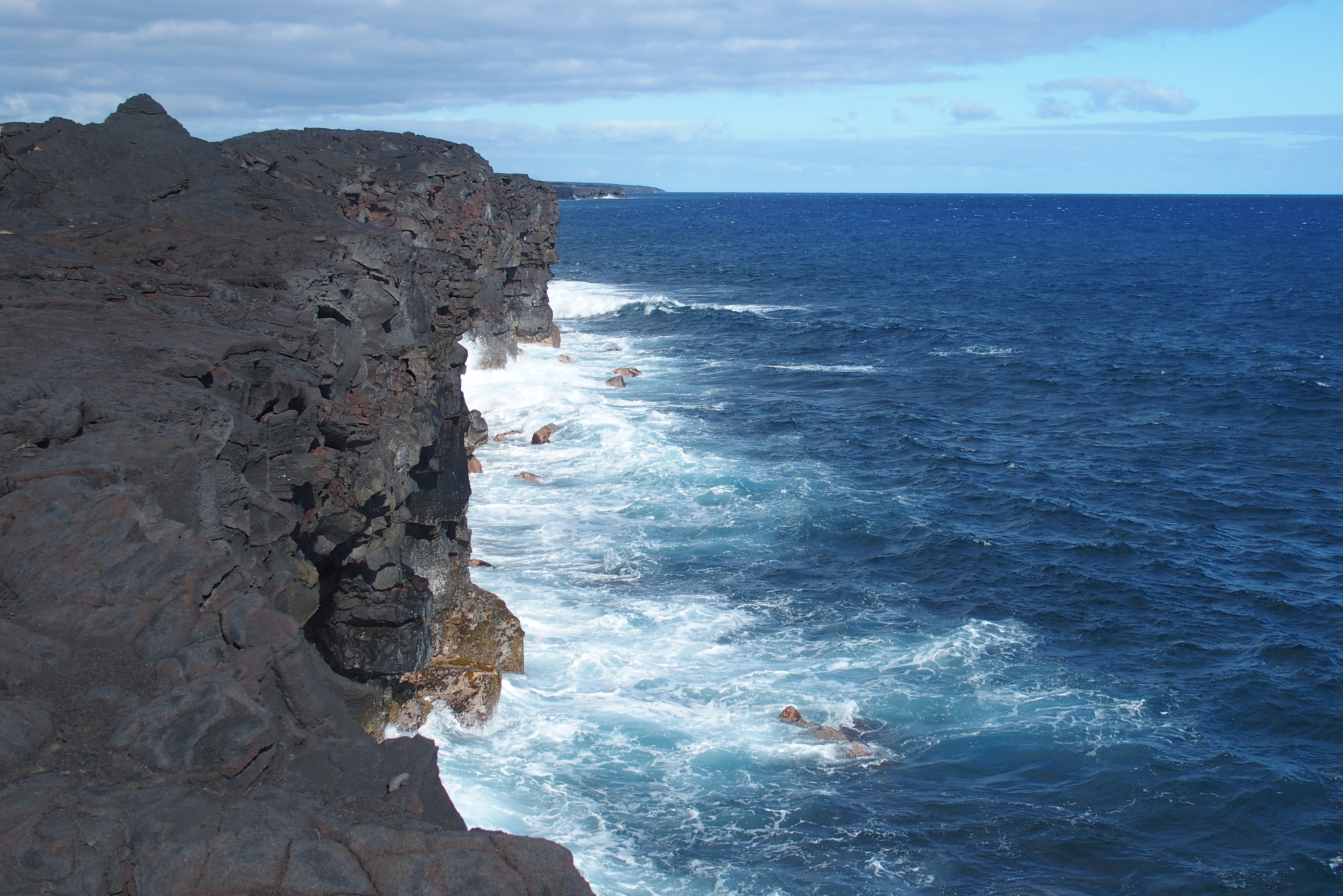
For centuries,  Pele has released red-hot lava over the edge of the land where it hisses as it flows into the ocean. Now the sights and sounds of the cliffs, the ocean, and the wind are mesmerizing in a different way. 

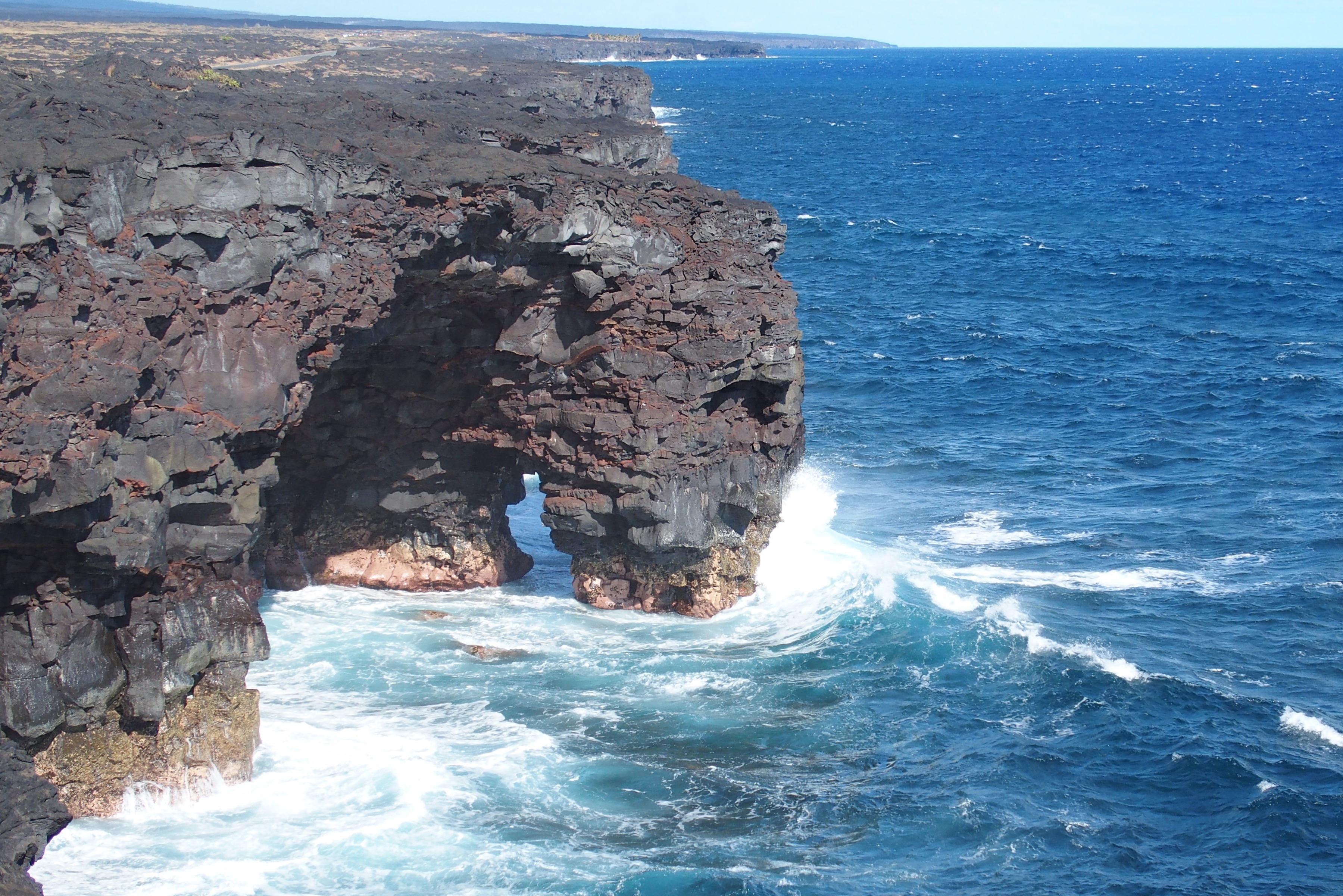
While the people of Hawaii are friendly, the land itself is also beautiful, showing peace and harmony in the harshest conditions. The brilliant blue ocean and raging surf create constantly changing views along the rugged shoreline. Even the hard black lava has beauty. Over years and years of pummeling, rock-hard lava will eventually wear down, sometimes creating unusual shapes.
OLYMPUS DIGITAL CAMERA

A coastal arch in Hawaii Volcanoes National Park

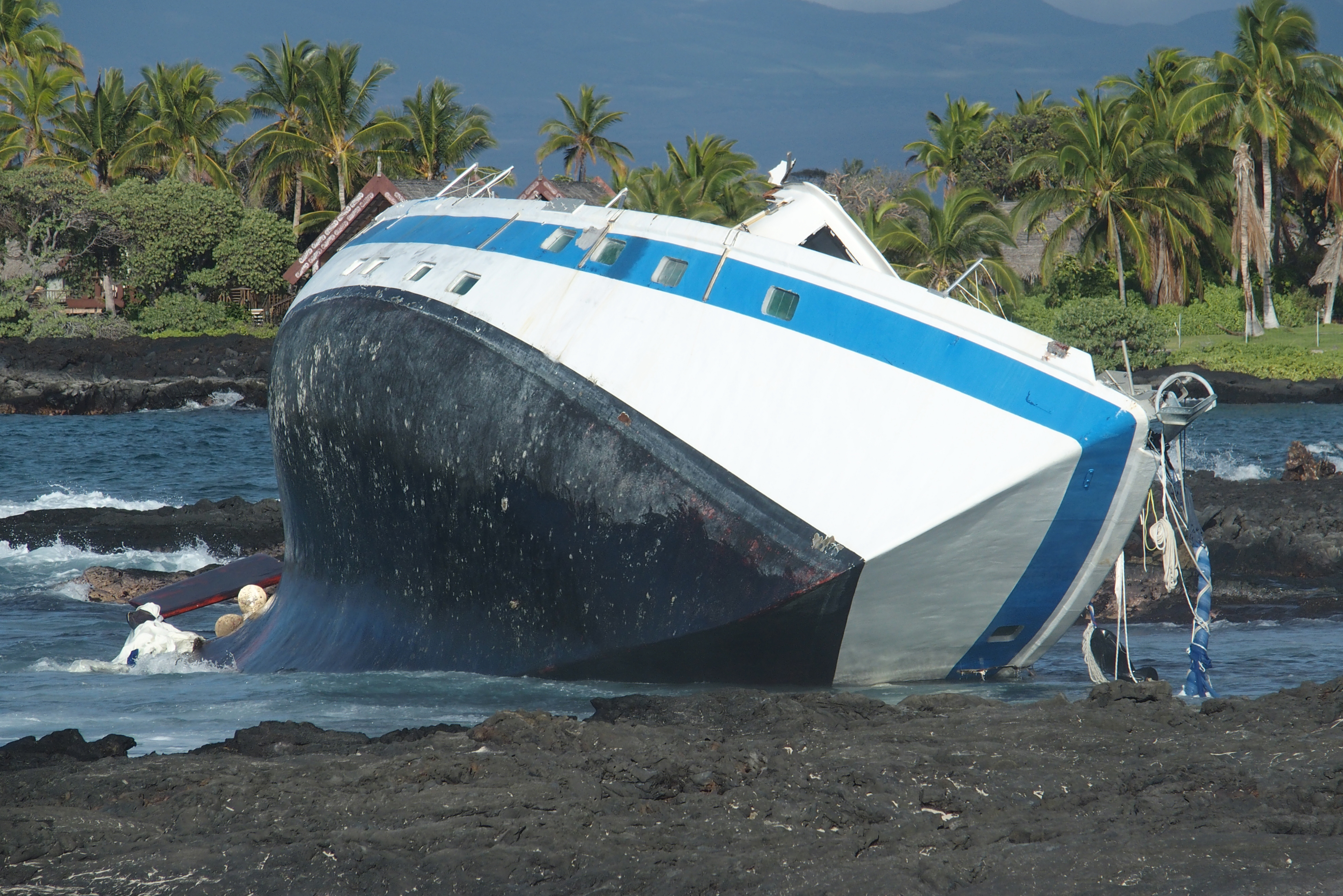
A couple days before we arrived, a major storm hit the area, causing downed trees and power outages. A 75-foot yacht was overturned and washed ashore. Three of the four crew on board survived on a life raft. Now the search for the fourth sailor has been abandoned.
OLYMPUS DIGITAL CAMERA

Imagine the storm that overturned this big boat and the strength of the waves that pushed it onto shore.

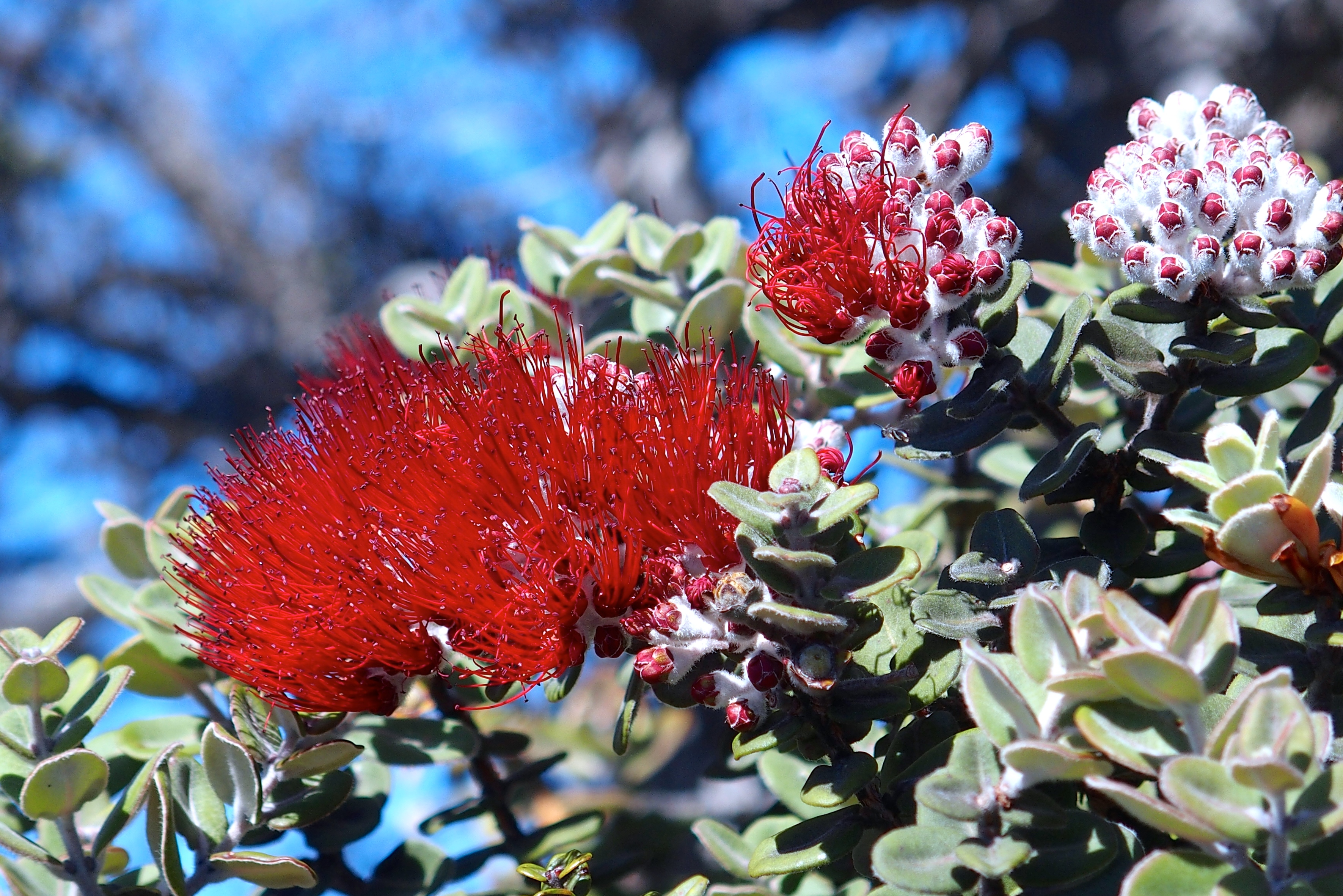
As we saw in the botanical garden, Hawaii has many beautiful flowering plants. One of the most famous is the ohia tree, with its delicate red lehua blossoms. There is a story behind it. Pele fell in love with a man named Ohia. He, however, loved another girl, Lehua. Pele transformed Ohia into a tree, considered rather ugly. Lehua begged Pele to change Ohia back to a human, but to no avail. Lehua turned to the other gods. They acted, but in a different way. Lehua was changed into a beautiful red flower to decorate the ohia tree. When anyone picks a lehua blossom, rain will come, the tears of Lehua upon her separation from Ohia.
OLYMPUS DIGITAL CAMERA

The delicate lehua blossom on the ohia tree.

We were constantly amazed by the views and scenery across the island and up and down its elevation.
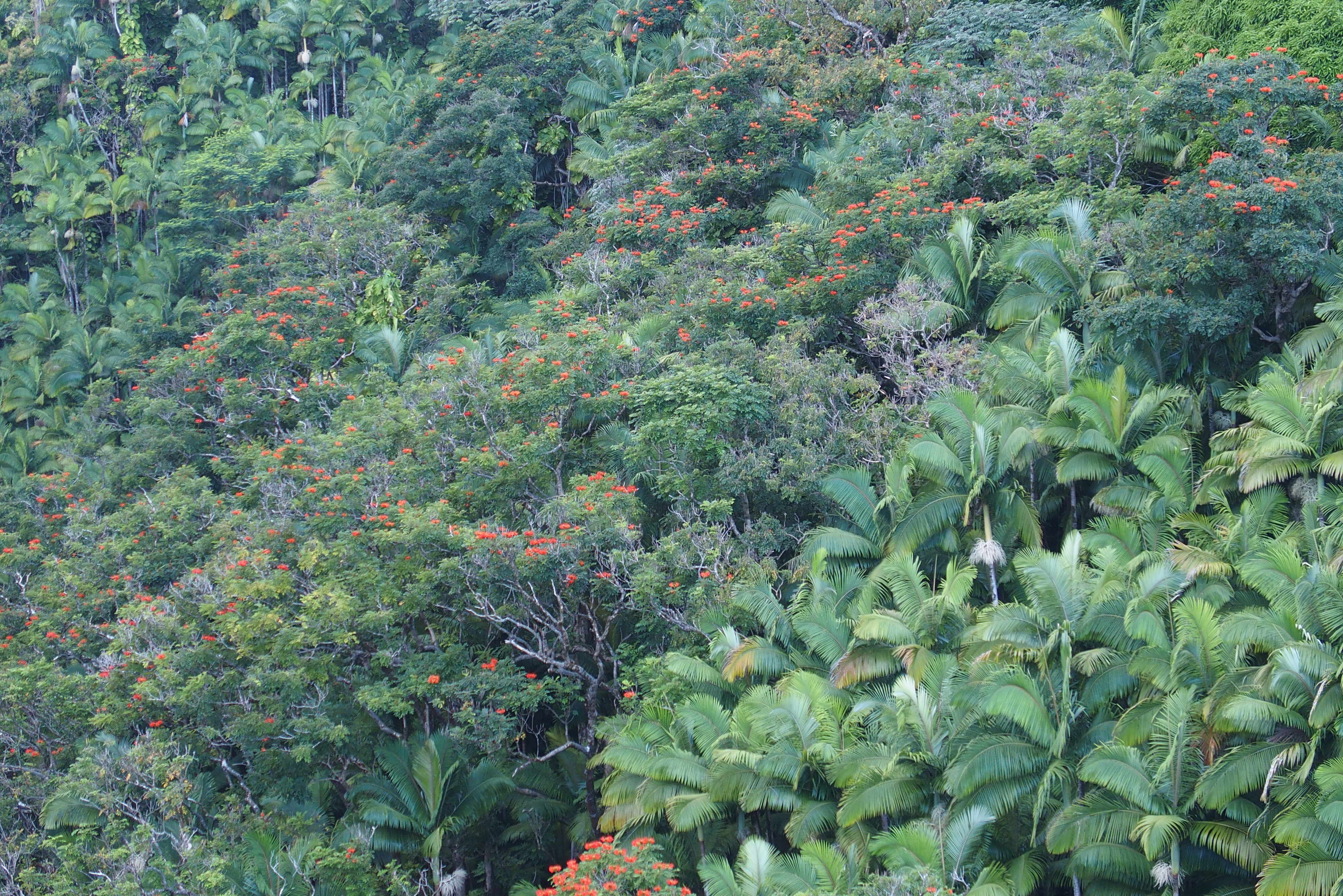
OLYMPUS DIGITAL CAMERA

Here we’re looking down on lush vegetation, full-sized palms and other trees.

Here we’re looking westward over the island.
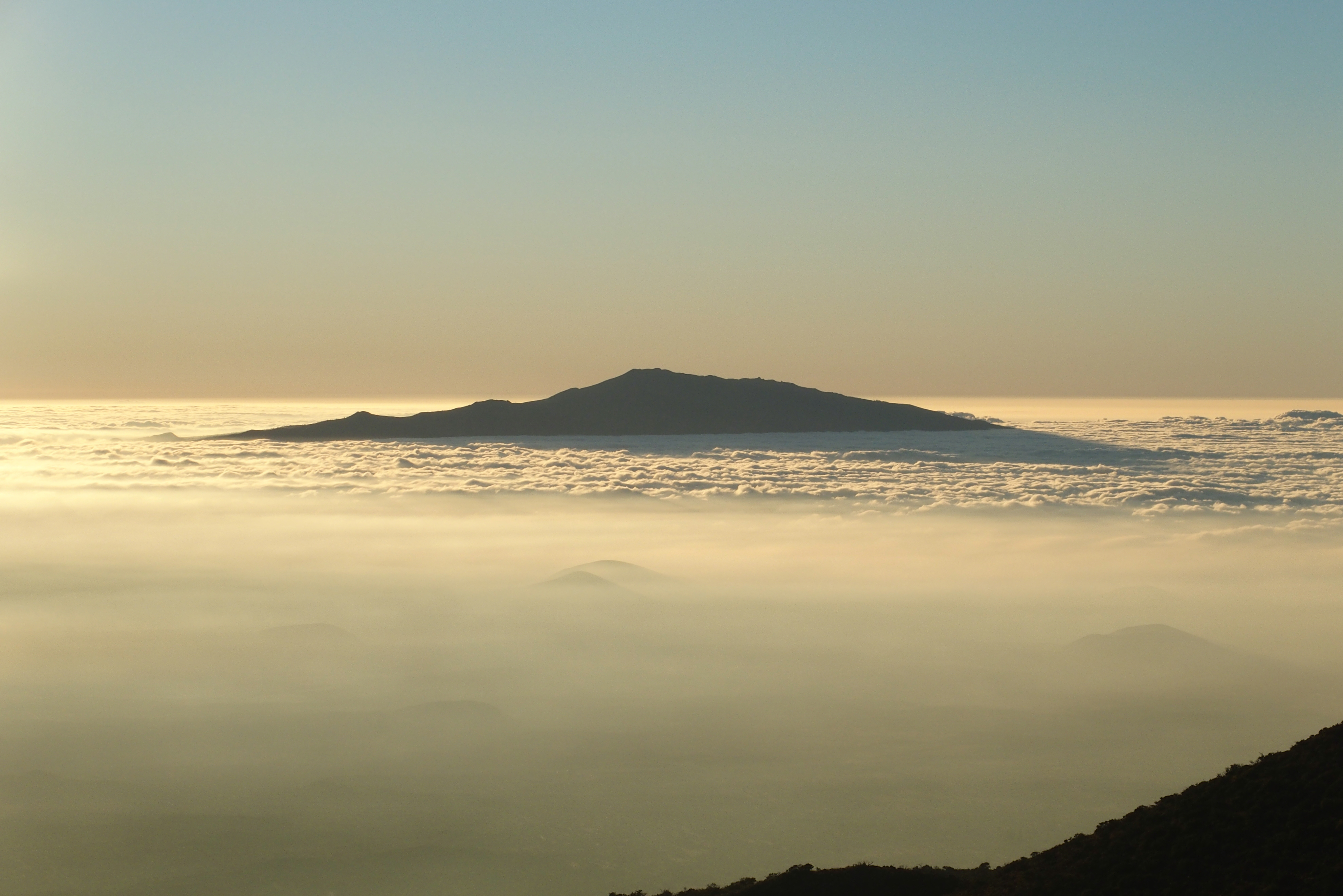
OLYMPUS DIGITAL CAMERA

This “island” is actually the top of the dormant volcano cone behind Kona. From the top of Mauna Kea, we watched the sun set into the clouds.

It’s hard to believe that all this beauty is built on lava.
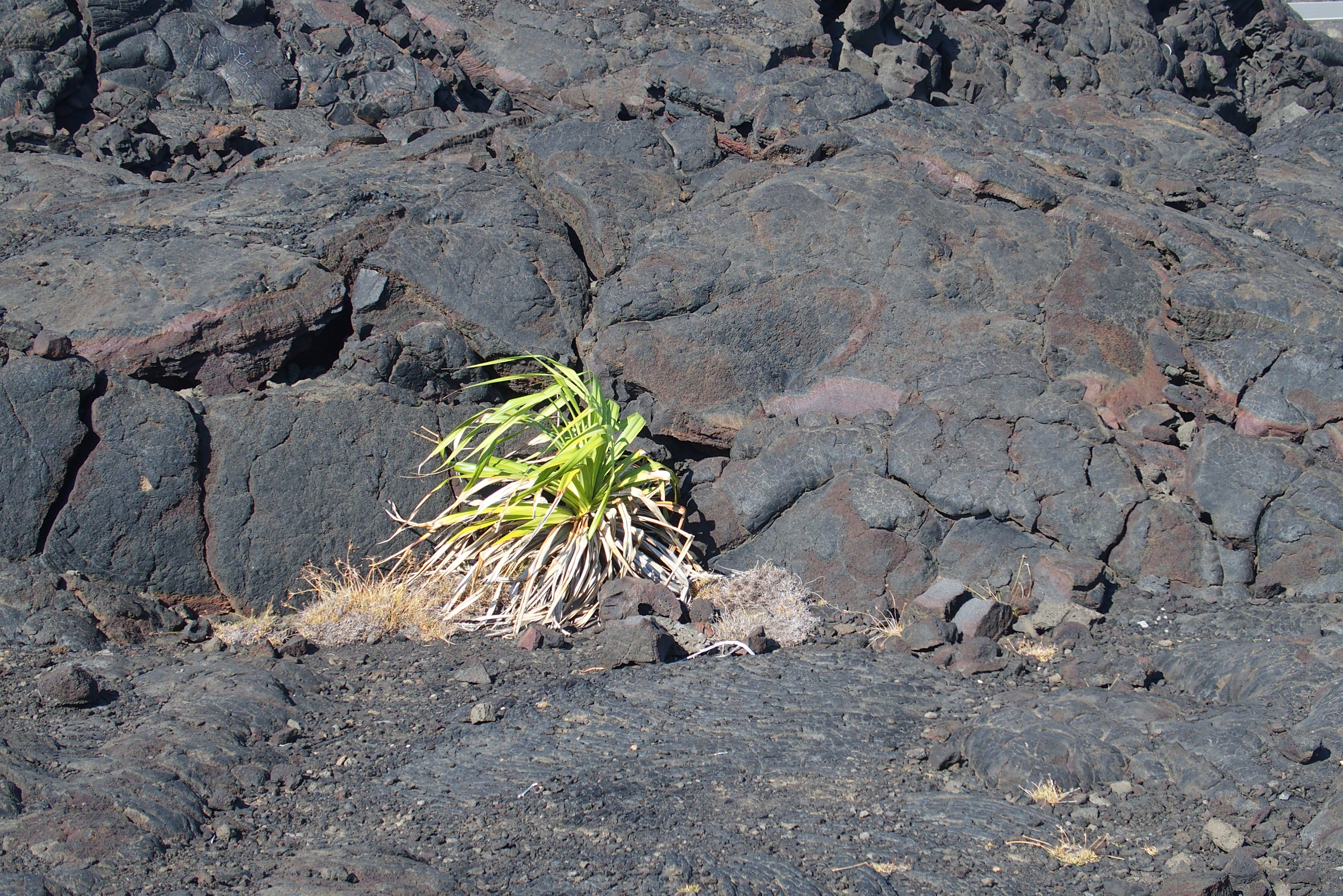
OLYMPUS DIGITAL CAMERA

This is how life starts in the lava field.
OLYMPUS DIGITAL CAMERA

And it spreads and blossoms.

OLYMPUS DIGITAL CAMERA

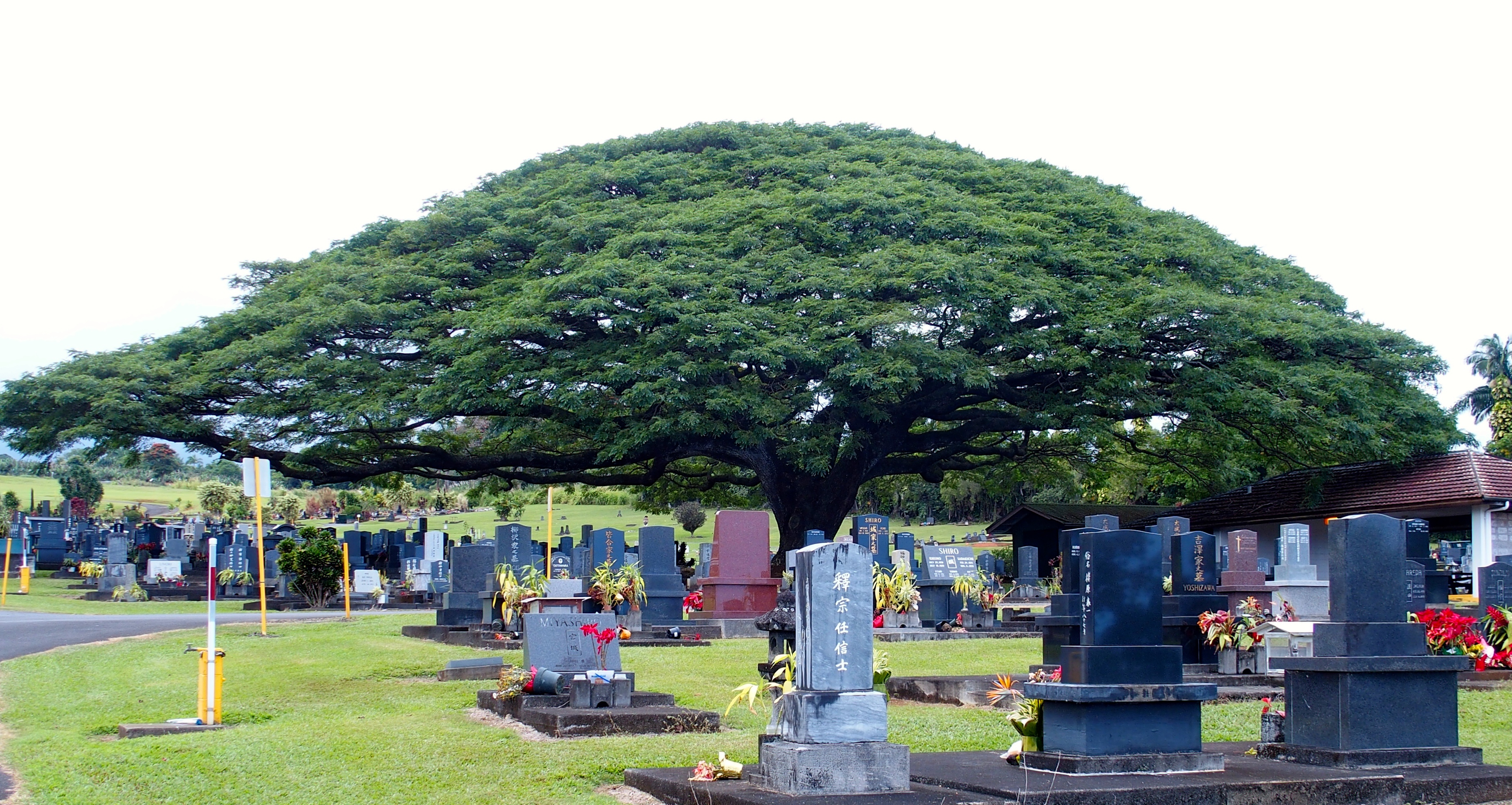
Eventually beautiful trees appear, like this monkeypod in the Alae Cemetery north of Hilo.

And the island has become a unique paradise.

OLYMPUS DIGITAL CAMERA

Can’t get over this contrast of palms and snowcapped mountain.

A beautiful spot to launch our 2015 adventures.
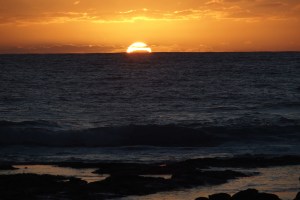
OLYMPUS DIGITAL CAMERA

As the sun sets, we say “Aloha” from Hawaii.

Next, it’s “back home” to Hong Kong.

Posted in Smell the Roses | Tagged , , , , , , | 1 Comment

Hawaii’s climate zones – just how many are there?

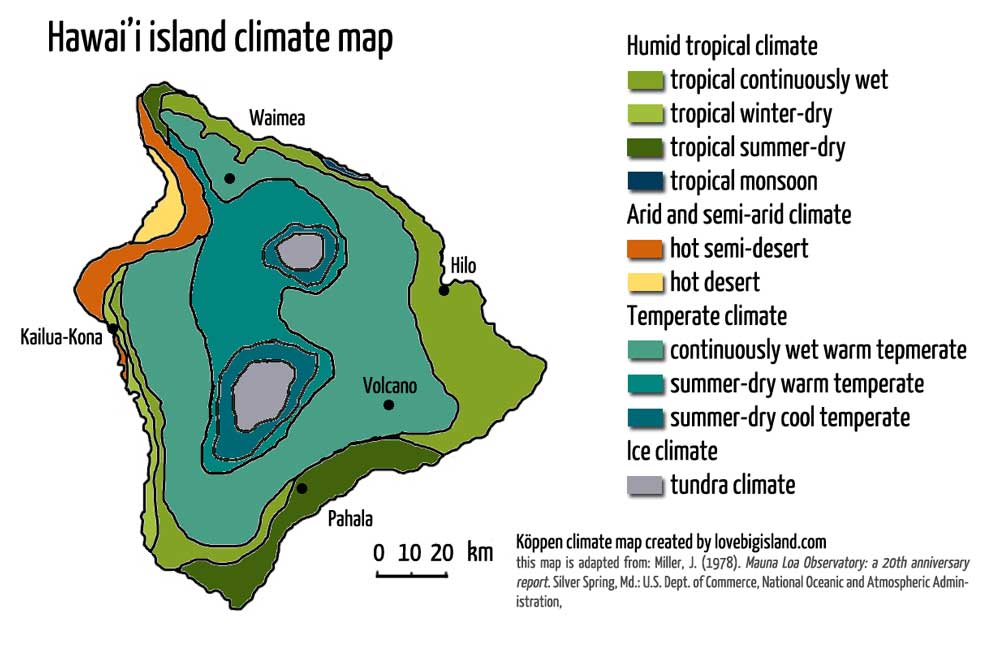
The Big Island is over 4,000 square miles in area and rises from sea level to an elevation of 13,803 feet. The significance of these statistics is that Hawaii has many climates. In fact, it has 8 to 11 (depending on interpretation) of 13 recognized climate zones. We experienced them all…

OLYMPUS DIGITAL CAMERA

From Hilo Harbor (0 feet) to Mauna Kea (13,803 feet), palm trees to snowcaps

The arid, desert steppe is actually located along the most well-known area of the island, the beaches north of Kona on the west side where visitors stay at high-end resorts. This keeps vacationing folks comfortable most of the year without the rain that hits other parts of the island. Water is piped in to meet needs and provide irrigation for lush vegetation.

IMG_3071

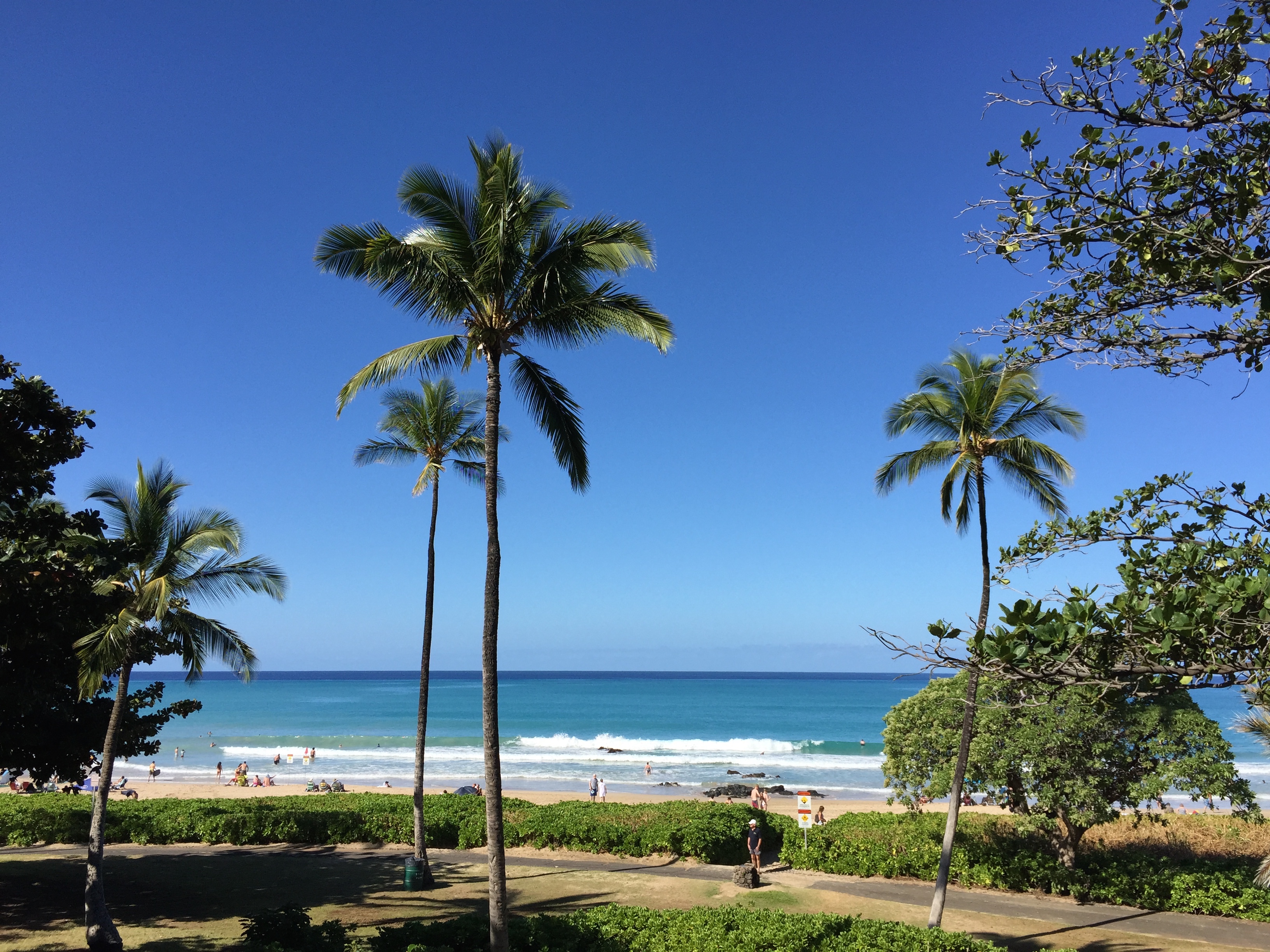
Beach at Mauna Kea Resort – a desert?

OLYMPUS DIGITAL CAMERA

Just south of Kona is considered a humid tropical climate. It has perfect conditions for growing Kona coffee.

Hilo on the east side is in the humid tropical climate, considered “continuously wet.” Our host in Hilo said he had 140 inches of rain annually in his old home so he moved about 10 miles south and now has only 100 inches of rain. He has a lovely garden with various fruit trees and flowering plants.

OLYMPUS DIGITAL CAMERA

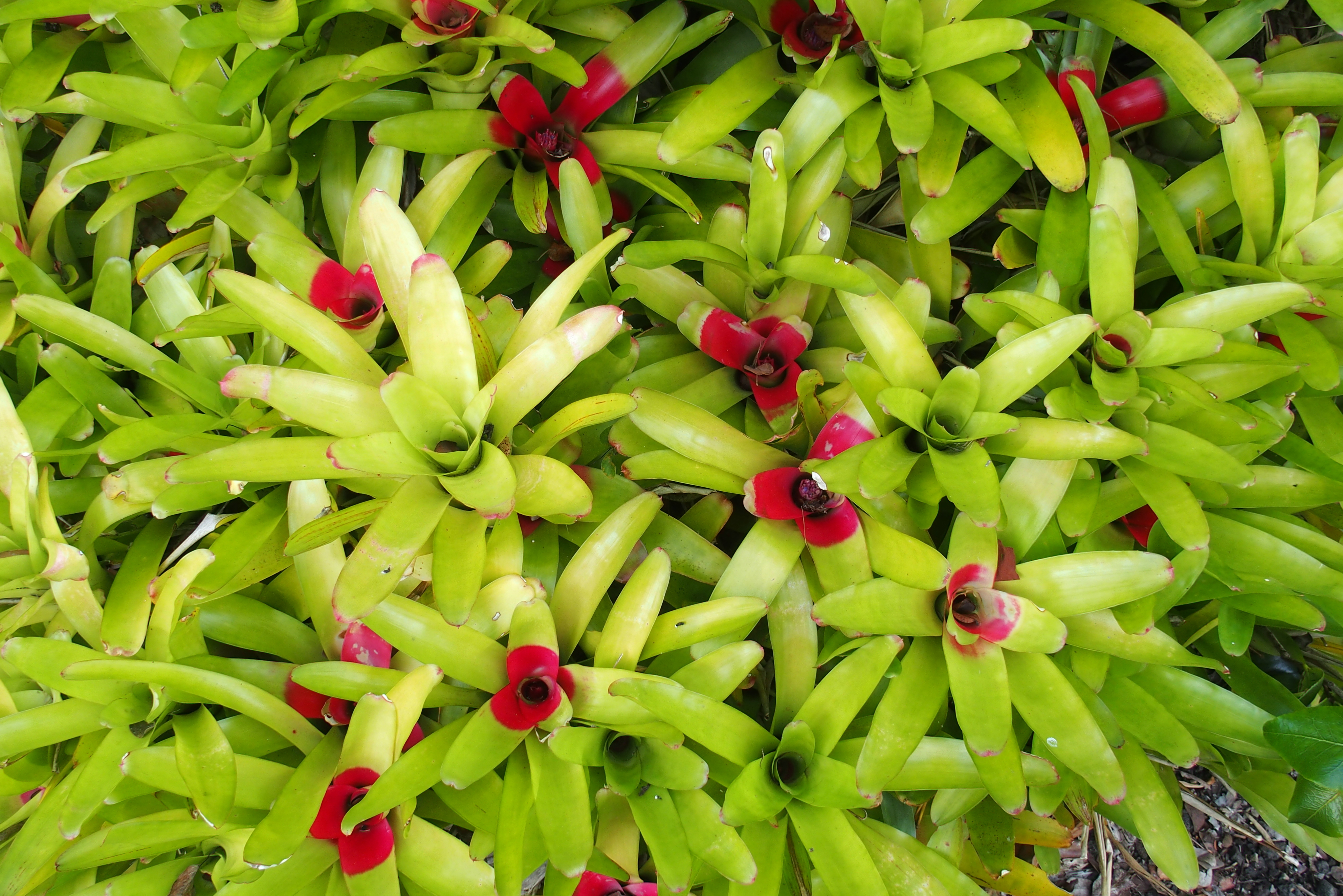
Our host’s bromeliads. They grow in bunches around the fruit trees.

We did have heavy rain one day when we ventured north into the region north of Hilo near Waimea identified as “monsoon” climate.

OLYMPUS DIGITAL CAMERA

Waipio Valley. It’s very difficult to get to the valley. Four-wheel drive only (or a steep hike). The area is good for agriculture, possibly some marijuana fields hidden away.

The inner parts of the island have a temperate climate.

OLYMPUS DIGITAL CAMERA

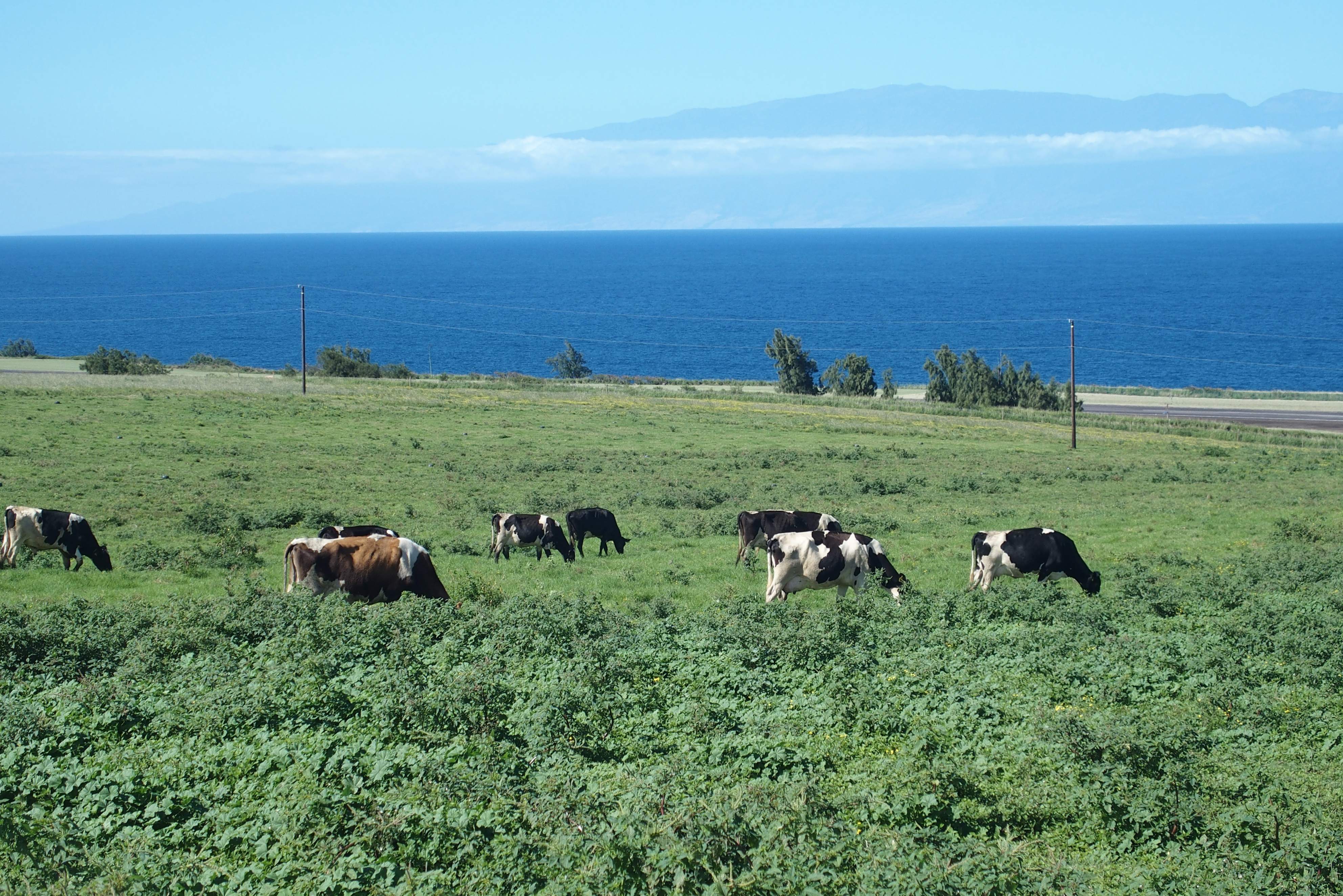
These cows look just like the ones grazing in California near the ocean, only here in Hawaii the grass is a bit greener.

OLYMPUS DIGITAL CAMERA

Temperate, too, though not as lush.

OLYMPUS DIGITAL CAMERA

Still temperate. Eventually this may turn into rainforest.

IMG_3022

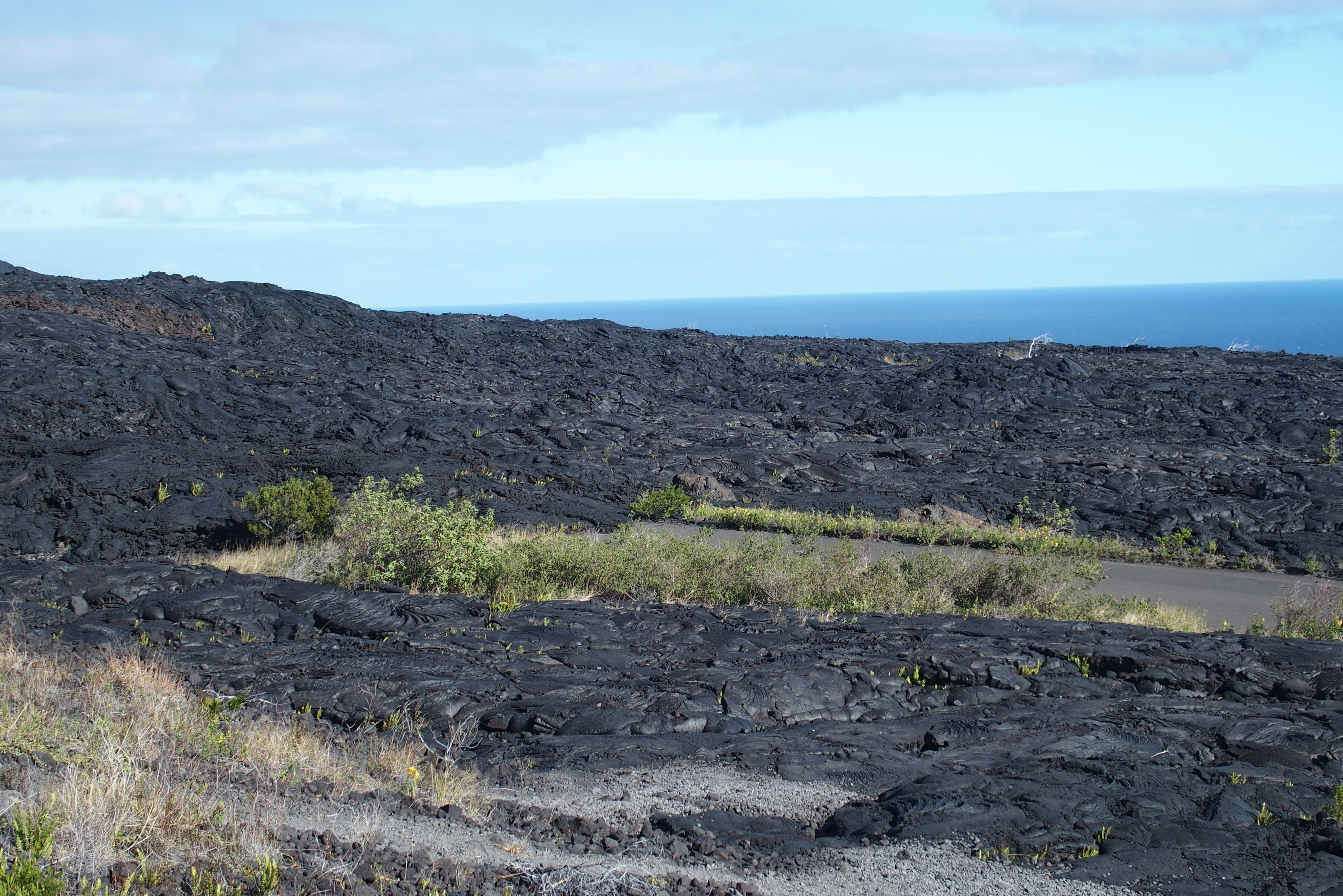
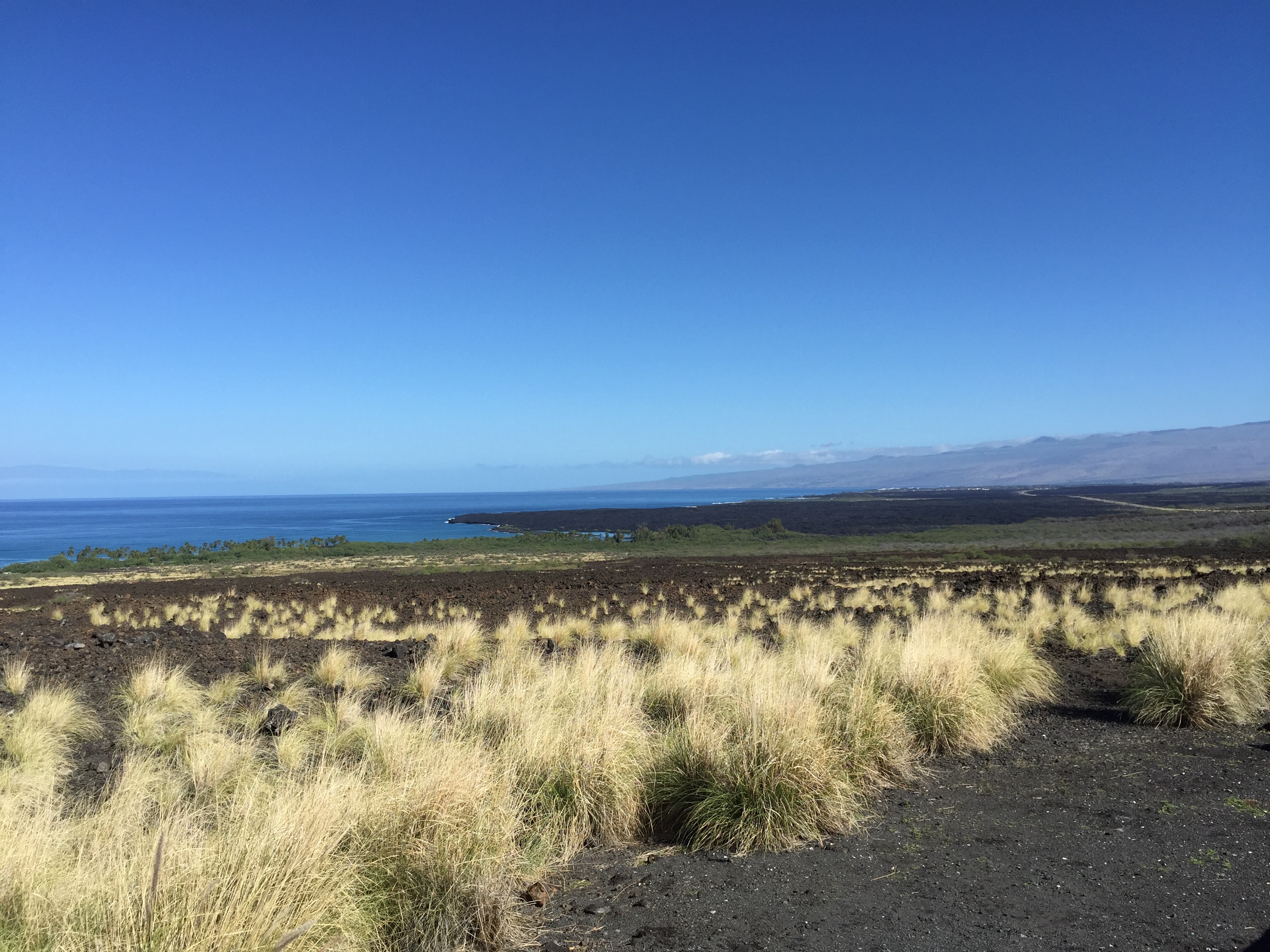
A grassland developing on the lava field.

OLYMPUS DIGITAL CAMERA

Under this rainforest trail is lava. It leads to the volcano, but the trail beyond was closed for safety concerns.

OLYMPUS DIGITAL CAMERA

Looking down onto the tops of a lush palm forest.


OLYMPUS DIGITAL CAMERA

What killed these trees on the way up Mauna Kea?

OLYMPUS DIGITAL CAMERA

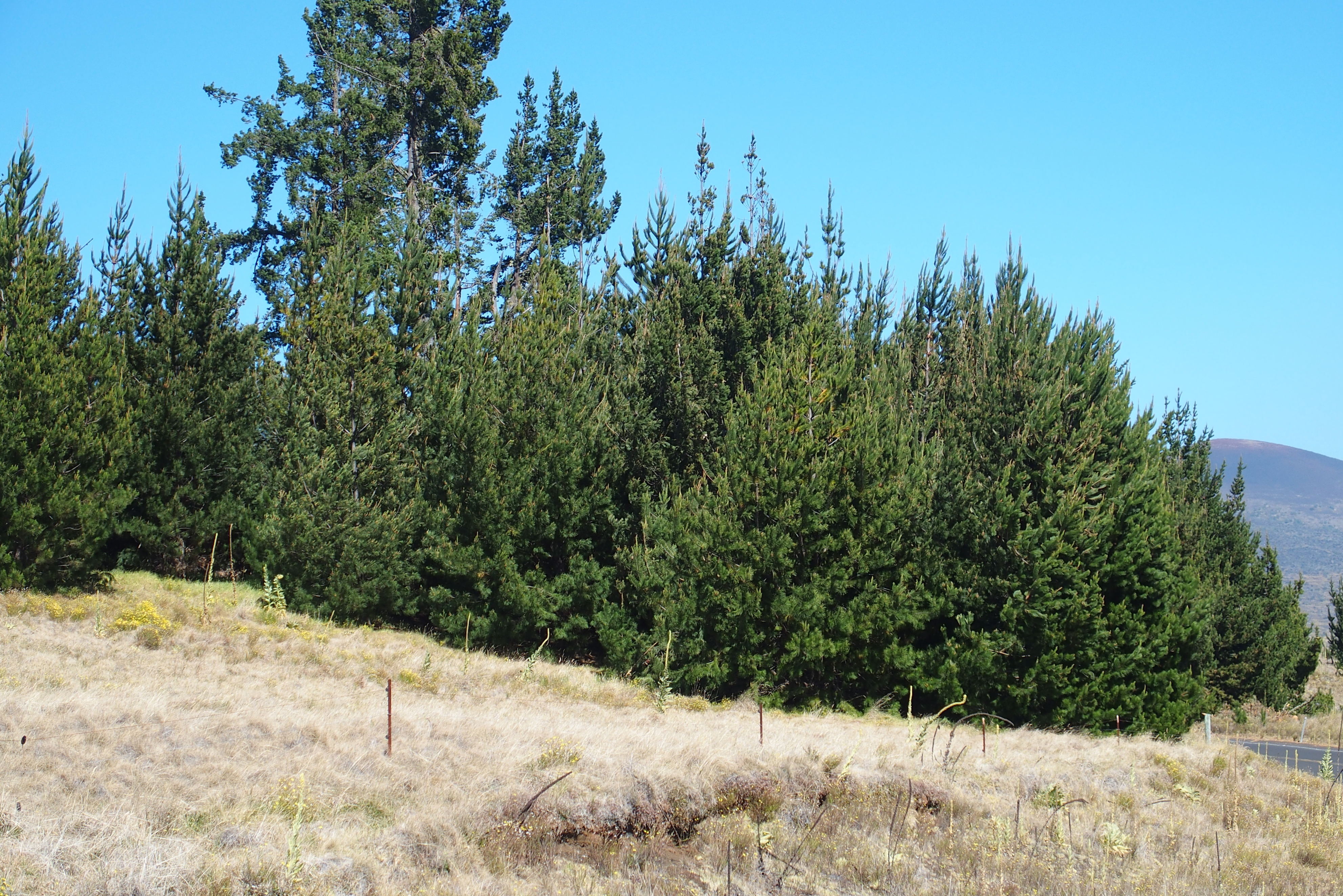
We didn’t expect to see pines growing here.

OLYMPUS DIGITAL CAMERA

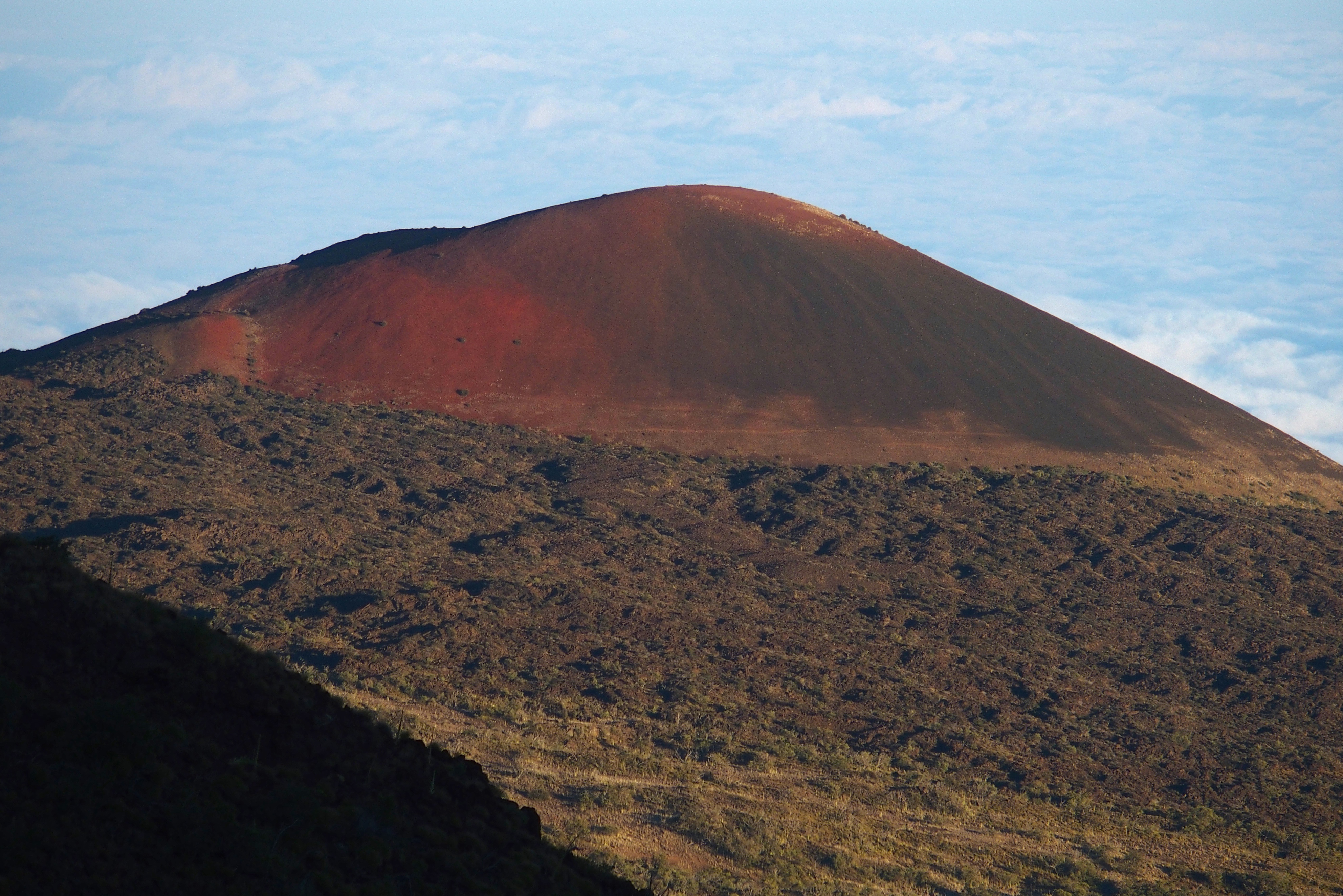
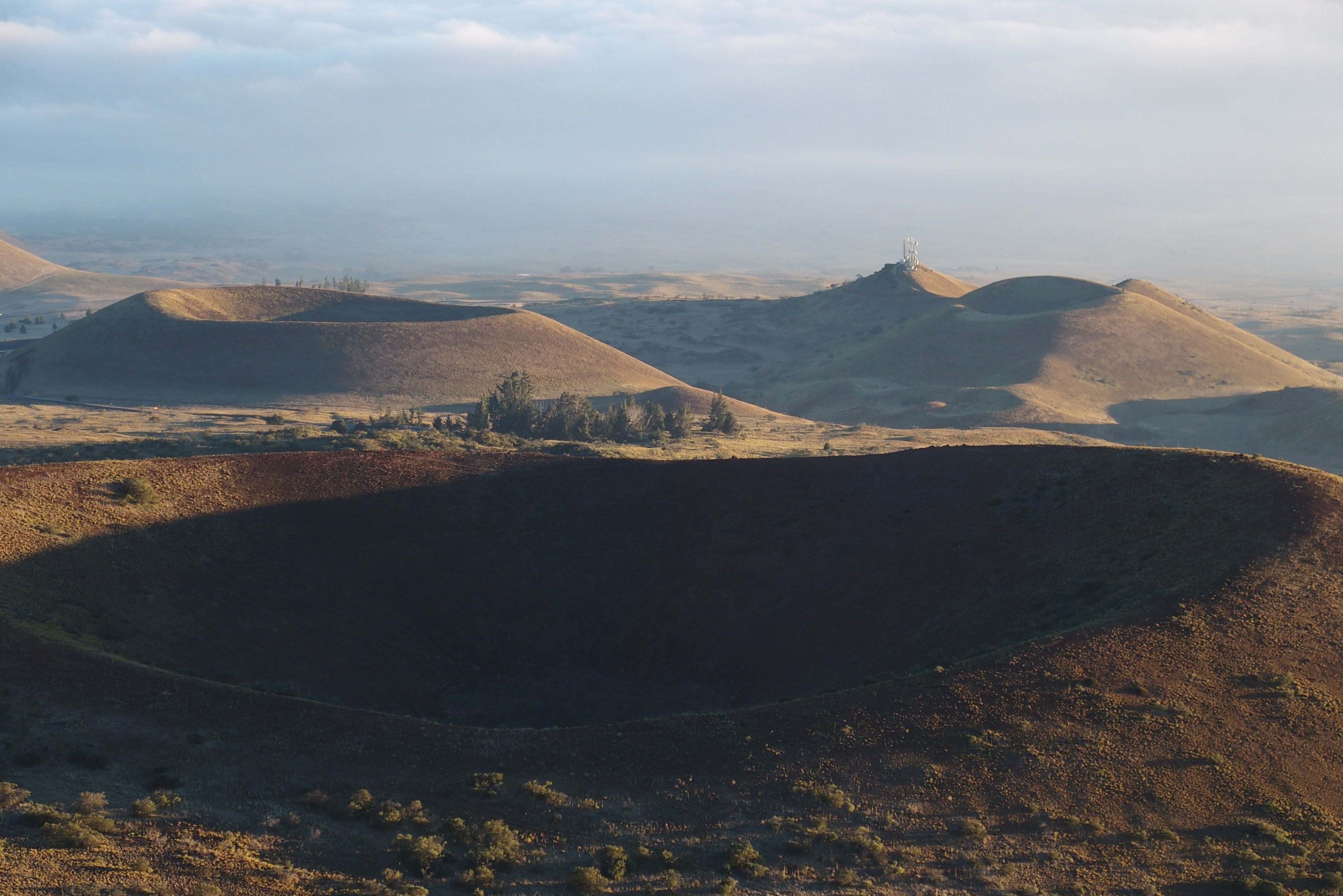
This volcanic cone is red because the last gases coming from the eruption are full of iron. Effectively it’s a rusted volcano.

OLYMPUS DIGITAL CAMERA

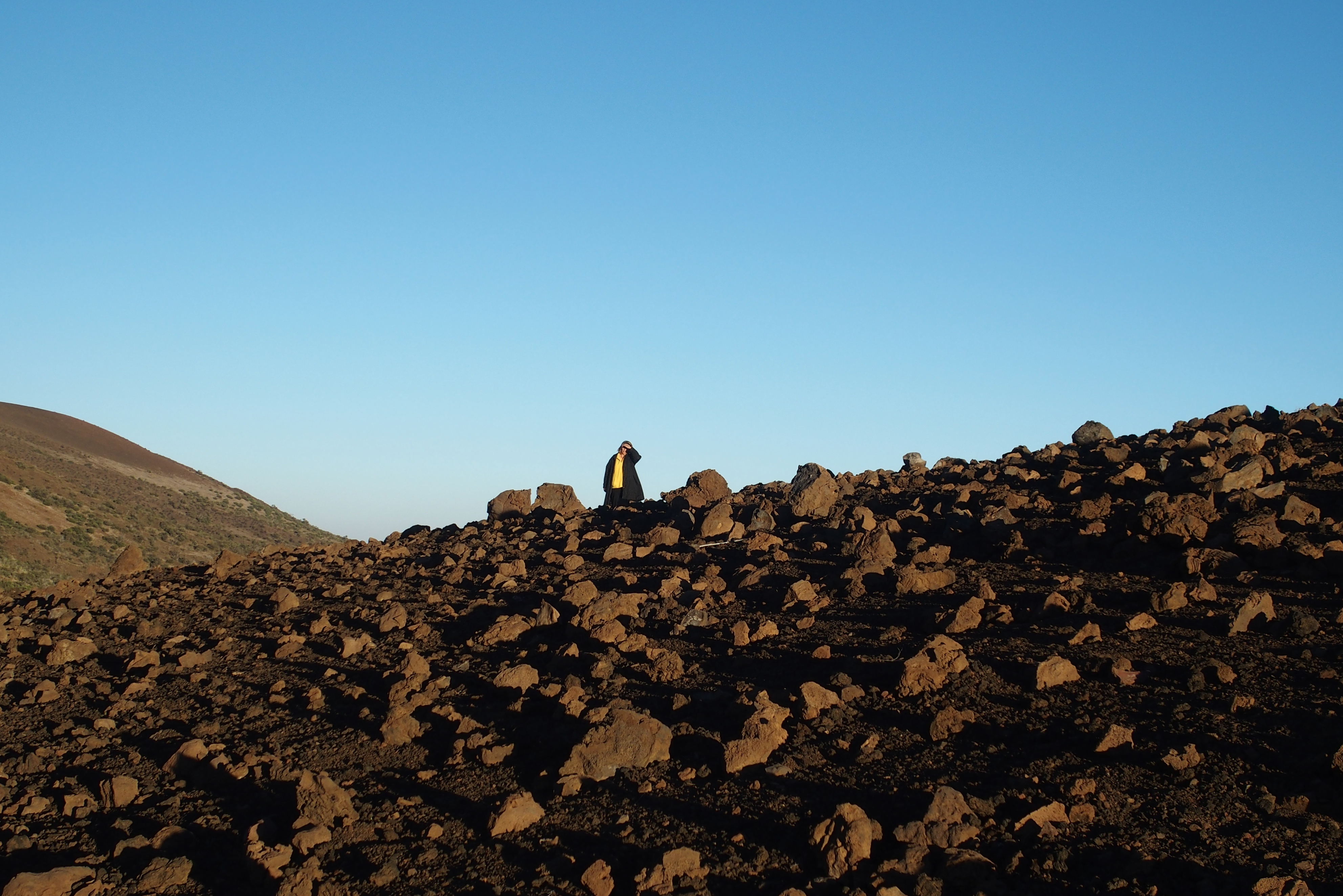
This rockpile is still classified as a temperate climate.

OLYMPUS DIGITAL CAMERA

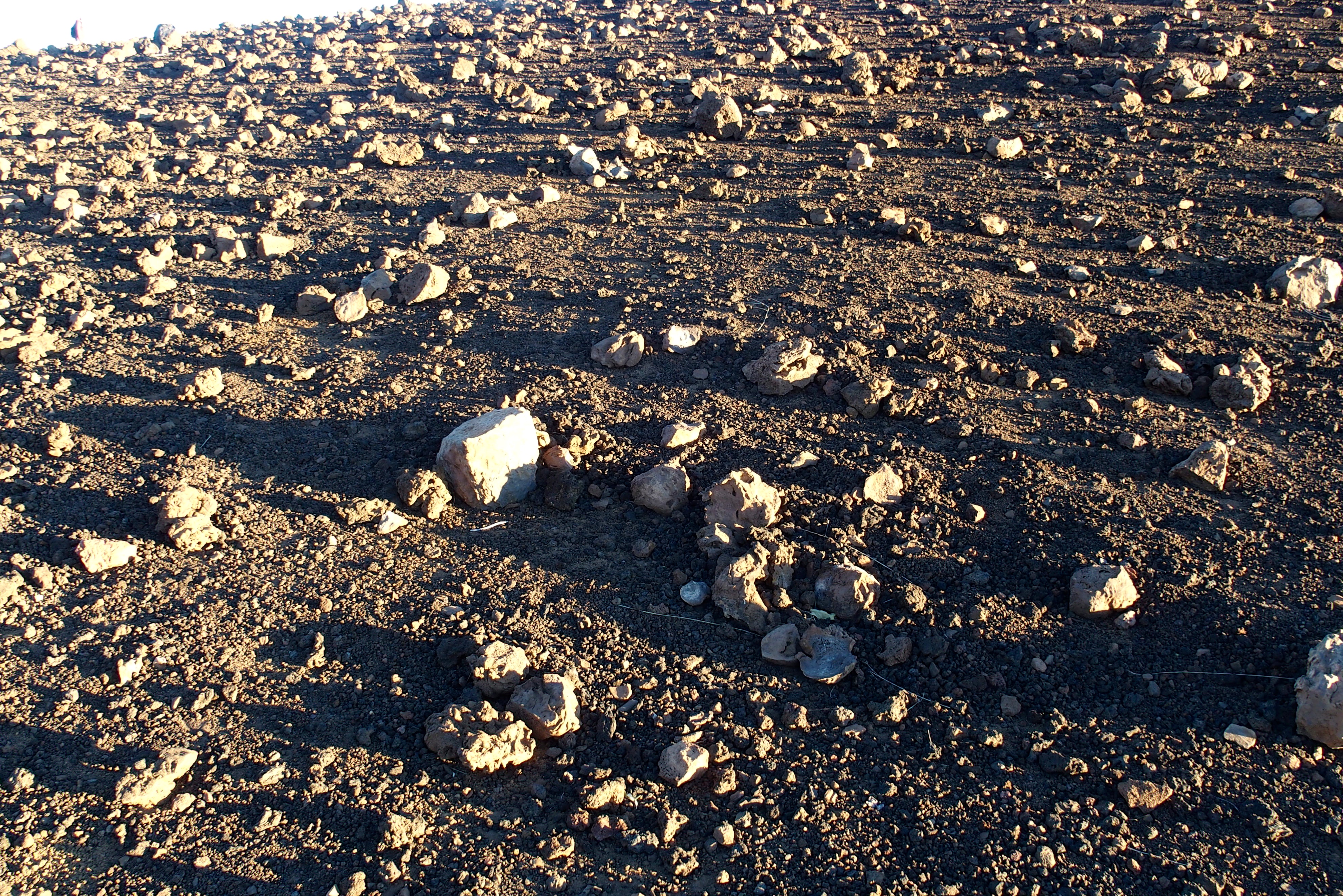
These could be moon rocks.

IMG_3112

Are we still in Hawaii?

OLYMPUS DIGITAL CAMERA

Are we still on this planet?

OLYMPUS DIGITAL CAMERA

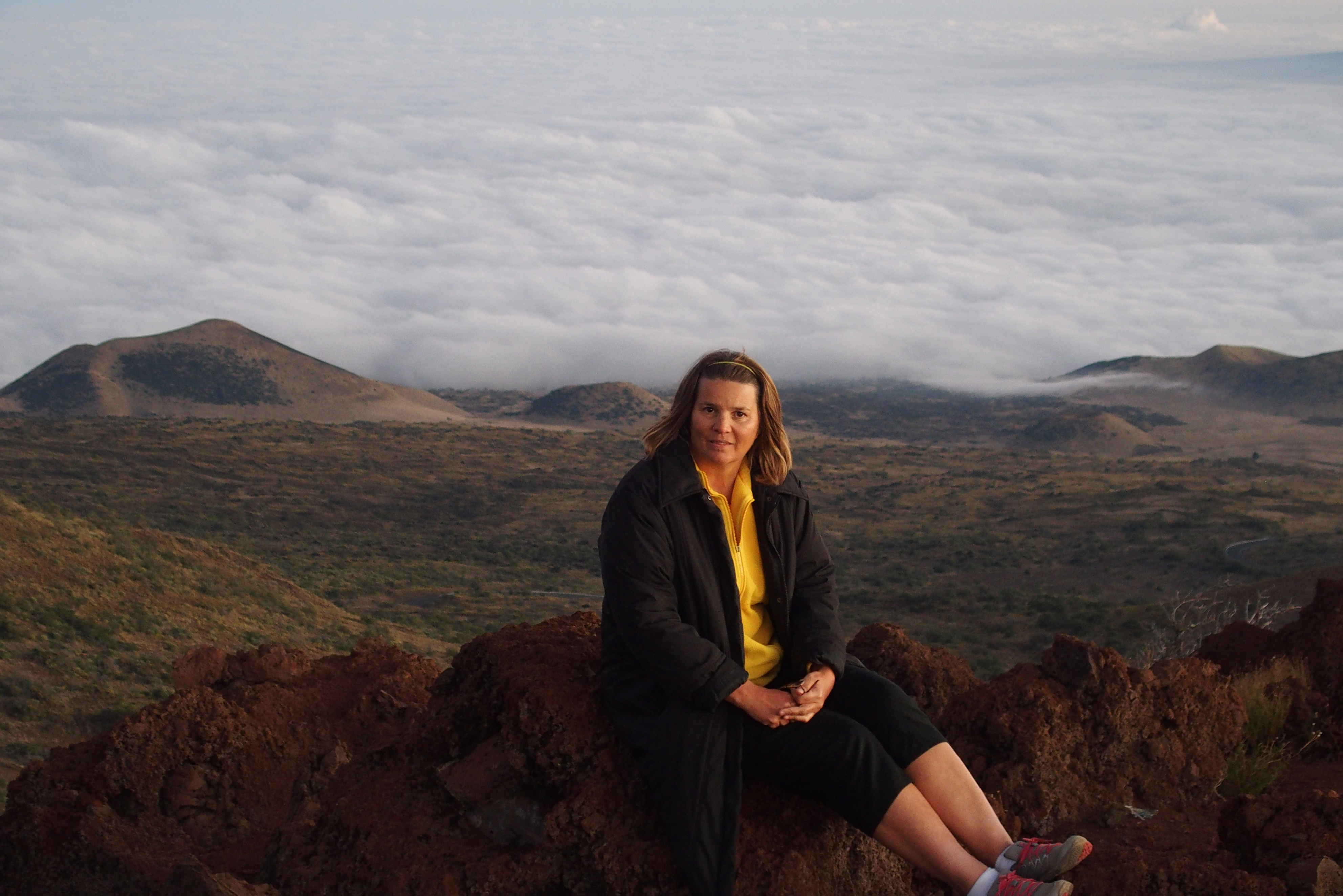
We’re about 9,000 feet up Mauna Kea, above the clouds.

Finally the tops of Mauna Loa and Mauna Kea are in the polar or ice climate. Yes, polar, with a frozen tundra.

OLYMPUS DIGITAL CAMERA

Mauna Kea. People were skiing here when we arrived.

hawaii-bigisland-climate-map-lovebigisland

Hawaii’s climate map, courtesy of the Mauna Loa Observatory

Just one more day in Hawaii…


Posted in Travel Journal | Tagged , , , , , , | Leave a comment

Hawaii in Bloom, Hawaii Tropical Botanical Garden (January 2015)

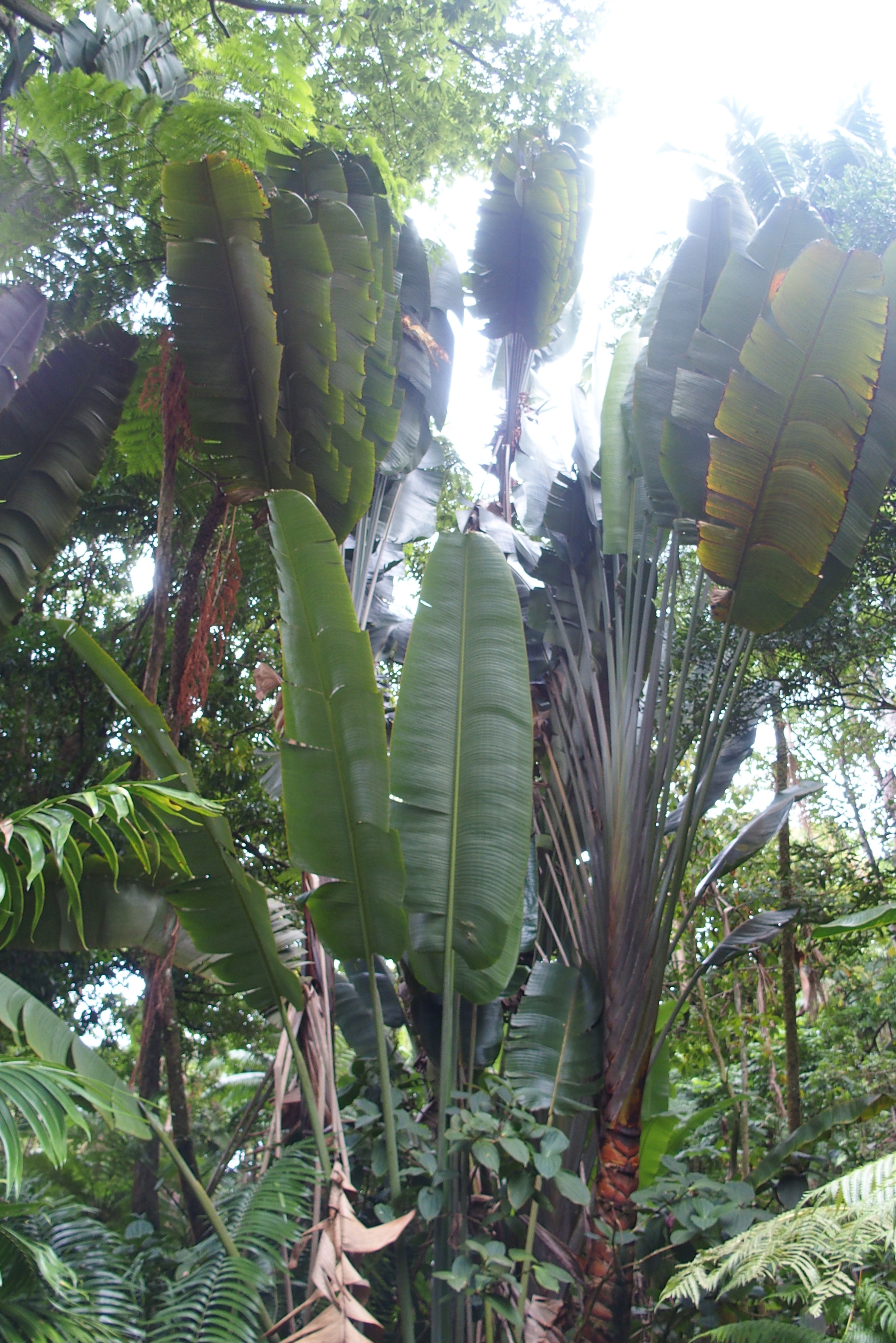
The whole island of Hawaii is formed of volcanic rock. You might expect a desert wasteland. Not so. We found a lush, peaceful tropical garden just north of Hilo.

OLYMPUS DIGITAL CAMERA

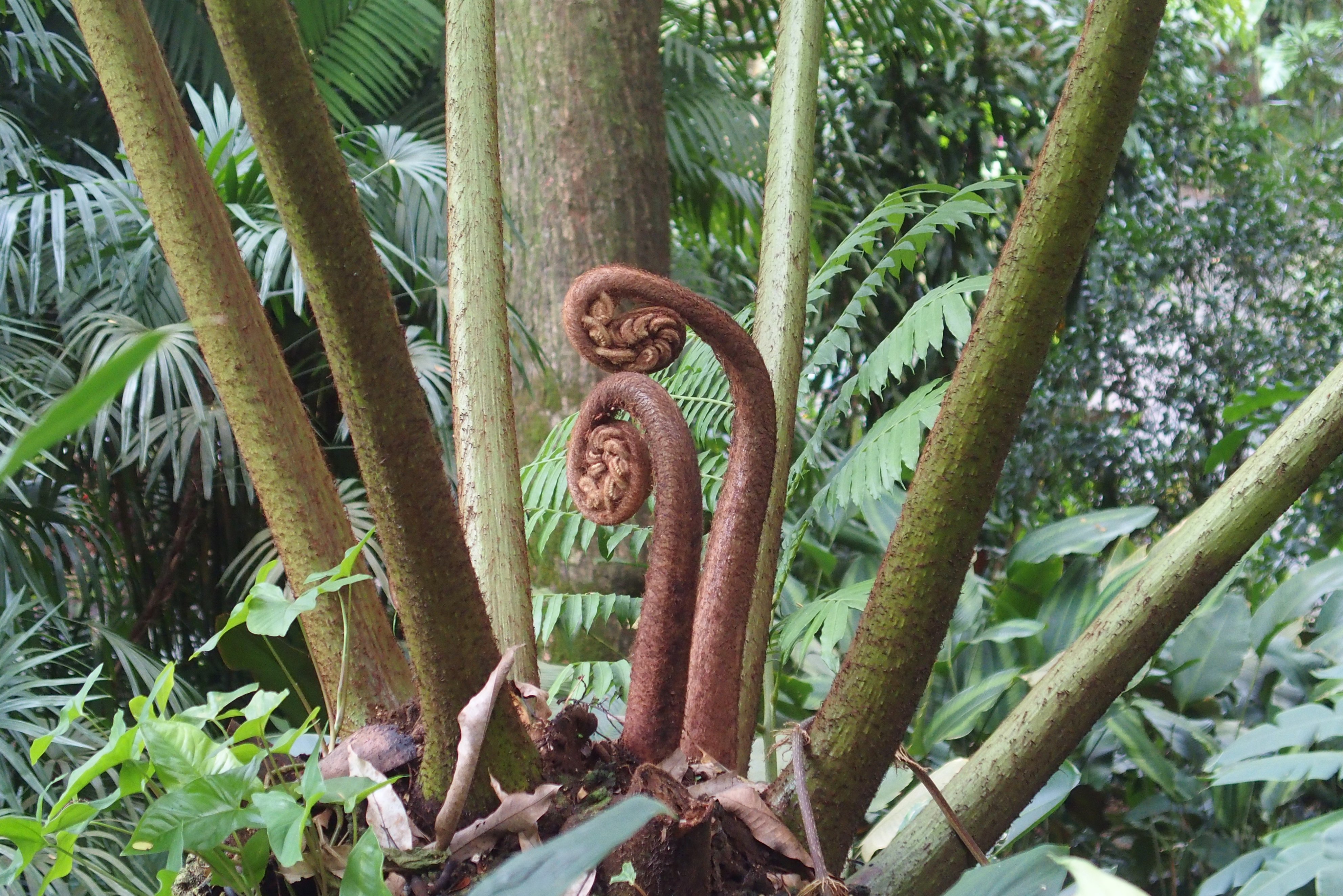
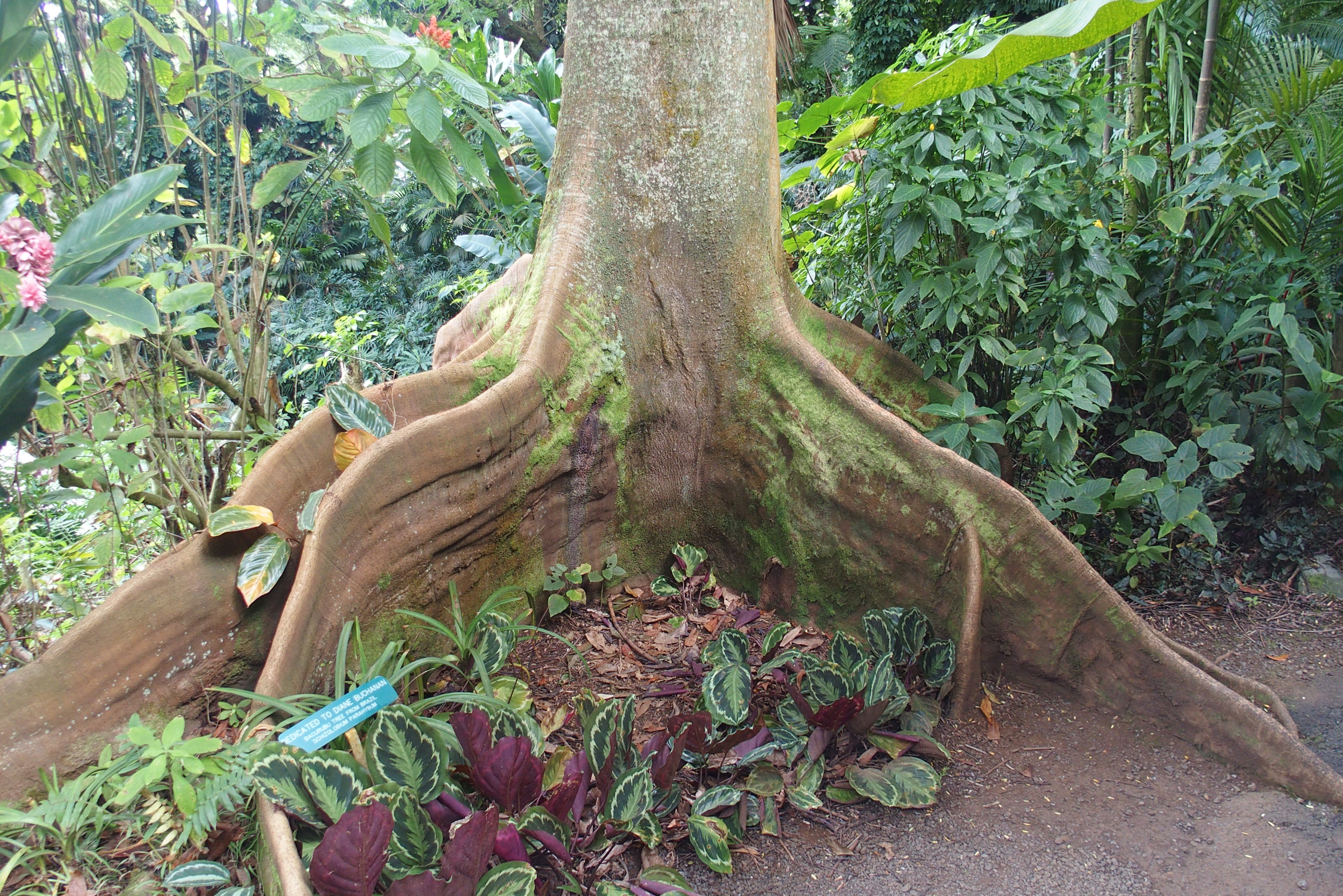
Interestingly, nearly all the plants here are imported from other lands: Malaysia, Thailand, Burma, Mexico…

OLYMPUS DIGITAL CAMERA

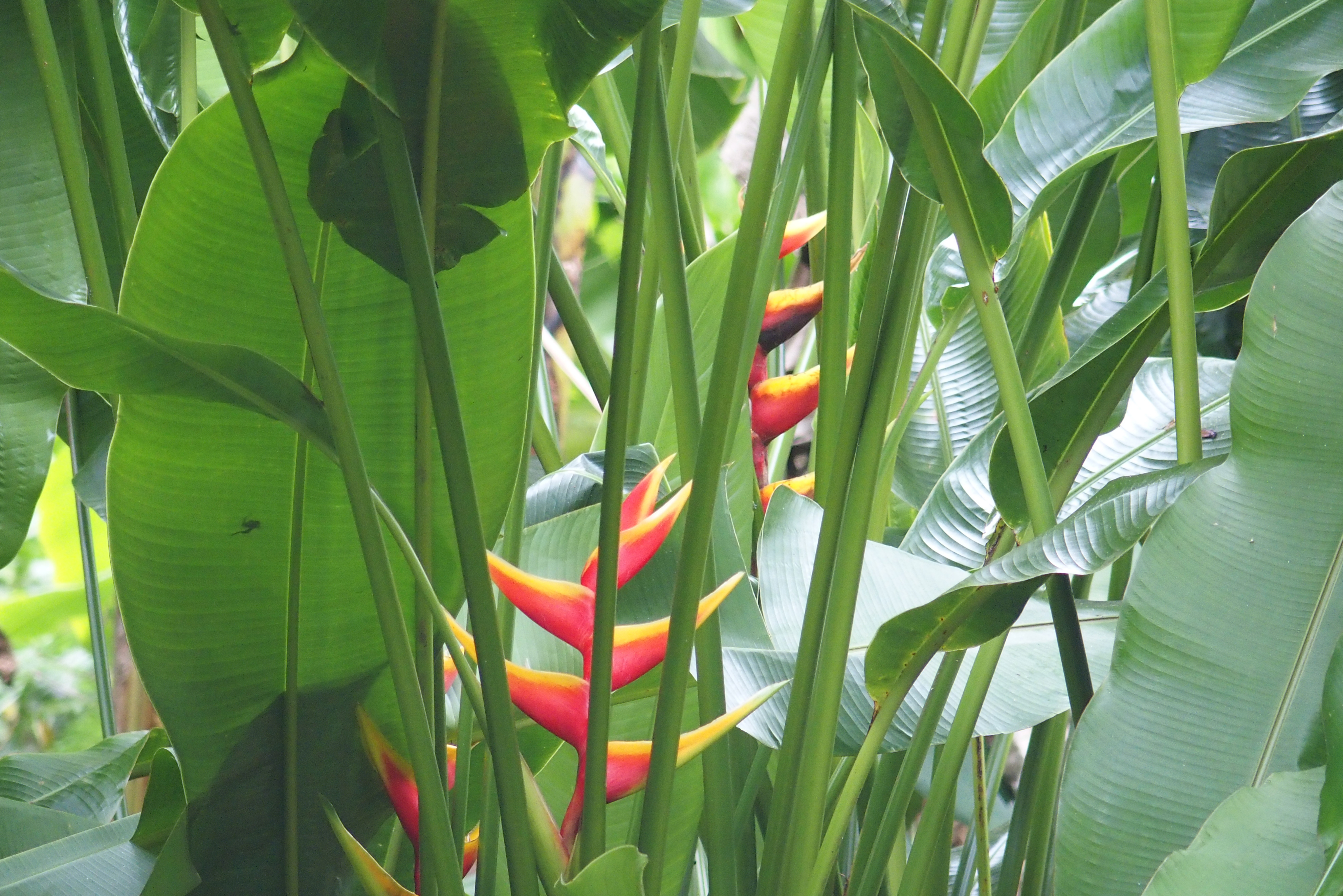
This one says Hawaii to me: the Bird of Paradise. It’s actually from South Africa.

OLYMPUS DIGITAL CAMERA

A bird of another color

OLYMPUS DIGITAL CAMERA

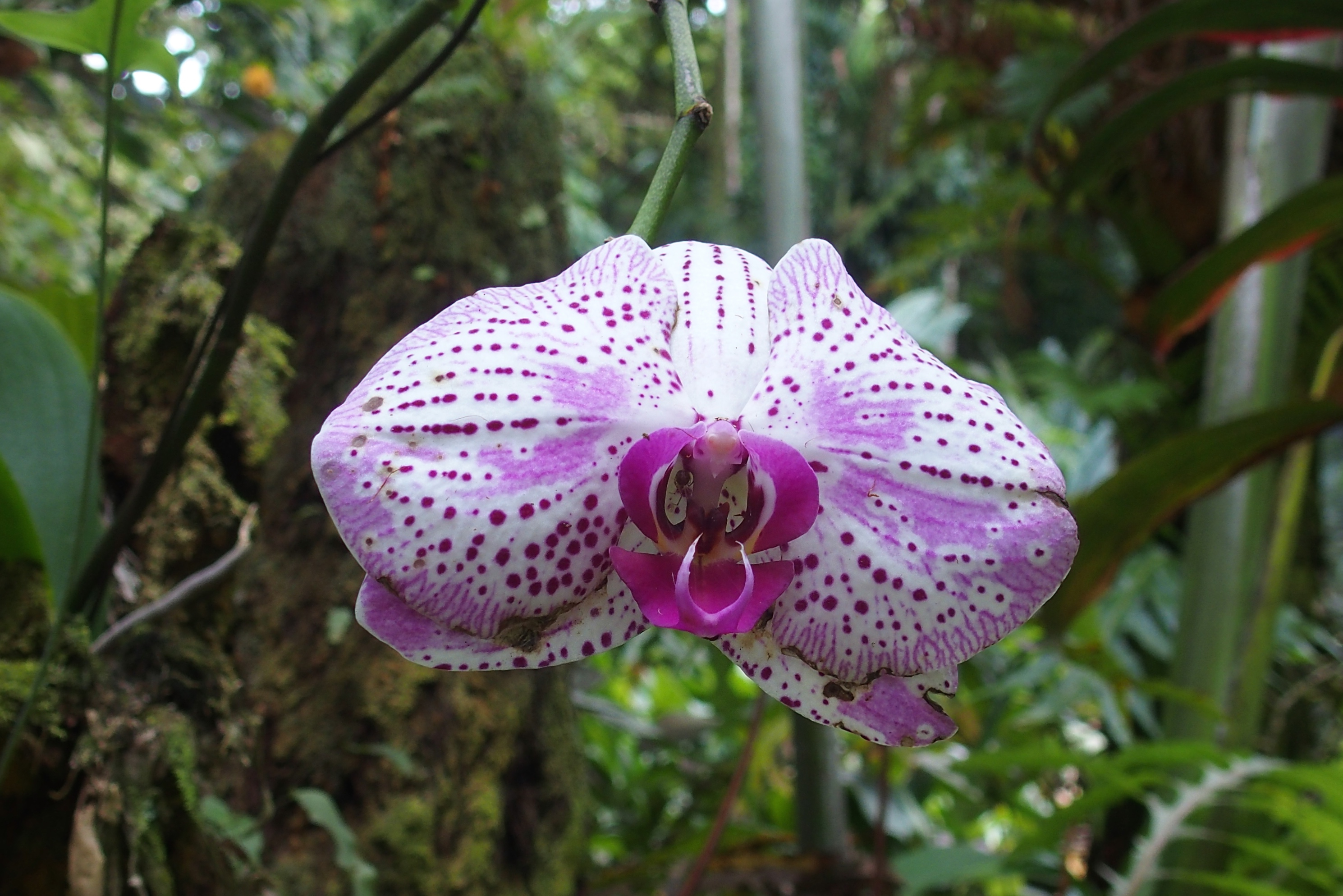
These orchids grow hanging freely without soil or water, getting enough moisture from the air.

OLYMPUS DIGITAL CAMERA

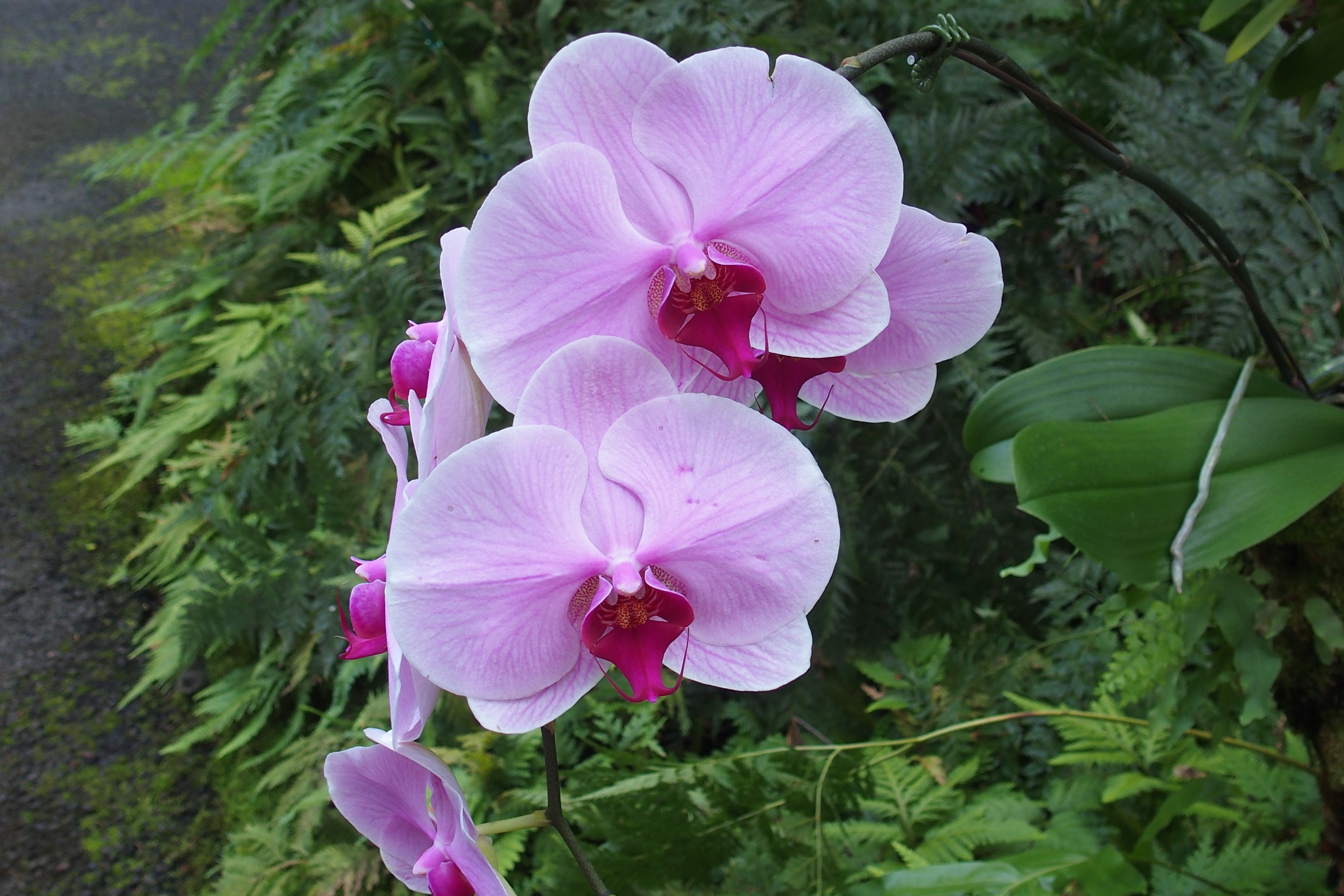
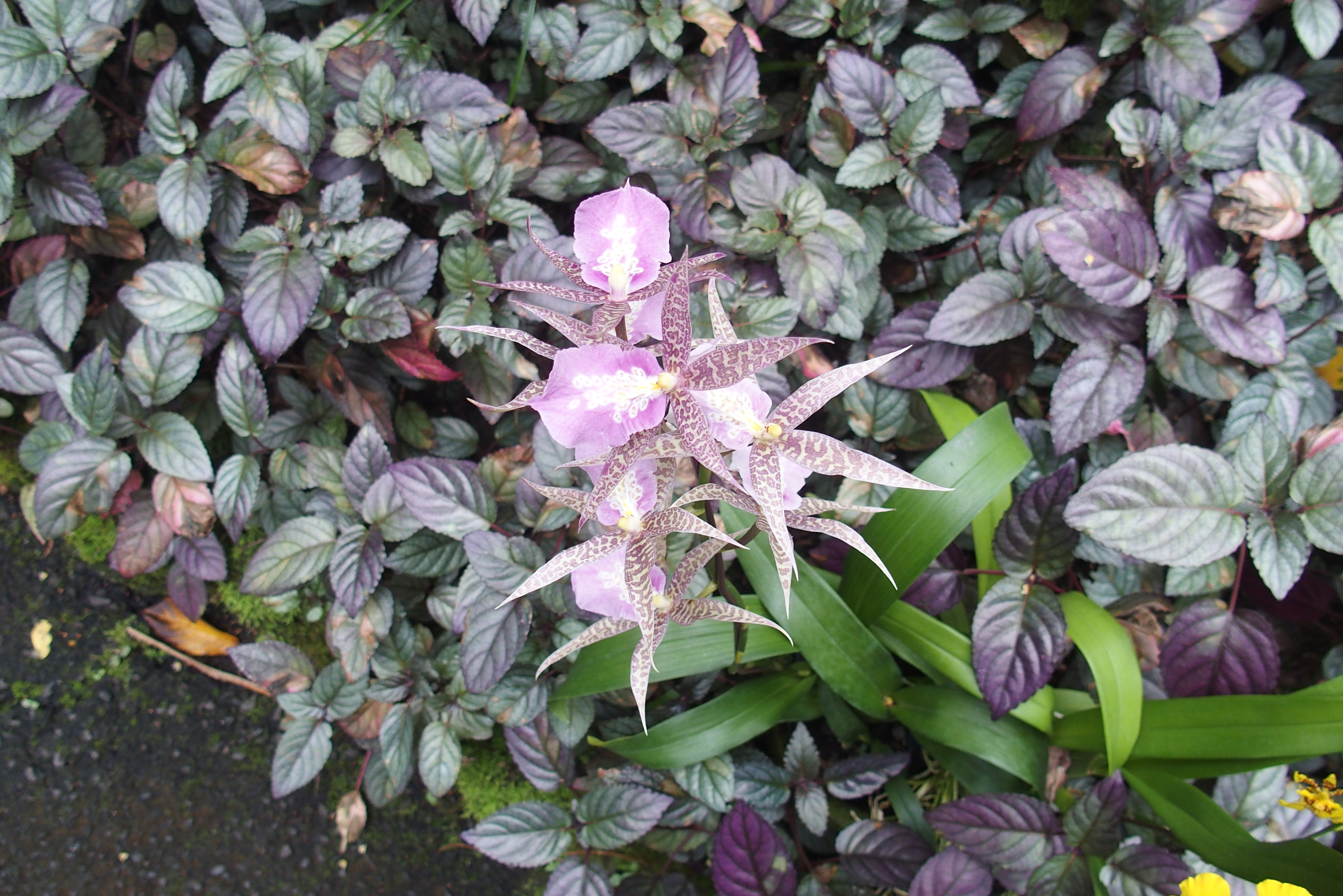
Another orchid…

OLYMPUS DIGITAL CAMERA

Still more orchids. They appear not to need much tending.

OLYMPUS DIGITAL CAMERA

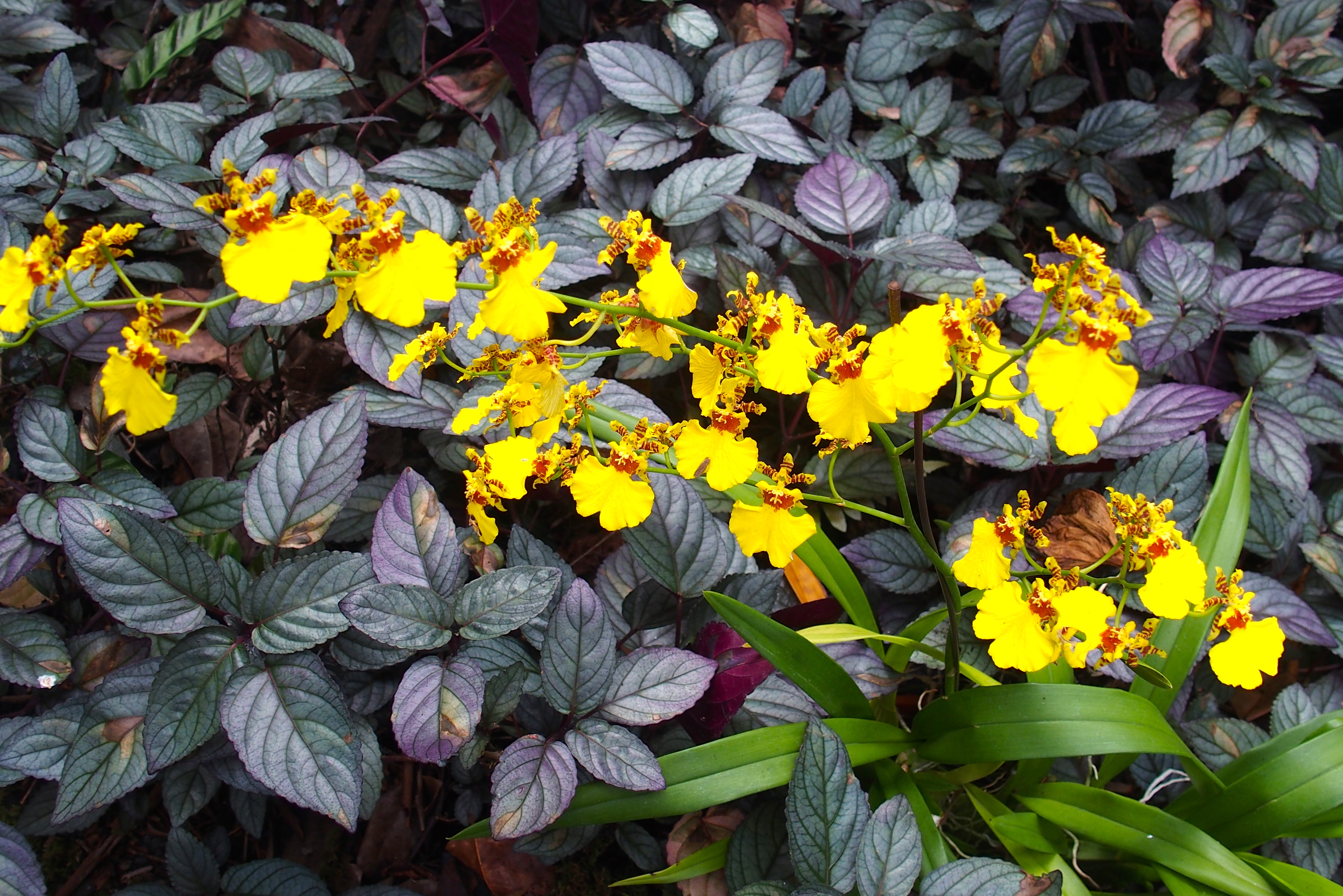
And more. Maybe oncidiums.

OLYMPUS DIGITAL CAMERA

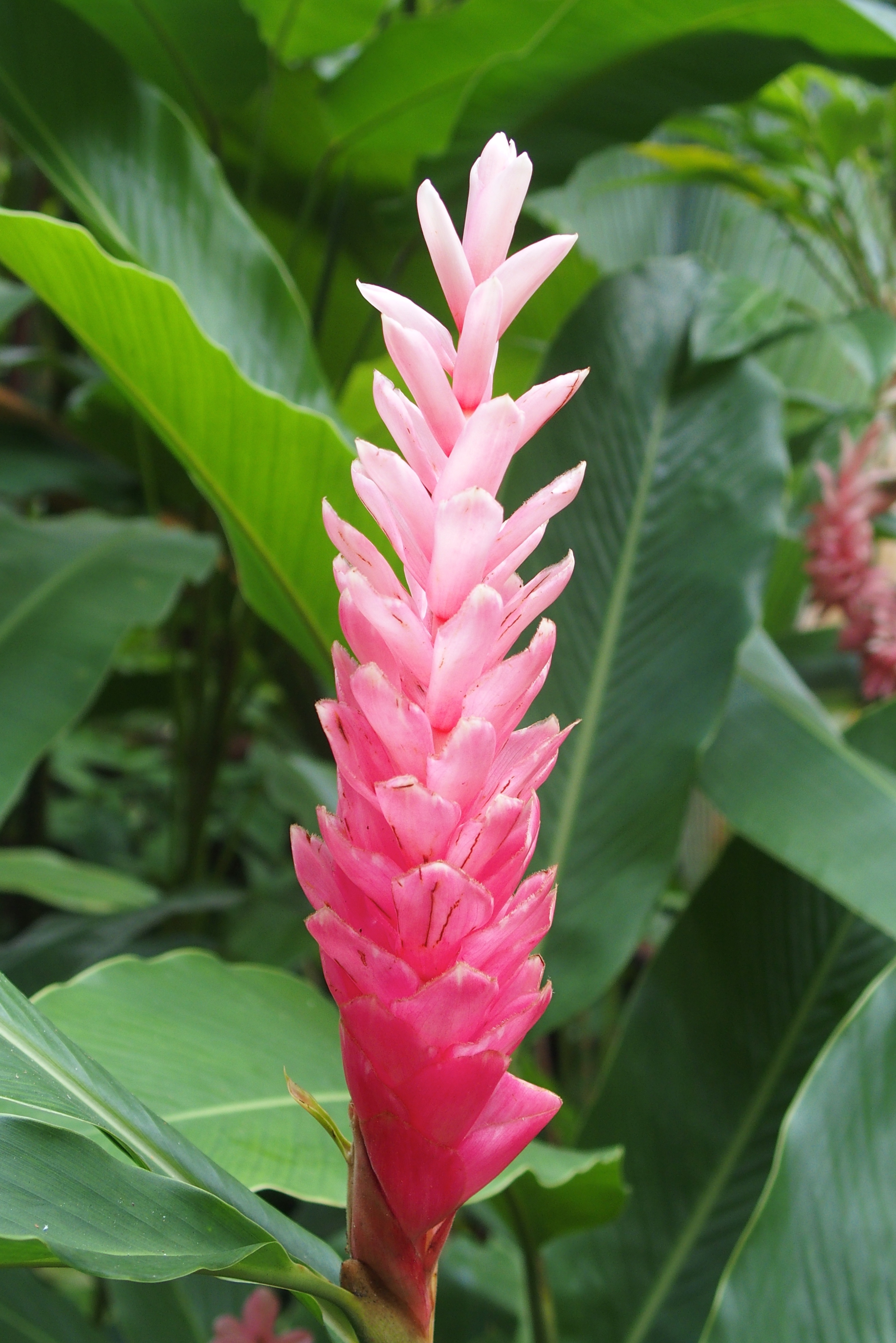
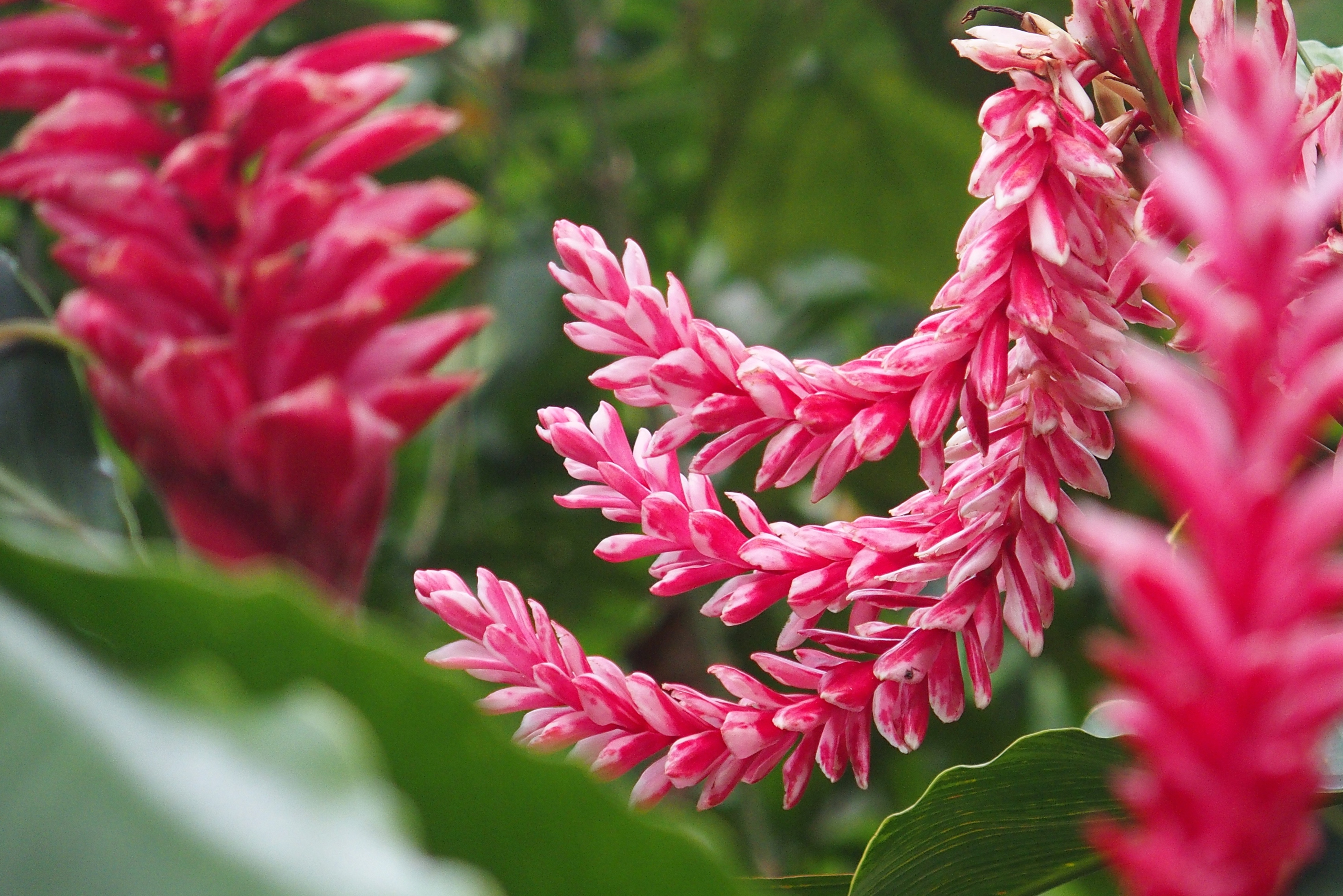
The ginger flower comes in 41 varieties: red, white, pink and more.

OLYMPUS DIGITAL CAMERA

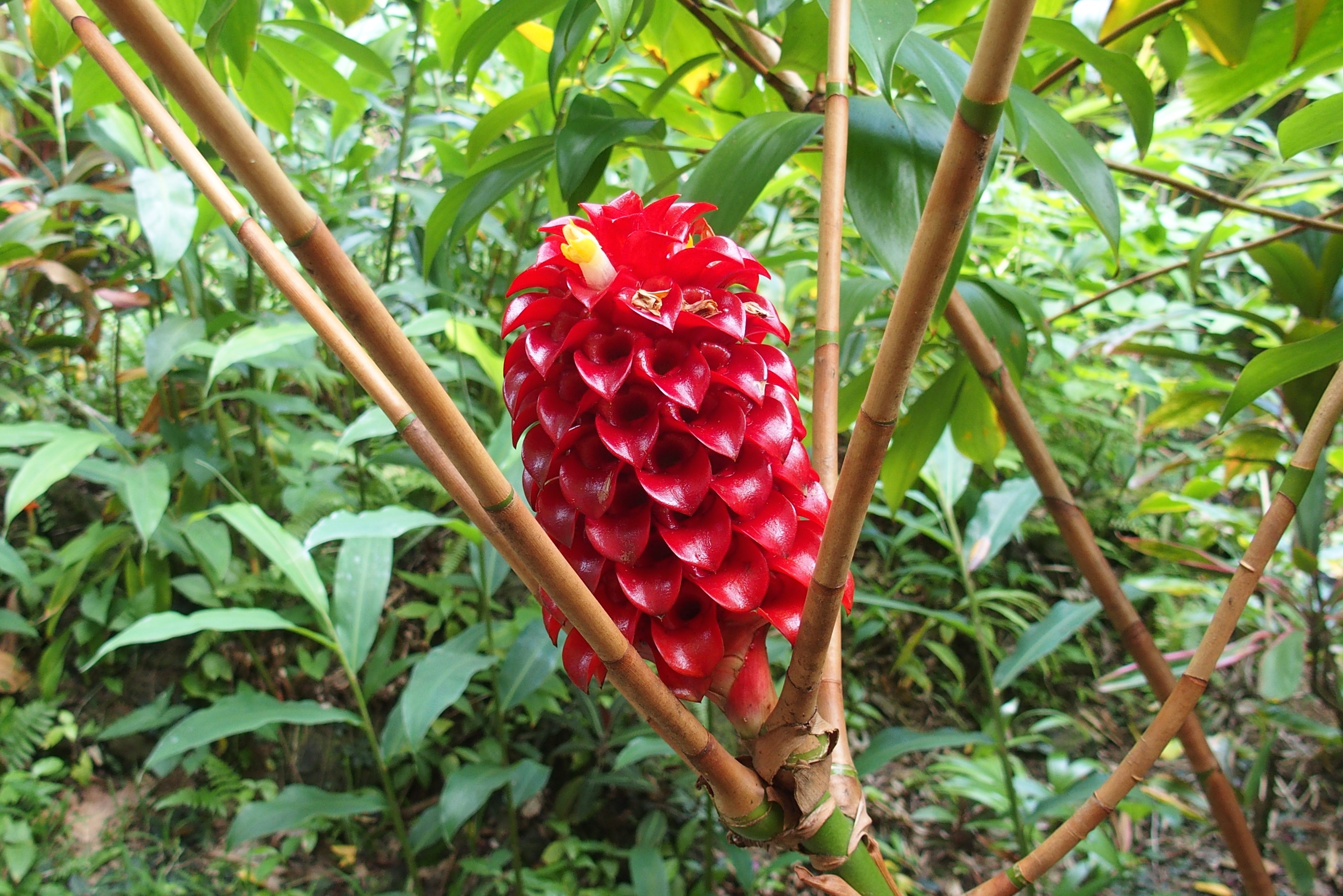
Ginger in 3-D.

OLYMPUS DIGITAL CAMERA

Indian wax ginger

OLYMPUS DIGITAL CAMERA

Heliconia

OLYMPUS DIGITAL CAMERA

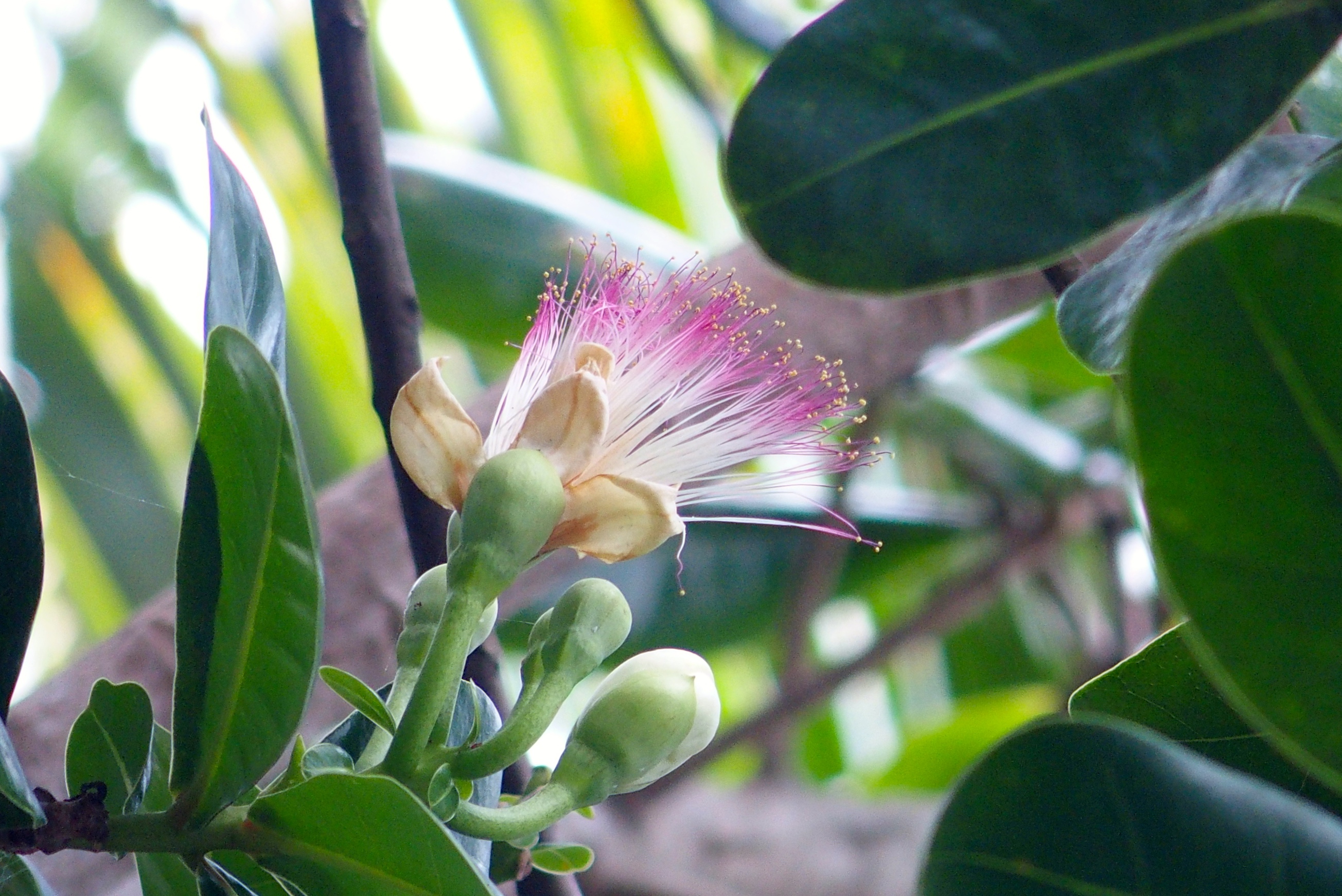
Barringtonia asiatica or Sea Putat or Fish Poison Tree. The plant is pounded, pulped or grated to release the poison, Saponin, which is used to stun fish in freshwater streams. Hard to believe such a pretty flower could tie to poison.

OLYMPUS DIGITAL CAMERA

These pods from the Fish Poison Tree above have such an unusual shape and grow to almost six inches long.
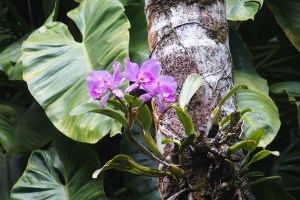
OLYMPUS DIGITAL CAMERA

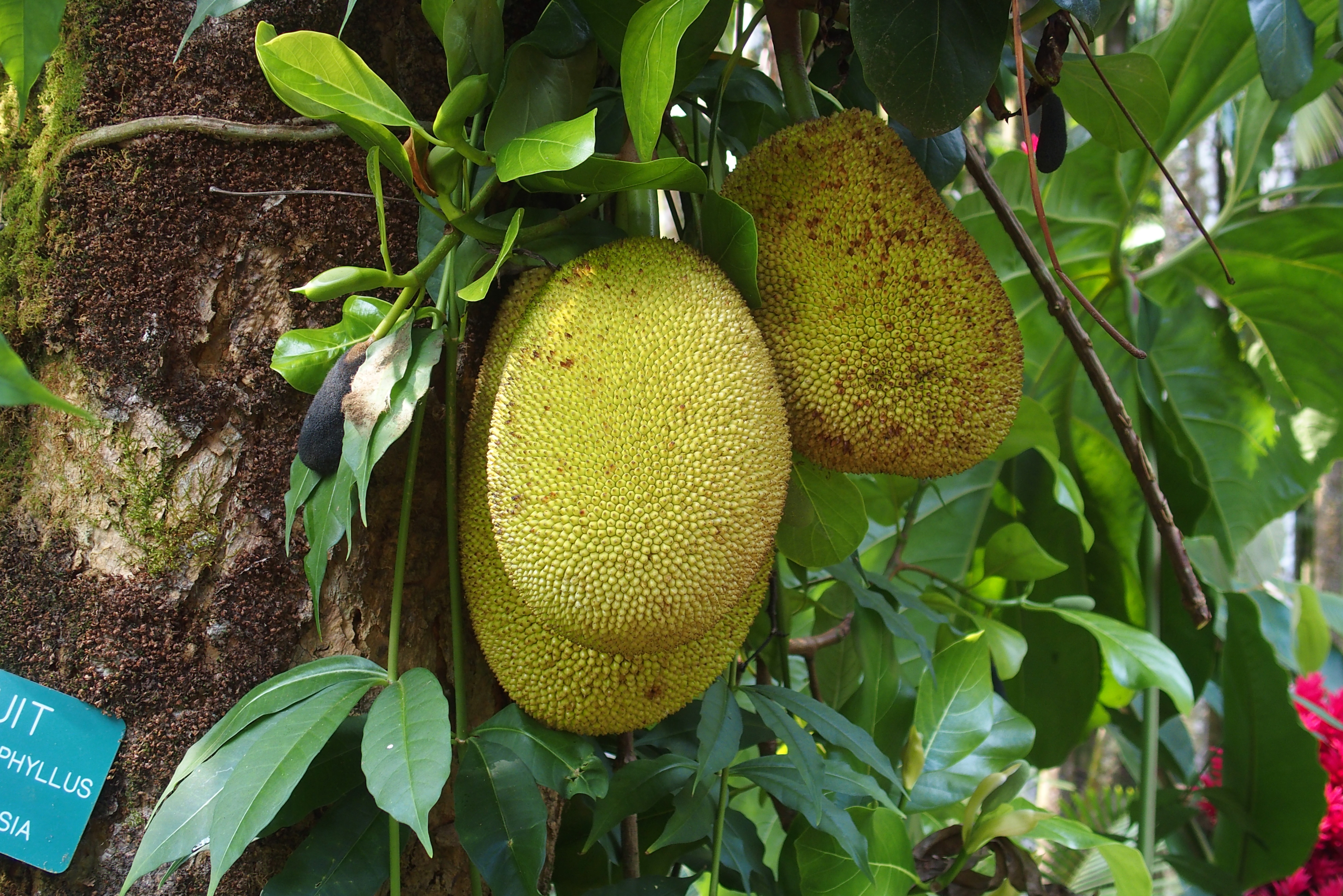
Breadfruit, these about 8 inches long, can be cooked and eaten as a starch, like a potato that grows above ground.


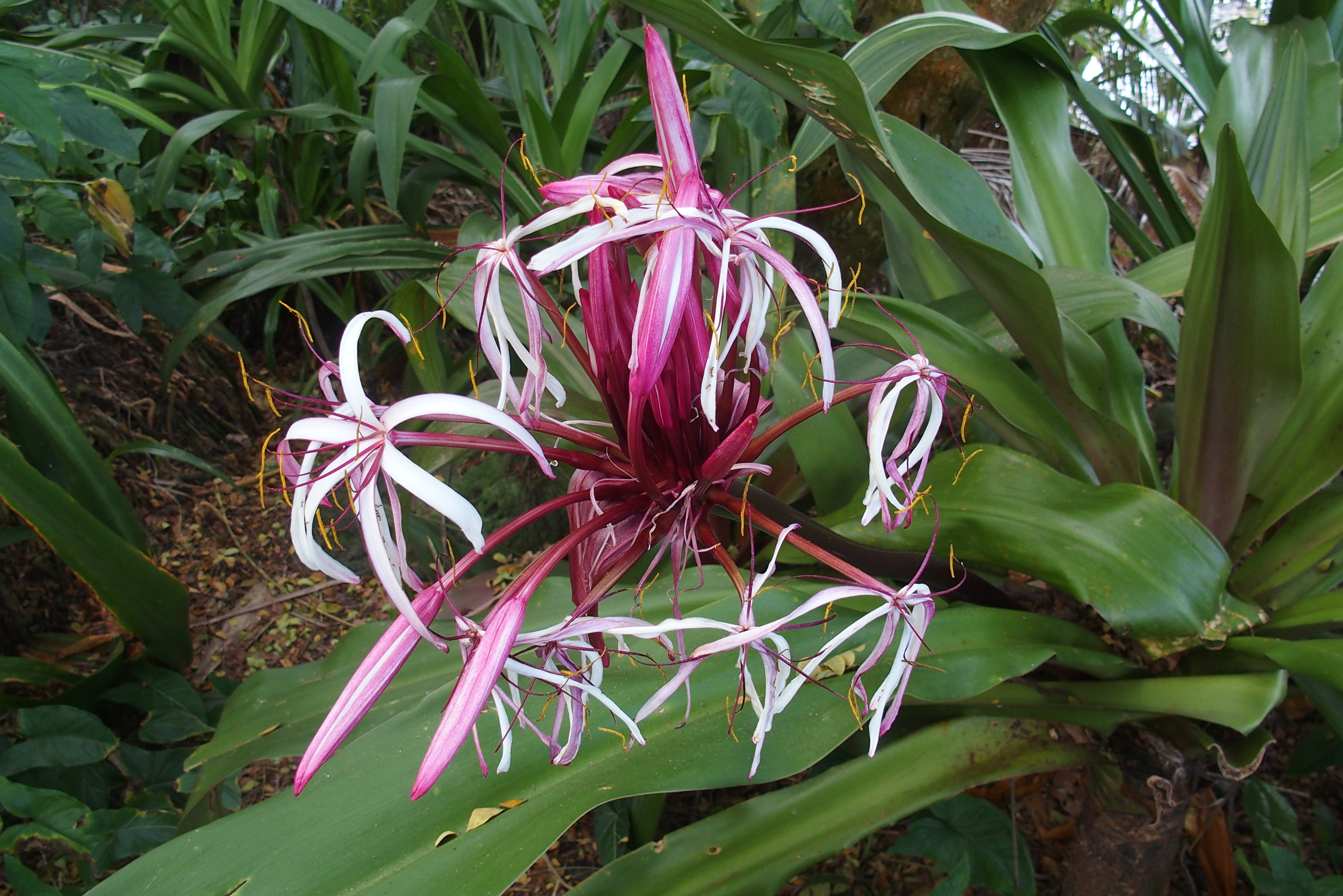
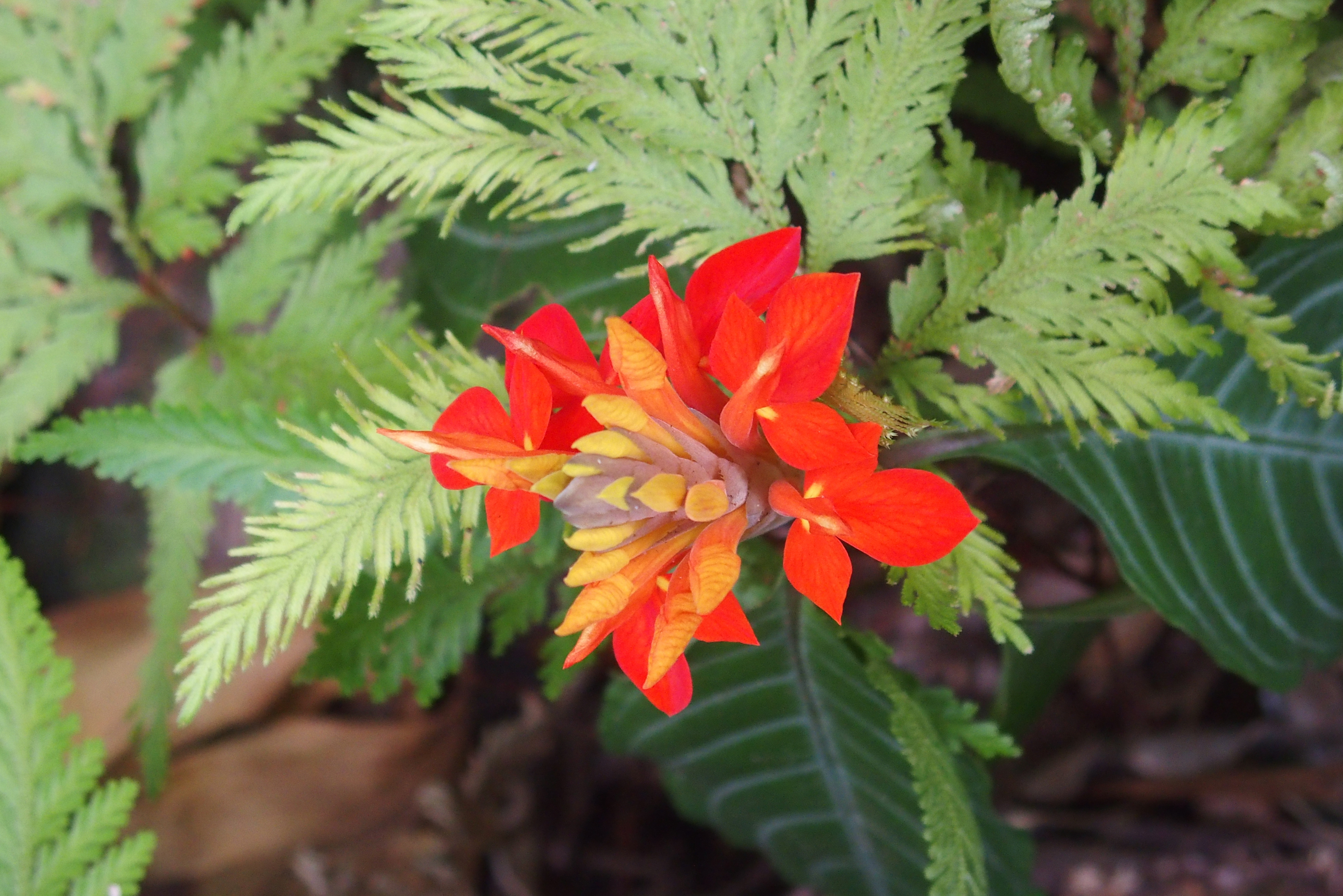
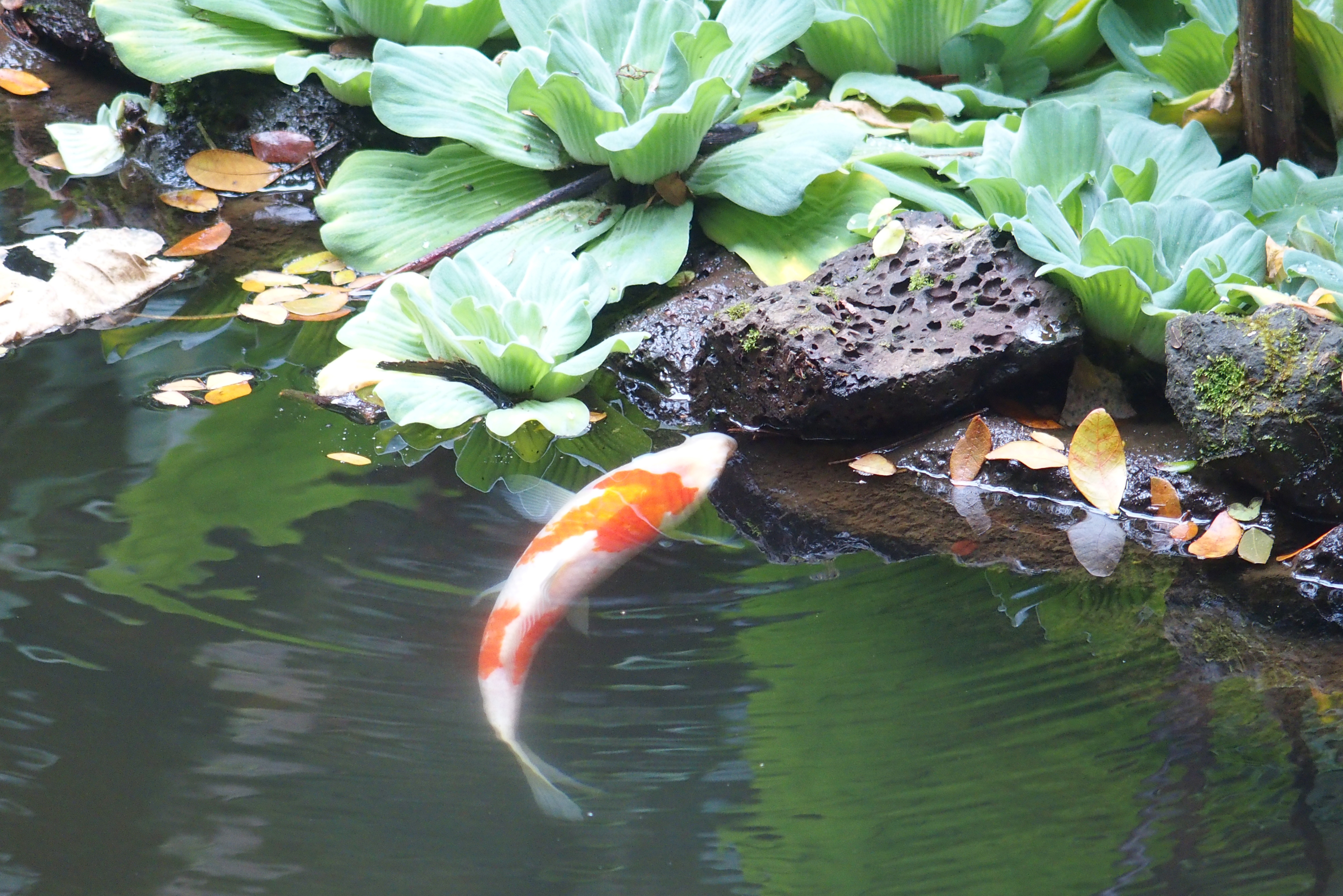
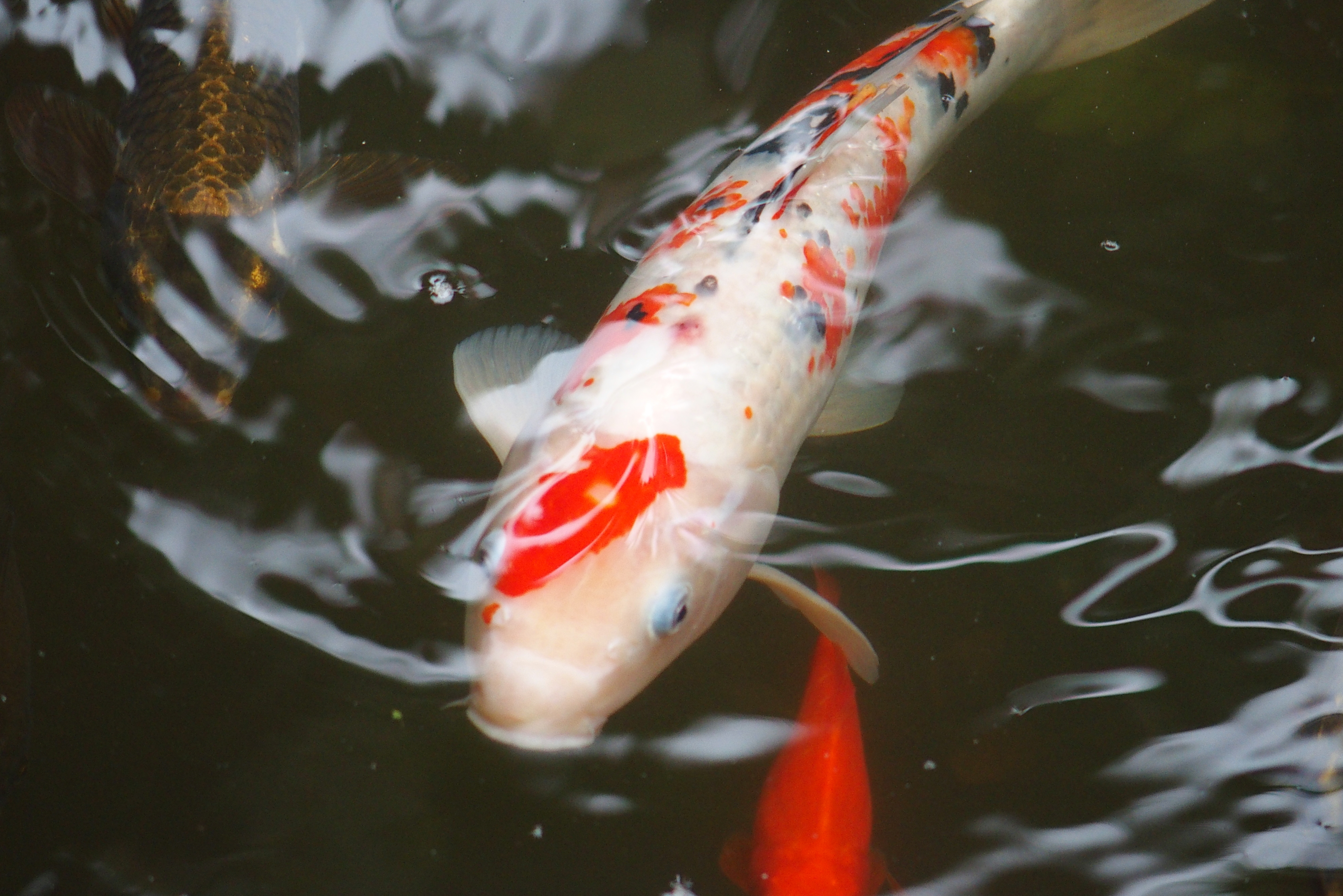
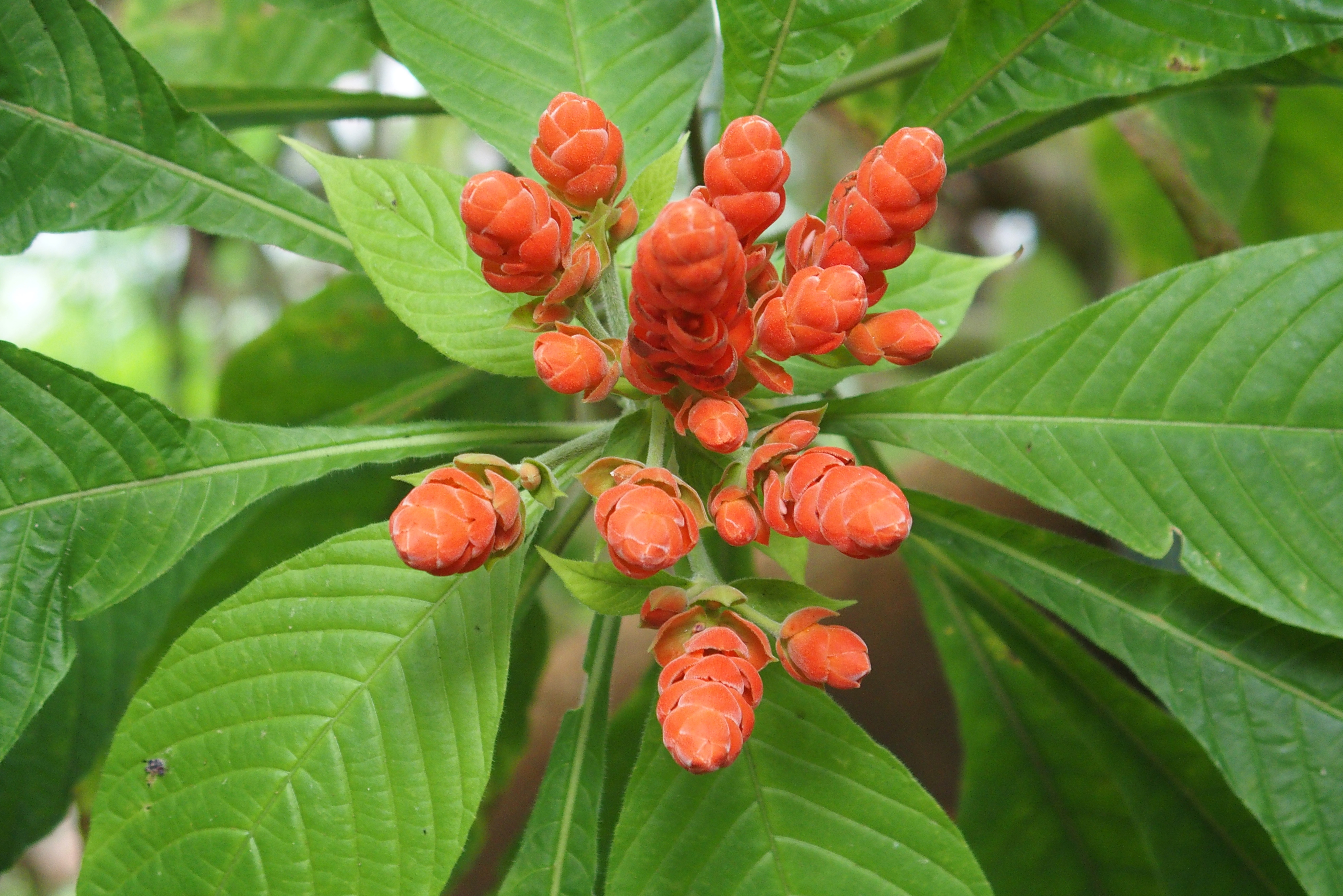
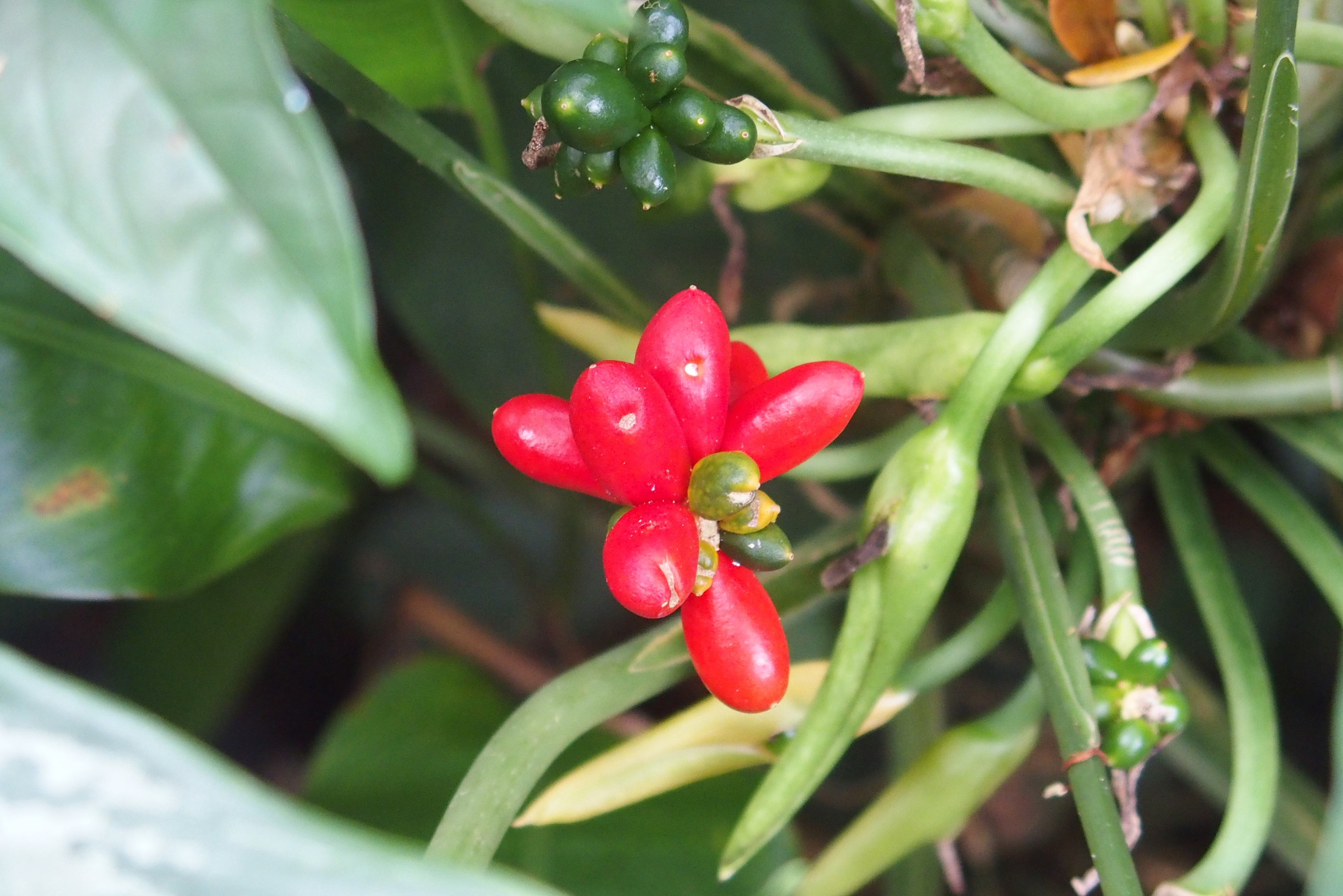
We’re not plant experts, so we’re giving up on trying to remember the correct names. From here on they’re just “pretty flowers,” very pretty flowers! Along with a few trees, ferns, and fish.

OLYMPUS DIGITAL CAMERA

This pretty flower, like many others, just seems to attach itself to a tree for support, but gets moisture and nutrients from the air and rain. (An epiphyte)

OLYMPUS DIGITAL CAMERA

OLYMPUS DIGITAL CAMERA

OLYMPUS DIGITAL CAMERA

OLYMPUS DIGITAL CAMERA

OLYMPUS DIGITAL CAMERA

OLYMPUS DIGITAL CAMERA

OLYMPUS DIGITAL CAMERA

OLYMPUS DIGITAL CAMERA

OLYMPUS DIGITAL CAMERA

OLYMPUS DIGITAL CAMERA

OLYMPUS DIGITAL CAMERA

OLYMPUS DIGITAL CAMERA

OLYMPUS DIGITAL CAMERA

OLYMPUS DIGITAL CAMERA

OLYMPUS DIGITAL CAMERA

OLYMPUS DIGITAL CAMERA

OLYMPUS DIGITAL CAMERA

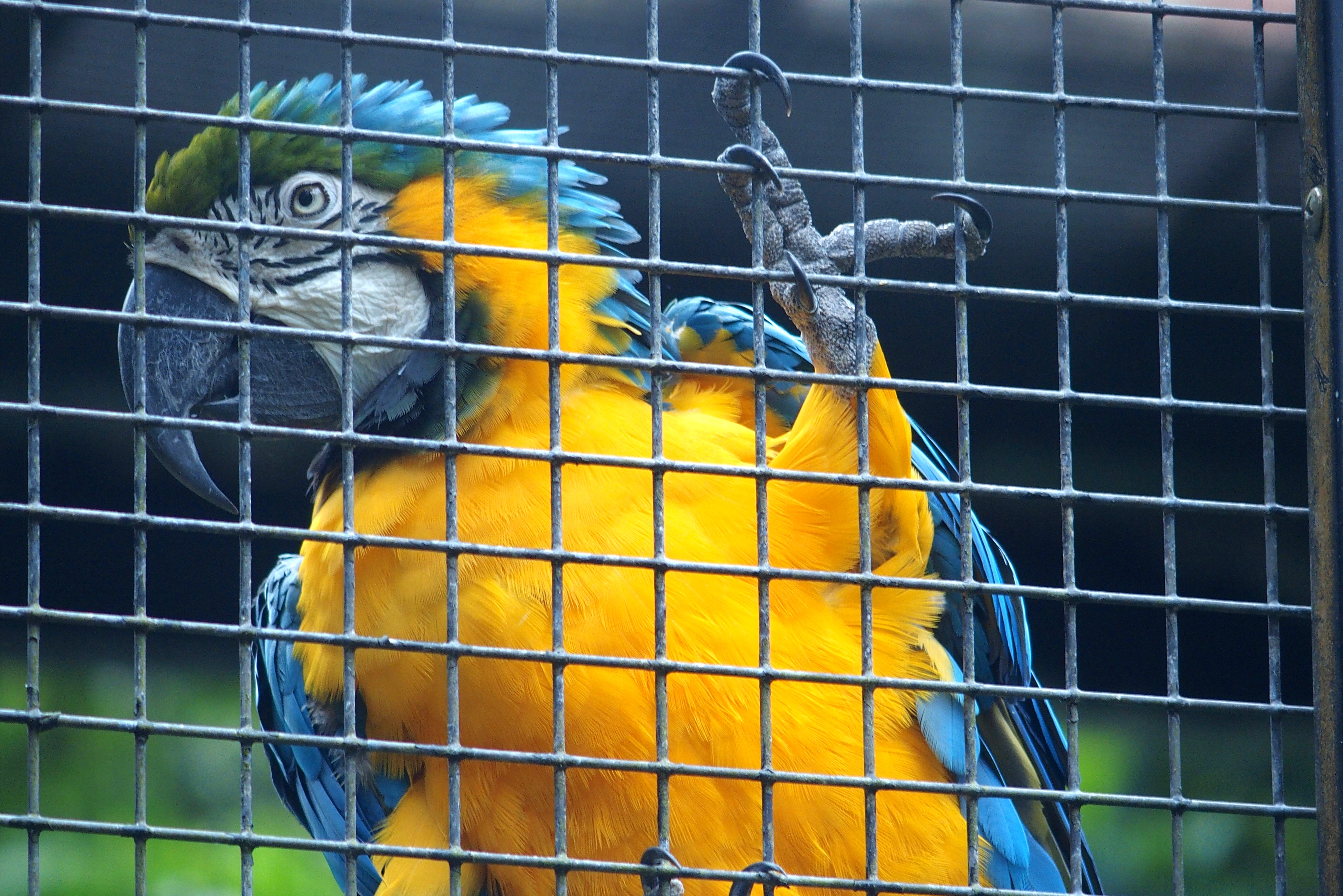
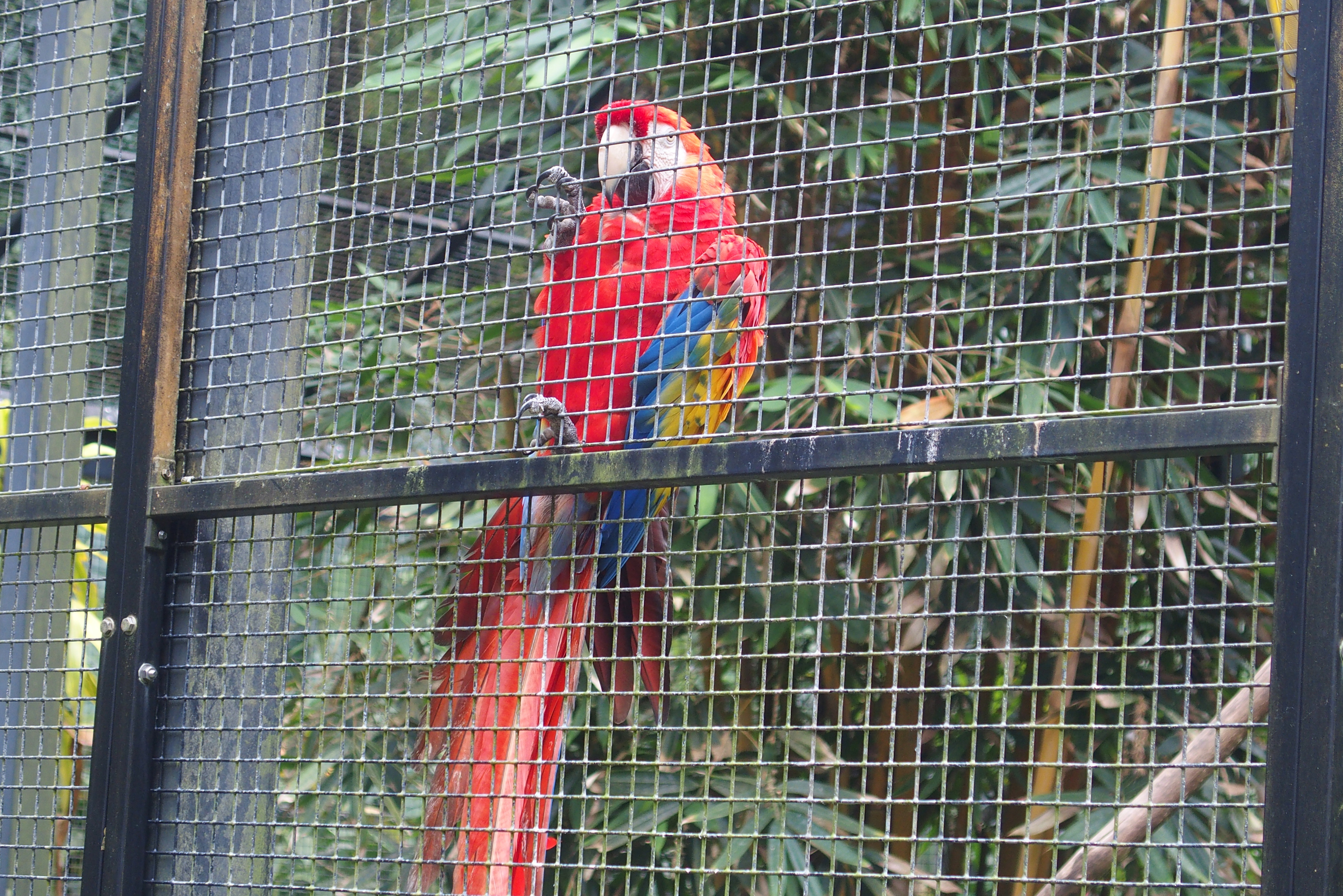
This parrot says (very clearly) Aloha, pretty bird, hello, and ha,ha, ha, ha, ha mimicking the crowd’s response to his speech.

OLYMPUS DIGITAL CAMERA

As colorful as the flowers

The garden was the brainchild and work product of Dan J. Lutkenhouse, who purchased 17 acres of land in 1977 and spent eight years wielding machetes and pickaxes to clear paths through the jungle while maintaining the natural setting, then selecting planting locations for over 2,000 species.

OLYMPUS DIGITAL CAMERA

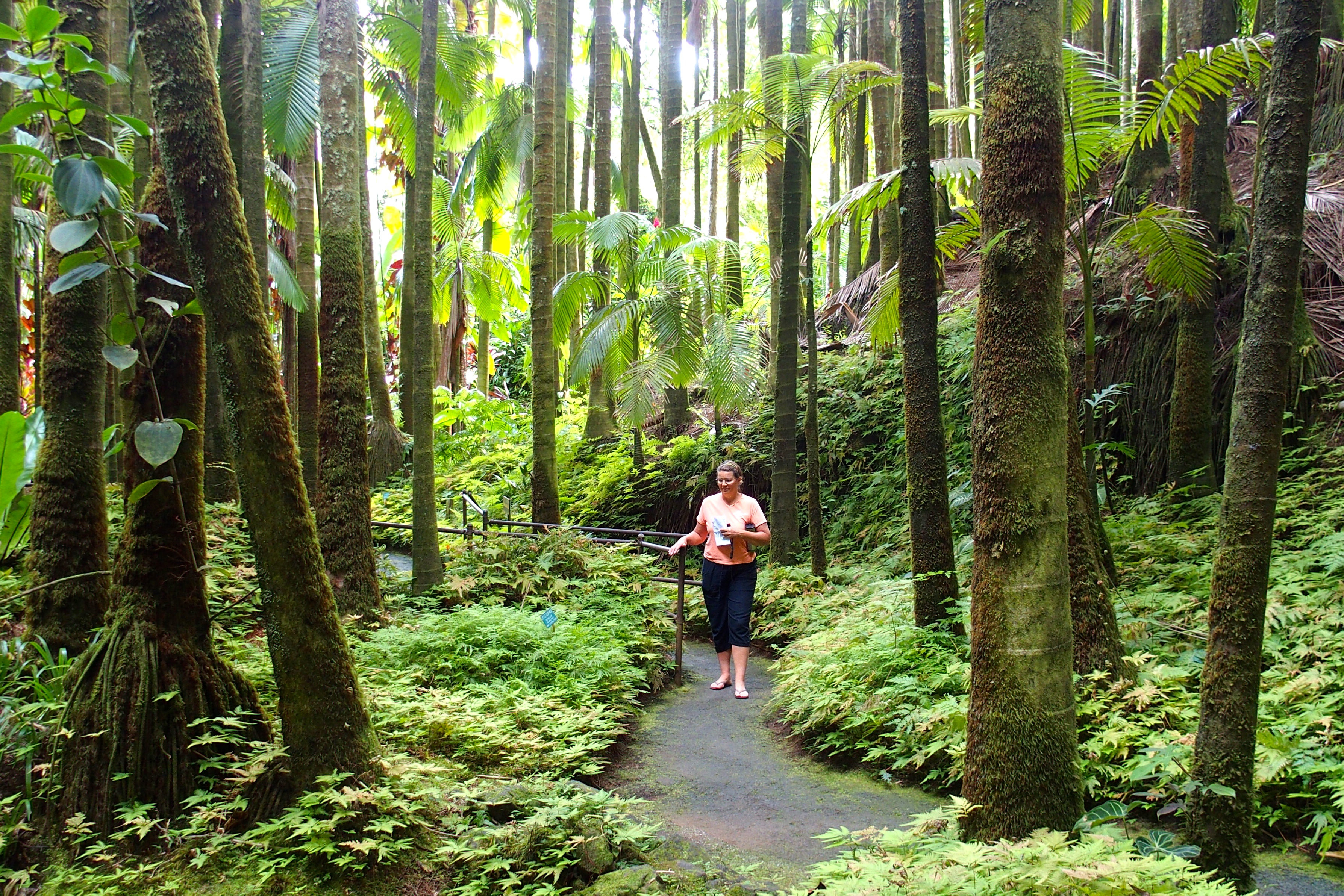
This would be a great spot to relax at the end of the day.

OLYMPUS DIGITAL CAMERA

The natural feature of the Onomea waterfall dropping toward the ocean.

Our photos just scratch the surface of the colorful delights in this garden. For more images, check the Hawaii Tropical Botanical Garden Plant Database.


Posted in Smell the Roses | Tagged , , , , , , , | 1 Comment

The lava flow has stalled… (January 2015)

We came to Hawaii to see volcanoes. (That’s one of the reasons for the visit.) First volcano stop is Hawai’i Volcanoes National Park.

OLYMPUS DIGITAL CAMERA

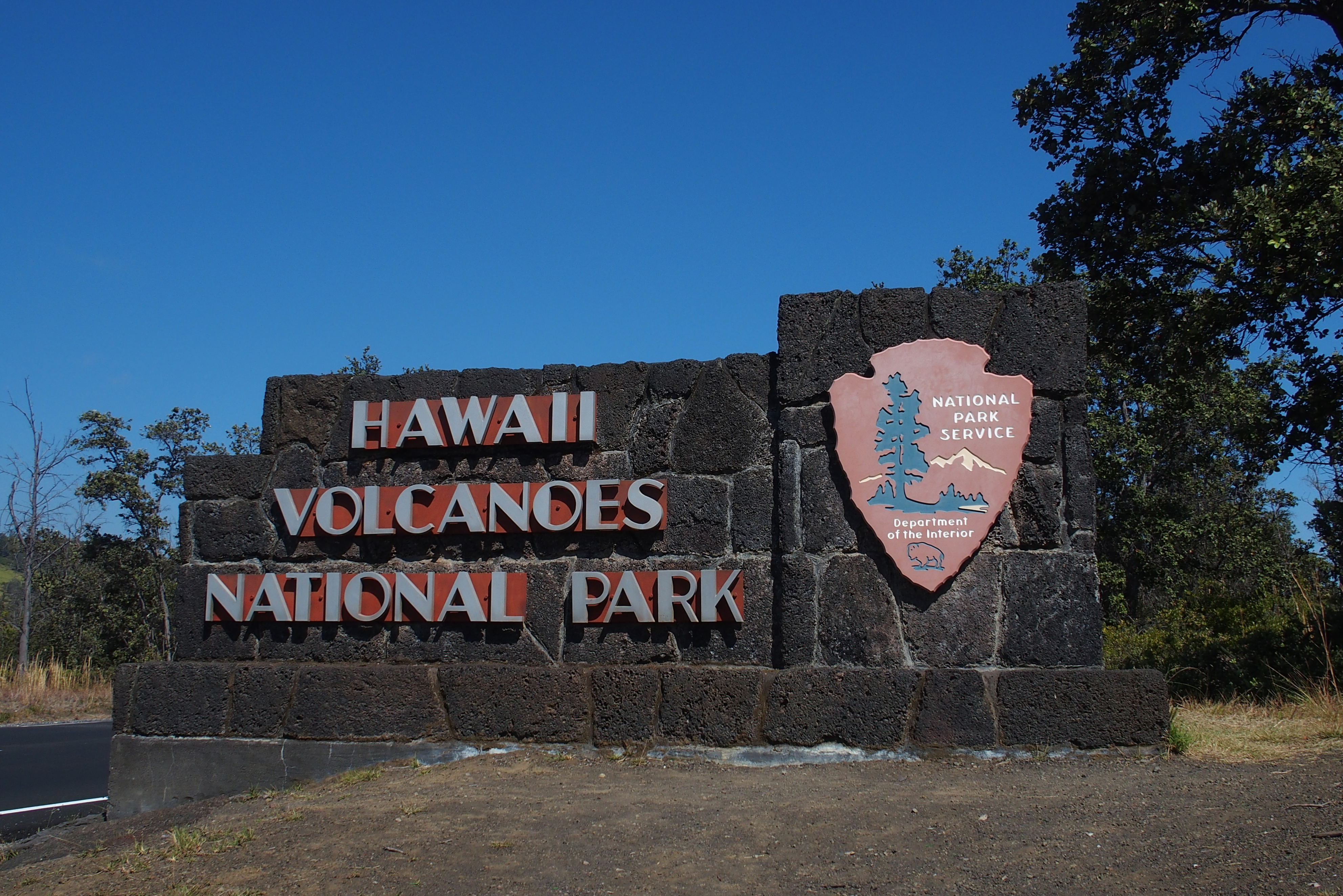
Note the bison on the bottom of the national park sign. No bison here! But there are lots of mongooses.

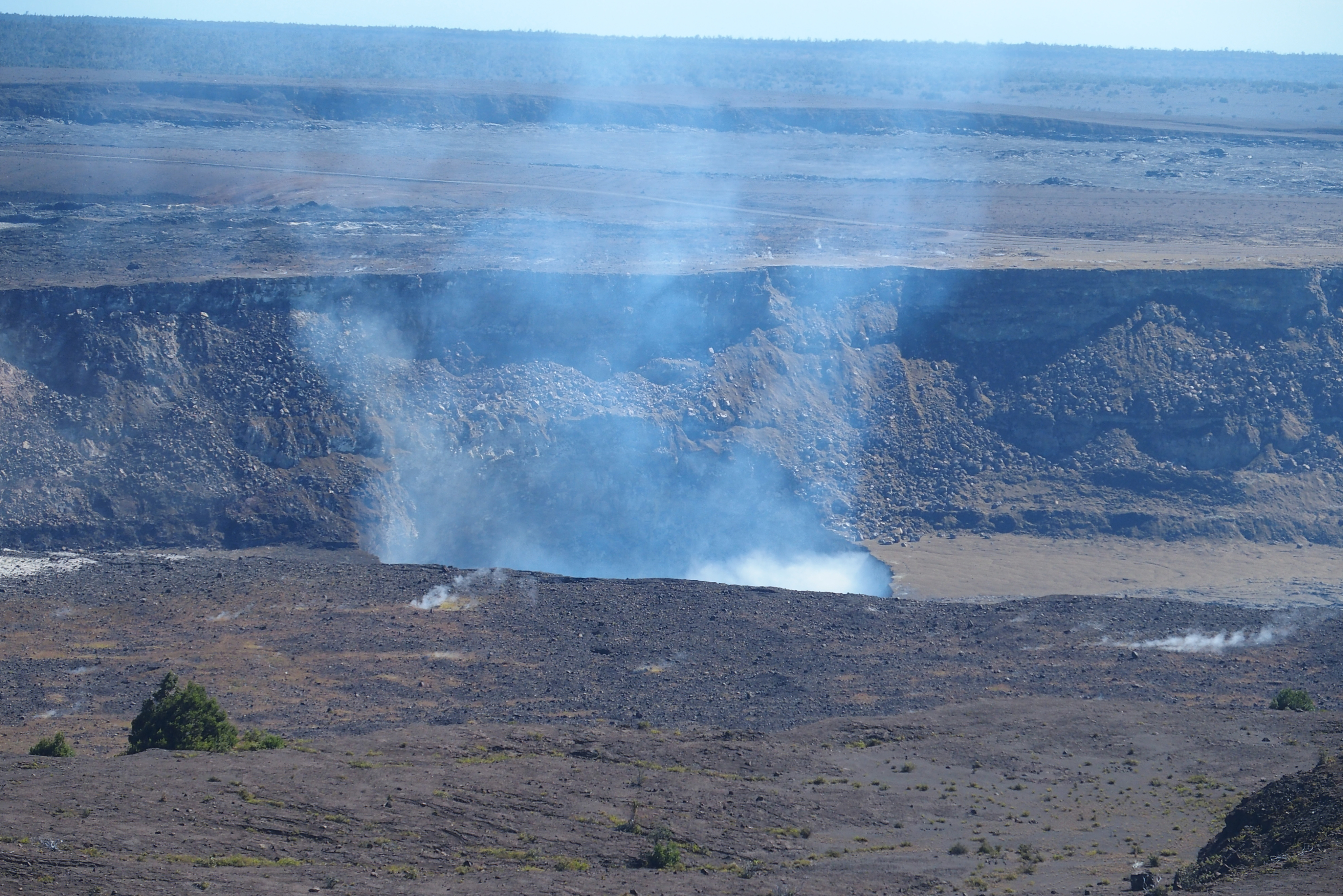
You can’t get close enough to see the red hot magma inside the crater, but you can see steam and gases escaping. At night, the sky over the crater looks red.
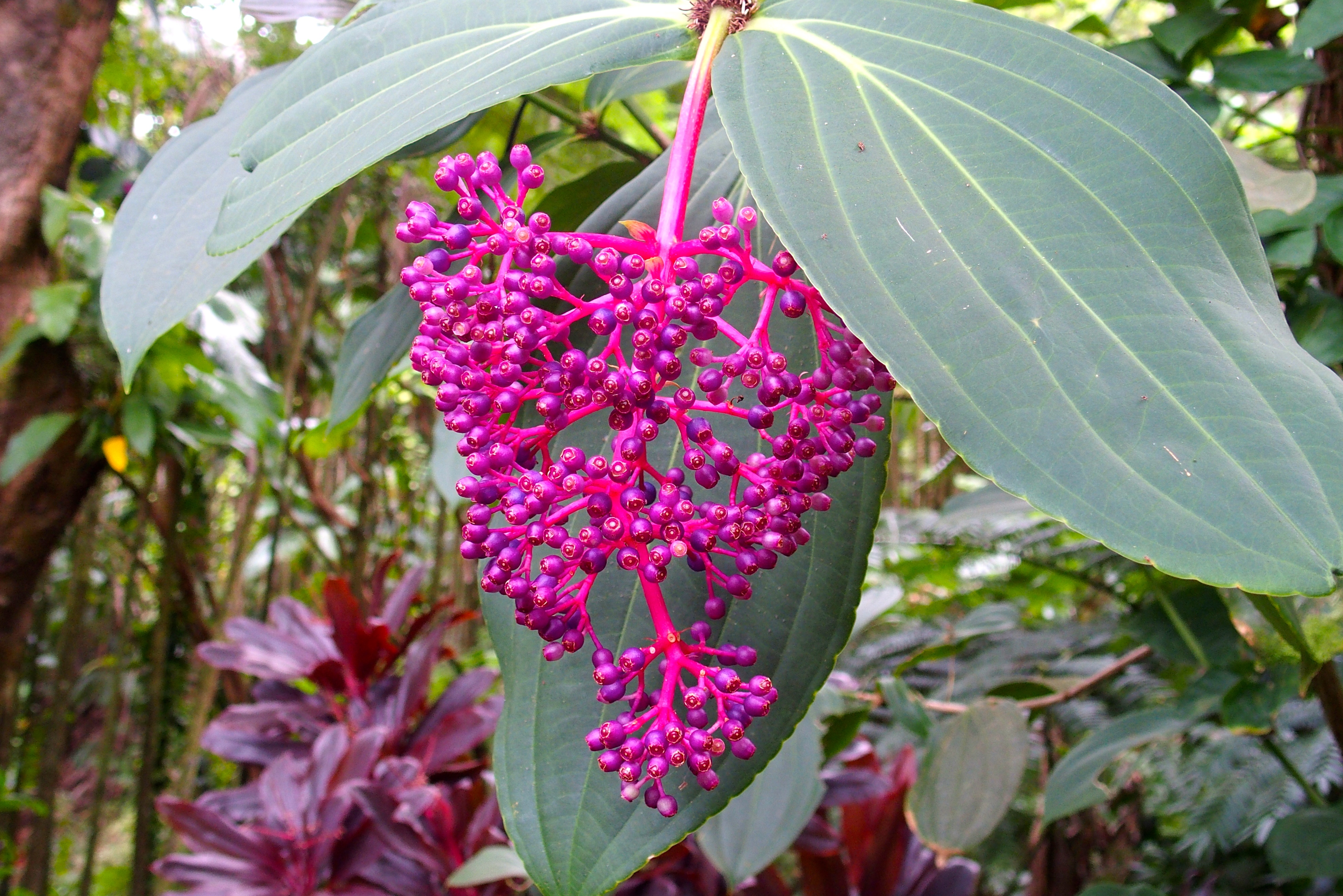
OLYMPUS DIGITAL CAMERA

The area around the caldera includes several distinct sections of lava that have flowed in parallel paths since 1983.

OLYMPUS DIGITAL CAMERA

Hawaii is just one big active volcano. Actually a couple are active, but the Kilauea volcano is the one that has recently been spewing lava that is gradually flowing into communities.

Red hot lava was threatening Pahoa earlier in 2014, but thankfully the front stalled by late fall. Lava advances continue, but they are currently upslope of any occupied areas.

IMG_3084

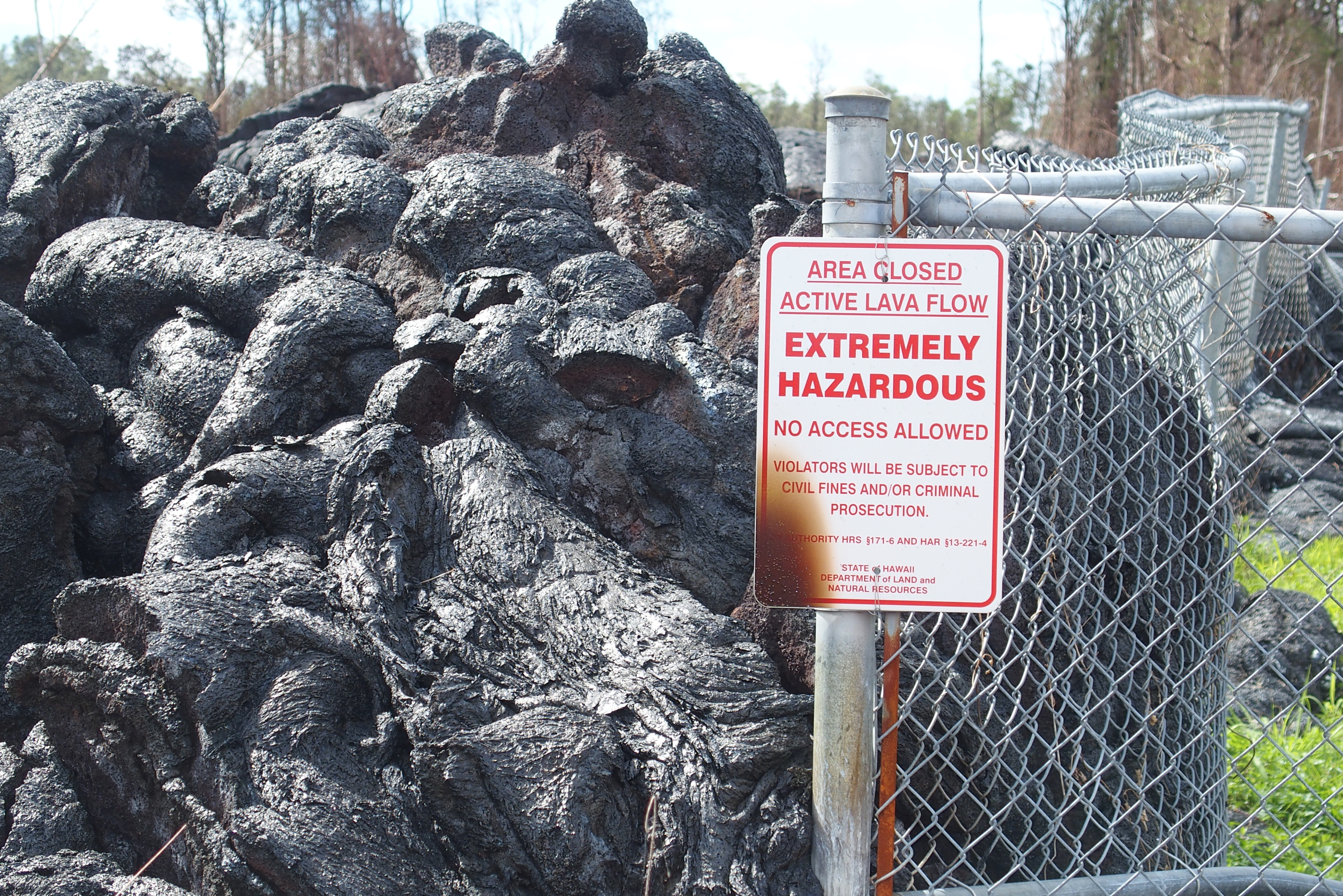
In Pahoa. How would you like this sign in your neighborhood?

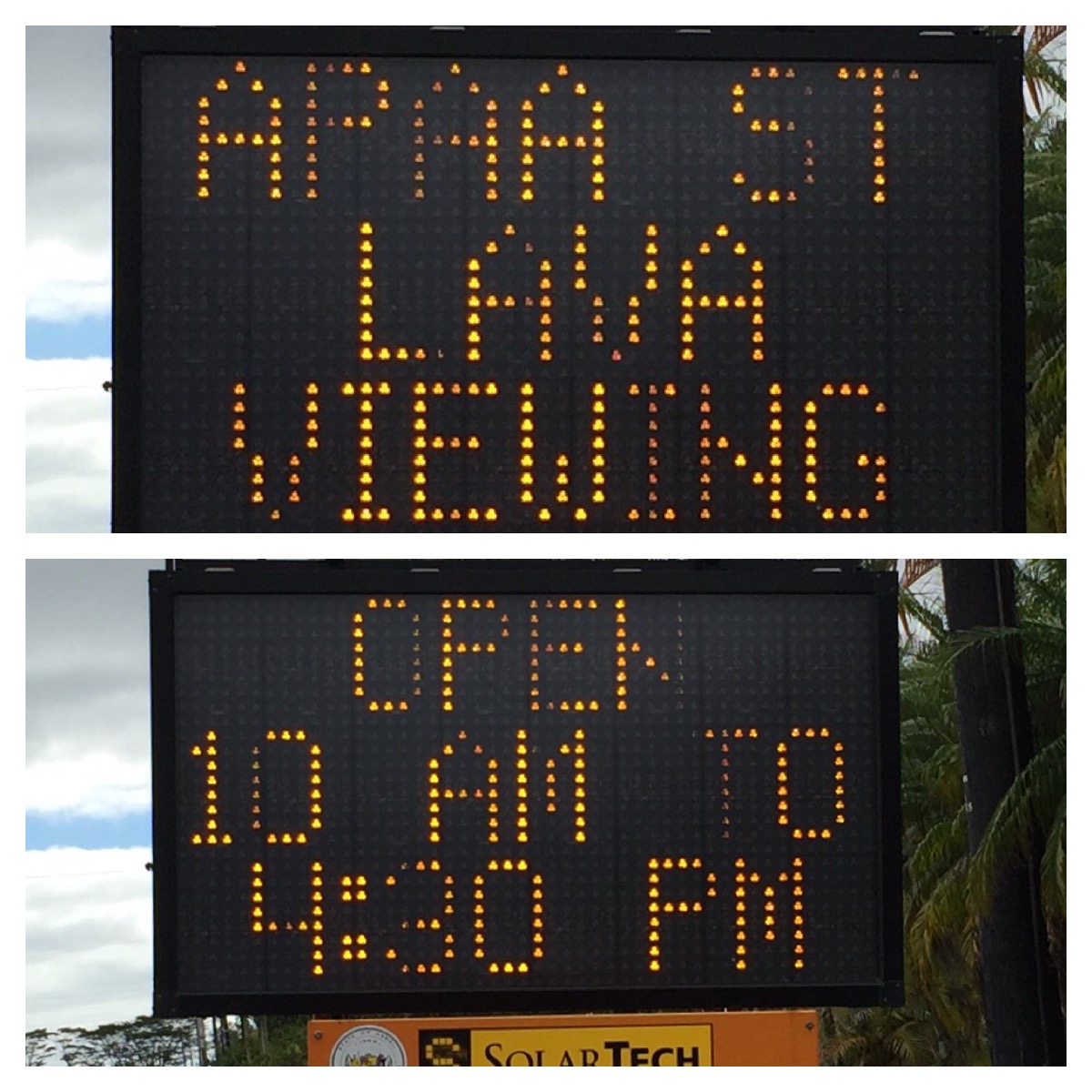
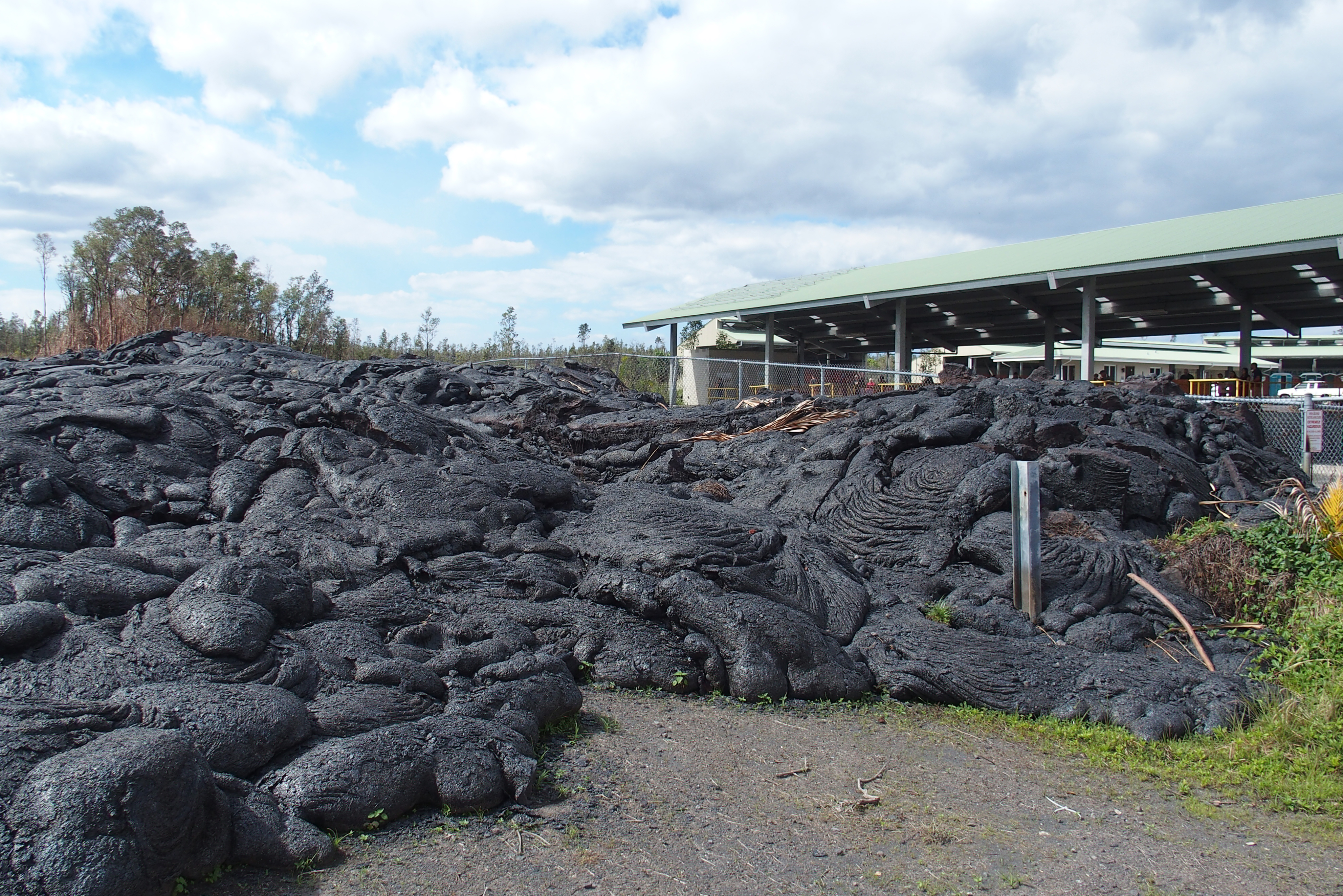
Lava viewing is at the town transfer station (recycling spot), which is only a couple years old. It’s out of business for the moment because lava blocks the loading docks.

OLYMPUS DIGITAL CAMERA

This lava is rock hard and apparently cool, but heat waves still rise from the back layers.

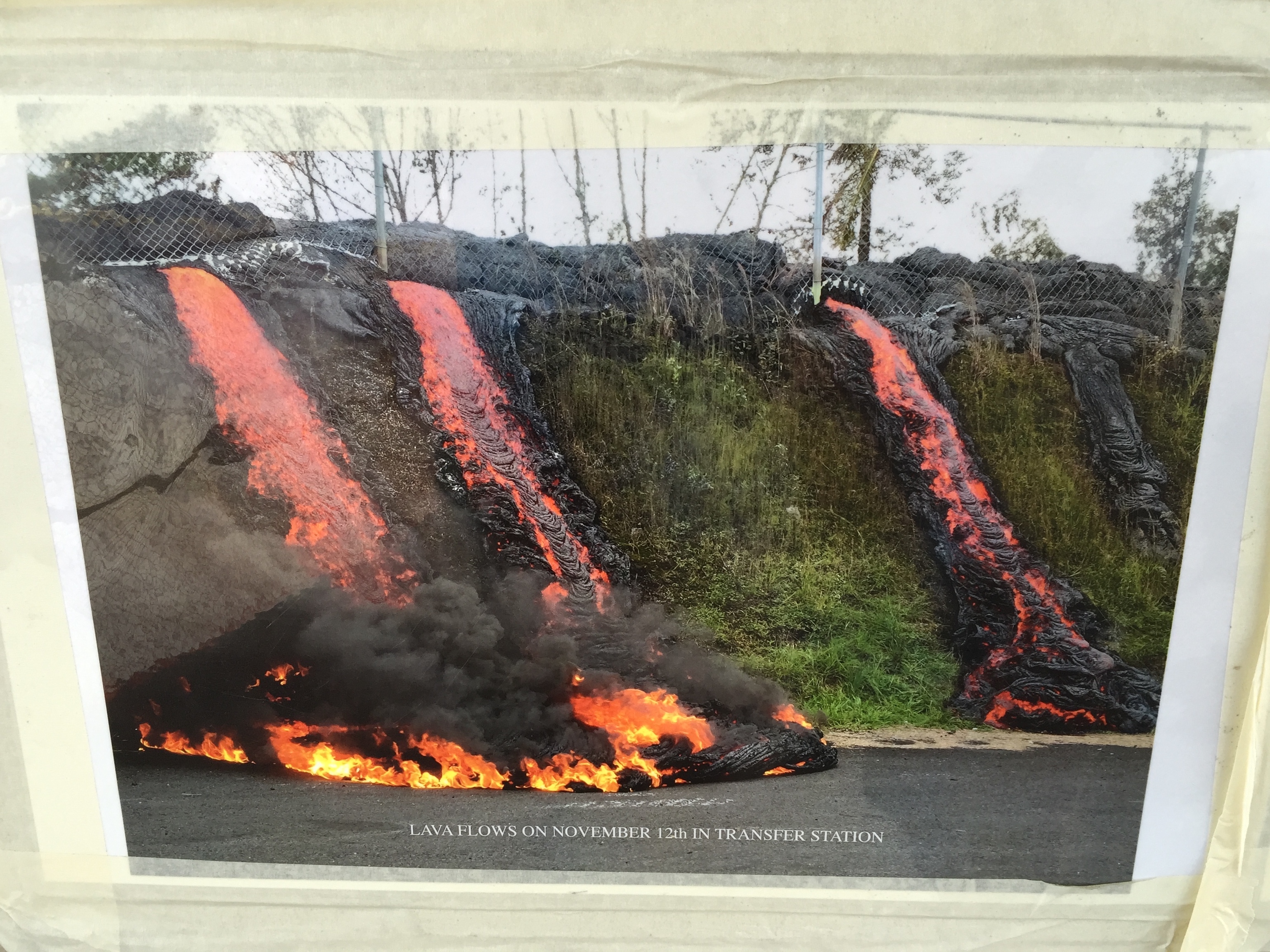
We were a few months late to see the lava as it was deposited.

IMG_3082

From about September 2014. It’s not just the 2000 degree temperature, but also the toxic sulfur dioxide fumes that will kill you.

This is what that hillside looks like now.

OLYMPUS DIGITAL CAMERA

Note the flowers at the foreground, offerings to Pele, the goddess of the volcano.

The offerings and prayers of local residents worked; the lava stalled.

OLYMPUS DIGITAL CAMERA

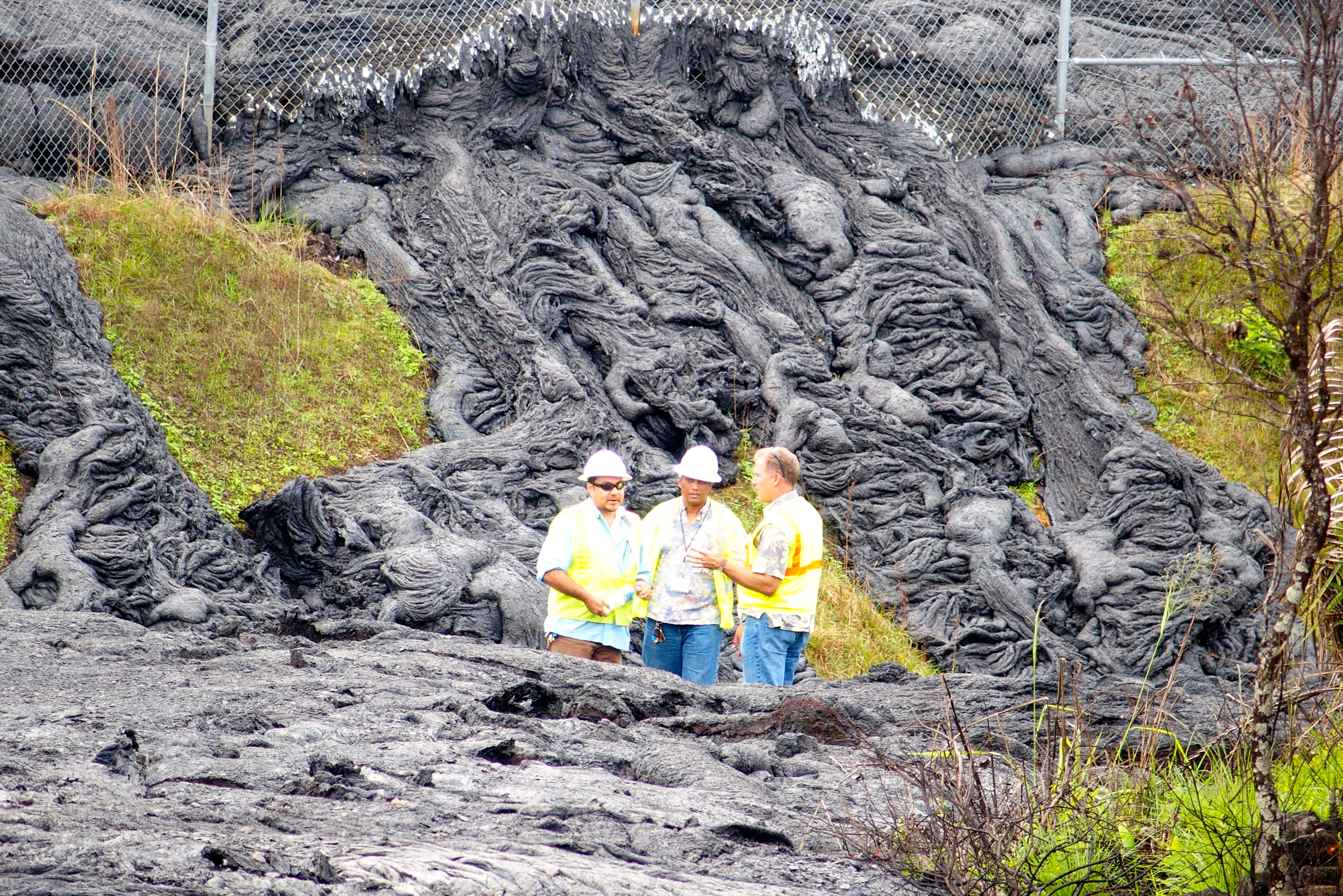
Amazing how chainlink fence can slow down cooling lava.

With the lava flow stopped, engineers are planning to bring big Cats in to remove the blockage and get the transfer station up and running soon.

OLYMPUS DIGITAL CAMERA

Engineers at Michigan Tech worried about snow load; they never had to deal with lava load.

This view shows the transfer station and also the house we all saw burning in November on the nightly news. During this recent flow, just the one house was destroyed and the garage remained intact. (Click the picture to enlarge.)

OLYMPUS DIGITAL CAMERA

Just a miracle that any of this is still around.

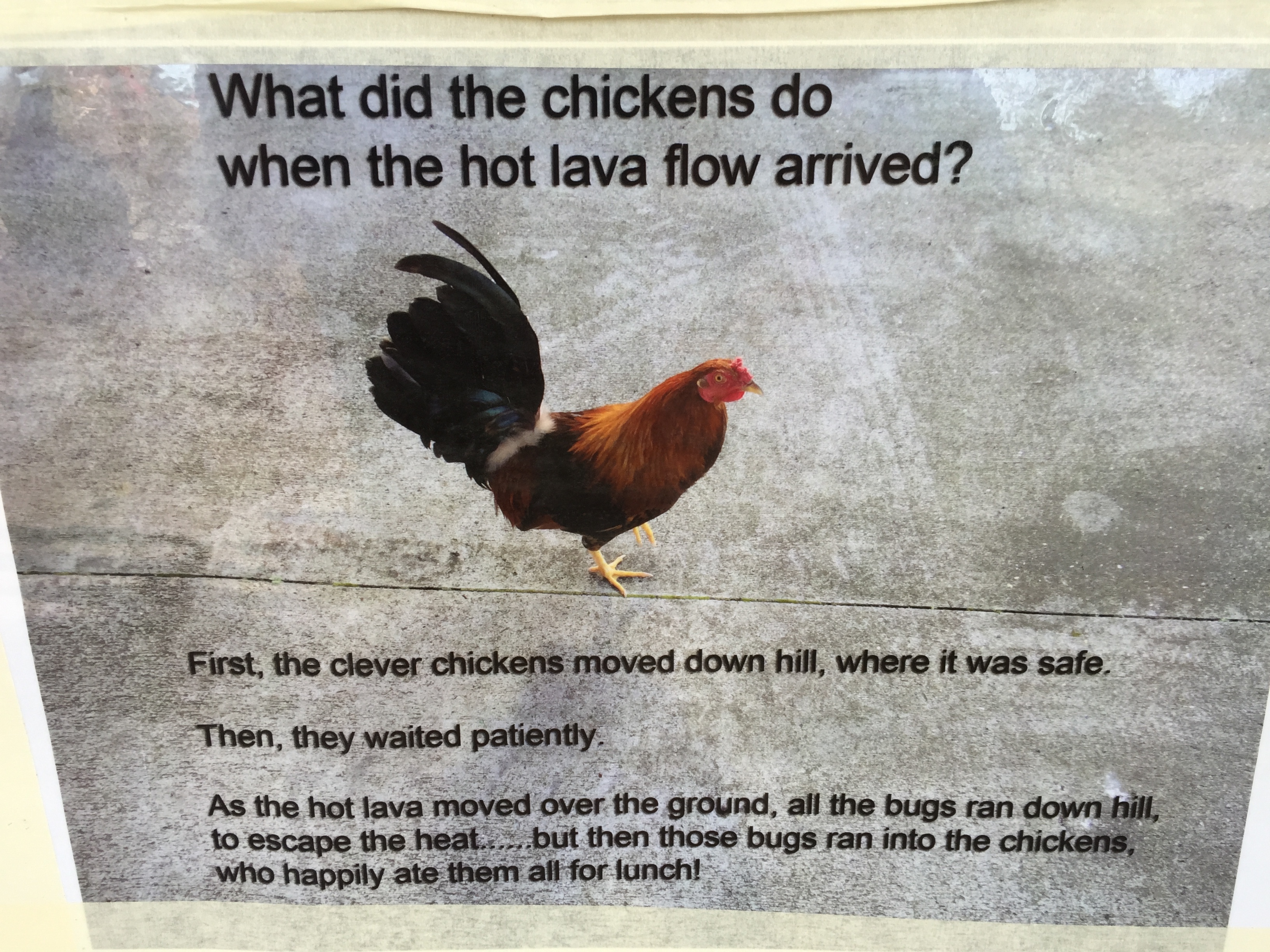
The county provides daily morning lava updates. Residents are safe. What about the wildlife?

IMG_3083

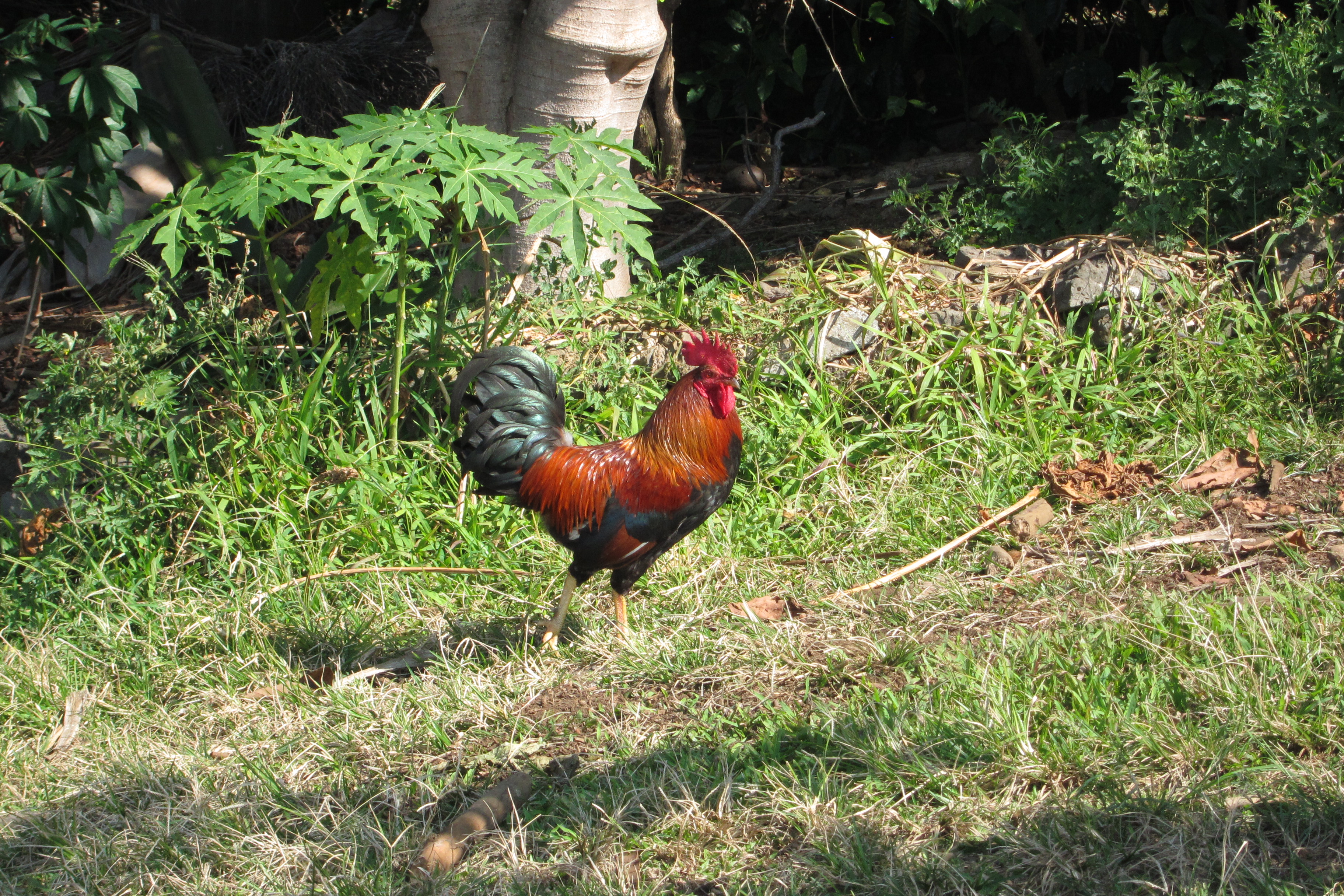
Nothing keeps the huli huli chickens from brightening the neighborhood with their morning crowing.
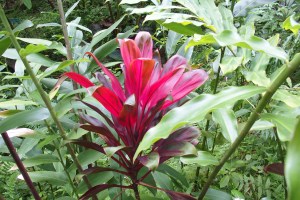
You might wonder if anything could possibly grow on this hard black rock. (We did.) Hawaii is built on lava and it’s amazingly fertile. Our next blog features a lush botanical garden.


Posted in Travel Journal | Tagged , , , , | Leave a comment

Humuhumunukunukuapua’a and more (January 2015)

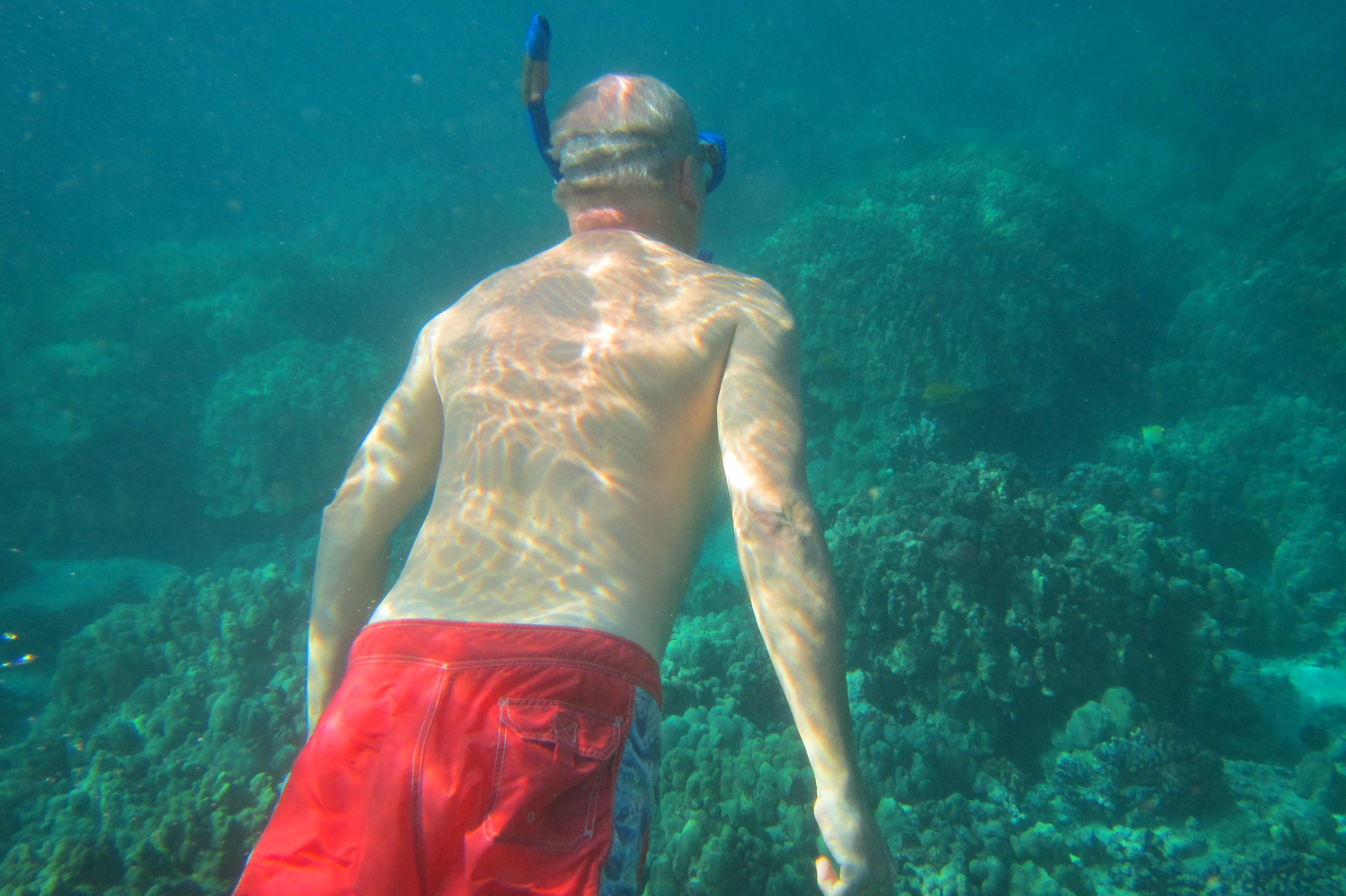
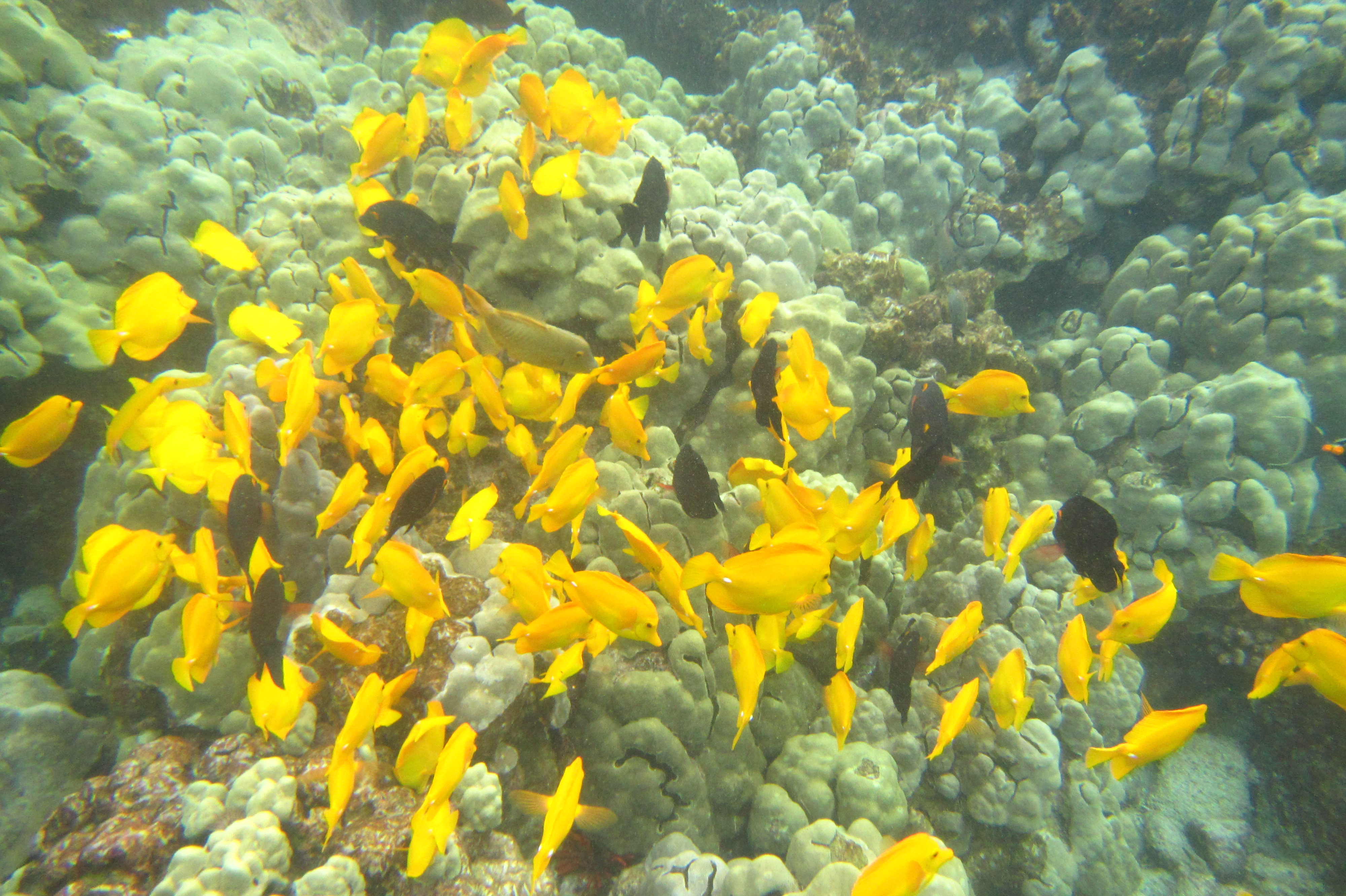
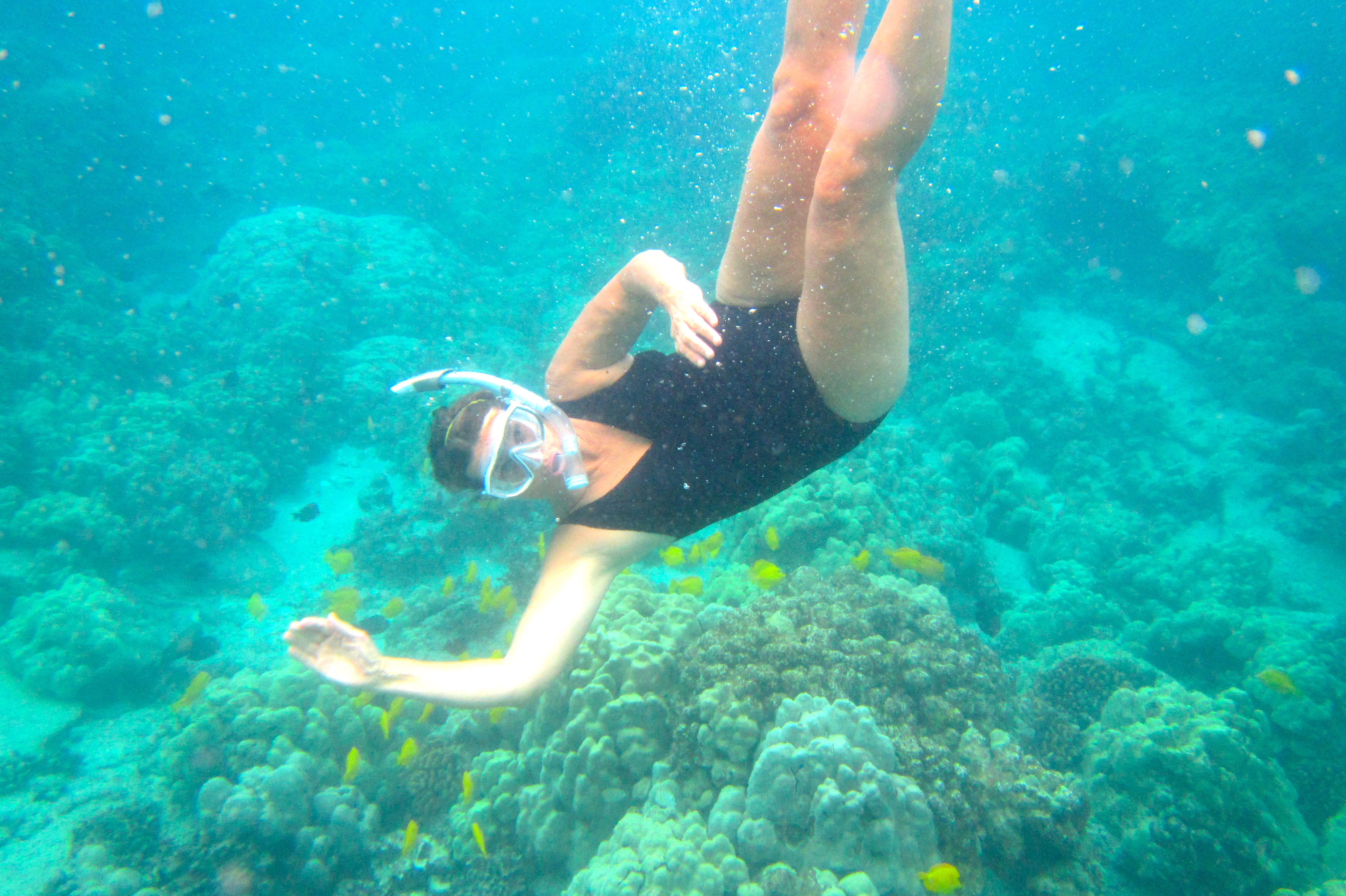
We’ve found our favorite snorkeling spot in Hawaii, south of Kona at Honaunau Bay. Locals call it Two-Step Bay because the lava formed two easy steps for a snorkeler’s launch into the ocean along the otherwise rough shoreline.

IMG_4072

Who would ever imagine all this is going on just a foot off shore?

We swam among schools of little fish as they were buffeted about by the surf. We were buffeted too.

IMG_3985

Patrick, what are these? We couldn’t identify them.

IMG_3991

We couldn’t find the name of this fish in the guidebook either. (It’s Michael 🙂

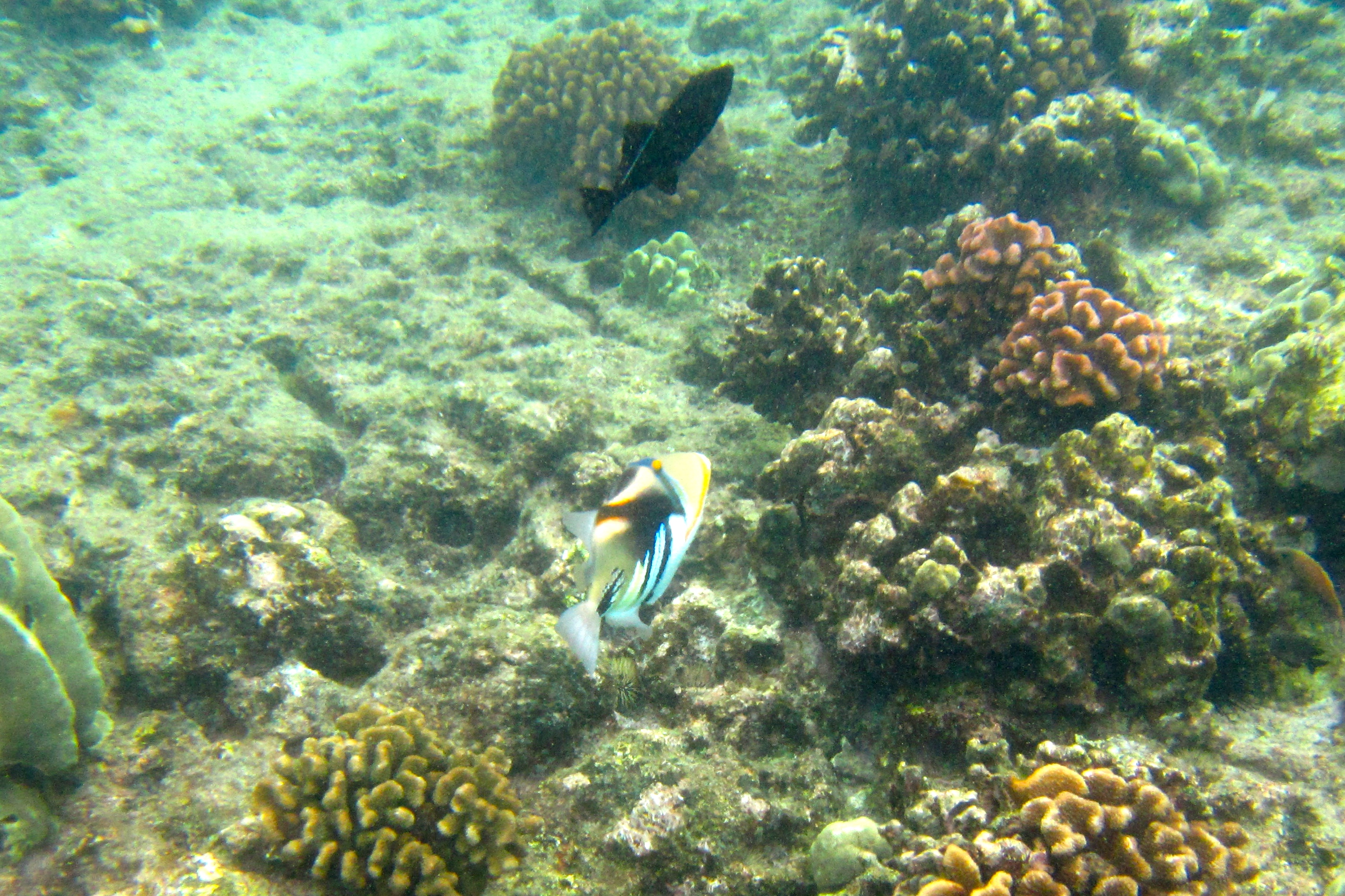
The humuhumunukunukapua’a is Hawaii’s state fish. It’s commonly known as a reef triggerfish and comes in several colors. Hard to get close to.

IMG_4059

Humuhumunukunukuapua’a. Now that I know how to spell and say it, I can’t pass up a chance.

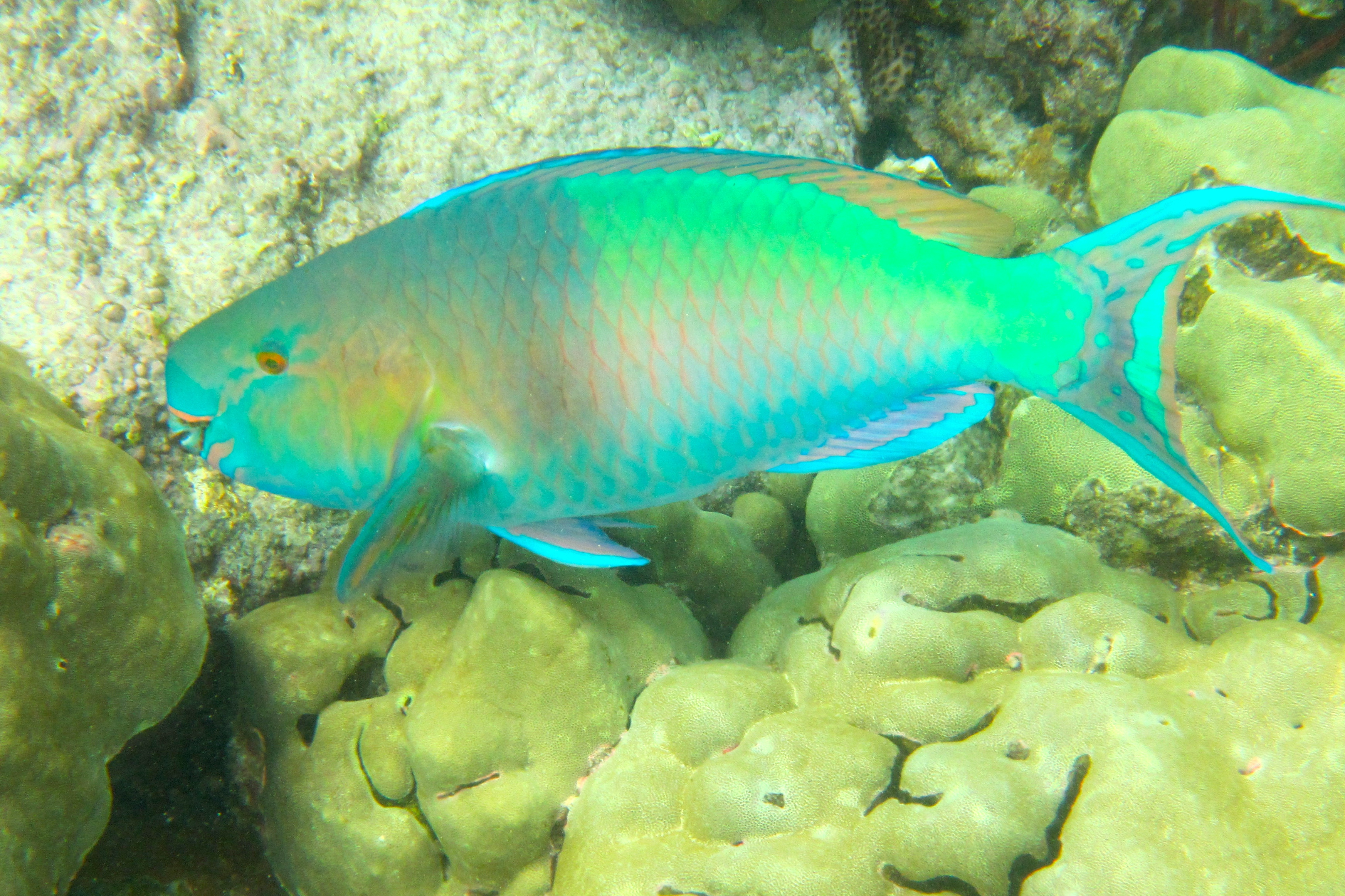
The parrotfish is a little less shy. We saw lots of these. The many kinds of parrotfish are known as uhu and are said to tell fishermen what their wives are doing at home. Capering and frolicking means too much levity. Two uhu rubbing noses means flirting at home. We didn’t see either of these. It must mean all Hawaiian wives are at home behaving as they should. Not sure if it applies to tourists.

IMG_4027

This parrotfish is about 2 feet long.
IMG_4090

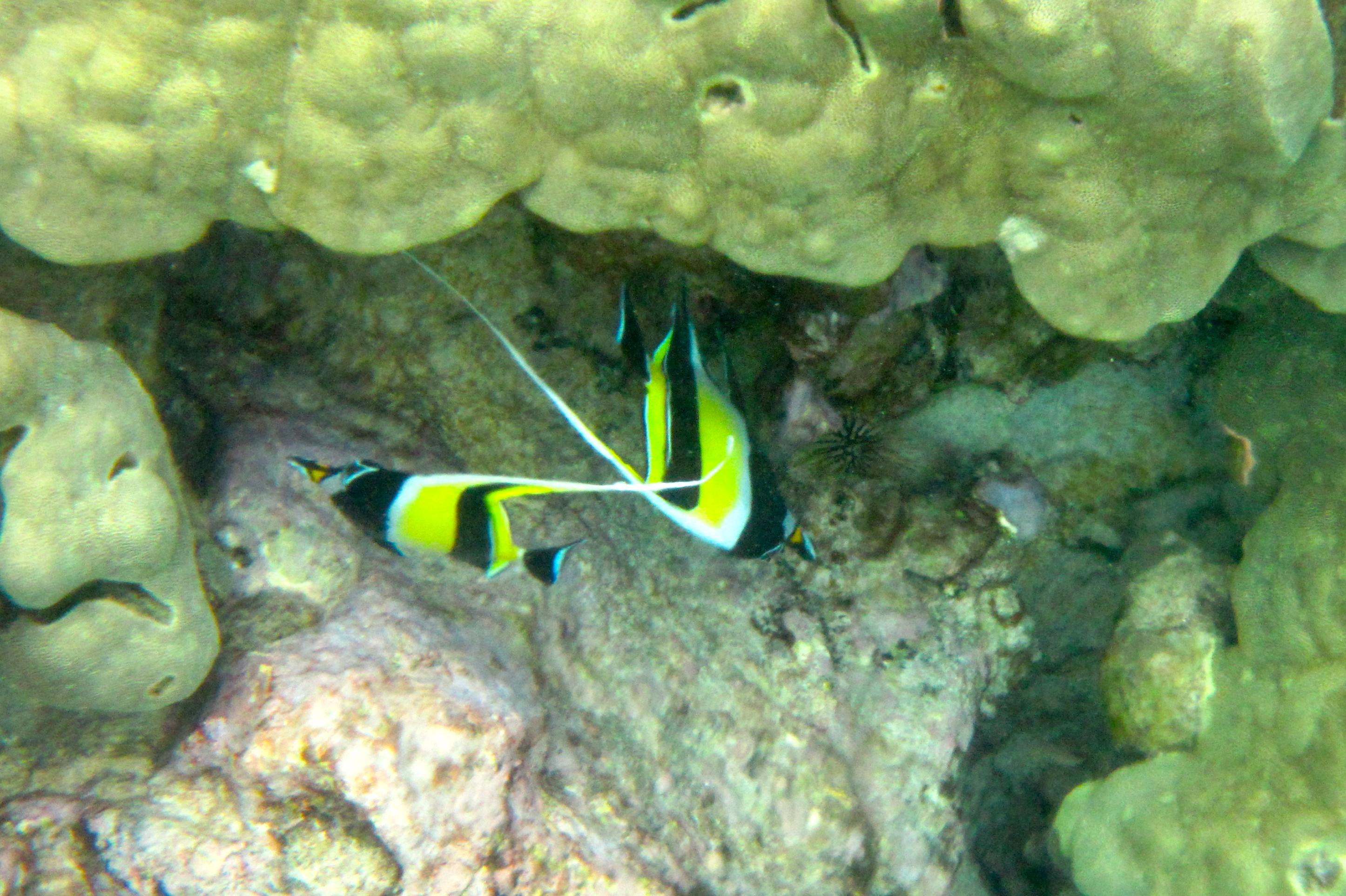
The Moorish Idols like to swim in pairs (just like Nancy and Michael!)

IMG_4077

These little Yellow Tangs are unperturbed by visitors.

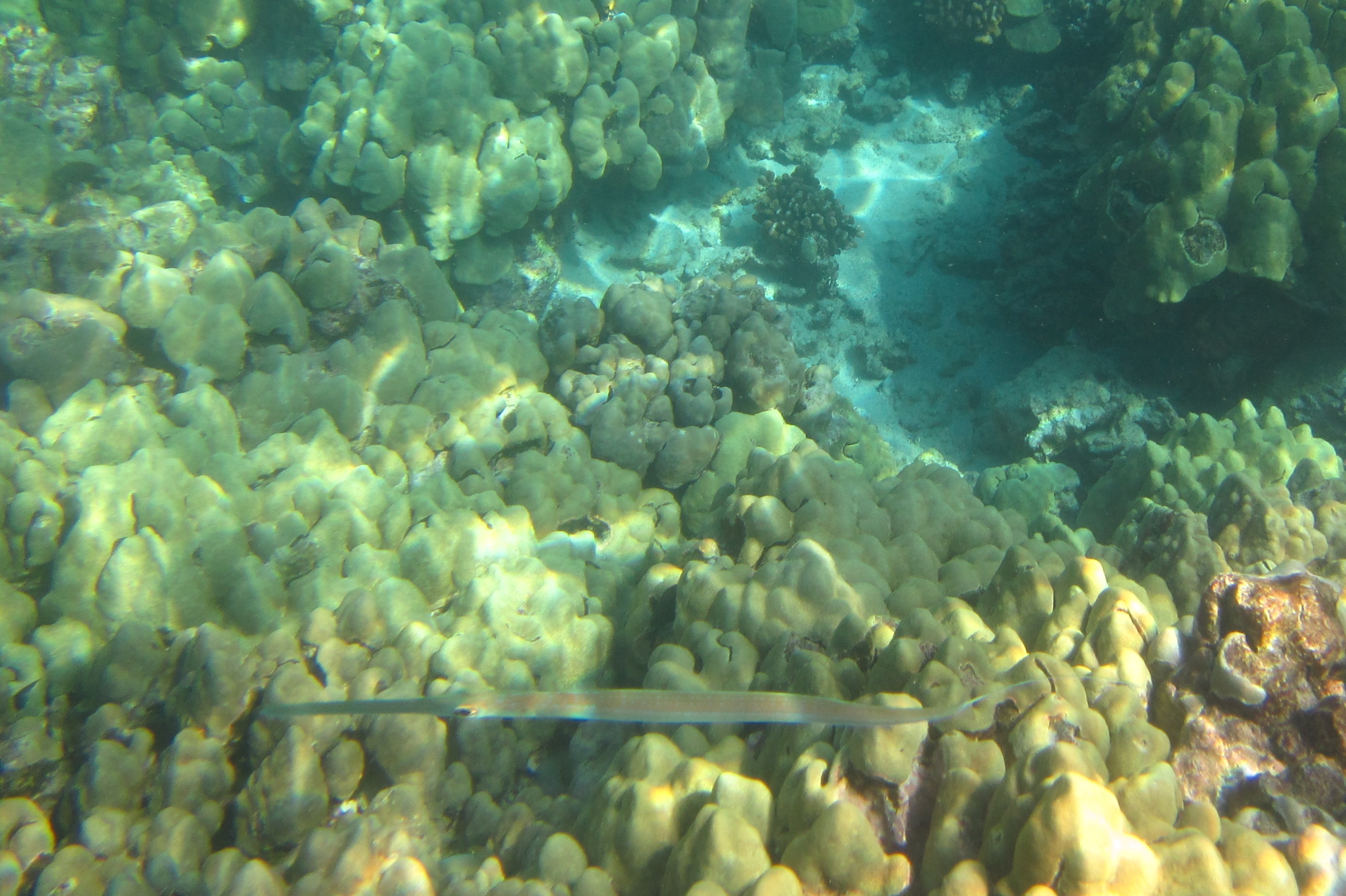
Another favorite is the trumpetfish, in silver here. These fish swim can swim upright and are very difficult to see from the front. Good thing they didn’t try to bite us.

IMG_3993

This guy is as good at camouflage as Carl the Chameleon on the citrus tree.

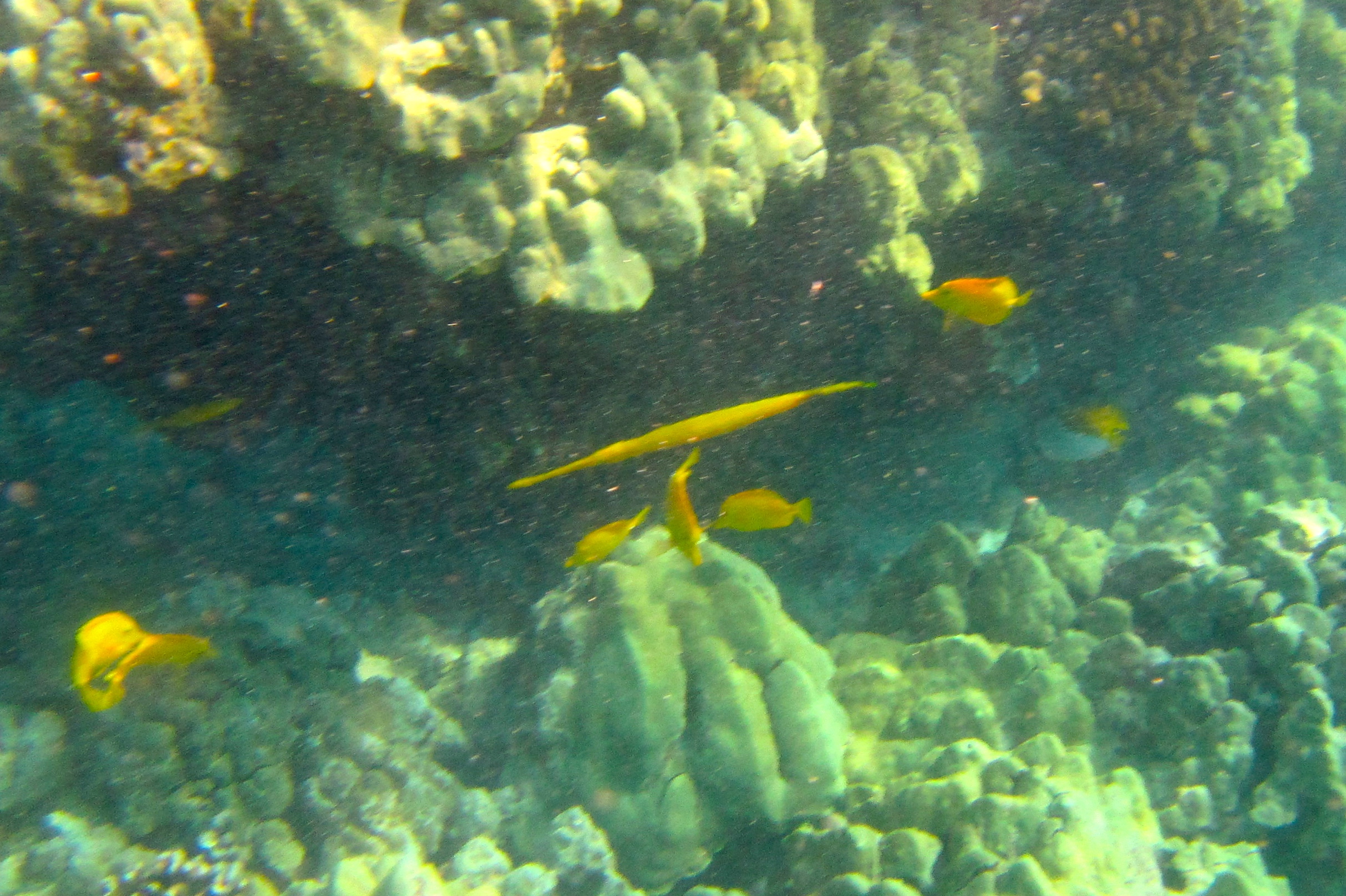
In Hawaii trumpetfish can be bright yellow.

IMG_4000

We think it’s an ugly duckling/swan thing. This trumpetfish was just like the yellow tangs when he was a baby, but he took on a different shape when he grew up. He still thinks he’s a tang.
We saw whales near here. The first sign was a puff of smoke on the horizon, actually a whale blowing air out its blowhole. Then we’d see a black tail or part of the body as the whale breached the surface. Pretty exciting (but too hard to get a photo). They’re humpback whales breeding around Hawaii from November through May before they migrate back to Alaska.
IMG_4064

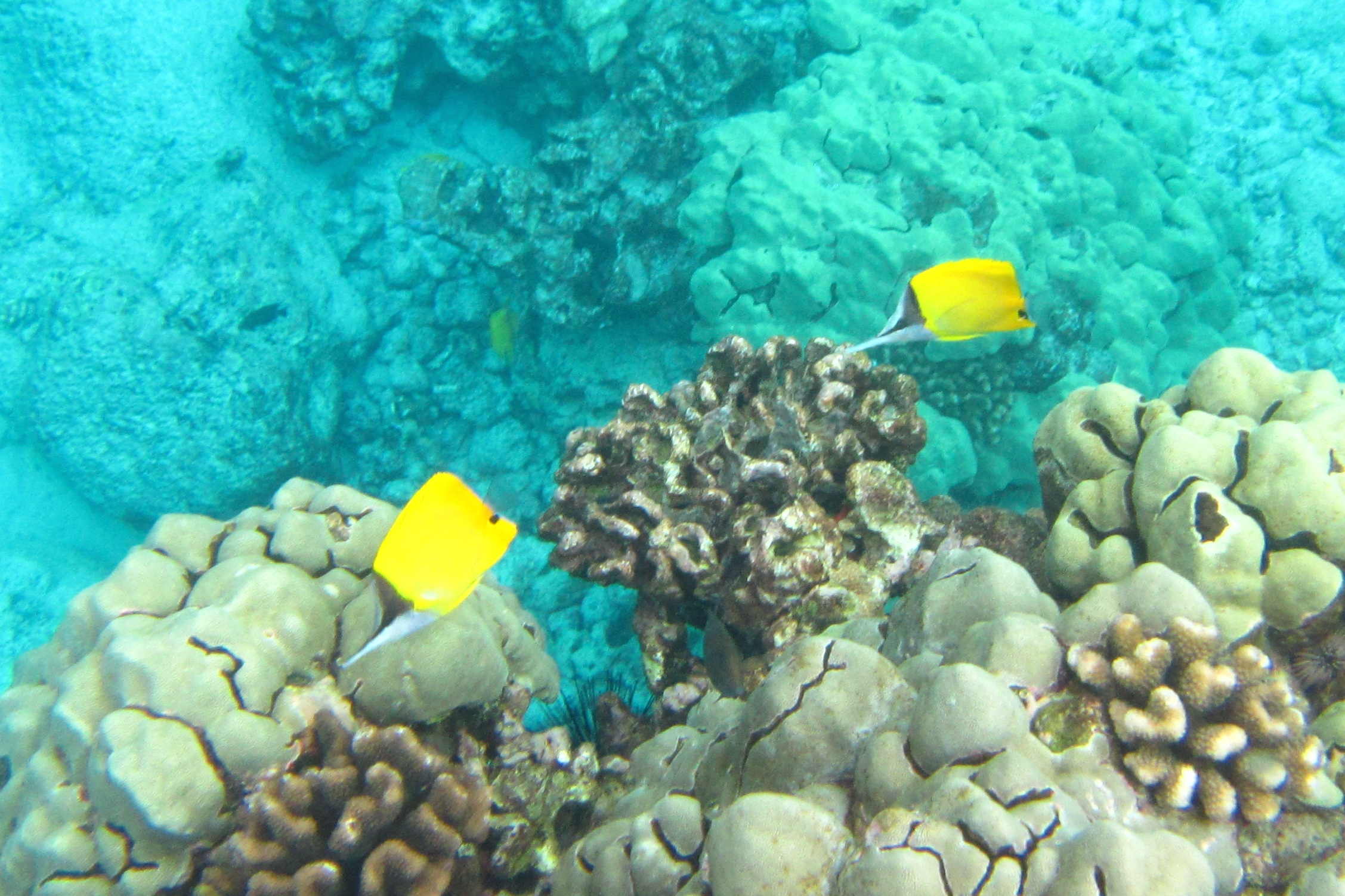
Rare Longnose Butterflyfish (Lauwiliwilinukunukuoi’oi) is apparently rare everywhere except here on Hawaii’s Kona coast. Lucky us.

IMG_4004

Sea urchins are everywhere, mostly black, but some very colorful like this red one hiding behind coral.

It’s very difficult to dive deep without a weight belt in the salty water.

IMG_4083

Only about 6 feet before downward momentum stopped and Nancy bobbed back to the surface. Why don’t the fish have this problem?

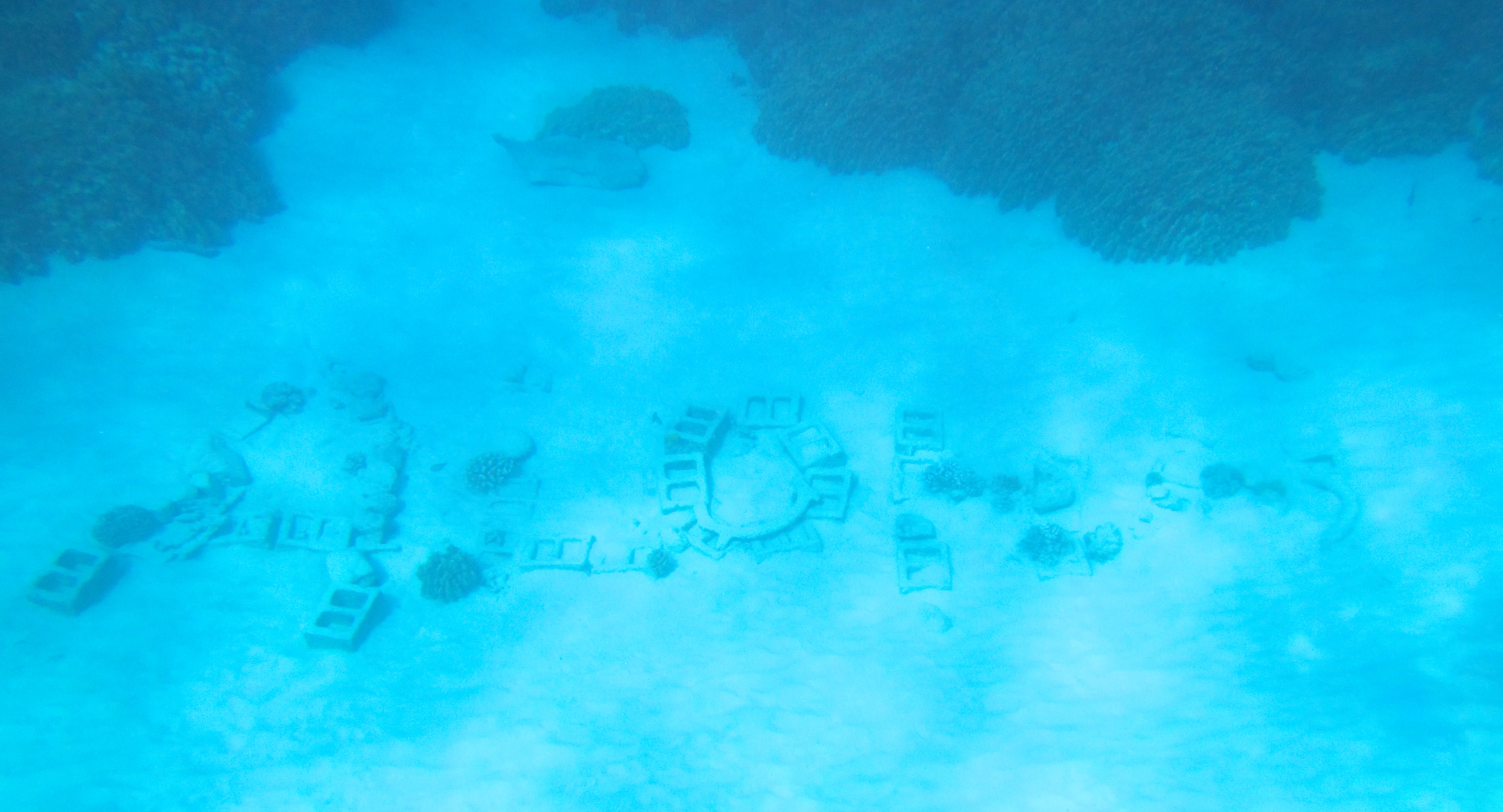
But someone was able to get down 30 or 40 feet to do this bit of art on the bottom.

IMG_4016

ALOHA (in concrete blocks) from Kona.

Aloha means both hello and goodbye. So it’s Aloha (goodbye) to Kona. Tomorrow we head to the Hilo side of the island.


Posted in Travel Journal | Tagged , , , , | Leave a comment

Edible Hawaii (January 2015)

Coming from northern states with a three-month growing season, we are impressed with the bountiful year-round harvest in Hawaii. (Actually as we write this it is 80F in Hawaii and -26F in Wisconsin, more than a 100-degree difference!)

First stop, in Liz’s honor (and because we love chocolate), the local Hawaiian chocolate company, Original Hawaiian Chocolate Factory.

IMG_4875

Really good chocolate!

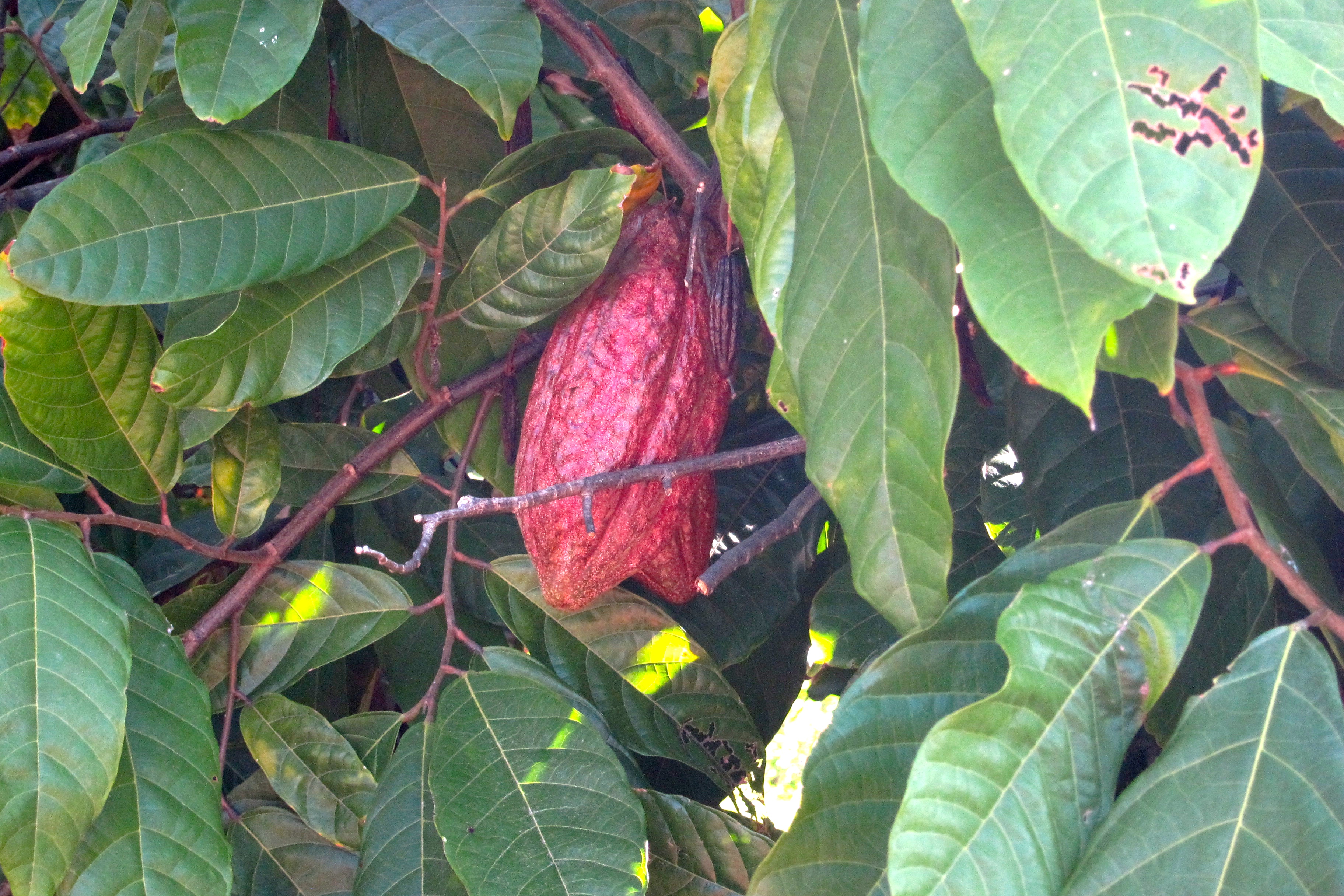
The company is totally Fair Trade since the owner and two other employees do all the harvesting. They handpick cacao beans every two weeks from the 1,400 plants on the property as individual pods ripen. This is what a cacao bean looks like. They grow on small branches and on the trunk too.

IMG_4868

Notice the similarity to Liz’s tattoo?

Next stop, Kona coffee, specifically the island’s best at Greenwell, which has been around since 1850. It started as a cattle farm with citrus plants (since the sailors arriving often had scurvy and needed Vitamin C).

IMG_4886

Native apple banana, smaller than regular bananas.

Now it has 2 acres of fruit, 4 acres of macadamia nuts, and 60 acres of coffee plants– 65,000 trees in plantings from 500 feet to 3,500 feet elevation. Like the terroirs of wine-growing, different coffee-growing areas result in different flavors . Each tree yields 25 to 100 pounds during the extended harvest, but much of that never makes it to your grinder. It’s not a high-yield process.

IMG_4905

Imagine picking these by hand. Be thankful that someone has done this tedious work when you enjoy your next cup of morning coffee.

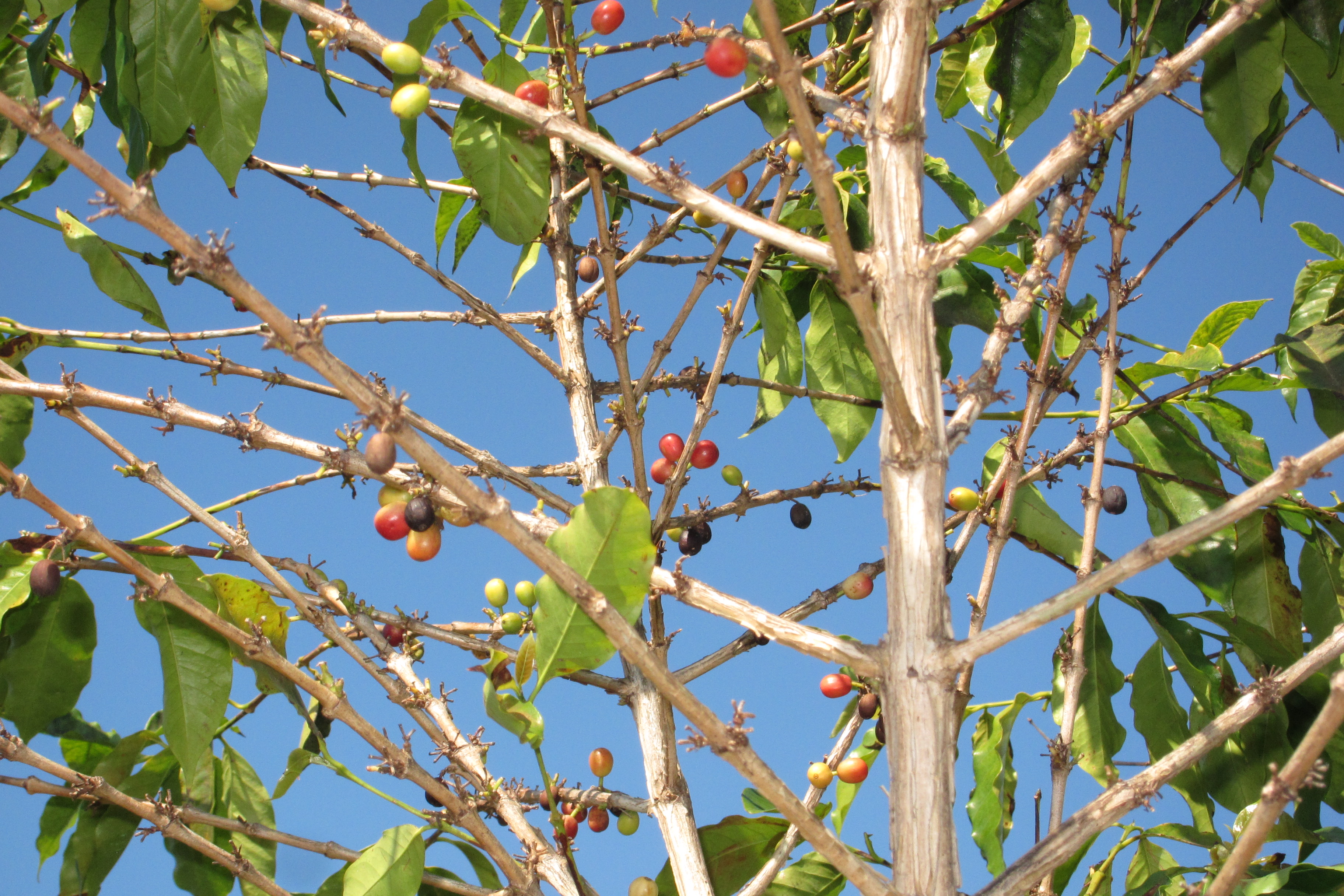
The coffee beans are called cherries when they’re on the tree and they look like bright red cranberries when they’re ripe. Again, hand picking since the cherries ripen at different times, with each tree being picked 4 to 7 times a year. Recently a coffee beetle infestation has caused problems.

IMG_4907

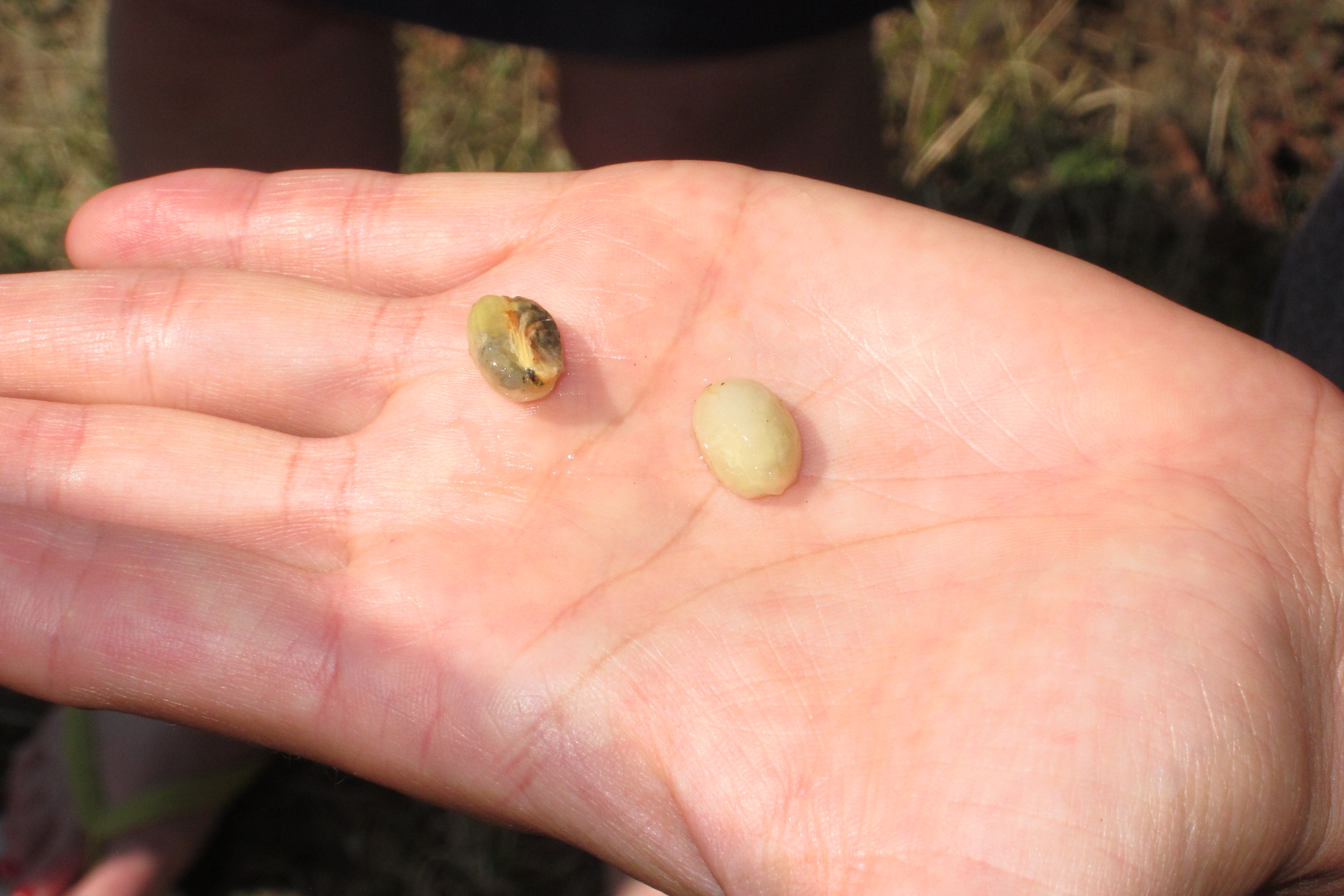
The fruit on the right is okay. The left has a coffee beetle.

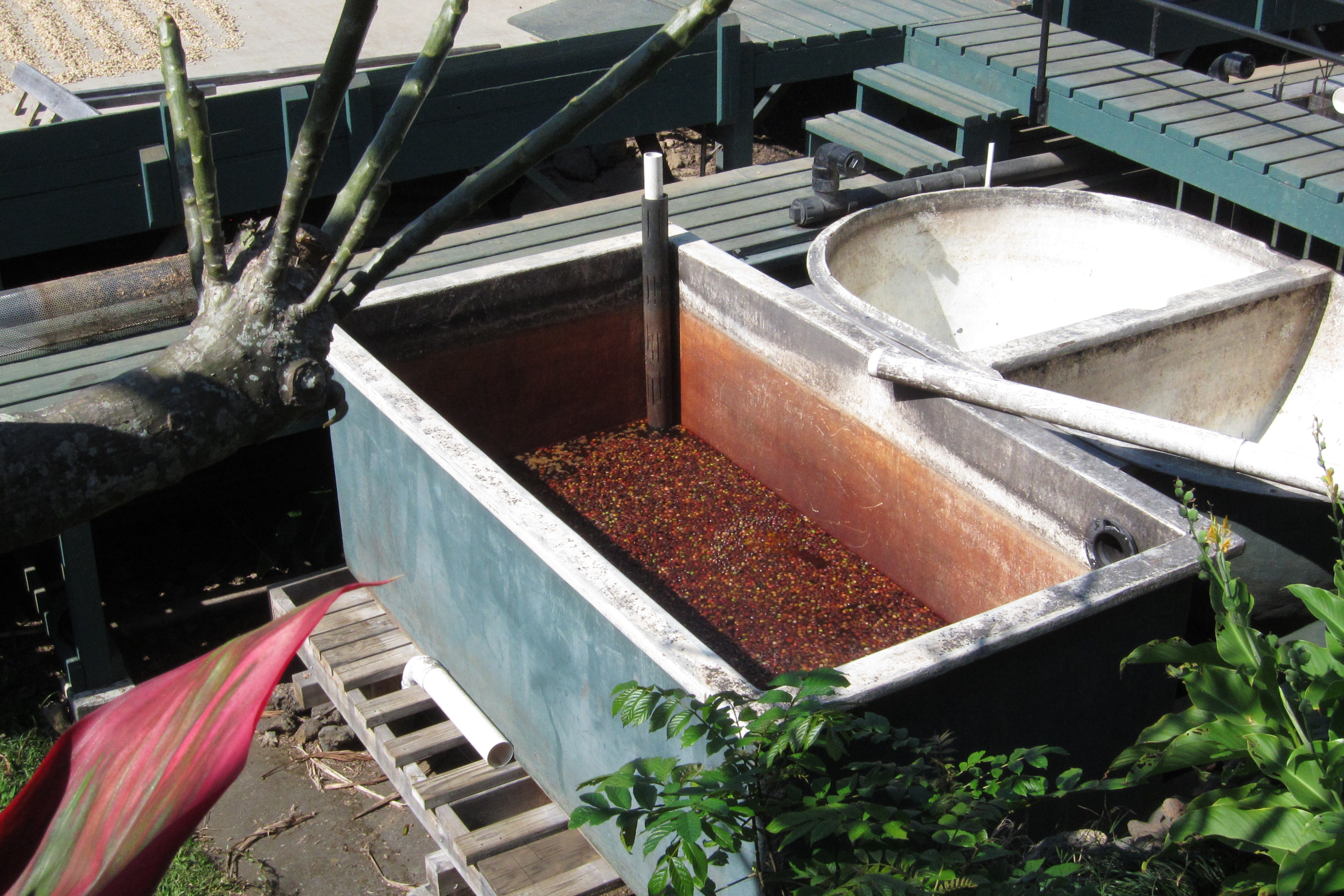
The first step of processing is sorting in a float tank. The cherries with beetles are lighter than “good” beans so they float to the top.

IMG_4913

Uh oh. Lots of floaters in this one.

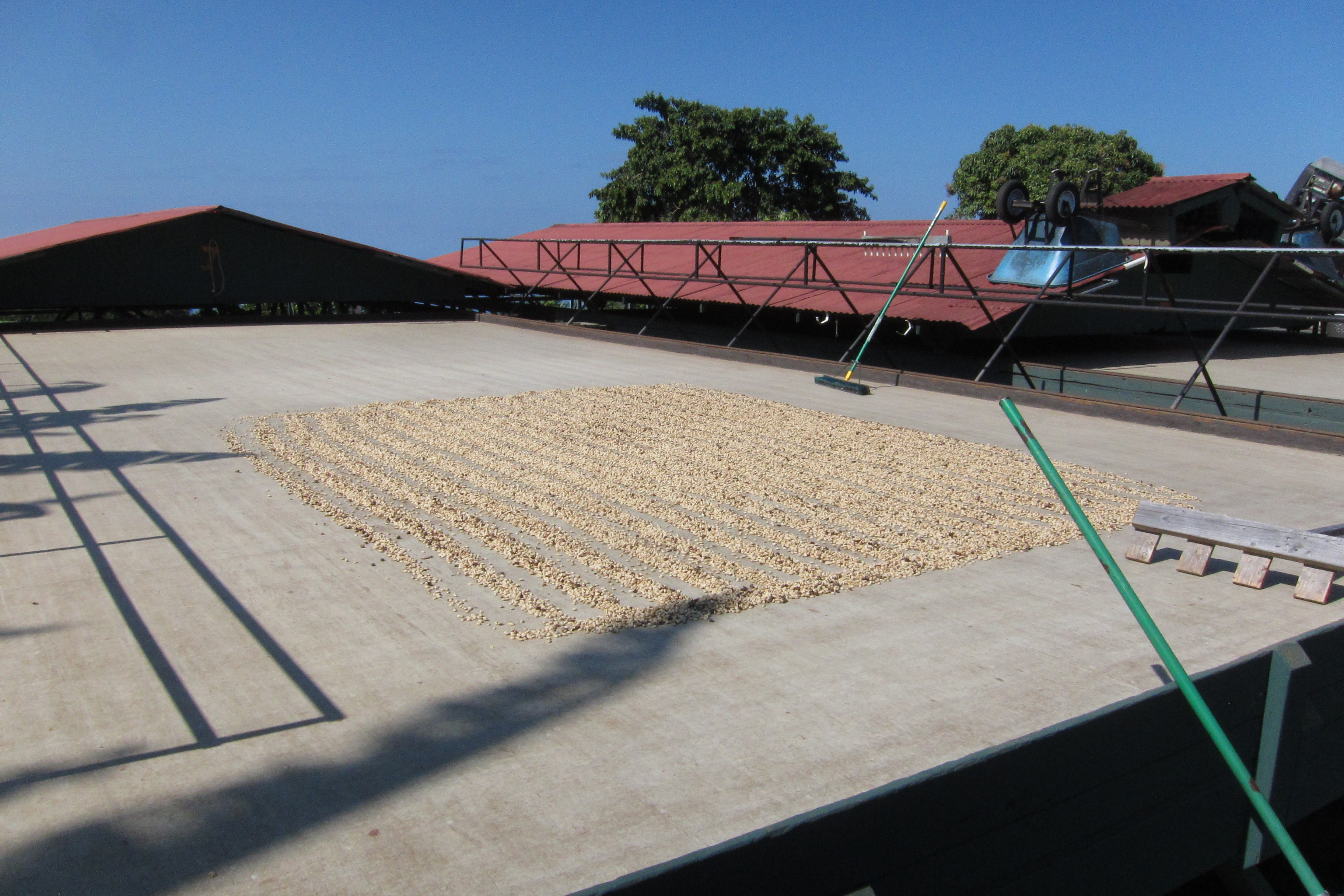
A dry mill takes the heavy shell off the bean and then the silky inner skin. Fermenting for 16 hours removes sugar. In the drying process, beans are raked for seven days every 15 minutes on a deck in the sun with a retractable roof for night time and rainy days.

IMG_4915

This looks like the rice drying the Chinese did on the outermost lane of the major highways in Guangdong province when Liz did her bike trip in 1999. Wonder if that still happens?

The last step is roasting, which ranges from 18 minutes to 24 minutes and 1 second for the espresso. That last second makes a big difference! Greenwell has a macadamia coffee that is made by infusing the roasted bean with macadamia oil.

This is one of the island’s free-range chickens, known as huli huli chickens. They look so quaint strutting through the brush and they do taste great as rotisserie treats, but they also wake us up too early. The ones at our house must be on Eastern Time, crowing at 2 or 3 a.m. here. (7 a.m. in DC)

IMG_4899

Someone’s dinner later this week…

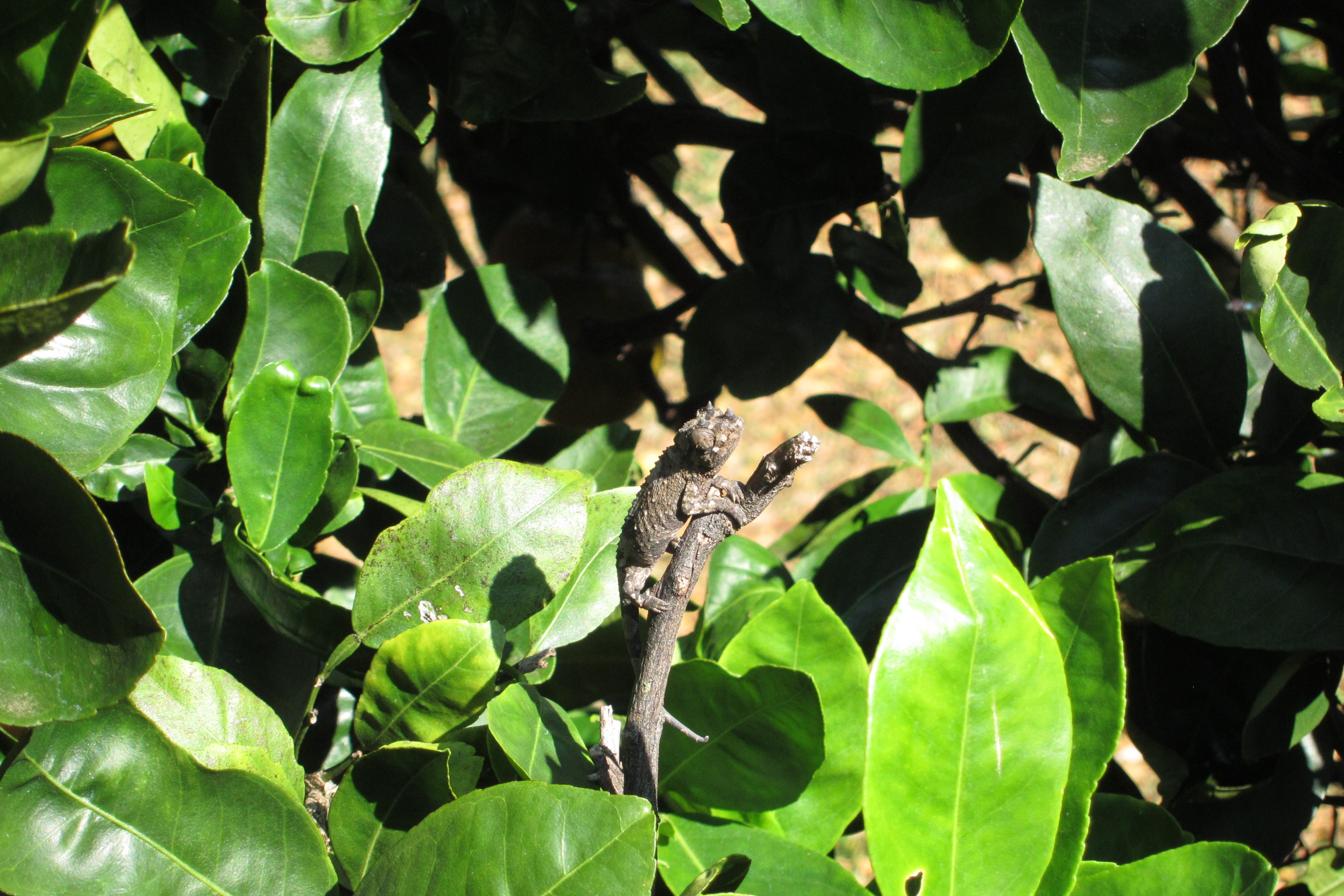
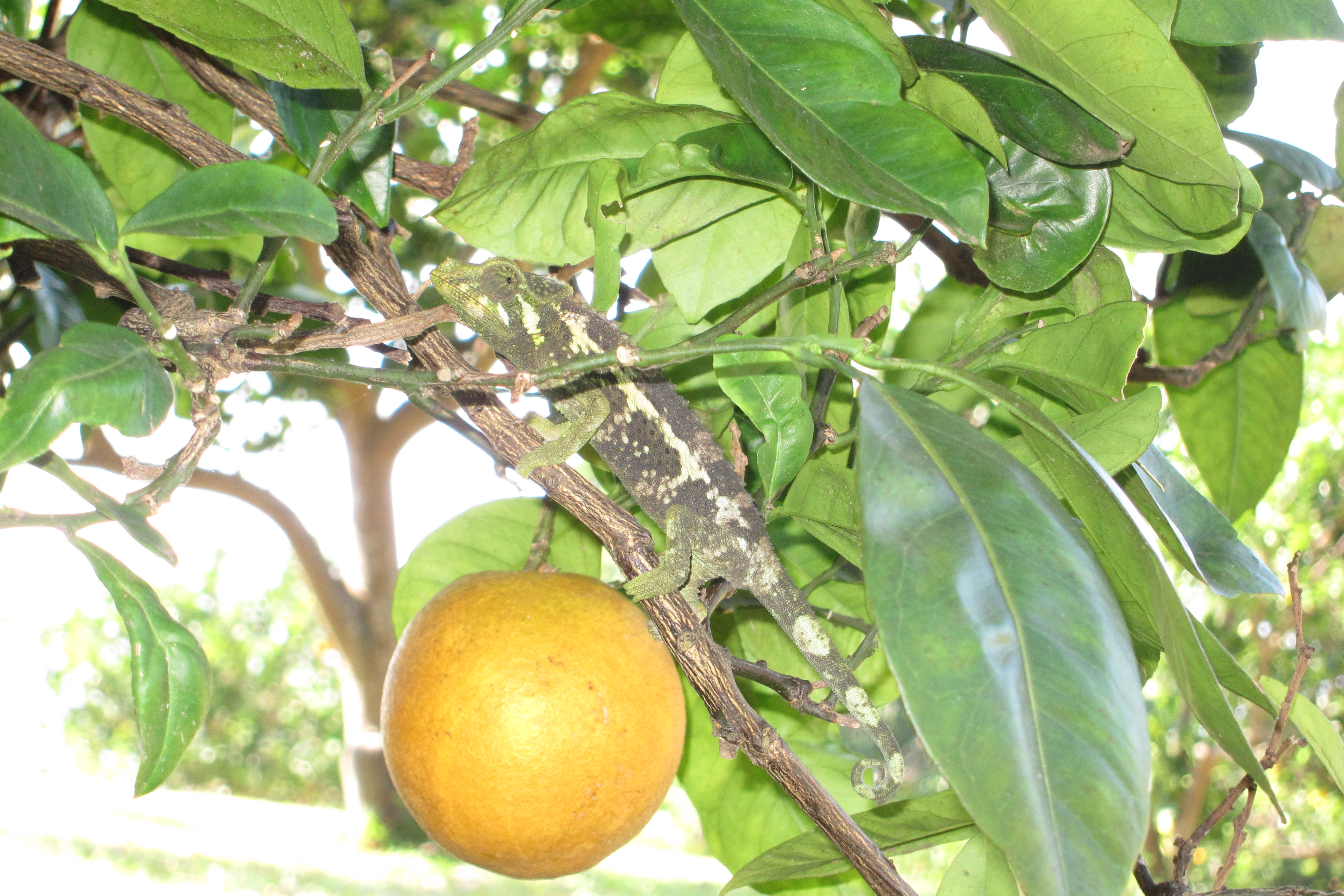
The citrus tree next to Greenwell’s tasting area has a family of 12 chameleons. One of the Greenwell workers, Daniel Swanson, has written a book about the patriarch, Carl the Chameleon. He has a sequel on the way about Carl going to school.

IMG_4930

Apparently Carl wants to stand out from the darker green leaves.

Carl’s kids are all over the tree.

IMG_4923

This one blends in with the branch, so much so that his neck has a gnarly appearance just like the wood.

Some take the appearance of the lichen on the branches. FYI the chameleons are not edible 🙂

IMG_4937

Probably an adult female, not as showy as the males.

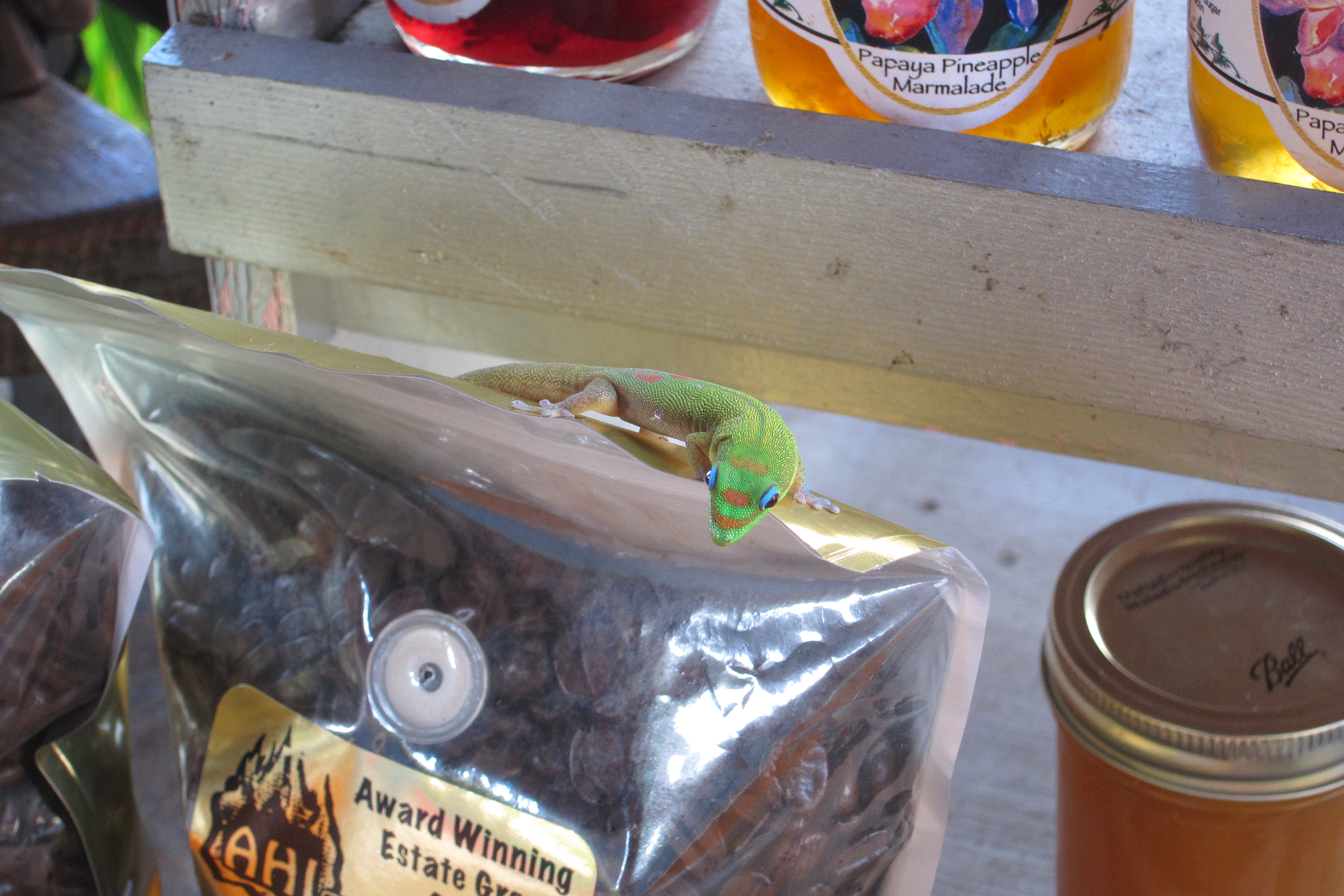
The island has geckos, also not edible, but they like inspecting the local fruit since they eat insects and nectar.

IMG_4954

The Gold Dust Day Gecko does not come with the coffee. That’s freshly canned lilikoi butter next to the bag.

Lots of breadfruit here. Big and nubby.

OLYMPUS DIGITAL CAMERA

These breadfruit are 8 to 10 inches long and very starchy.

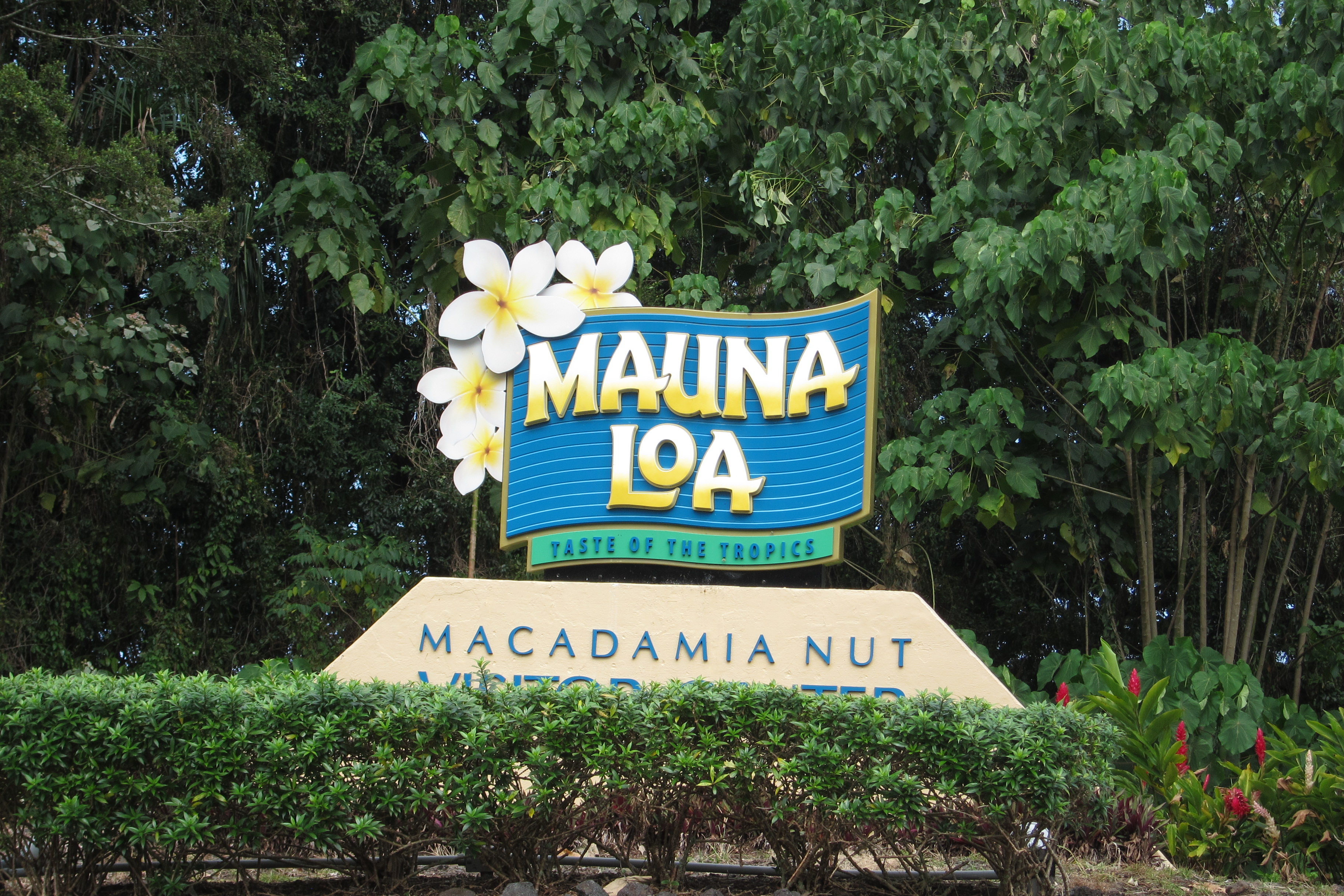
Hawaii is famous for macadamia nuts, a favorite of John O’Connell. We found the Mauna Loa factory after driving past 250 acres with 250,000 trees.

2015-01-11 007

Looks just like the logo on the box or jar. Those are plumeria blossoms at the top.

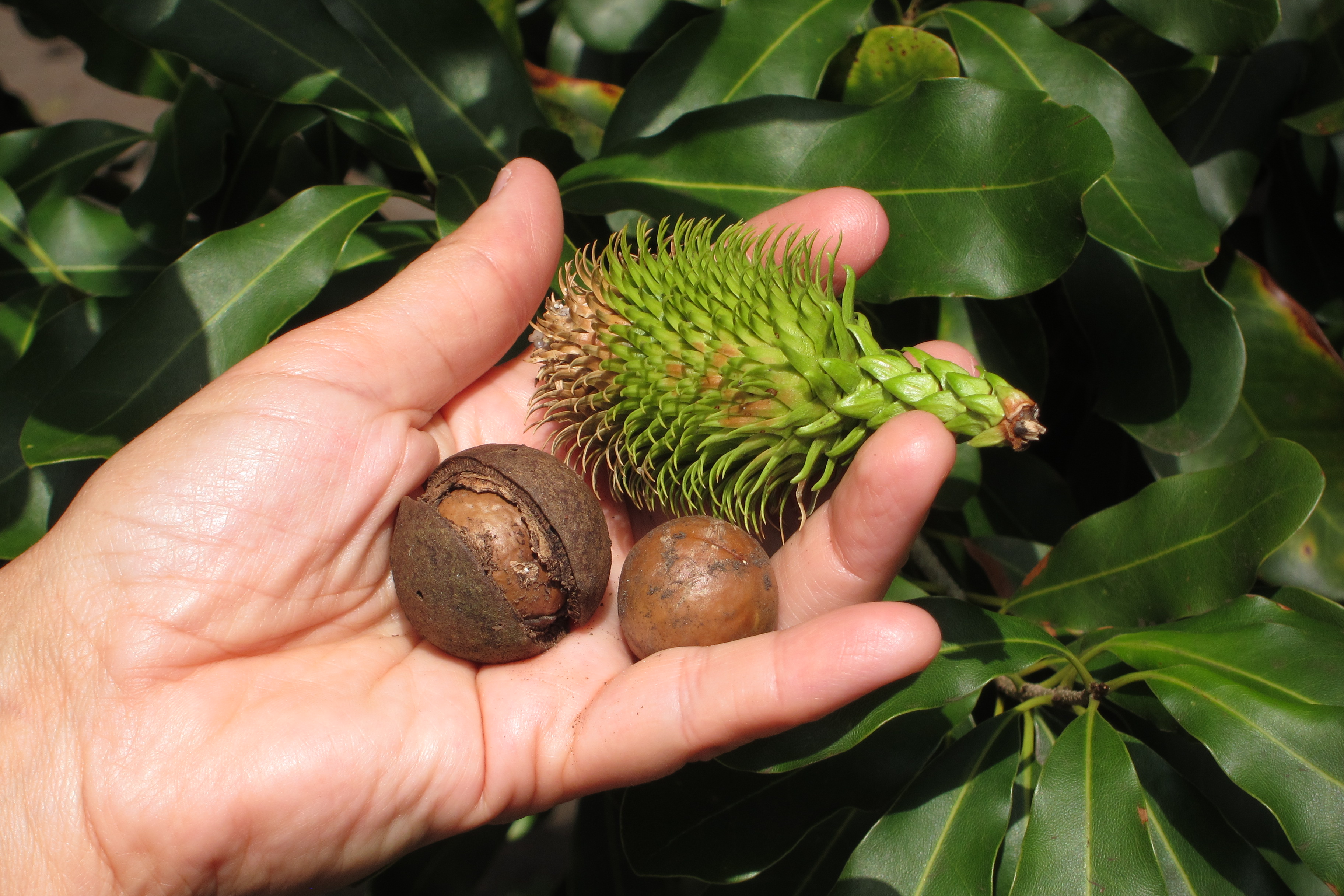
The people at Greenwell Coffee told us macadamia nuts are oversupplied right now, bringing the selling price too low for profitable farming. Even so, it is the most expensive nut in the world, mostly because of the difficulty of cracking the super hard shell without damaging the nut.

2015-01-11 005

These are the mac nuts before they go to the factory.

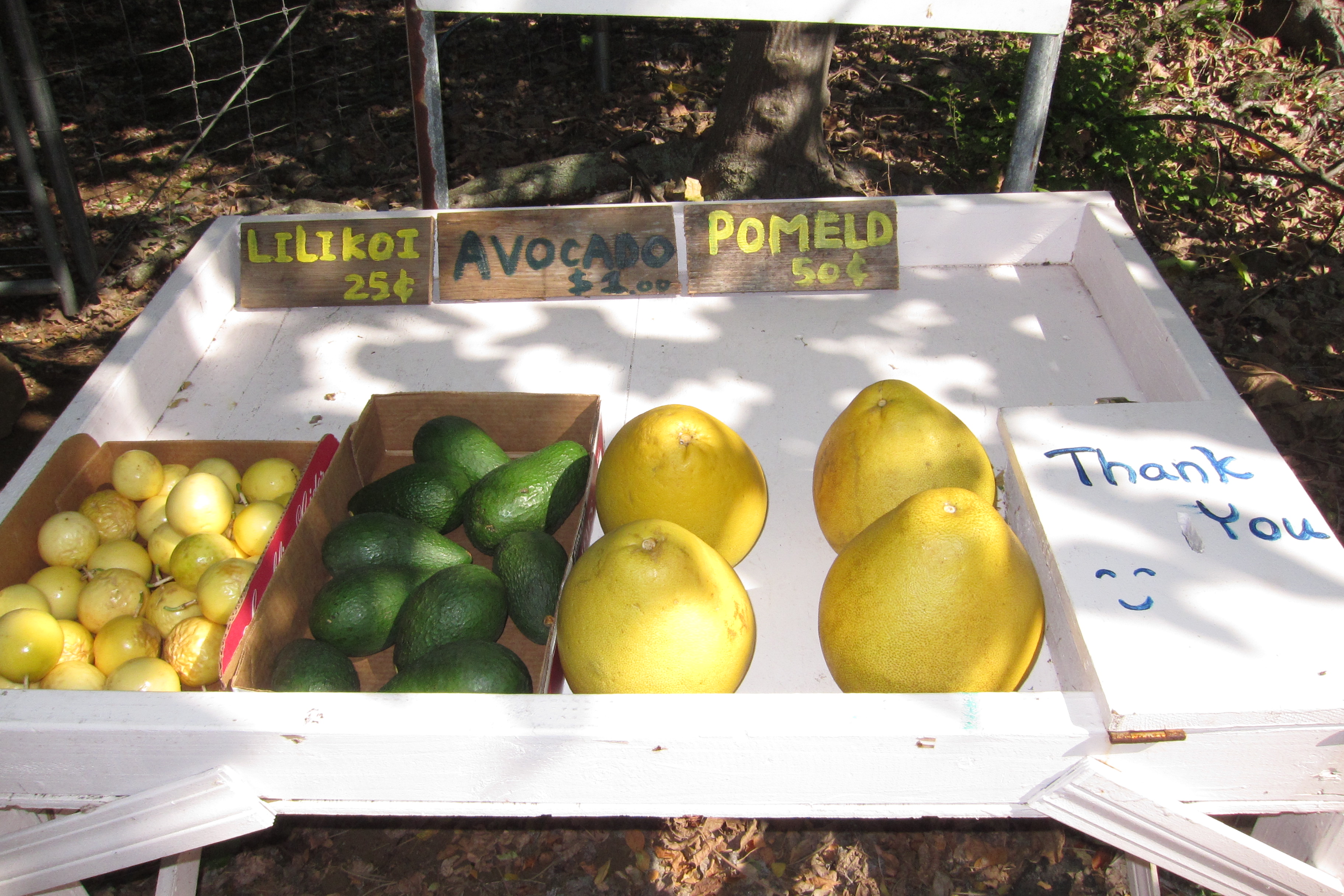
We found someone with a roadside fruit stand. Imagine having this bounty in your backyard.

IMG_4879

Fresh from the backyard fruit at unbelievable prices. Pomelos were popular for Chinese New Year when we were in Hong Kong–like a big, somewhat dry grapefruit.

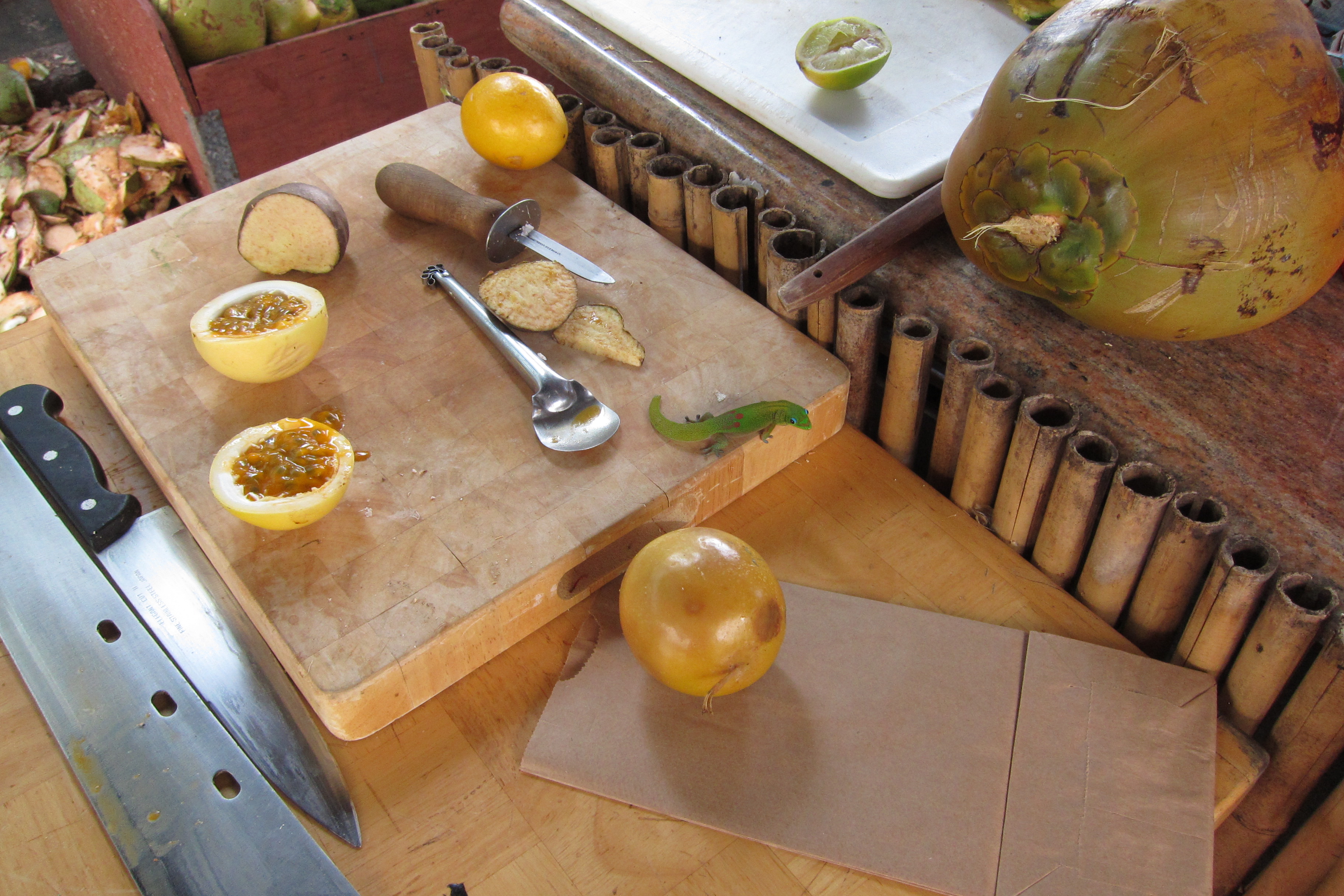
What’s a lilikoi? You might know it as passion fruit. Very sweet and flavorful.

2015-01-06 089

The slimy, seedy insides make a great juice. A favorite of the geckos!

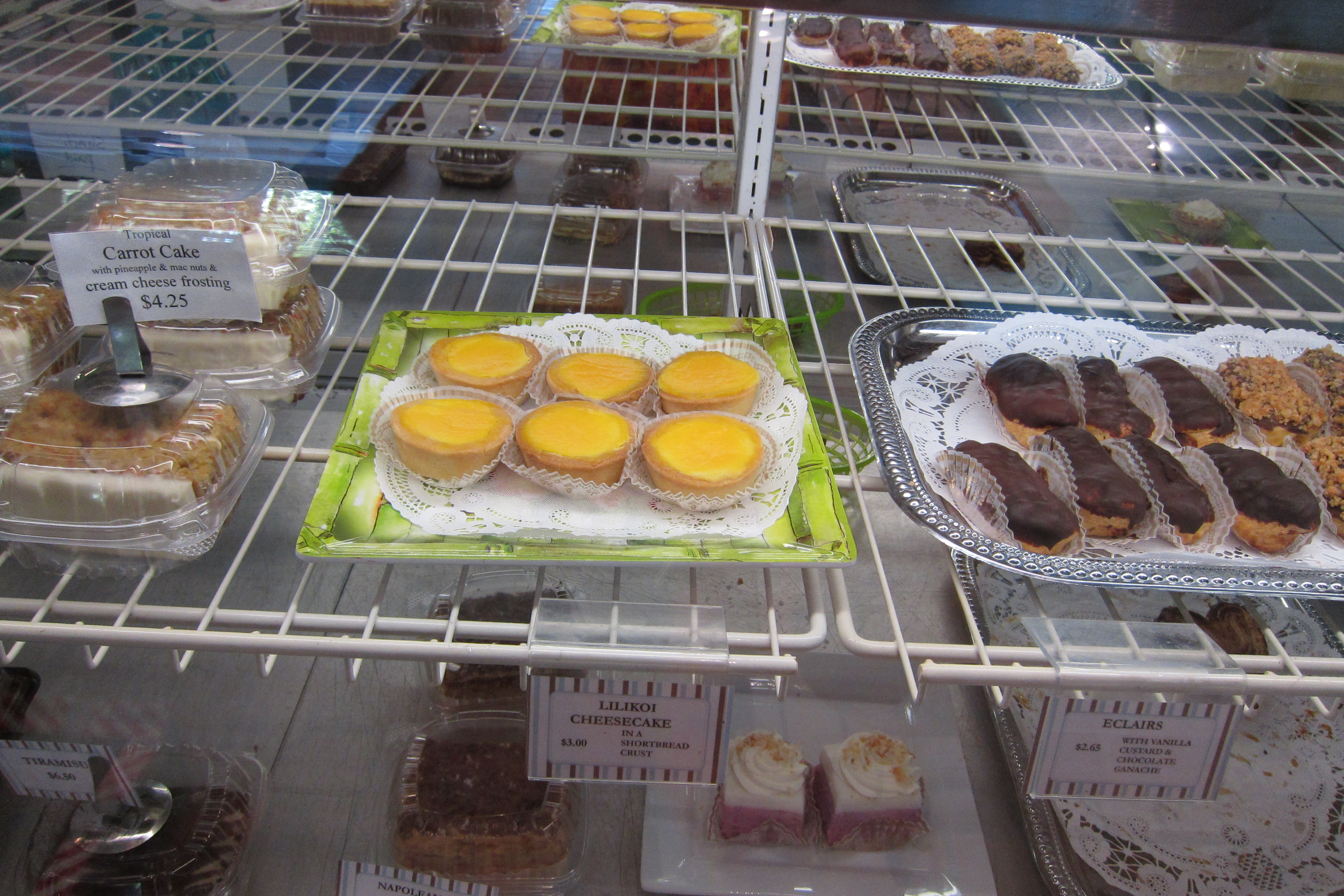
Gail likes the lilikoi mustard on Kauai. We didn’t find mustard here on the Big Island, but we sampled Lilikoi pasteis, just like the custard pasteis de Belem in Portugal. (Actually this was a lilikoi cheesecake.)

IMG_4946

This is from Gypsea Gelato, run by a couple from British Columbia and California who ran a “dive aboard” business in the Caribbean and wanted to settle down with a real business. Great gelato!

Lilikoi: can’t get enough of it!

IMG_4944

This lilikoi spritzer is sweet and tart simultaneously. How do they get out all the seeds?

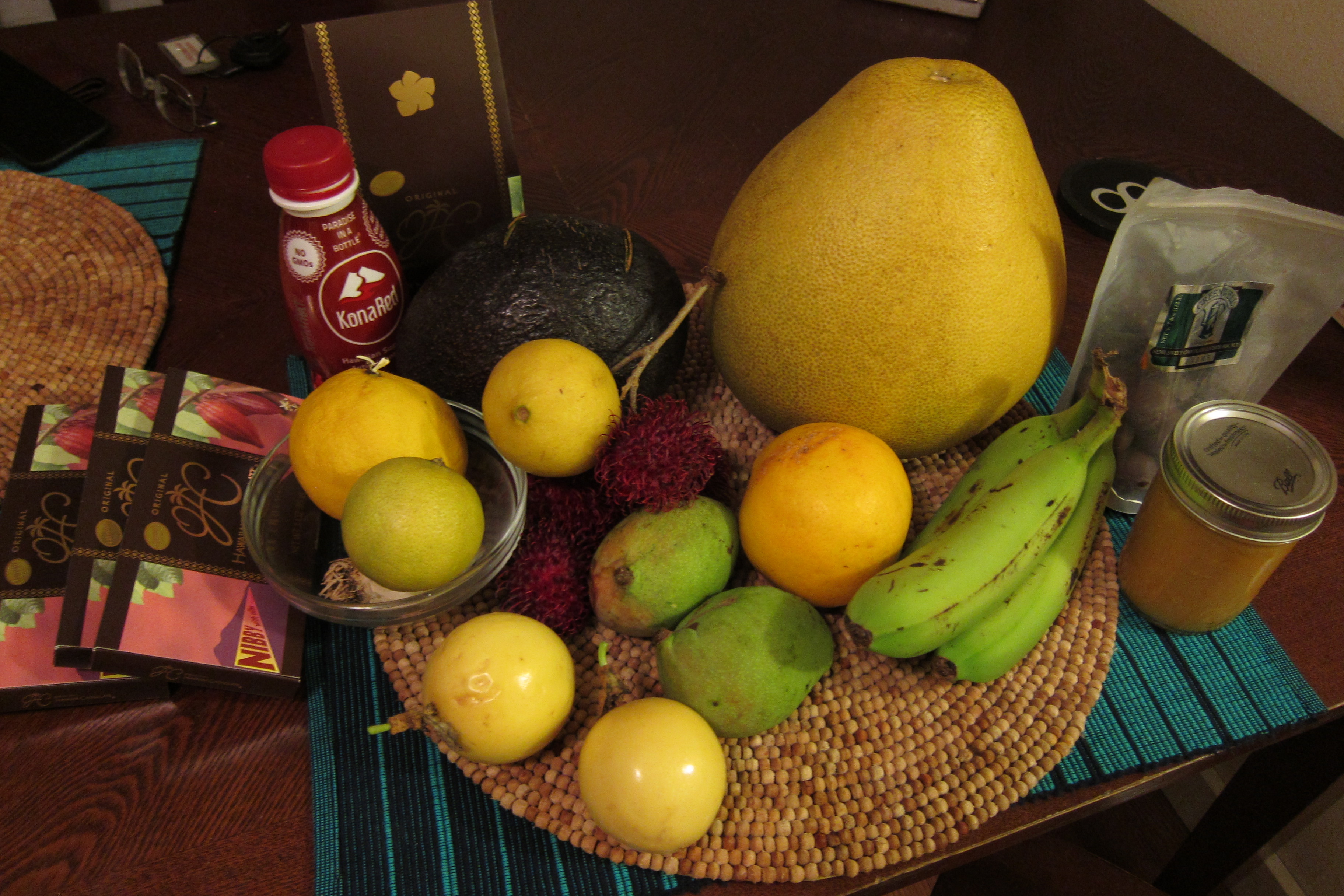
Our take at the end of the day.

2015-01-06 091

The small green items are mangoes. The super large brown thing at the back is an avocado from the tree next to our guest house.

Hawaii has over 200 varieties of avocado. This Beardslee can weigh up to 40 ounces. (Ours felt even heavier!)

2015-01-06 093

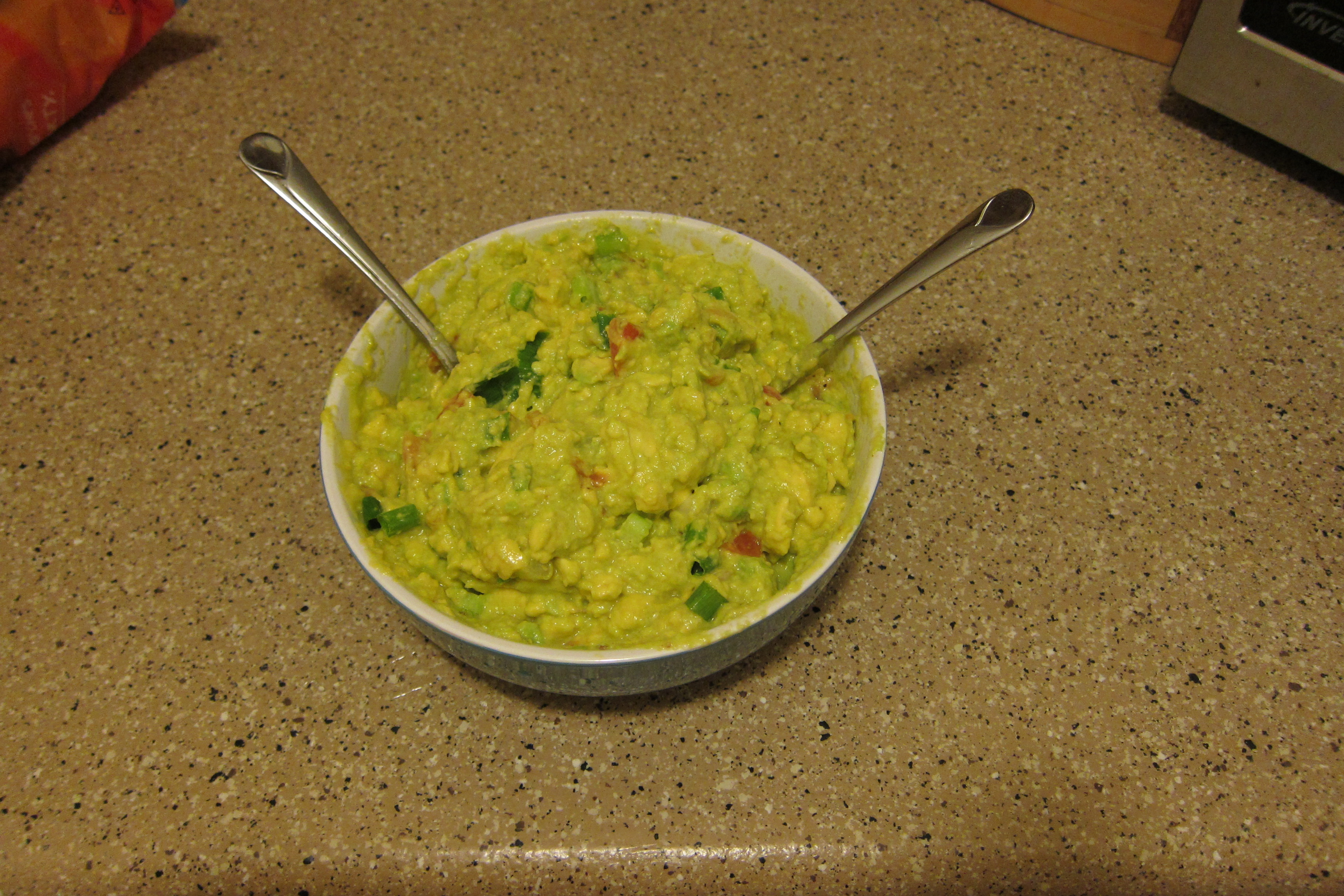
We had only this guac for one night’s dinner with that one avocado equivalent to six normal ones. Welcome to Hawaii!

Tomorrow we work off all the good eating with swimming and hiking.


Posted in Travel Journal | Tagged , , , , , , , , , , , , , | Leave a comment

Aloha to Hawaii (January 2015)

Aloha!

Here’s a riddle: How could we have visited Hawaii before, but never been to Hawaii? Answer: On other trips to the state of Hawaii we visited the islands of Kauai and Oahu, but this time we are on the Big Island, which has the official name of Hawaii. We’re spending four days in Kona on the west and four days in Hilo on the east.

This island is rather big, both in diameter and in elevation. We drove north along the western coast and had views in one direction of beautiful blue seas…

OLYMPUS DIGITAL CAMERA

The Kona coast, looking in the makai (ocean-facing) direction

and in the inland mountain (mauka) direction we saw snow-capped Mauna Kea. At 13,803 feet above sea level, it’s the tallest mountain in the world (because its base is 20,000 feet below sea level). People are snowboarding at the top this week, although the peak has warmed to 37F so snow is melting.

OLYMPUS DIGITAL CAMERA

Mauna Kea’s snow caps, just a few miles from palm trees and beaches.

We found kaus.

OLYMPUS DIGITAL CAMERA

Kau may not be the real local spelling, but a more special name seems appropriate for these cows that have such a fantastic view.

We found beaches.

IMG_3026

Just another day in paradise

We found beach bums.

OLYMPUS DIGITAL CAMERA

This is a honu or green sea turtle, very important in local lore. They’re slow on land, but swim much faster than we do…as we learned while snorkeling.

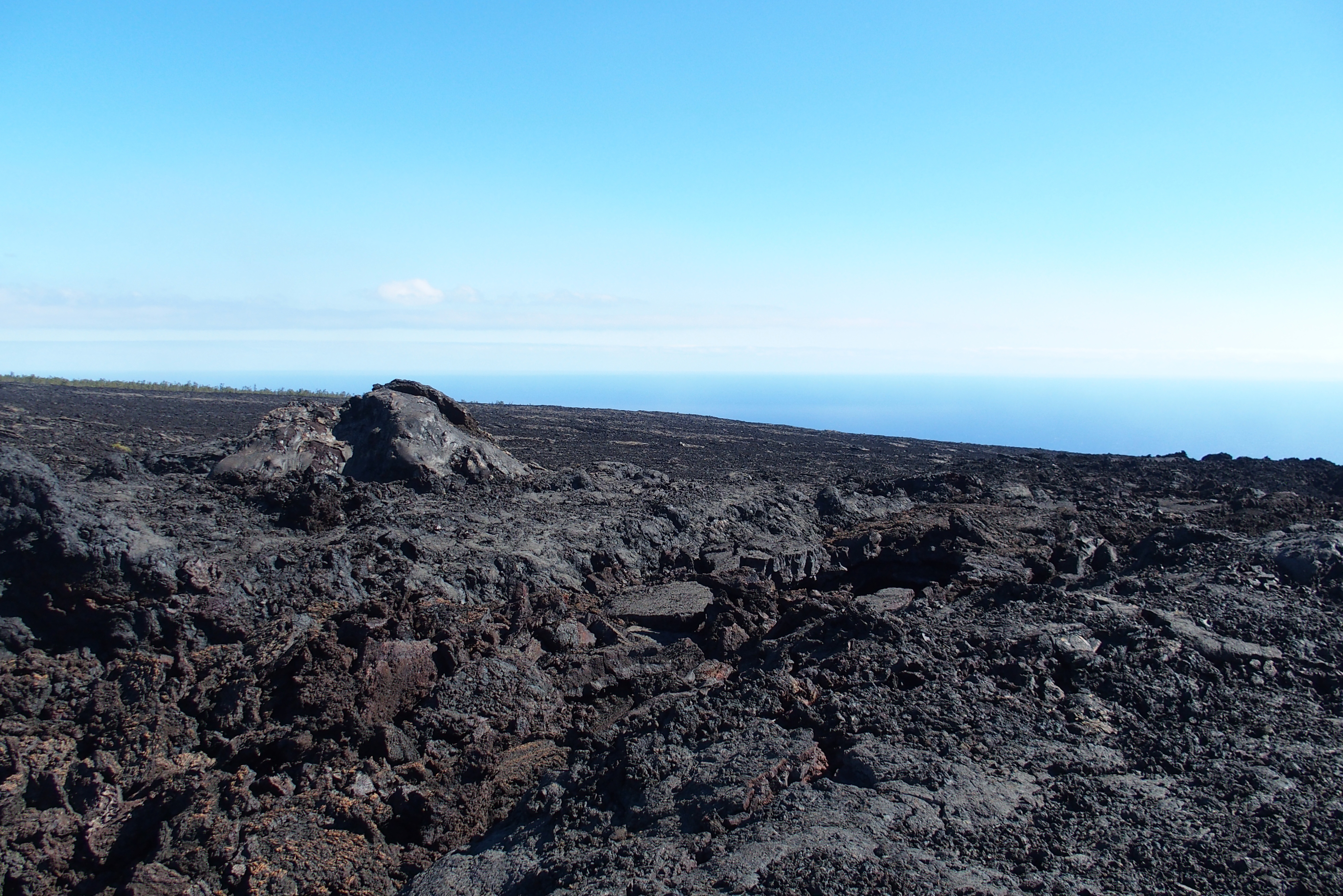
We found lava, not the fresh stuff that is threatening parts of the island, but rock that is many years old, but now supporting plenty of plant life.

IMG_3022

We were told that this harsh black rock is actually very fertile.

We found beautiful flowers.

IMG_4867

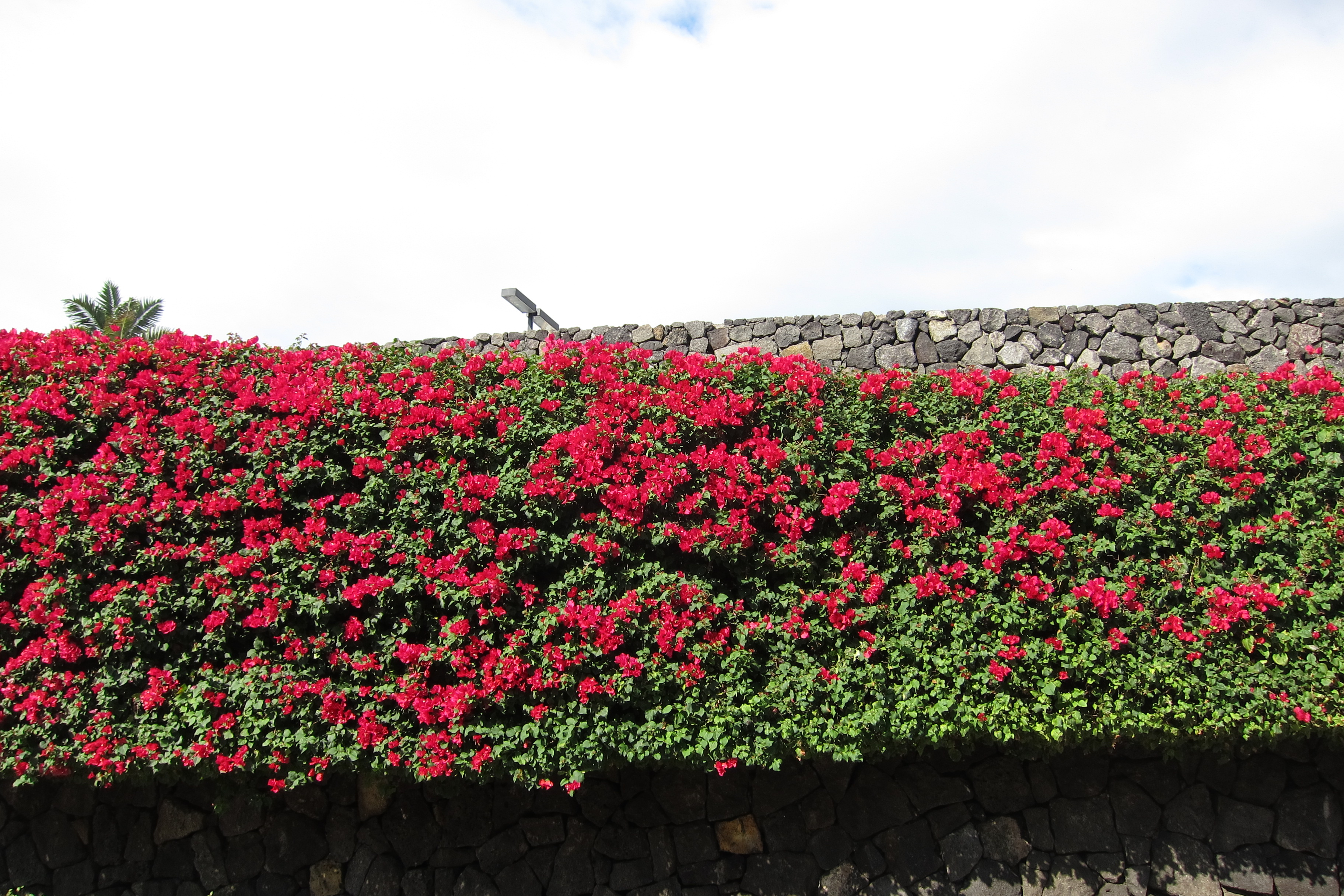
Like much of the amazing lush vegetation in Hawaii, this bougainvillea was imported. Notice how it grows quite nicely next to the igneous rocks.

We found hibiscus like we had in St. Thomas decades ago when we became engaged.

IMG_4918

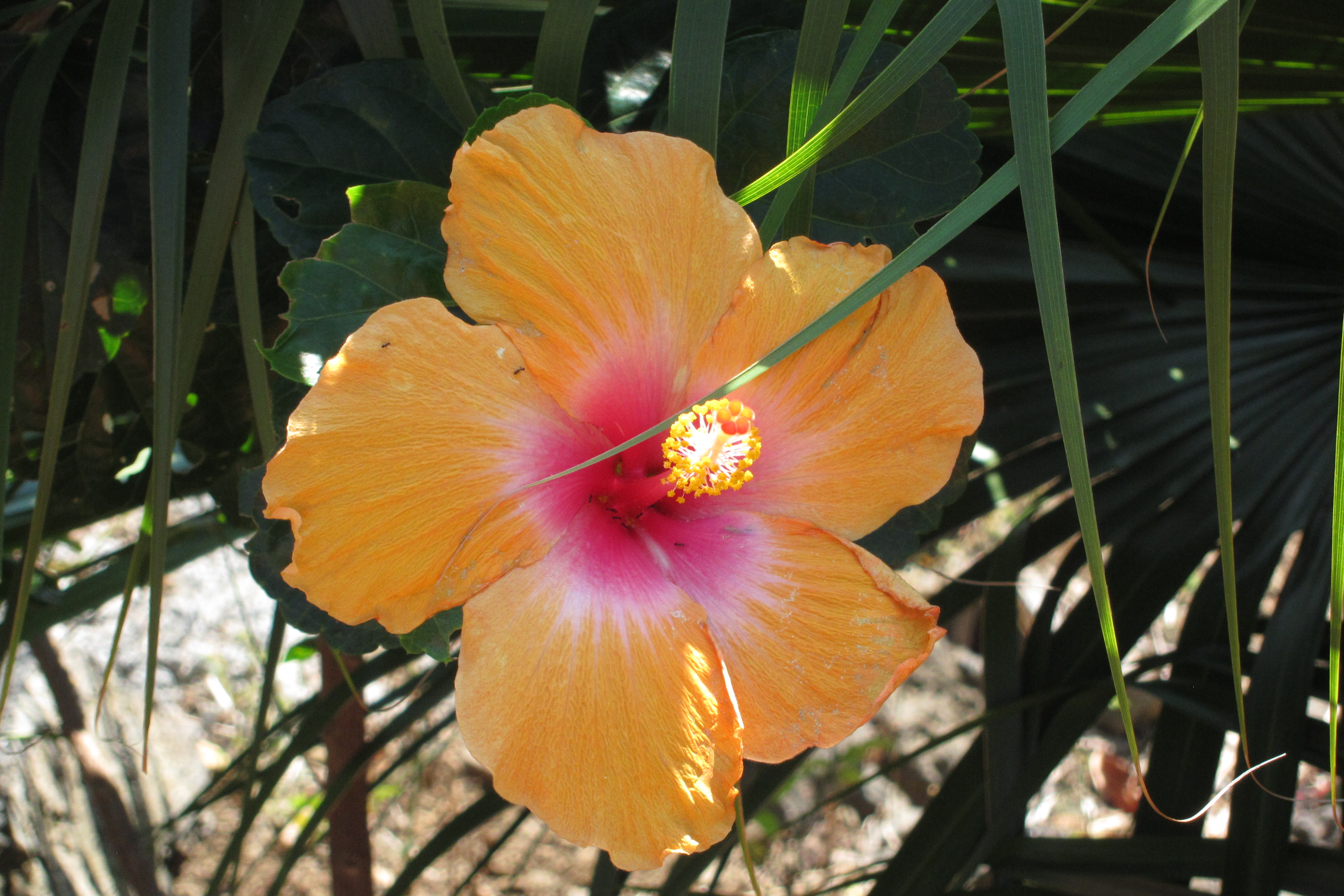
A hibiscus flower behind your right ear means that you are single and looking for a mate. If the flower is behind your left ear it means you found one. Michael refused to wear his. What does that mean?

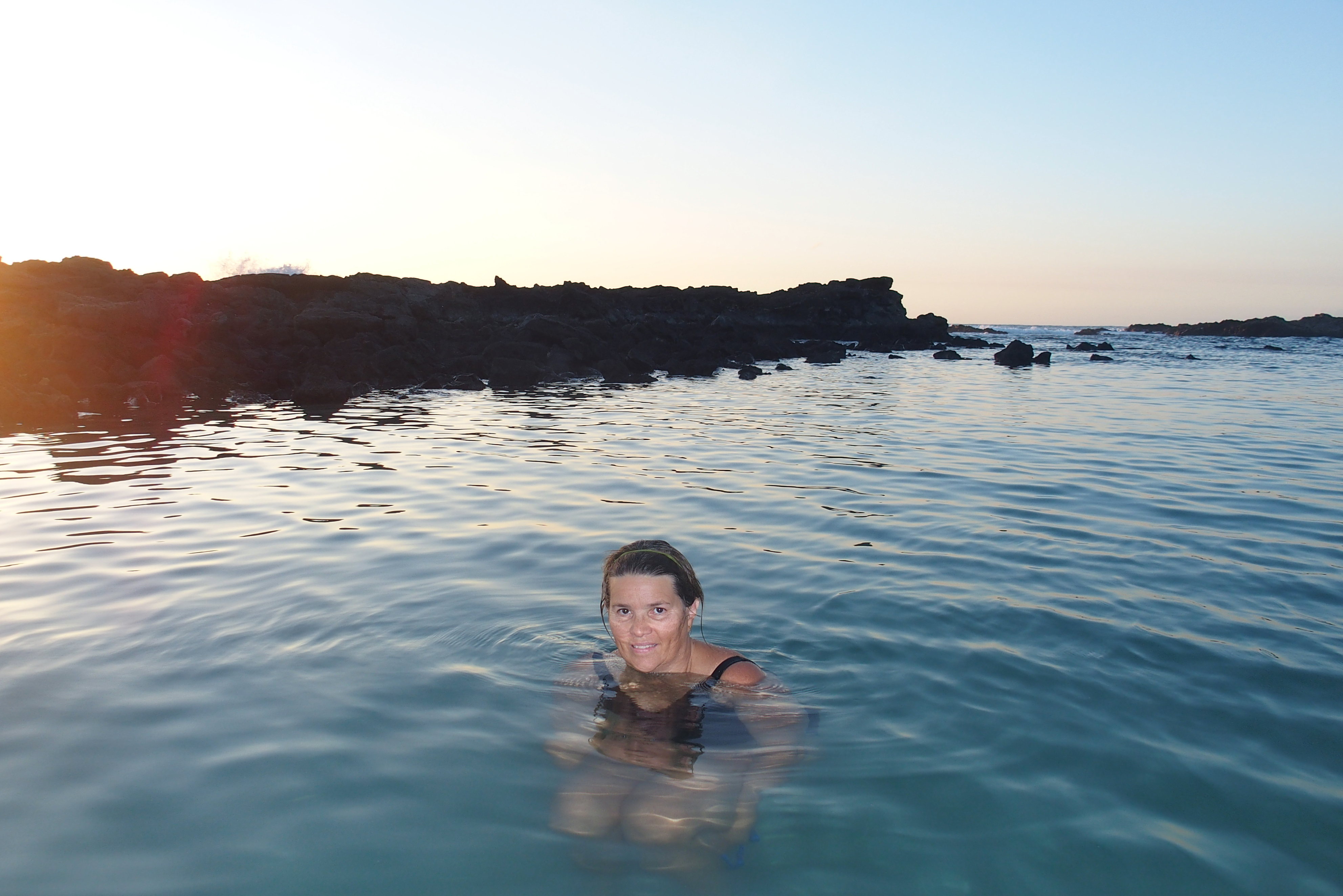
Finally we found a quiet cove for snorkeling…

OLYMPUS DIGITAL CAMERA

Two couples were having wedding photography done here (with us in the background).

and the home of Kona beer

IMG_3012

This one is for the Pats.

The end of a lovely first day

OLYMPUS DIGITAL CAMERA

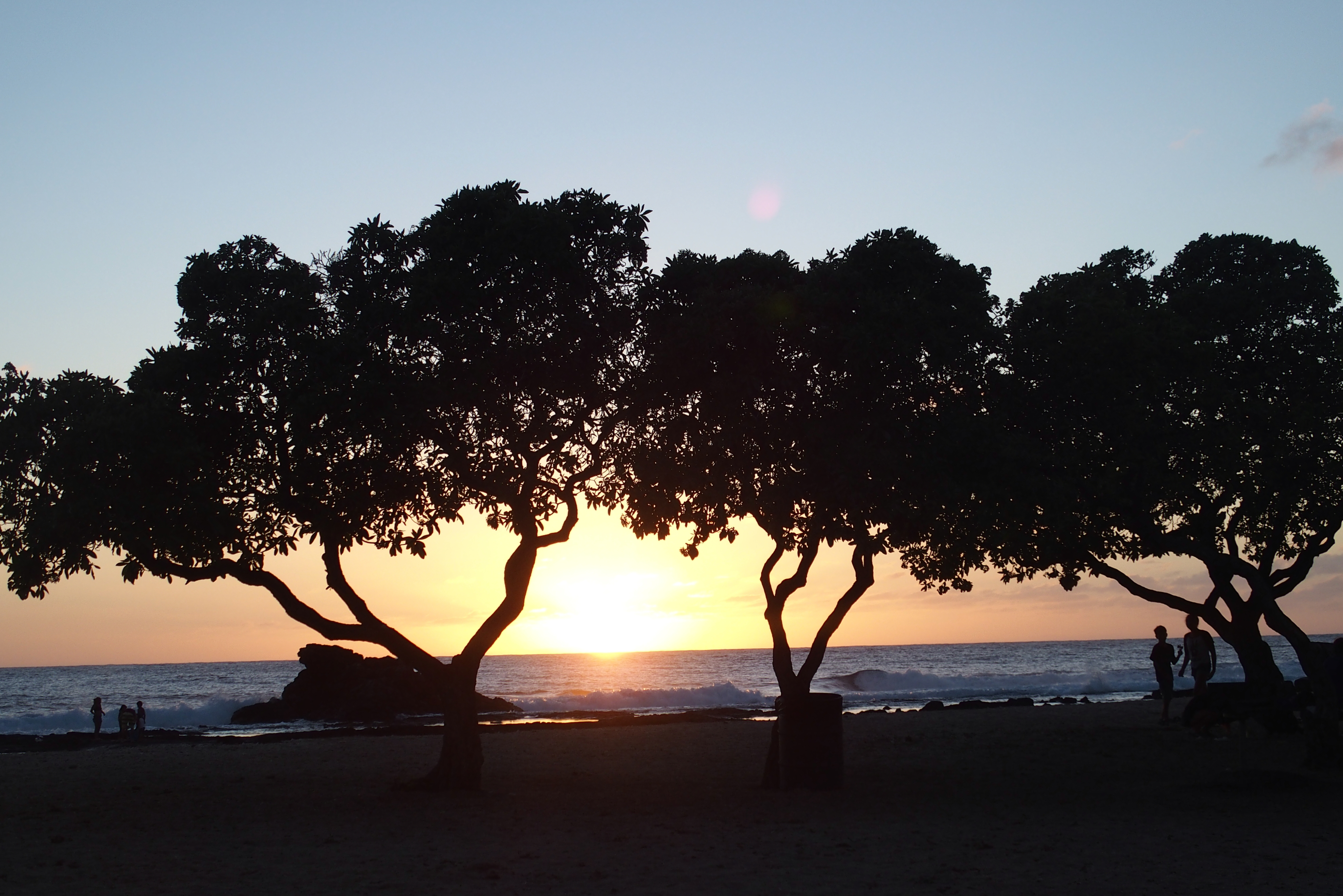
First of many Hawaii sunsets.

And we have much, much more to come!

Posted in Smell the Roses | Tagged , , , , , , | 1 Comment

Tahoe (December 2014)

We spent the whole month of December in Truckee California, near Lake Tahoe, Donner Lake, and Donner Pass. More friends and family, good food, good wine, and some skiing at Squaw and Alpine Meadows.

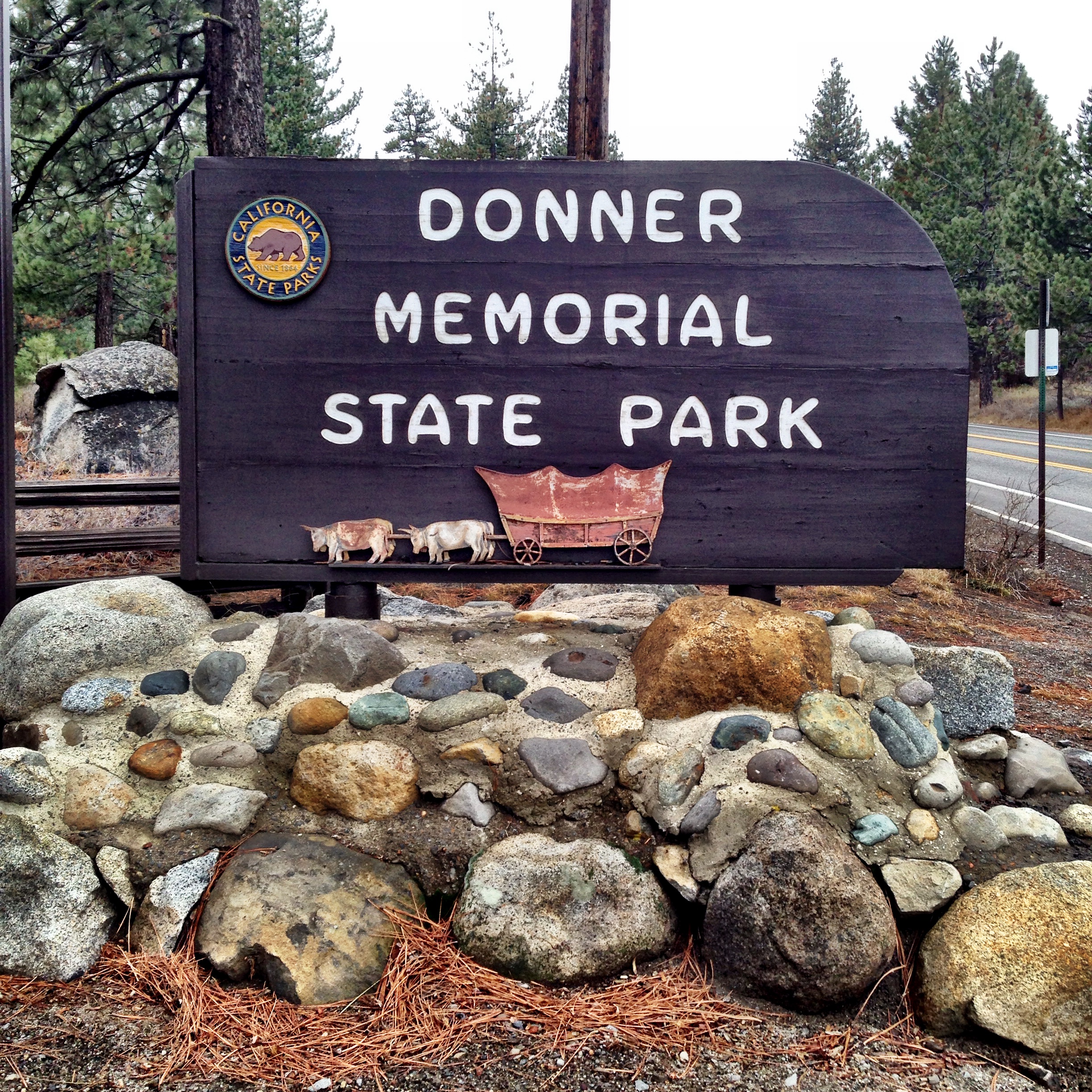
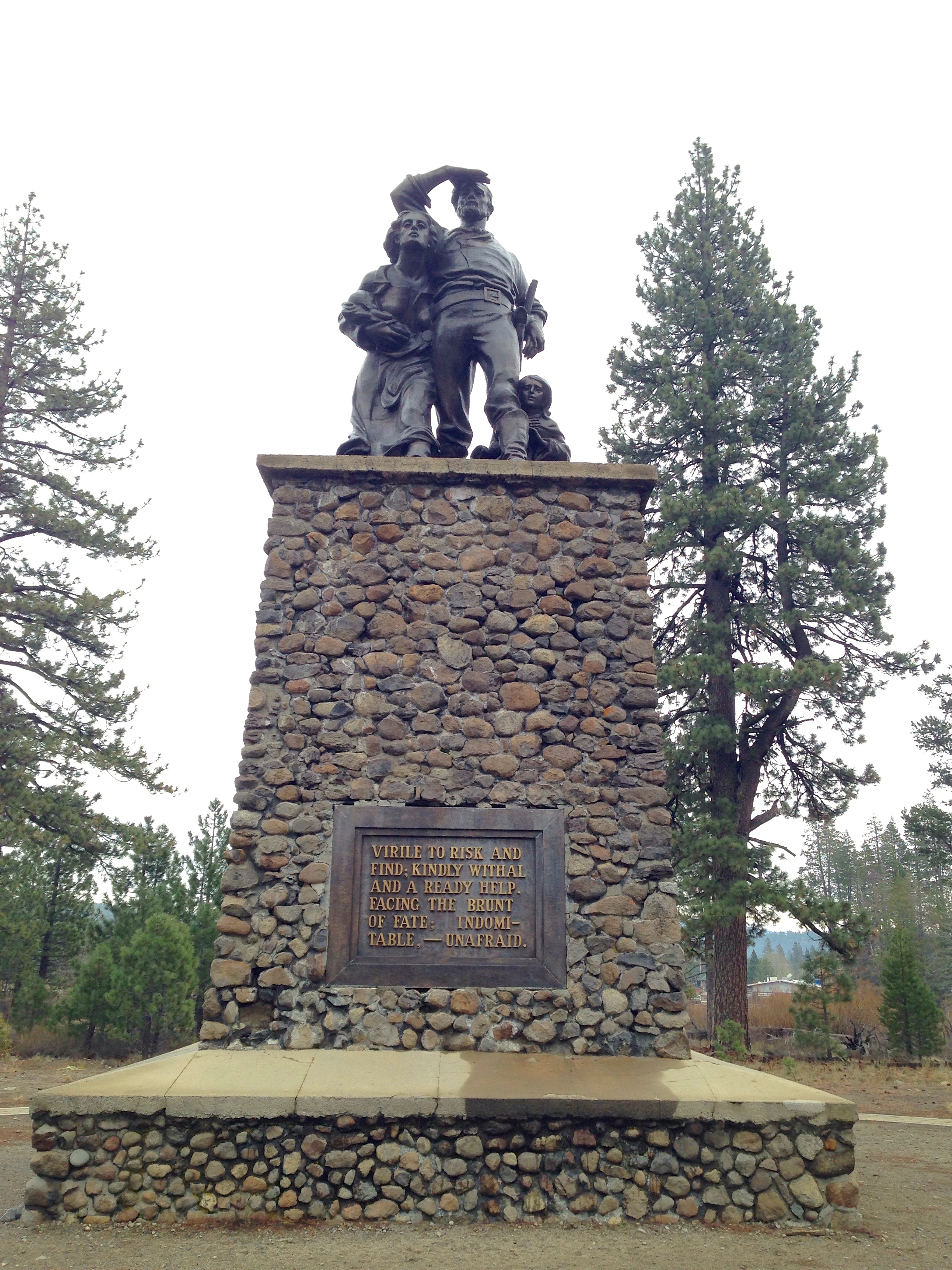
The Oregon Trail, which we visited earlier on our trip, was rugged but pretty reliable in getting folks out to the west coast safely. In 1846, following an unvetted tip in a guide book, The Emigrants’ Guide to Oregon and California, written by Lansford Hastings, the Donner Party took a short cut through Utah and the Sierra Nevadas with tragic results.

IMG_2879

If only there had been crowd-sourced travel tips back then, this wouldn’t be a memorial.

An early October snowstorm trapped the Donner party for the winter in California, but on the east side of the Sierra Nevadas, just 100 miles from their ultimate goal.

IMG_2915

Of the 82 people in the Donner party, only 48 survived.

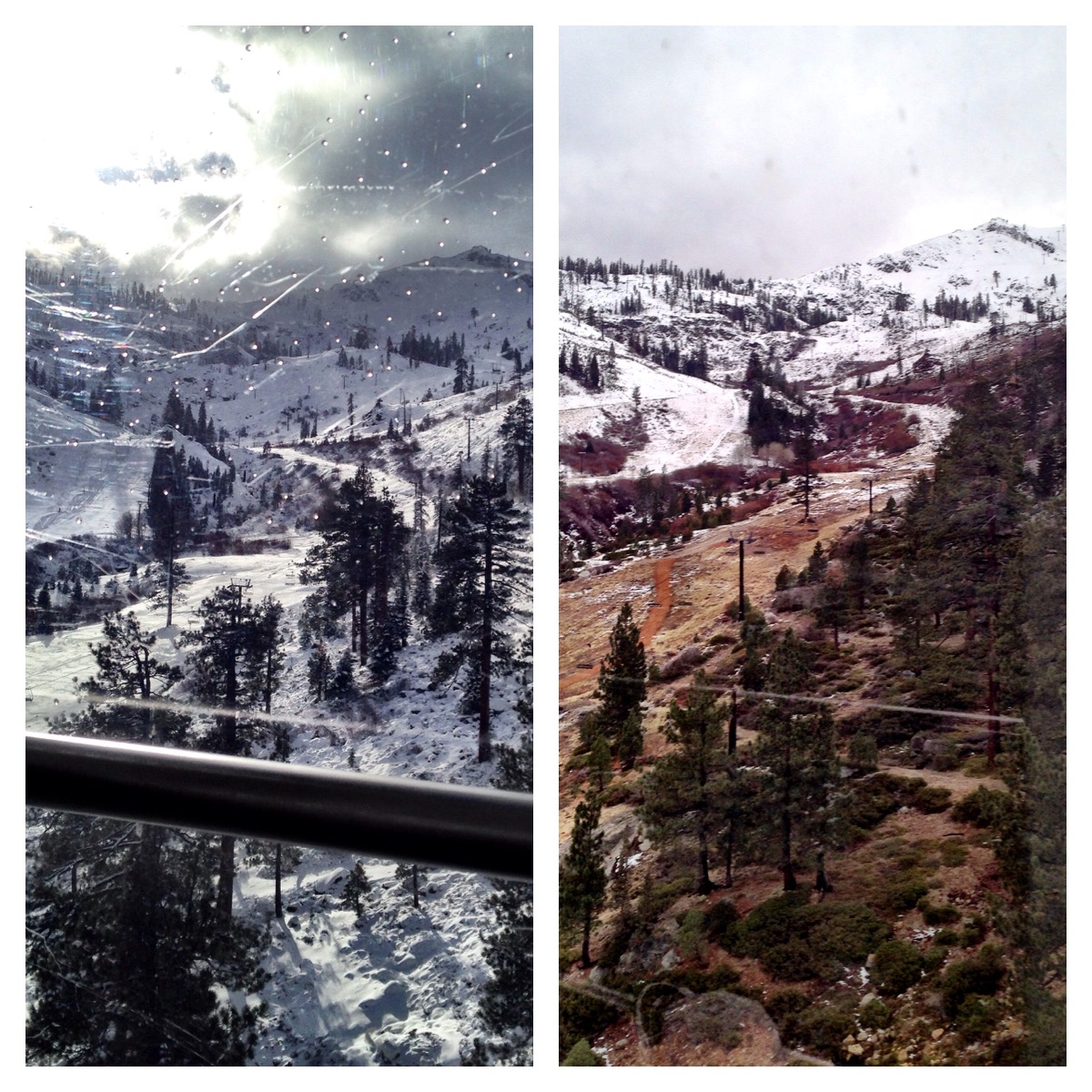
This is the dreaded pass that they had to cross. We’re seeing it in early December with just a dusting of snow. (Global warming?) They had drifts of snow up to 60 feet tall.

IMG_2938

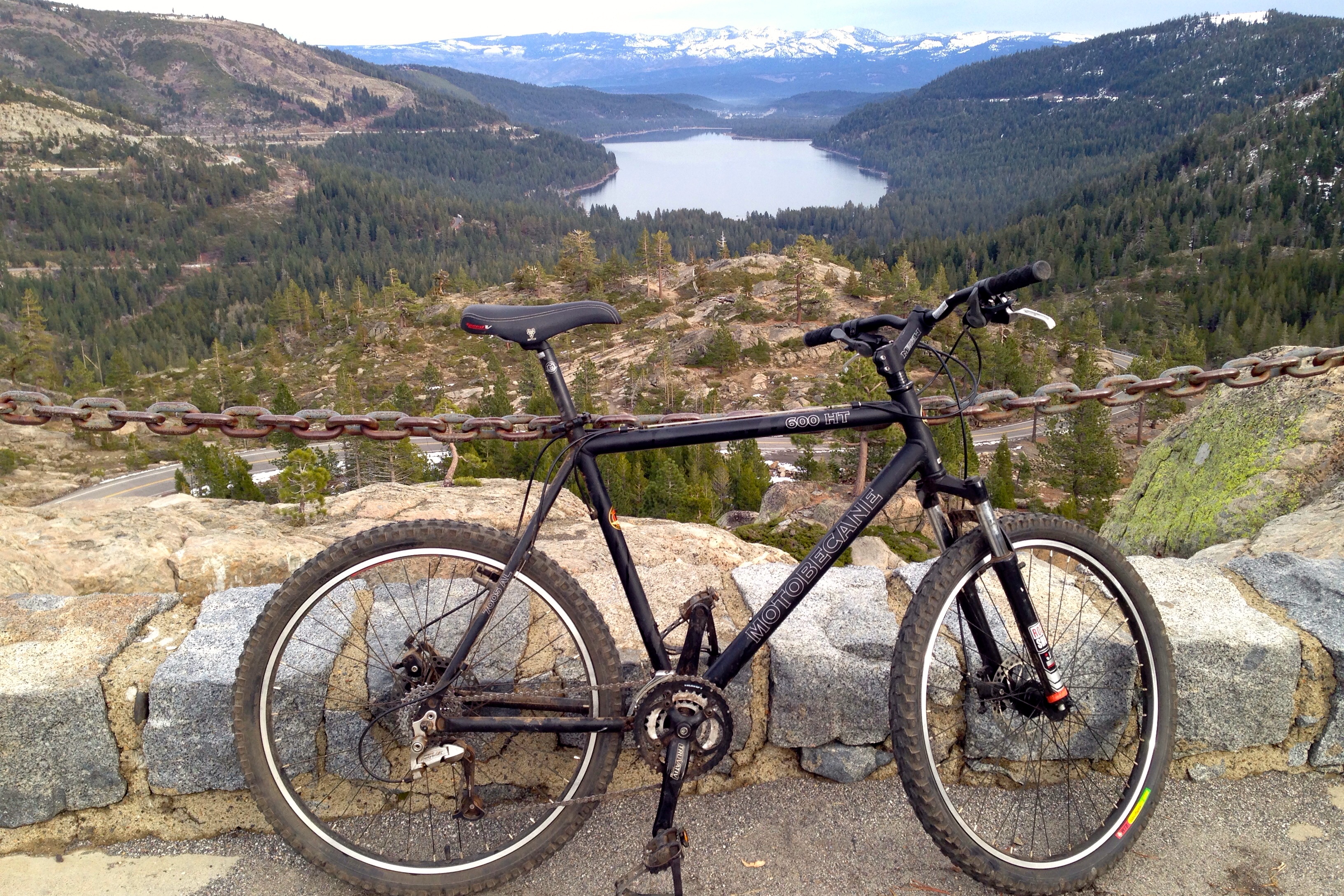
In fact our time in Truckee was so mild that Michael had clear roads to ride a bike from Donner Lake only three miles up to the pass, but with an elevation change of 1,162 feet, in the cold, with wind chill and ghosts.

IMG_2888

King of the Mountain. Not officially, but when there is no one else out there to challenge you, claim it.

Back to the Donners: When food supplies ran out, they ate any remaining oxen and horses. When those were gone, they chewed on the ox hides they were using for roofing and boiled animal bones. When that was gone…cannibalism. Apparently it was suggested by a very practical seven-year-old. It appears that most of the people who became food had first died naturally under the hardship conditions, but one or two may have been killed.

IMG_2843

Time for a good family discussion: What would you do if faced with the conditions experienced by the Donners?

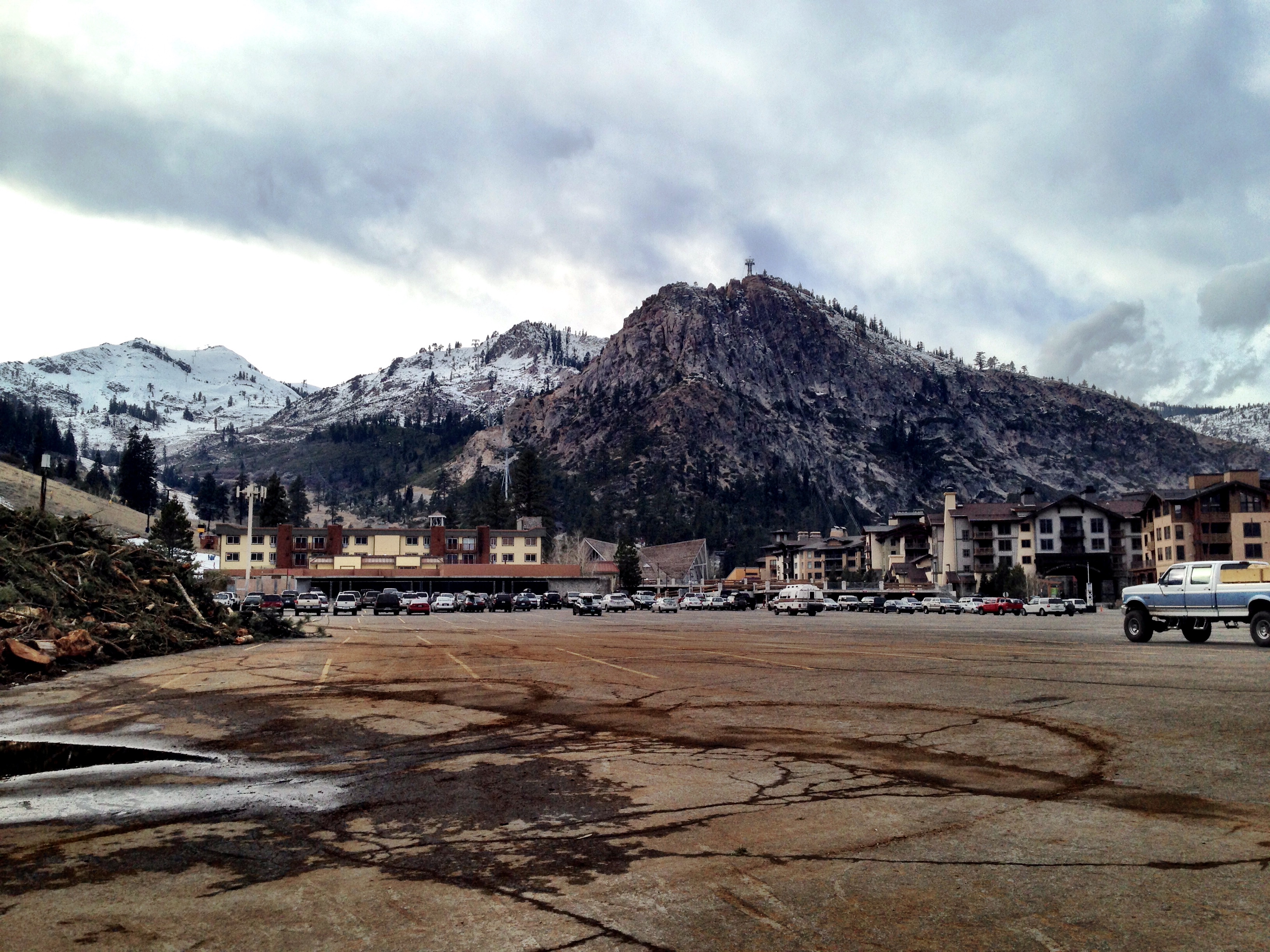
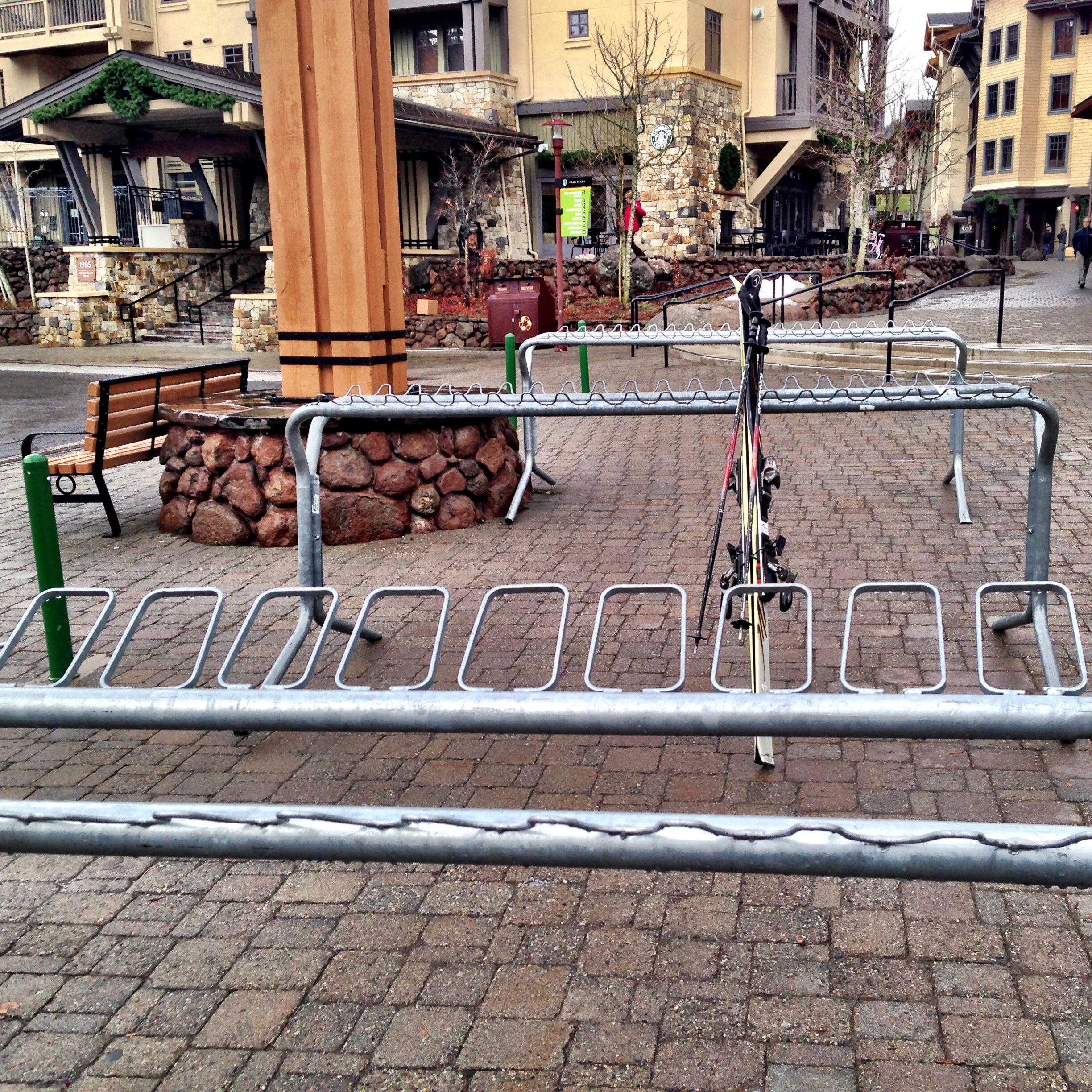
At the ski hill, Squaw, home of the 1960 Olympics, Michael had his choice of parking spots…

IMG_2919

his choice of ski racks…

IMG_2823

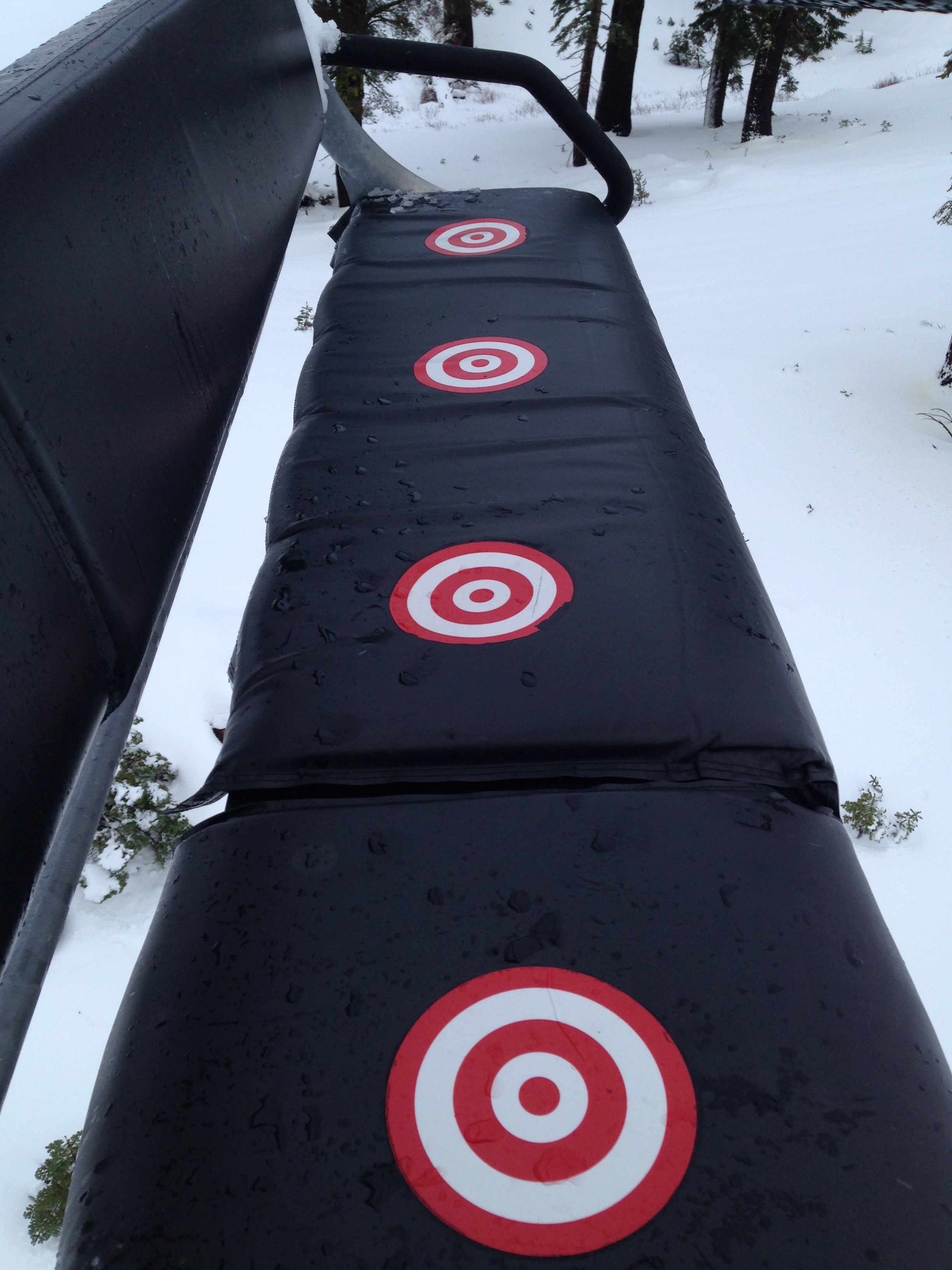
and his choice of lift seats.

IMG_2829

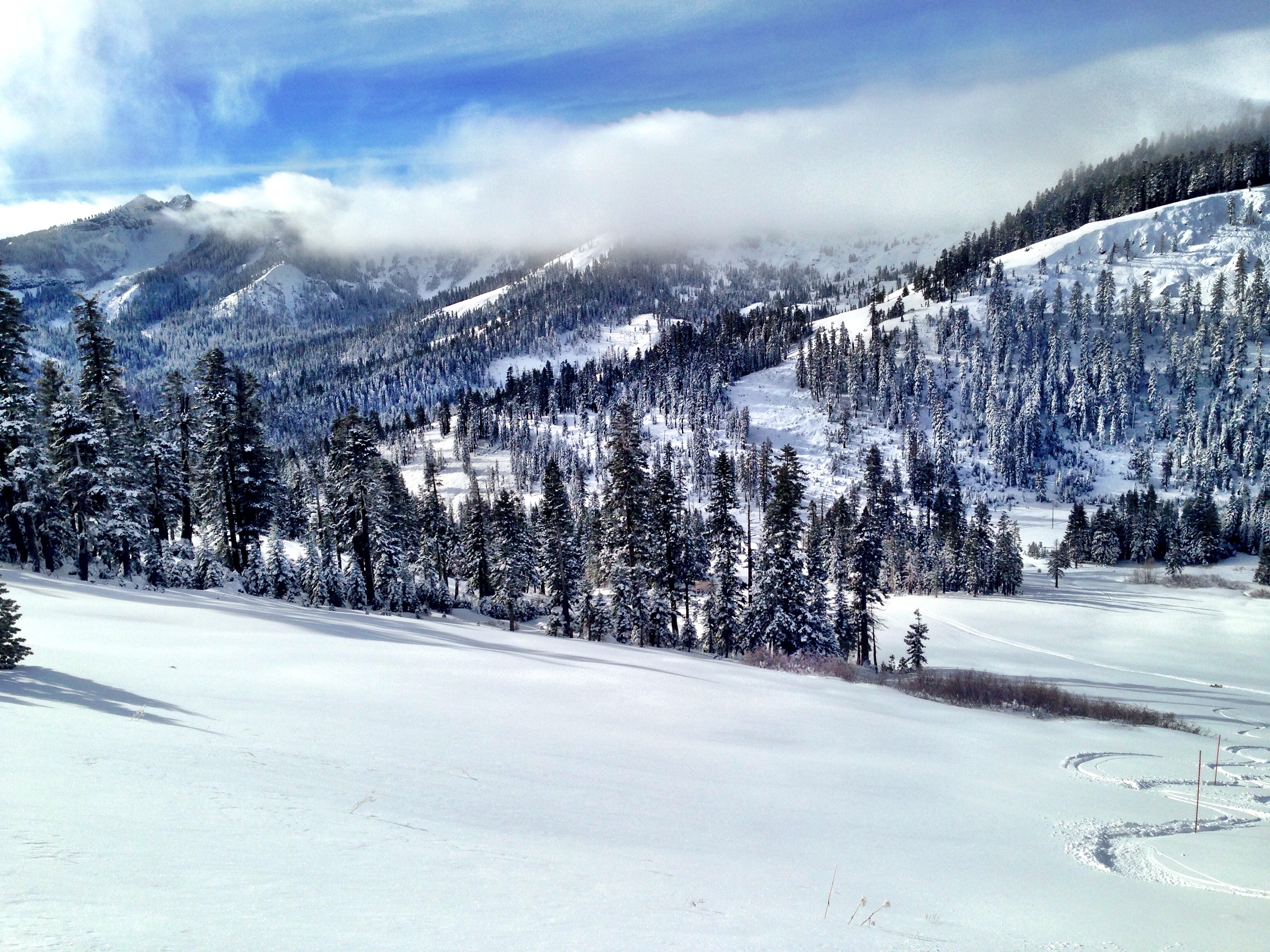
Skiing was a bit limited early in the month, which made hiking feasible.

IMG_2847

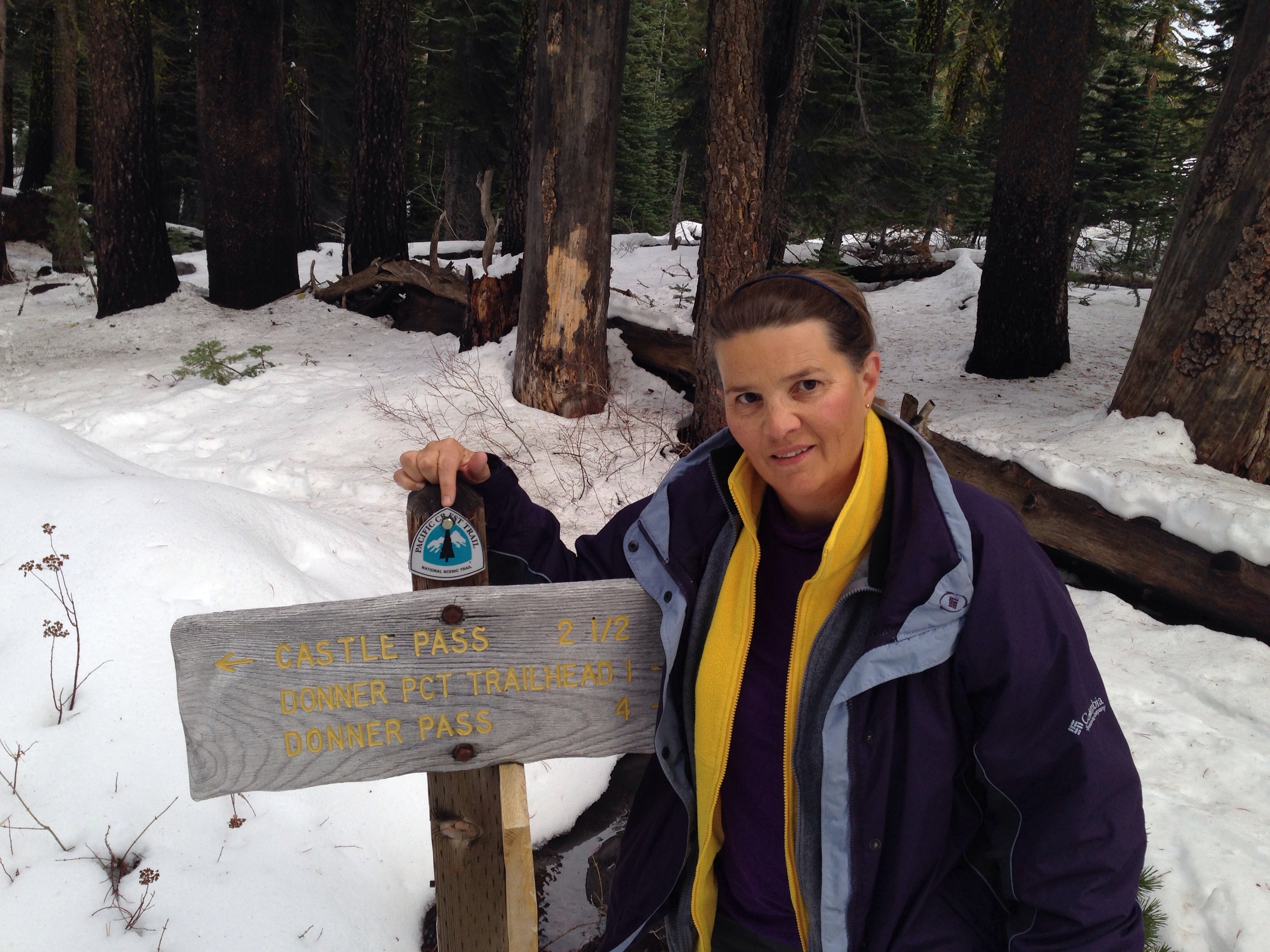
If you’ve read Wild:From Lost to Found, this is part of the trail that Cheryl Strayed hiked and wrote about.

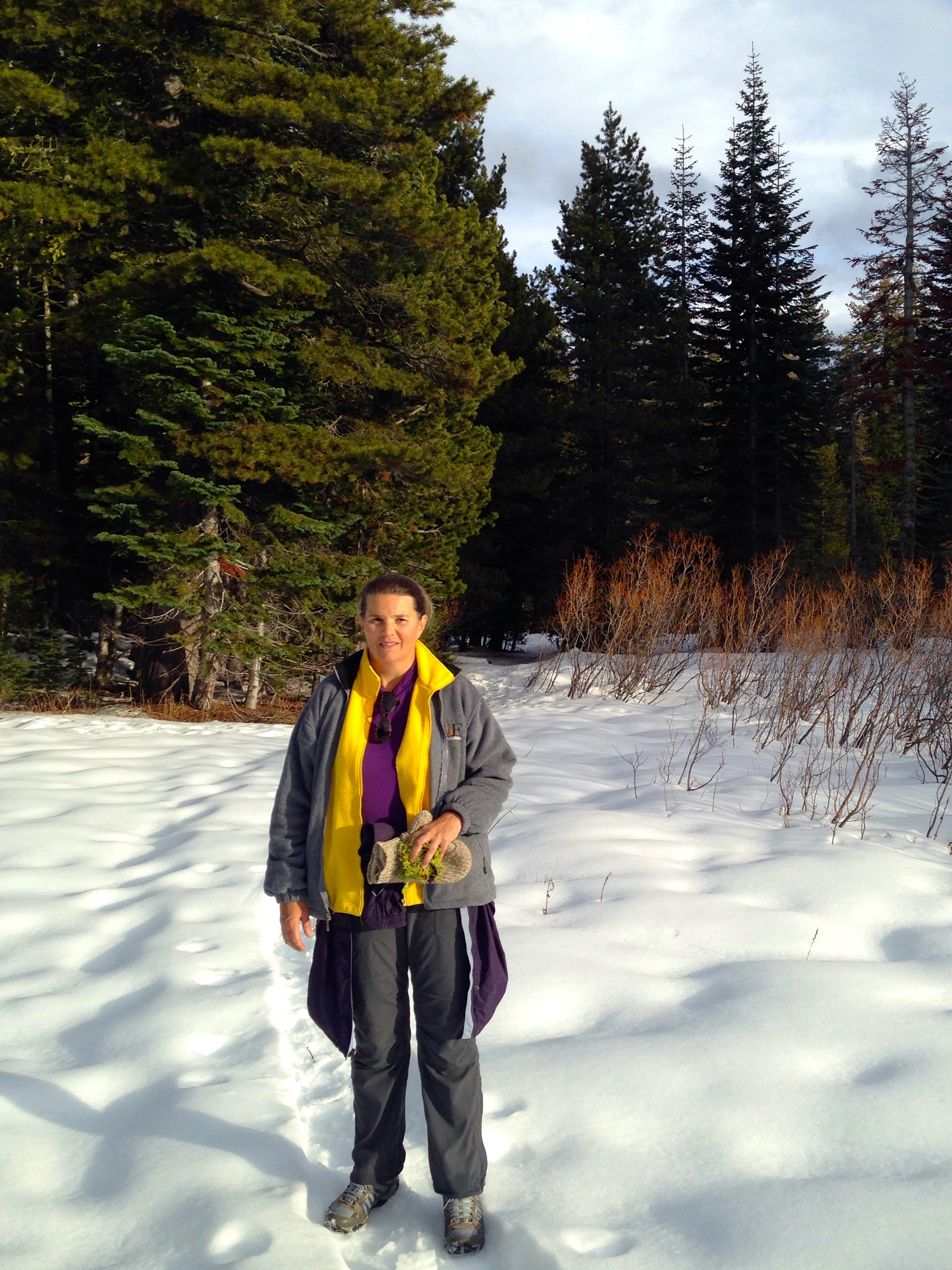
Only about a foot of snow and clear skies, very hikable.

IMG_2869

We hiked less than a mile of the 2,600-mile path.

In fact, the weather seemed warm after a while.

IMG_2866

I was delayering to cool off. The Donners delayered to eat their clothing.

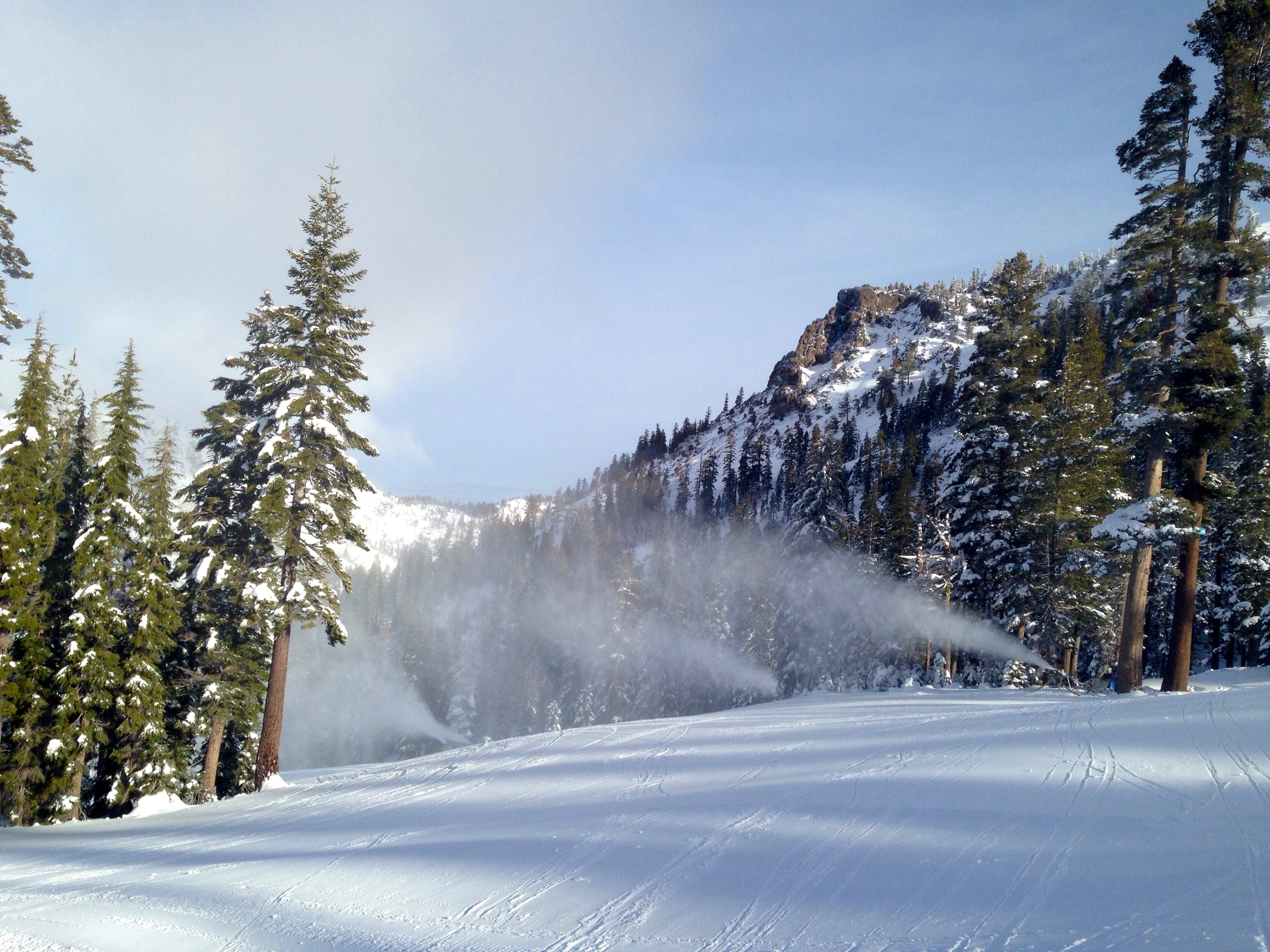
After Mother Nature, with some help from snowmaking guns, added to the mountains’ base layer of snow, it was finally time for good skiing at Alpine Meadows.

IMG_2954

Did you know that in 1980 Kodak patented the use of ice nucleating organisms in snow-making machines to increase the opportunities to make snow under a broad range of temperatures? Snomax

Natural or man-made, great conditions.

IMG_2945

Everyone likes making first tracks.

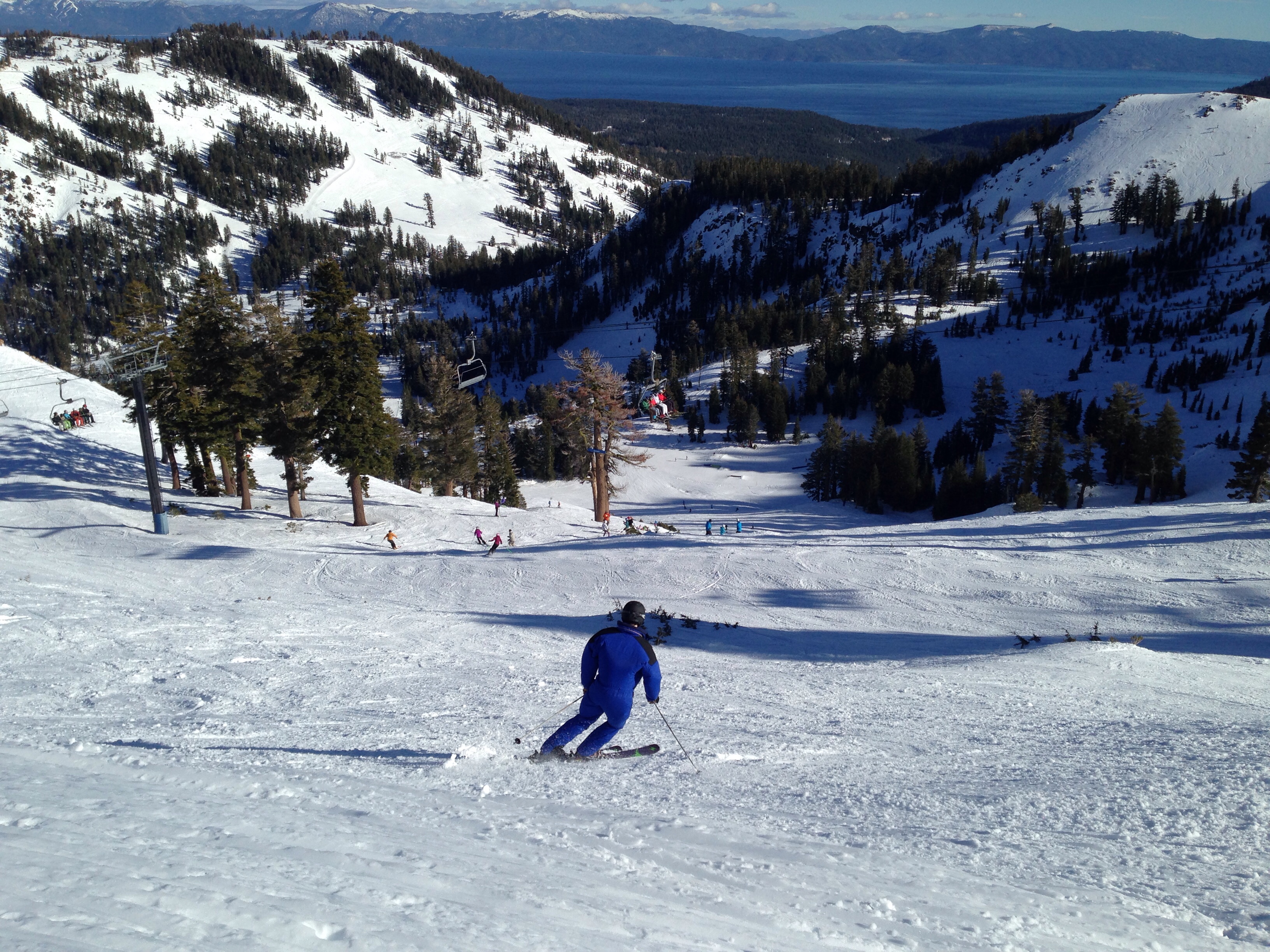
Still not many folks skiing.

IMG_2963

Patrick wears the retro blueberry suit on Onesie Wednesday.

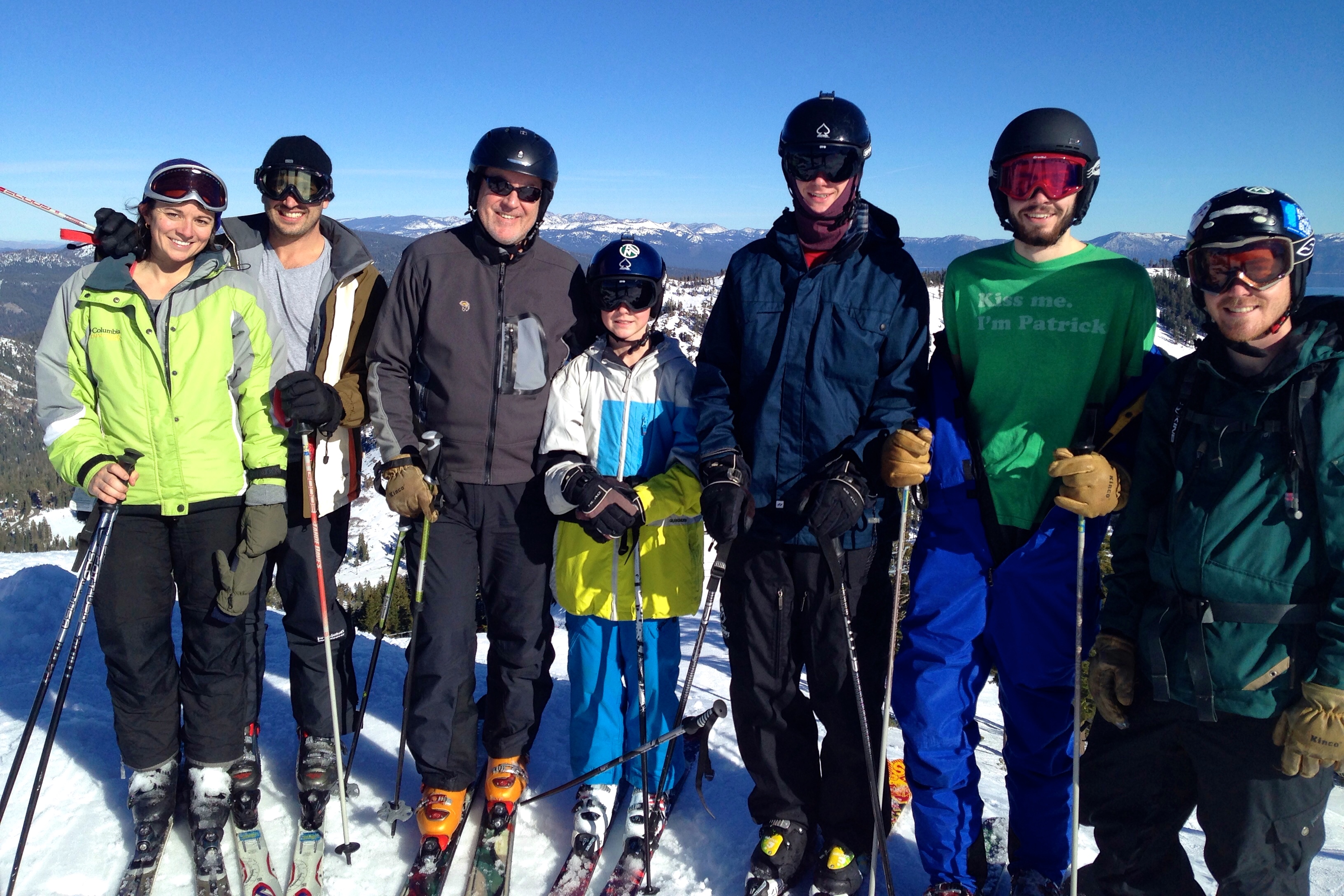
Those who braved the cold posed for the traditional shot at the top.

IMG_2973

Too many folks to see through to the lake in the background.

There it is…

IMG_2971

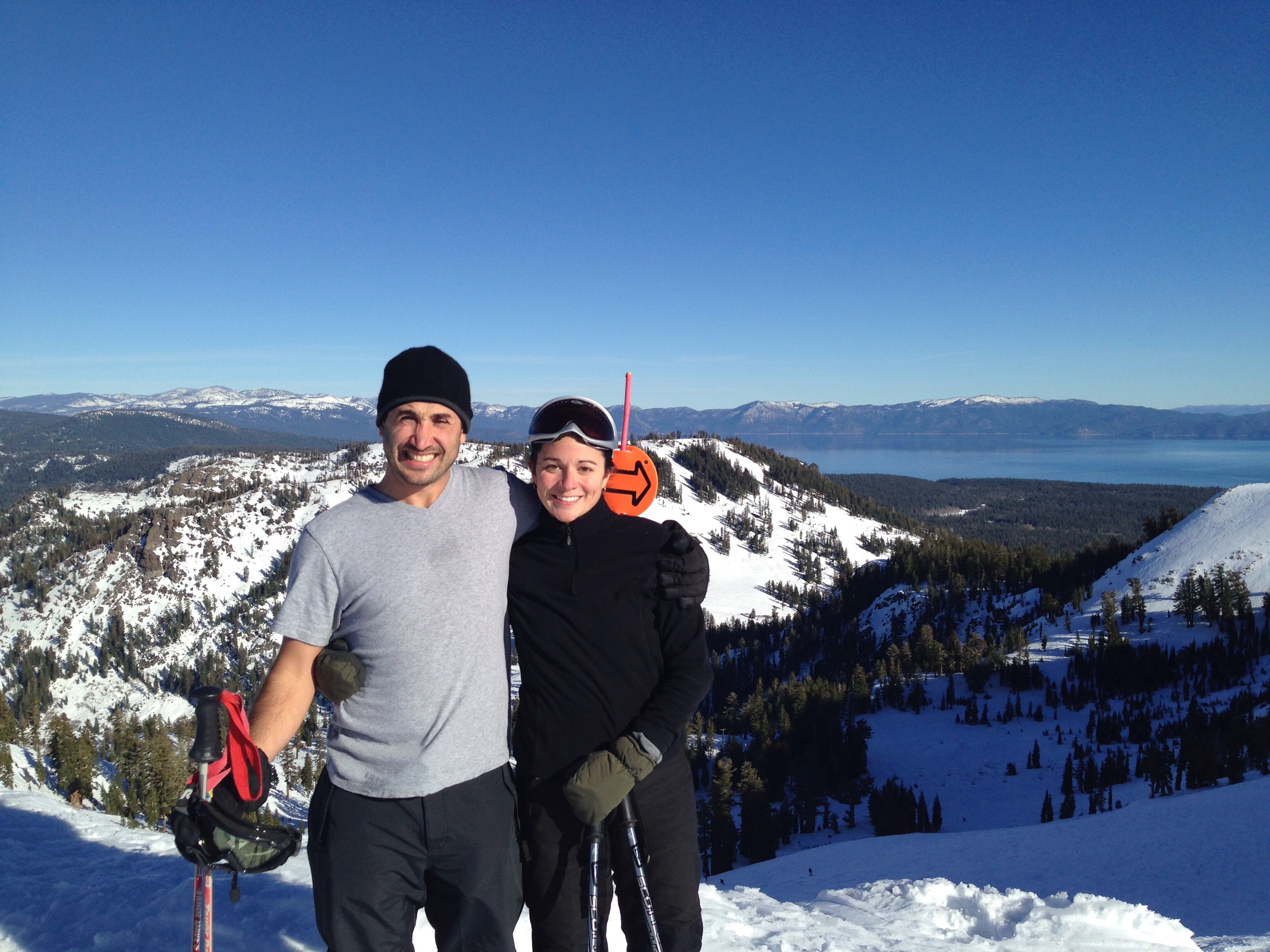
The affianced couple with Lake Tahoe behind them. Just two months ago they were in Greece.

Good conditions bring out the crowds.

IMG_2967

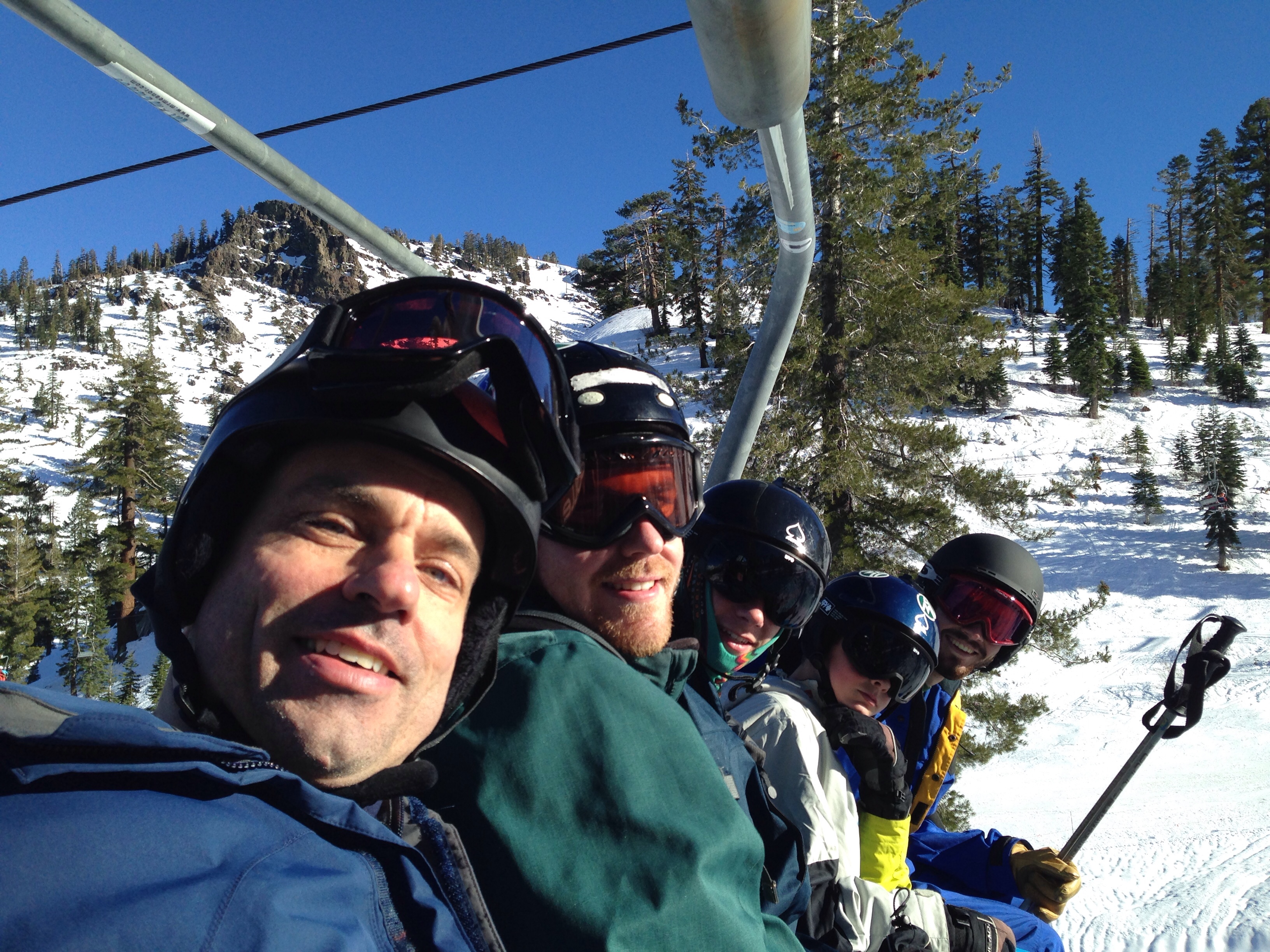
Six O’Connells on one chair.

Action off the ski hill:

OLYMPUS DIGITAL CAMERA

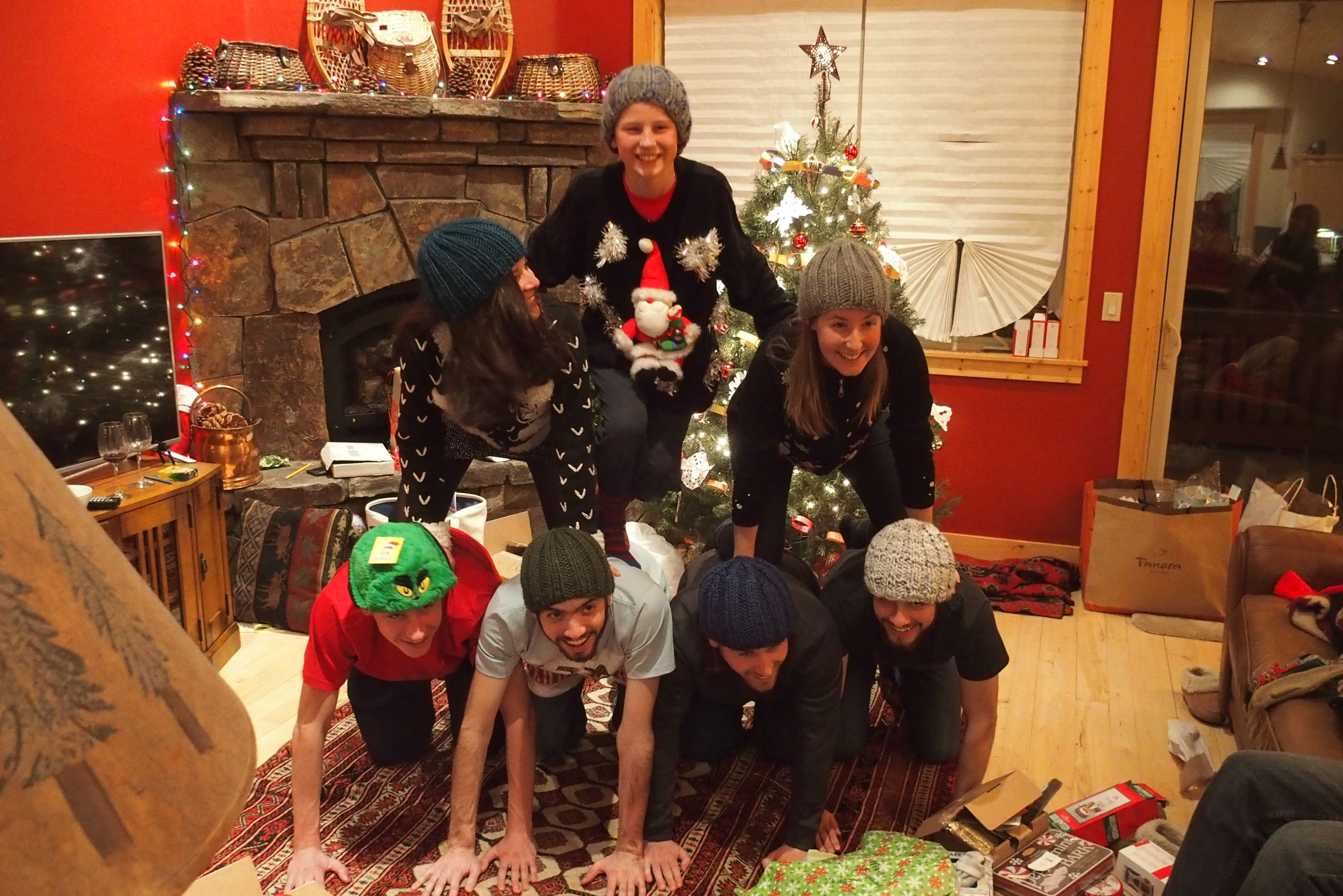
Seven O’Connells on one pyramid. (It was easier when everyone was smaller!) Remember when Brian was on the top. Now he’s 6’4″. BTW Thanks to Meghan for making all the hats Love them!

And finally more holiday dinners with family and friends.

IMG_2970

Stephen’s long arm is enhanced with a selfie pole extension.

So ends Tahoe. Thanks to Stephen and Kathy and Tom and Allison for your gracious hospitality, as always. We loved having an extended visit and being able to spend time with family.

Now it’s off to Hawaii and back to the grind of worldwide travel.


Posted in Travel Journal | Tagged , , , , , | 1 Comment

Sayonara SONOMA!! (November 2014)

The month in Sonoma has passed with a whirlwind of activities with family and friends (and wineries). Here are a few more tidbits from the trip.

IMG_4793

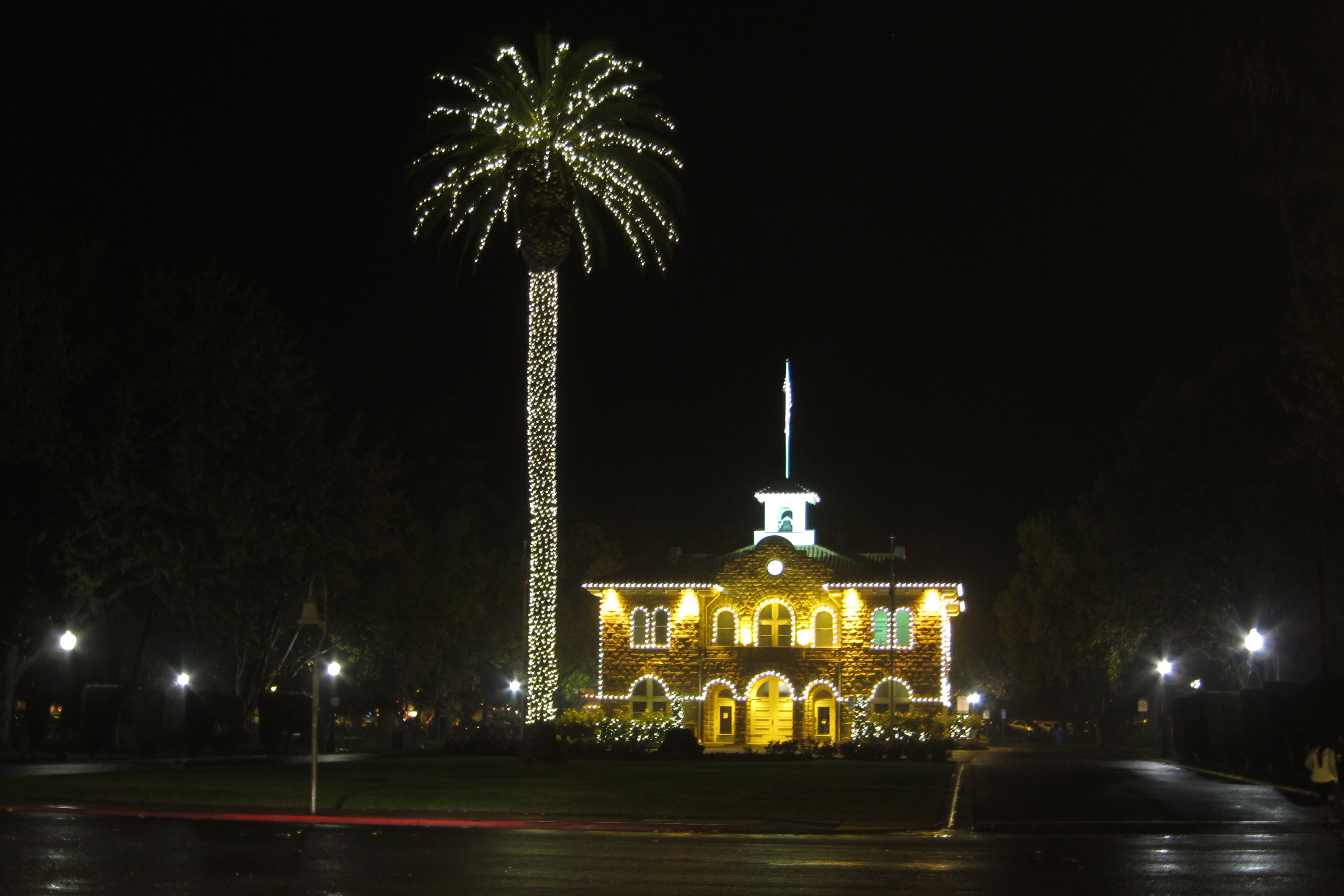
Sonoma’s City Hall on Sonoma Plaza looks the same from all directions.


IMG_4659

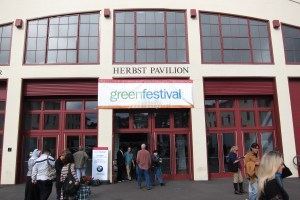
Liz was on stage at the Green Festival to discuss the Bad Apple campaign, working to encourage electronics manufacturers to improve worker conditions. BTW her Raise the Bar, Hershey! campaign to encourage Fair Trade in the chocolate industry just won an Activists’ Choice BENNY award.


IMG_4658

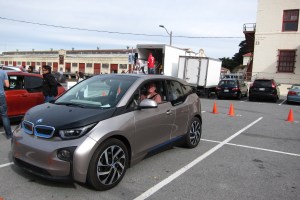
Our first trial of an electric car, this one a BMW.

IMG_4789

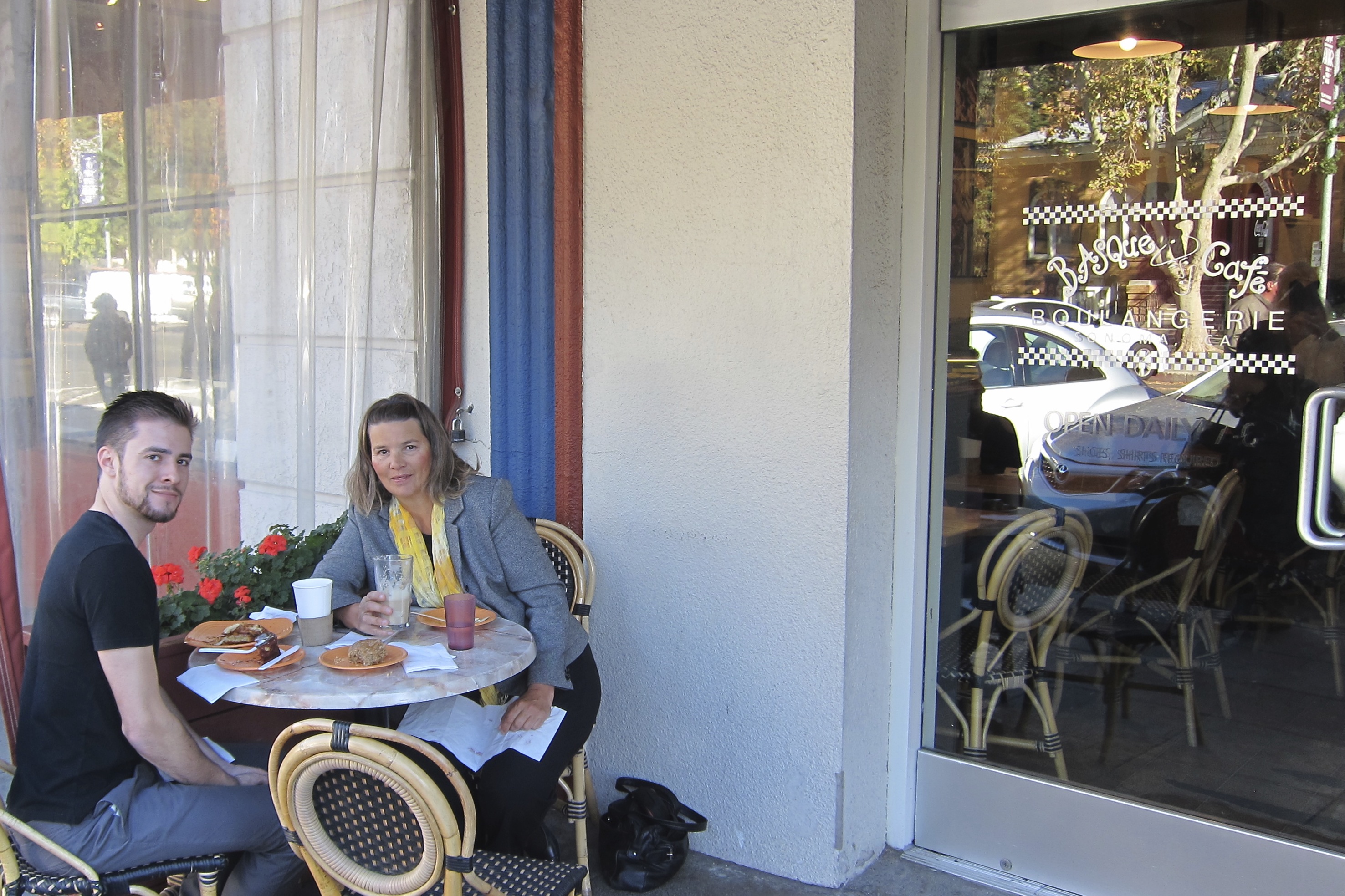
Our favorite little bakery on the Sonoma Square, the Basque bakery, just five blocks from our airbnb. Chris came to visit!

IMG_2739

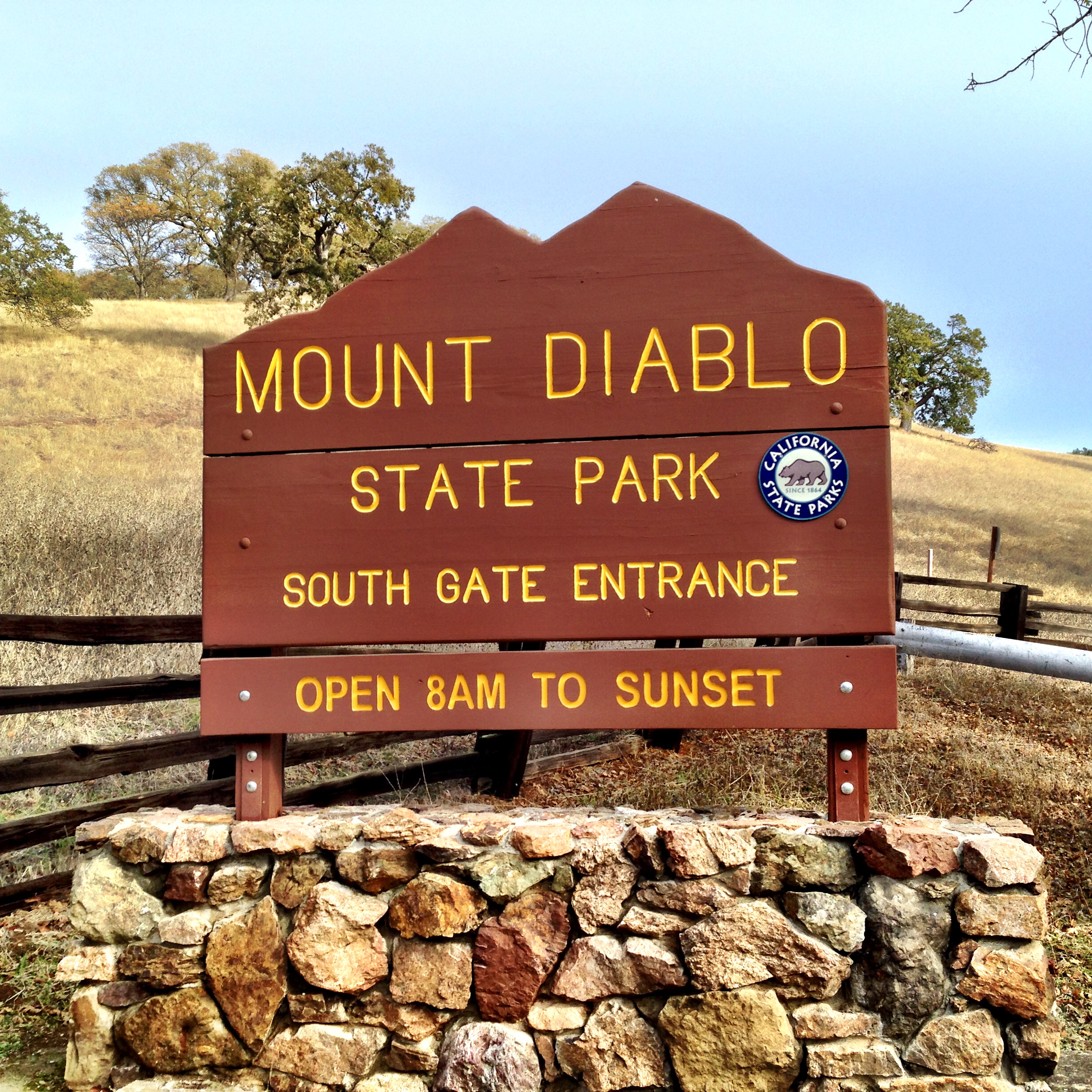
Michael, Chris, Tom, and Allison took a leisurely (?) bike ride up Mount Diablo, ~3,800 feet.

IMG_2786

Despite Michael’s best efforts, Chris takes King of the Mountain of the O’Connell clan. The title still stands.

IMG_2759

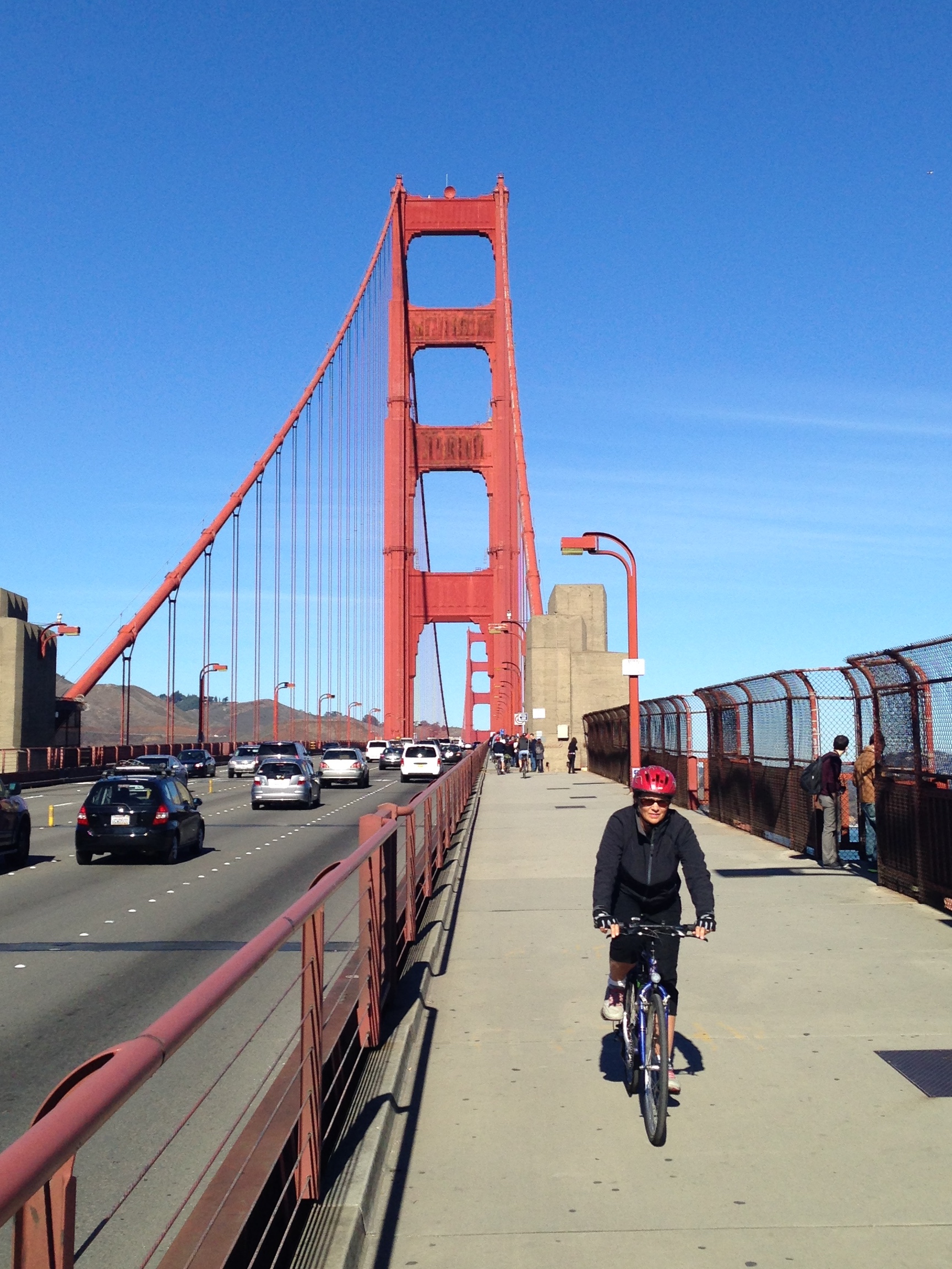
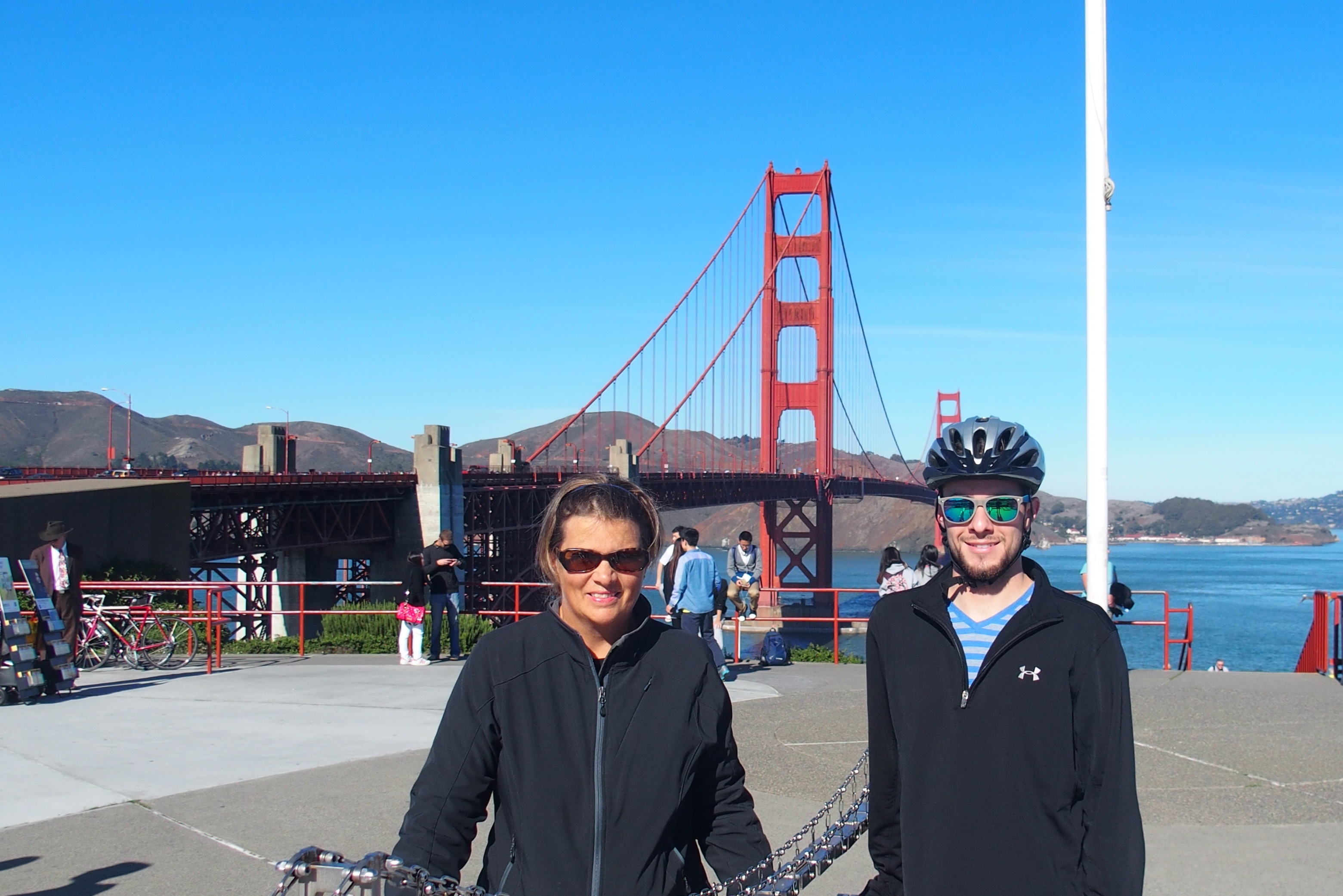
Michael, Nancy, and Chris did a bike trip across the Golden Gate Bridge and down to Golden Gate Park.

OLYMPUS DIGITAL CAMERA

Chris and Michael also biked up Hawk Hill (923 feet) beyond the Golden Gate. Chris took KOM title on this too. Still in place despite valiant later efforts by Matt, Meghan, Liz, and Jesse.

IMG_4748

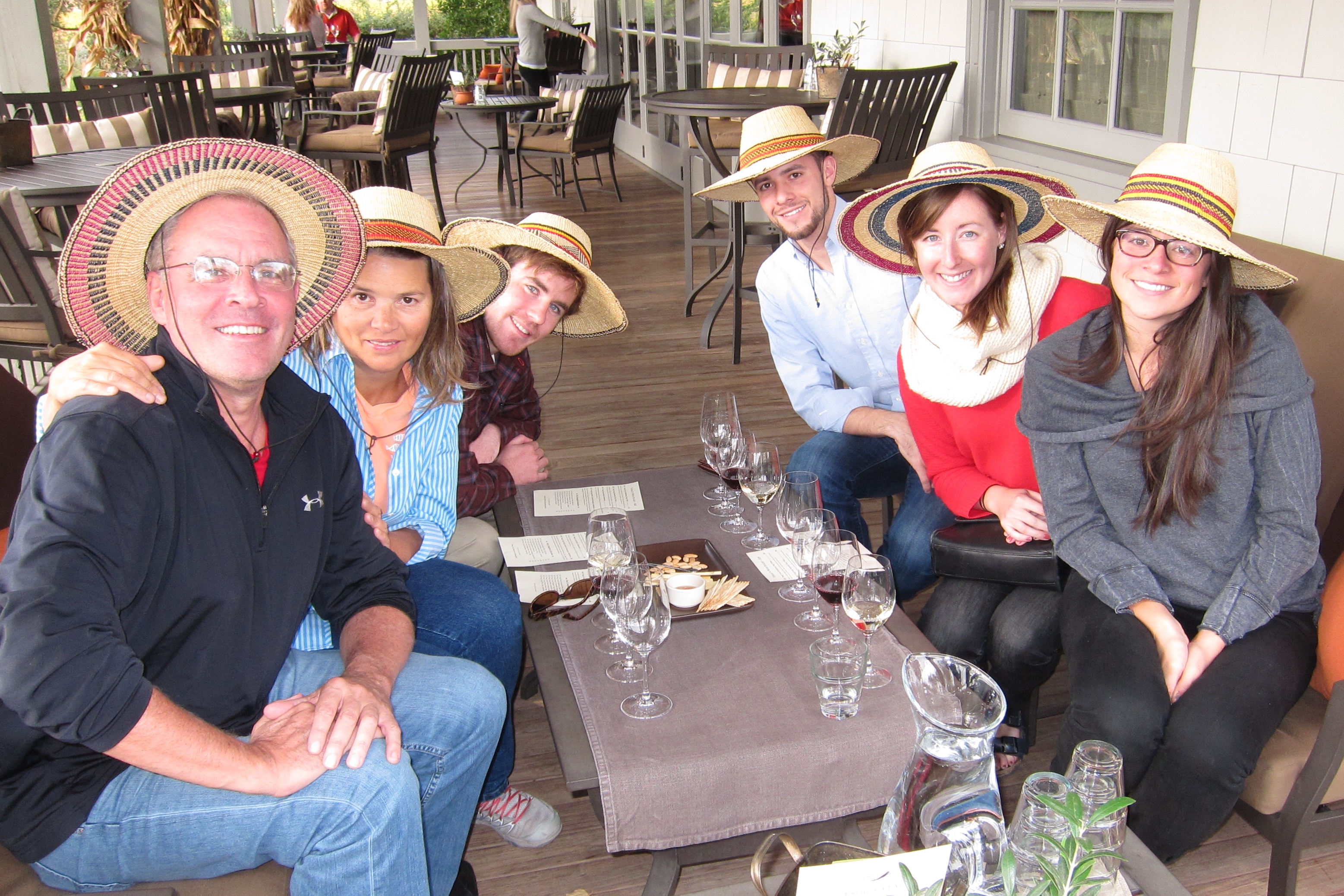
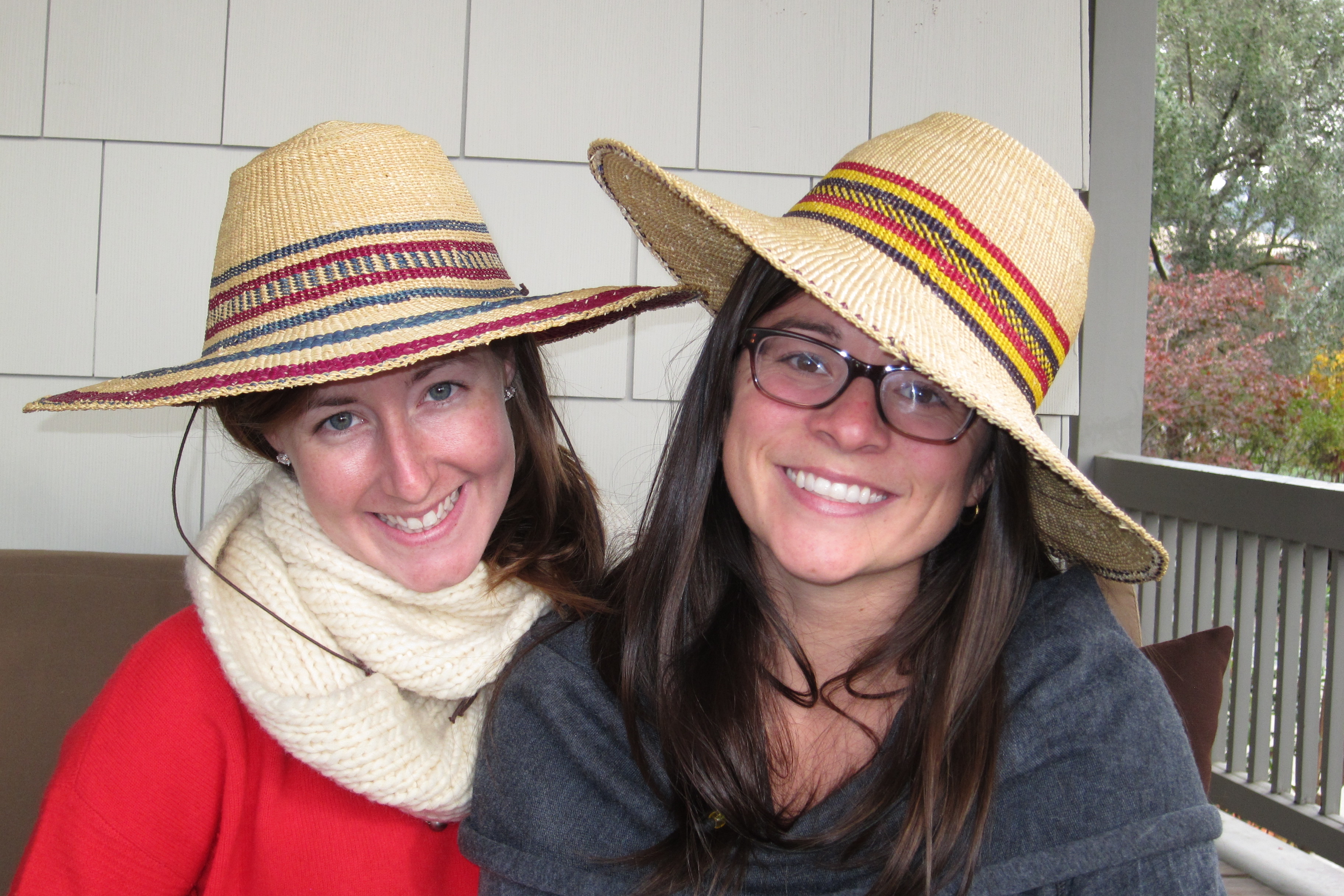
Frog’s Leap has good wine, despite the silly hats.

IMG_4746

Of course, Meghan and Liz look great in their hats.

IMG_4735

Meghan, Liz, Nancy, Michael, Pat B, and Chris at Stag’s Leap Wine Cellars. Very good wine!

IMG_4802

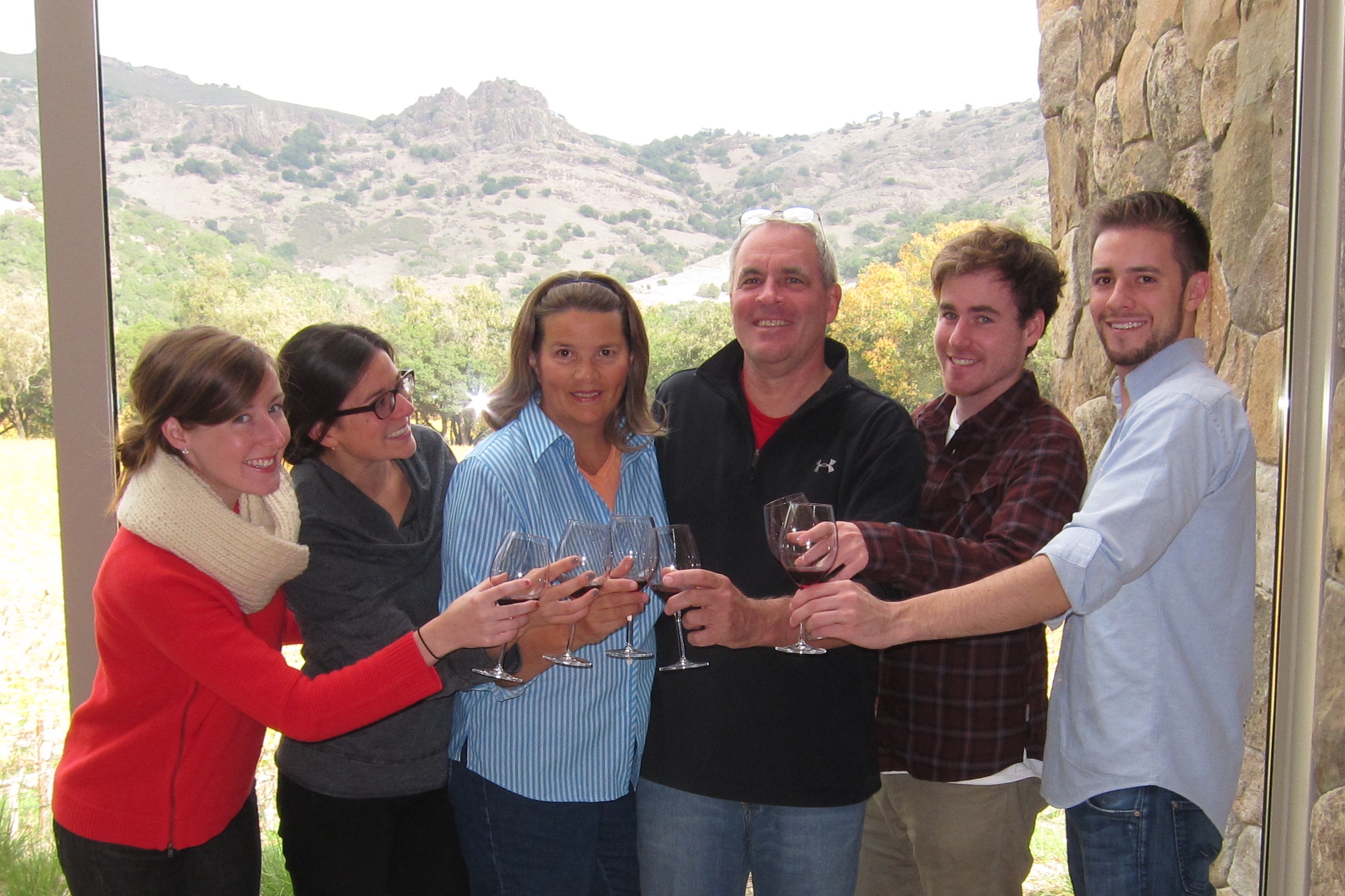
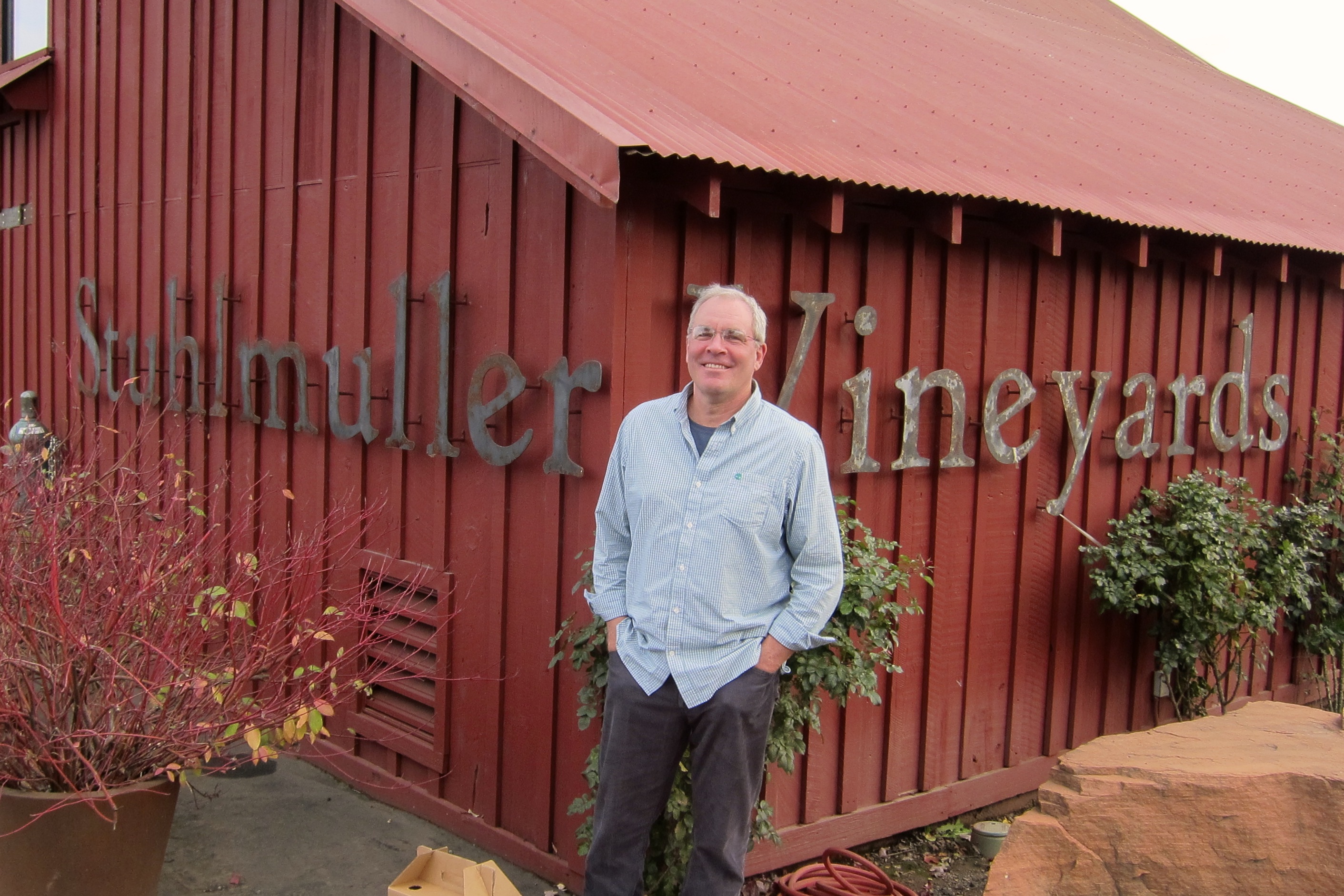
Michael finally made it to the home of his favorite wine, Stuhlmuller.

IMG_2803

Kathy and Stephen hosted a superb Thanksgiving dinner for 20+ people. Here we catch Kathy in the middle of preparation, making sure the wine is acceptable.

OLYMPUS DIGITAL CAMERA

We met our future relatives, Jesse’s parents, uncle, and brother.

IMG_2804

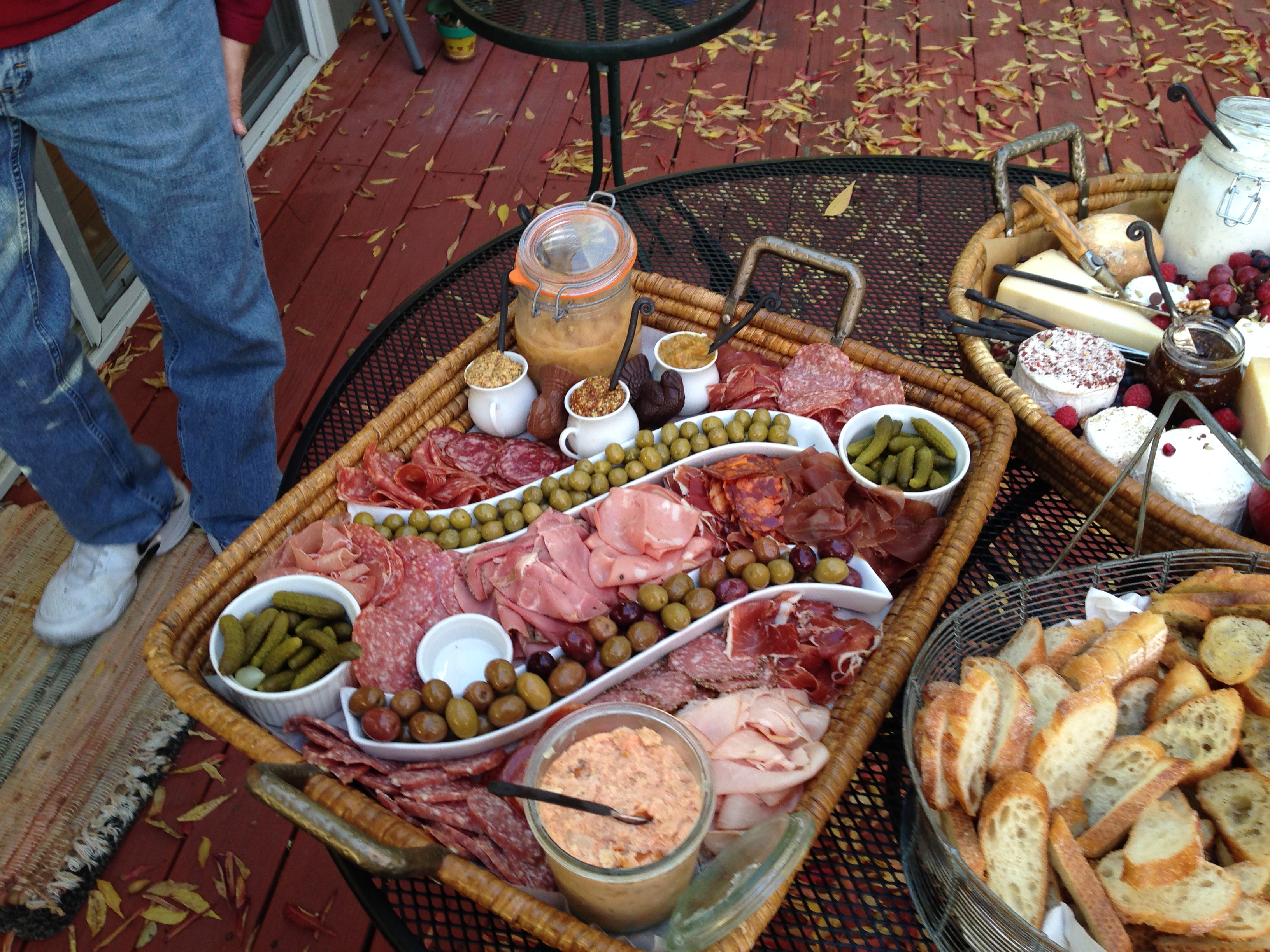
Shivon provided superb appetizers and desserts. (She should do this professionally!)

IMG_0331

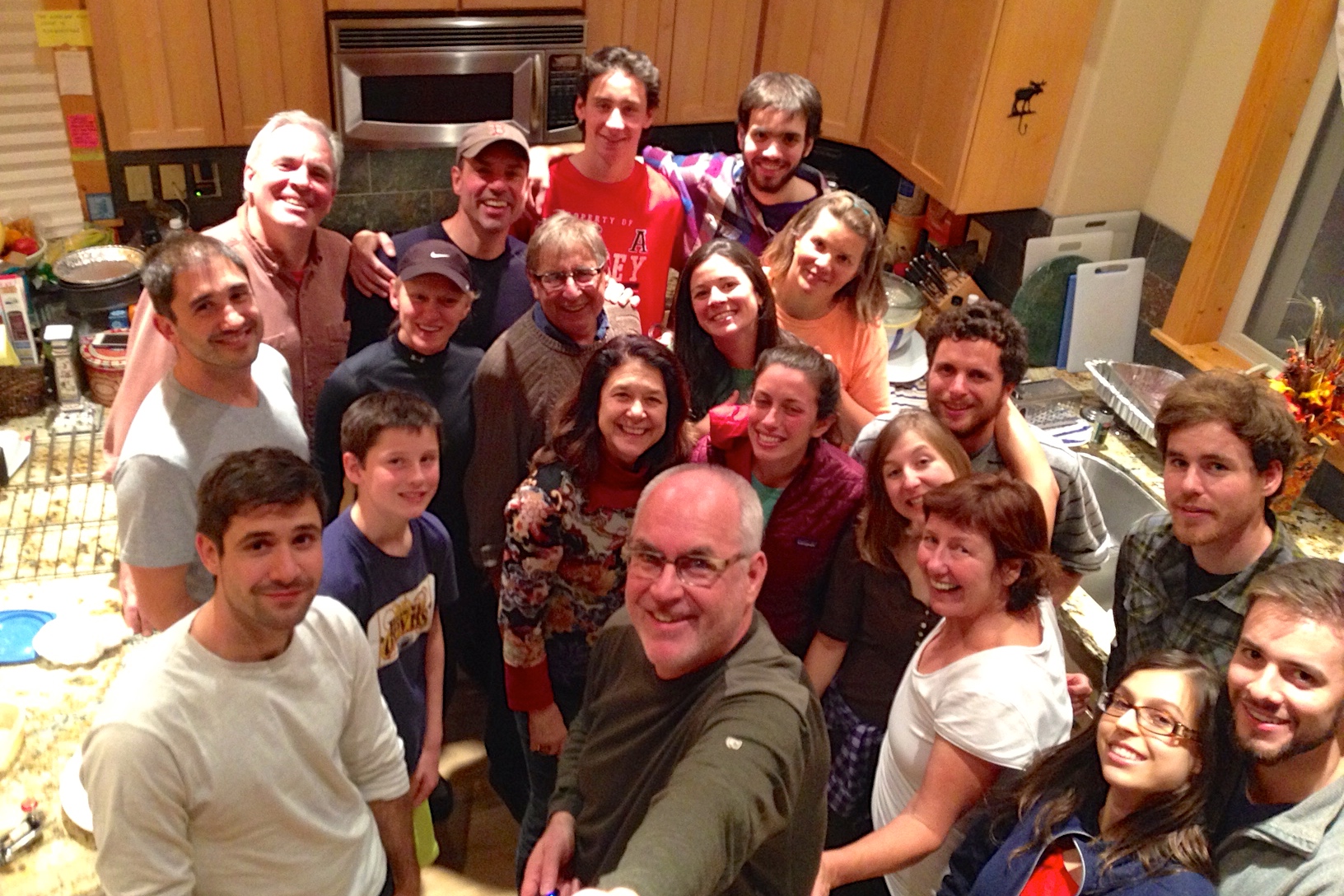
Here’s the whole gang. 21 people plus Yeti.

OLYMPUS DIGITAL CAMERA

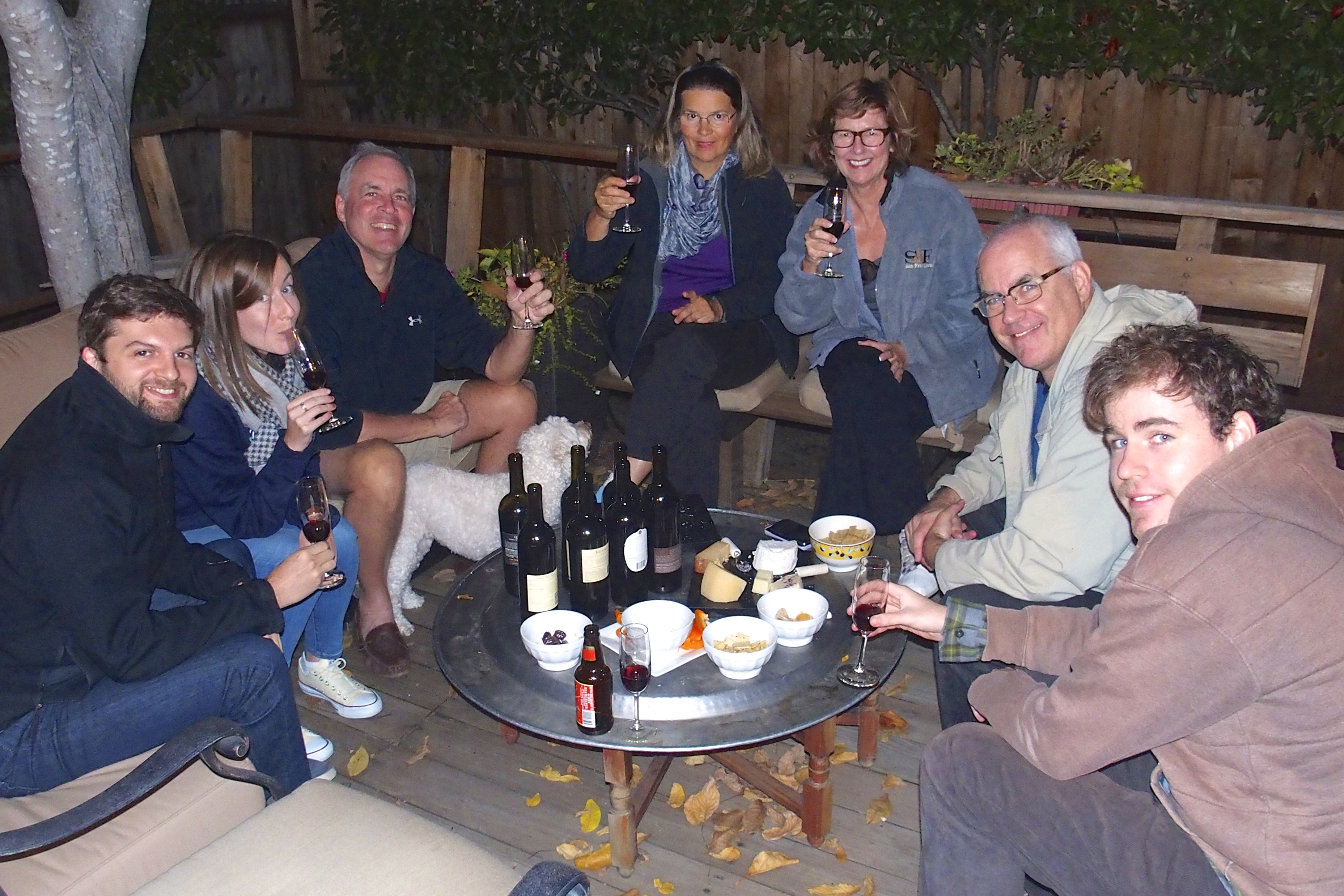
We ended the month toasting Nancy’s birthday.

And so we say goodbye to Sonoma…until next time.

2014-11-19 011


Posted in Travel Journal | Tagged , , , , , , , , , | 3 Comments

The cold war according to Dr. Seuss

Those of us who are baby boomers remember the Cold War scare in the ‘50s and ‘60s, with the US and USSR, the world’s two superpowers, manning up in a “Mine’s bigger than yours” battle of nuclear arm strength. The US spent multiple trillions on planes, missiles, telemetry, and top secret stuff to stay ahead of Russia in the nuclear arms race. We have seen signs of this along our travels.

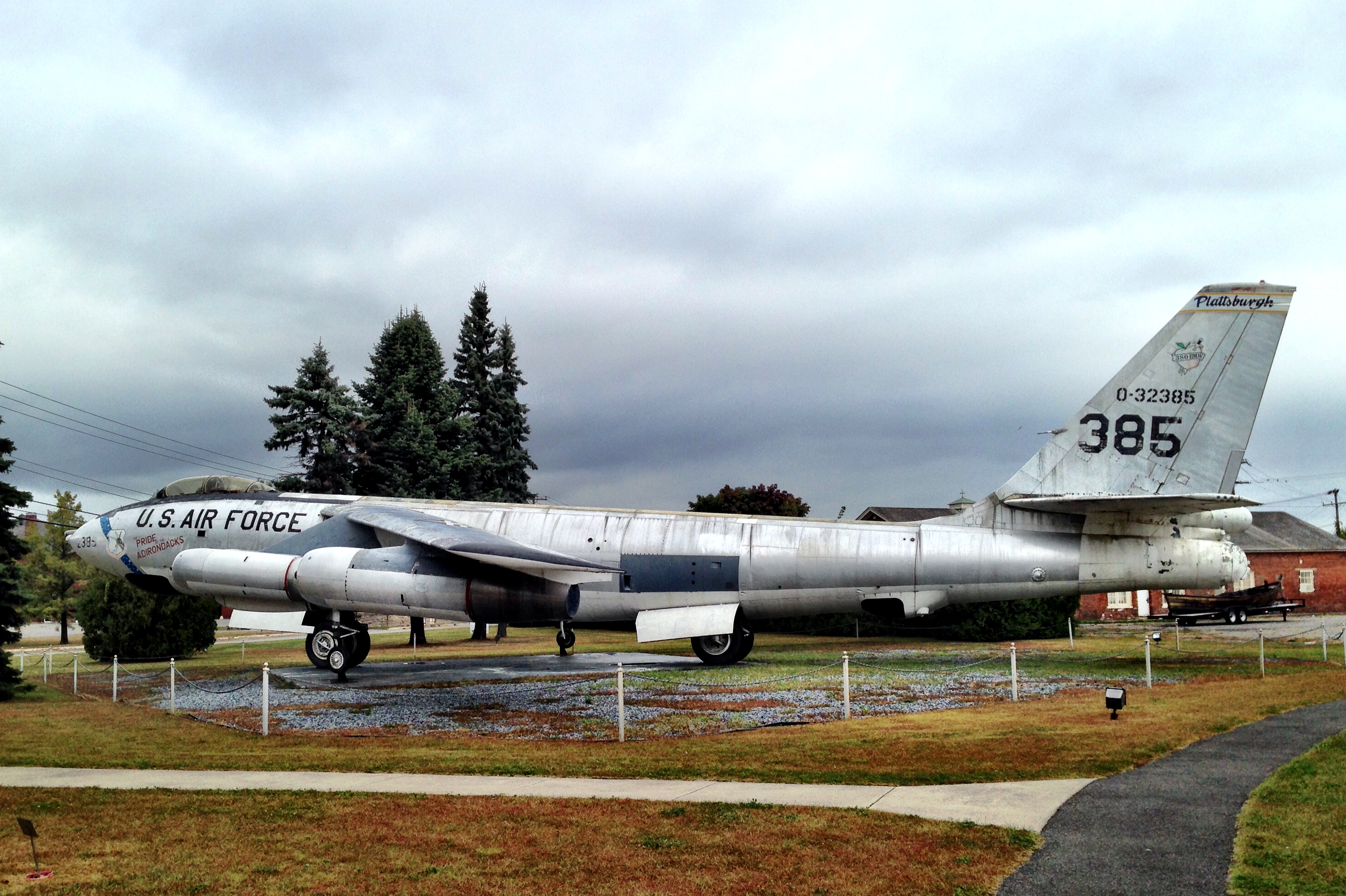
The Plattsburgh Air Force Base in New York was a launch station for various planes. Within 100 miles of the base are a dozen missile silos that were manned by men ready to push the missile launch button if ordered to do so. Imagine the pressure in that job!

IMG_1795

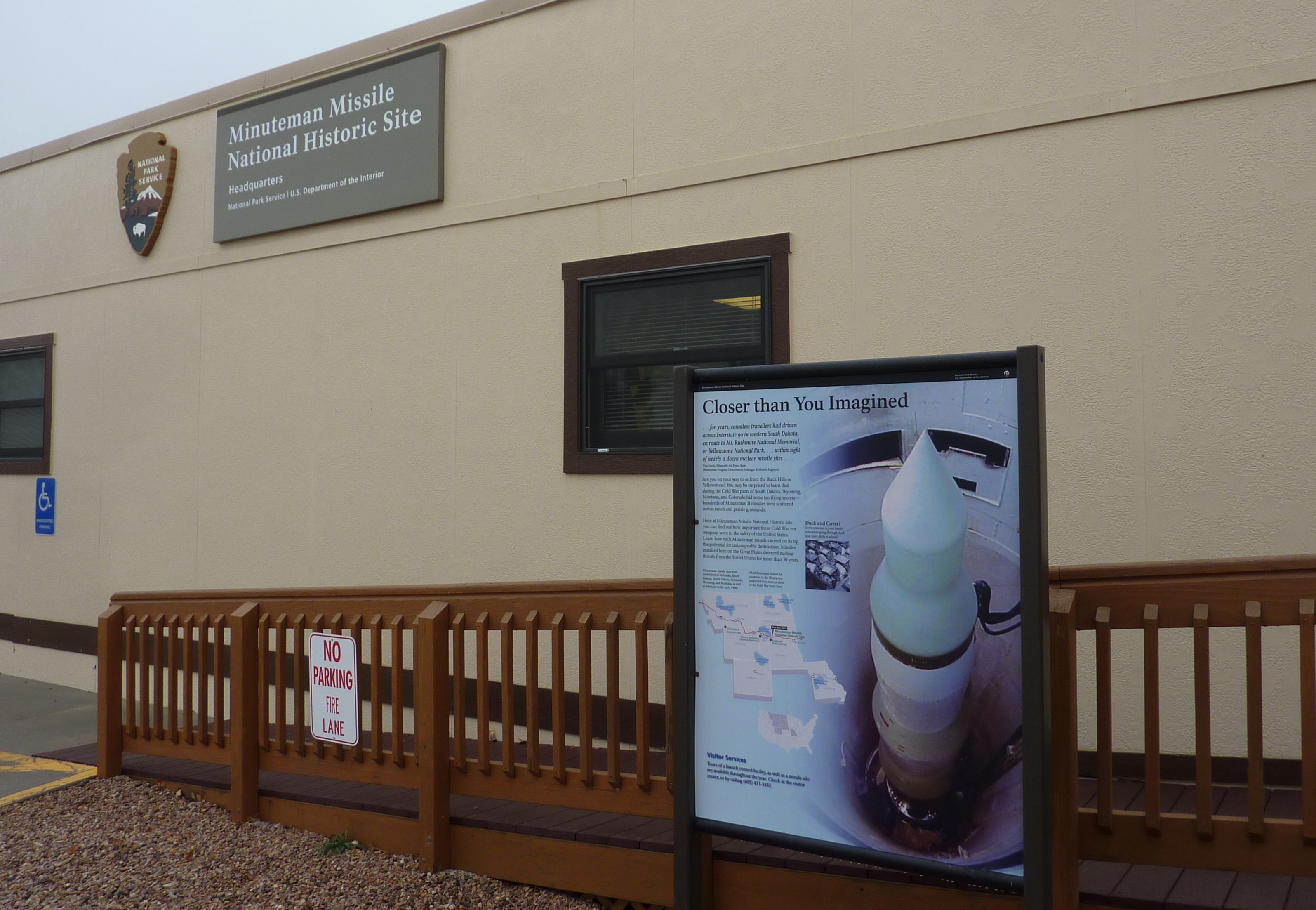
In South Dakota, just before entering the Badlands, we found the Minuteman Missile National Historic Site.

2014-09-29 024

All but one of the missiles were destroyed and sites imploded after the Strategic Arms Reduction Treaty (START) mutual arms deproliferation agreement in 1991. A top-down tour is available of the one remaining (inactive) underground site…but we didn’t wait to visit.

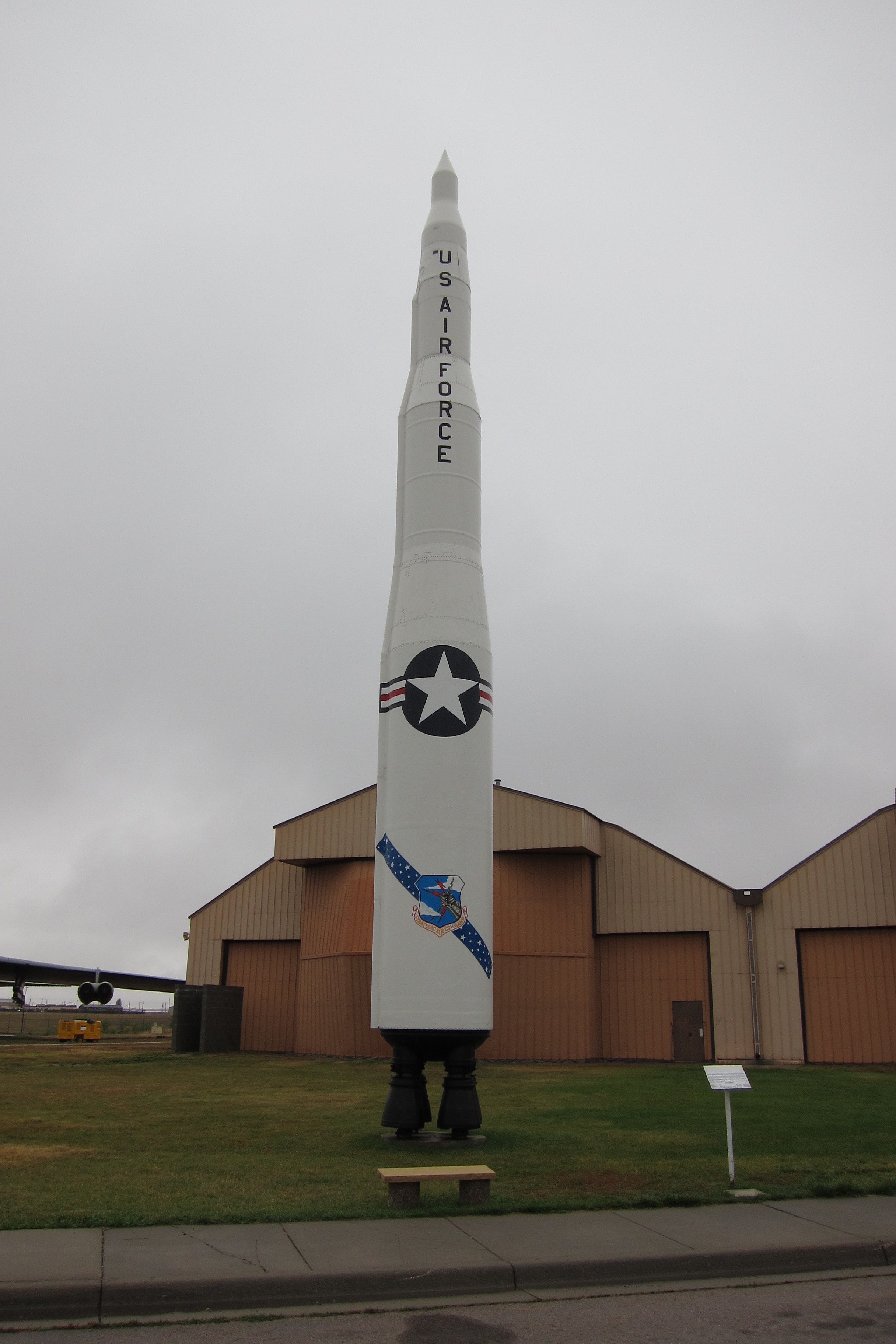
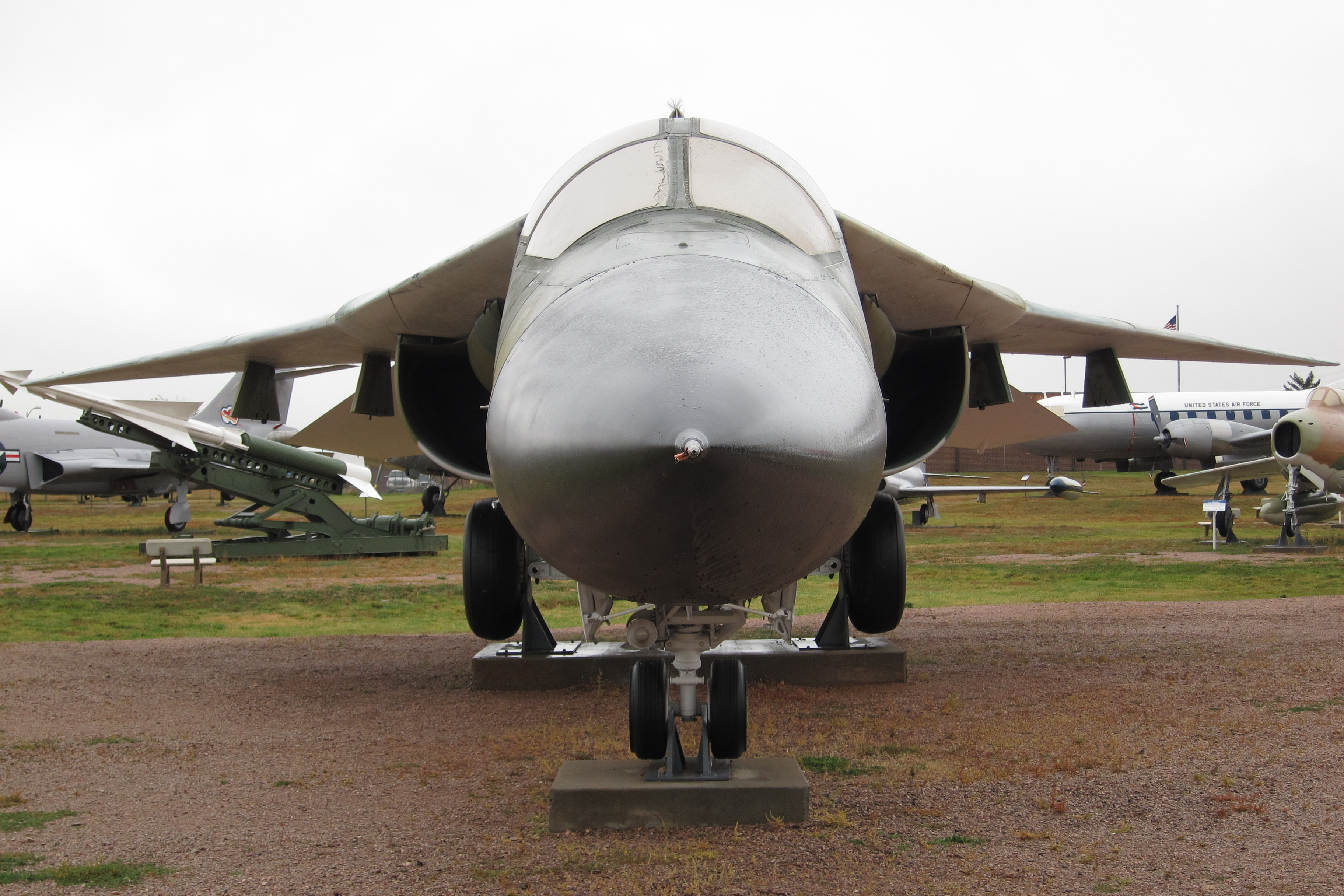
The South Dakota Air and Space Museum near Ellsworth Air Force Base outside Rapid City features numerous missiles and planes from this era.

IMG_3278

IMG_3272

IMG_3273

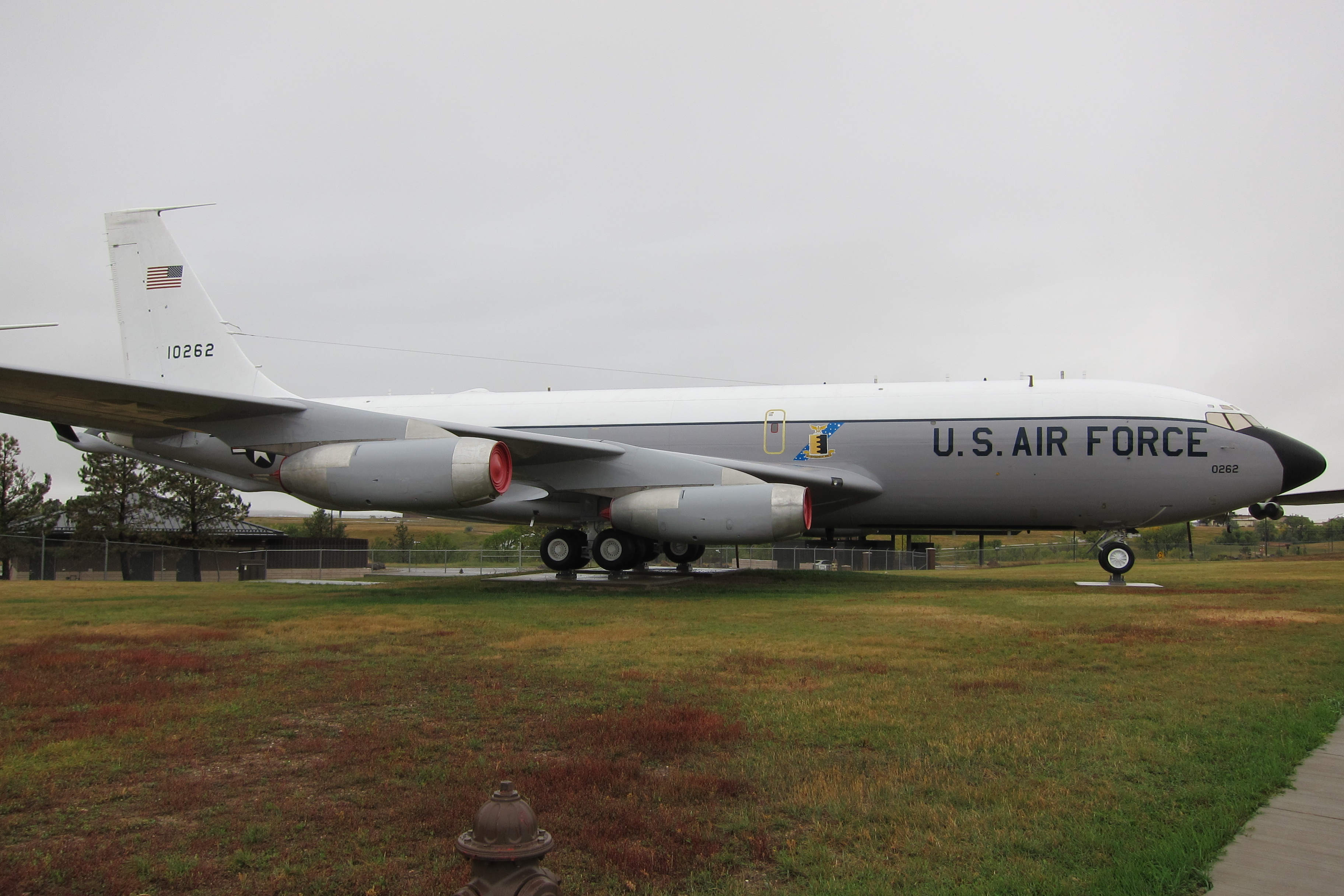
The flight from US to Moscow was so long that refueling was required en route. One of Marcia and John’s neighbors in New Jersey (ca. 1960) flew one of these KC135 refueling tankers. Unfortunately, he dropped below the clouds and was never seen again.

IMG_3287

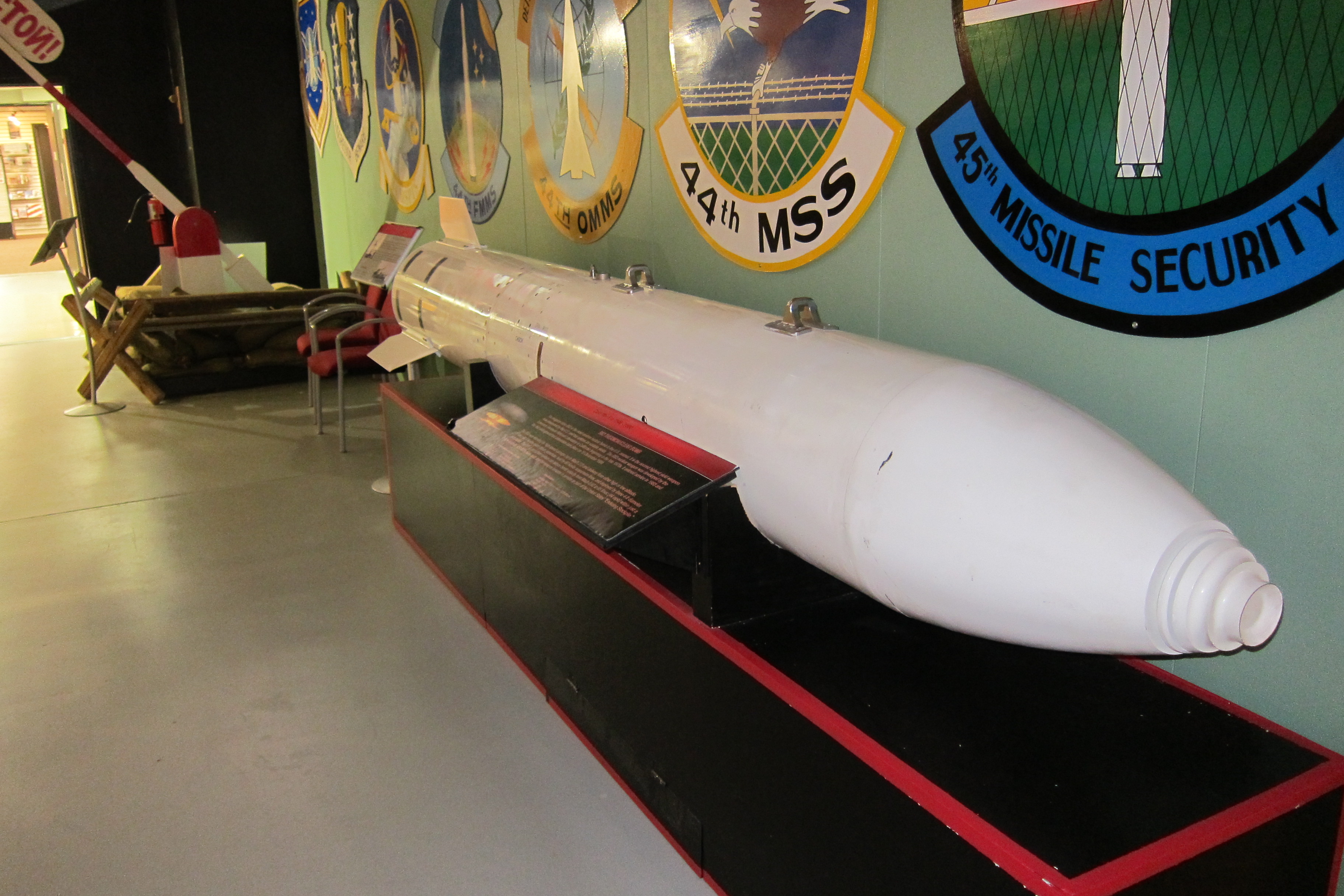
As school kids in the early ’60s, we had drills where we were taught to “run, duck, and cover” in the case of a nuclear attack. Most schools didn’t have bomb shelters, so the “cover” would have been totally ineffective against penetrating radiation from nuclear attack. This B83 bomb, as an example, could wipe out a large city when armed with its 1,200-ton plutonium nuclear warhead. By the way, 650 of these were made during the Cold War…and many remain in service!

IMG_3282

If you’re looking for a good book to read to your kids to educate them to learn from past mistakes, pick up this Dr. Seuss favorite (or maybe not-so-well-known), The Butter Battle Book.

2014-09-29 020

Here two neighboring groups march cautiously next to their shared wall. Each group complains about the other’s way of life: One eats toast buttered side up and the other eats toast buttered side down. A minor volley across the wall causes “our” group to ramp up defensive arms (charmingly pictured as only Dr. Seuss books are). Then, of course, the other group counters with a bigger defensive system. And on it goes.

Finally the arms race has reached its apex and two grandfathers stand at the wall ready to “push the button.” What happens? We will see.

2014-09-29 019

The real Cold War era started to wind down with the SALT (Strategic Arms Limitation Treaty) talks of 1969 which led to mutual arms destruction and a thaw between US and USSR by 1990. However, did you know that now in 2014 the US still has over 500 Trident submarine-launchable and as many as 5,000 modern underground missiles that are expected to stay in place, armed, through 2040? What will happen? We will see.

Posted in Smell the Roses | Tagged , , , , , , | 1 Comment