Sydney Beaches – February 2015

Remember, even though it’s February and Boston is trying to dig out of endless snowstorms, we’re in the Southern Hemisphere. So it’s the height of summer here…but we’re not rubbing it in! First stop in Sydney: the beaches.

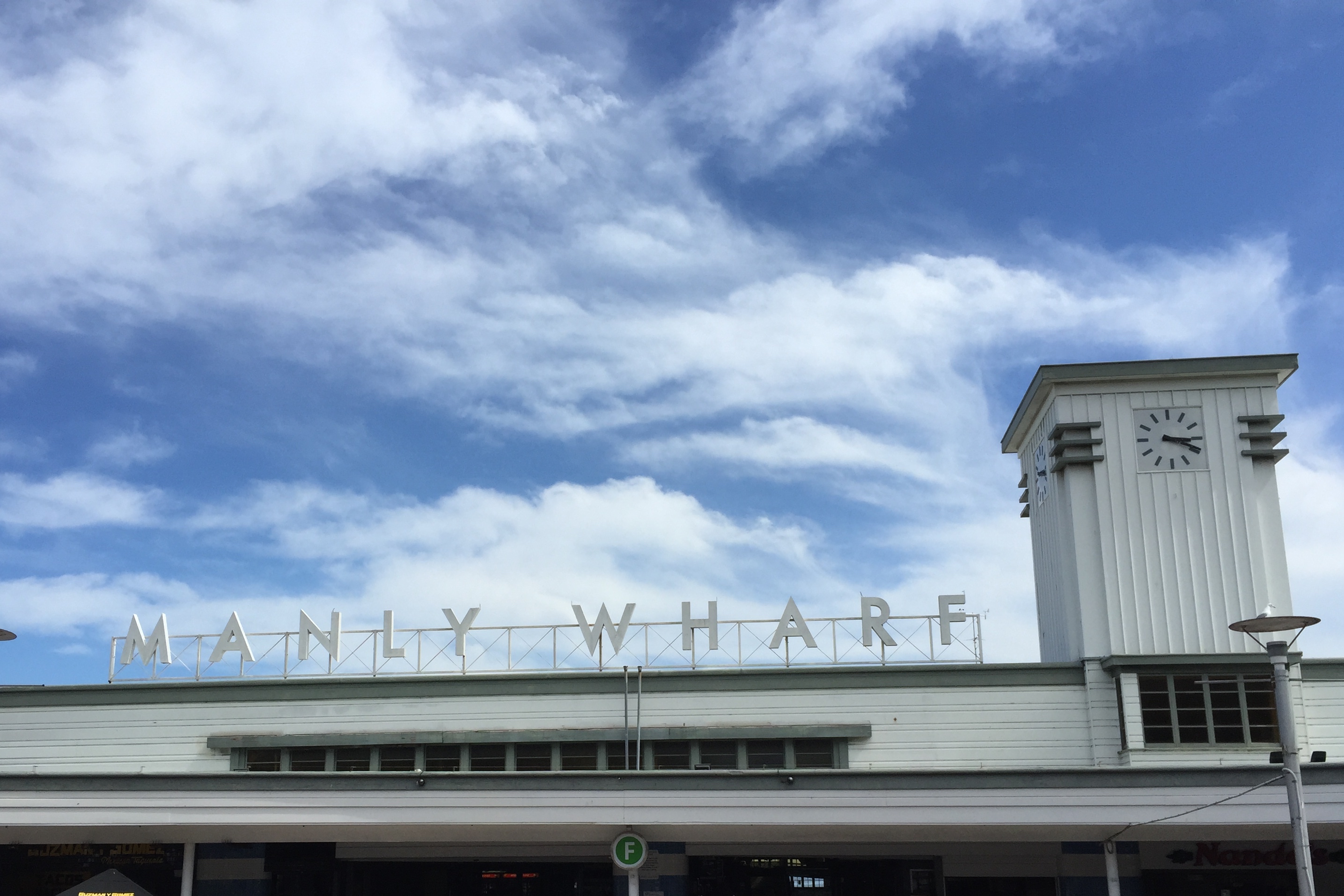
We took a ferry to Manly Beach.

OLYMPUS DIGITAL CAMERA

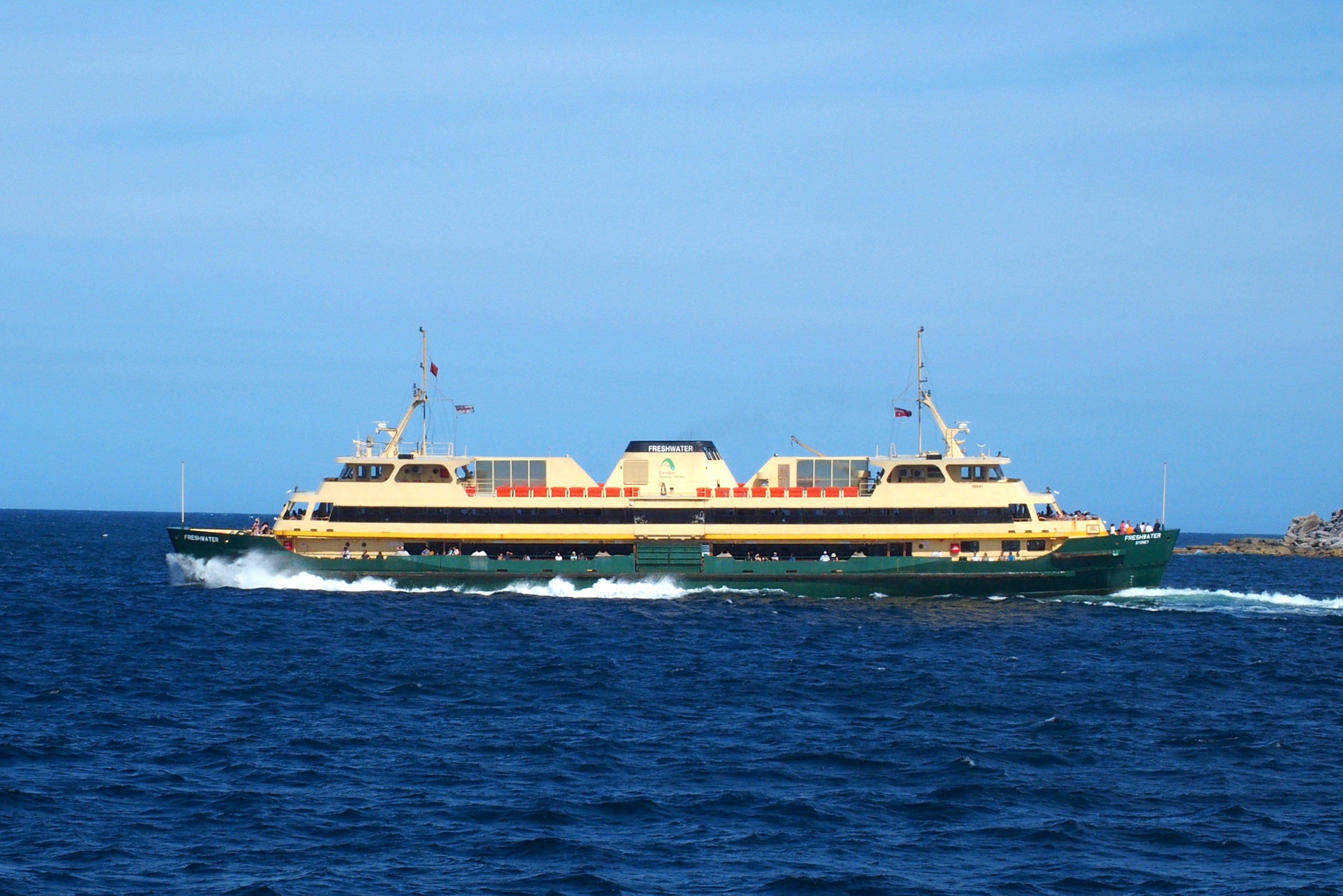
This reminded us a bit of the Star Ferry in Hong Kong. Two levels of travel and people clambering to get the front seating.

“Seven miles from Sydney and 1,000 miles from care” is the slogan etched on the entryway to the northern beach town of Manly. It sounds a bit New Age, but has actually been in place since 1940, when a steamship company served the resort area.

IMG_4095

We’re loving the glorious blue skies and warm weather.

The name, Manly, comes from the observation by Captain Arthur Phillip (who founded Sydney as a penal colony in 1788) that the Aboriginal inhabitants of the cove were confident and “manly.” Little did he realize that centuries later the beach would be crowded with manly men on surfboards.

OLYMPUS DIGITAL CAMERA

At Manly and every other beach we’ve visited on this trip, the surf has been rough!

Michael  did some Manly bodysurfing. Swimmers were told to “swim between the flags” in a small area of the beach to avoid riptides.

The lifeguard also warned swimmers about bluebottles, not the cobalt blue glass bottles that Nancy collects, but small “jellyfish.” They’re not actually jellyfish, but siphonophores. Bluebottle sounds so innocuous, but you might know them by the more threatening name, Portuguese Man o’ war.  They’re only about an inch in diameter, but according to the repeated warnings from the lifeguard, “They will hurt…bad! You just have to wait an hour or so until the pain is gone.” Up to 10,000 stings are reported each year on eastern Australian beaches. Ouch!

OLYMPUS DIGITAL CAMERA

Bluebottle aka Portuguese Man o’ war. These guys seemed to like to swim between the flags too!

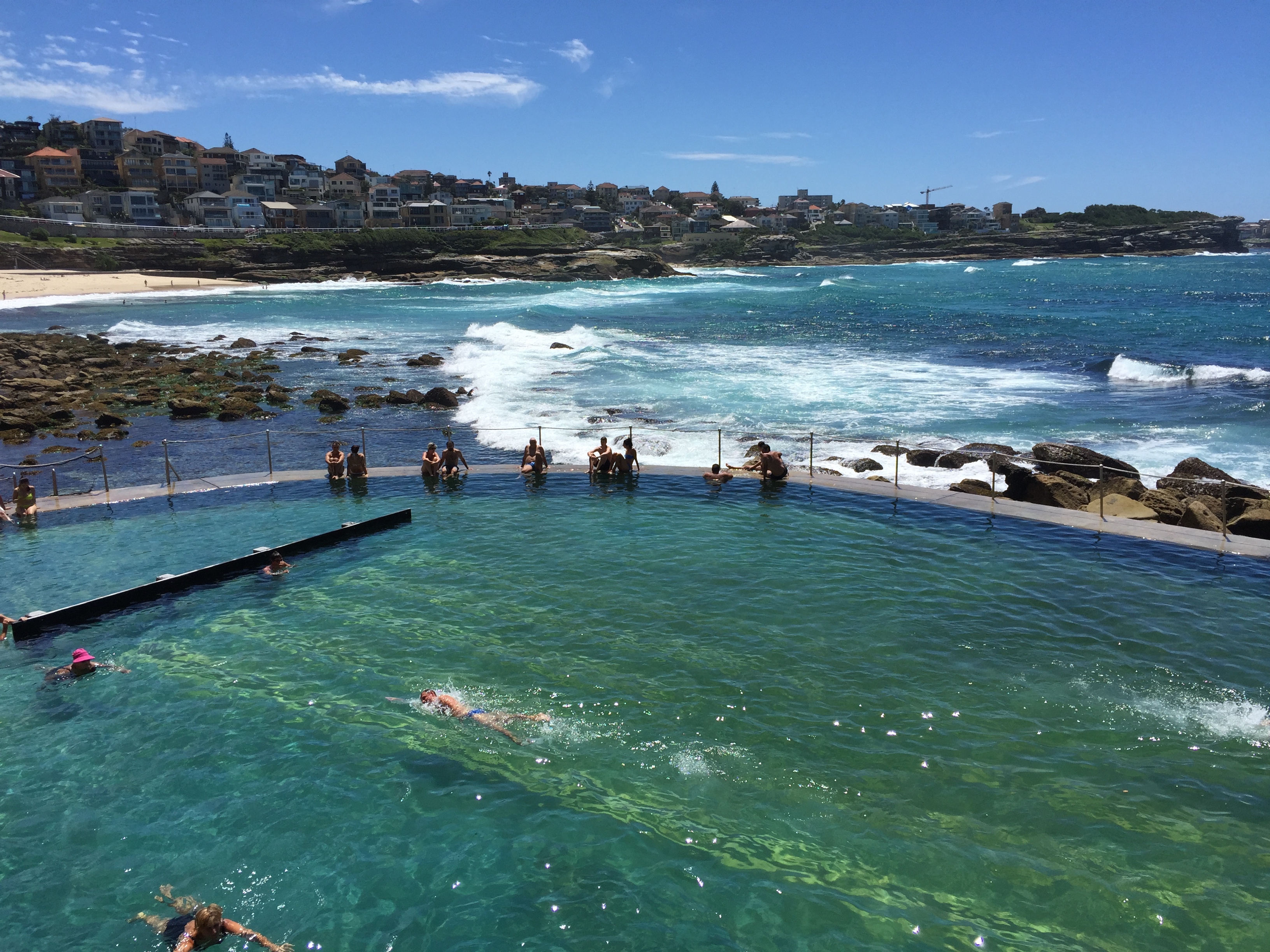
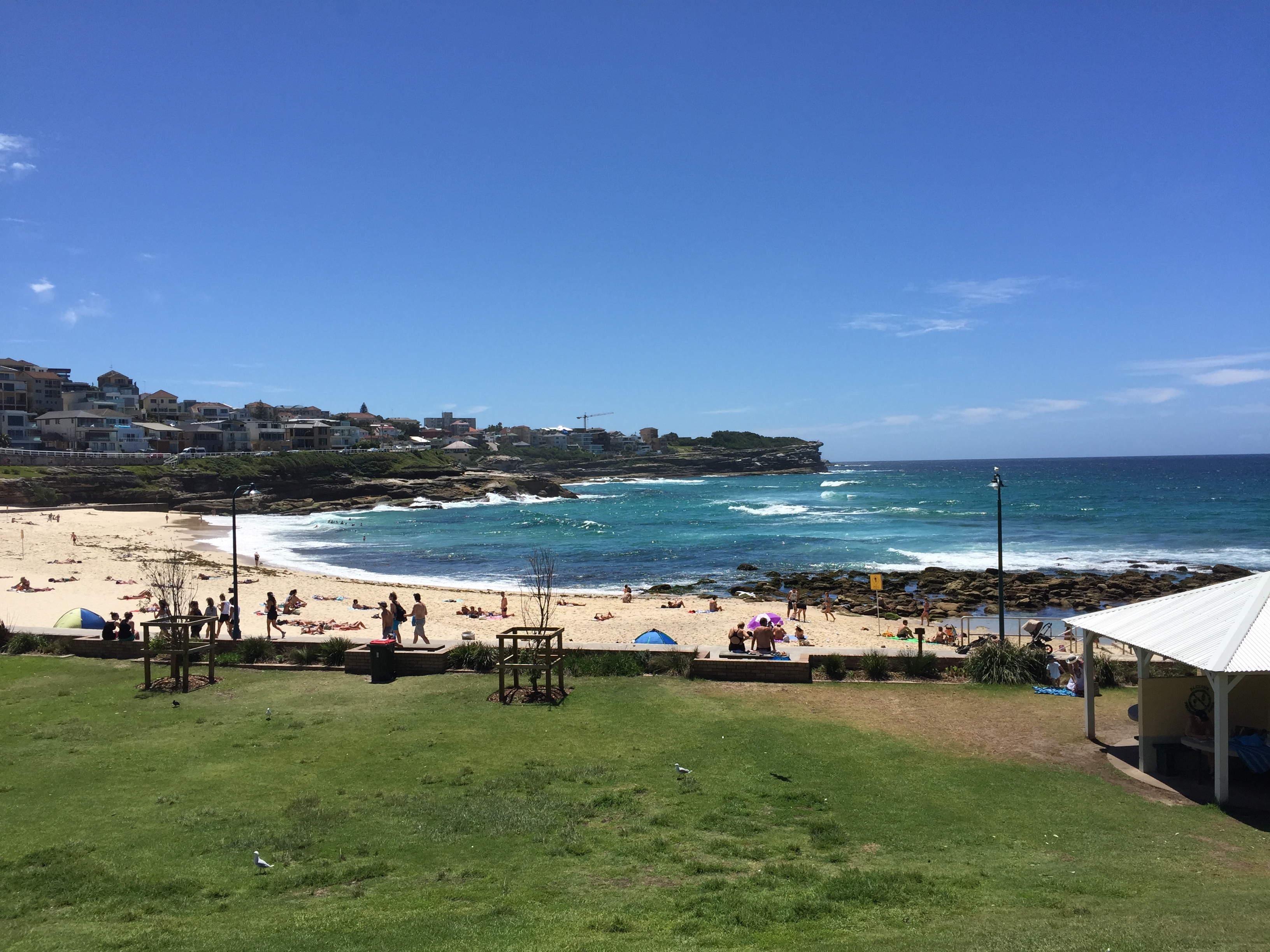
We visited Bronte Beach, one we hadn’t seen on earlier trips to Sydney, and Nancy’s new favorite. This is three beaches in one. Surfers and boogie-boarders can enjoy the open ocean. Swimmers can use the “pool.” It is salt water in an enclosed pool with sea water flowing in.

IMG_4116

Swim laps with the sound of the surf but without the challenge of avoiding being swept out to sea.

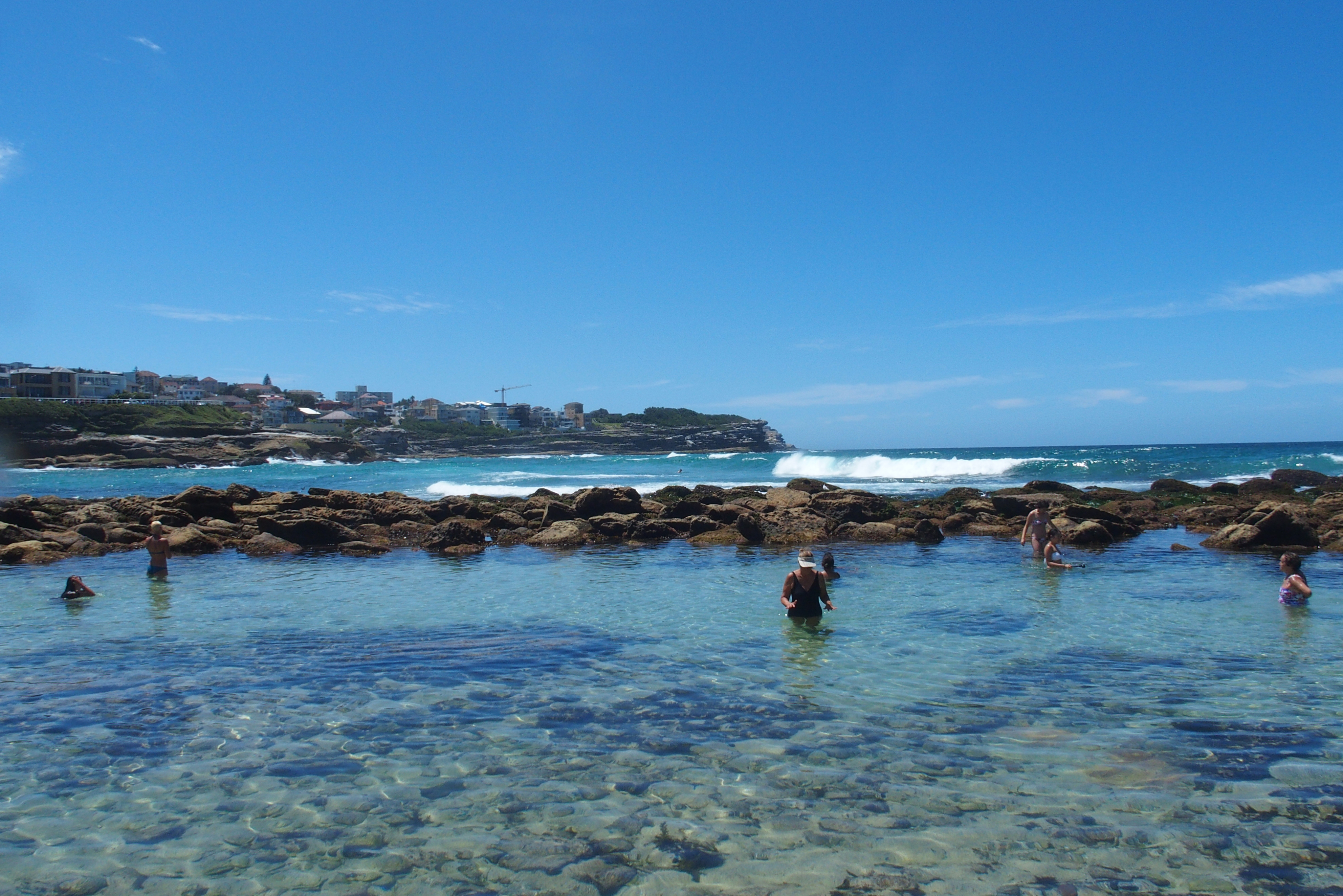
Seniors and babies can use the protected rock baths.

OLYMPUS DIGITAL CAMERA

Water only waist deep and slightly warmer than the open beach. A few little fish too.

IMG_4115

And Bronte has great lawn space and picnic areas too. Can’t beat it!

The area has great views. Bronte is along a 6-kilometer clifftop coastal walk from Coogee Beach heading north. We did about 2.5 kilometers, plenty in the intense heat.

IMG_4142

View looking back at Bronte and Tamarama beaches from the coastal walk. It’s hard to leave, but there’s always something just as nice around the next headland.

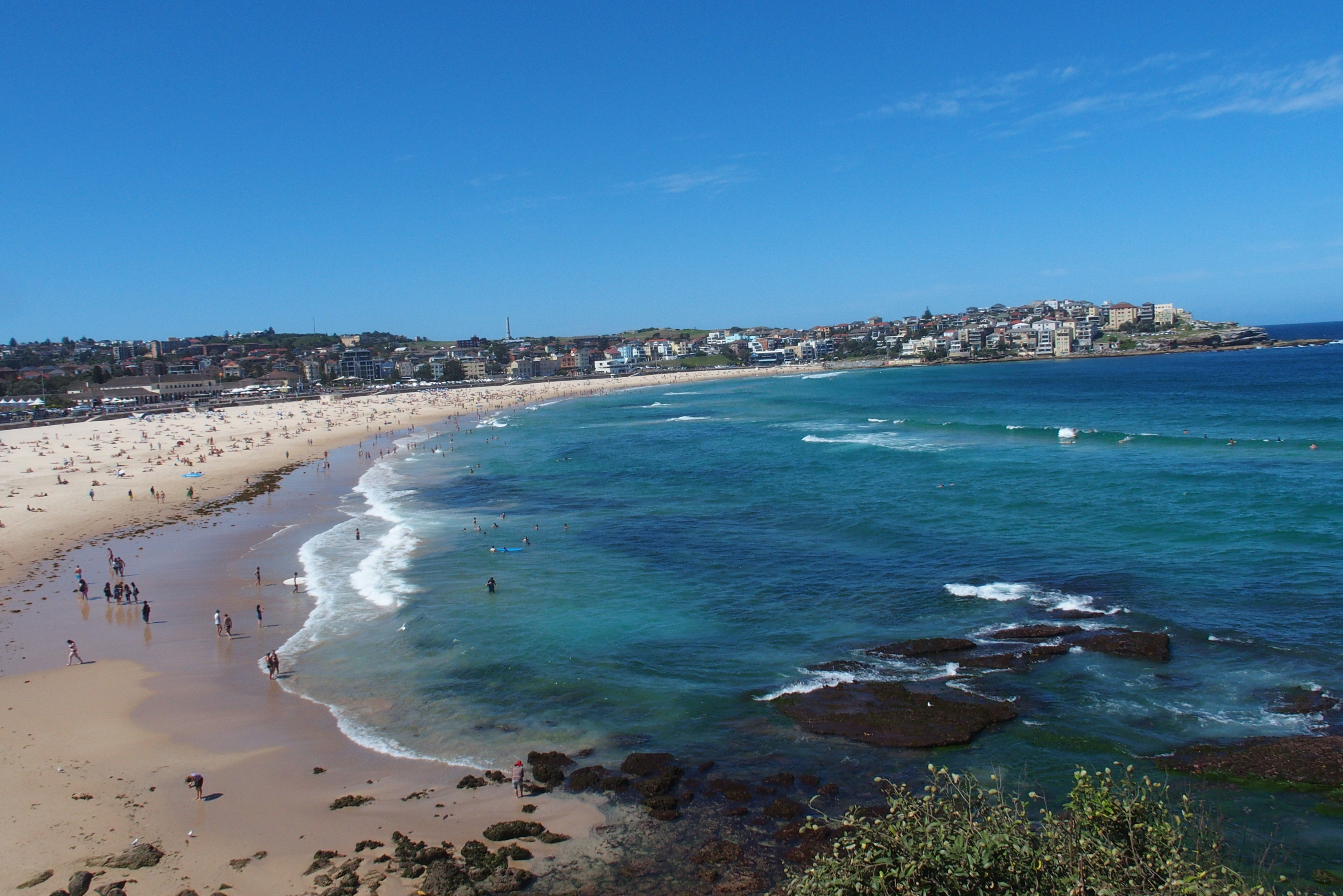
We followed the trail along the ocean to Bondi Beach, one of the most famous surfing spots in the world.

OLYMPUS DIGITAL CAMERA

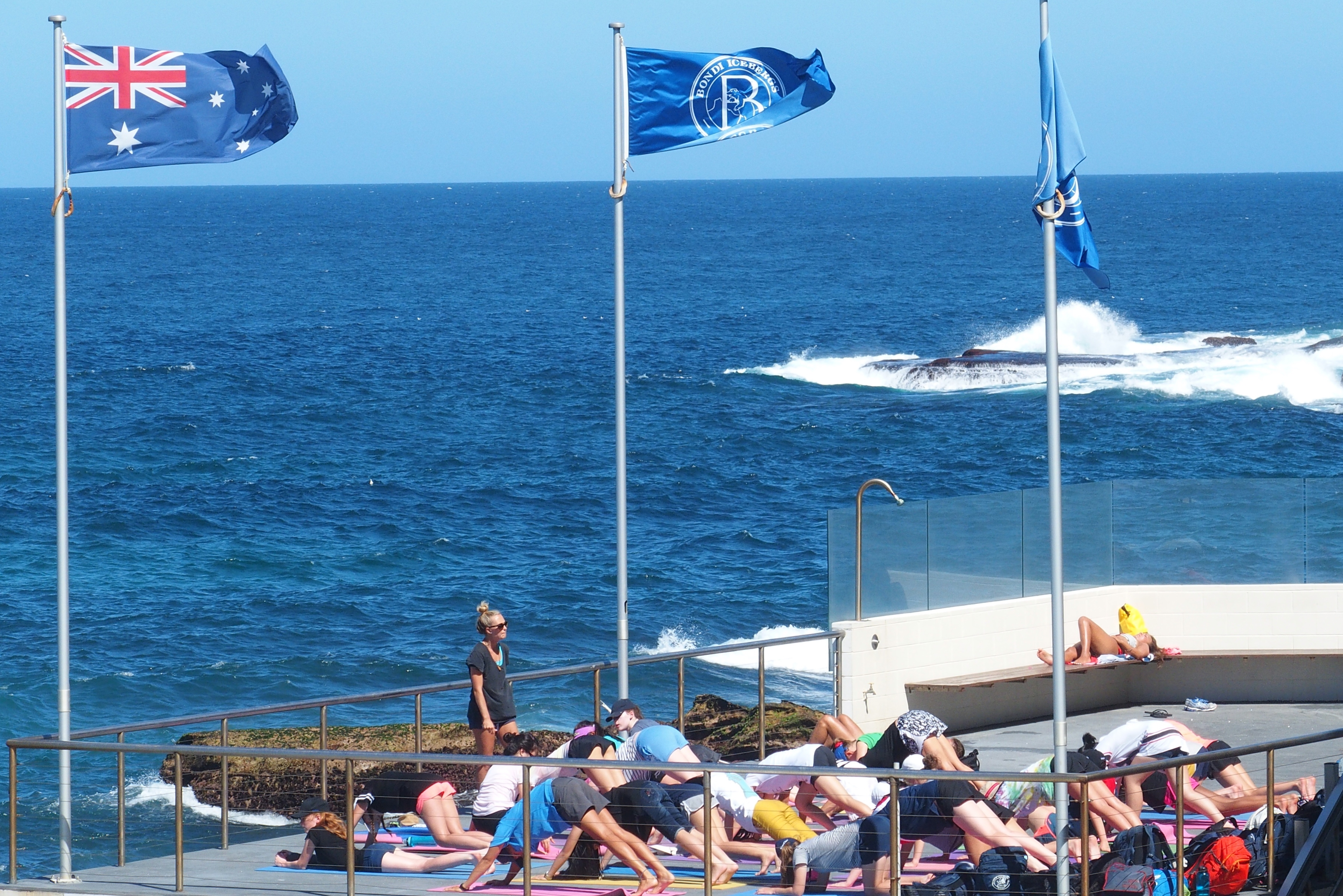
Along the coastal walk to Bondi: This is the ultimate Bikram (hot) yoga. Totally sustainable, powered by solar energy.

OLYMPUS DIGITAL CAMERA

More oceanside lane swimming.

Interesting bit of Bondi history: “Black Sunday” was a sad day in February 1938, with five people killed and over 250 rescued when waves pulled people from the beach into the ocean.

OLYMPUS DIGITAL CAMERA

The kids went boogie boarding here on our Sydney trip in 1998. No need for a riptide rescue.

Watsons Bay is another popular spot, not only for people, but for pelicans.

OLYMPUS DIGITAL CAMERA

Wonder what they’re saying to each other.

It’s a nice walk to the Hornby lighthouse on South Head, passing Lady Bay Beach, a nude beach along the way. Yes, there were a couple nudists (no photos). They were being heckled by people on a harbor tour boat moving past.

OLYMPUS DIGITAL CAMERA

This 1870s cannon is here to protect the harbor from potential raids by Americans who might steal Australia’s gold.

After the heat of the hike, we stopped to cool off at Doyles, a family-run institution in Watsons Bay since 1885.

OLYMPUS DIGITAL CAMERA

Great beer! And we got to keep the coozie. That’s a plumeria in the bloody Mary. They grow on 40-foot trees here.

All these beaches are accessible by bus or ferry from the heart of Sydney. In fact, once we took 8 trips on our Opal transportation cards, fares to the beach were free! Can’t beat that.

OLYMPUS DIGITAL CAMERA

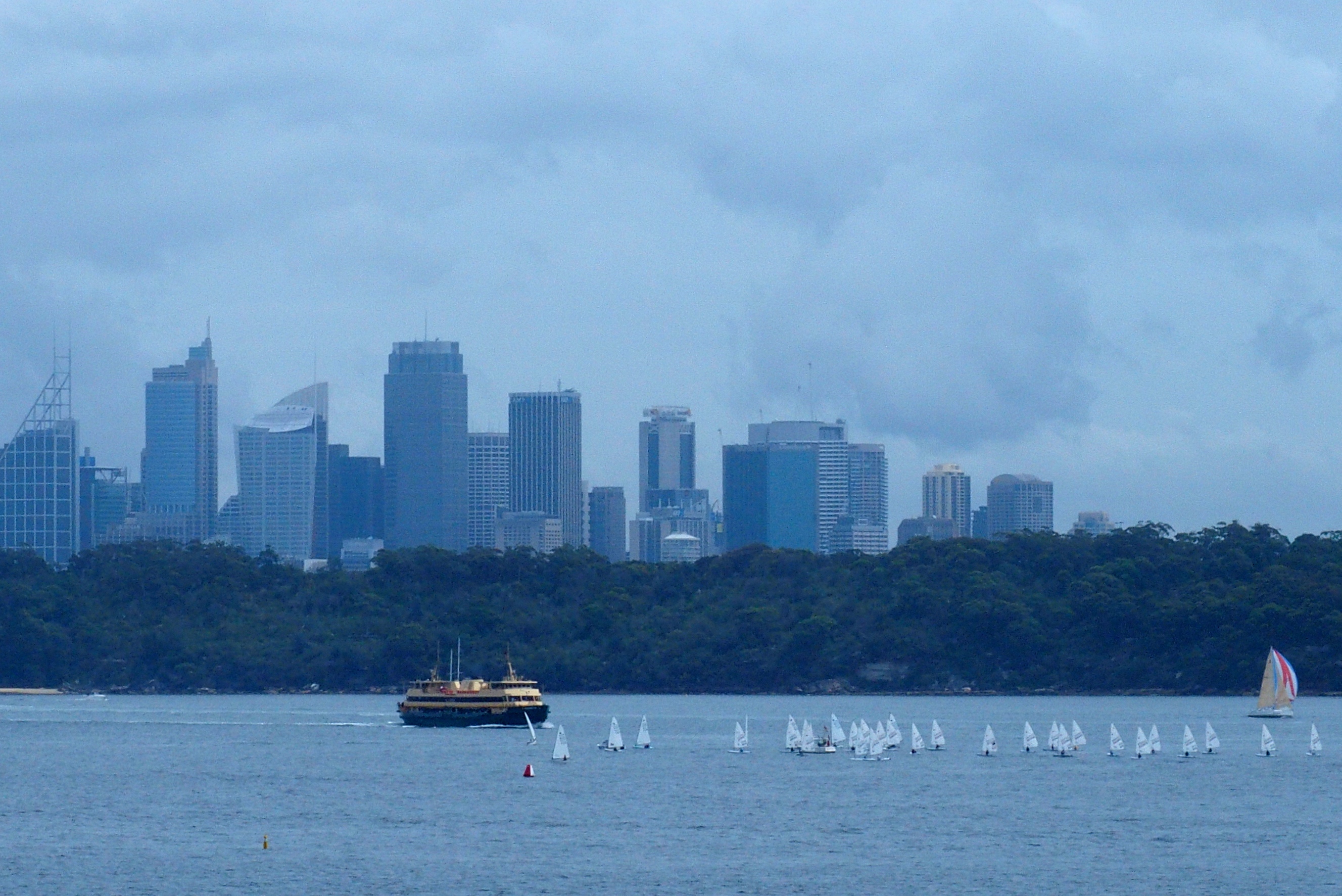
On this Saturday, we saw several regattas of large groups of Laser sailboats, just like ours at Keuka.

The water was in the high 60s/low 70s, so we didn’t spend very much time swimming. We will have plenty more opportunities as we move north (toward the equator).


Posted in Travel Journal | Tagged , , , | 2 Comments

New Zealand South Island Scenery – January and February 2015

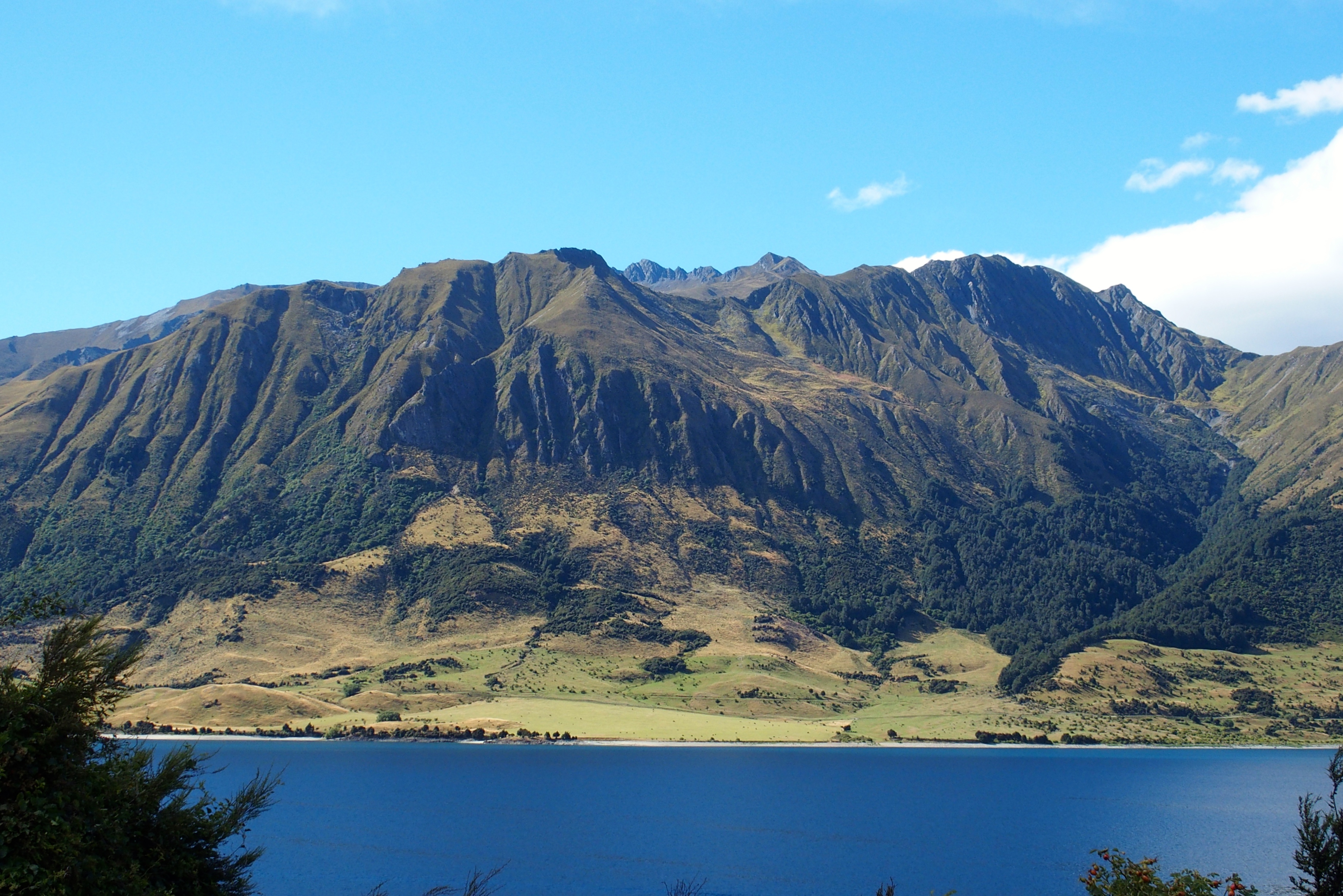
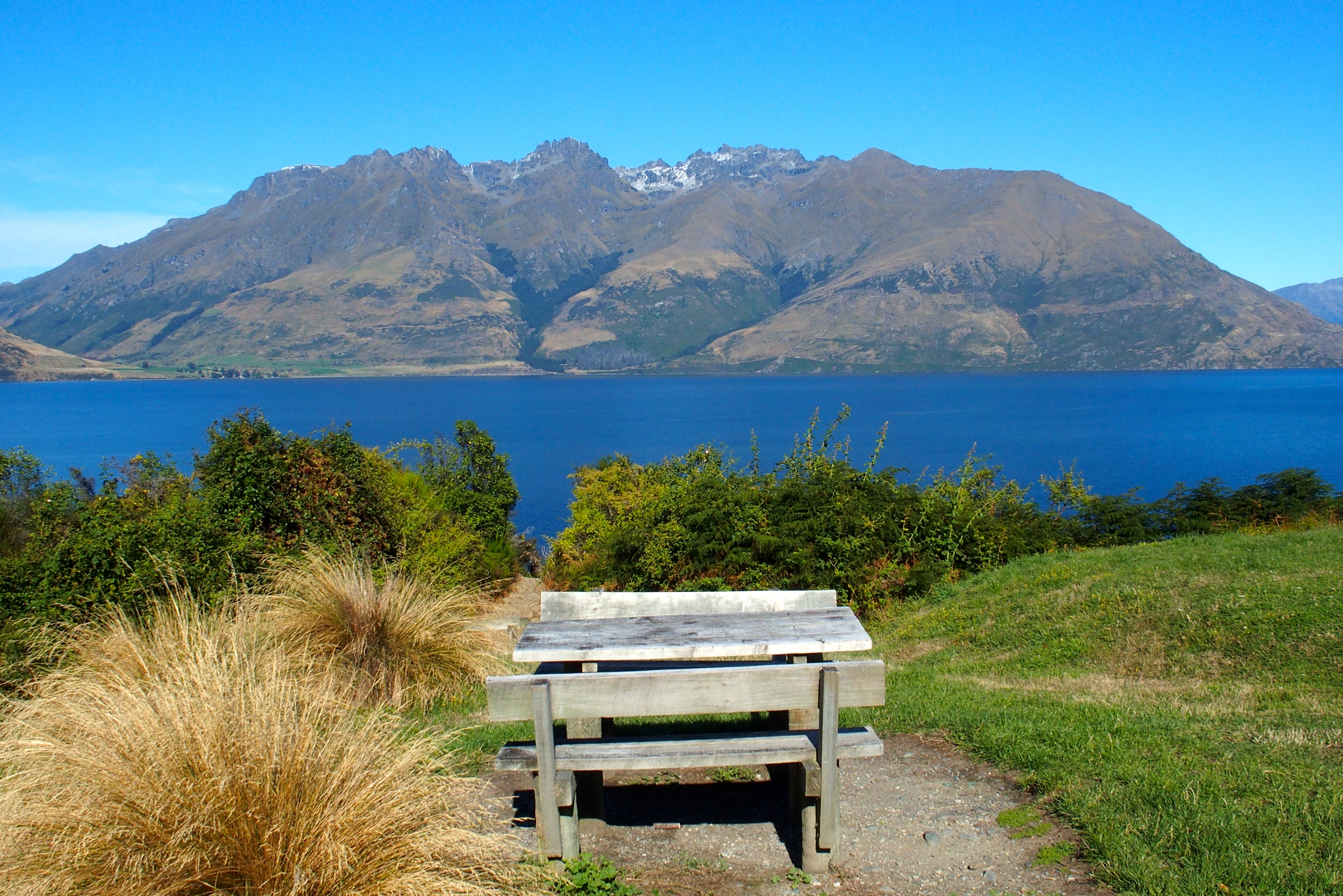
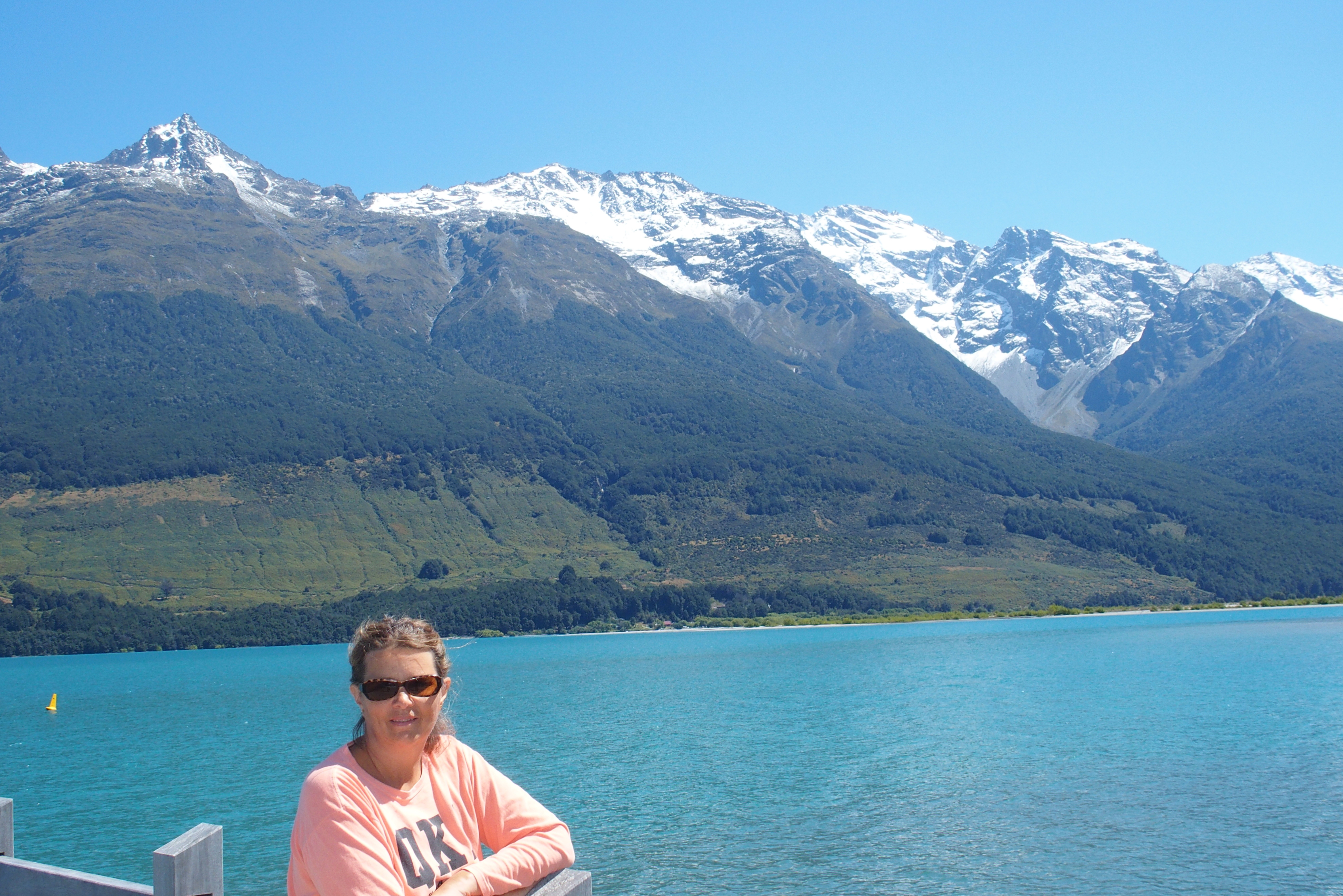
If you’re a Hobbit fan, you may have already seen all the landscapes we found on the South Island. For us, there was something new and exciting around every corner. The South Island is 500 miles long and the “Southern Alps” run down the center for nearly the whole island. We started in Christchurch and traveled north along the Pacific Ocean, then west to the Tasman Sea, then south, east, north and back to Christchurch. That meant we saw the same mountains from both the east and west sides.

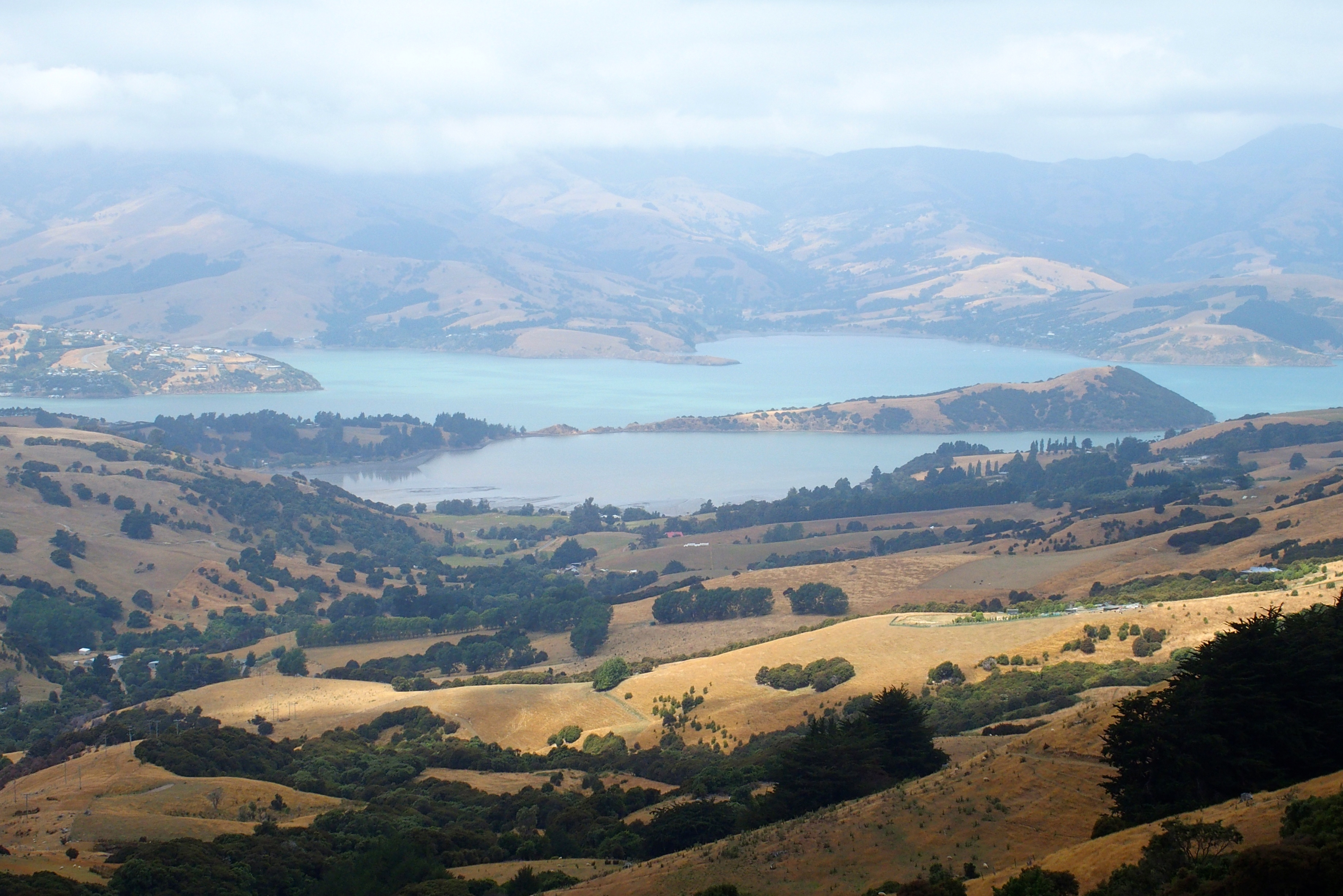
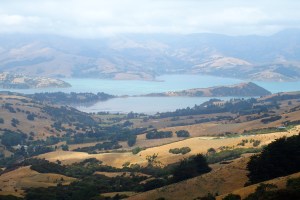
Our first day was a sidetrip south to Akaroa, a resort area that is unique in having French and British influence, both powers having established a settlement in the area in August 1839, actually within a couple days of each other. Now streets on the north side of town are Rues and those on the south are just streets. We found a French restaurant for lunch, Ma Maison, and had our first New Zealand food, wine, and views. All quite nice.
OLYMPUS DIGITAL CAMERA

Overlooking Akaroa Harbour

IMG_3525

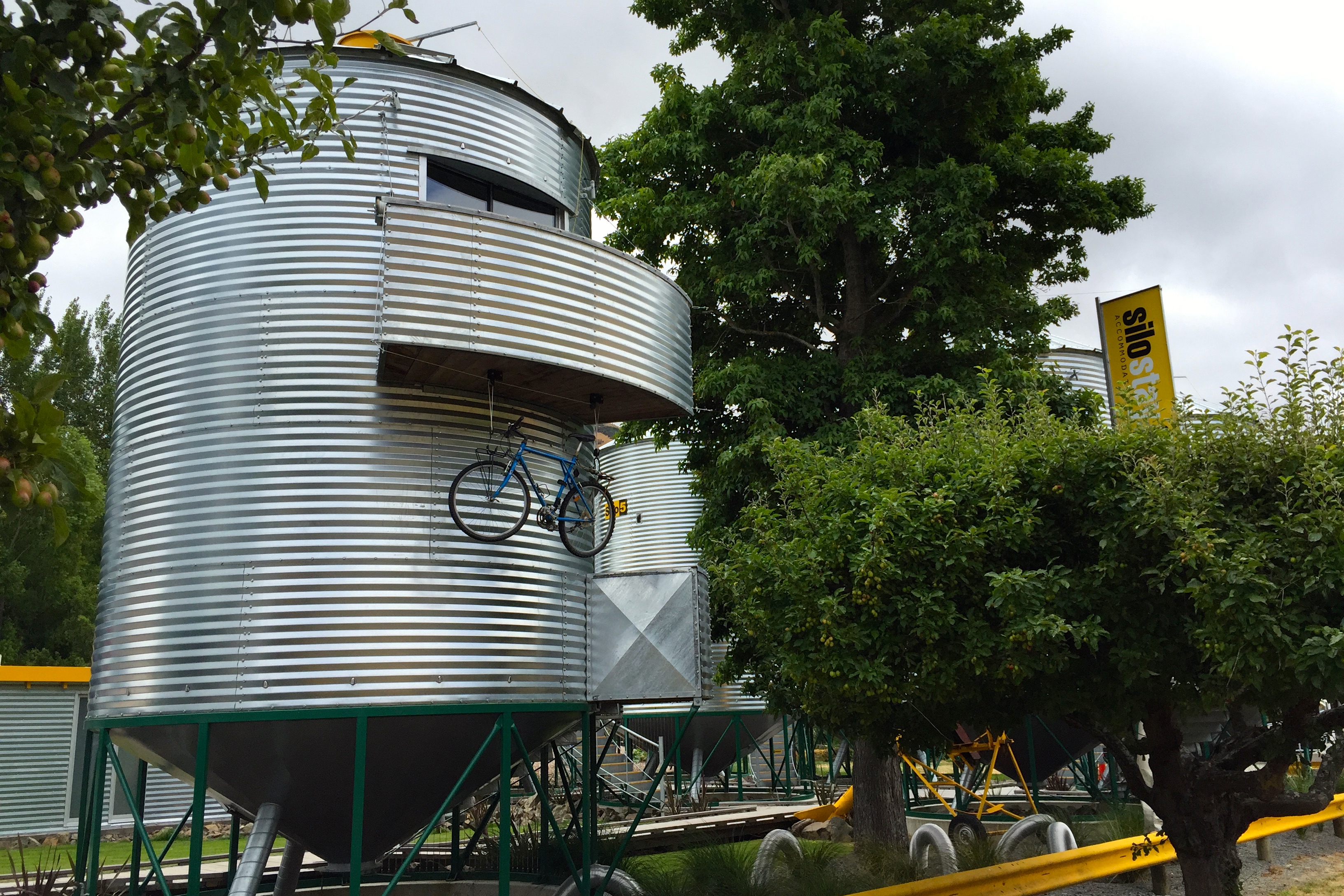
We saw this unique accommodation on the way: grain silos utilized as motel space, complete with bicycle storage.

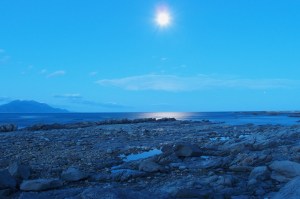
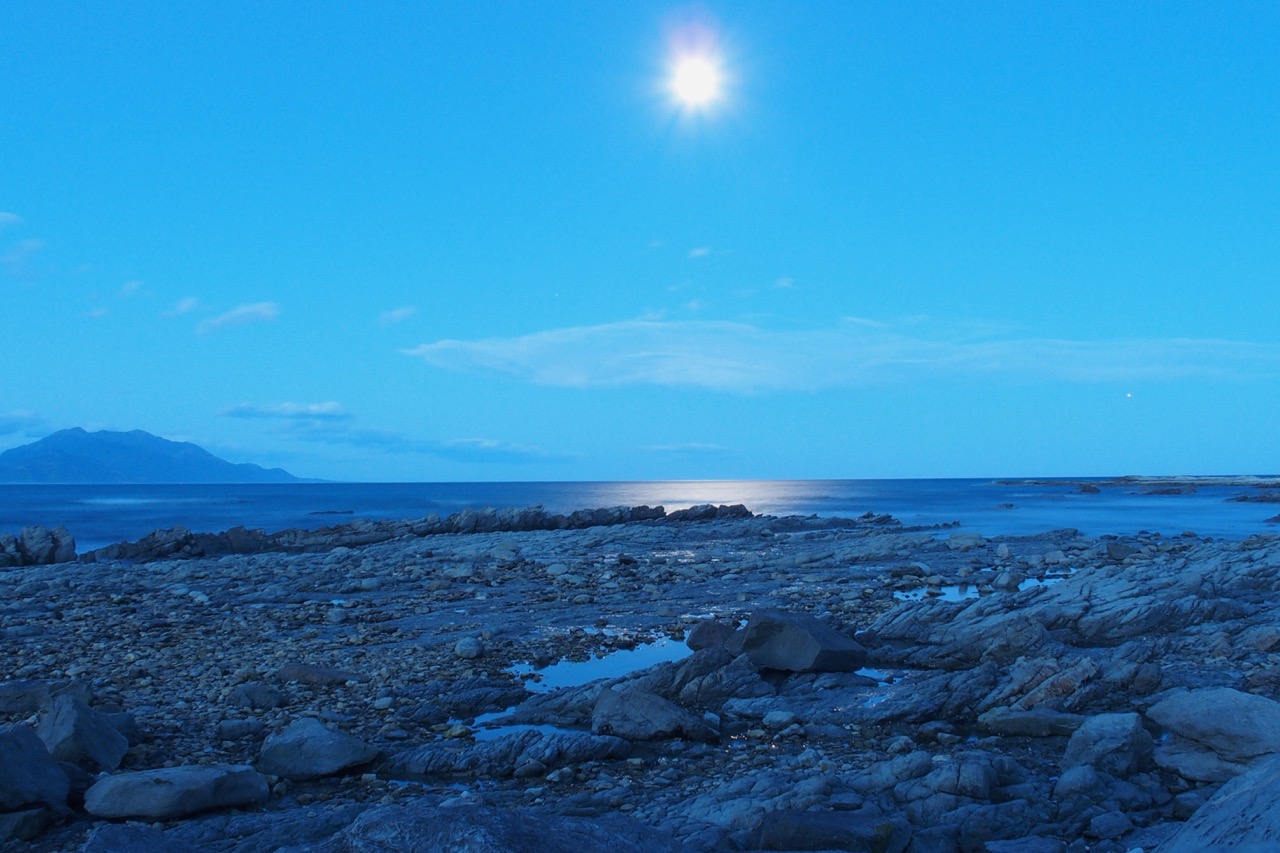
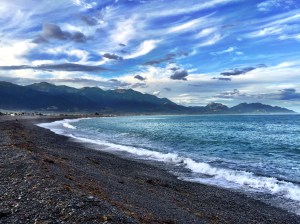
Following our path out of Christchurch to the north, our first stop was Kaikoura Bay, a popular beach town for vacationers. Our original plan was to swim with the dolphins here, but the water was still a bit chilly, probably less than 65F.  The scenery, on the other hand, was spectacular.
IMG_3644

Kaikoura Bay by day

IMG_3686

Moonrise in Kaikoura

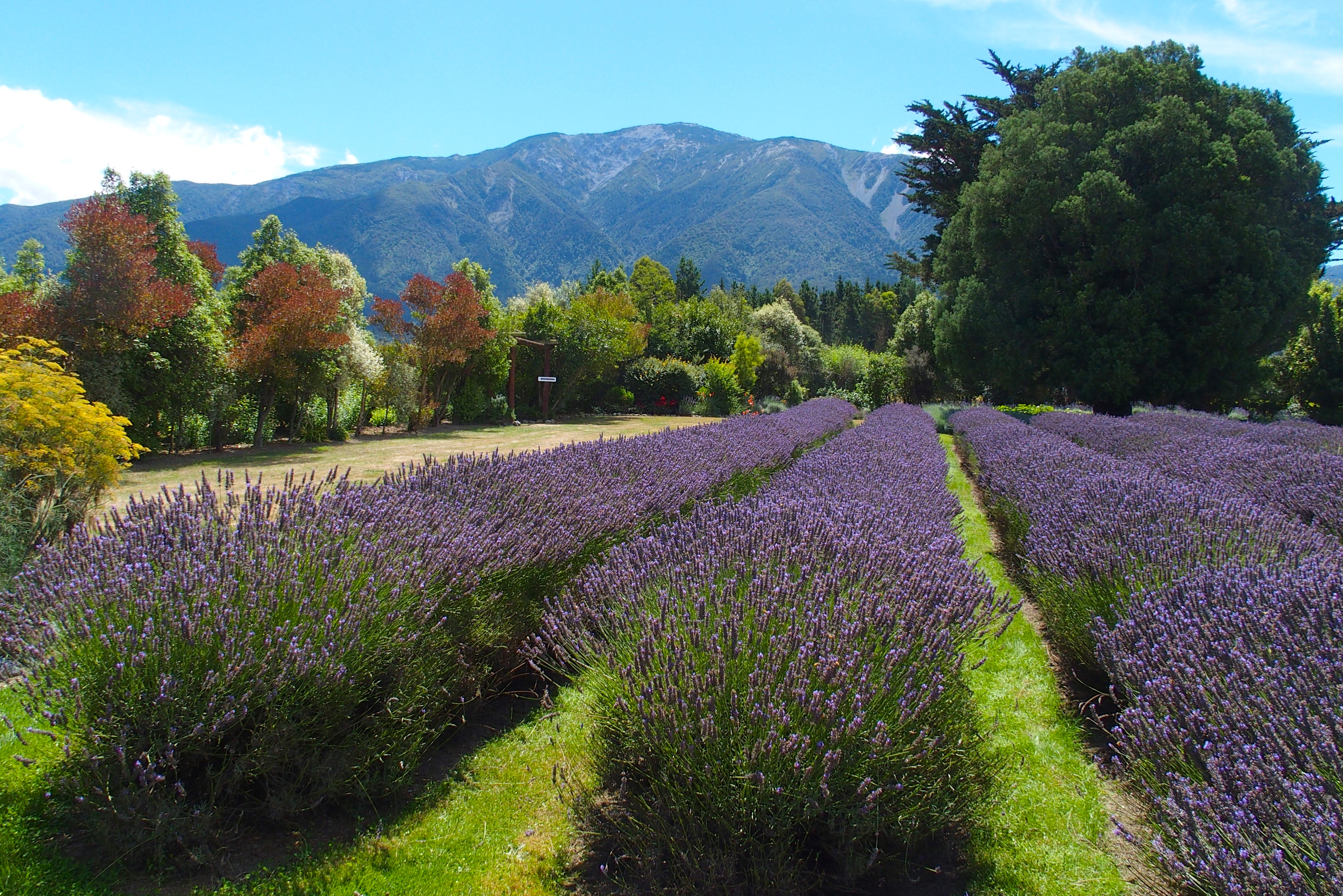
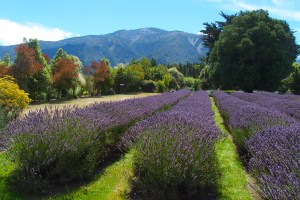
And even before we’ve reached Provence, we’ve stumbled upon lavender fields on a Kaikoura hillside.
OLYMPUS DIGITAL CAMERA

Lovely sight and scent

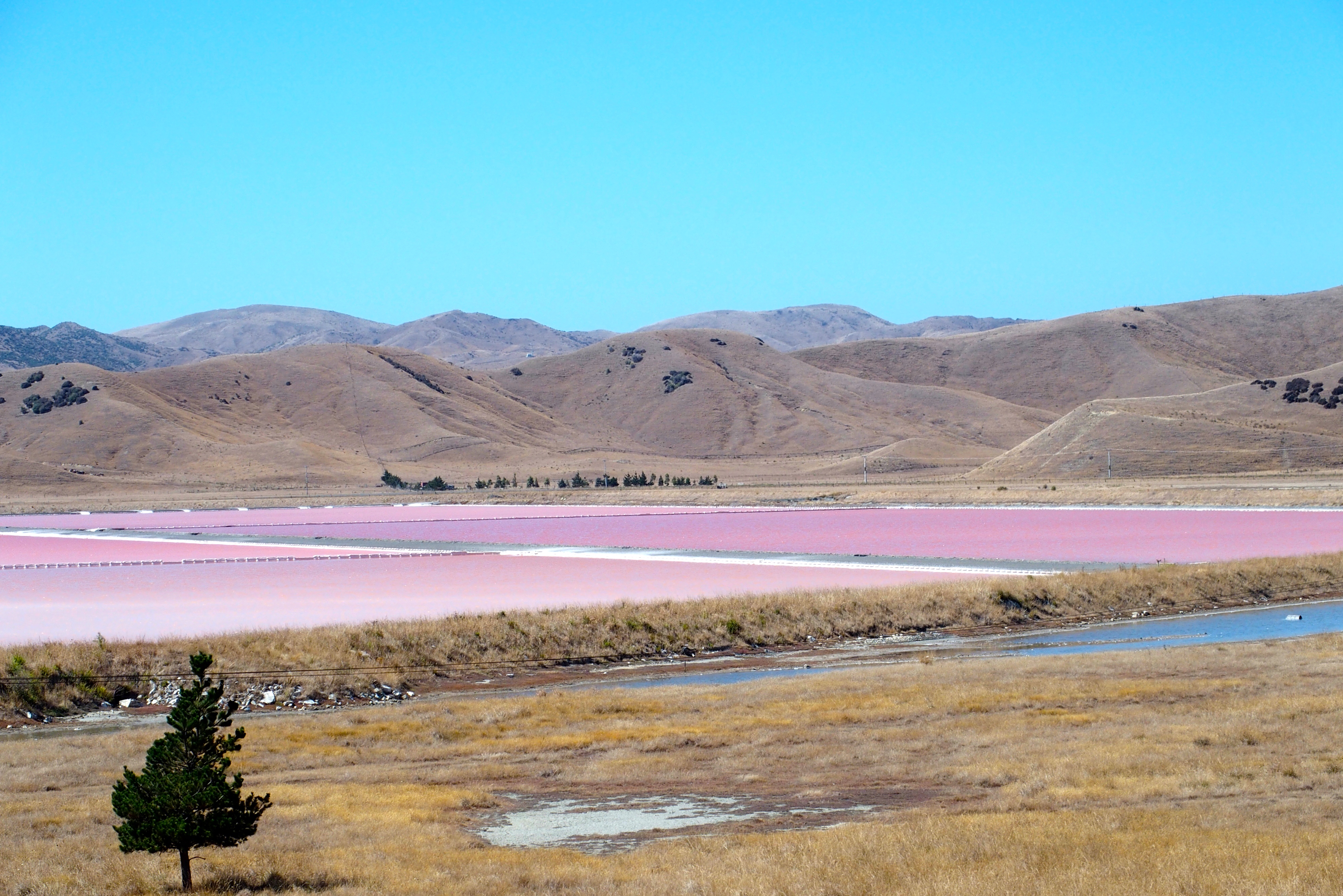
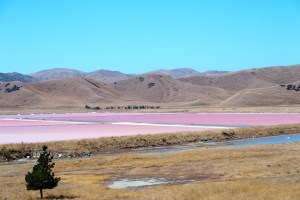
We approached the wine region of Marlborough, but first reached the salt region of Marlborough. Salt from the Pacific Ocean is pumped into Lake Grassmere where it dries in the breeze and is processed. Later in our travels we noticed premium potato chips made with “pure Marlborough salt.”
OLYMPUS DIGITAL CAMERA

The salt looks like it falls in the Pink Himalayan category. This color actually comes from microscopic green algae (that changes color) and pink shrimp. After processing, the salt is white.

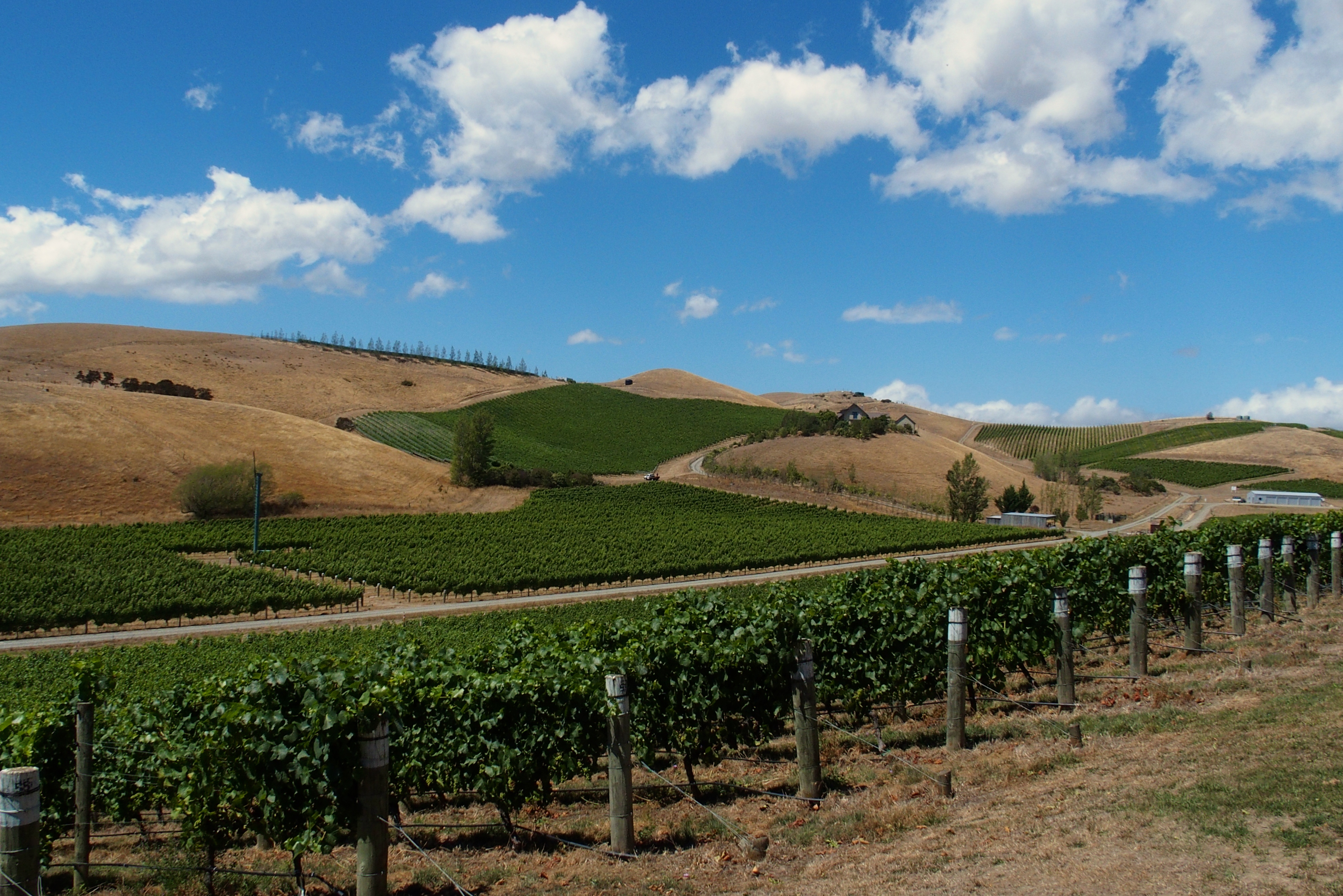
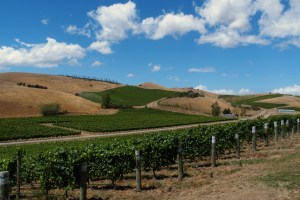
We reached wine country, with acres and acres of vineyards. In fact, the Marlborough region produces 77% of New Zealand’s wine, and most (86%) of that is sauvignon blanc.
OLYMPUS DIGITAL CAMERA

Note the brown hills next to the lush vineyards. A bit like California.

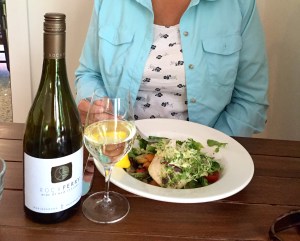
We landed at Rock Ferry for a very nice lunch, good wine, and fantastic dessert. The wines here are lovely, with sauvignon blanc a local specialty.
IMG_3688

A nice light sauvignon blanc from Rock Ferry. Note that all wines in New Zealand have shifted from cork to twist cap.

IMG_3689

This dessert was heavenly: apricot and almond with caramel sauce and blueberries, vanilla ice cream, and fresh mint. We will have to try to recreate at Keuka this summer.

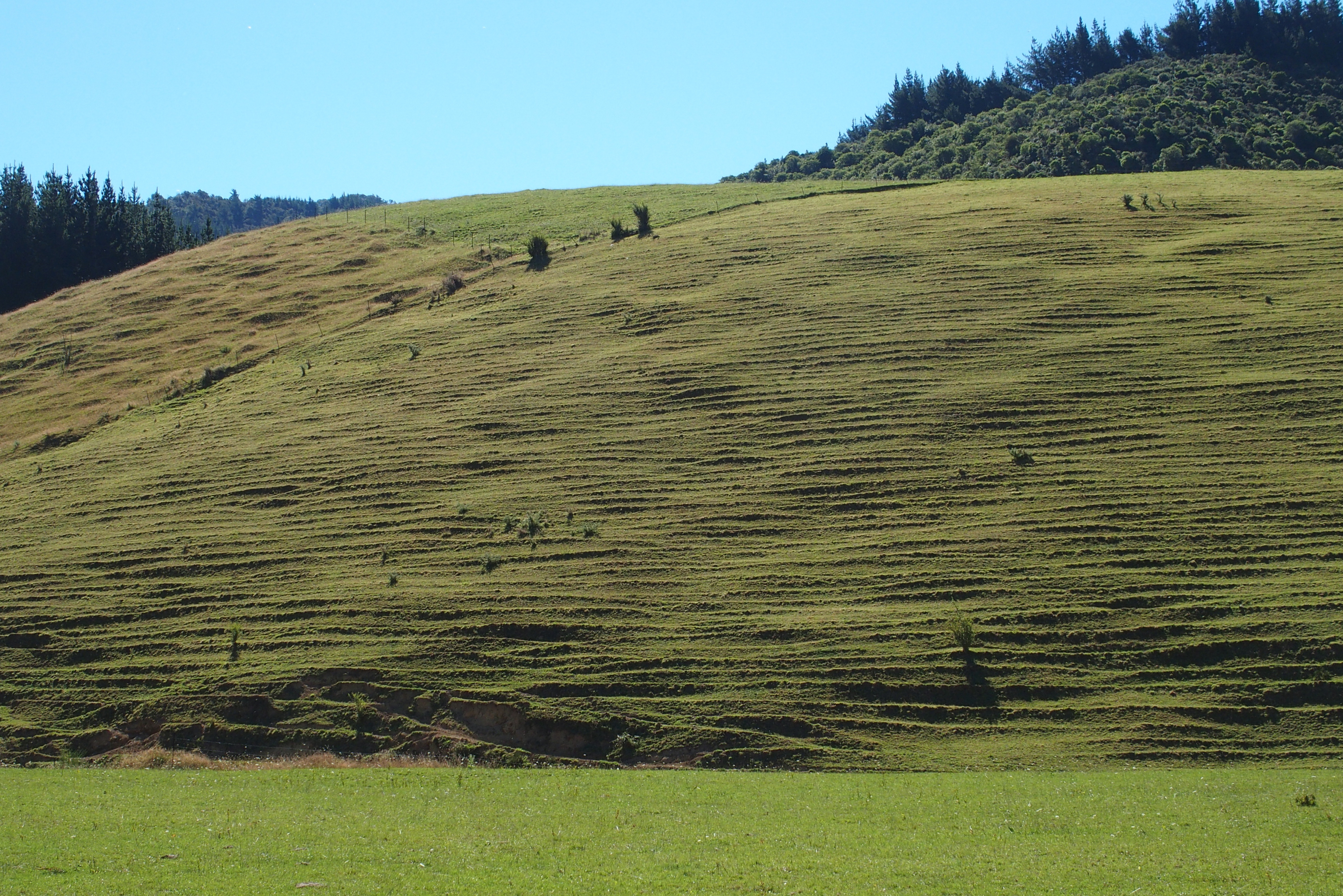
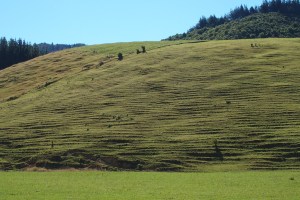
Coming back from Akaroa we looked for sheep. After all, New Zealand has 20 sheep for every person, right? We hadn’t seen many yet. Where are they all? Actually, official stats say the ratio has dropped to 7 sheep per one person in New Zealand.
OLYMPUS DIGITAL CAMERA

No sheep in sight, but all these little terraces are actually the hoofpaths from grazing sheep.

We moved northwest to Abel Tasman National Park, a great place for scenic views and hiking. Abel Tasman was a Dutch explorer who first saw New Zealand in 1642 and thought it was part of South America. His geography was a bit off.
OLYMPUS DIGITAL CAMERA

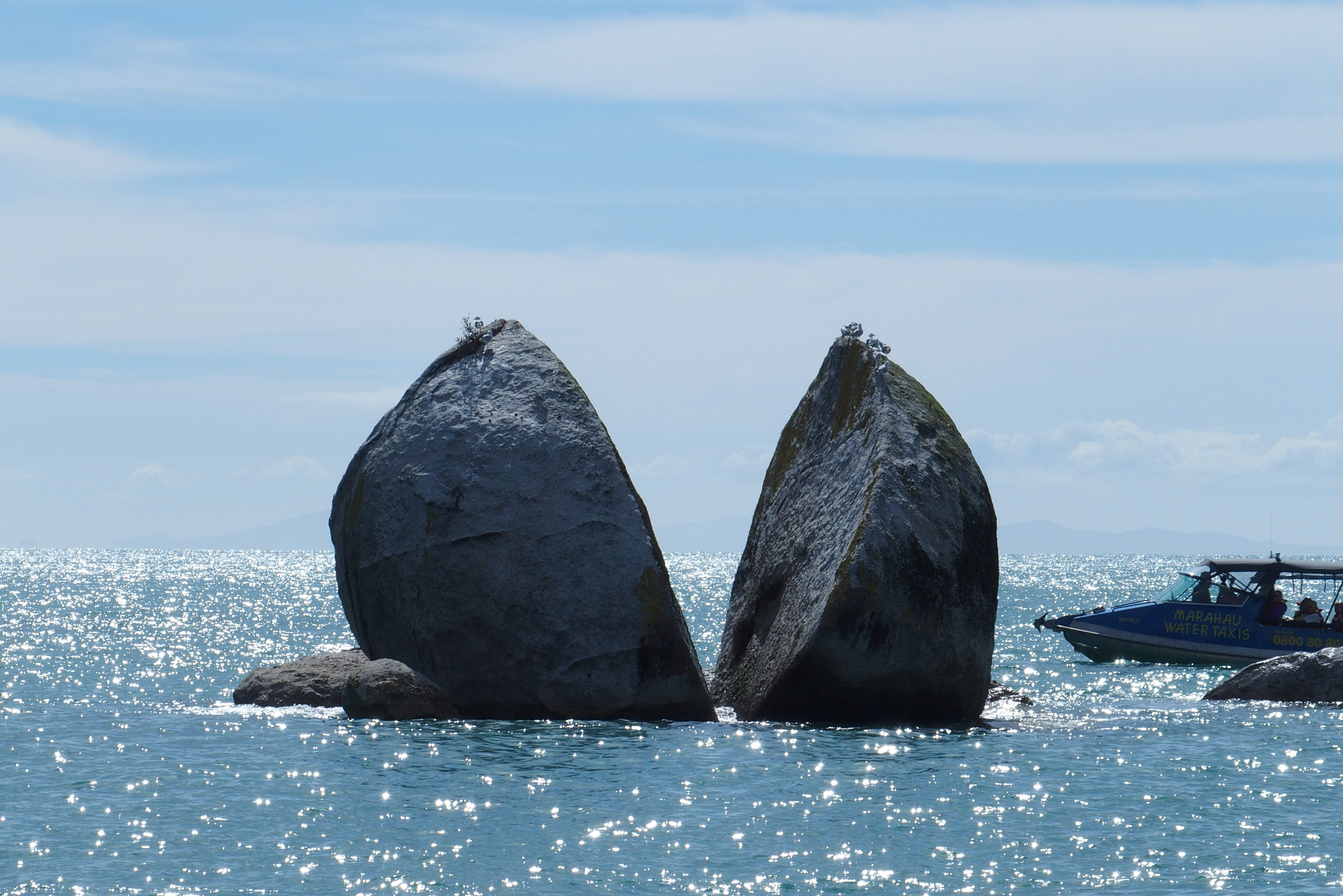
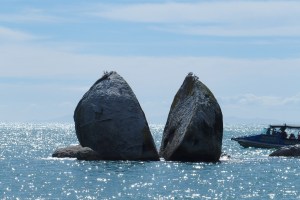
One notable spot along the ferry ride is Split Apple Rock, a giant granite boulder that has broken in half.

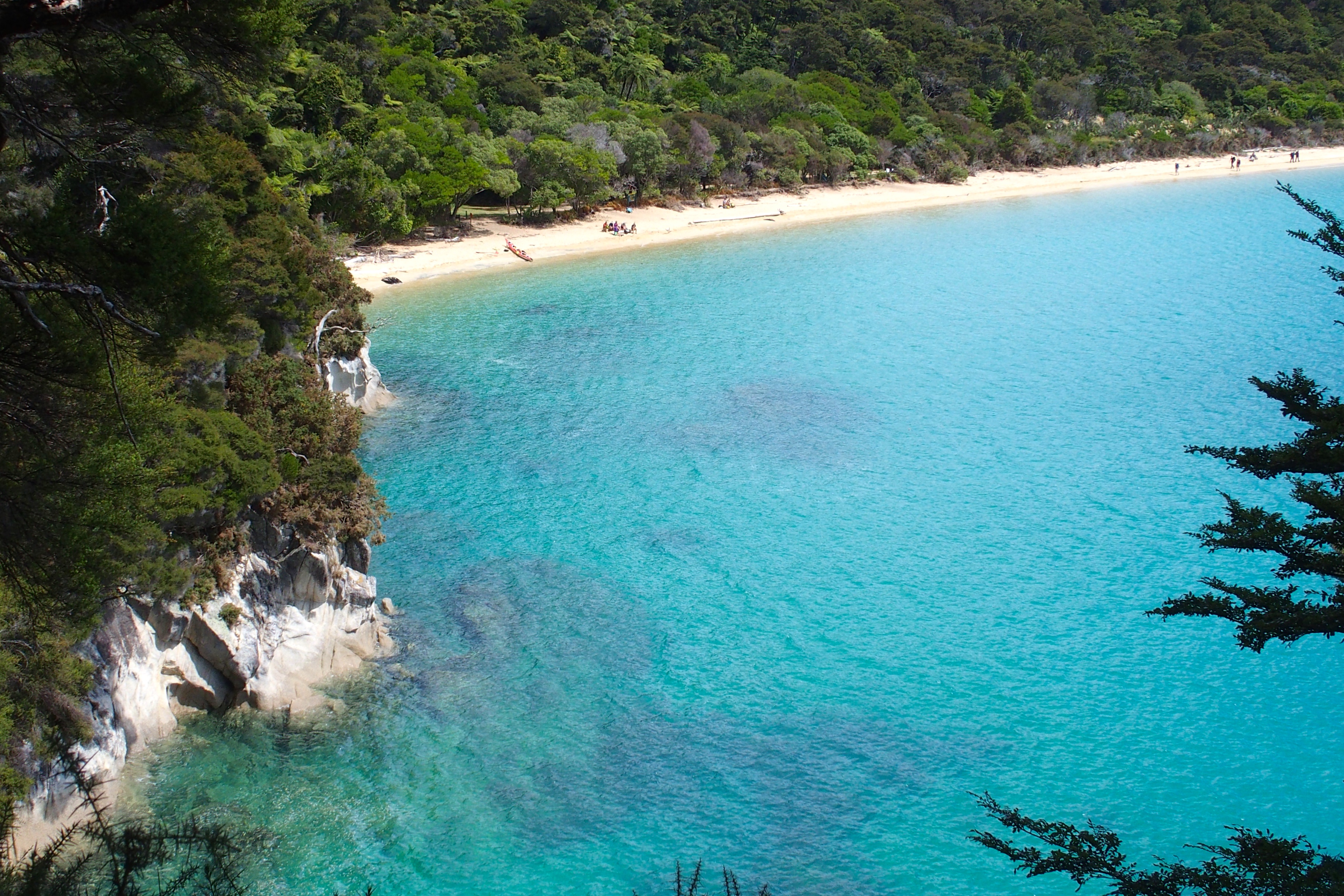
Ferry service for the park is great. You can board a ferry at the park entrance in Kaiteriteri and do a round-trip north to the tip of the park at Totaranui in 3.5 hours. Most people get off at one of the stops along the way and do a short or long hike on the 22-mile path along the coastline. After swimming and taking photos, you hop back on the ferry at the next stop.
OLYMPUS DIGITAL CAMERA

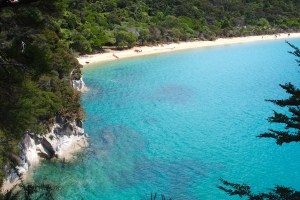
Beaches and views in Abel Tasman are spectacular. This is near Tonga Quarry.

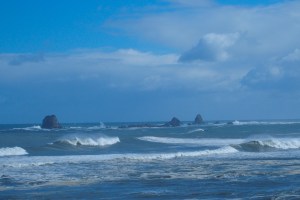
All along the west coast are views  of the rugged shore. Cape Foulwind is suitably named.
OLYMPUS DIGITAL CAMERA

We were here on a bright sunny day, not foul at all, but still with rough seas. It’s easy to imagine the wind picking up and creating a tempest here.

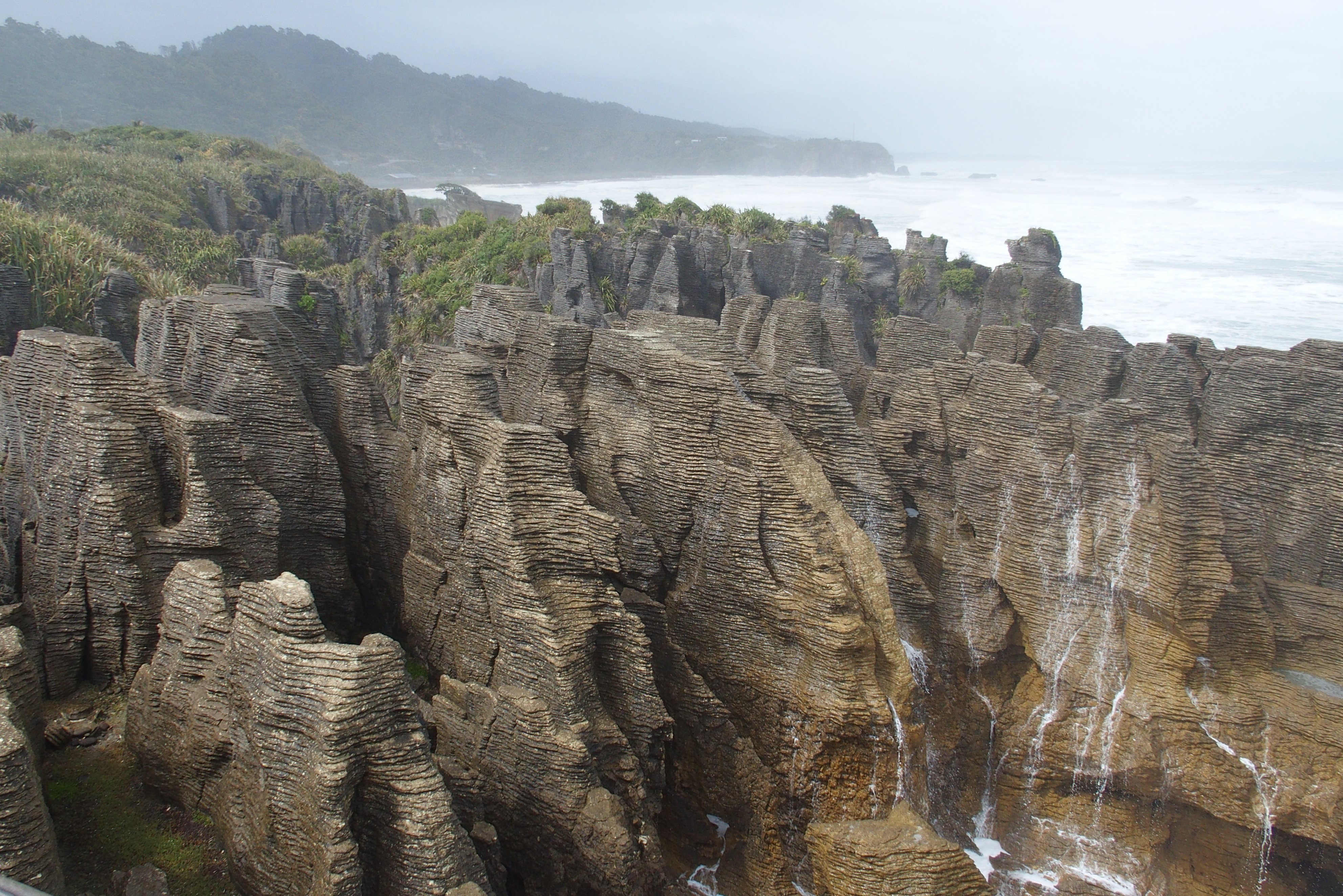
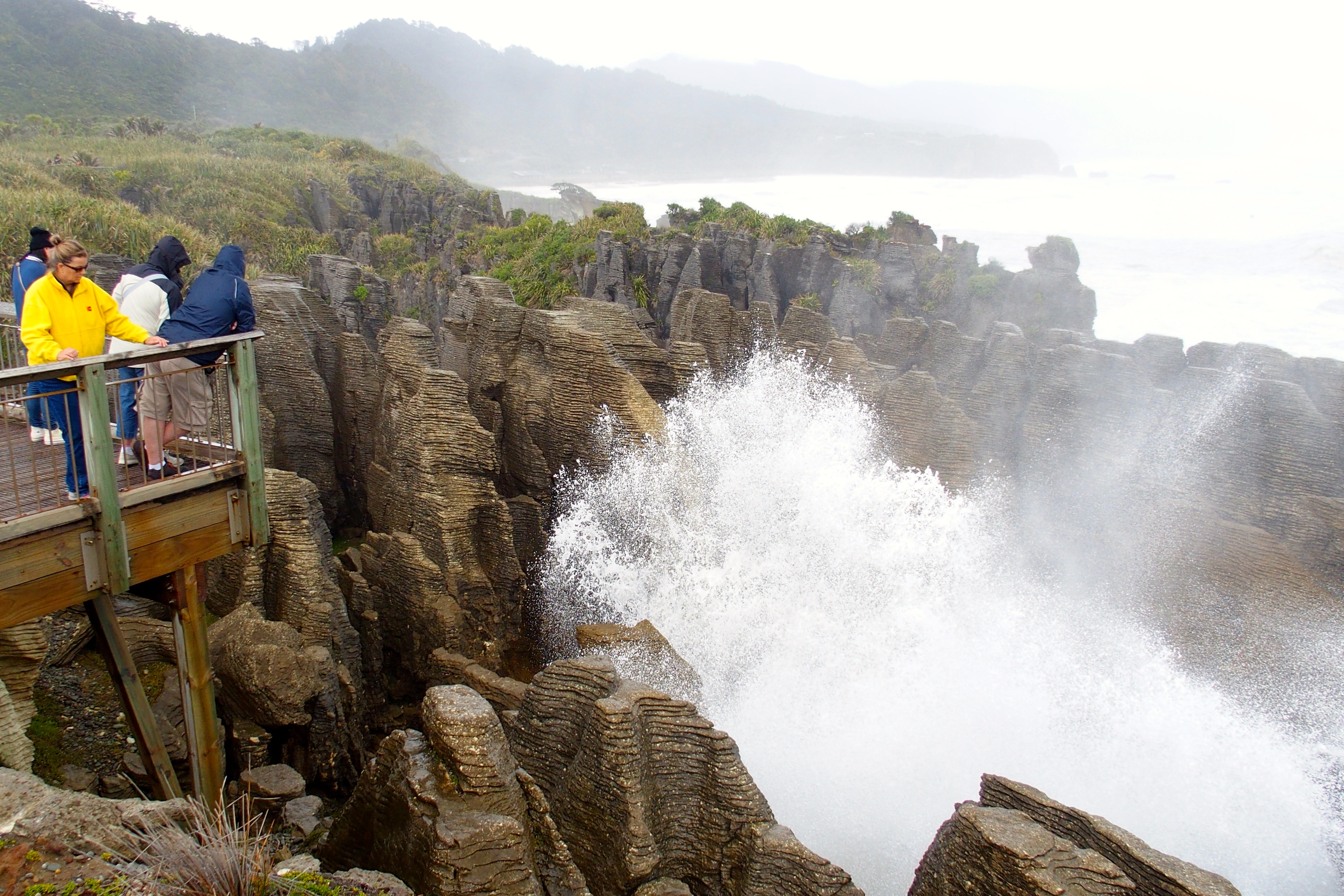
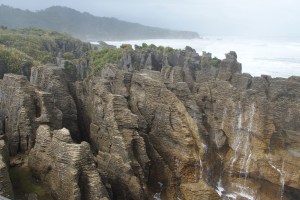
We stopped for  pancakes in Paparoa National Park. More accurately, we visited the multi-layered pancake rocks of Punakaiki. These rocks are over 30 million years old and made of layers of limestone and mud. Waves, rain, and wind have etched away the softer material to leave these layers.
OLYMPUS DIGITAL CAMERA

Pancake rocks, with surges of the sea providing a white foam syrup drizzling down.
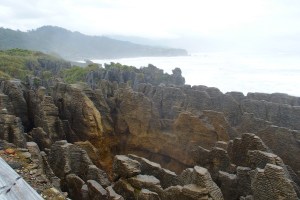
OLYMPUS DIGITAL CAMERA

Inside the rocky shore are blowholes where the sea rushes in. The waves have gone out…

OLYMPUS DIGITAL CAMERA

and now the waves have come in. Some of these sprays reached 50 feet in the air.

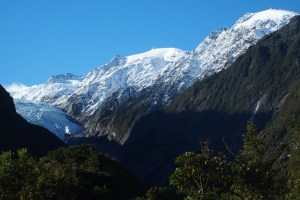
Midway down the west coast is Westland Tai Poutini National Park and Franz Josef Glacier. Just as we found in Glacier National Park in the US, the glaciers in New Zealand appear to be shrinking with global warming, this one dramatically. It was once possible to hike up to the bottom of Franz Josef (named after the emperor of Austria) and climb on the glacier. Now the glacier has receded and the lower sections are not considered safe. You can, however, take a helicopter ride to a spot higher on the glacier and walk around.
OLYMPUS DIGITAL CAMERA

Franz Josef, more romantically known in Maori as Ka Roimata o Hinehukatere (the tears of Hinehukatere). Her frozen tears are for her lover who was swept to his depth by an avalanche.
OLYMPUS DIGITAL CAMERA

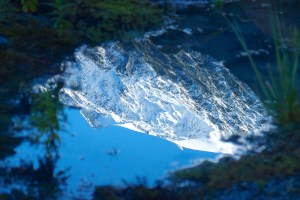
This is actually a reflection of the glacier in a small pool.
OLYMPUS DIGITAL CAMERA

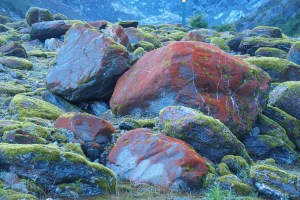
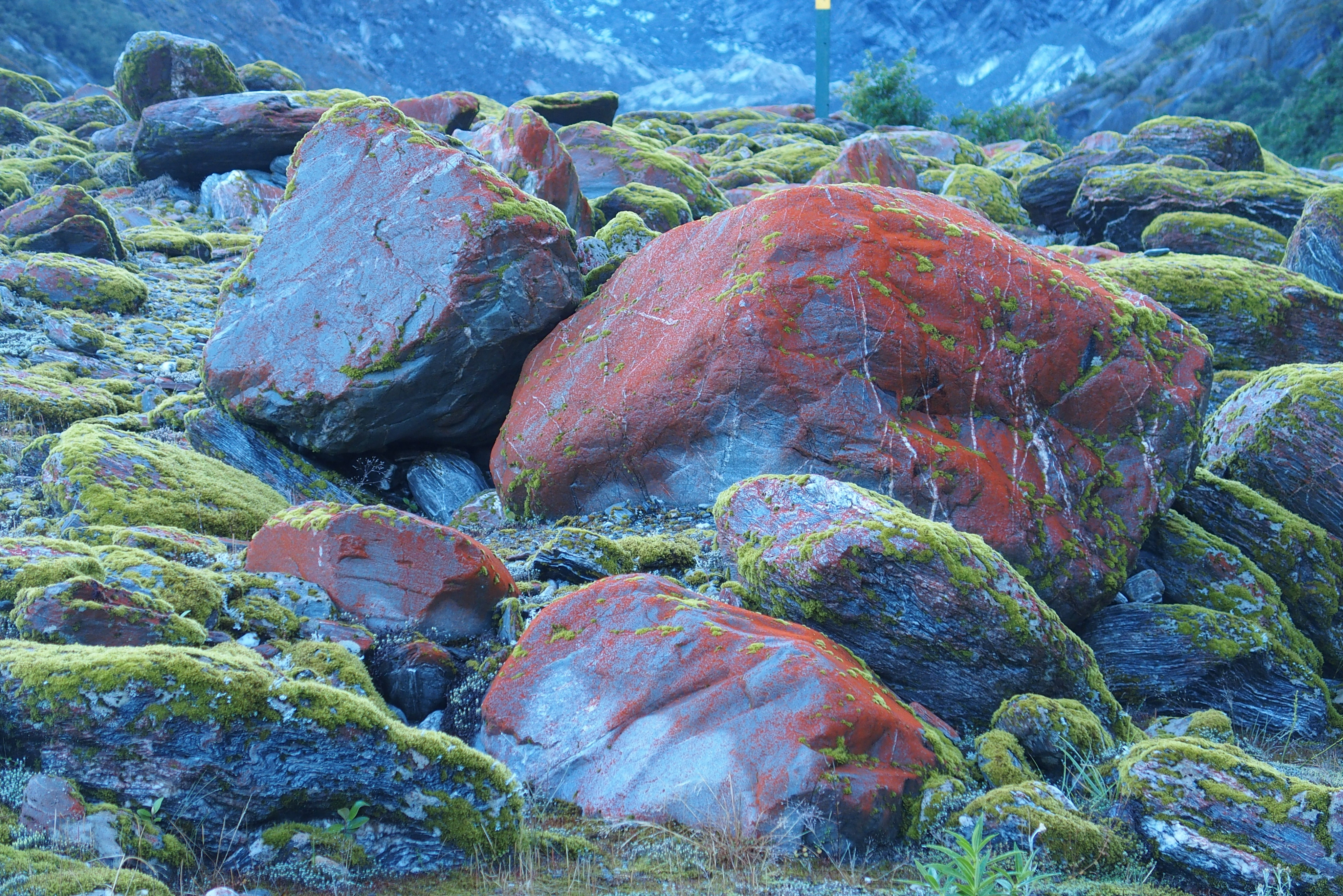
Nature created this colorful graffiti on the rocks along the trail.

Slightly south, Fox Glacier, named after a long-ago New Zealand prime minister, is the prettiest glacier we’ve seen on our travels. It is fairly accessible and ends at just about 1,000 feet above sea level in a rain forest region.

OLYMPUS DIGITAL CAMERA

Pretty, but deadly. In 2009 two tourists got too close to Fox Glacier and were killed by an icefall.

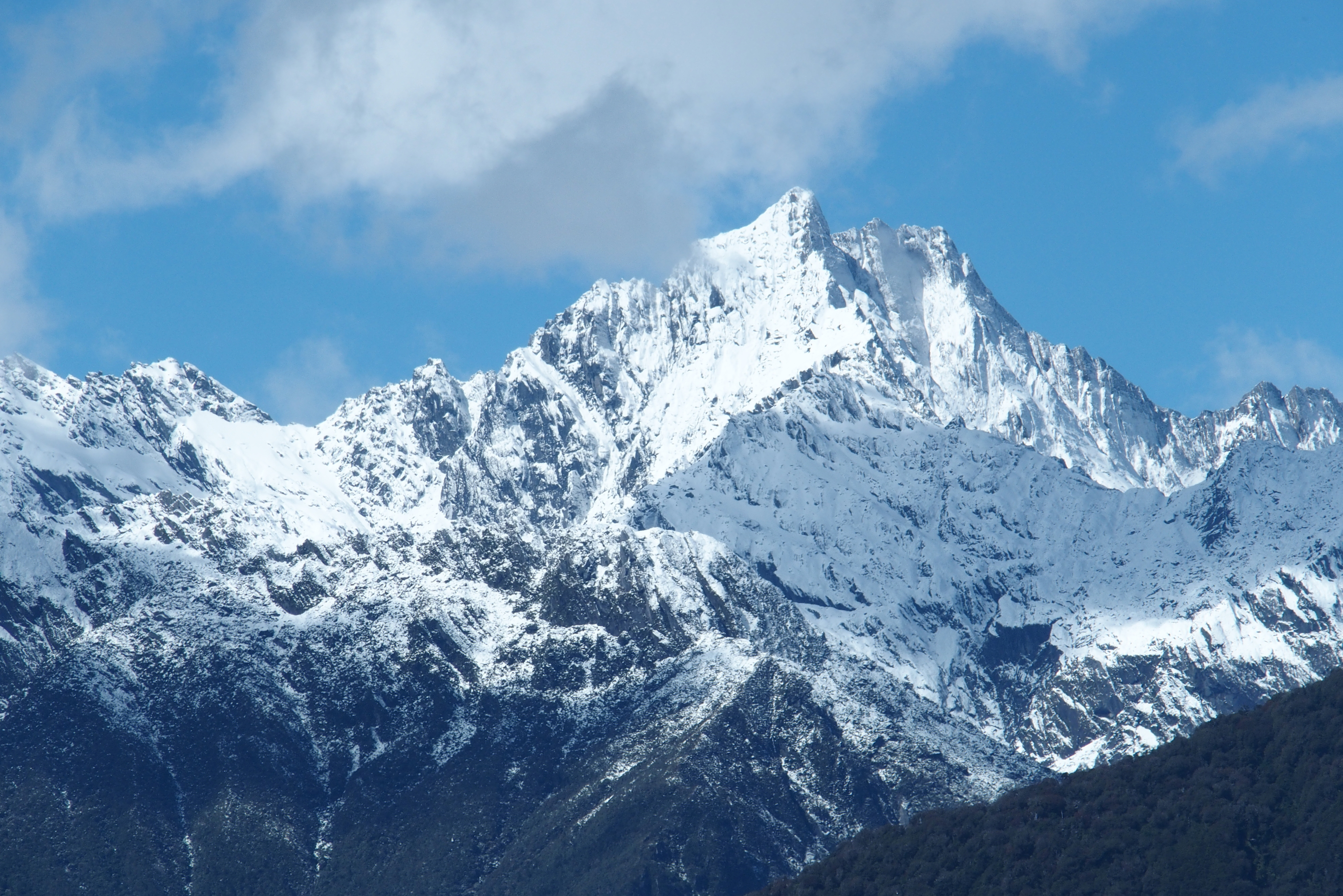
Mount Cook is over 12,000 feet tall, behind Fox Glacier. It appears somewhat taller because its base is just above sea level. As you look up at its peak, you see about 11,000 feet of rise. (Compare this to a fourteener near Denver. If you are in Denver, which is a mile (5,280 feet) high, and you look up to a 14,000-foot peak, it is less than 9,000 feet above you. Sir Edmond Hilary used Mount Cook to practice before he went on to conquer Everest.

OLYMPUS DIGITAL CAMERA

Looking west at Mount Cook in the clouds. Glacier melt has formed a river.

OLYMPUS DIGITAL CAMERA

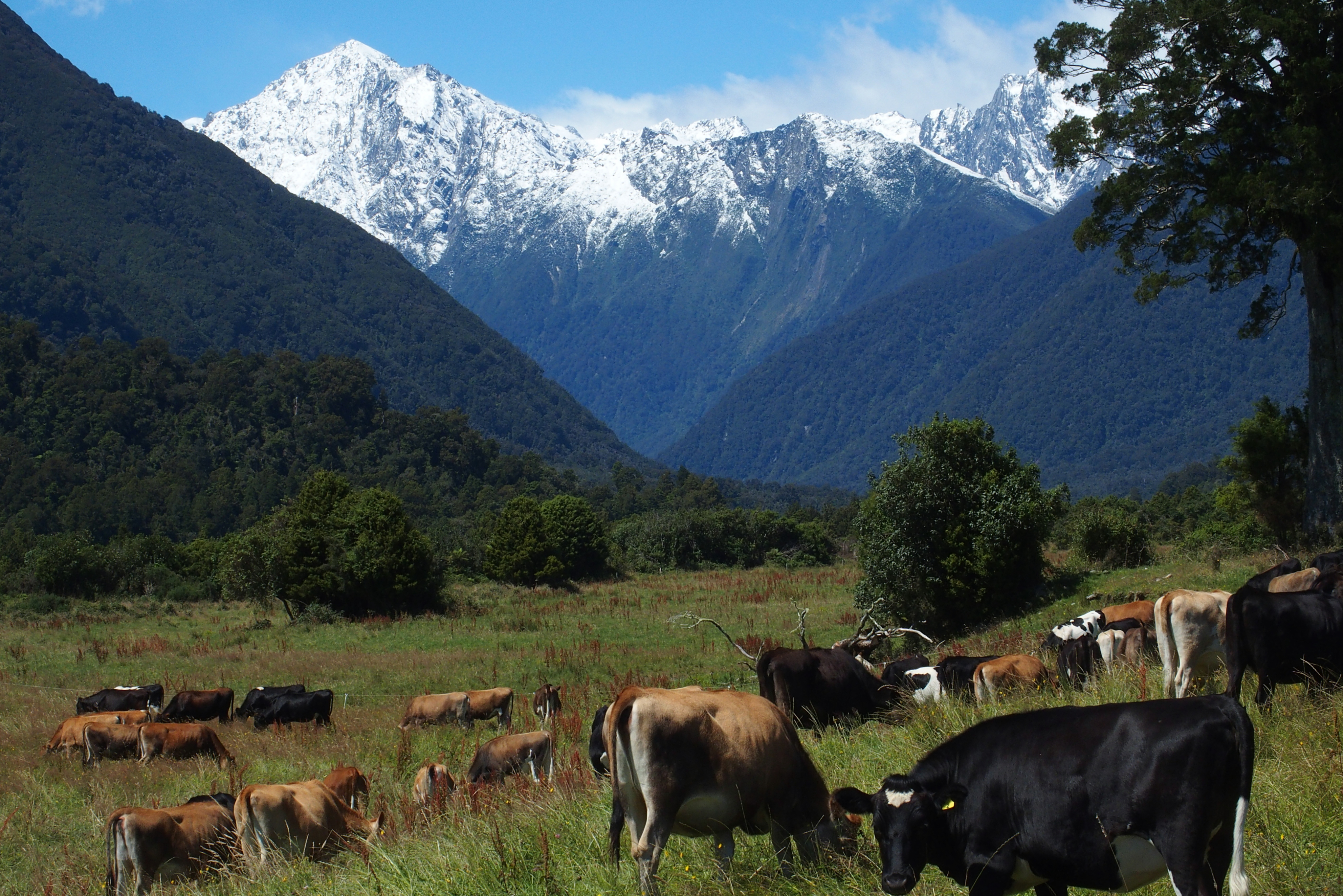
These cows don’t seem to appreciate the view.
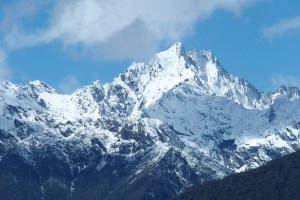
OLYMPUS DIGITAL CAMERA

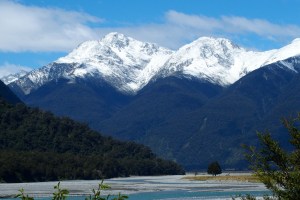
Another peak along the Southern Alps

OLYMPUS DIGITAL CAMERA

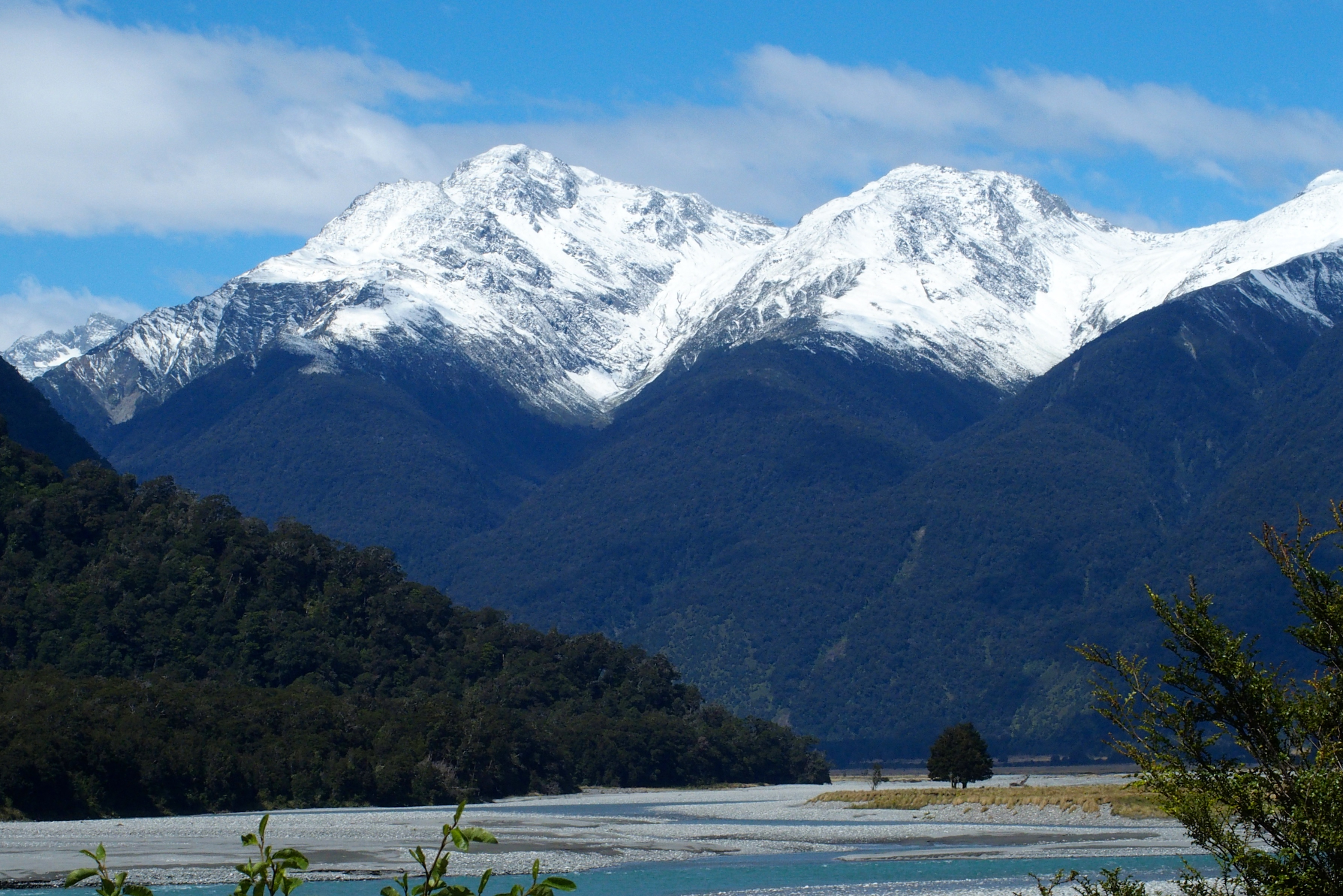
And more, the Haast River. It was just hard to stop taking photos.
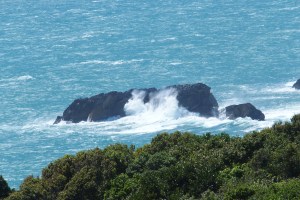
OLYMPUS DIGITAL CAMERA

Meanwhile, looking west on our travels near these mountains we still had gorgeous ocean views.

OLYMPUS DIGITAL CAMERA

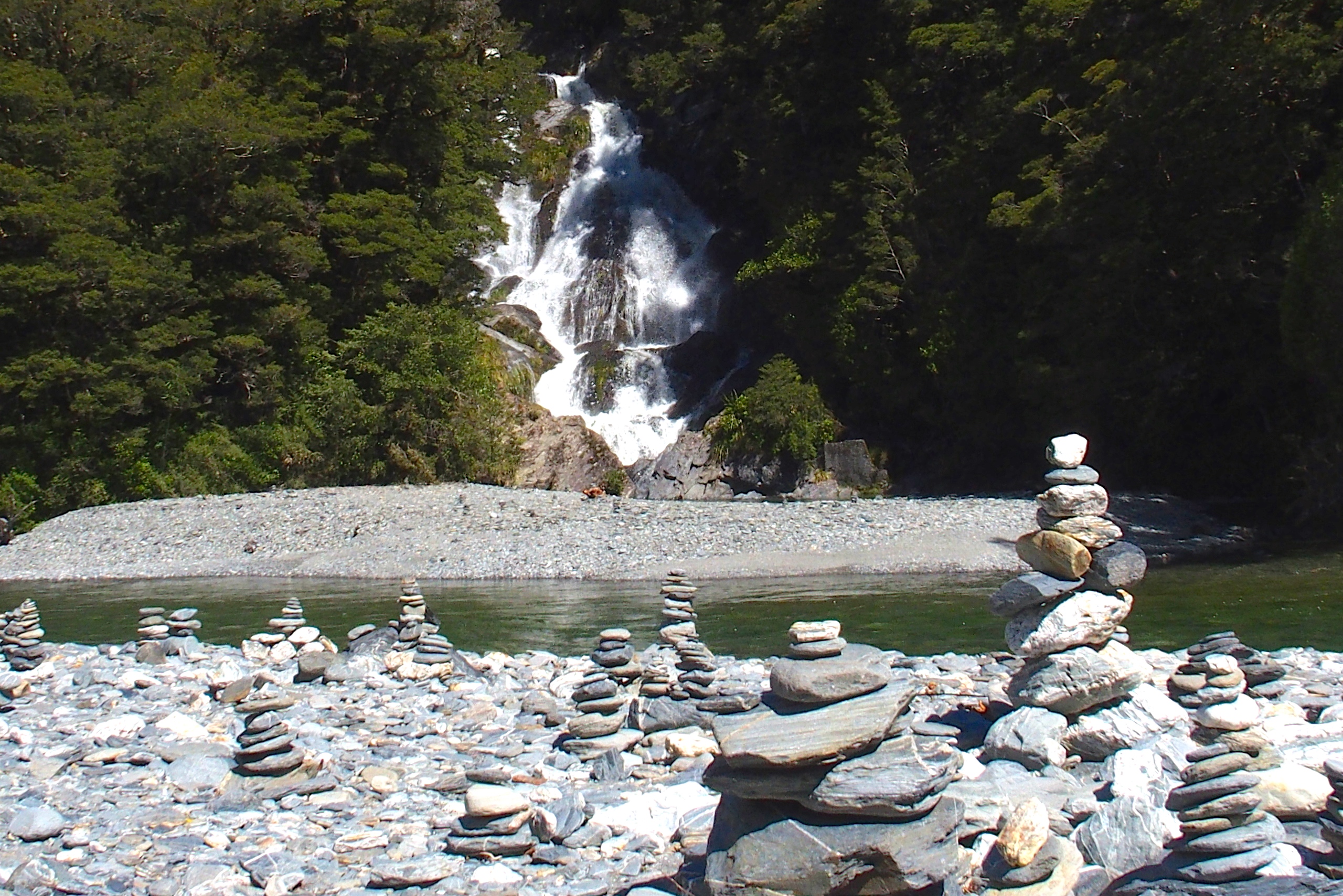
At Fantail Waterfall, visitors have made hundreds of small rock piles or cairns.
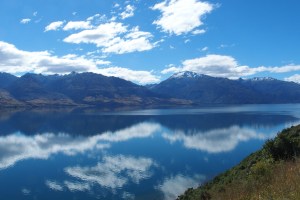
OLYMPUS DIGITAL CAMERA

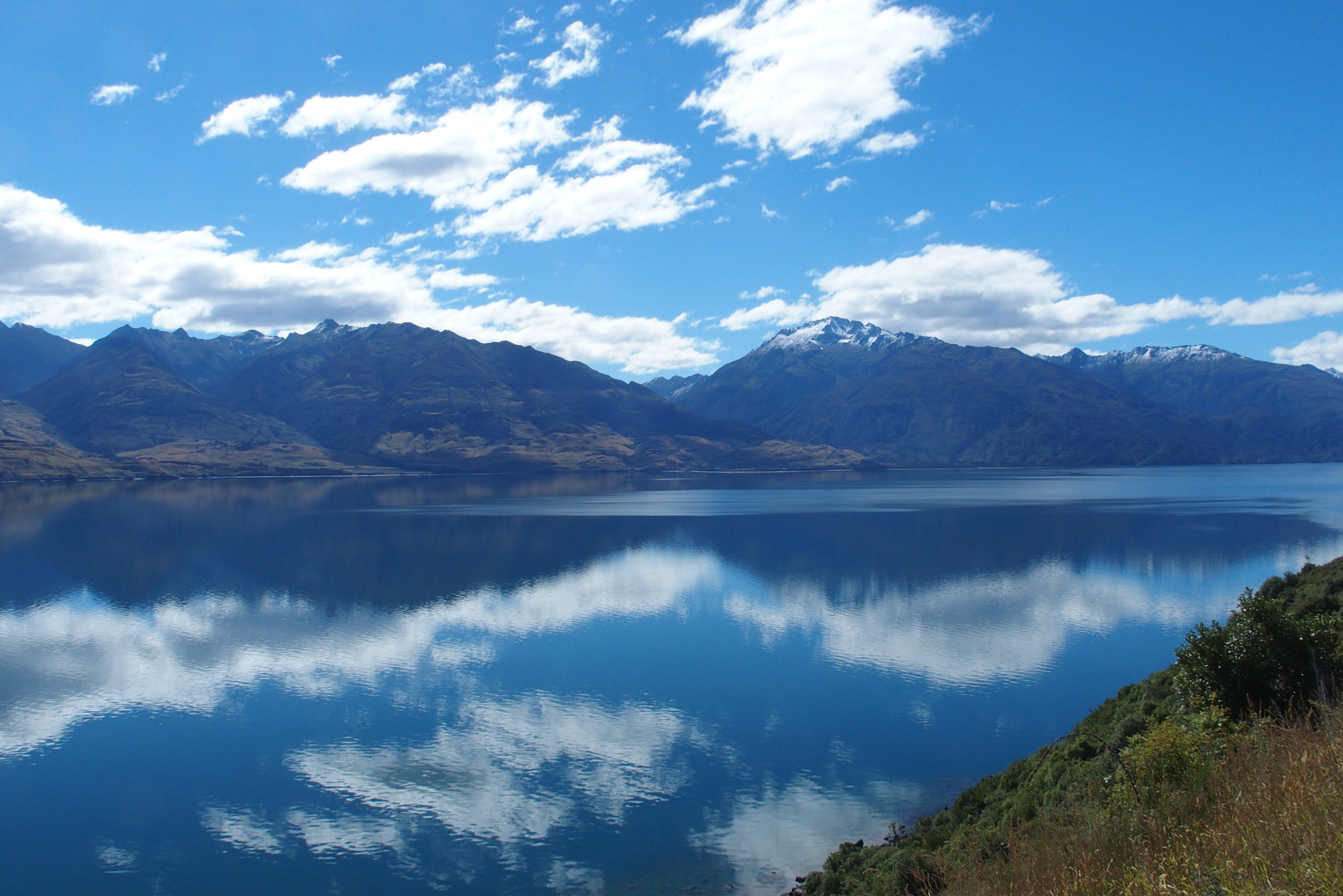
A southern view of the Alps from peaceful Lake Wanaka.

We spent several days in Queenstown on Lake Wakatipu near the Remarkables mountain range.

OLYMPUS DIGITAL CAMERA

The Remarkables behind Lake Wakatipu.
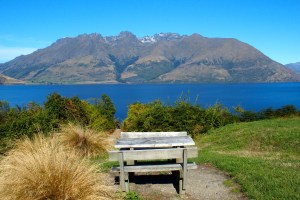
OLYMPUS DIGITAL CAMERA

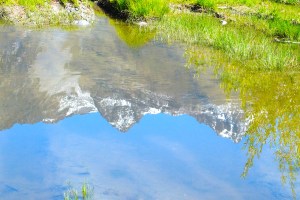
Even more remarkable, we had just had some rain at sea level, putting summer snow on these peaks.
OLYMPUS DIGITAL CAMERA

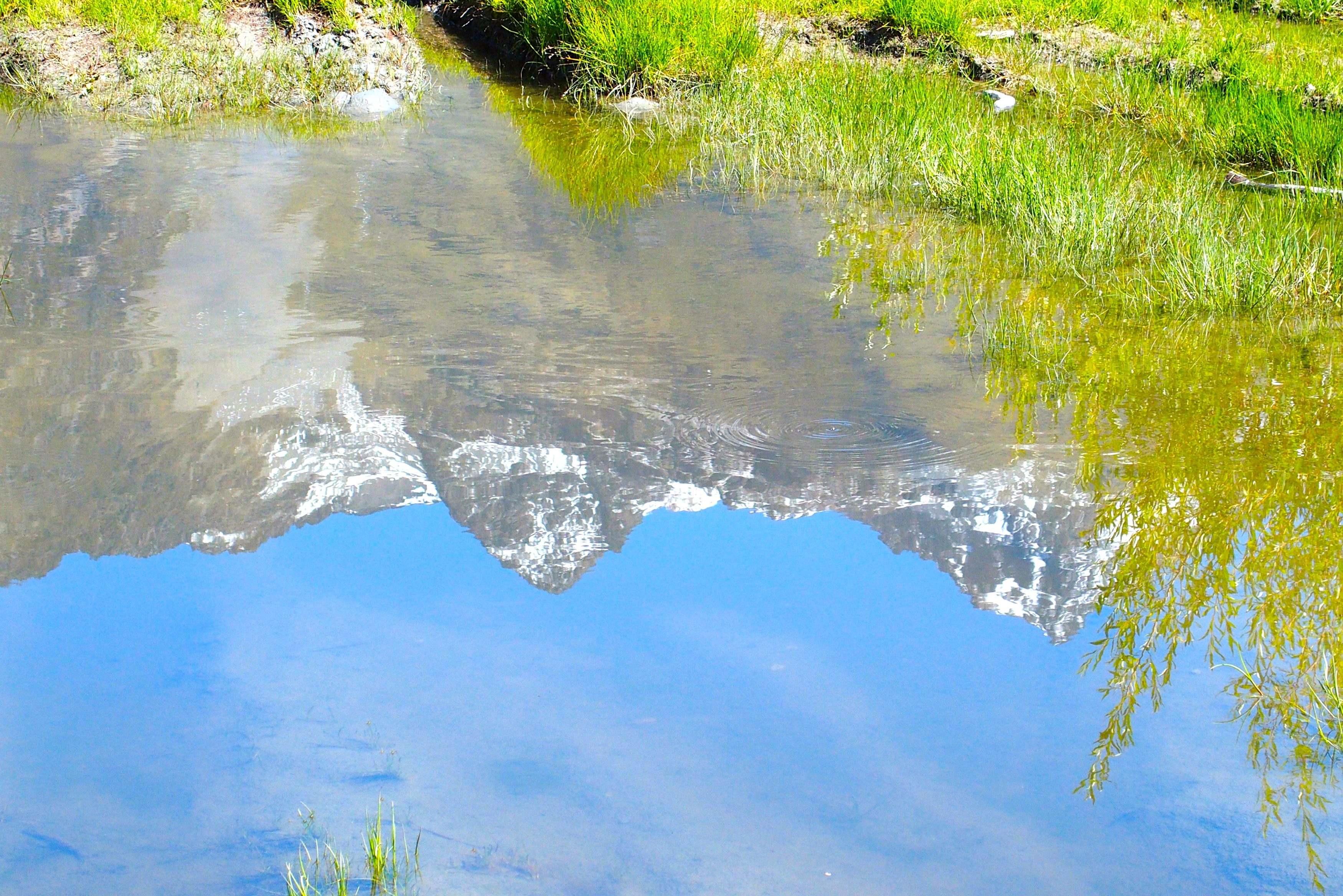
Another remarkable reflection.

One of the remarkable non-natural things we saw in Queenstown was the mass frenzy to buy a Fergburger. During the Waitangi Day holiday weekend, hundreds of people waited in line, while all these views were just outside the town.

OLYMPUS DIGITAL CAMERA

More of Lake Wakatipu on the way to the small village of Glenorchy.

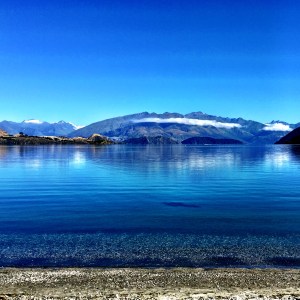
Heading northwest again, we returned to Wanaka Lake.
IMG_3831

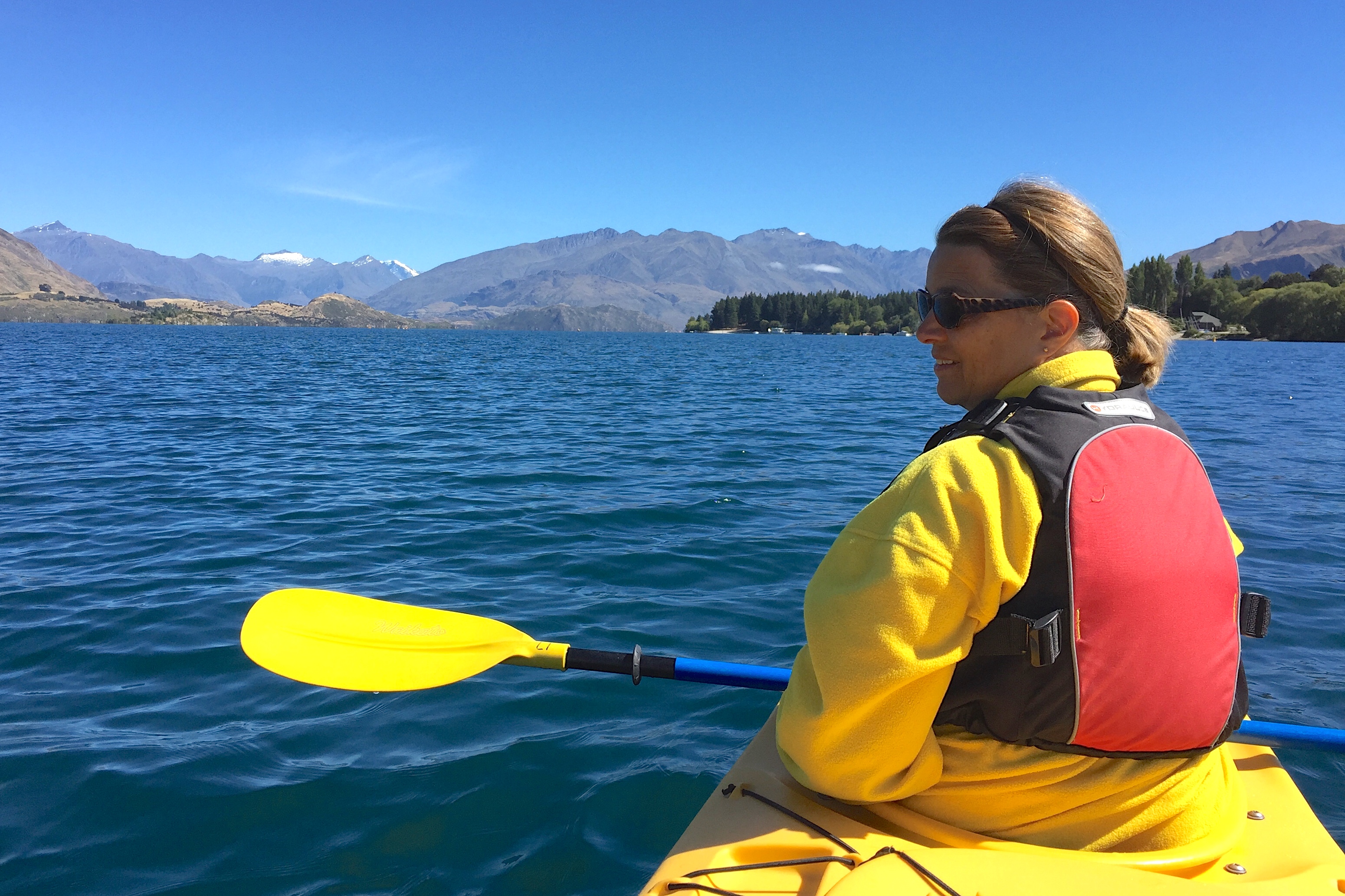
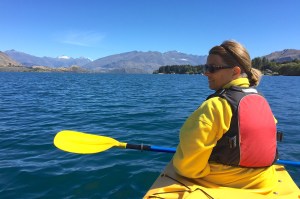
Wanaka was a great place for a kayak ride, a little more than a mile to Ruby Island (top left) for a picnic, with great views along the way.
IMG_3857

It was warmer than it looks here. Michael actually took a short (and unplanned) swim when we came back to shore.

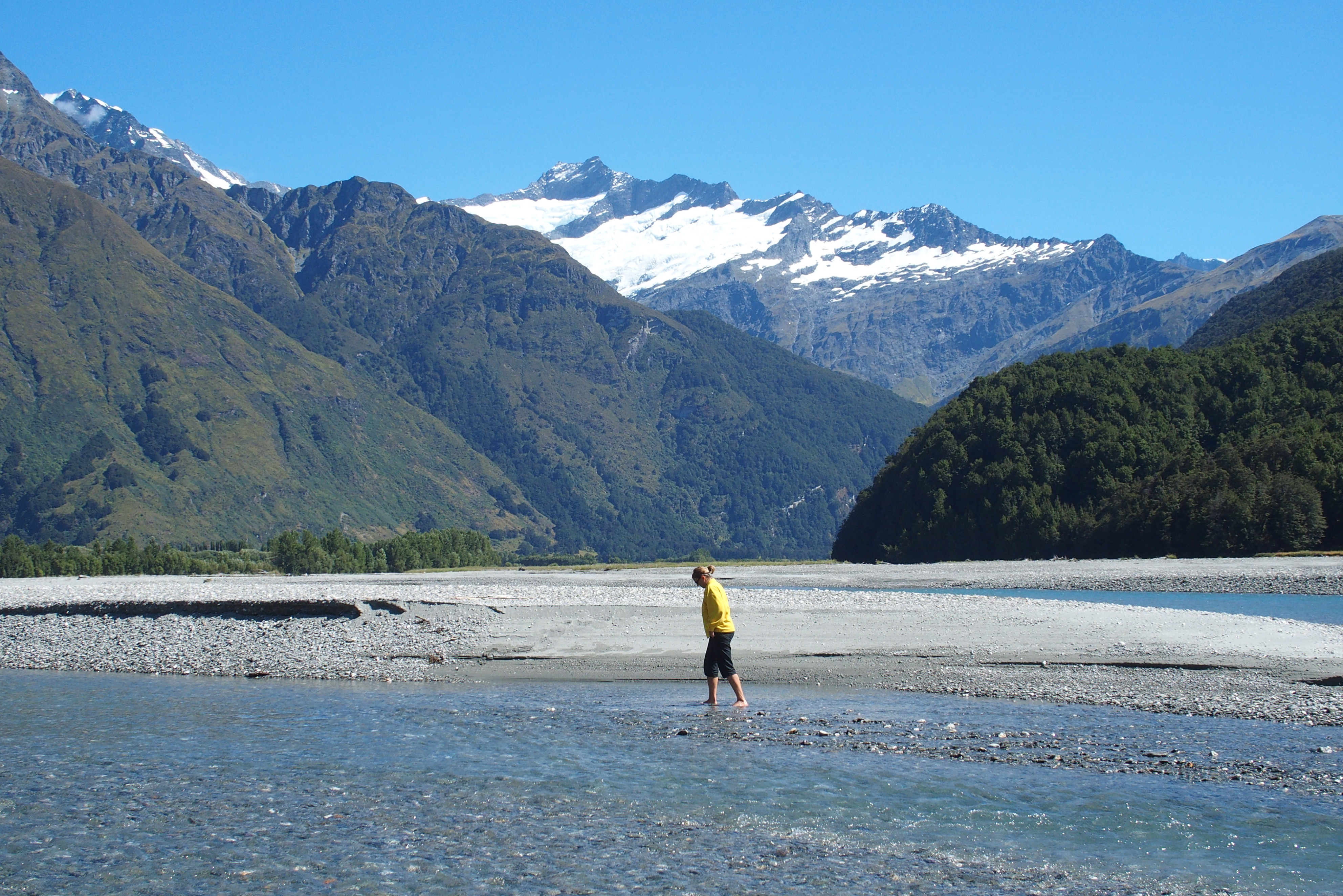
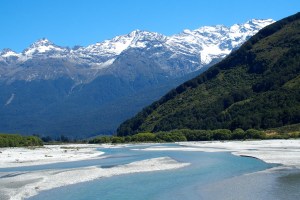
Wanaka Lake is just east of Mount Aspiring National Park. We drove into the park paralleling a river, expecting to see the mountain with every turn we made.
OLYMPUS DIGITAL CAMERA

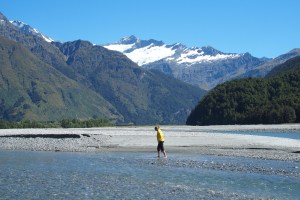
Matukituki River, wide and shallow.

OLYMPUS DIGITAL CAMERA

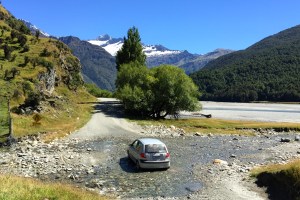
Fording the river is fairly easy at this time of year.
IMG_3903

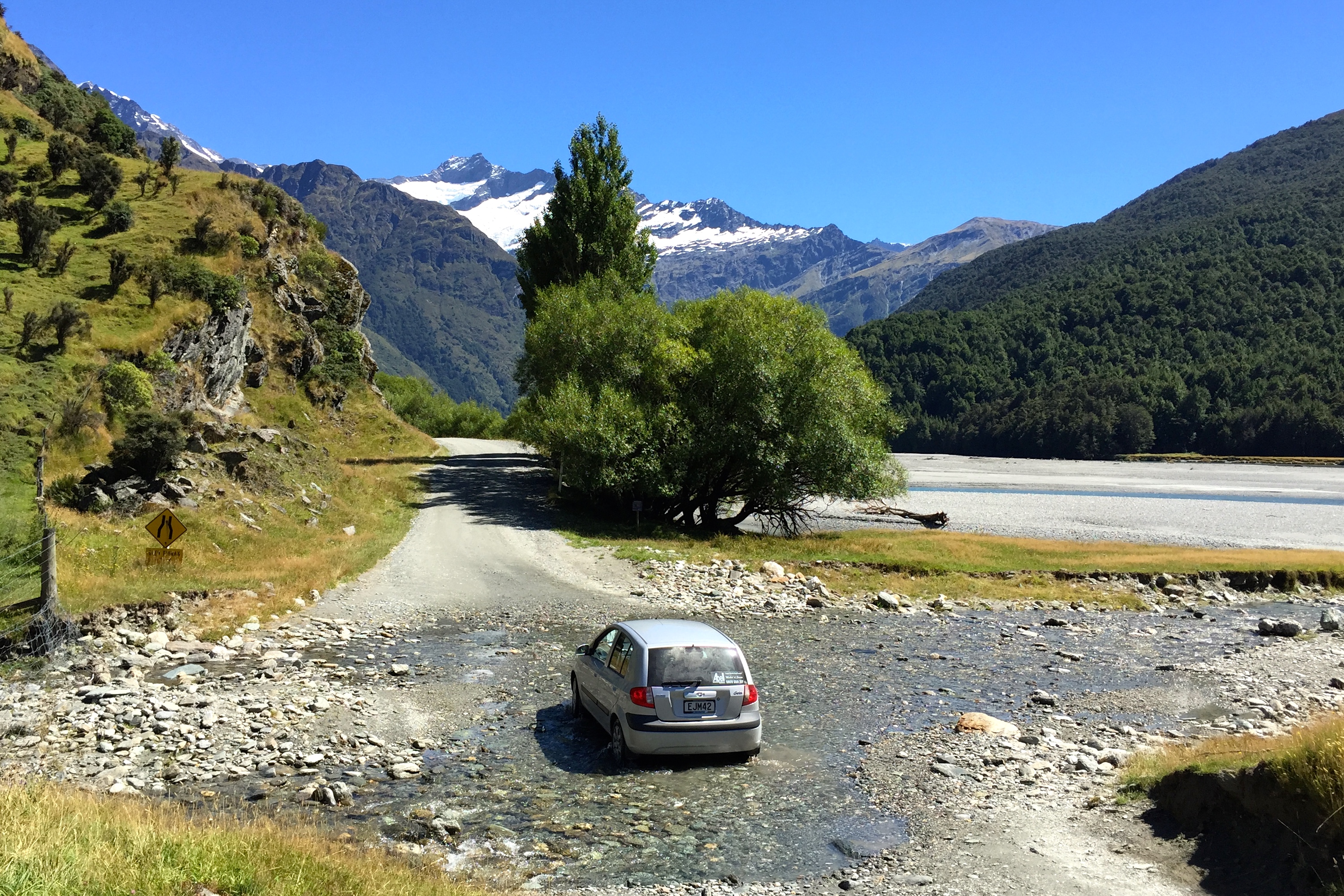
We actually had to ford nine small streams feeding Matukituki River as we made our way into the park. No problem for our trusty little Hyundai.
OLYMPUS DIGITAL CAMERA

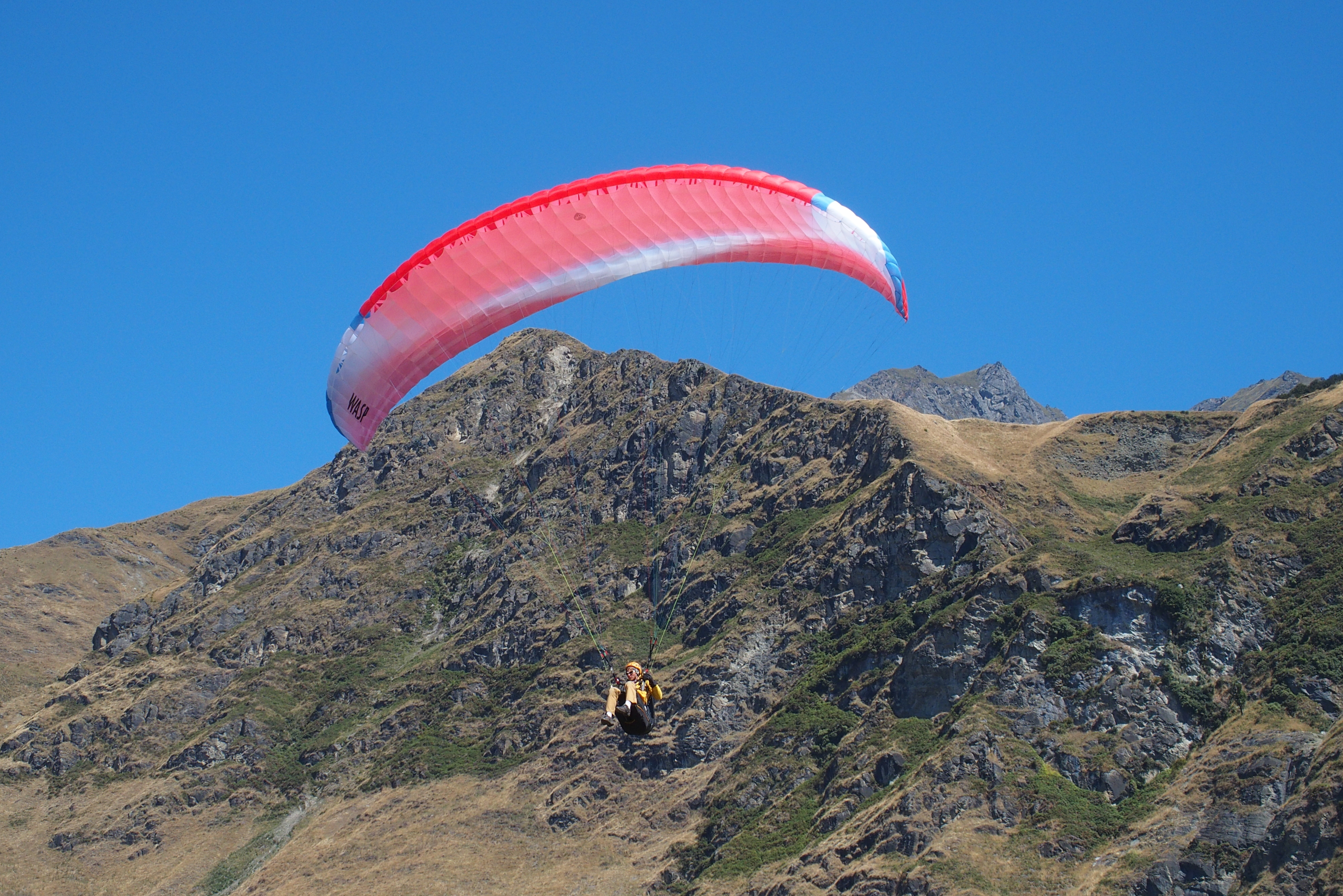
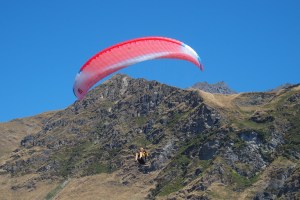
A dozen paragliders found the cliffs along the road from Mt. Aspiring quite INspiring.

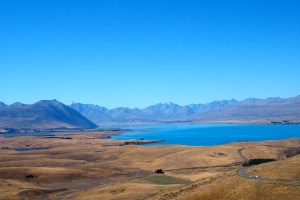
On the east side of the Southern Alps, we found a couple lakes with the most amazing turquoise color. Like the glacier-fed water in Banff, these had small particles suspended in the water that caused refraction to this beautiful color.

OLYMPUS DIGITAL CAMERA

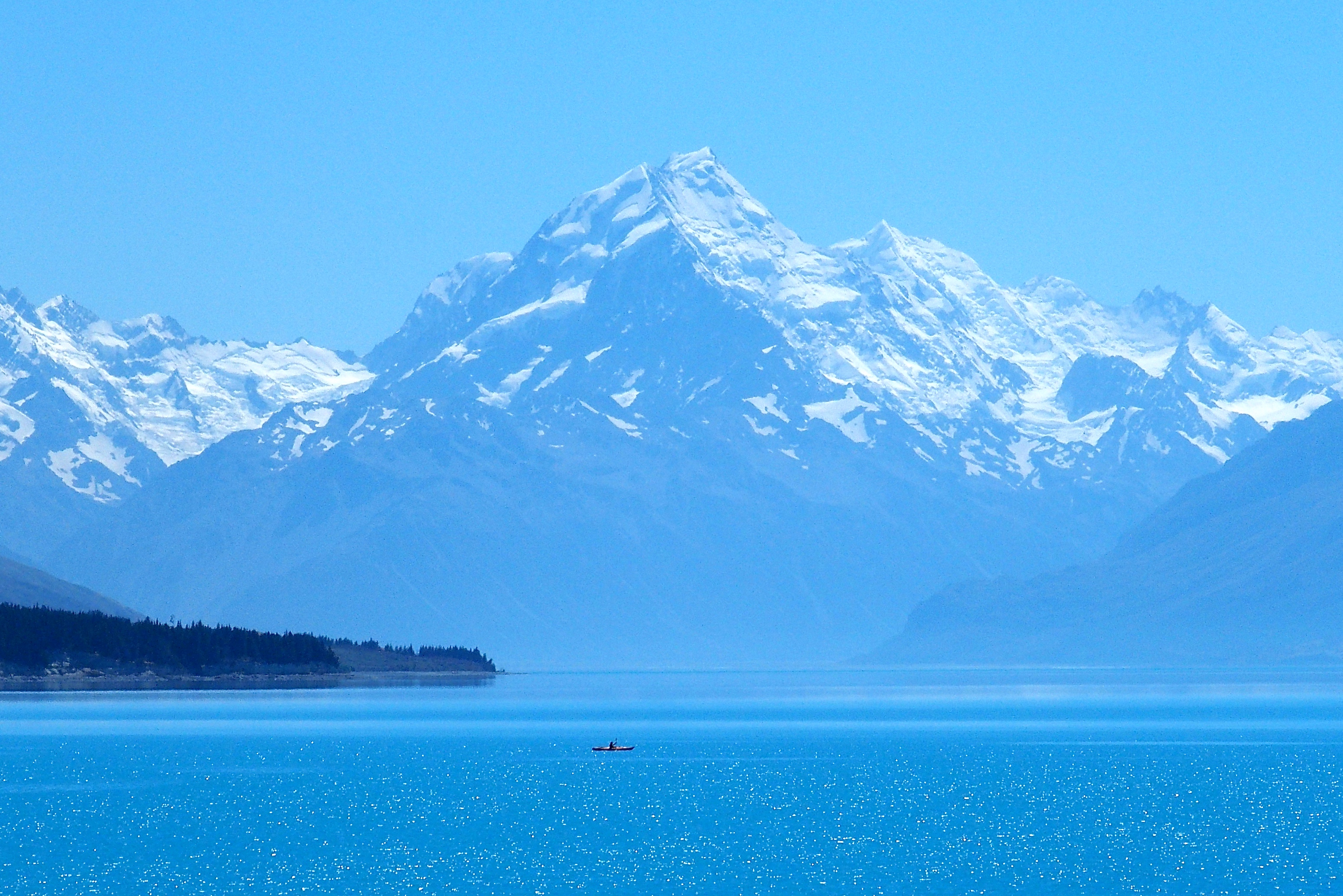
Mount Cook viewed from the east side behind glacial Lake Pukaki.

Lake Tekapo is a natural lake that has been dammed to provide hydroelectric power. In fact, the two lakes, Tekapo and Pukaki, provide half the electric power for the south island. The landlady at our B&B in Tekapo (who baked the best homemade croissants!) told us that farmers and townspeople are starting to get into water rights disputes. There just isn’t enough to go around.
OLYMPUS DIGITAL CAMERA

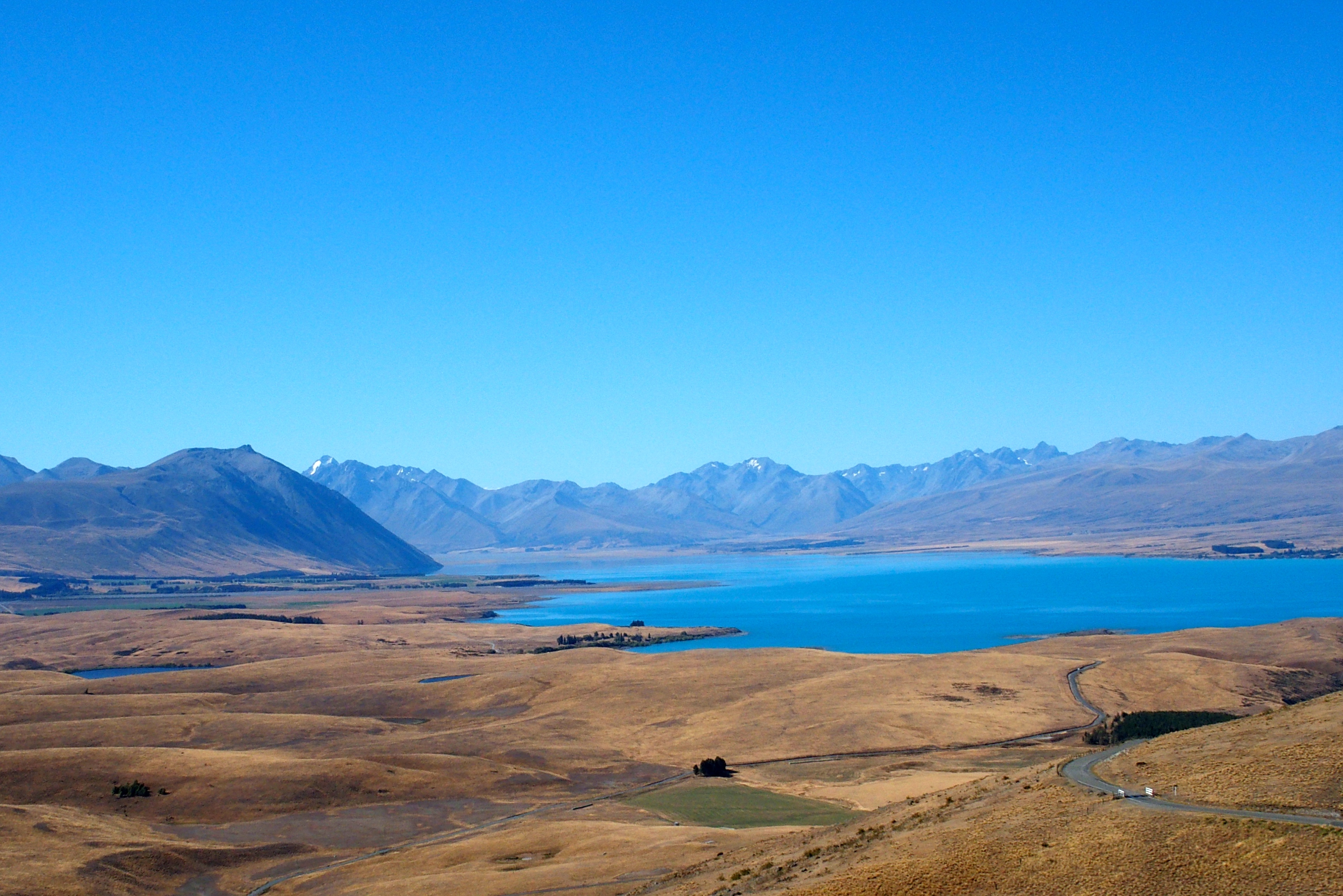
A view of Lake Tekapo from the Mt. John Observatory.

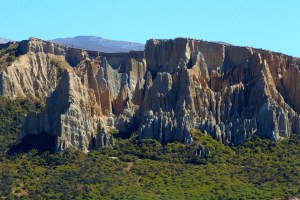
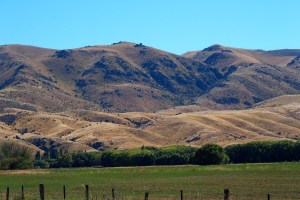
Some areas reminded us of the western parts of the US.
OLYMPUS DIGITAL CAMERA

These clay rocks along the Waitaki Valley look a bit like Sedona.
OLYMPUS DIGITAL CAMERA

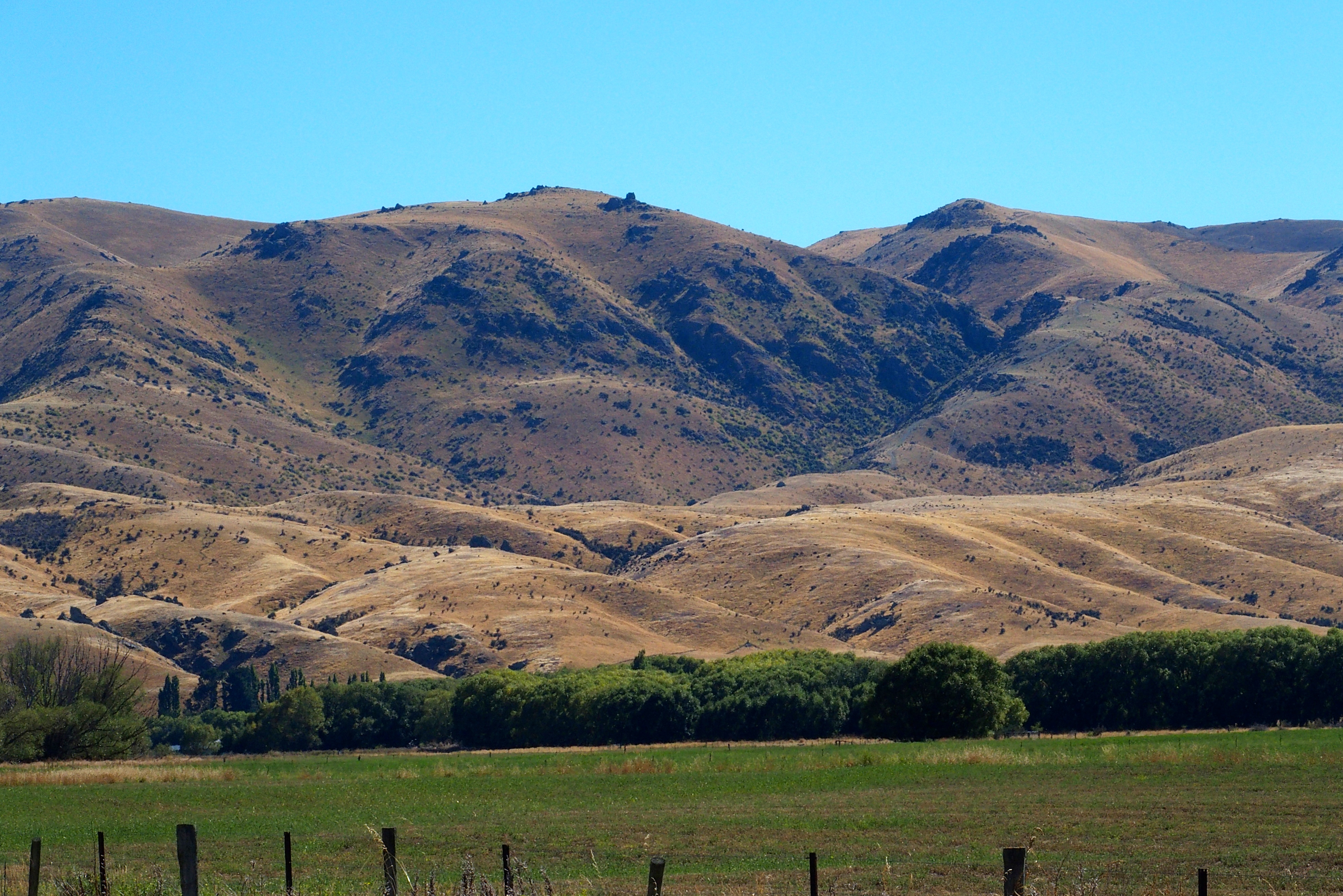
And these hills quite close to the ones we saw north of San Francisco.

We ended our long scenic ride an hour south of Christchurch and visited Ashburton’s Botanic Gardens.
OLYMPUS DIGITAL CAMERA

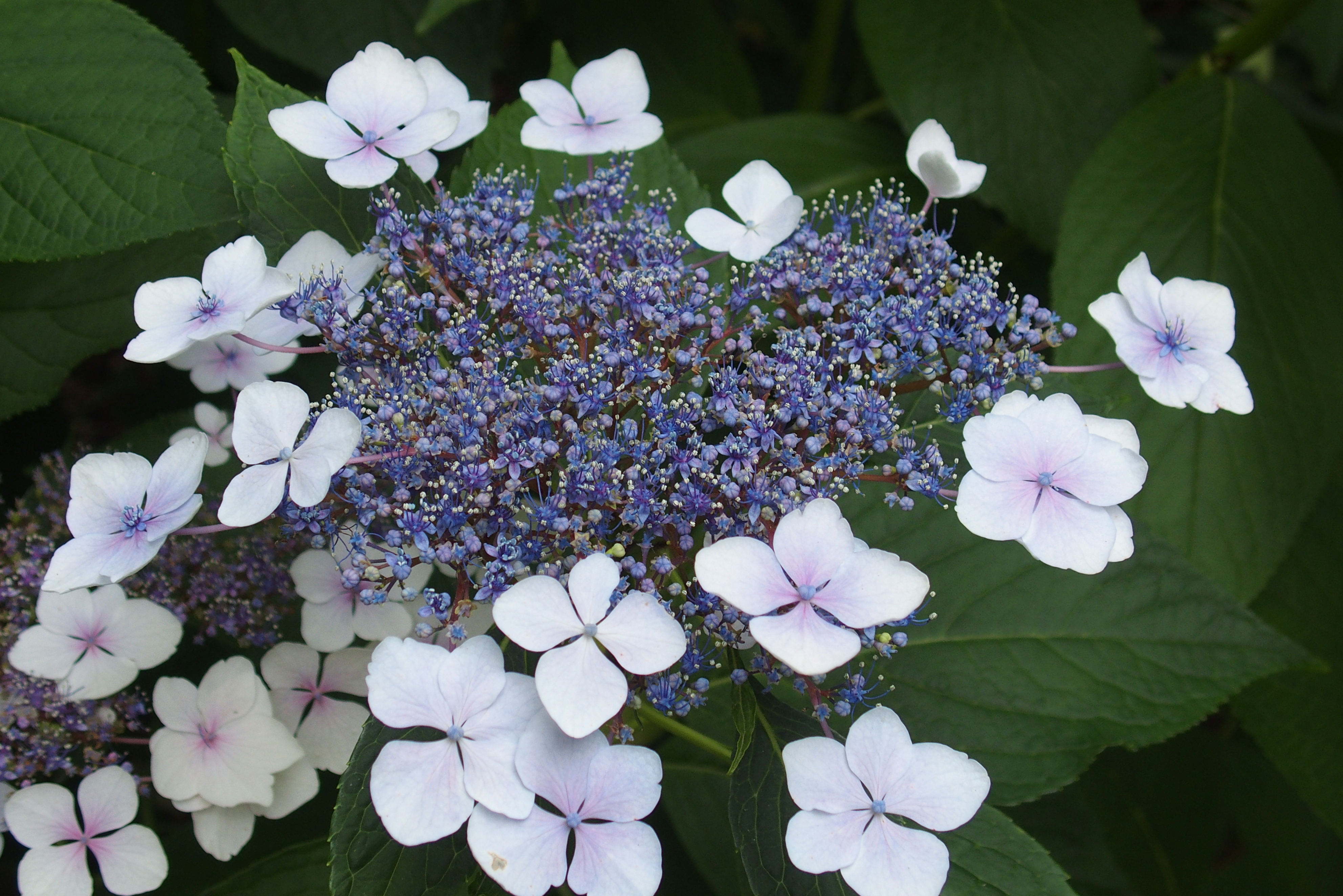
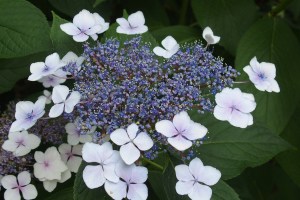
The park has more than a dozen varieties of hydrangea in all shades of bright red to blue to purple and various pastels.

OLYMPUS DIGITAL CAMERA

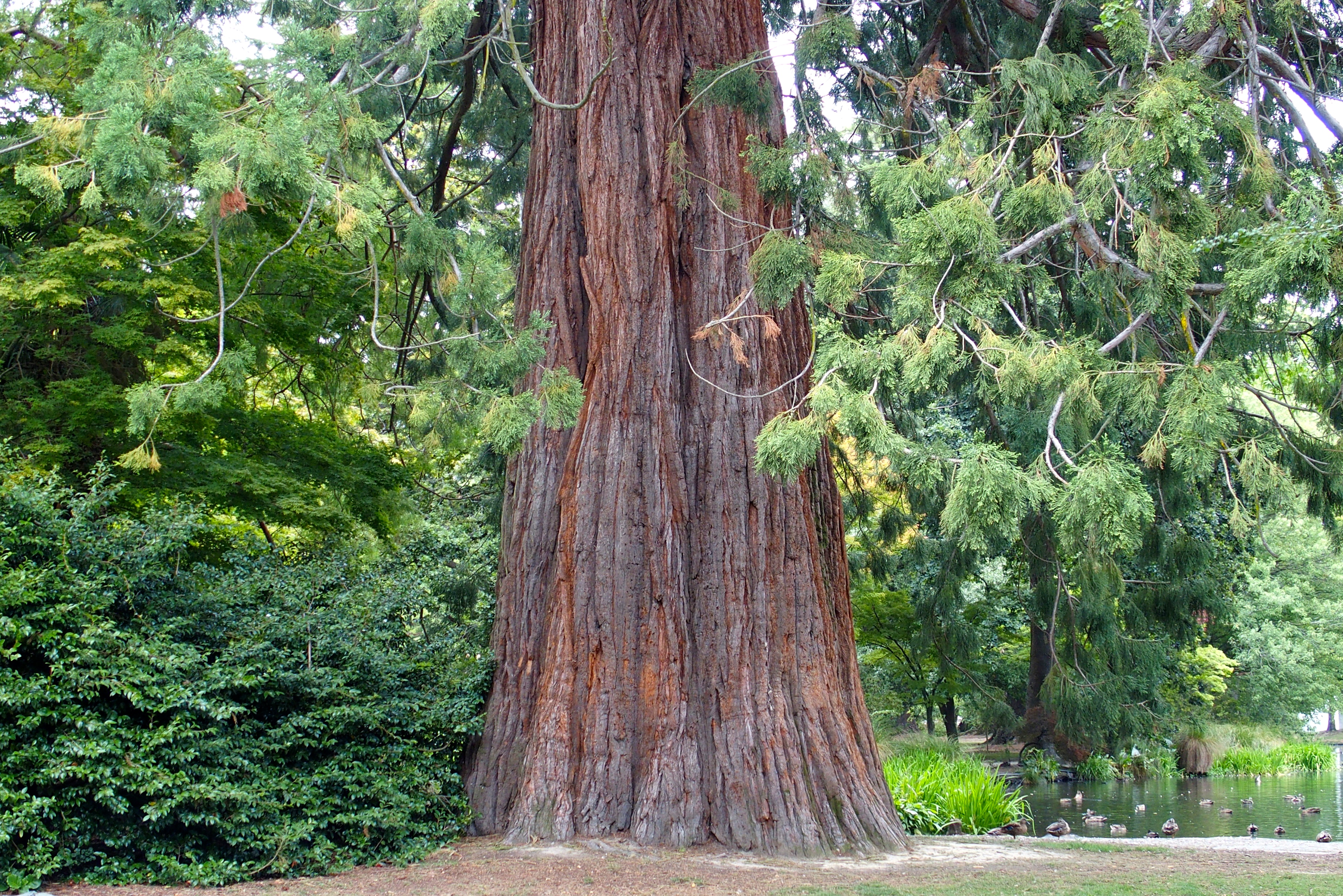
Ashburton’s Park even has a redwood tree.

After three weeks and 3,200 kilometers (2,000 miles), we’re leaving New Zealand. With all the beautiful scenery, it’s impossible to pick our favorite spot on South Island.

Posted in Travel Journal | Tagged , , , , , | Leave a comment

Hong Kong Memories 1995 to 2001

This post is mostly for the kids and other family members, the 3Gs, and Cindy Hamilton and others from our Hong Kong era 🙂 Instead of photos from our current visit, we’re recycling images from our six years living in Hong Kong. Digital technology was in its infancy (having just been invented by Kodak) so image quality may not be as good as Michael’s current photos.

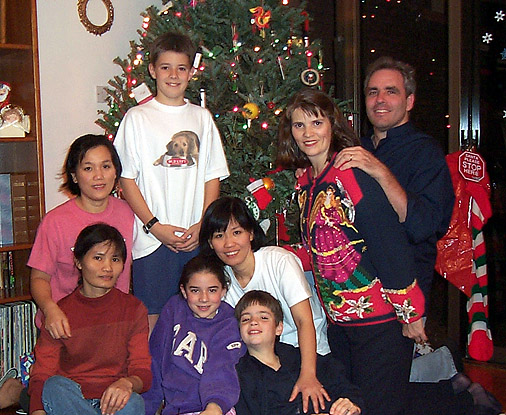
The very best thing about Hong Kong in 1995 was the expansion of our family to include Gilda Somes, our amah or helper, actually a third parent for the kids. We were so blessed to meet Gilda. She was with us for all six years in Hong Kong plus another in Switzerland. At one point, her sister Gina came to live with us, and then Gemma (thus, the 3Gs) before moving on to work for other expats. We miss you!

Fam_group1

Gilda in white, Gina in pink, Gemma in red. Nancy in a Stanley Christmas sweater. Chris was usually able to reach up and touch the top of our Hong Kong Christmas trees.

Pat was only 4 when we arrived in Hong Kong, barely able to reach the counter, so Gilda towered over him at just under 5’. Imagine that (anyone towering over Pat). Pat is now 6’4”. It must have been Gilda’s excellent cooking that helped him grow so tall.

Gilda&Gemma

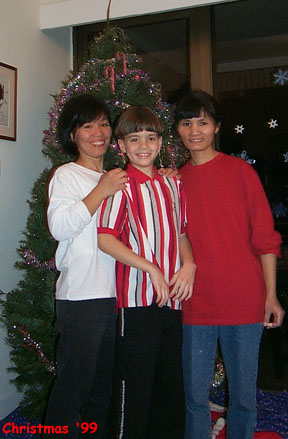
Pat, Gilda, and Gemma. Pat is 8 here and has almost caught up in height.

PATCHOP

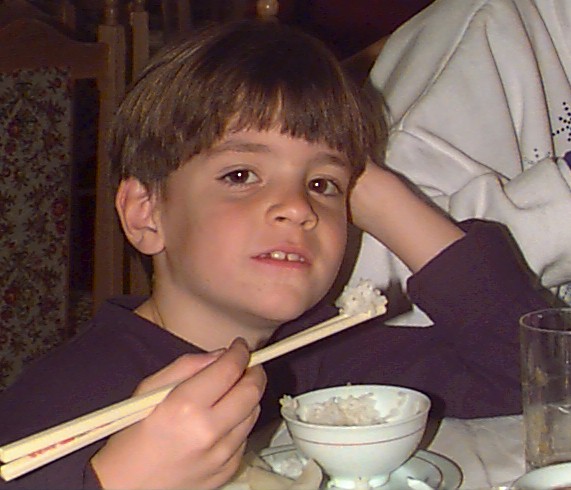
Before we moved to HK, the kids had a relocation  orientation session including lessons with chopsticks. The key is to put peanut butter on the eating ends; then you can pick up anything. (Pat here with rice; he would have preferred peanut butter.)

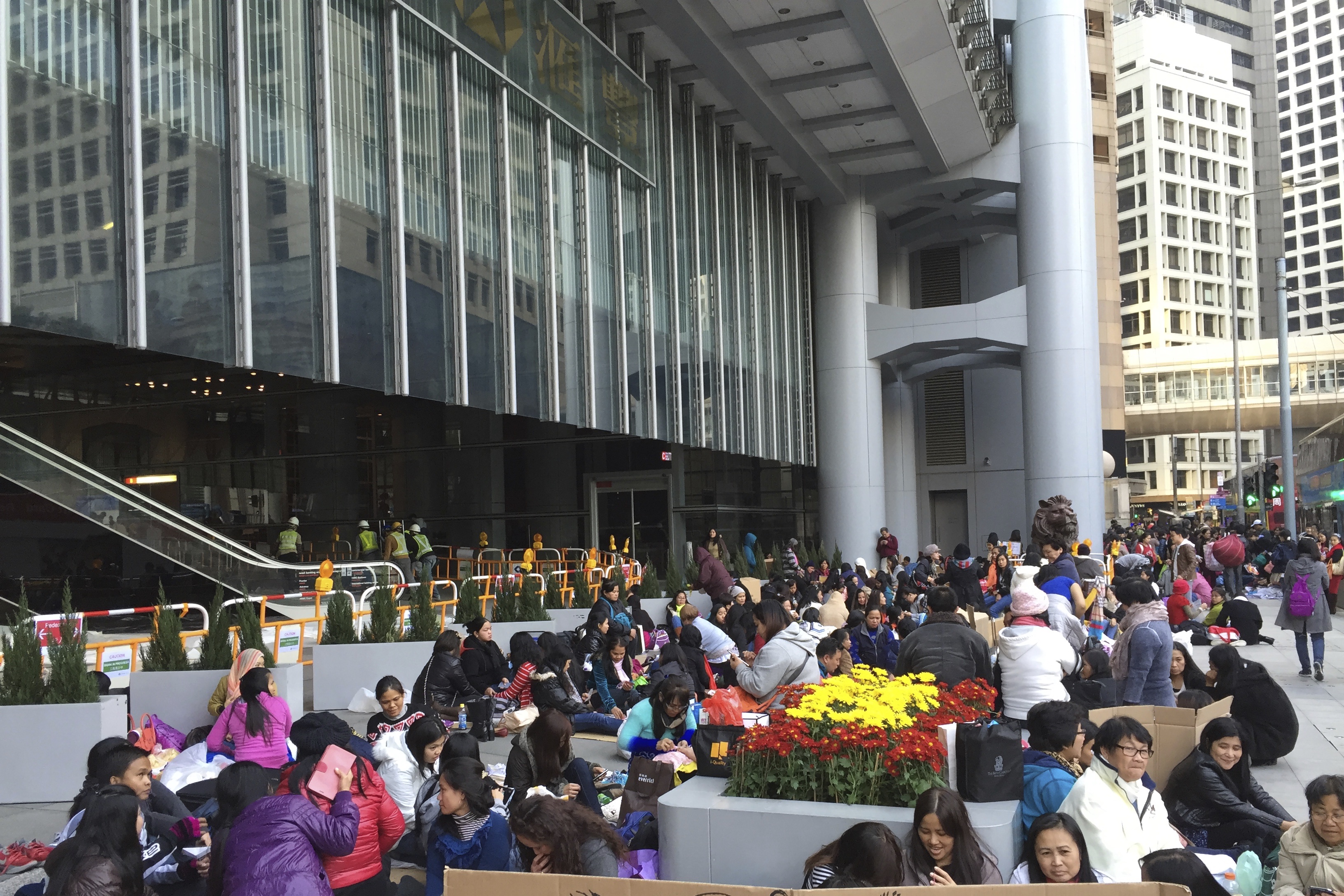
The streets of Hong Kong are always filled with Filipina amahs on Sundays, their day off. They cluster in parks and other public spaces with their friends and relatives. Gilda and her sisters and others from their home of Iloilo often met near the Star Ferry pier, the old pier that was close to Statue Square. The new pier is nowhere near as convenient for Sunday visits.

IMG_3281

Hundreds of amahs were gathered around and under HSBC bank on Sunday, sharing photos, having a meal together, enjoying their limited time off.

2015-01-18 008

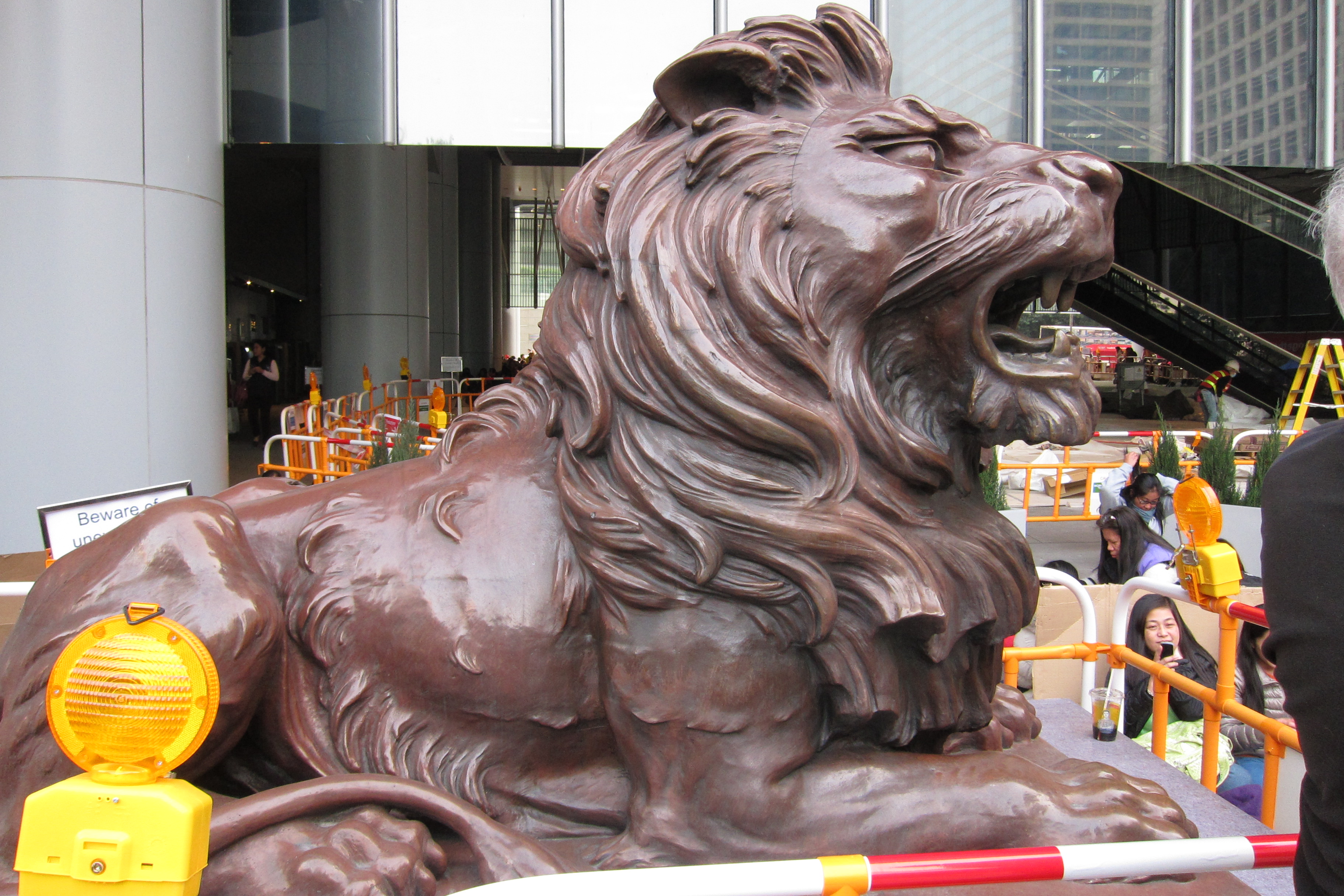
By the way, I just learned that the HSBC  lions are named Stephen and Stitt. This bit of info was from the book, “Golden Boy: Memories of a Hong Kong Childhood,” by Martin Booth. It’s set about 40 years before our kids grew up in Hong Kong, a very good read for anyone with your own Hong Kong memories.

Many of the amahs are mothers and grandmothers who have left their own children in the Philippines to come to help raise others’ children in Hong Kong. They’re able to earn much more money here than in their home country. They may see their own children only once every two years during the obligatory time off to allow a home visit. Social media has made things a bit better with the ability to communicate more easily.

2015-01-18 003

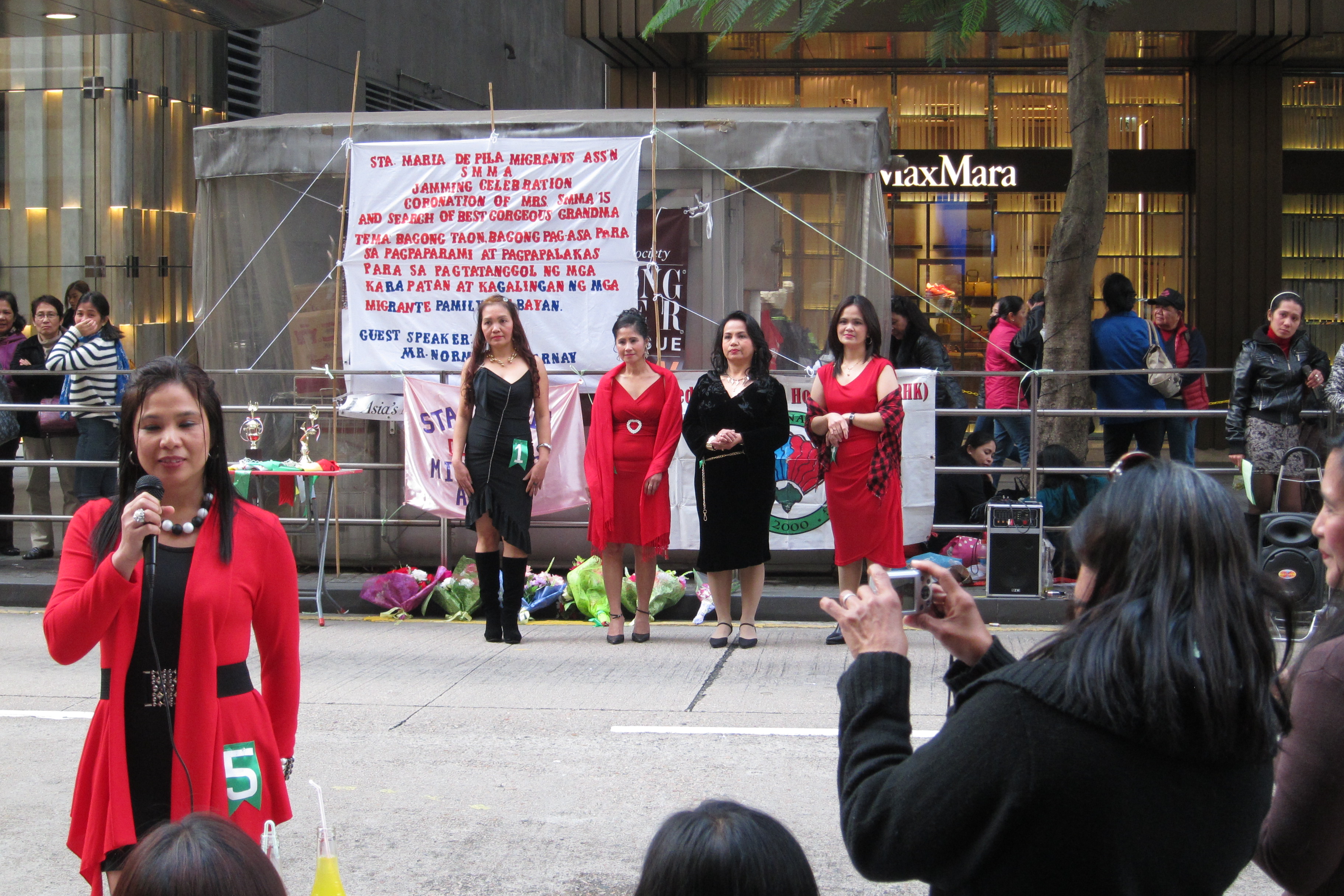
Always lots going on in Central on Sundays. On this trip we passed the “Best Gorgeous Grandma” competition among a group of amahs.

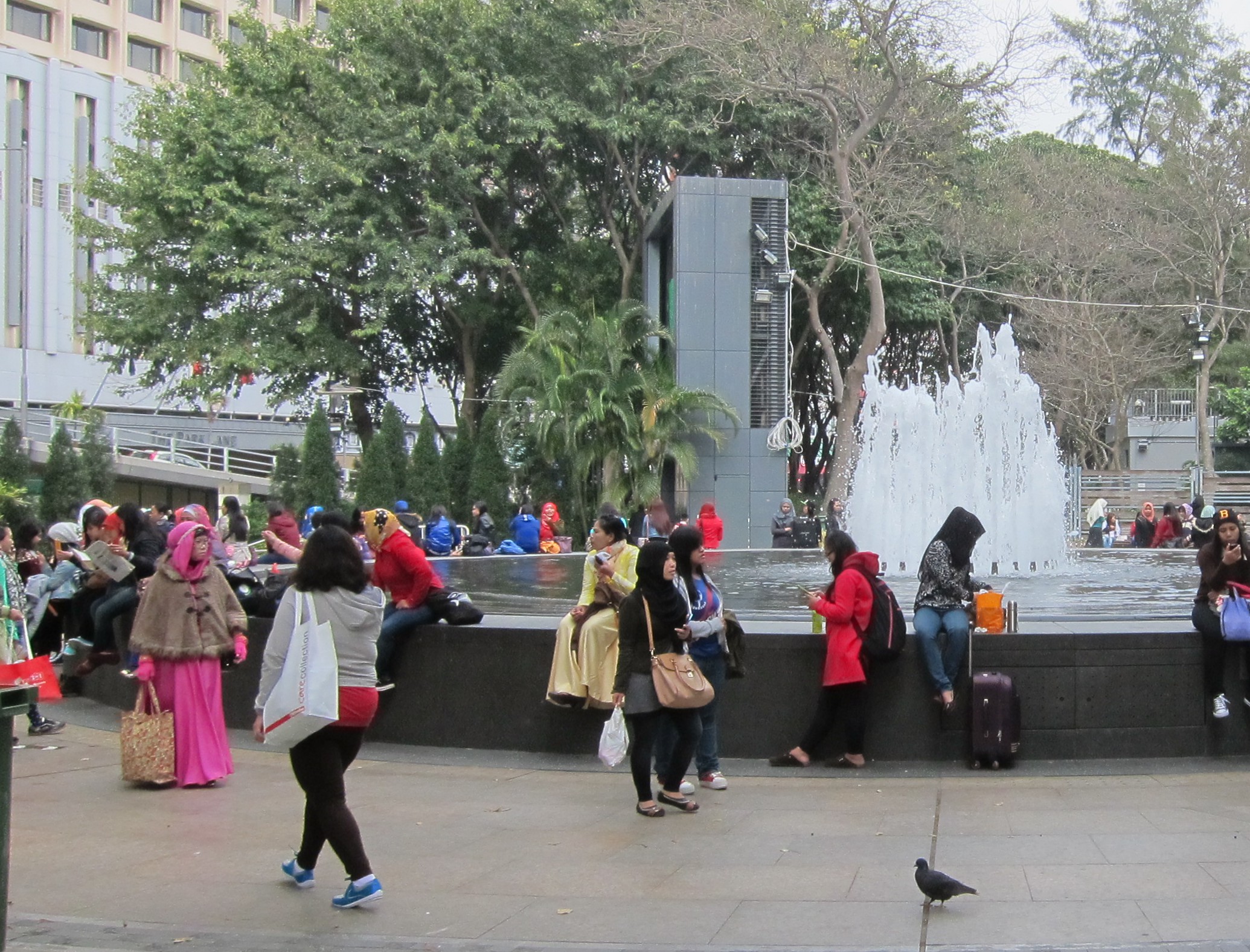
There are also Indonesian amahs, many of them now wearing their Muslim headscarves. We didn’t see that often 20 years ago.

2015-01-24 036

Sunday amah day off at Victoria Park.

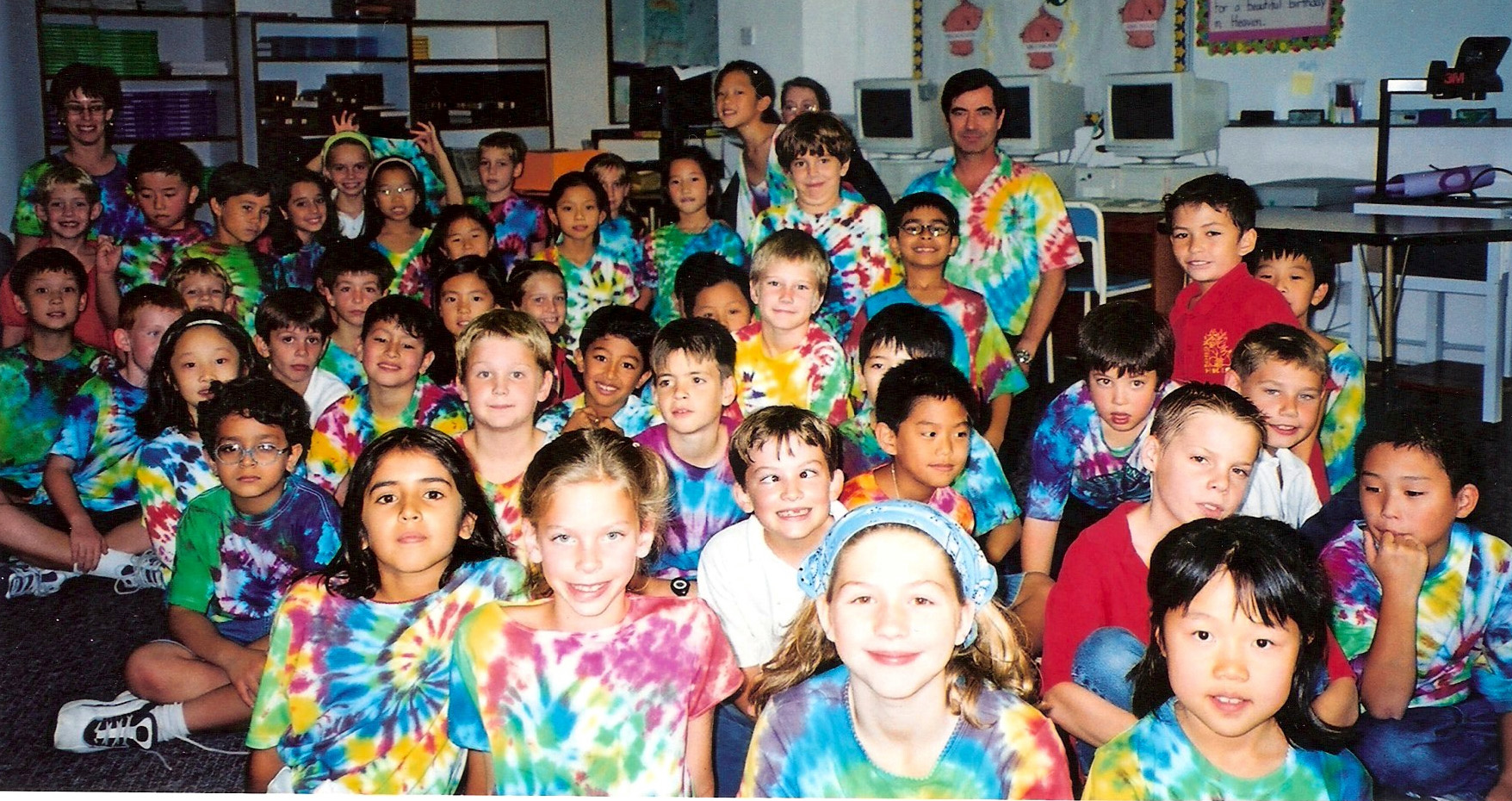
The kids’ school, HKIS, was fantastic. They had classmates from all over the world. At a party for one of Pat’s birthdays he had friends from Norway, Korea, Hong Kong, and China, no one else from the US.

Pat Tie die - HK1

Pat may have formed his love for tie-dye at HKIS. Can you find him? (in the blue and purple in the middle)

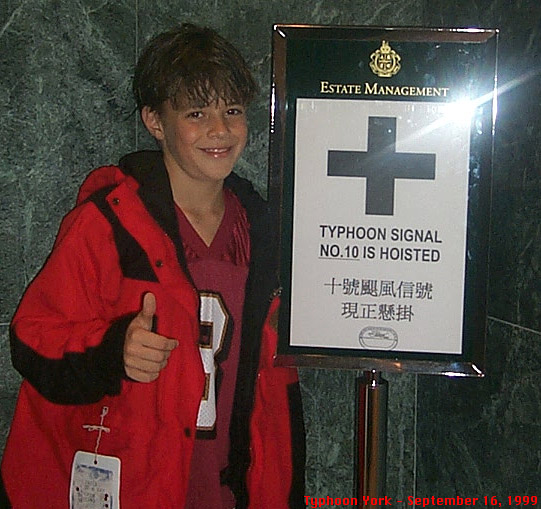
Of course, getting out of school was good too. The kids were afraid they would never have snow days. They got something even better: typhoon days.

Chris_10

Level 10 means a major hurricane is coming. No school. Chris is thrilled. The building did sway in the wind.

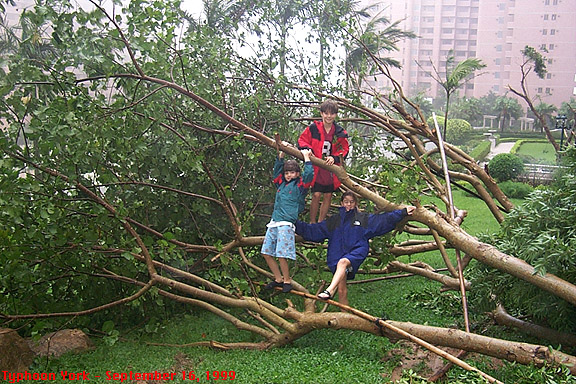
3_kids_tree

The kids at Parkview podium level in the eye of the storm. Once the bad weather was over, this tree would be propped up again by the landscaping crew.

We spent our first summer in Hong Kong in Hong Kong, not realizing that everyone goes back home when school is out. So under Gilda’s supervision and Liz’s leadership, the kids had several weeks of summer school. They had a theme each week and did activities each day. For example, for the Olympics theme, Gilda helped them make a 5-ringed cake. They puffy-painted shirts. They invented apartment Olympics: fencing with Christmas wrap tubes, equestrian events on the sofa cushions, sumo wrestling. Then we went outside for track and field. With 90-degree temperatures and 89% humidity, that didn’t last long.

E Swim Tri HK '97

Liz and Chris participated in a kids’ triathlon in the summer of 1997.

Spike marks

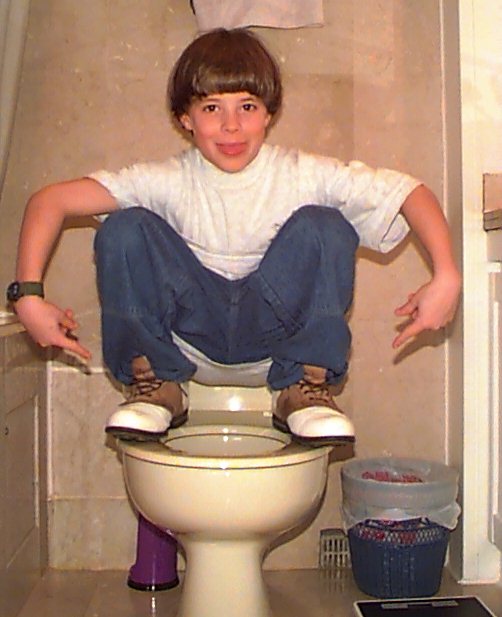
Chris played golf with Michael. Here he’s demonstrating how unusual marks get on the toilet seats. They look amazingly like marks from golf cleats. (Same thing at the hockey rink with skate marks.)

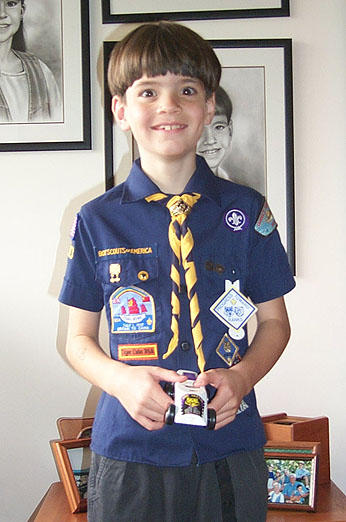
P_cub

Pat was a Boy Scout. The whole family made Pinewood Derby cars.

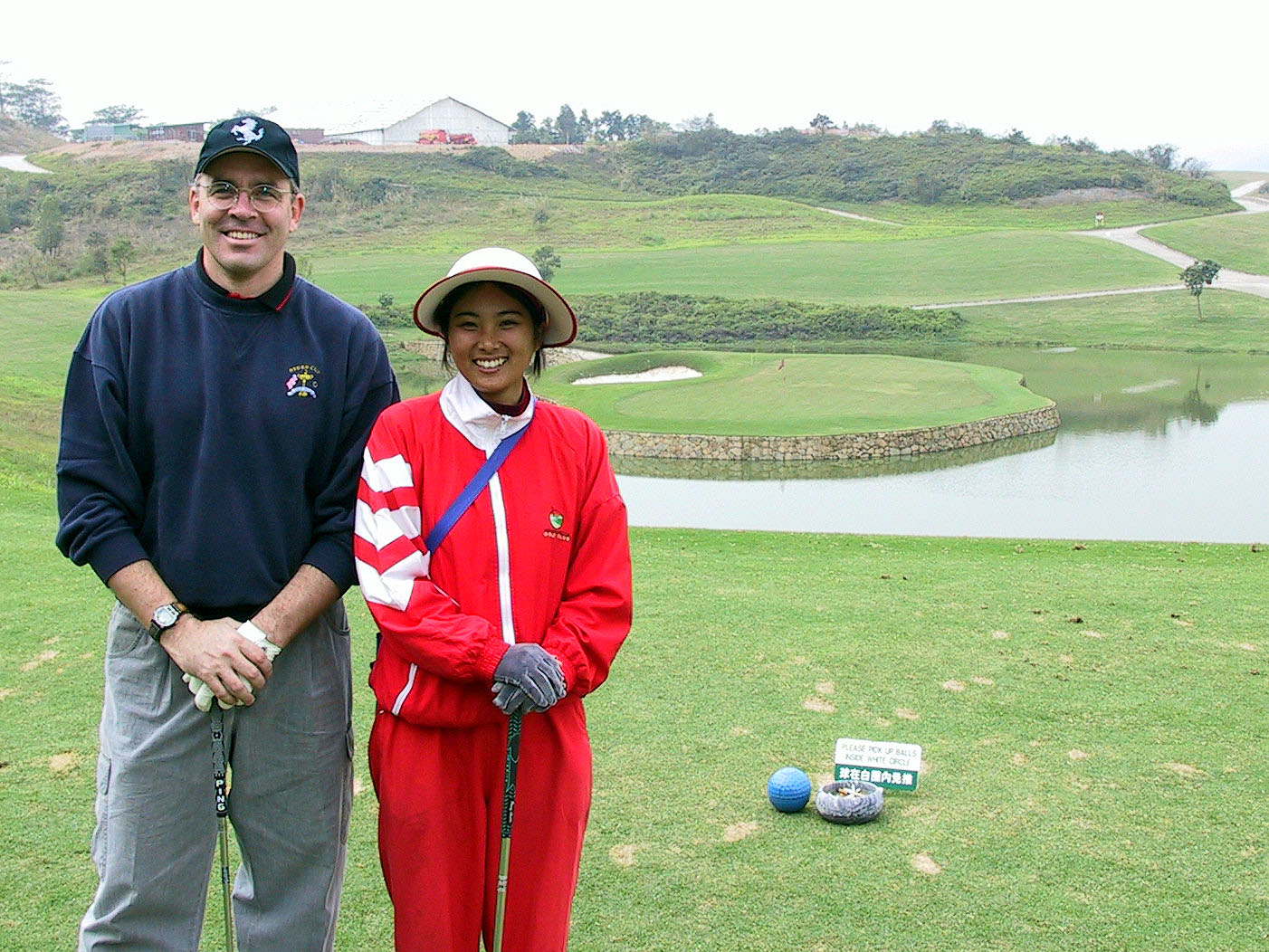
mjo_caddi

Michael played golf…and questioned how the lady caddies could manage the clubs and the heat.

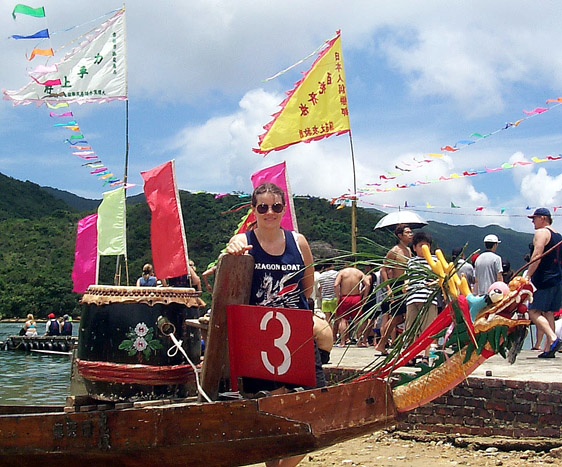
Nancy_DB

Nancy participated in a Dragon Boat race for Tuen Ng Festival.

We celebrated both Chinese and US holidays in Hong Kong. Sometimes the US Navy fleet was in port at the end of the year. Instead of rushing to the bars in Wan Chai (or maybe before rushing to the bars), some of the sailors would travel in pairs to have holiday meals with local expats. We hosted many Thanksgiving and Christmas meals, with Gilda creating typical American turkey and fixings.

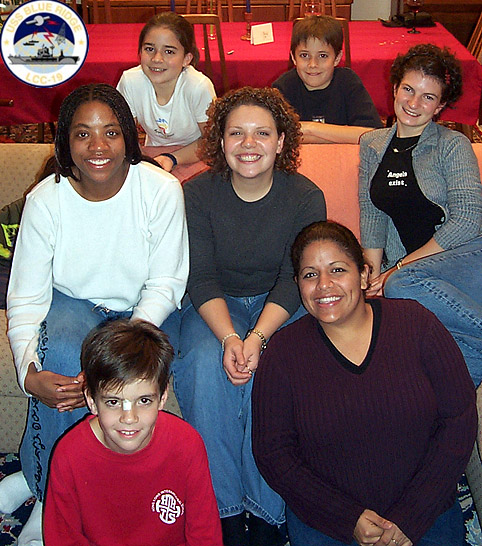
USS_BlueRidge

Two pairs of Navy sailors came for one Thanksgiving dinner.

Then the navy guys (and often girls) generally invited us to tour their boats. We went aboard a missile launch and a 3,000-person aircraft carrier.

Nimtz

This is the USS Nimitz, a very impressive “city on the sea.” Soon after it left Hong Kong it was deployed near Taiwan where the Chinese were conducting missile tests.

C wJet

Chris with his own fighter jet on the Nimitz.

MJO_F18

Here’s Top Gun Michael on a carrier.

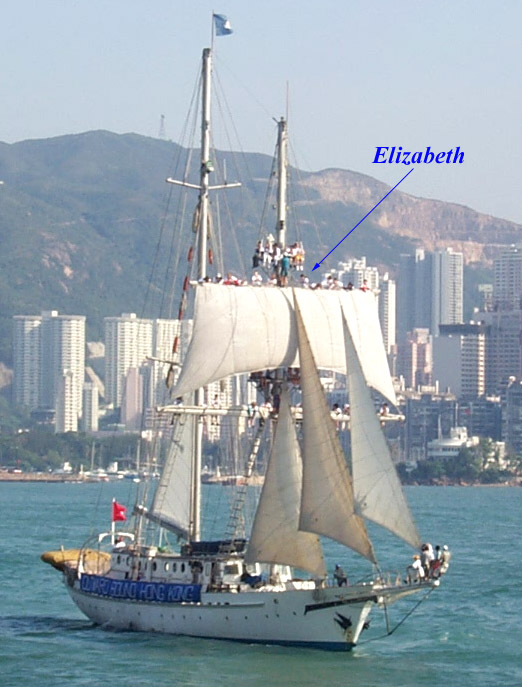
Liz had her own seafaring experience. As part of a school interim activity, she had several days of an Outward Bound experience on a two-masted schooner, the Ji Fung. They bathed by jumping in the ocean. Liz loved the whole thing. On the way back, the kids climbed the mast and waved as they sailed into Hong Kong Harbor.

Ji_fung_2

Yes, that is Elizabeth at the top of the sail.

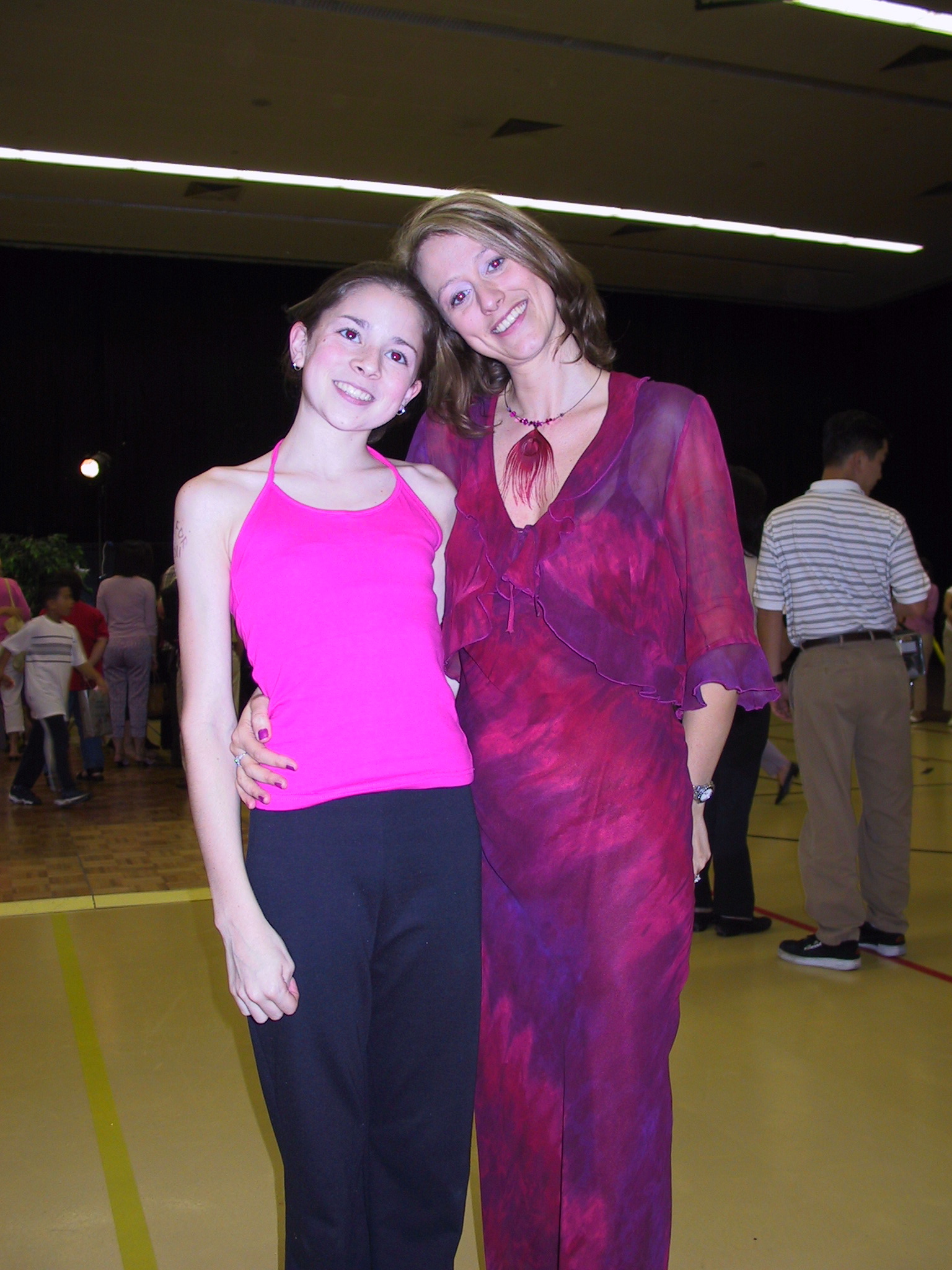
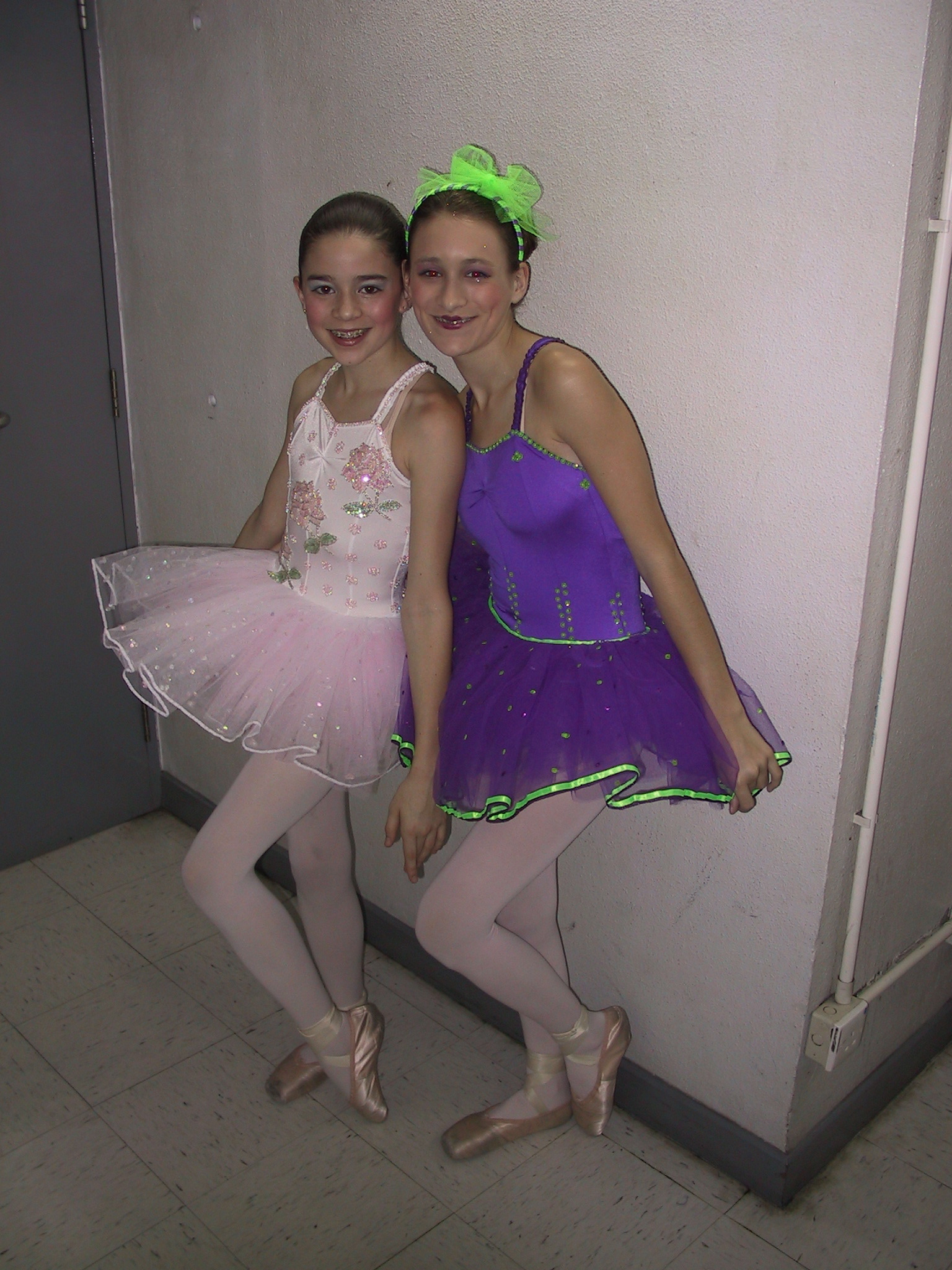
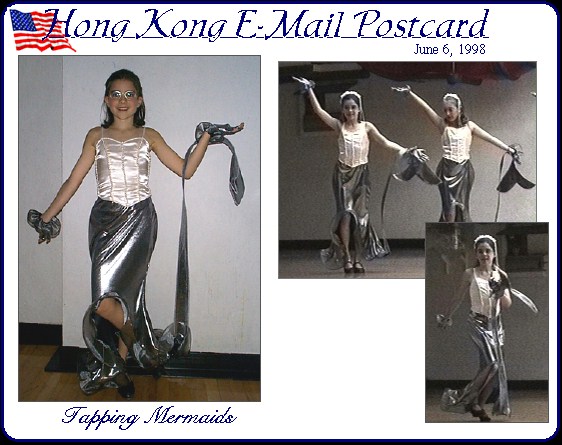
When she wasn’t sailing or in school, Liz was dancing.

IMG_1317

She was “Best Dancer” with Hong Kong Island Dance School. Just after her jazz performance…

IMG_0030

Doing ballet with Sinead Flanagan…

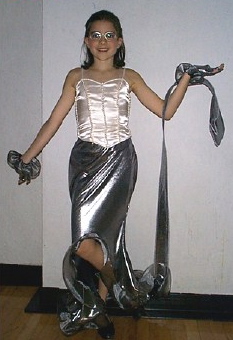
Mermaid

And we were never quite sure what this one was.

Mermaid_1

Shana Menton is here too.

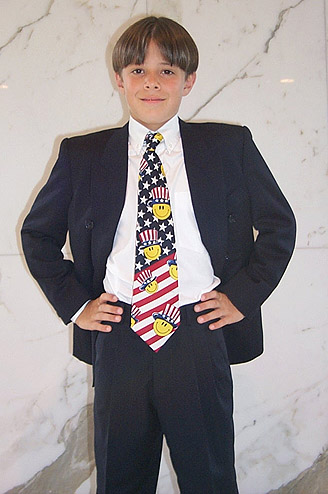
Since we were members of the American Club, our kids were eligible to join Cotillion, where they learned ballroom dance (before Dancing with the Stars made it popular again). This is where Chris was able to wear his suit made by Tommy Wong, a good quality garment. Sean, Brien, and Reed in California put some miles on it. Now it’s waiting for the next generation O’Connell boy; he’ll be able to flip the lapel and show the Fletcher Jones label.

Suit2

Chris ready to dance in his Tommy Wong suit. Not sure about the tie.

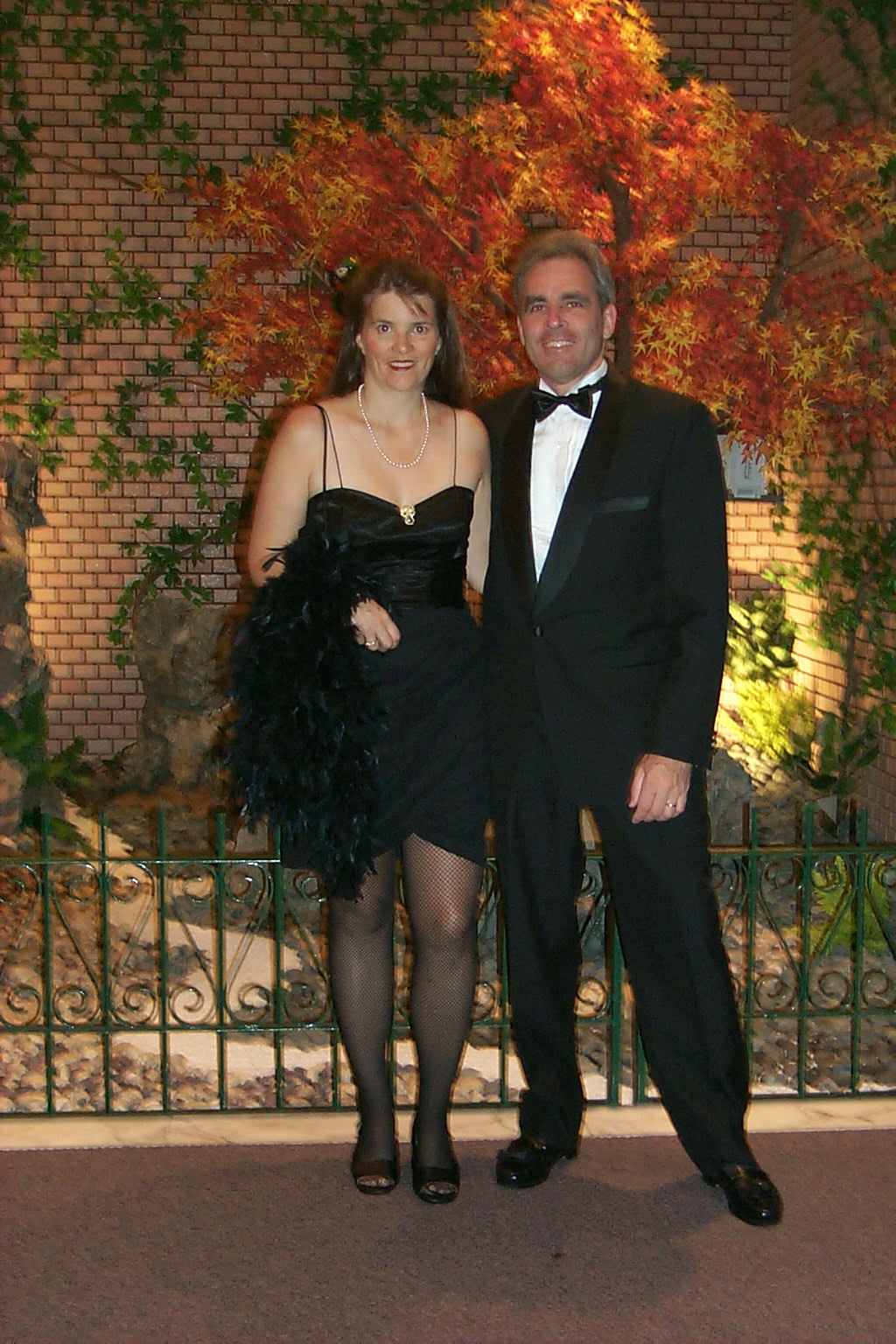
P0002248

We have to show Michael in his Fletcher Jones tux too.

We were happy to have visitors to the “other side of the world.”

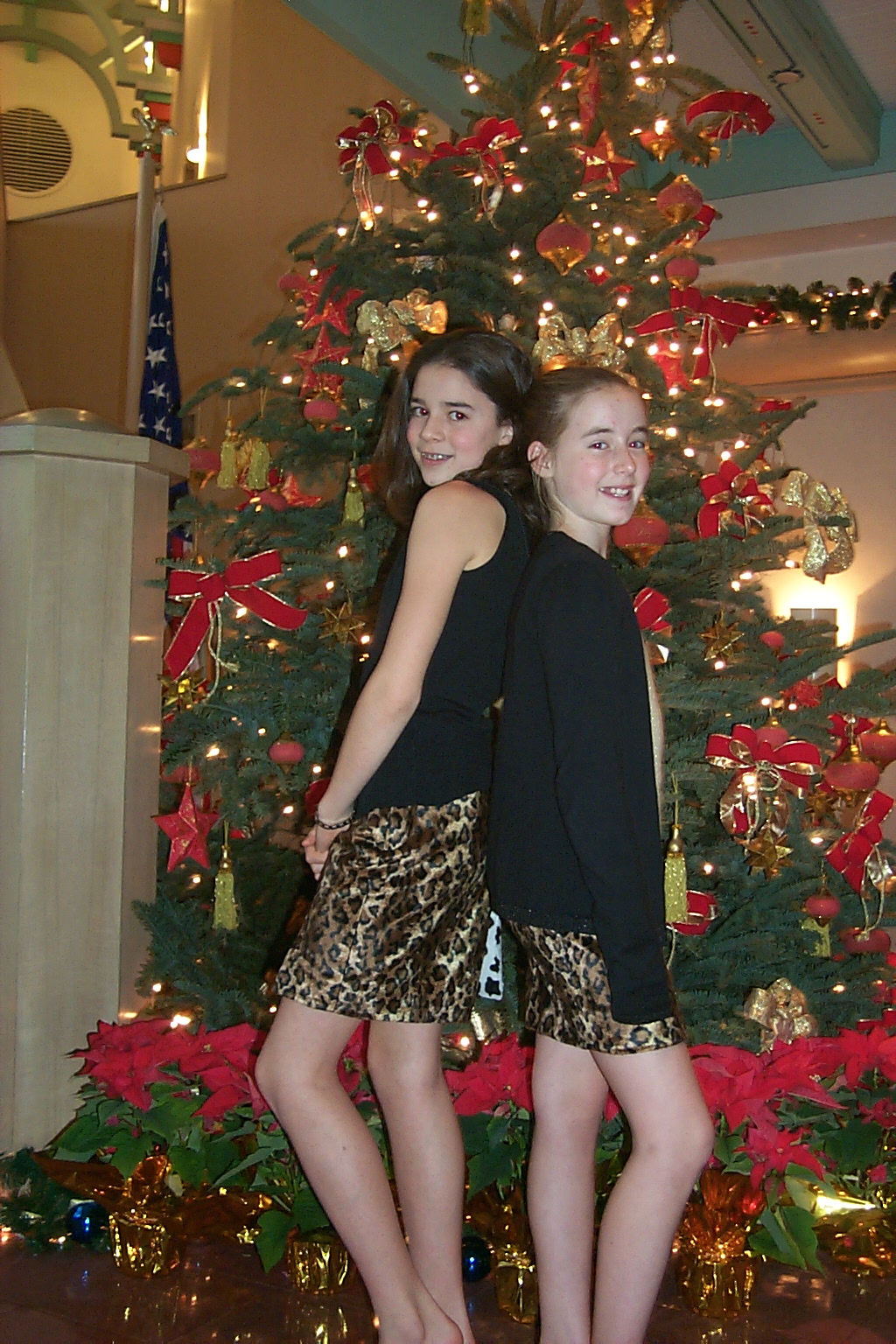
Liz and Meghan in their Fletcher Jones skirts.

Liz and Meghan in their Fletcher Jones skirts.

P0003128

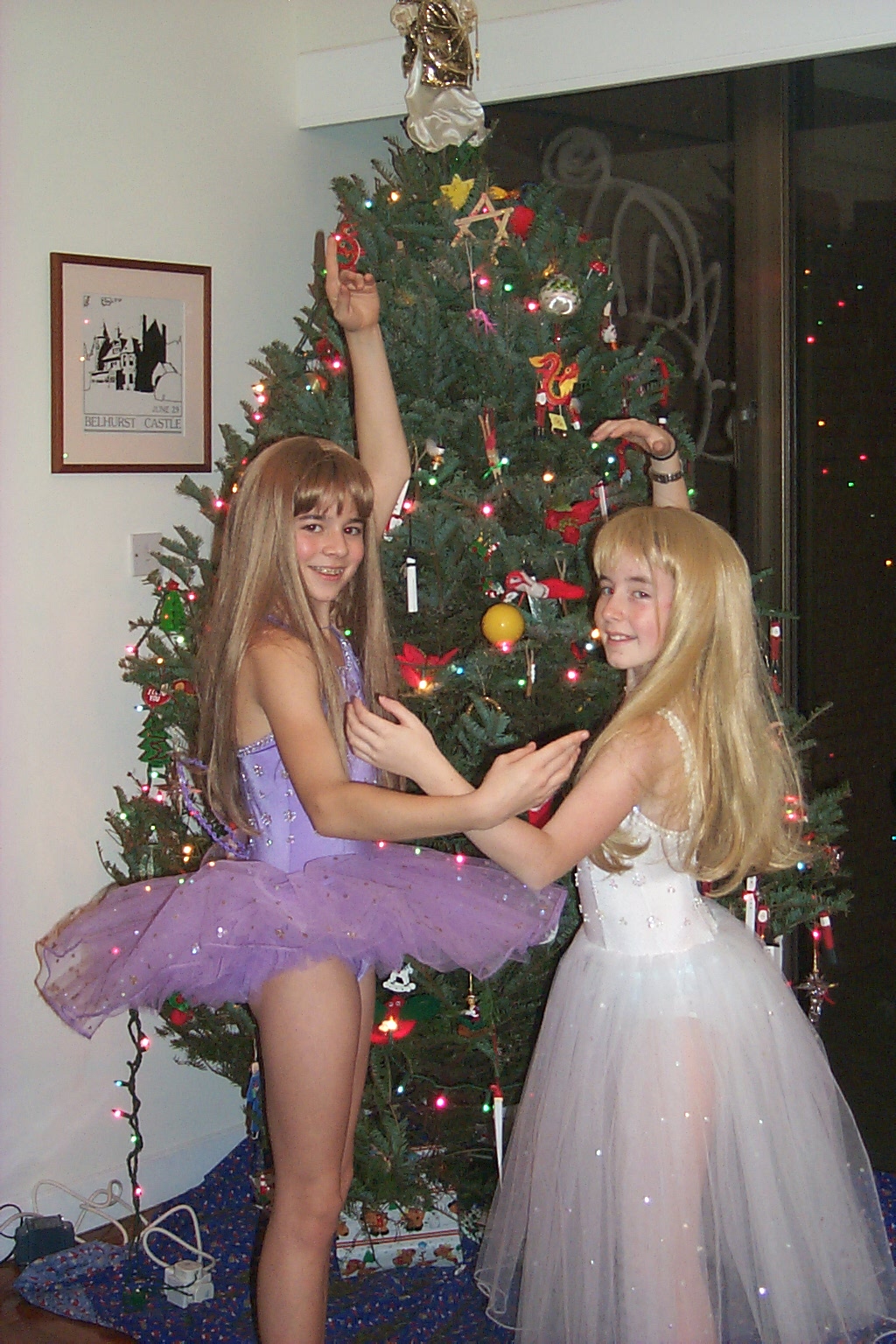
Liz and Meghan in Stanley wigs and E’s dance costumes.

MC_wigs

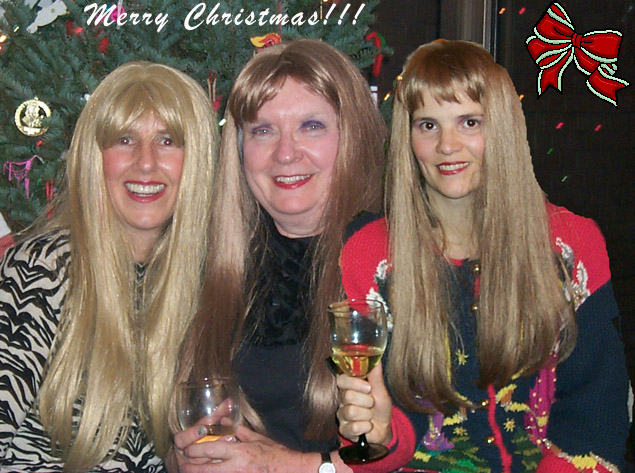
Kathy, Marcia, Nancy in the Stanley wigs.

P0003201

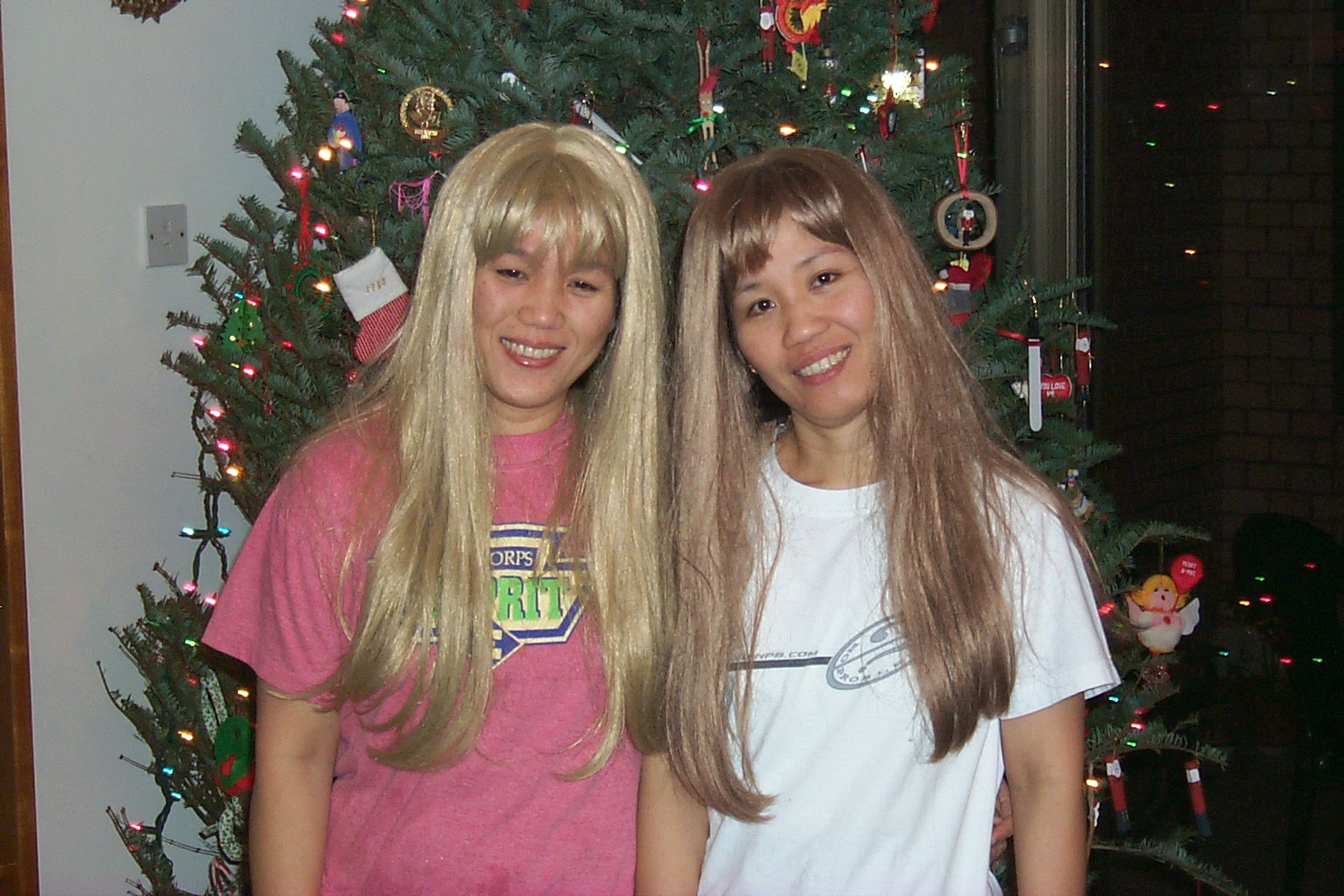
Even Gilda and Gina got into the wigs.

P0003216

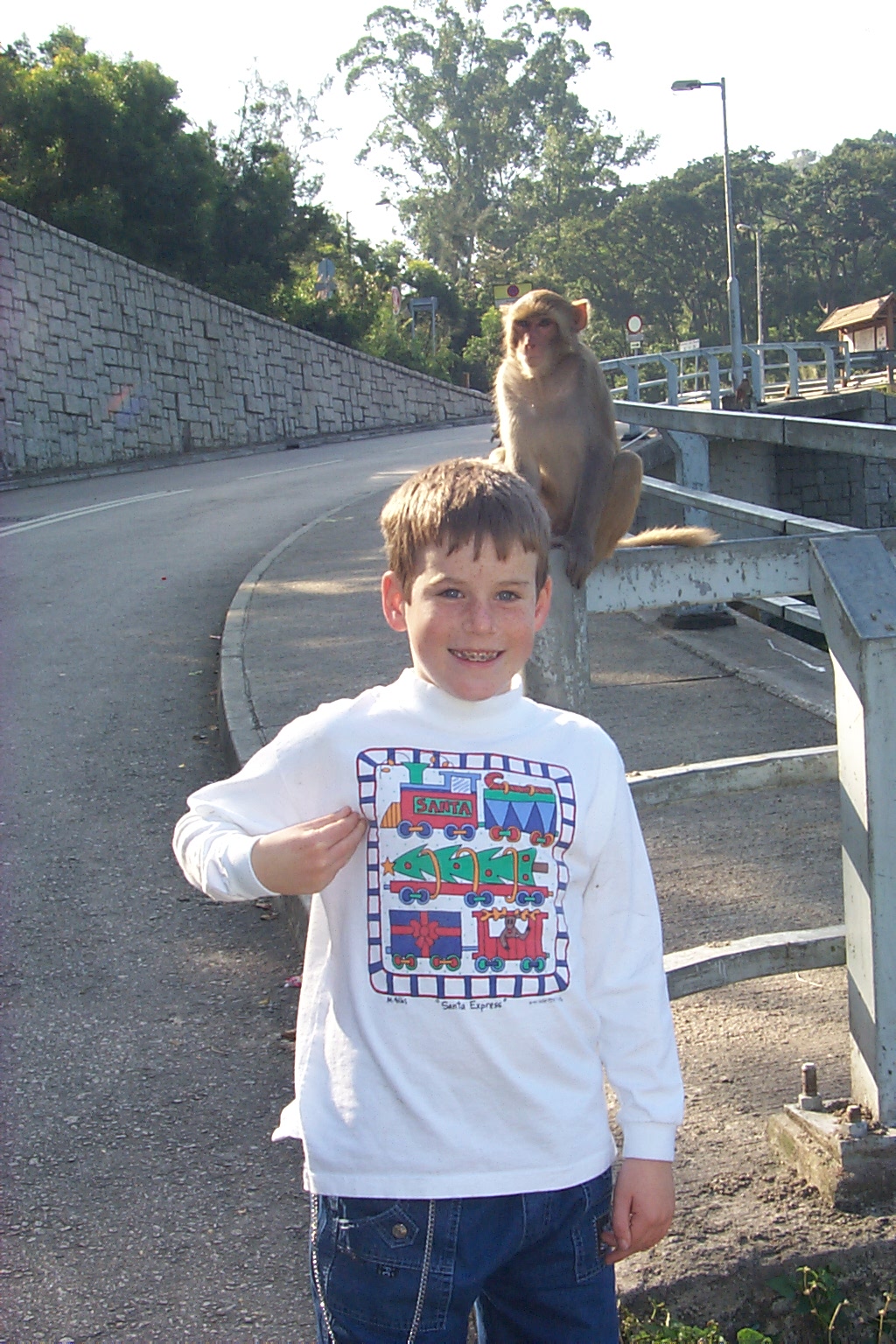
Cousin Pat Brien liked the monkeys.

P0003135

It’s always a treat to take visitors to the Peak. Here’s Marcia with Wanchai and the new convention center behind her.

Buying fake Rolexes was the thing to do when people came to Hong Kong. (This may be quite illegal.) A China-made Rolex was $20 and a better quality Hong Kong Rolex was $25 or $30. Walking along Nathan Road, “wanna buy a watch?” guys offered their wares. Just like we had a tailor, a mango lady, and a zipper guy (one section of Sham Shui Po was all fabric and accessories, with one shop just zippers), we had our fake watch guy, “Ricky,” who had a certain territory in Tsim Sha Tsui. When Vic and Karen came to visit and wanted watches, we just called Ricky (he had a business card) and he met us on the corner, then took us to his “sales room” in a nearby building under renovation. Mickey Mouse beach towels covered the unfinished ceiling and Vic (6’5”) and Karen (6’?) had to duck to get in. Ricky showed us his inventory in several photo albums. After V&K made their selection, he sent his underlings to retrieve the goods from some secret location. Everyone was quite happy until V&K wanted to pay with a credit card, not the norm for fake watch sales. Nevertheless, Ricky had an entrepreneurial spirit and wanted to make the sale. He led us through several buildings to reach someone who would process the card. Small world: It was the very legit tailor we had visited 30 minutes earlier.

VICMAO

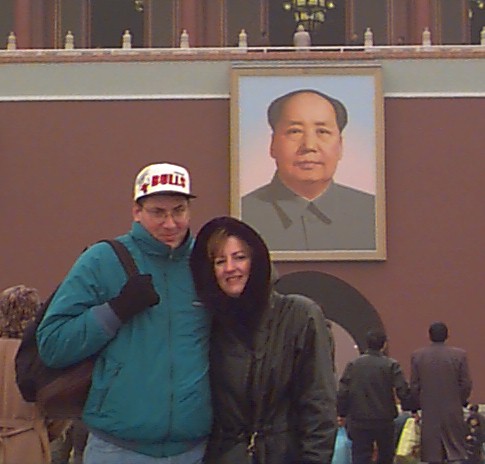
Beijing was a short flight away. Here are Vic and Karen with Mao at Tian An Men Square.

Brooke spent her first Halloween in China. Coincidentally, her college roommate in Boston grew up in Hong Kong, so they have a lot in common.

Paul & Brooke

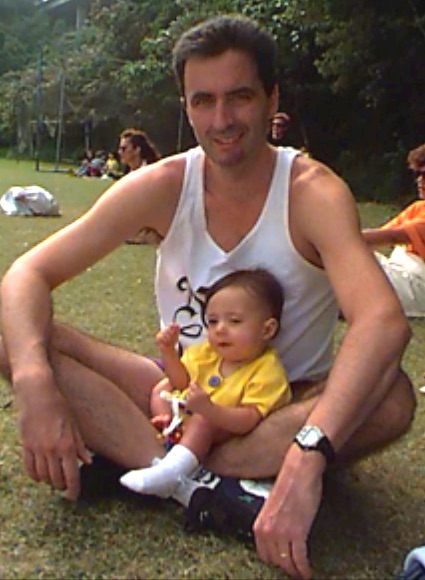
Paul and Brooke at HKIS soccer field for the kids’ games. Brooke is now a freshman at Northeastern in Boston.

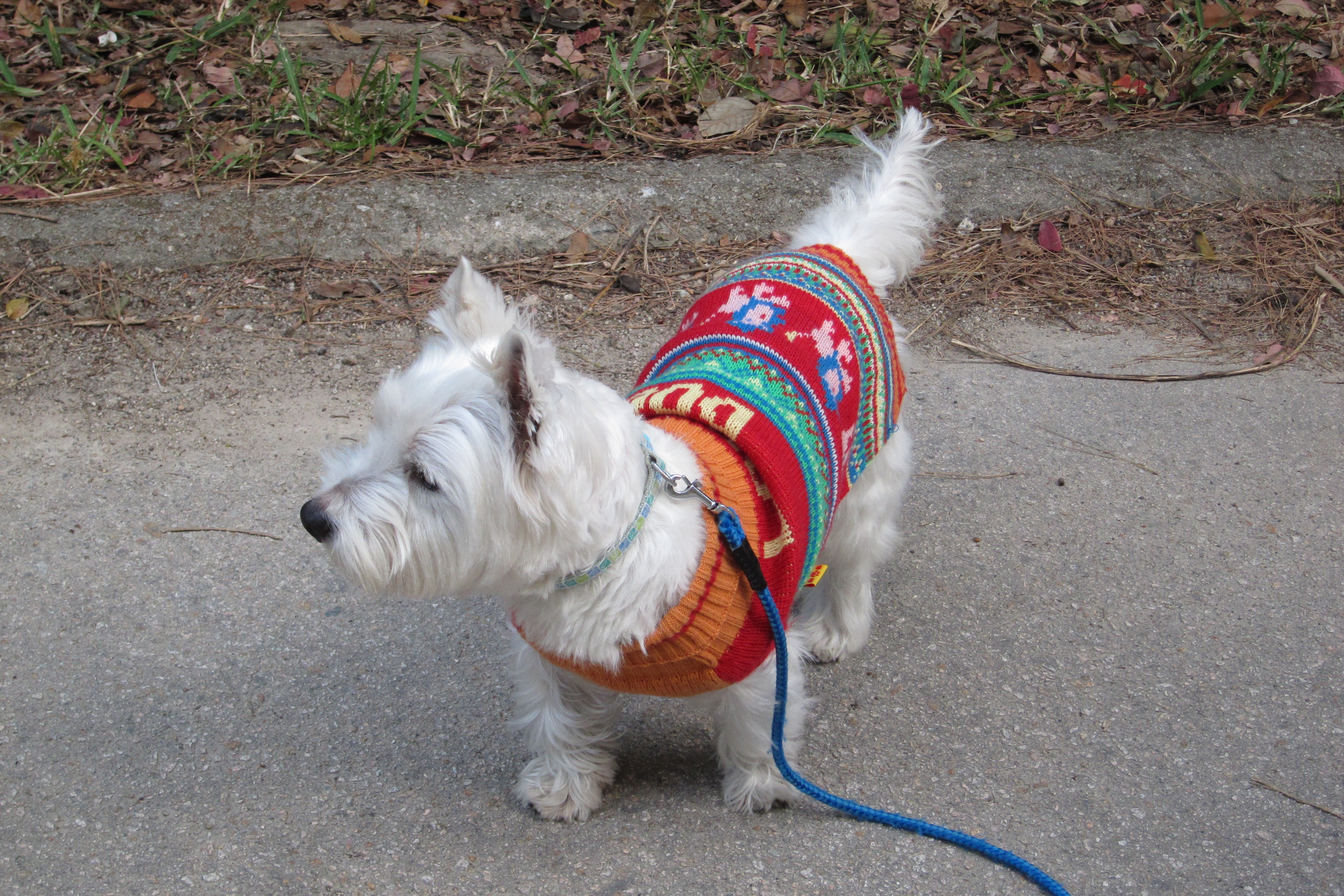
Even Yeti got in on the action.

2015-01-20 041

No, it’s not really Yeti, but Stephen noted Yeti was feeling left out. Yeti traipses through 10-foot snow drifts in Truckee. We saw this dog dressed for the cold in Hong Kong on this trip. (It was about 70 degrees.)

We saw the Handover in 1997. At exactly midnight, the policemen changed hats. The British insignia was replaced by the bauhinia.

6_28_97

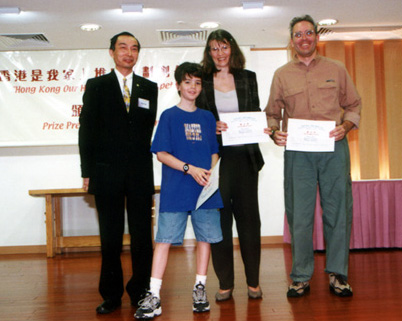
Hong Kong was our home. We entered a competition sponsored by the Hong Kong Tourist Association to submit an idea for the “Hong Kong Our Home” theme. Liz and Nancy delivered a PowerPoint presentation to the judging panel (while rushing around during Marcia, Kathy, Meg, and Pat’s visit). And we won! Not the grand prize, but enough for a very nice dinner out. We were the only gweilos (white people) in the finalist group. It was nice to go back “home” for a visit.

HKOurHome

The ceremony was in Cantonese. They provided an interpreter so we would know when to go up on the stage to receive our prize.

On to New Zealand and Australia…


Posted in Smell the Roses | Tagged | 6 Comments

New Zealand animals – January 2015

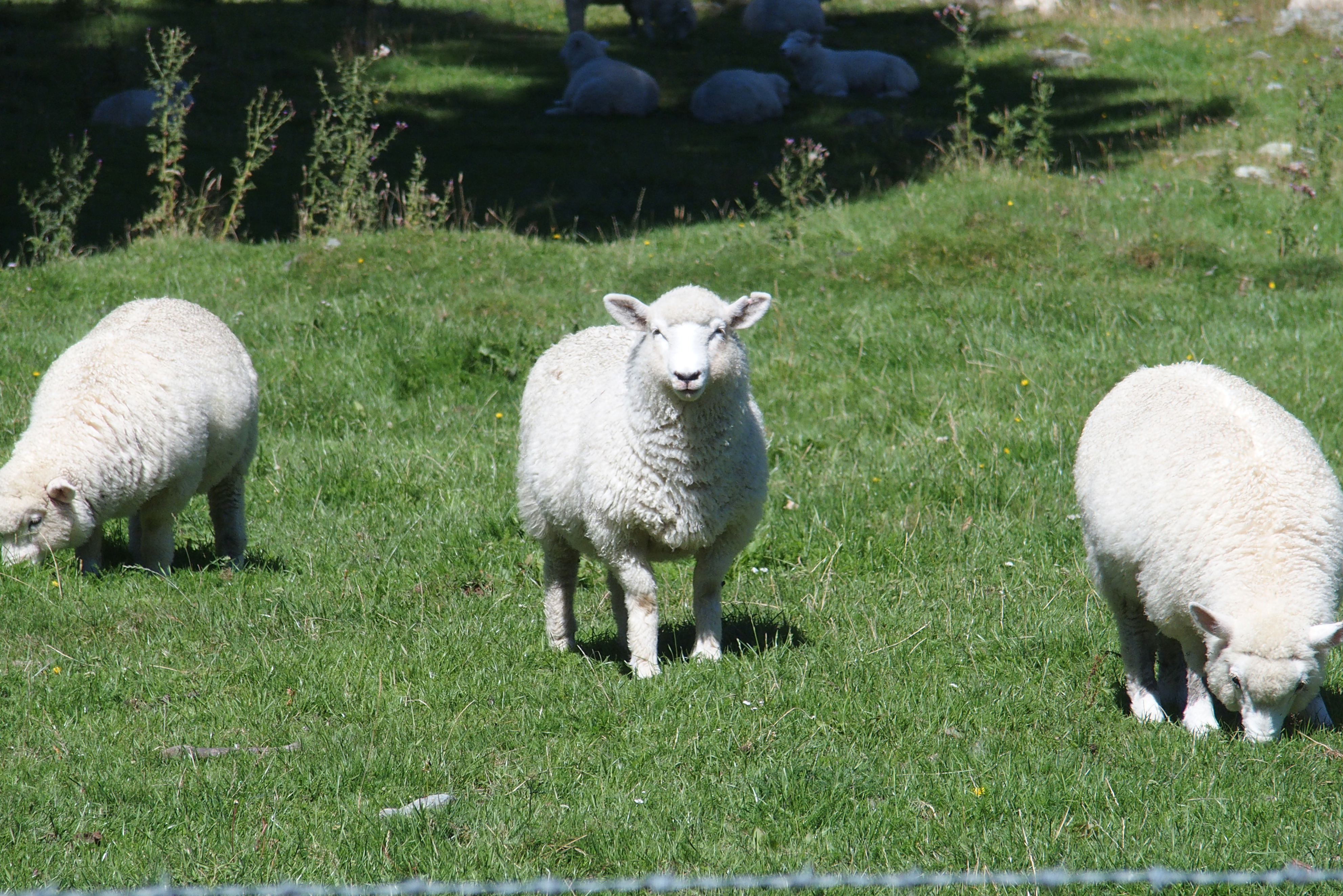
Sheep, sheep, and more sheep. That’s what we expected to see in New Zealand. And we weren’t disappointed. The sheep are primarily merino, the kind that Stephen said would provide his next ski socks! At this time of year they have very thick coats, probably more than 3” of matted fur.

OLYMPUS DIGITAL CAMERA

Stephen’s future socks?

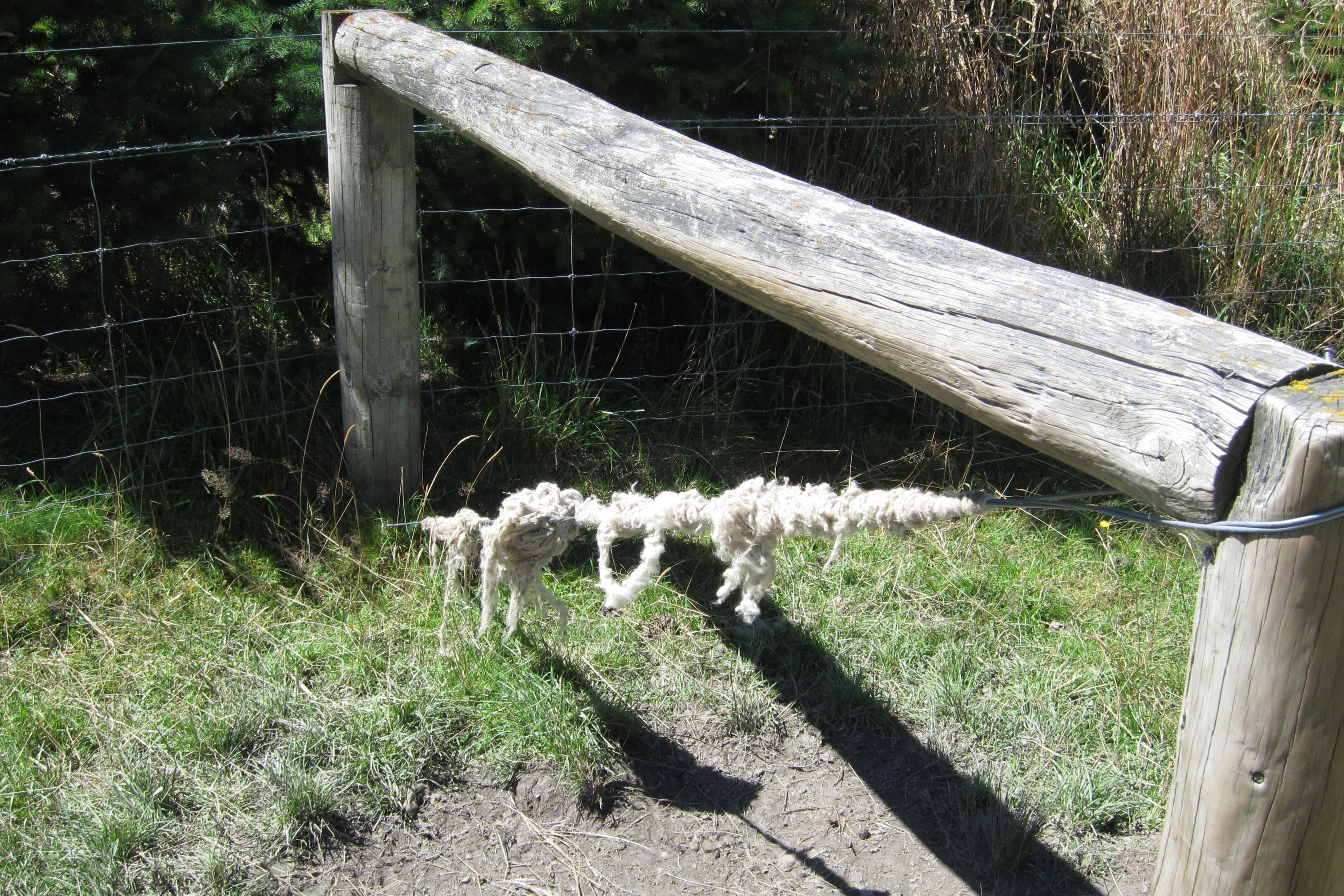
They must get very uncomfortable in the summer. On sunny days we were very hot, but we had the option to take off our jackets. The sheep had only the option of using a scratching post.

2015-02-10 050

Or maybe this is a future sock

Thankfully for the sheep, it’s sheep-shearing season. We could have stayed at a B&B&S (bed and breakfast and shearers) but unsurprisingly, it had no vacancies.

OLYMPUS DIGITAL CAMERA

Bed and breakfast and sheep, what could be better?

Shearing is an art. We were in Queenstown during the Rural Games, a big-deal competition for grown men to demonstrate their farming skills: Sheep shearing (two sheep in 42 seconds), coal shoveling, speed milking (poor cows), gold panning, modern skills like agrisports and fencing (building a fence, not using an epee), and good old fun with egg throwing, gumboot throwing, and cherry stone spitting. This is not a 4-H event for teens. Grown men compete, including a couple former professional rugby players from the All-Blacks.

sheep shearing

David Fagan on the right won the sheep-shearing event. He may have had the advantage from practicing all year on his head.

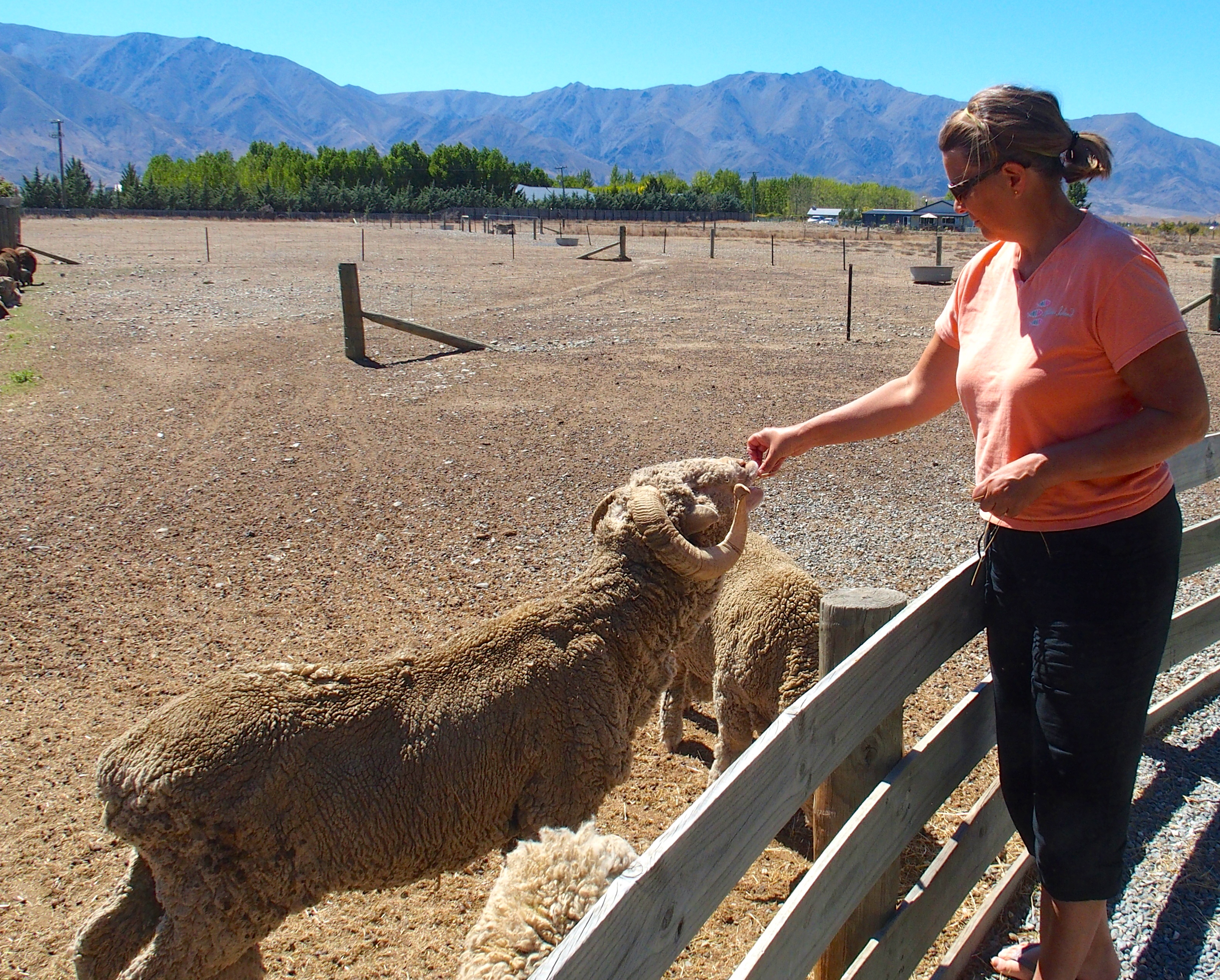
We just missed a fun event, the resurrection of the Running of the Wools, with 300 merino sheep released to run through the streets of Queenstown. You might think this would be a completely safe alternative to the Running of the Bulls. After all, if you get hit by a sheep, you’ll just sink into the wool. But these sheep do have horns and they’re hard and pointed.

OLYMPUS DIGITAL CAMERA

It’s not bad feeding this guy straw from behind a fence. I wouldn’t want to face 300 of them and their pointy horns running down a street toward me.

From the rural games results, we know that competition shearing takes as little as 21 seconds per sheep. Maybe the shearers should slow down. Some of these poor guys look like the razor came a little close.

2015-02-10 045

Now they might get sunburned.

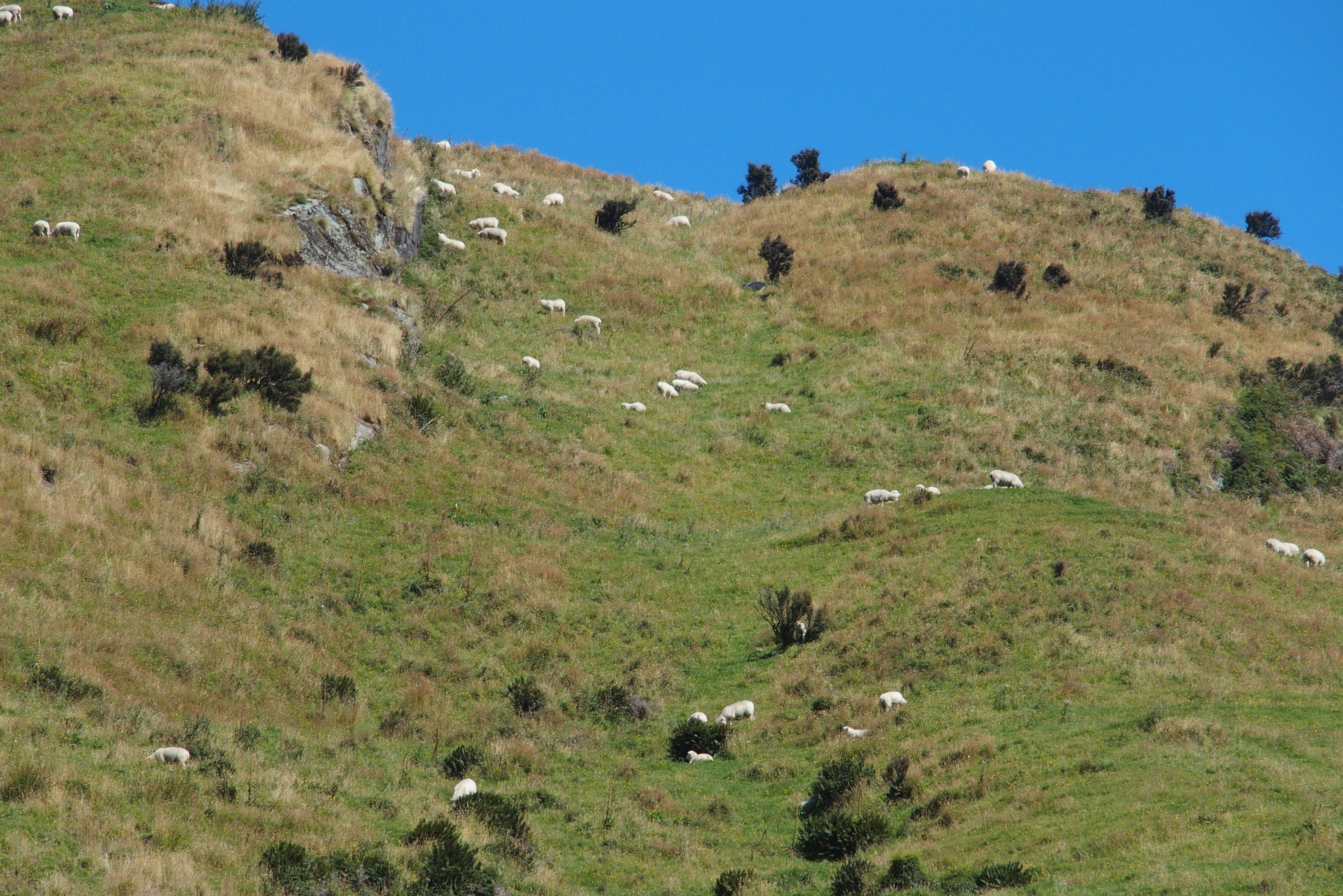
The sheep seem to be foraging wherever they want to go. We saw evidence of their having been around on many hillsides across the country. Note the horizontal lines of travel across the slope. From a distance they look like maggots, don’t you think?

OLYMPUS DIGITAL CAMERA

Sheep maggots on the hillside.

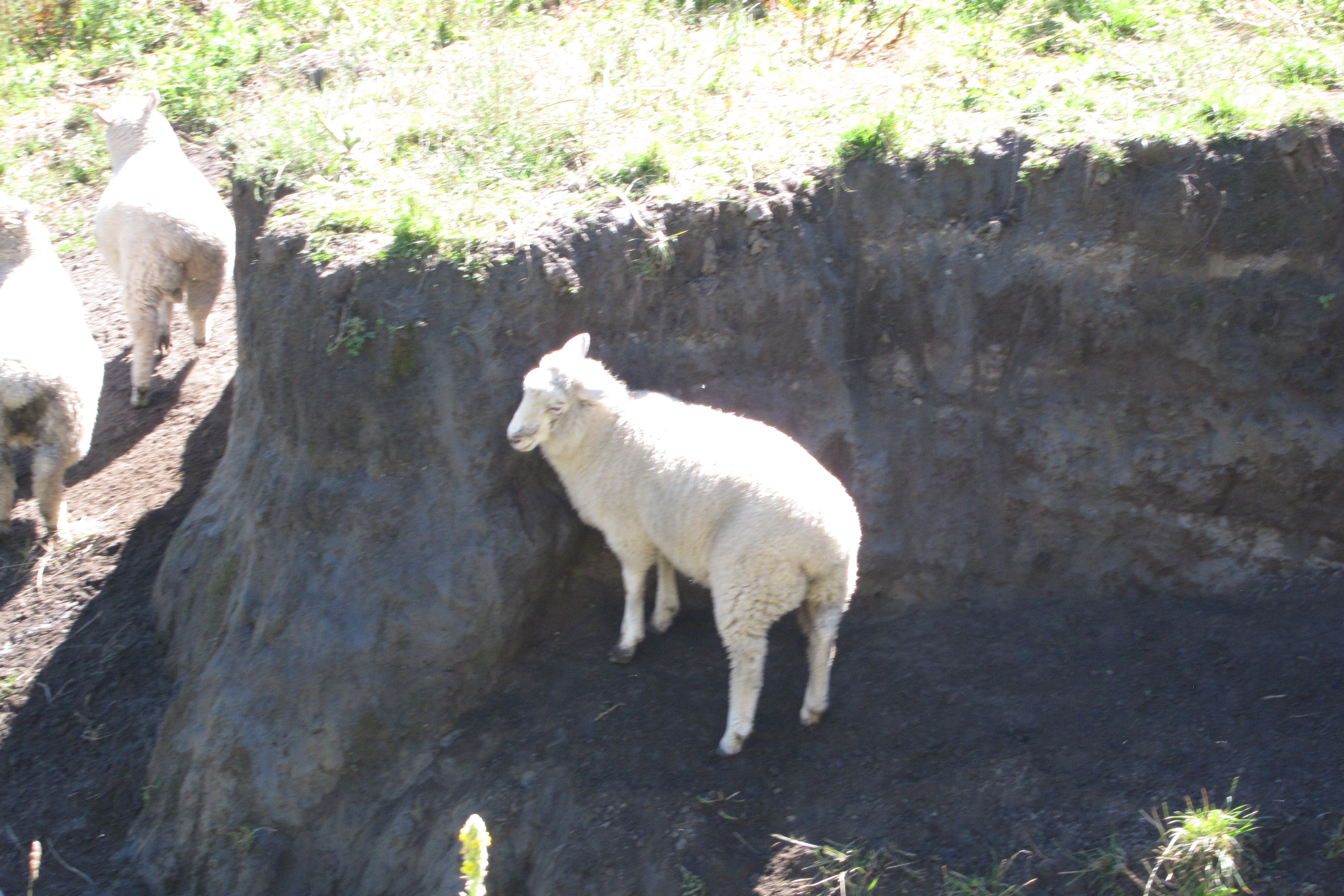
Liz, Chris, Pat, do you remember the Trixie Belden book about their uncle’s sheep farm? The sheep were caught in a ravine and the BobWhites had to save them. Nancy was ready to get out of the car and help this guy, but he scampered out on his own.

2015-02-10 026

He was just enjoying the cool, damp shade.

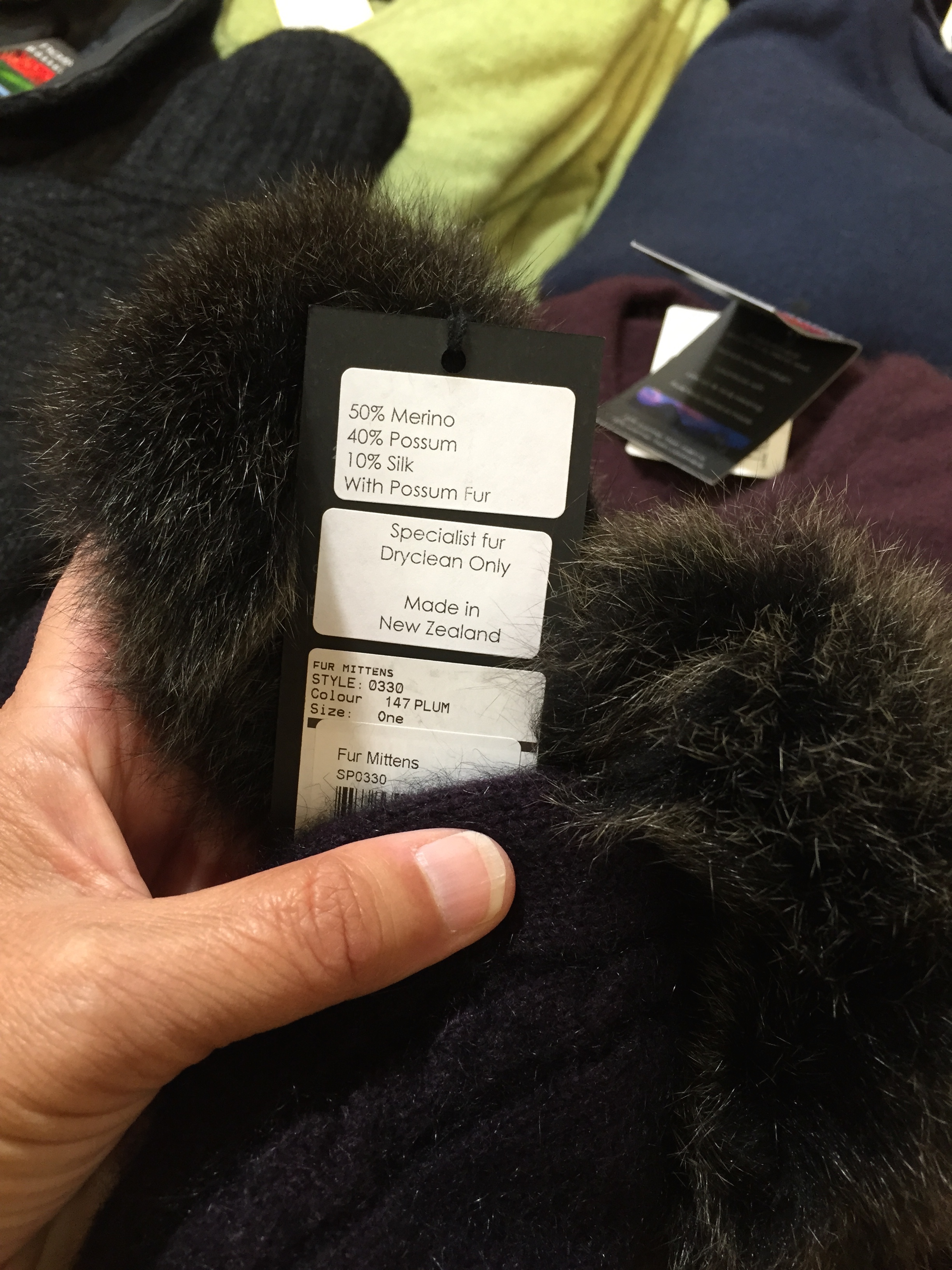
Merino wool is used to make a premium product here: merino mink. It’s actually the combination of the sheep’s wool with the hair or skin of an opossum. The sheep are simply sheared and run back to the fields. The opossums are done in.

IMG_3811

Merino mink, very soft. Not so nice for the poor opossums.

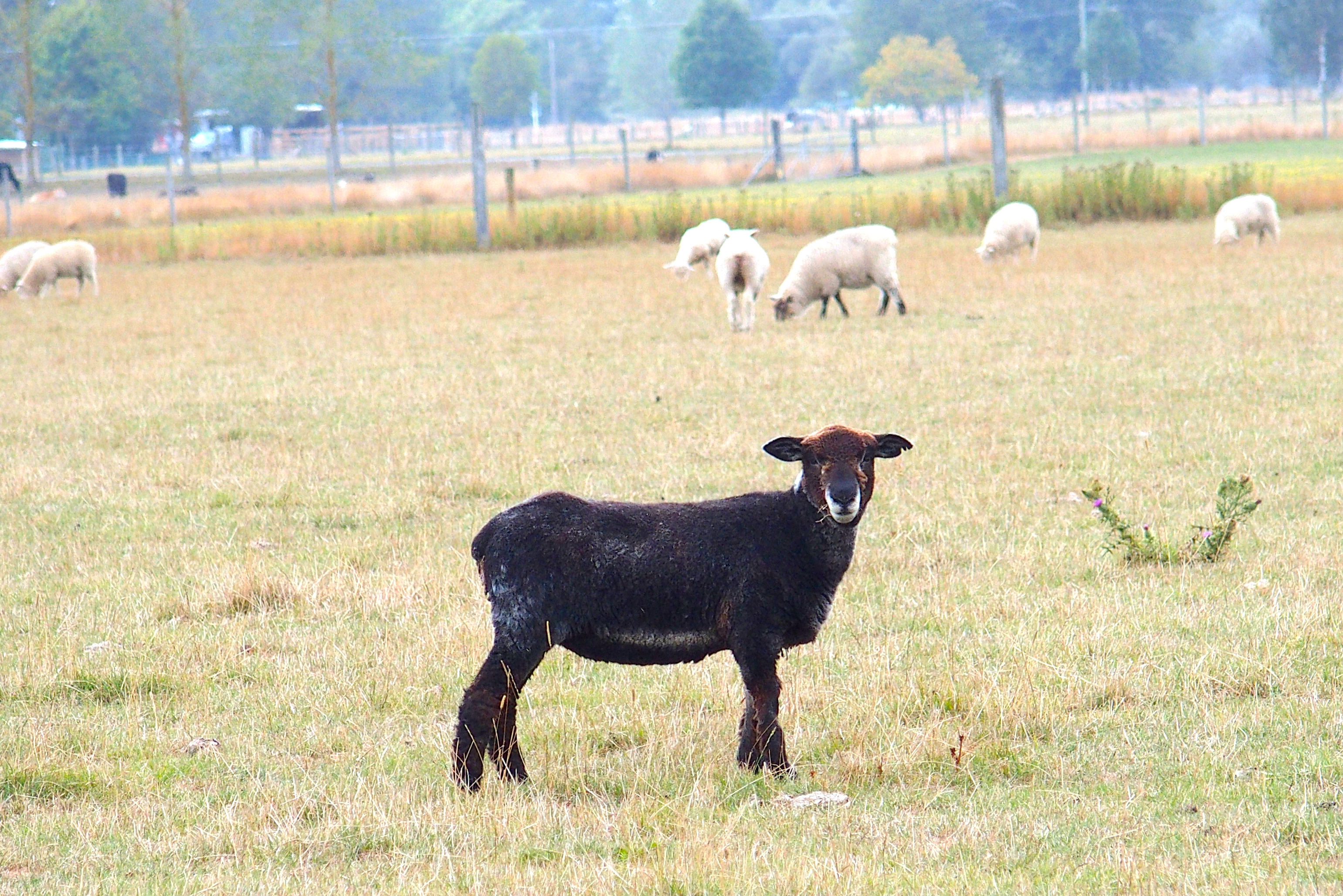
We looked all over the country for black sheep. Not common. Finally near Ashburton, we found one. Nancy said, “Baa, Baa” to attract his attention. And yes he did have wool, not necessarily three bags full.

OLYMPUS DIGITAL CAMERA

Maybe farmers don’t like black sheep because they grow thinner coats.

Enough about sheep. New Zealand has plenty of cows.

OLYMPUS DIGITAL CAMERA

The cows seem to range wherever they want as well, inside and outside fences.

Beef is popular, milk too. In fact, we were surprised at our first motel when the proprietor handed us a pint of milk. Then it happened at the next one too. We thought that it might be a push by the national dairy association to get people to drink more milk. Eventually we realized that all the rooms had pots with electric coils to make hot water for coffee or tea. Providing a pint of milk to put in the fridge was easier than giving a number of one-serve half-and-halfs, and certainly better than powdered creamer. We drank the milk with our Arnott mint cookies.

OLYMPUS DIGITAL CAMERA

This guy seemed to be headed for a game of chicken with Michael. Michael won by jumping in the car. It was in getaway mode, door open, engine running.

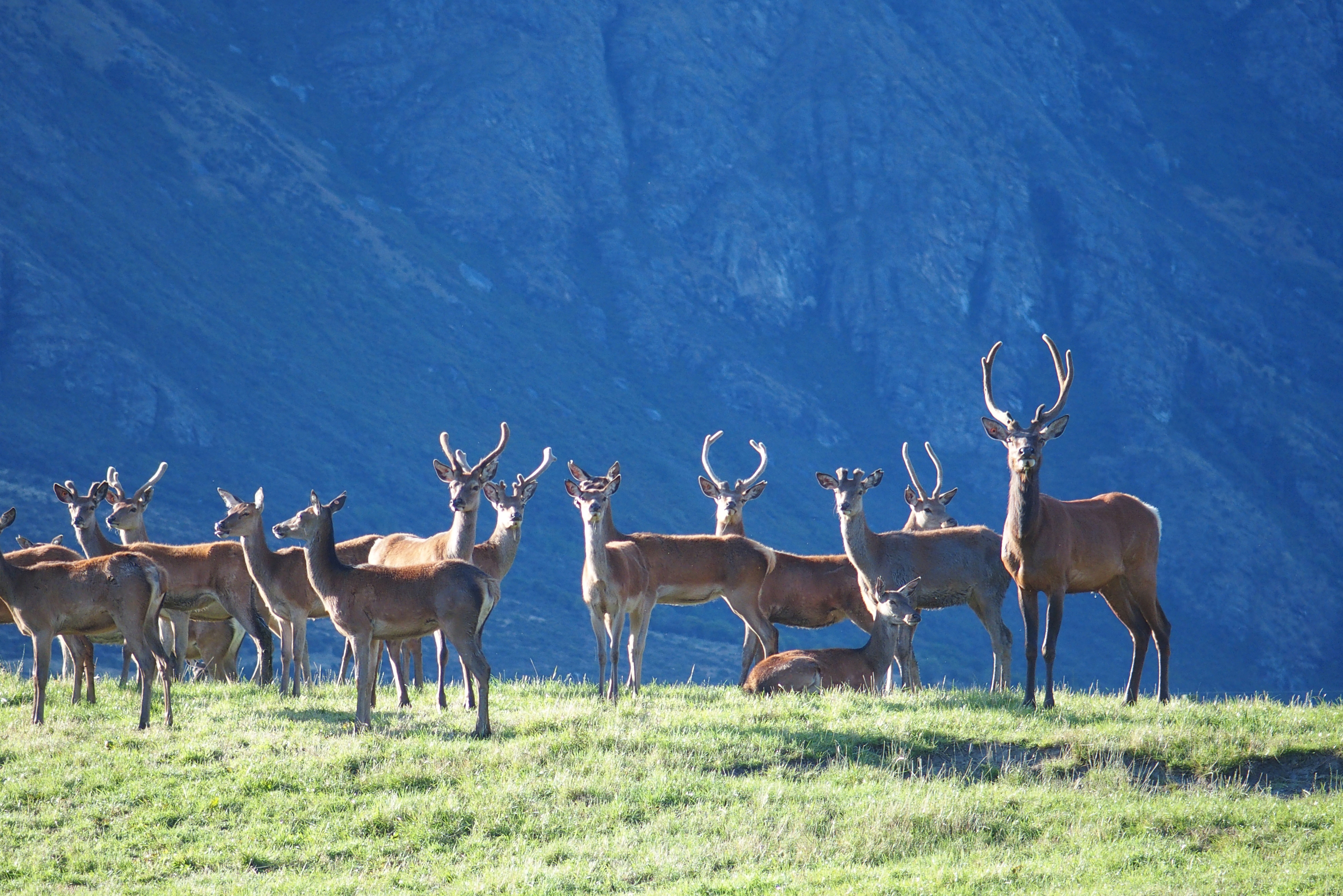
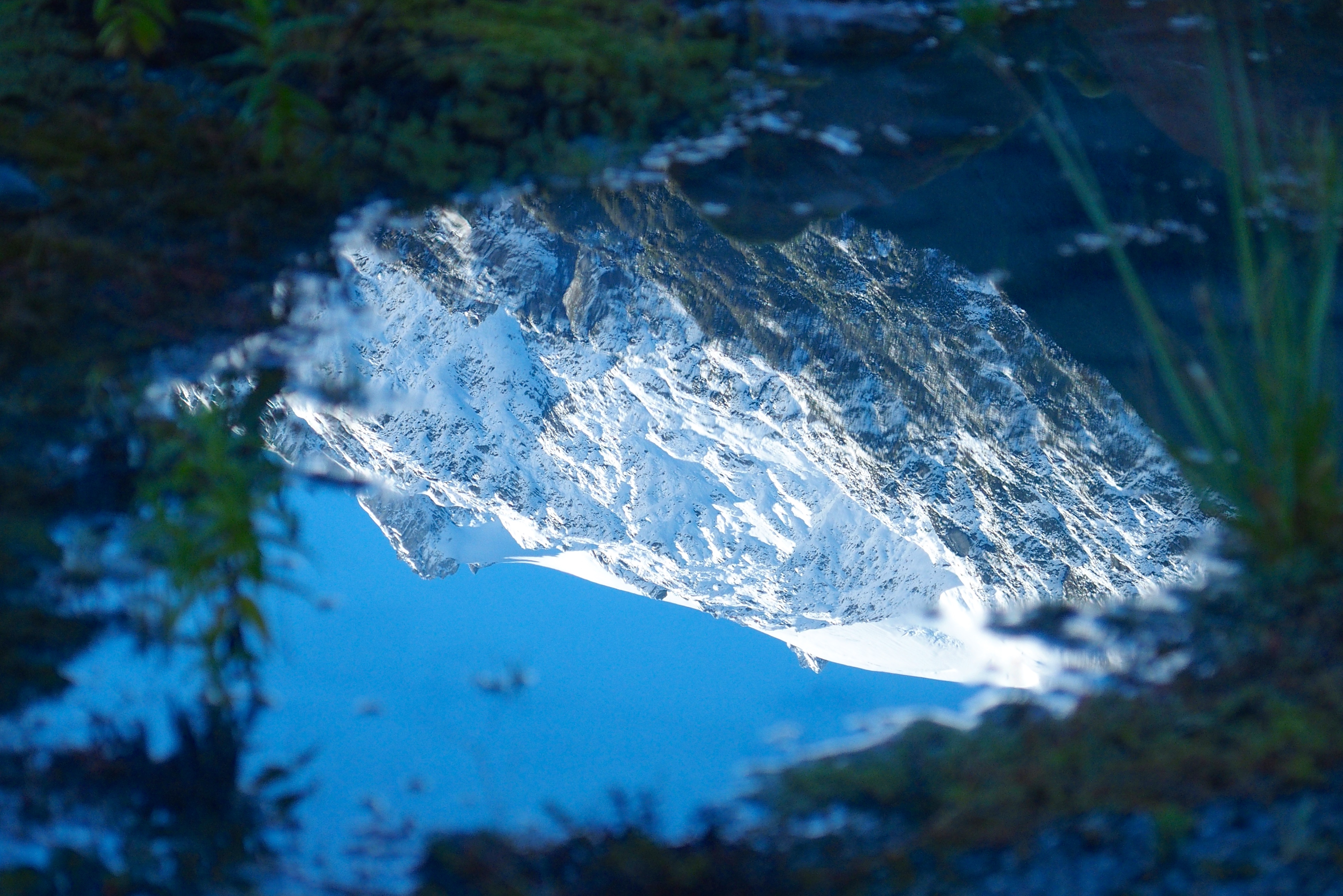
Venison is also popular in New Zealand. There are white-tail deer (like in the US) in the Lake Tekapo area and on Stewart Island. But the venison found in restaurants comes from domesticated deer. Venison is not the only deer product; velvet is important too. This is the pre-cartilage growth of the antler. It can grow almost an inch a day and of course it comes back year after year. With such unique growth, it is thought to have special pharmacodynamic properties, so velvet is highly popular in Asia for medicinal purposes.
OLYMPUS DIGITAL CAMERA

Look at the racks on these guys. No hunting though. They are purely domestic, bred for flavorful venison.

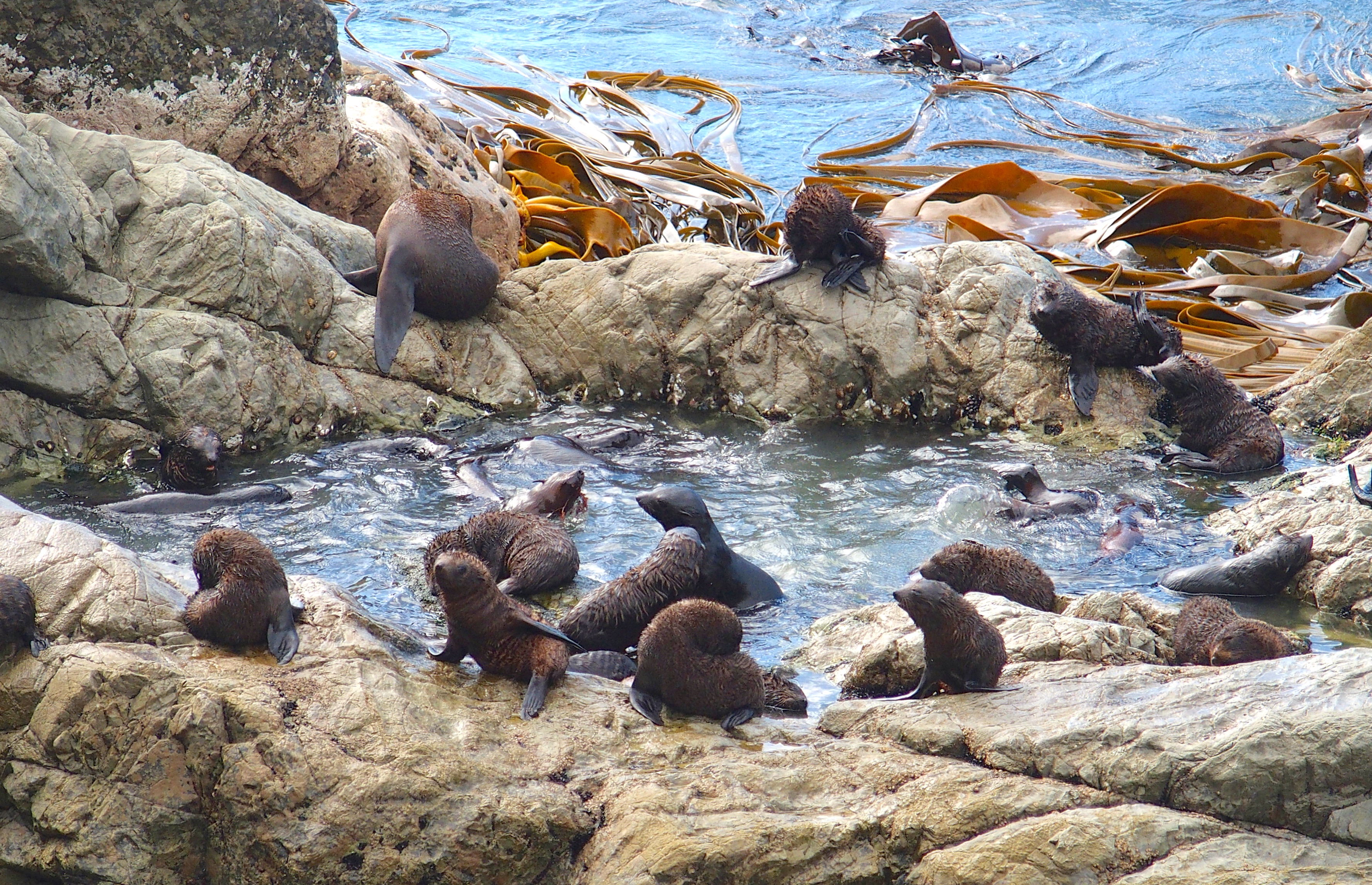
We saw seals and seal pups in the ocean. These have more fur than the sea lions on the US Pacific Coast. Many of the adult seals looked dead, until they twitched. The seal pups were more lively.

OLYMPUS DIGITAL CAMERA

Having a great old time in a natural pool. At times it was hard to tell seals from kelp.

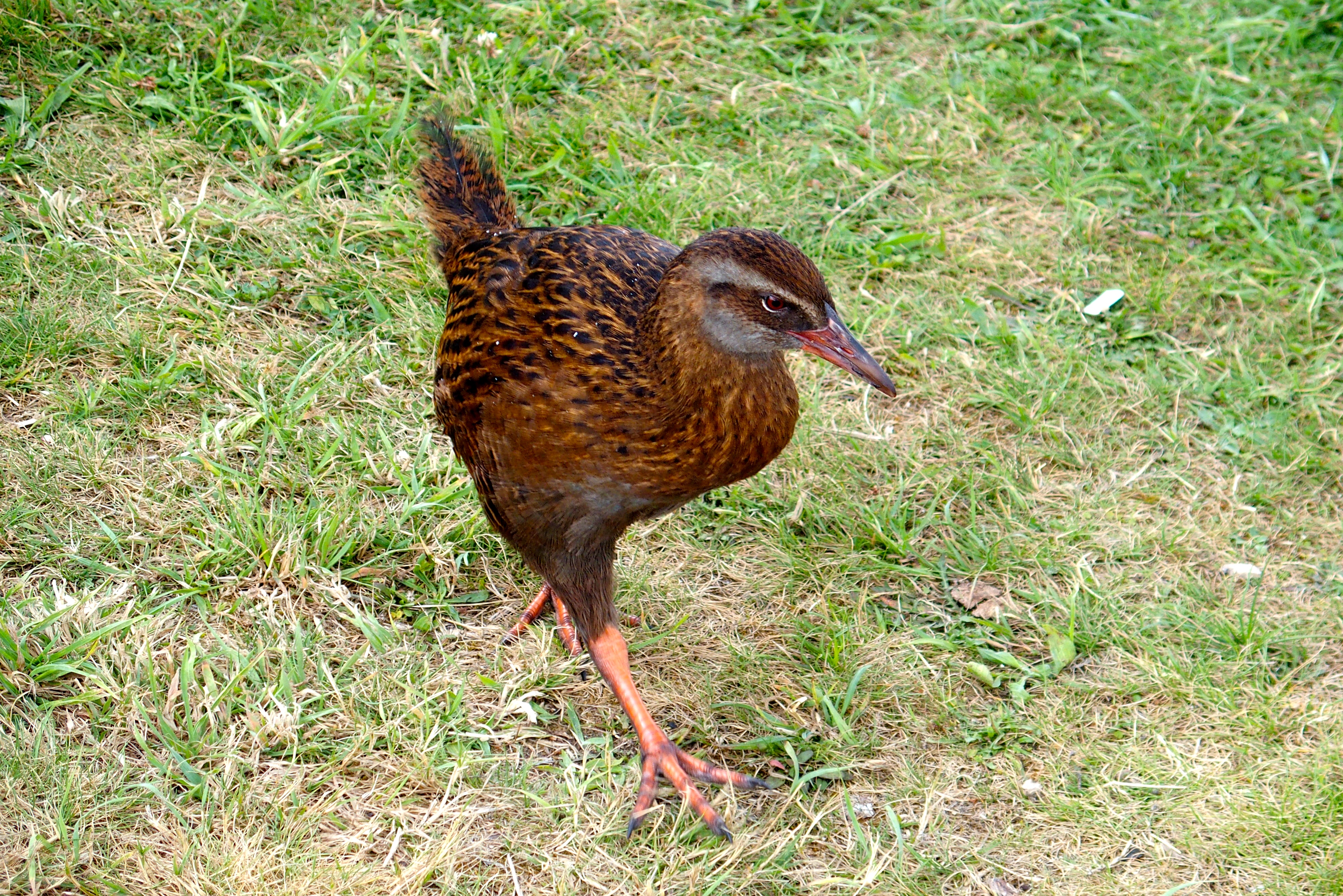
Eggs are pretty popular so there must be chicken farms in New Zealand; we just didn’t see them. No wild chickens (like on Hawaii) either. But we did see this bird, a weka. Look closely. See if you can find its wings…It doesn’t have any! It’s a flightless bird, but very friendly, generally traveling in pairs and going to areas with people.

OLYMPUS DIGITAL CAMERA

He (or she) actually followed us around. A weka!

No penguins. We didn’t go far enough south. No kiwis either. There are only 400 left! We did see other birds..

OLYMPUS DIGITAL CAMERA

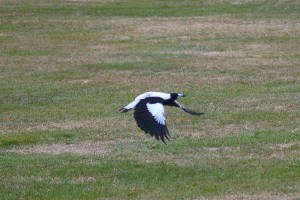
The Australian magpie . We chased this bird all over the country (not literally this one) and finally got a picture in Ashburton park.

OLYMPUS DIGITAL CAMERA

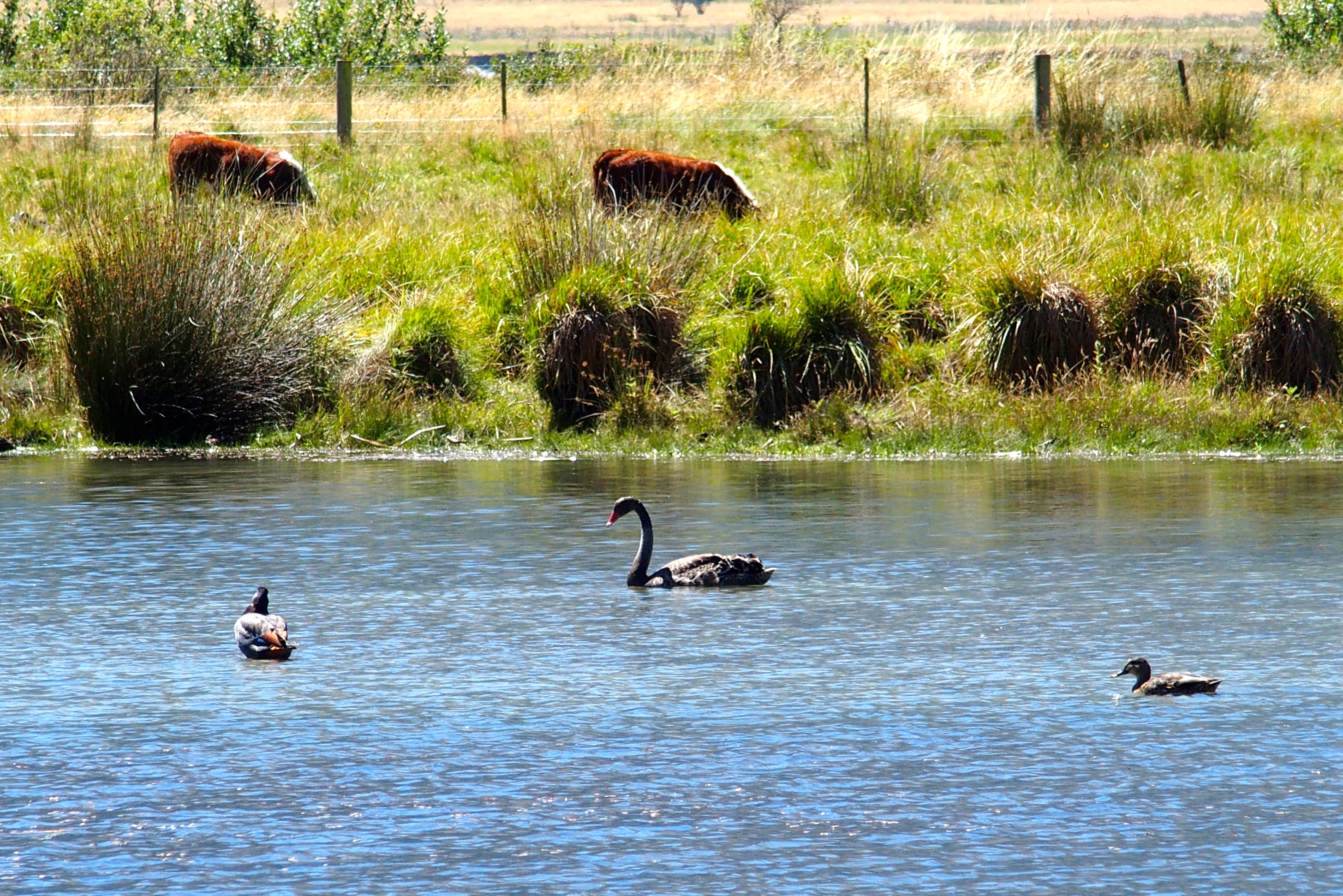
This might be a New Zealand scaup. If anyone has a better idea, let us know.

Finally, we found something that Malcolm Gladwell and Natalie Portman would be happy to see, as an outlier or a thing of beauty: a black swan, not very common.

OLYMPUS DIGITAL CAMERA

After we saw this black swan, we saw half a dozen in another pond. What would Gladwell say about that many outliers?

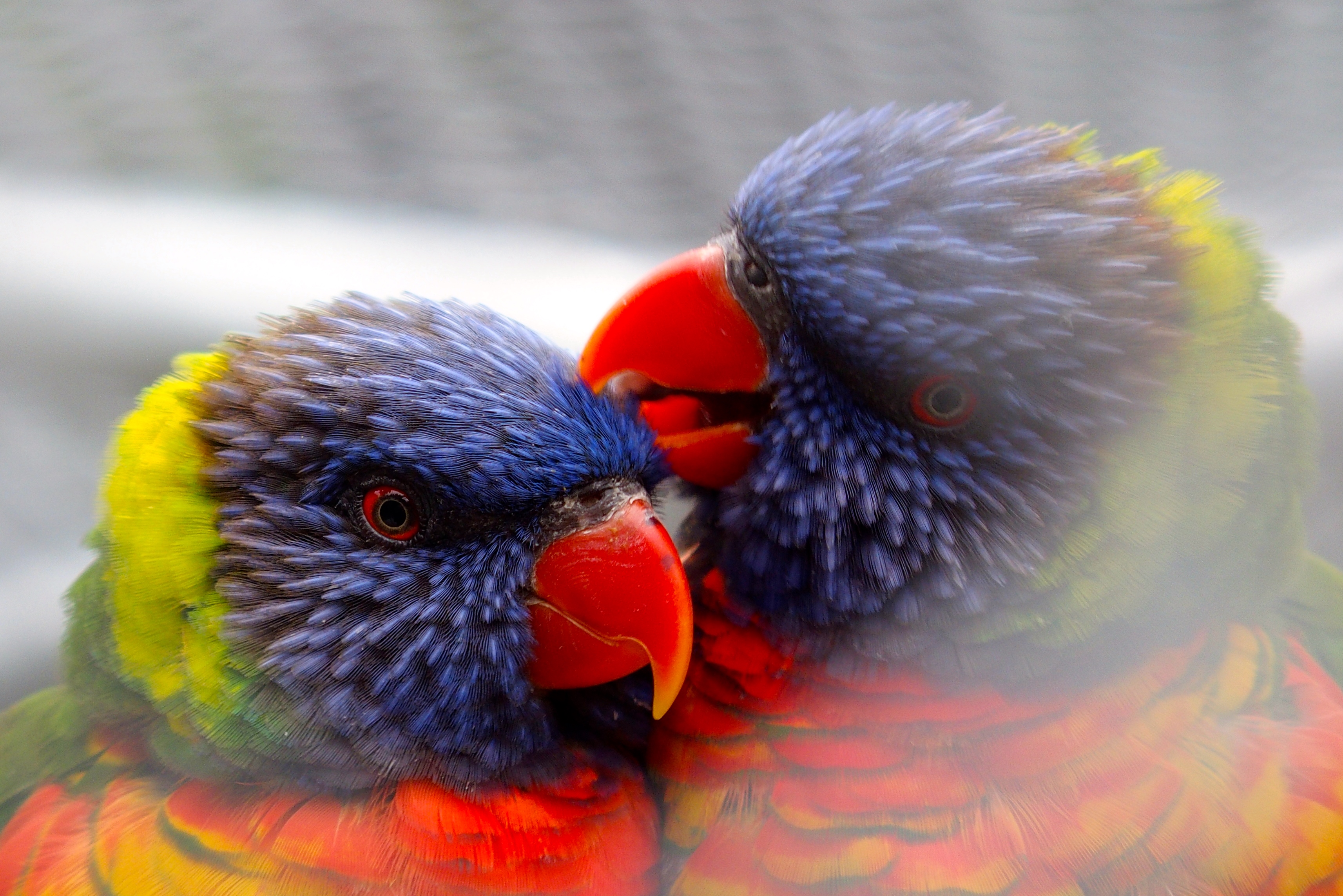
We’ll end with these pretty birds Michael photographed in the Ashburton aviary.

OLYMPUS DIGITAL CAMERA

Either grooming or nagging, we couldn’t tell which.


Posted in Smell the Roses, Travel Journal | Tagged , , , , , , , , , | 3 Comments

Christchurch, 4 years after the quake – January 2015

From Hong Kong it’s a short (11-hour) flight to Christchurch on the south island of New Zealand. Very different culture, climate, food, buildings, people, everything!

In September 2010 Christchurch suffered a serious earthquake, magnitude 7.1. Although New Zealand is on the hot zone of the Pacific Rim’s Ring of Fire, locals didn’t expect the quake since they simply hadn’t had any severe geothermal activity in decades. In one of the places we stayed we saw  a book about the “big one,” this earthquake which had no fatalities and relatively mild damage.

The actual big one was the aftershock in Feb 2011, 6.3 in magnitude, but deadly and disastrous. This time people died: 185 of them, from 5 months old to 92 and from 20 countries.

IMG_3551

This interactive sculpture has 185 chairs, one for each person who died.

IMG_3543

Select the chair that speaks to you about the tragedy and sit in it to reflect.

Over 80% of homes were impacted. Public buildings were damaged and unusable. The iconic symbol of the city, ChristChurch Cathedral, over 100 years old, was destroyed.

IMG_3510

The spire collapsed. The visitor center on the left showed little damage. In November 2011 the church was deconsecrated.

IMG_3504

The rose window was actually destroyed in June 2011 when steel supports intended to protect it were pushed against it by another aftershock.

IMG_3521

More earthquake damage. This one was a theater.

So why are we able to take these photos now? It’s been four years. Shouldn’t these buildings have been demolished or rebuilt? Financial and emotional issues are getting in the way. Insurance companies are reluctant to pay. The government wants to influence design. Funding is limited. The church is nominally planned for demolition, but the process is in limbo, with court actions to determine if total demolition is appropriate. Even UNESCO has an opinion since it is a heritage site.

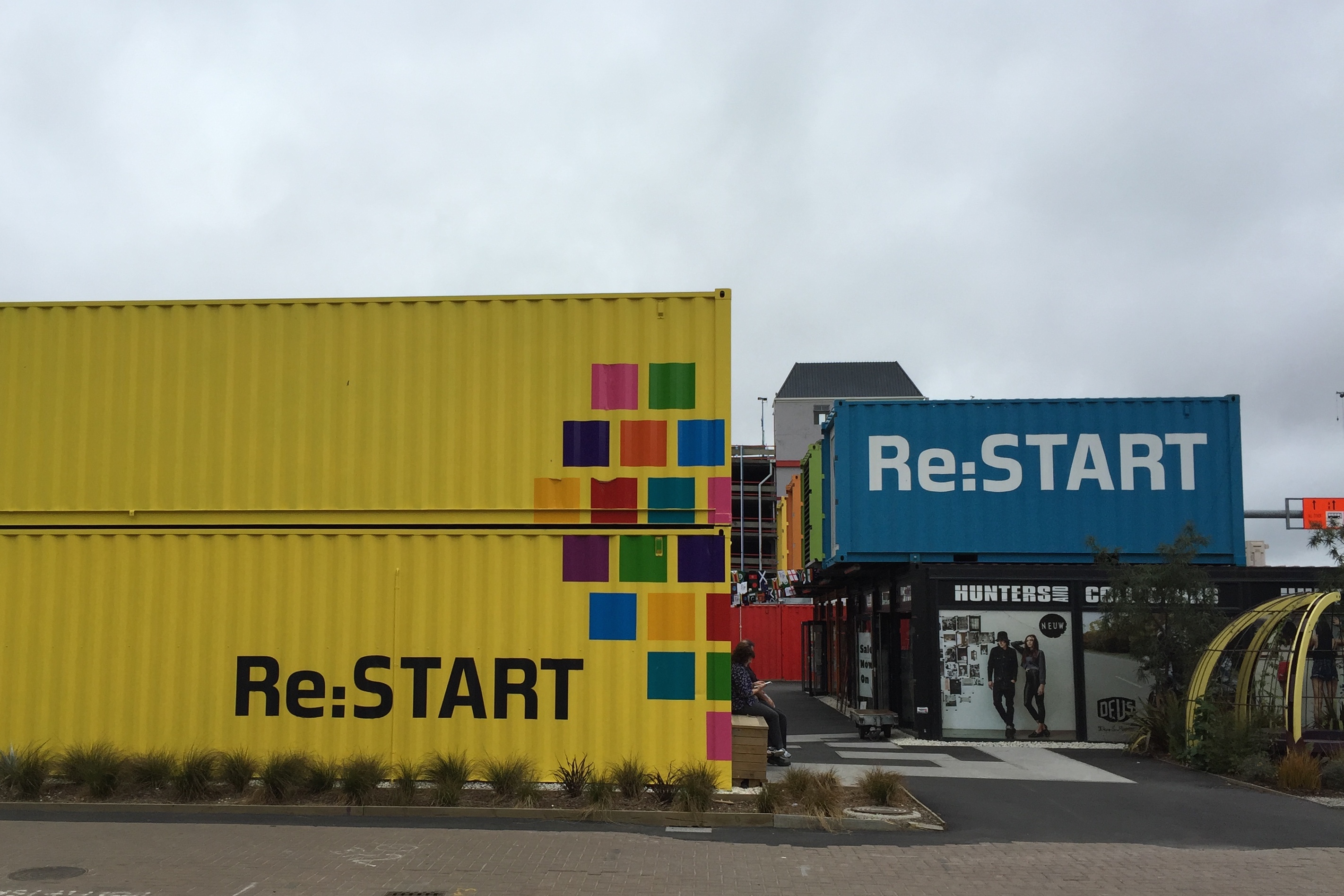
There are some restarts. This “movable mall” made from shipping containers has been located and then relocated in several spots in the city’s downtown area.

IMG_3532

A great use for used shipping containers.

IMG_3535

Note the cranes. Maybe the mall is on the move again.

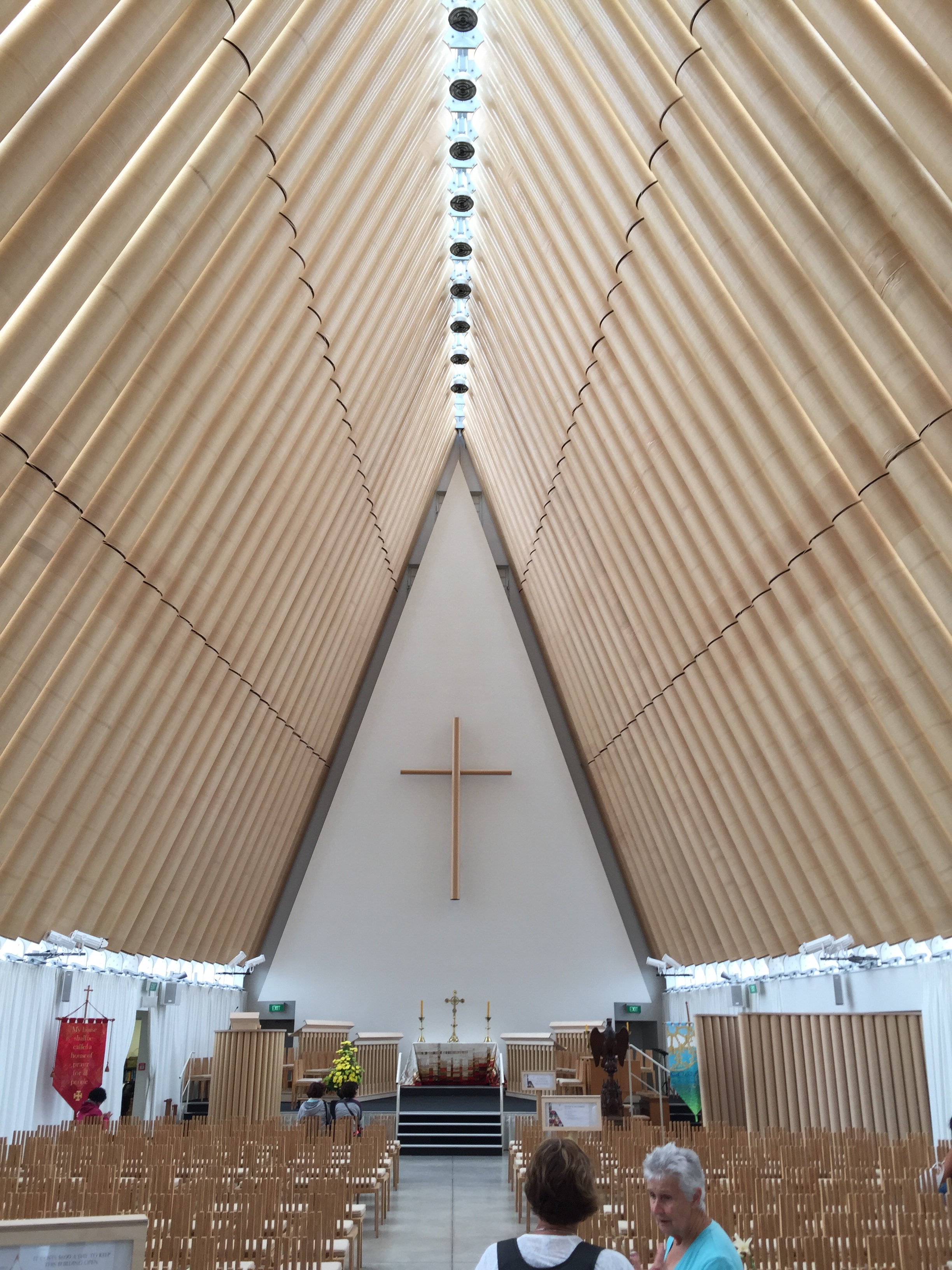
An earthquake-resistant design was created by Japanese architect Shigeru Ban for a replacement cathedral. It’s made from cardboard tubes. It’s even called Christchurch Cardboard Cathedral on Google Maps.

IMG_3559

Open for spiritual business in August 2013

IMG_3548

The “beams” are hollow cardboard tubes. Even the altar and choir stand are tubes, just smaller.

Photos of the stained glass from the original cathedral’s rose window were used to create enlargements to give the new site a churchy feel. Volunteers at the cardboard cathedral have different views on the original, iconic cathedral. Some still hope and pray that it will be restored. Others are ready to move on and simply embrace cardboard as the new reality.

IMG_3547

Thanks to digital photography, images from the rose window have been reproduced here. The site is now also used for non-religious receptions and music performances.

One building that has been restored is Christchurch Hospital. It suffered significant damage in 2011 and was reopened for business by 2014. It has the busiest emergency department in New Zealand. And we helped! Nancy had to make a two-day visit for a pretty serious emergency. Thankfully, the building is intact and the staff are fantastic.

IMG_3634

My home away from home in new Zealand, Christchurch Hospital.


Posted in Travel Journal | Tagged , , , , | 2 Comments

Edible Hong Kong (January 2015)

Our first meal in Hong Kong was dim sum, or more accurately, yum cha, morning tea.

2015-01-15 002

Lifting the lid on your teapot is a signal that you need more hot water added to the tea leaves.


Yum cha has the same food but slightly less expensive for breakfast and the diners are all sitting at their round tables reading the morning papers. We ordered our favorites: steamed pork buns, steamed shrimp dumplings, and fried leek dumplings, all  just as good as we remembered. In our favorite dim sum restaurant near our old Kodak office, the servers pushed around carts with half a dozen varieties of dim sum and shouted out what they had to offer. We didn’t understand many of the names, but they would lift the lids and show us. We usually passed on the chicken feet.

2015-01-24 008

Steamed barbecue pork buns


We had some “seasonal vegetables” later. We often used to have meals with our Hong Kong colleagues, who were great at ordering. When we asked what we were eating, they didn’t know the English term so it was always just “tsai” or seasonal vegetable. At the wet market we could just point for our selection.

2015-01-22 049

Seasonal vegetable

Quite unexpectedly, we found a Geneva favorite in Hong Kong. Le Relais de l’Entrecote was our go-to spot for steak-frites. That’s all they serve for an entree.

IMG_3308

The menu looks much like we remember from Geneva, complete with French (correctly spelled).

Not much to offer for our vegetarian daughter.

IMG_3305

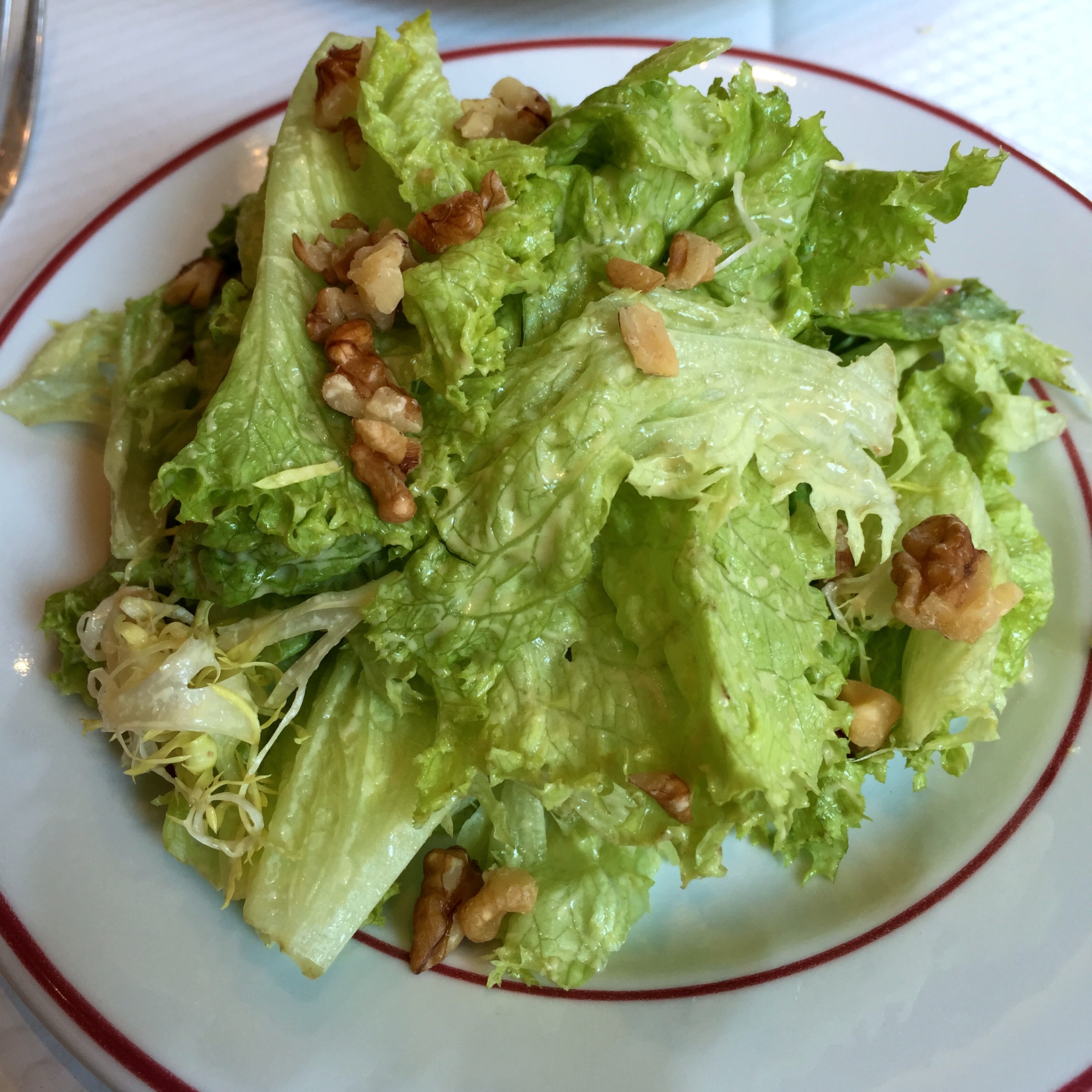
First course: a rather simple salad, lettuce, a bit of frisee, and walnuts

IMG_3306

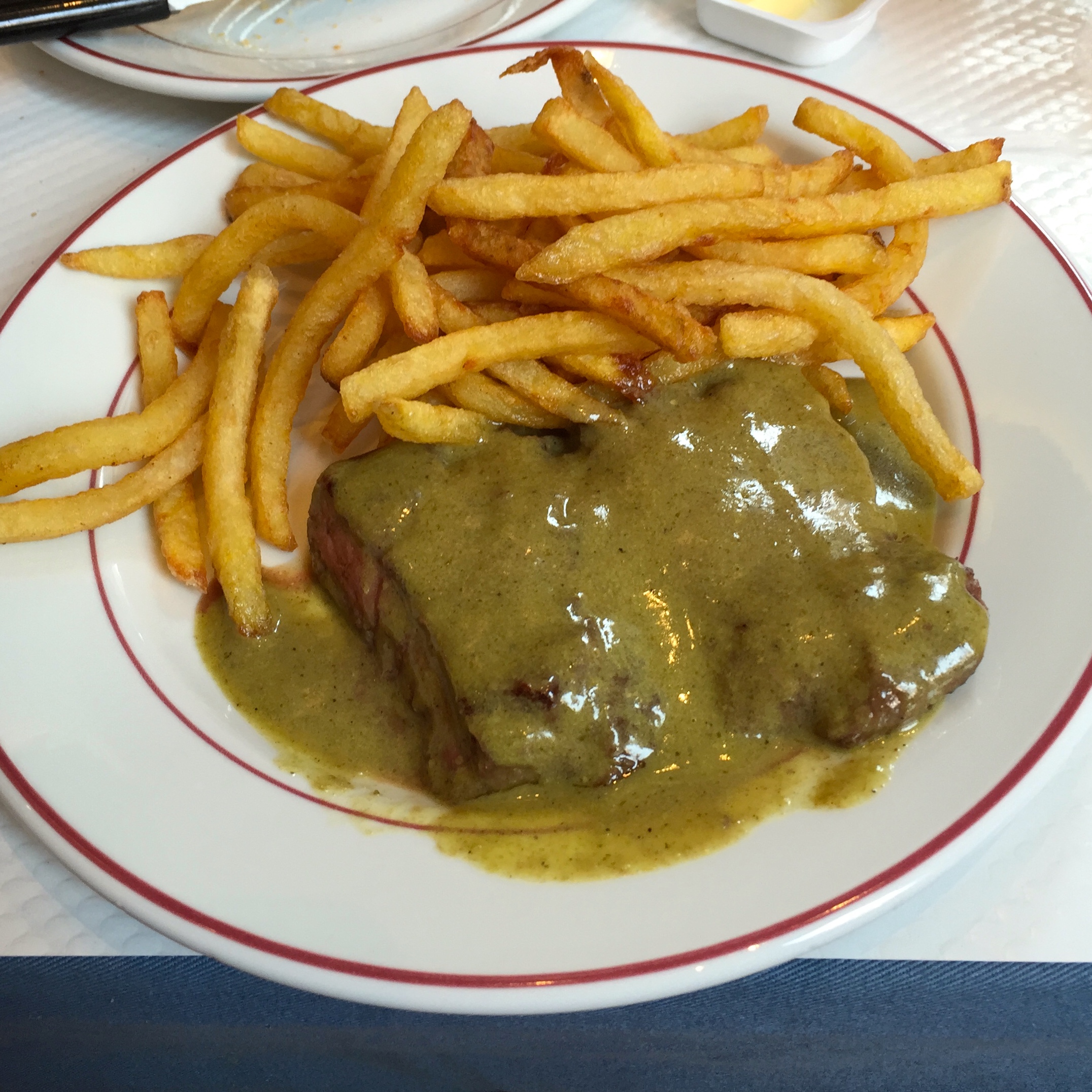
The main attraction: very tender, thinly sliced steak smothered in a secret mustard/pepper/? sauce with French fries. No ketchup on the table here, just as in Geneva.

They do, however, have more than 20 dessert options. Michael’s only choice has always been the profiteroles with a marvelous chocolate sauce. Here they also have a lilikoi sorbet, also delicious.

IMG_3307

Profiteroles with great chocolate sauce. (Fair Trade? Who knows?)

The restaurant has been open here for five months. The concept of one entree is a bit slow catching on. But everything seems to follow the Geneva model quite well. The waitresses are in black and white French maid outfits, although they do look a bit uncomfortable. The green-brown sauce is a secret, even to the waitstaff. The steak is delicious and comes in two servings; just when you think you’re finished, the waitress brings the second half of your meal. Very good! Chris told us there are now 10 Relais de l’Entrecotes around the world. We may have to adopt a Mark and Sue Real style goal of seeing them all. Actually eating in them all!

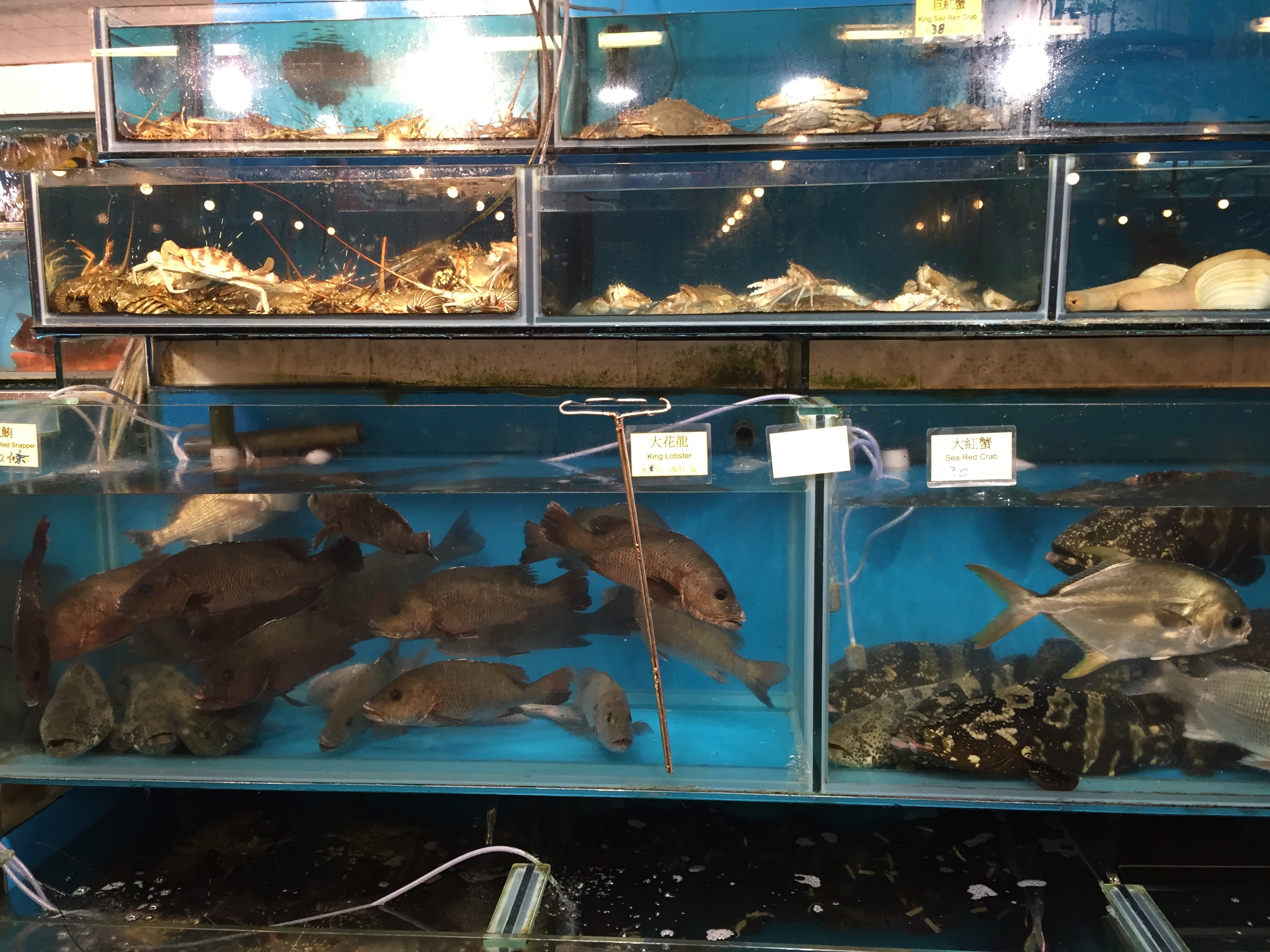
Back to more traditional Chinese food…we took the ferry to Lamma Island, one of our favorite spots for seafood. Here you pick your own fish as it swims in a tank. Out of tradition we had a steamed garoupa, with ginger and spring onions. We also had prawns with minced garlic (enough garlic to please even Kathy) and several big beers. The experience was great, but rather tame compared to the old times. We used to go to Aberdeen and negotiate for a ride over on a small sampan, rather frightening on the rolling waves in the open ocean.

IMG_3327

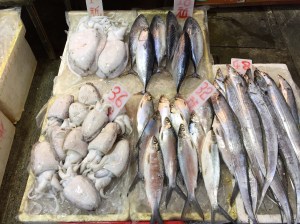
Not from Lamma, but these fish were still flapping on the counter at the North Point wet market.

IMG_3334

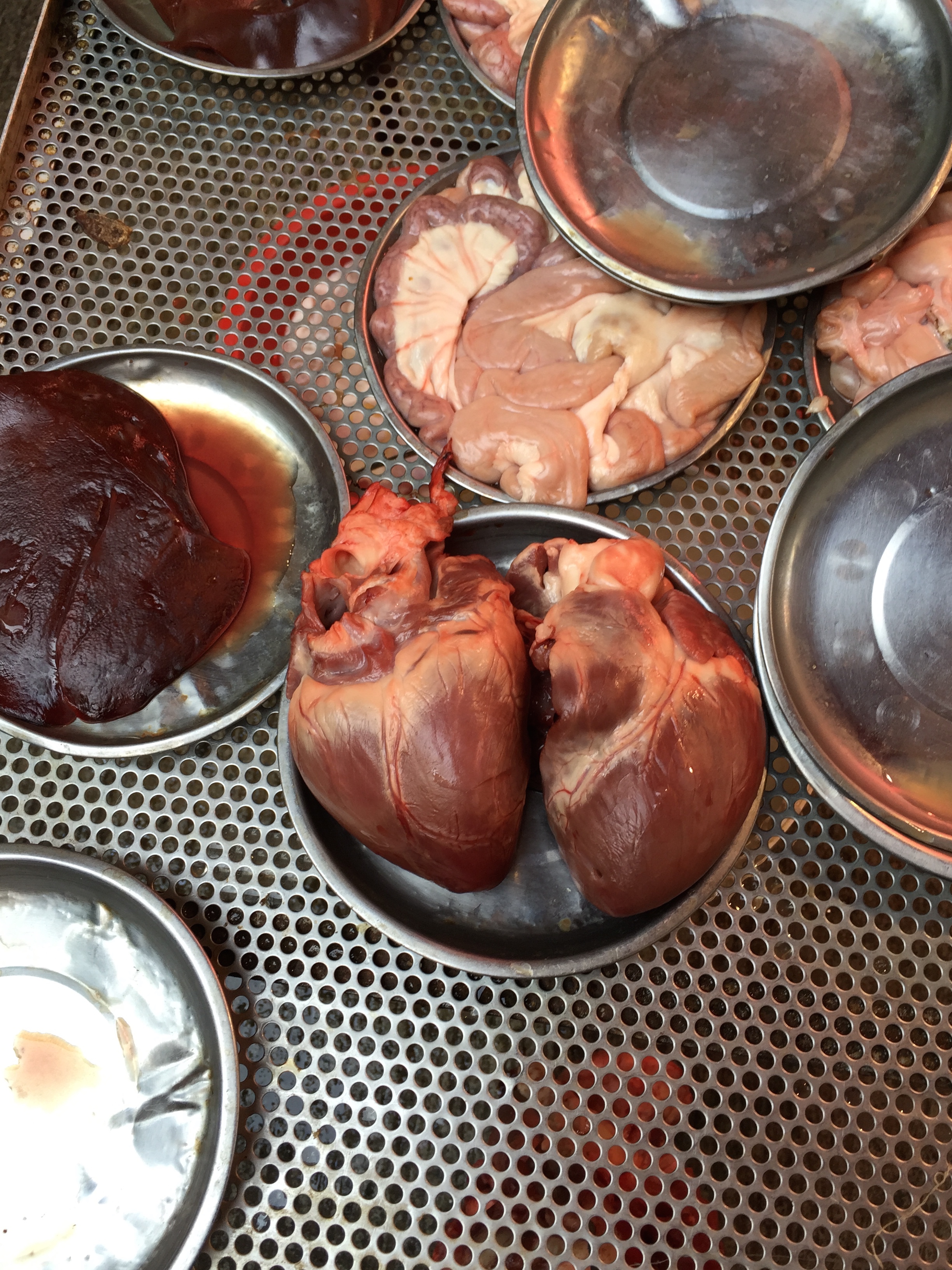
These sweetbreads were almost as fresh.

2015-01-23 092

In contrast, this is all kinds of dried seafood, including several varieties of seahorse.


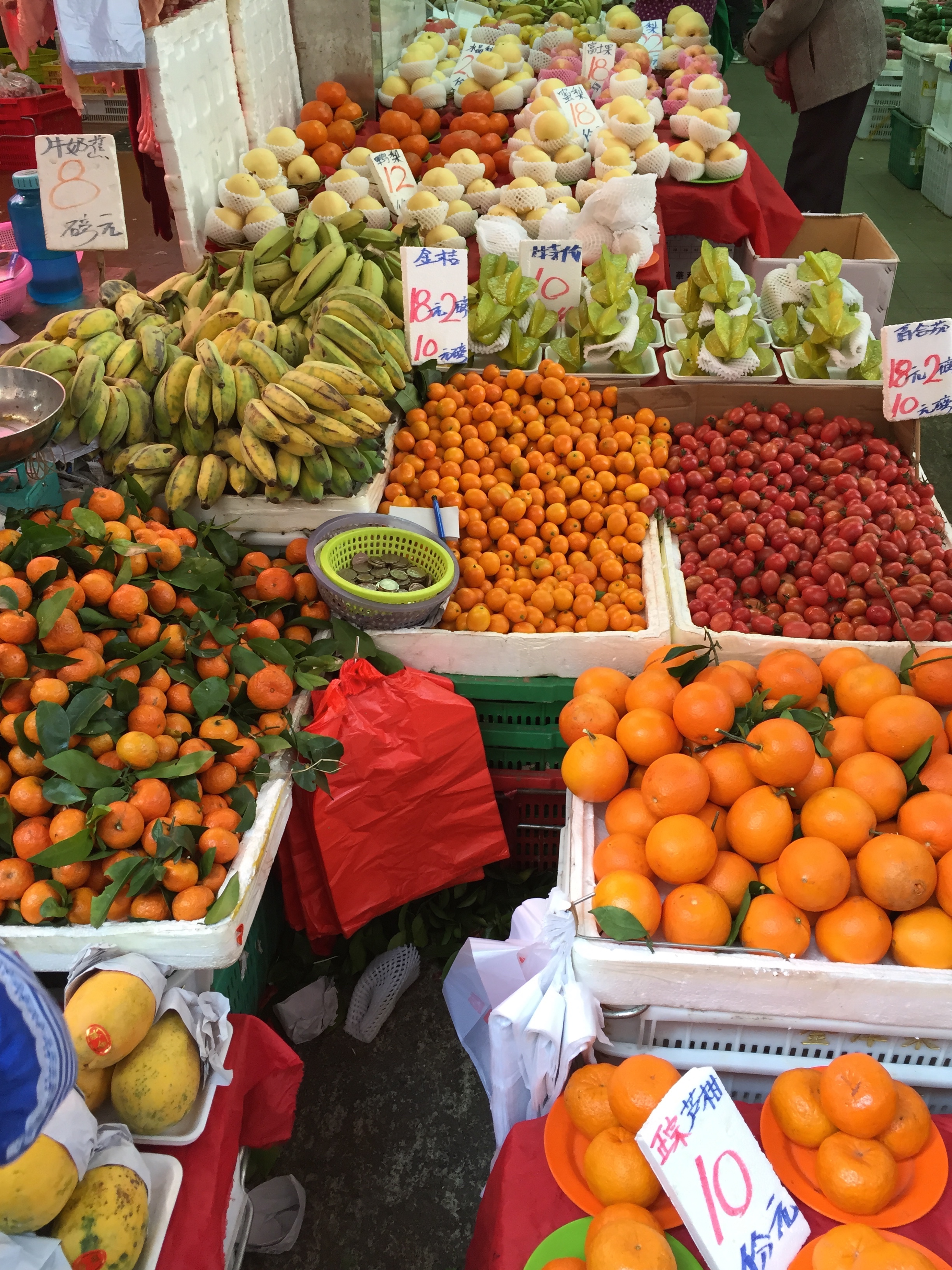
We had produce from a corner stand. The Philippine mangoes are delish. Satsuma are in season and smell as good as they taste. When Gail, Vic, and Karen came to Hong Kong, Gilda served five different fruits for breakfast five days in a row, with no repeats. The normal plus rambutan, lychee, starfruit, longan, mangosteen, custard apple, passion fruit/lilikoi (purple in Hong Kong) and its cousin, dragon fruit. No durian, too smelly!

IMG_3333

Can’t beat Hong Kong produce.

Best of all was a fantastic meal with our former coworker, Catherina Fung, and her husband Jeff (the runner in the Standard Charter race).

2015-01-17 004

Catherina has not aged in 20 years.


2015-01-17 003

Here’s Jeff. Thanks for the lovely dinner!


Posted in Smell the Roses | Tagged , , | 1 Comment

Hong Kong, Our Home – January 2015

We lived in Hong Kong from 1995 to 2001 so the kids grew up knowing Hong Kong as their home. We took some photos of things they might be missing.

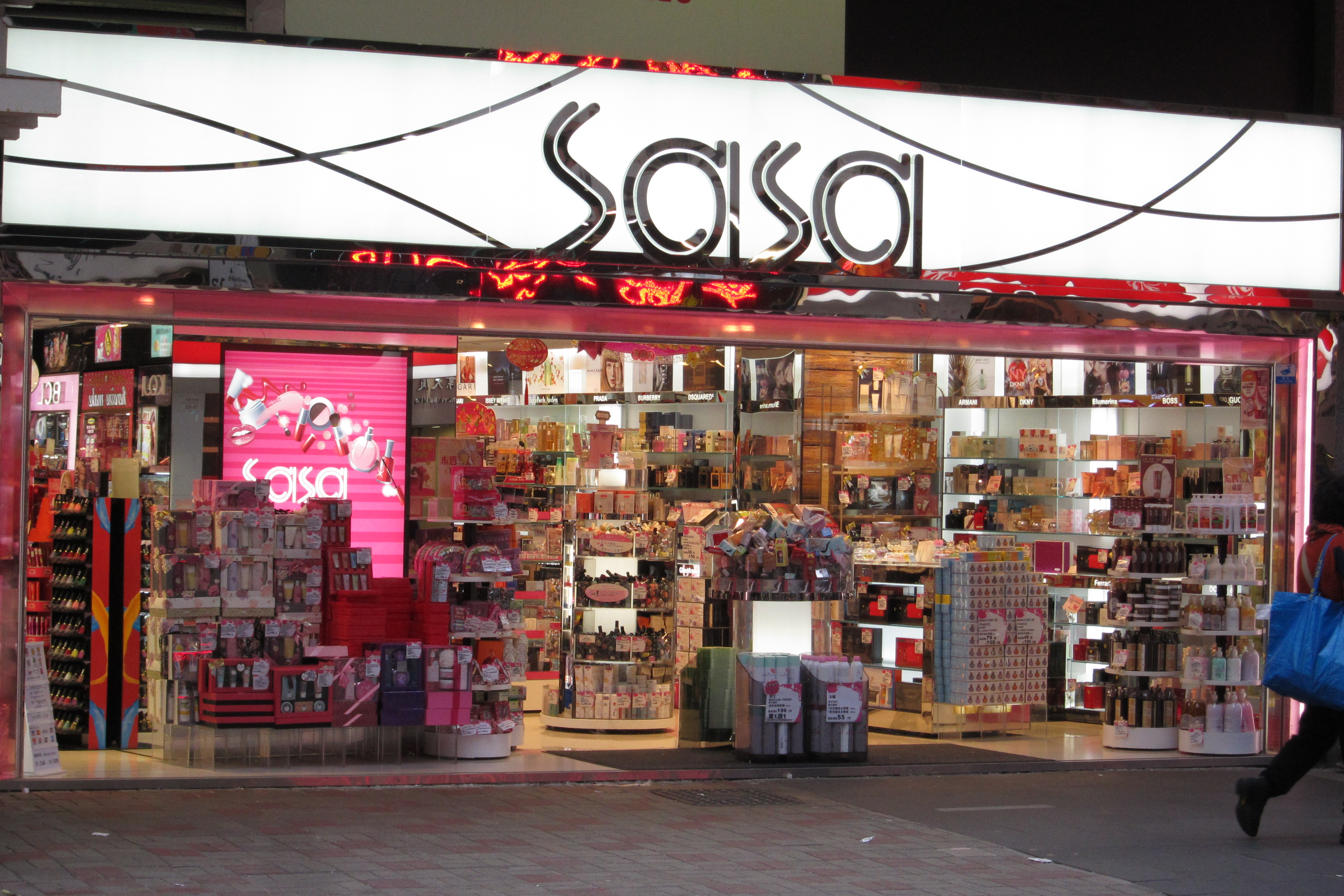
Before discovering Sephora in New York, Liz had Sasa in Hong Kong.

2015-01-18 011

Countless lip glosses were purchased here.

Pat’s favorite drink was this ultra-sweet yogurt, Yakult. He was so happy to find it in an Asian foods store in Charlotte a while back.

2015-01-18 021

Maybe Yakult helped Pat grow to 6’4″.

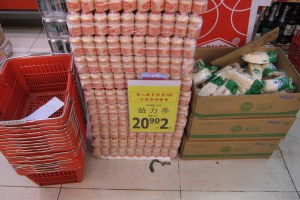
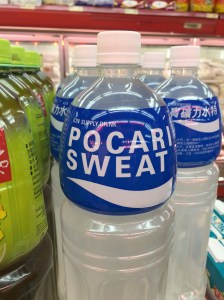
Pat’s other favorite drink. I don’t think he actually drank it. He just liked the name.

IMG_3330

Sweat. Sounds appealing as a drink, doesn’t it?

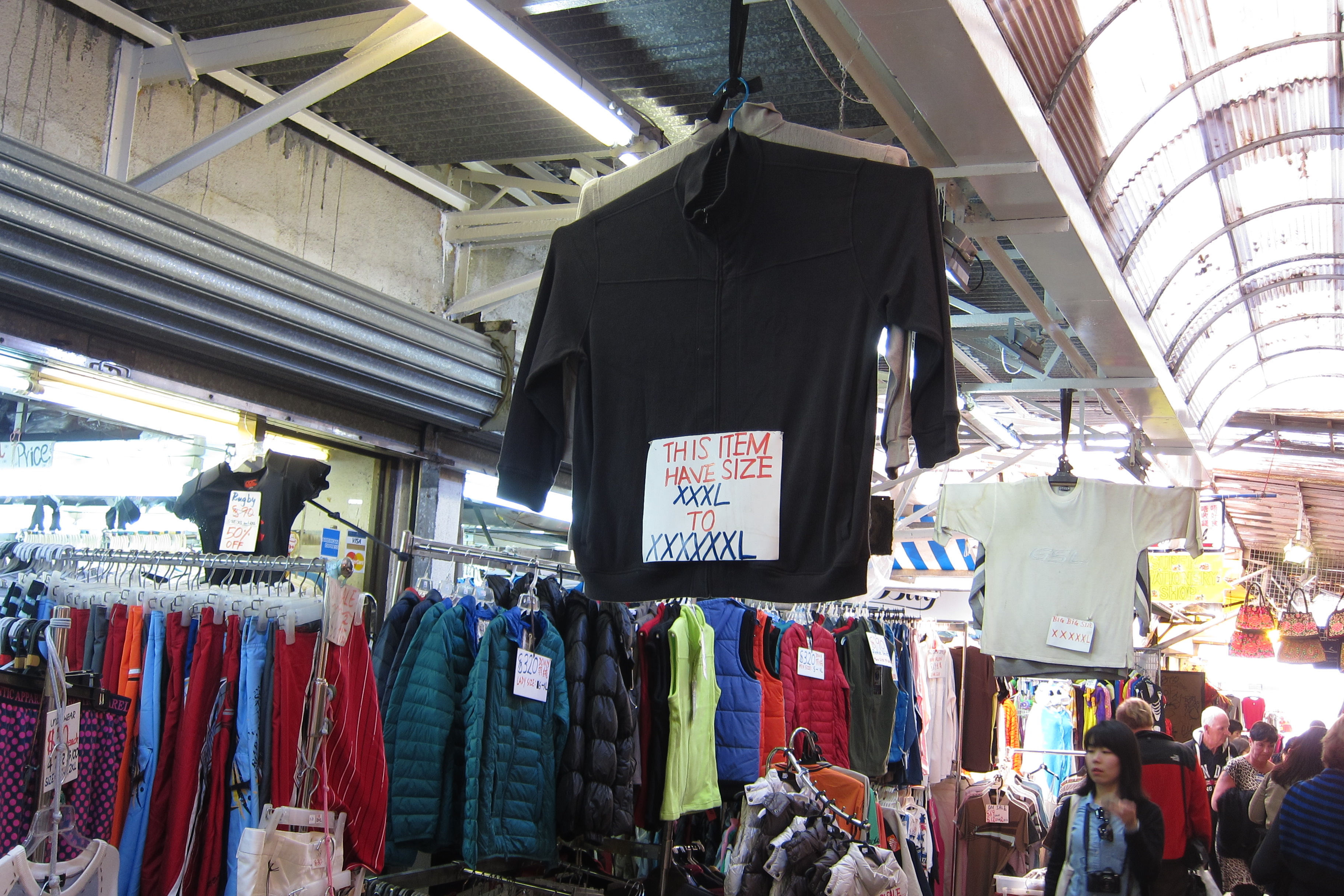
Each year before trips to Tahoe for skiing, we replenished our winter clothing gear in Stanley Market. Surprisingly they had clothing big enough for Westerners.

2015-01-15 017

At other Hong Kong shopping spots we were lucky to find anything over size 0 (ladies).

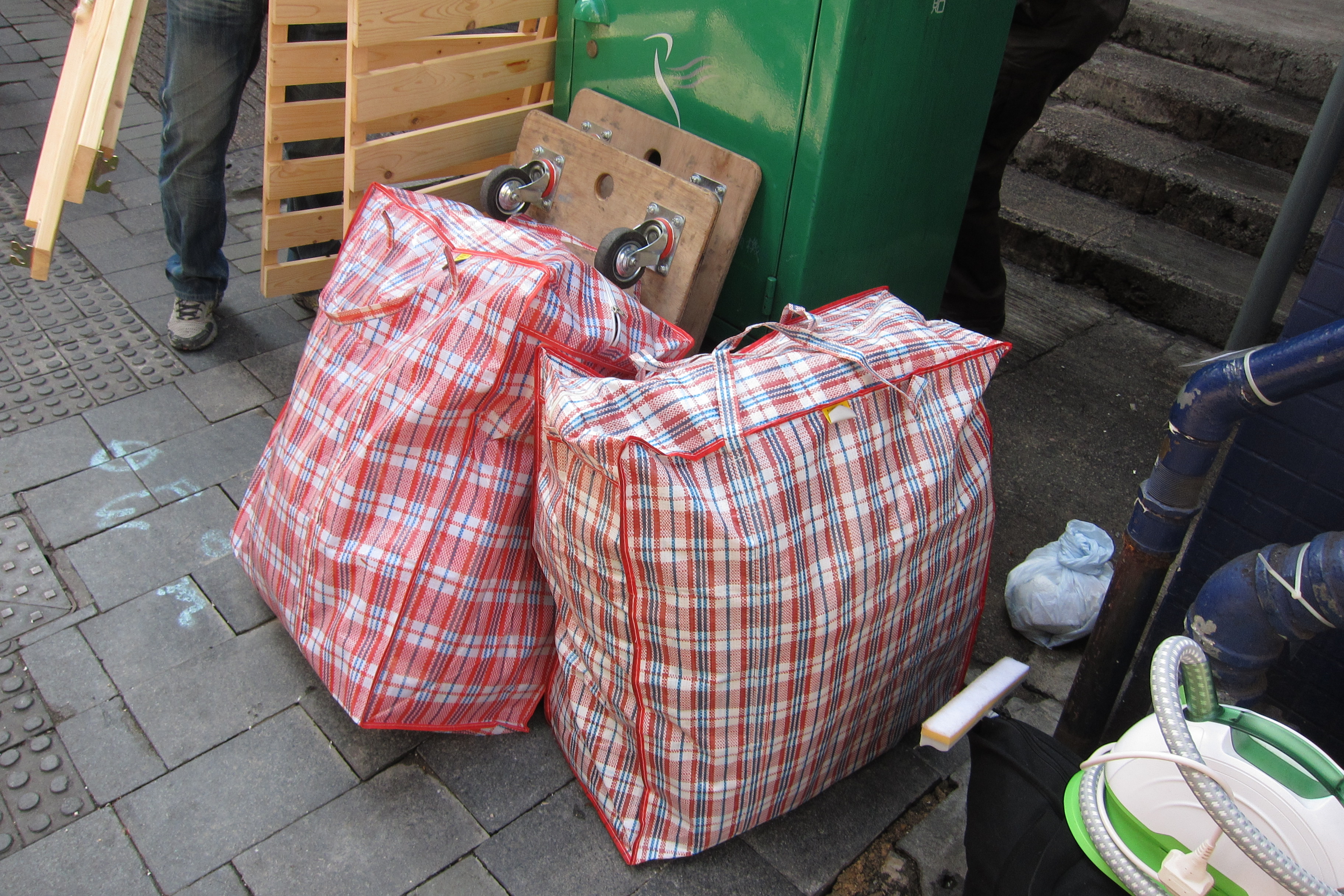
We still have some of the “Manila Samsonite” we discovered in Hong Kong. It was very popular with the Philippine amahs. These handy bags are all over our storage areas in Charlotte and New York.

2015-01-16 043

So convenient for the “lanes” purveyors who close up shop every night.


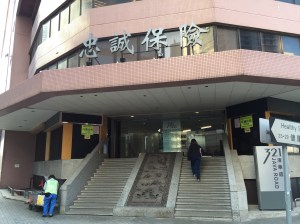
We visited our old office at “Kodak House 1,” 321 Java Road, North Point. (We still have photo business cards with this address.) When we moved to Hong Kong in 1995, Kodak had the first several floors and the air rights above the building to have a big red KODAK sign visible as you flew into Kai Tak Airport.

IMG_3337

No evidence that this was once Kodak. The dragon at the entry didn’t preserve our good fortune.

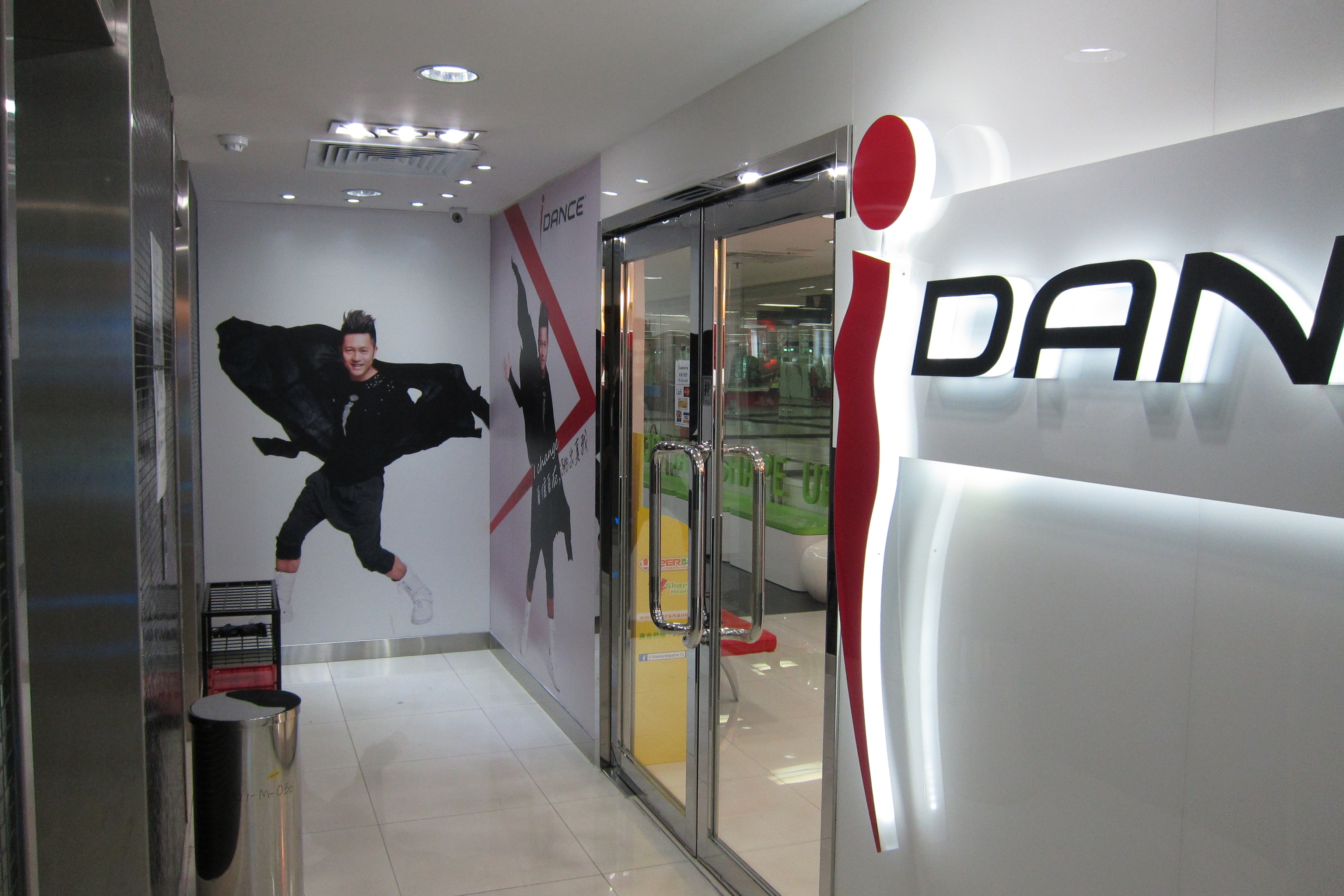
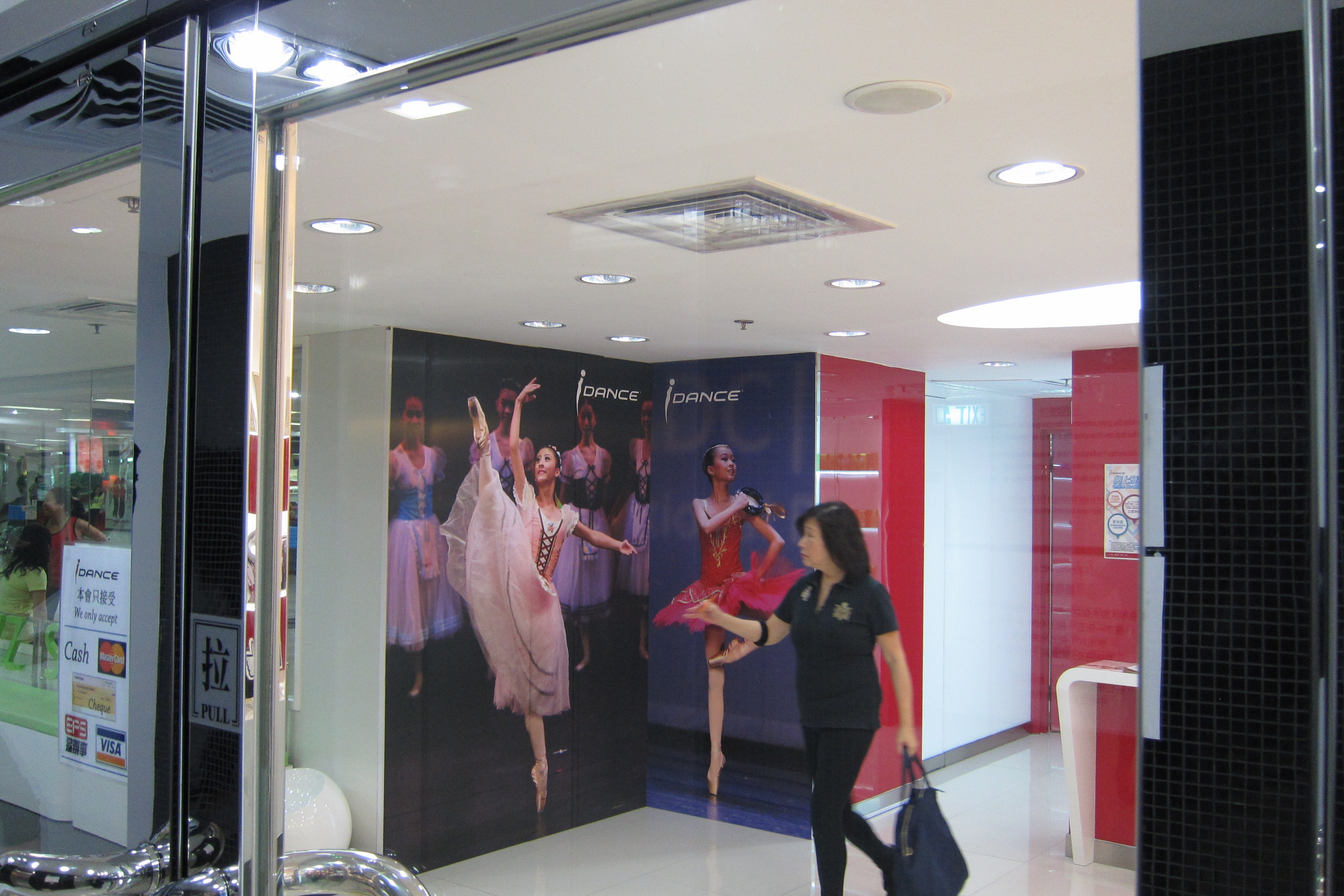
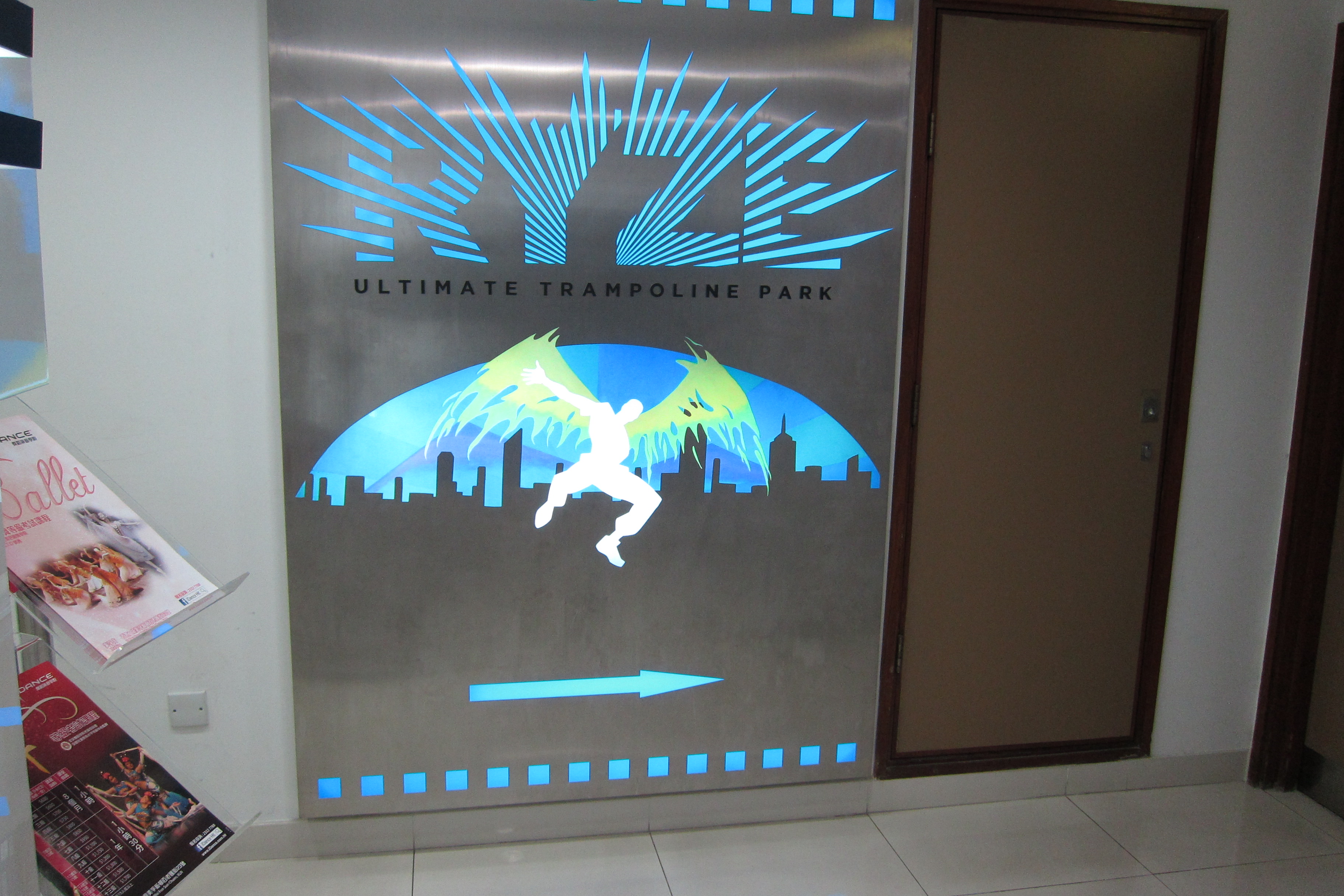
Over the last 20 years, the air rights were sold, the sign disappeared, and the office closed. The back of the building is still called Kodak House II. Our office on the third floor has been converted into a dance studio and trampoline park.

2015-01-19 001

This is where our tea lady once had her cart.

2015-01-19 003

If we had stayed in Hong Kong, Liz might have had classes here in our old offices.

2015-01-19 002

After Kodak ended its ups and downs in Kodak House, others are having ups and downs on trampolines. Unbelievable.

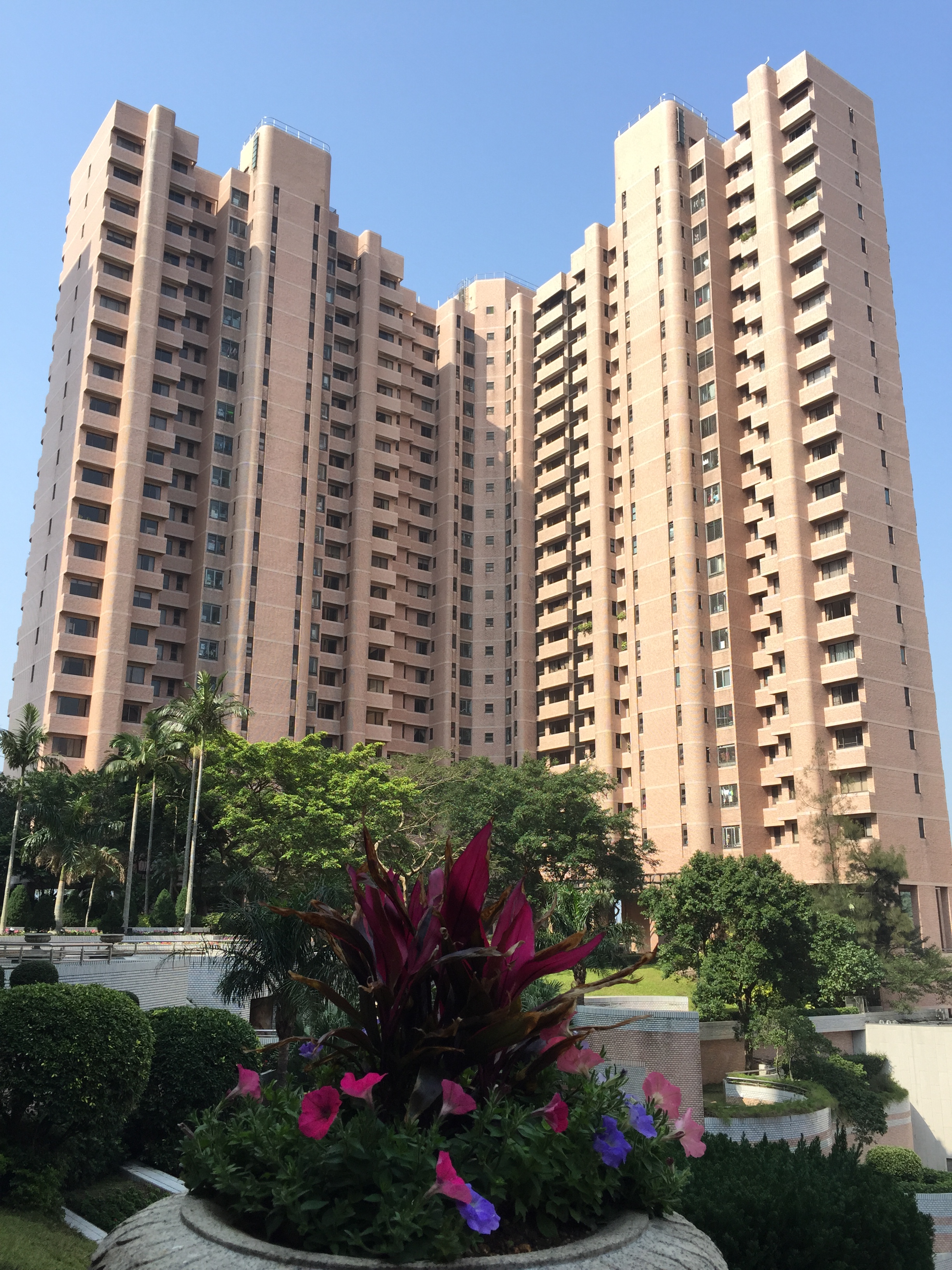
We just had to revisit the place where we lived in Hong Kong for six years, Hong Kong Parkview (Tower 13). We all knew it as Yong Ming Shen Zhong, Sap Sam Zhou, from directing taxi drivers how to get there.

IMG_3235

After 12 years back in a big house with a yard in the US, it’s hard to believe we lived in an apartment here for six years.

A French colleague of ours called Parkview a “concentration camp for expats.” It had 18 towers, about 3,500 people, most of them non-Chinese when we were there. There are also six restaurants, including Chris’s favorite, George’s. He was about 9 and wore his Fletcher Jones suit to have steak with his parents. (Liz and Pat weren’t big steak eaters.)

2015-01-17 132

The multi-story fountain at the entrance to Parkview. All this flowing water is good “feng shui.”

Liz had dance classes at Parkview for several years before she branched out to classes literally all over Hong Kong Island. She was “best dancer” at one of the programs and performed in Cinderella’s Slipper with the Hong Kong Ballet.
Pat even went to preschool for a year at Parkview’s PIPS program.

2015-01-17 133

Pat was 4. Not sure he even remembers this.

Surprisingly on this visit we were still able to get into the gated complex easily (saying Yong Ming Shen Zhong, Sap Sam Zhou) and we just waited for someone to walk out of the locked door of our old tower and let us in.

2015-01-17 081

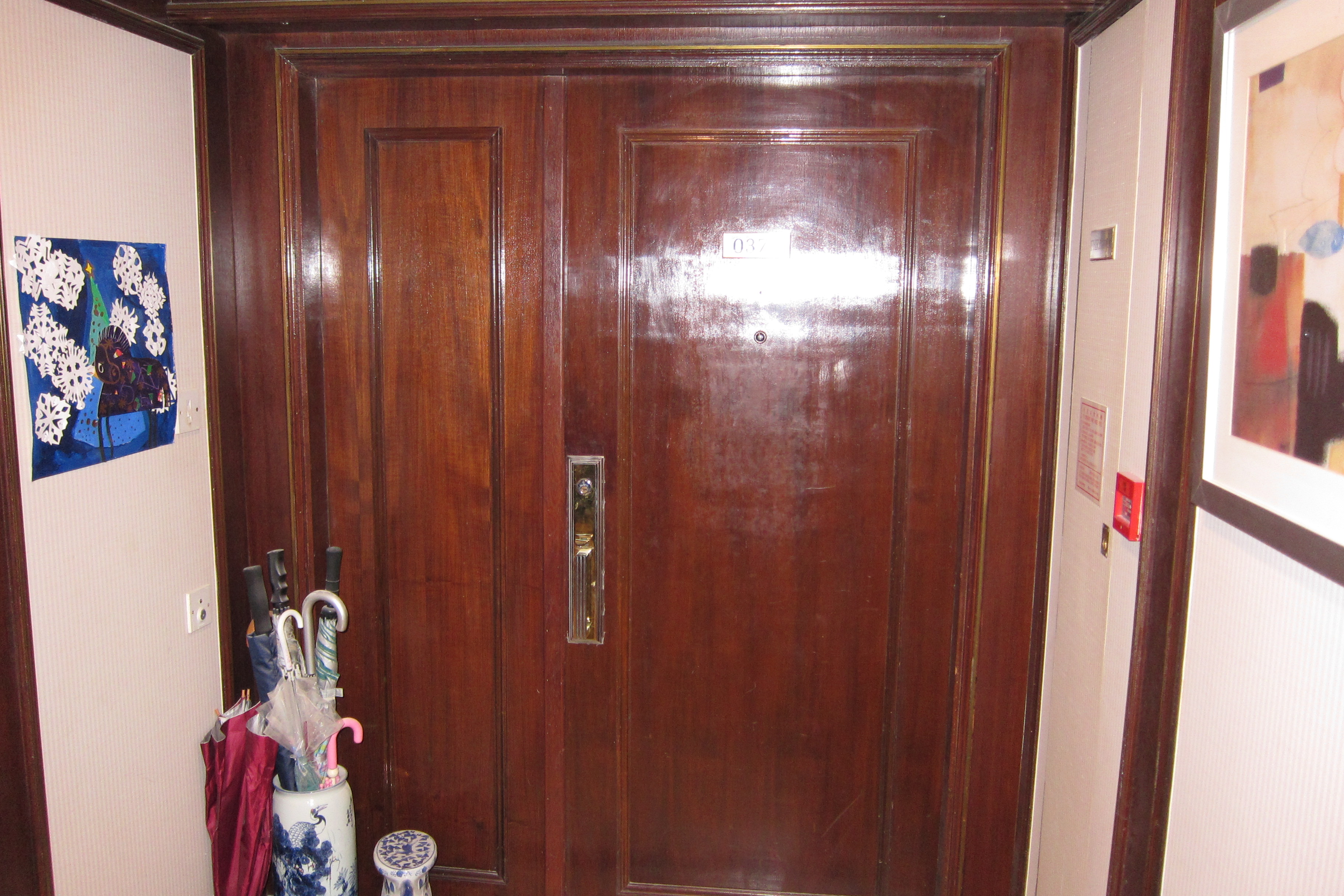
This was our apartment in Tower 13. Kids, recognize the door?

The highlight of Parkview was “podium level.” Note the trees. When we first arrived in 1995, it was the middle of a level 9 typhoon with 96 landslips around the area. We were too jet-lagged to notice anything unusual until we arrived at the apartment complex. Most of the trees at Parkview were toppled from the wind. The next morning, workers scurried around propping the trees back up, everything back to normal.

2015-01-17 089

No typhoon in a while apparently.

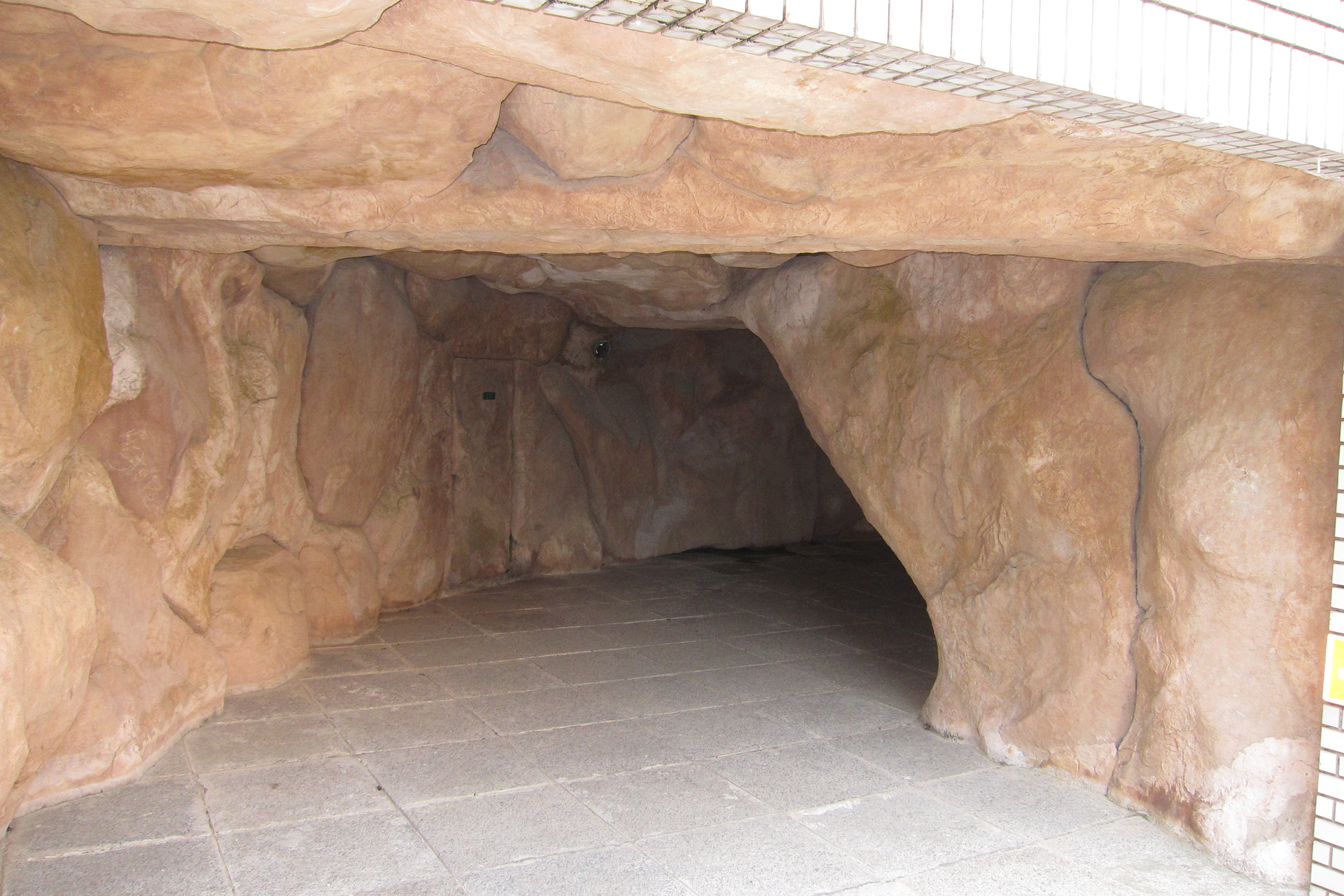
Many nights, the kids played Manhunt all over the resort-style landscaping. They particularly liked this tunnel under another water feature.

2015-01-17 093

What kid could resist this? Our kids figured out these were fake rocks pretty quickly.

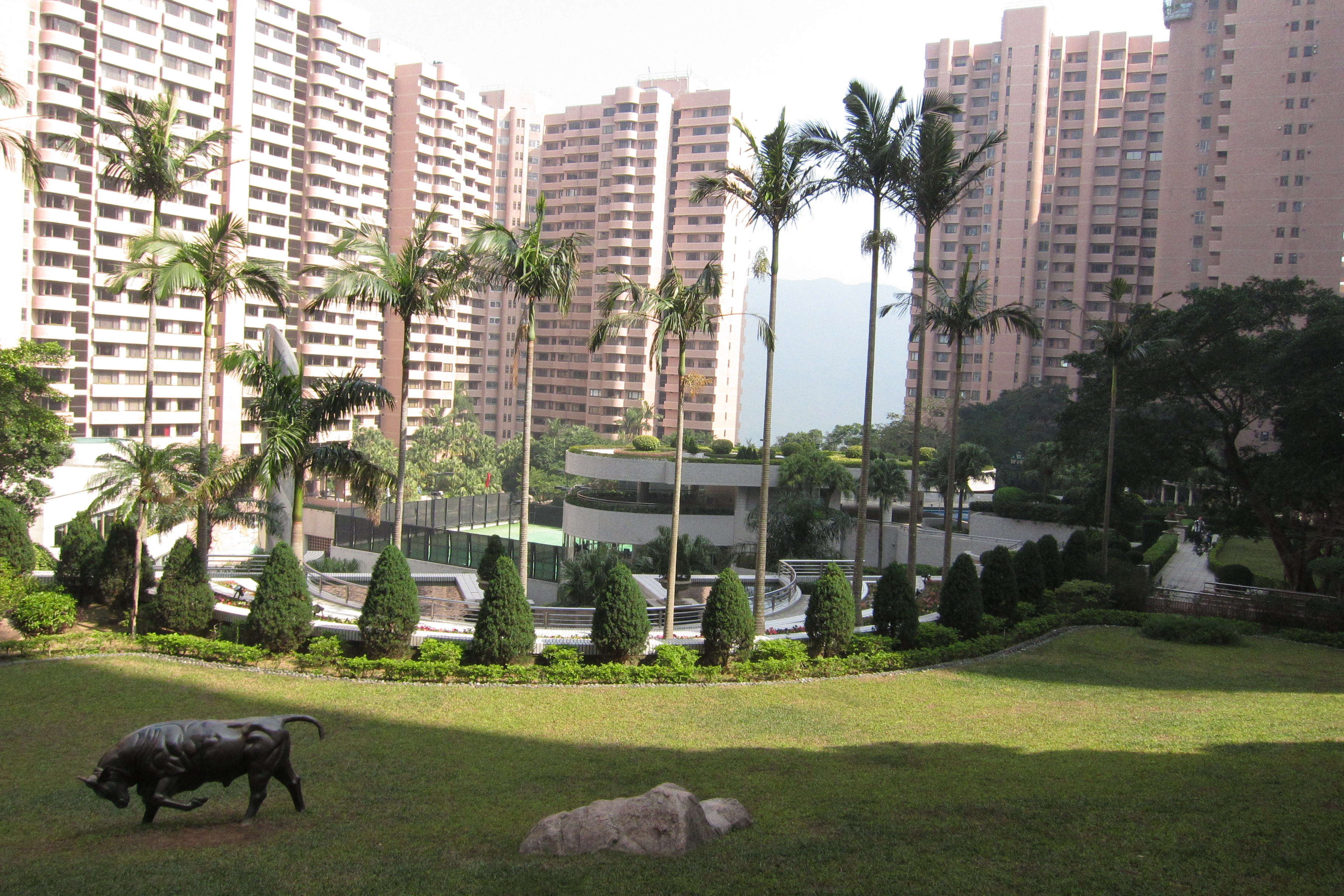
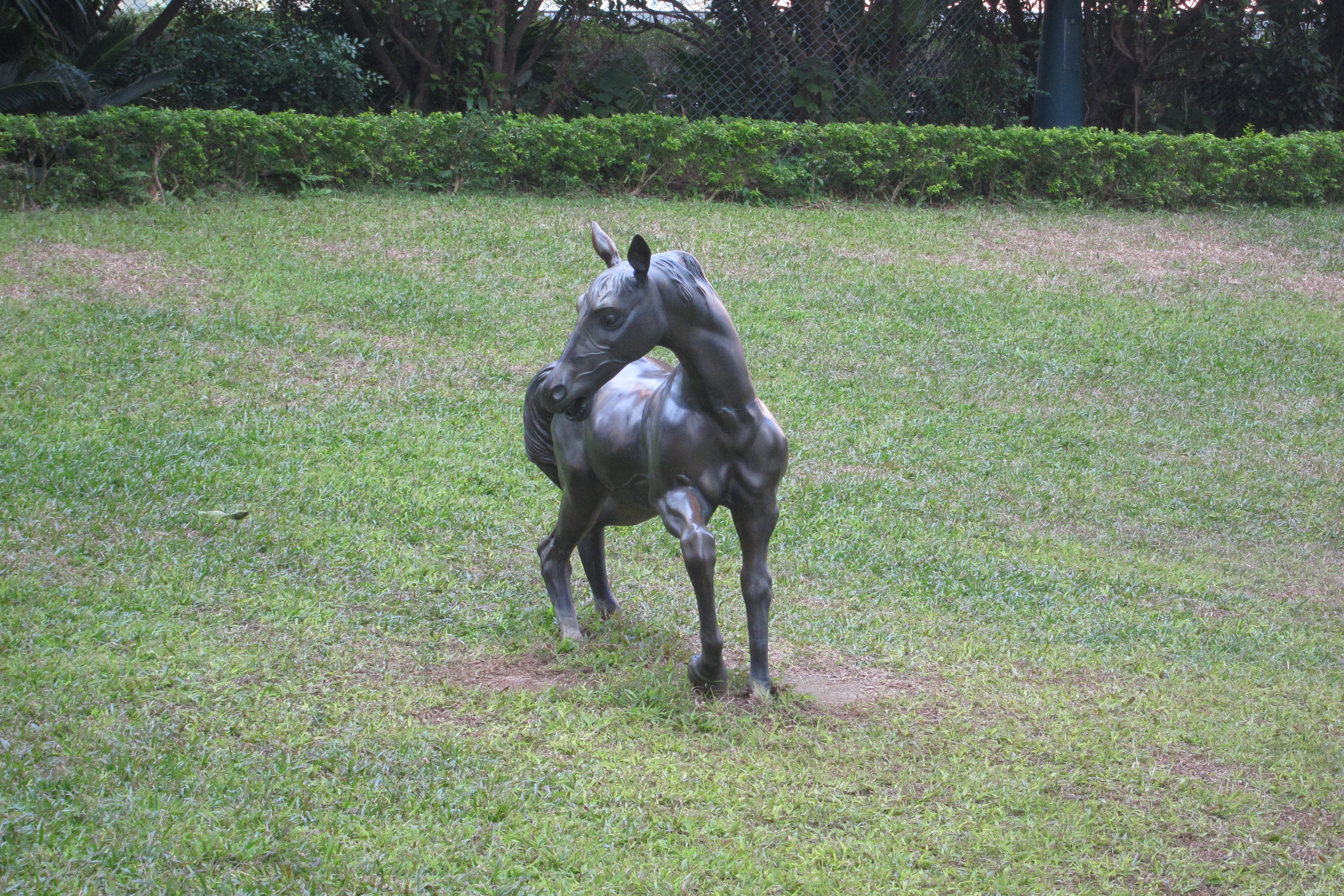
The kids climbed on the “big animals” on podium level. Why are these statues here? Who knows?

2015-01-17 107

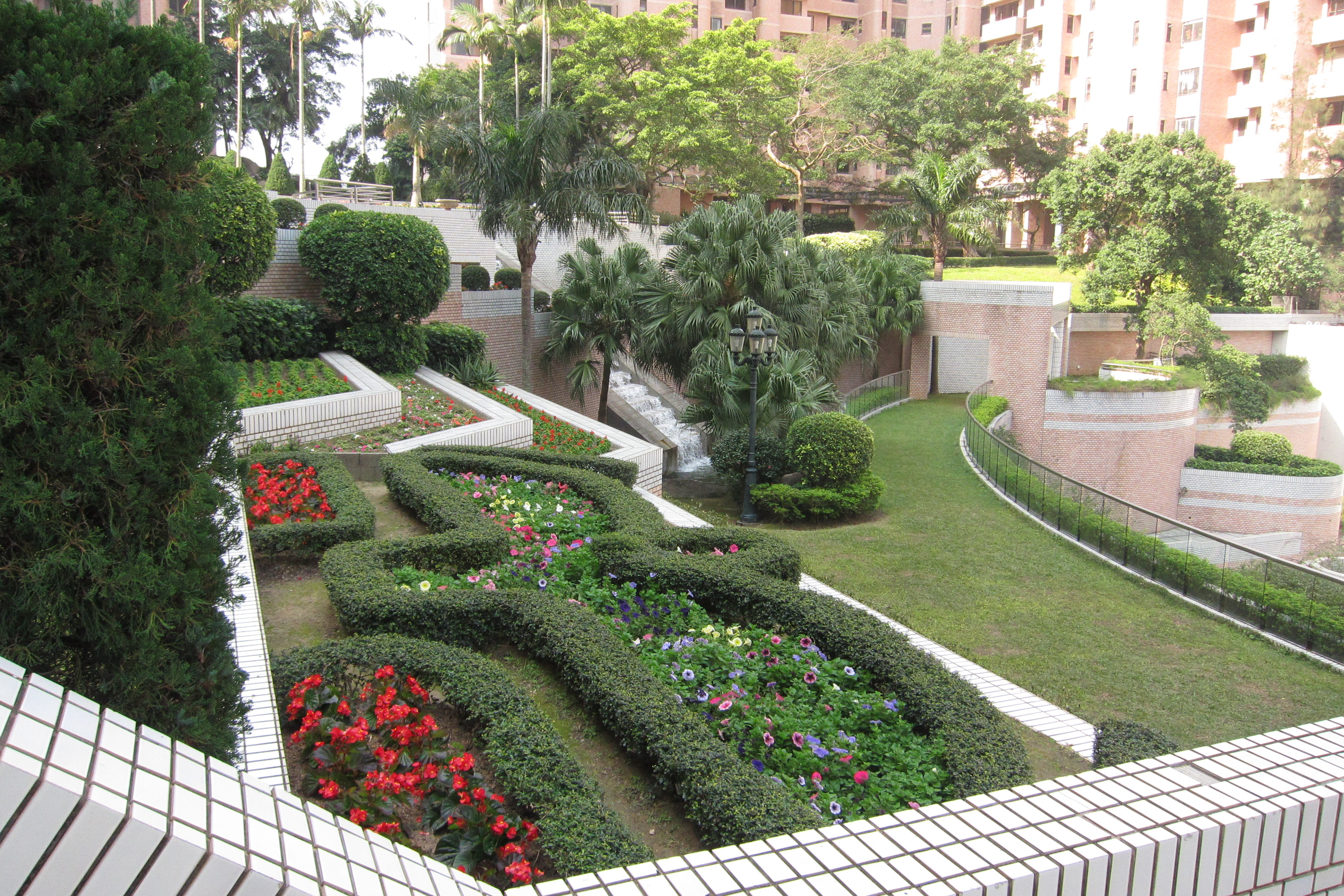
Liz had her 10th birthday party on podium level, with a flower theme. The girls wore flowered clothes, went to podium to sketch flowers, made felt flowers for their moms (close to Mother’s Day), and ate flowers in dirt cups.

2015-01-17 104

Lots of floral inspiration here.

They ended the night with swimming in one of the Parkview pools.

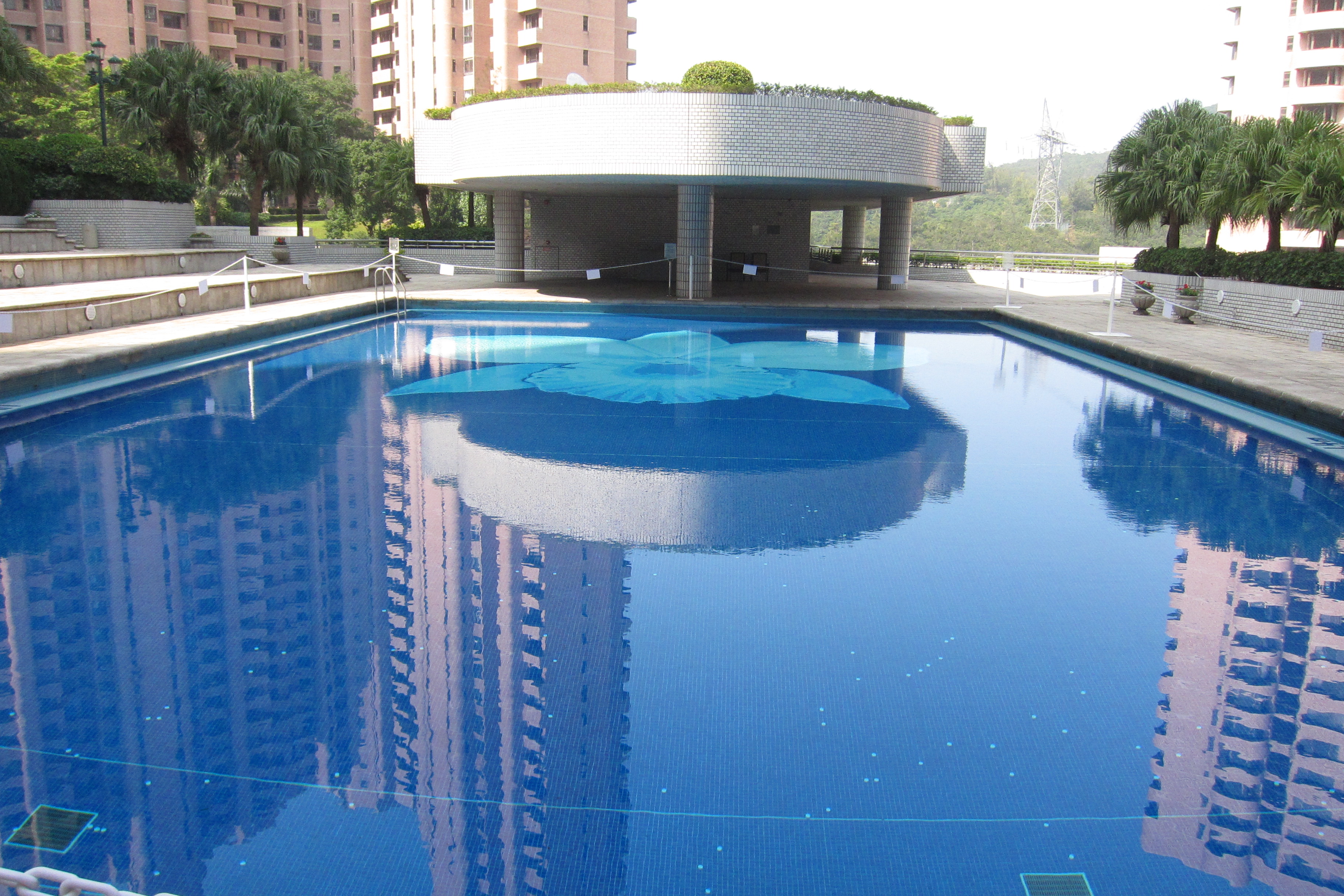
After school and on weekends, the kids and friends played Marco Polo in the orchid pool and drank fruit smoothies in the shade. This was our home, but it seemed like a resort.

2015-01-17 098

This was one of our backyard pools. Note the orchid on the bottom.

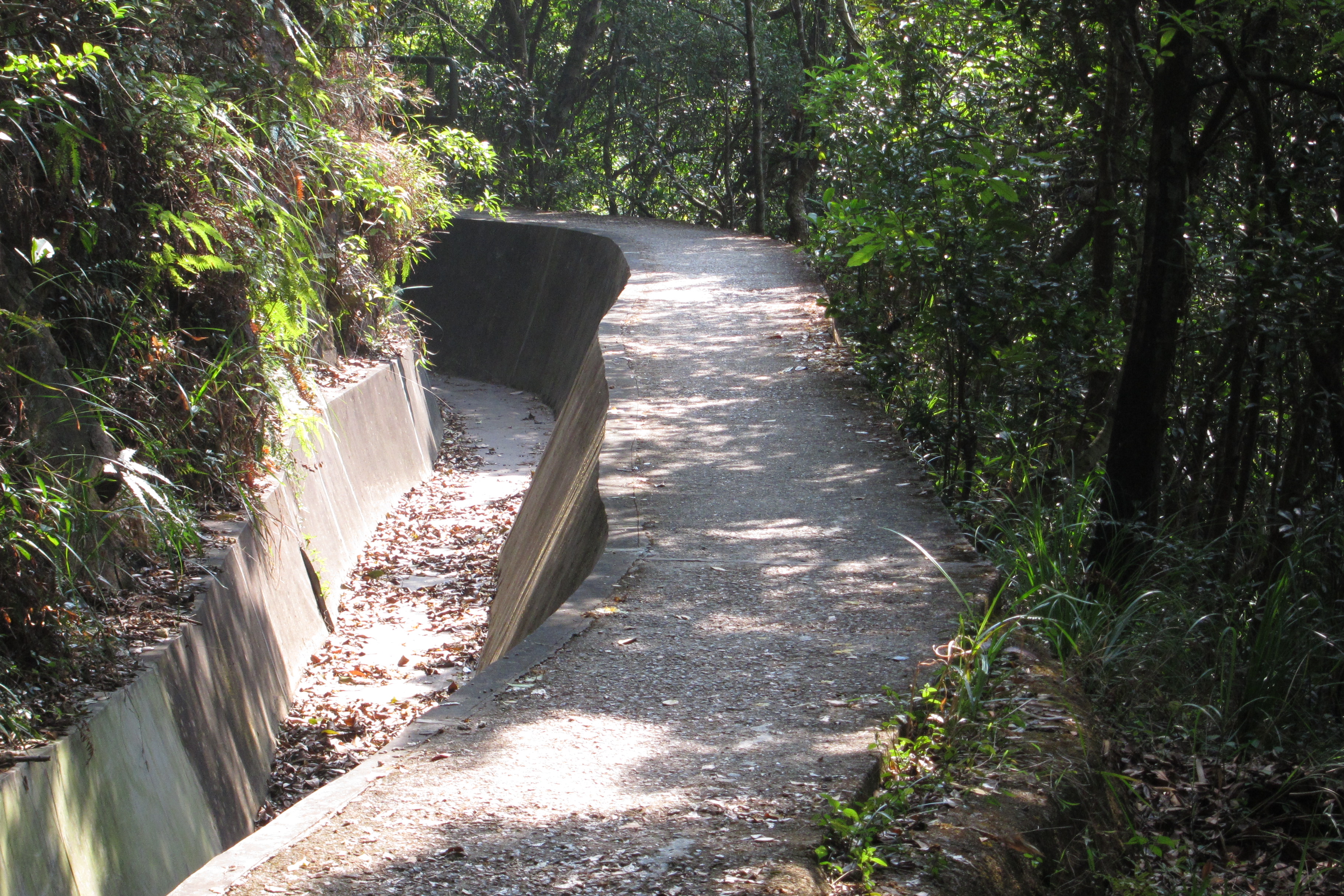
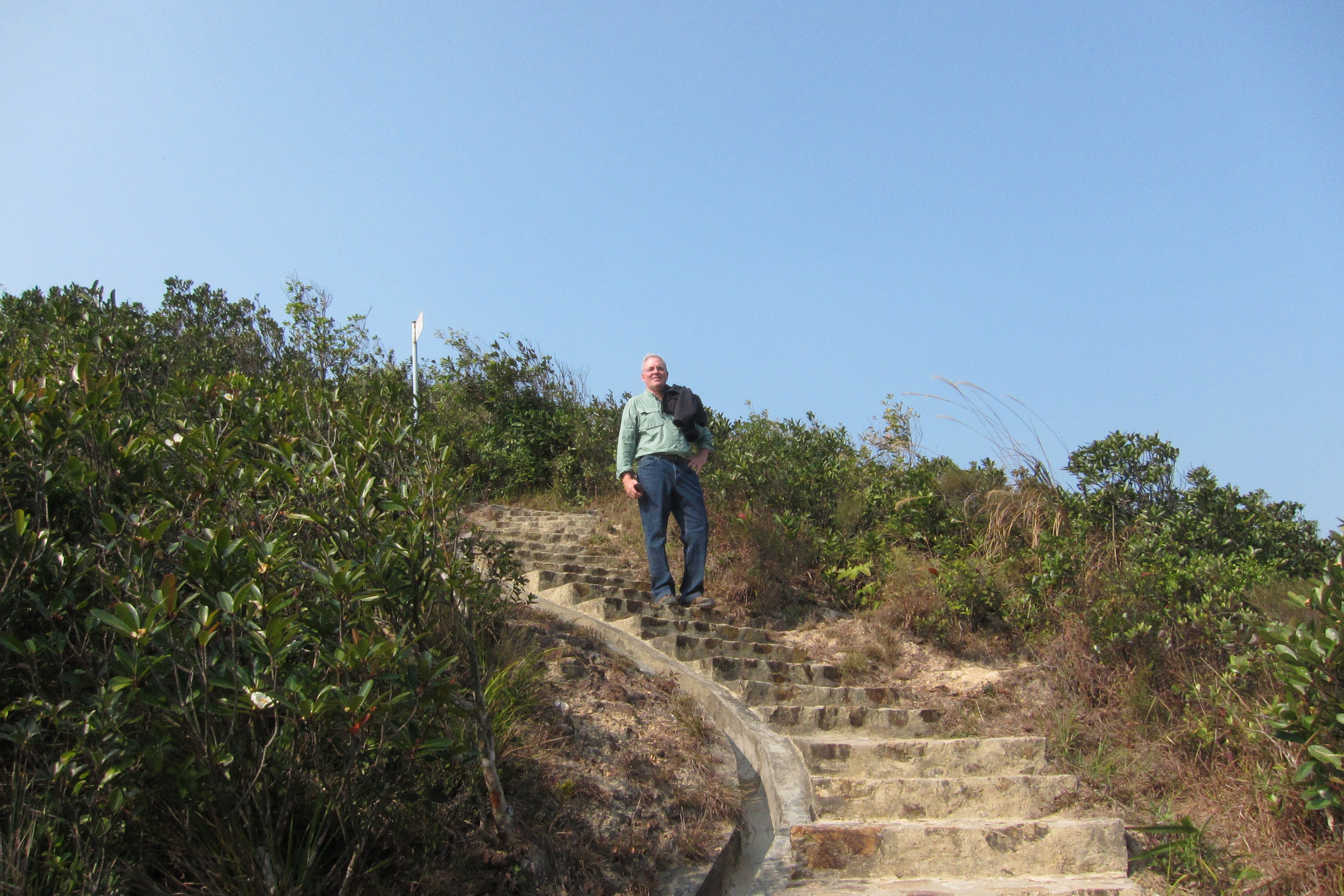
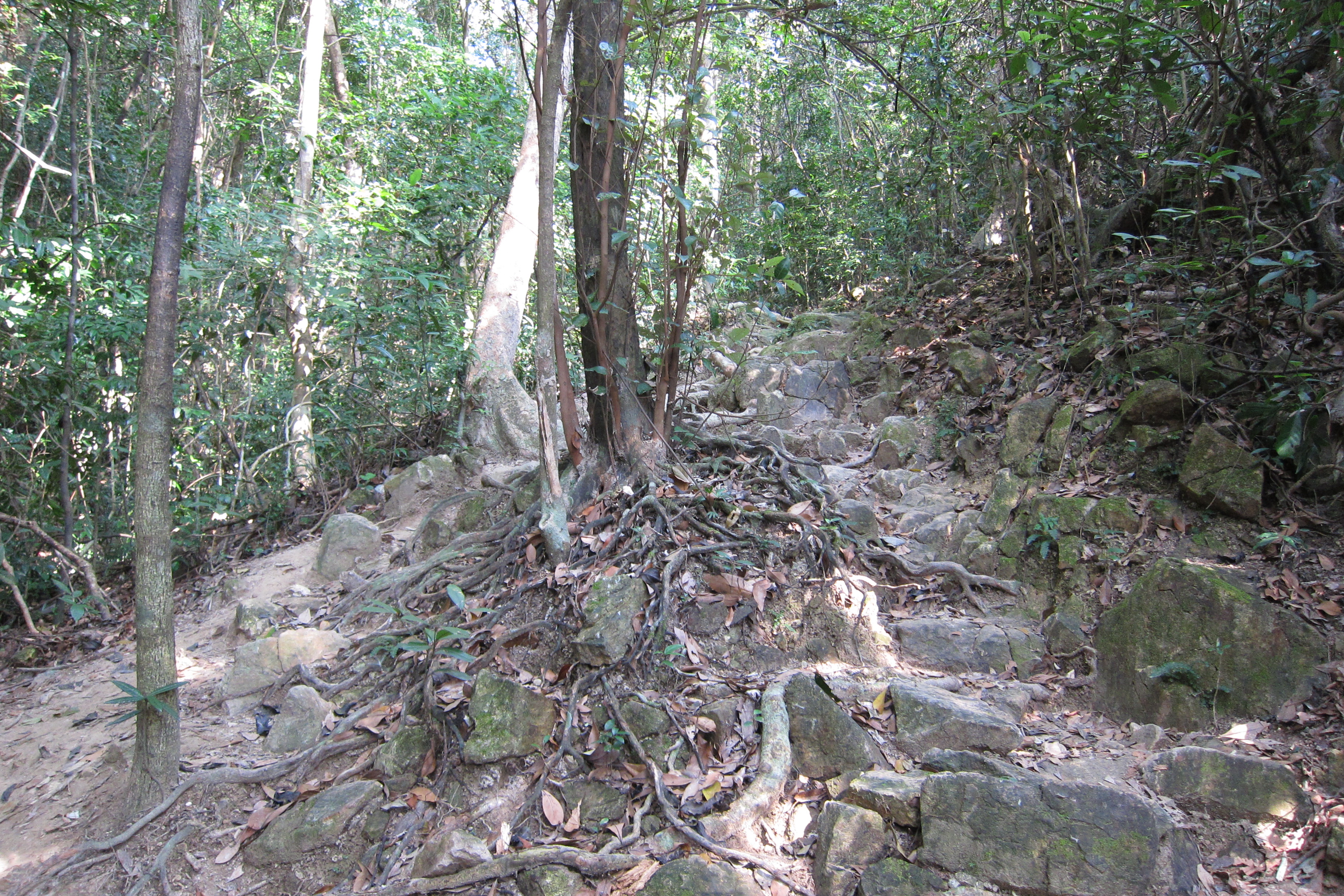
Just beyond the entrance to Parkview are trails heading out through Hong Kong National Park. The kids once had a “fort” in the woods and gathered discarded materials to make it homey. Later we realized that the jungle had cobras and other dangerous snakes. Oh well, they survived. On this trip, Michael and I followed a path that a running buddy had dubbed Rocky Road. It paralleled a water catchment system and wound around to the south side of the island.

2015-01-17 137

These hikes were particularly interesting just after a rain when the catchment systems were full.

2015-01-17 151

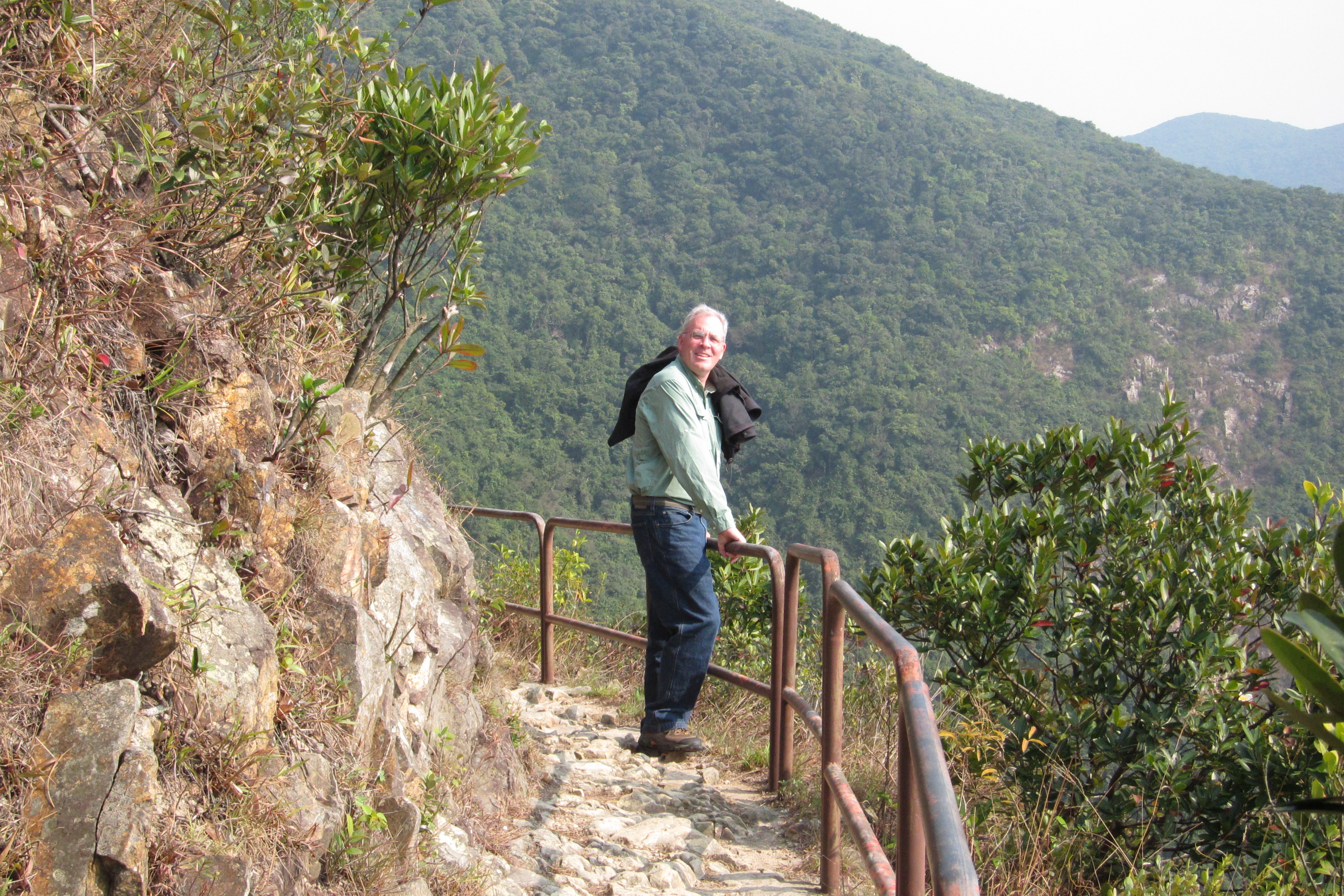
Rocky Road turns into a cliffside trail requiring handrails.

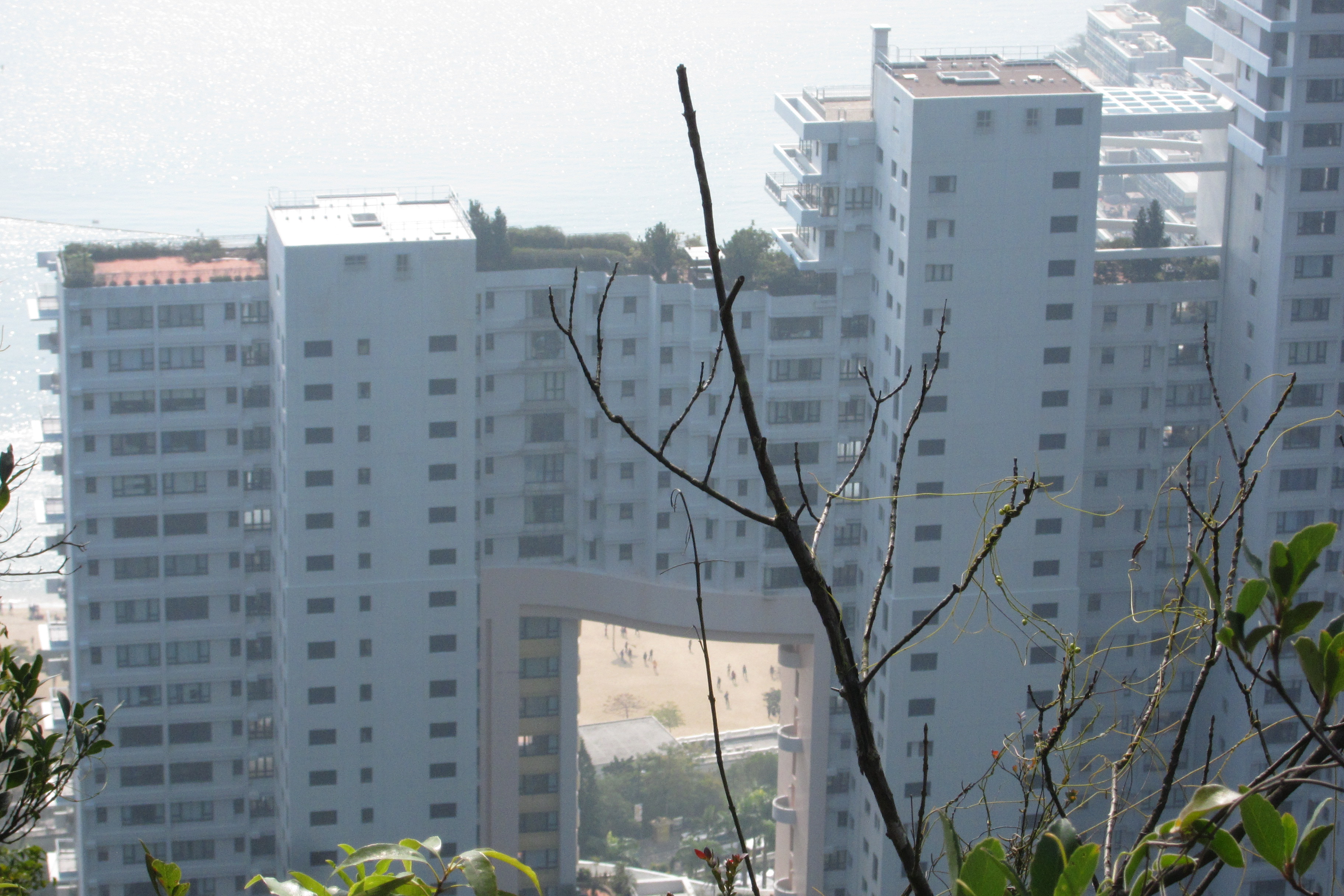
The most unusual building on the south side is the Repulse Bay, once a hotel, now apartments, famous for the hole in its center which allows the dragon that lives in the mountain to get down to the sea. The Bob Hope/Bing Crosby film The Road to Hong Kong from 1962 gives a good view of the hole.

2015-01-17 155

If we were dragons we could swoop down through this hole to the South China Sea.

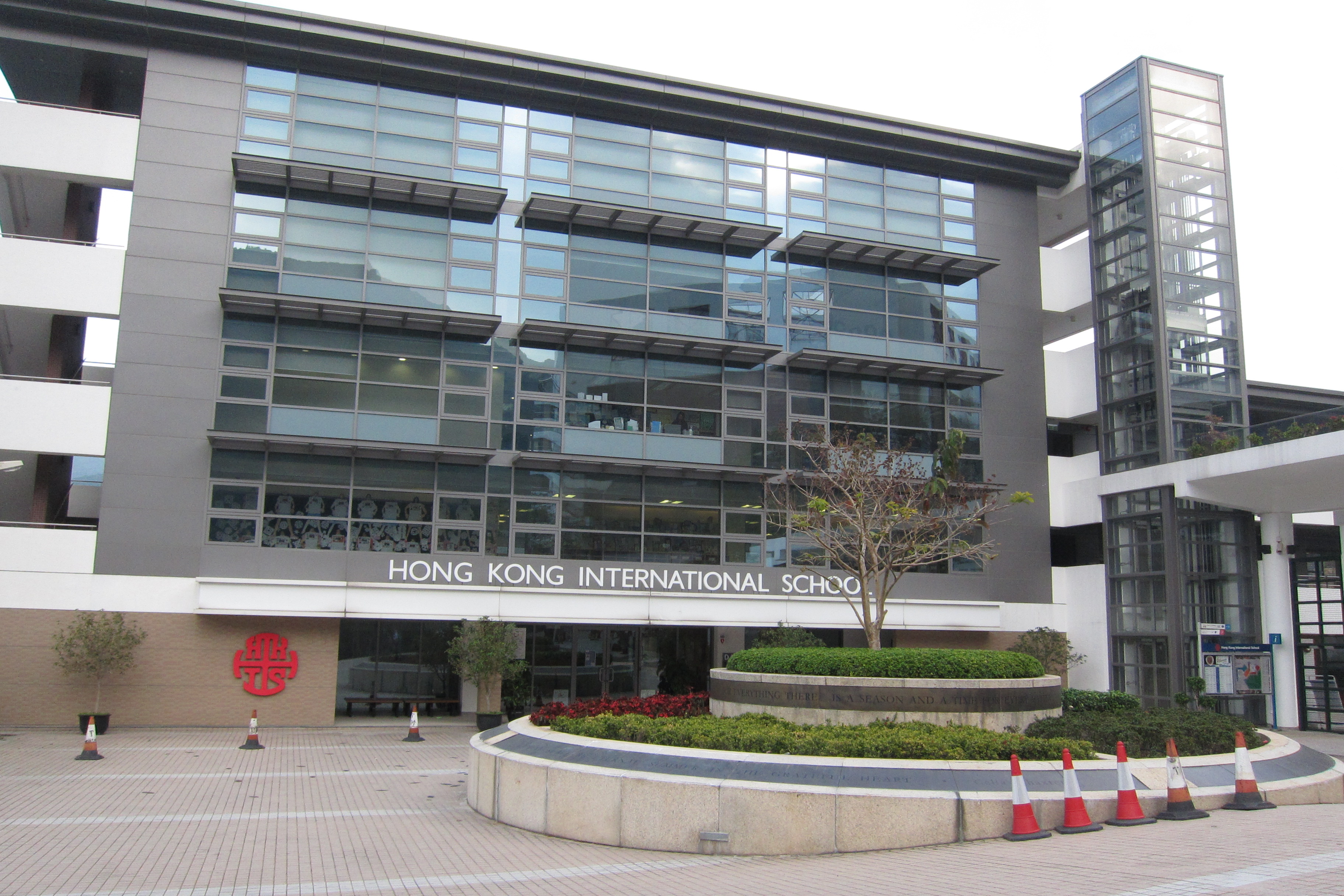
After more cliffside hiking, the path meanders to a spot above Hong Kong International School, where all three of our kids attended primary school.

2015-01-17 164

HKIS (with the cross) is affiliated with the Lutheran Church-Missouri Synod, but many of the teachers were of diverse religions when we were there.

2015-01-17 169

Rocky Road becomes a long, steep section of steps above Repulse Bay.

The final much more rocky section leads down to the community of Repulse Bay. This was a favorite run/hike for us on the weekend, ending with an iced lemon tea at McDonald’s. (With the new “better” McCafe, only sweet tea is available now!)

2015-01-17 170

Not exactly a walk in the park. My legs were shaking by this point.

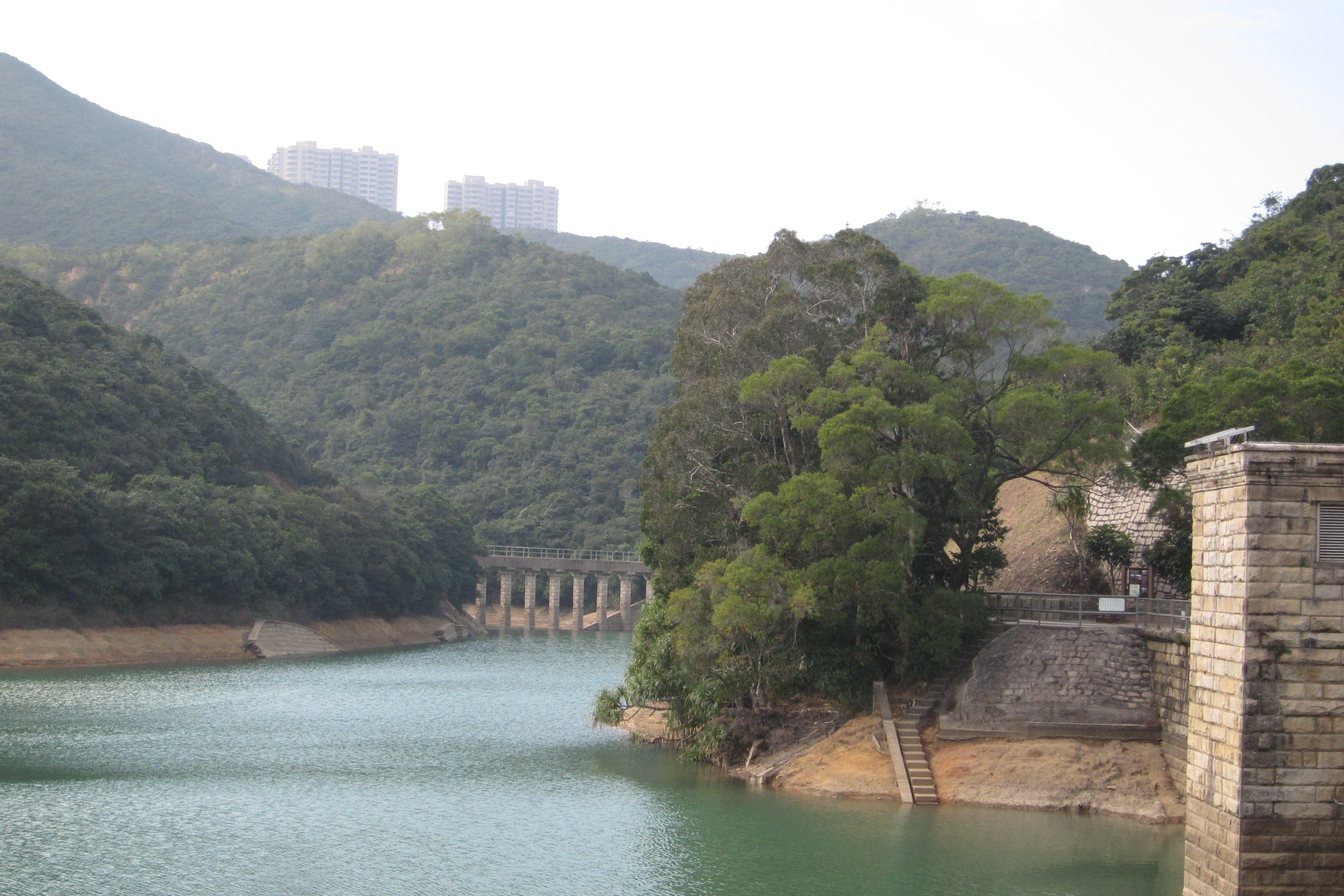
An alternative hike down from Parkview leads past numerous reservoirs to Tai Tam.

2015-01-20 014

That’s Parkview in the background. Note that the city of Hong Kong is nowhere to be seen.

2015-01-20 047

All the reservoirs are low at the moment.

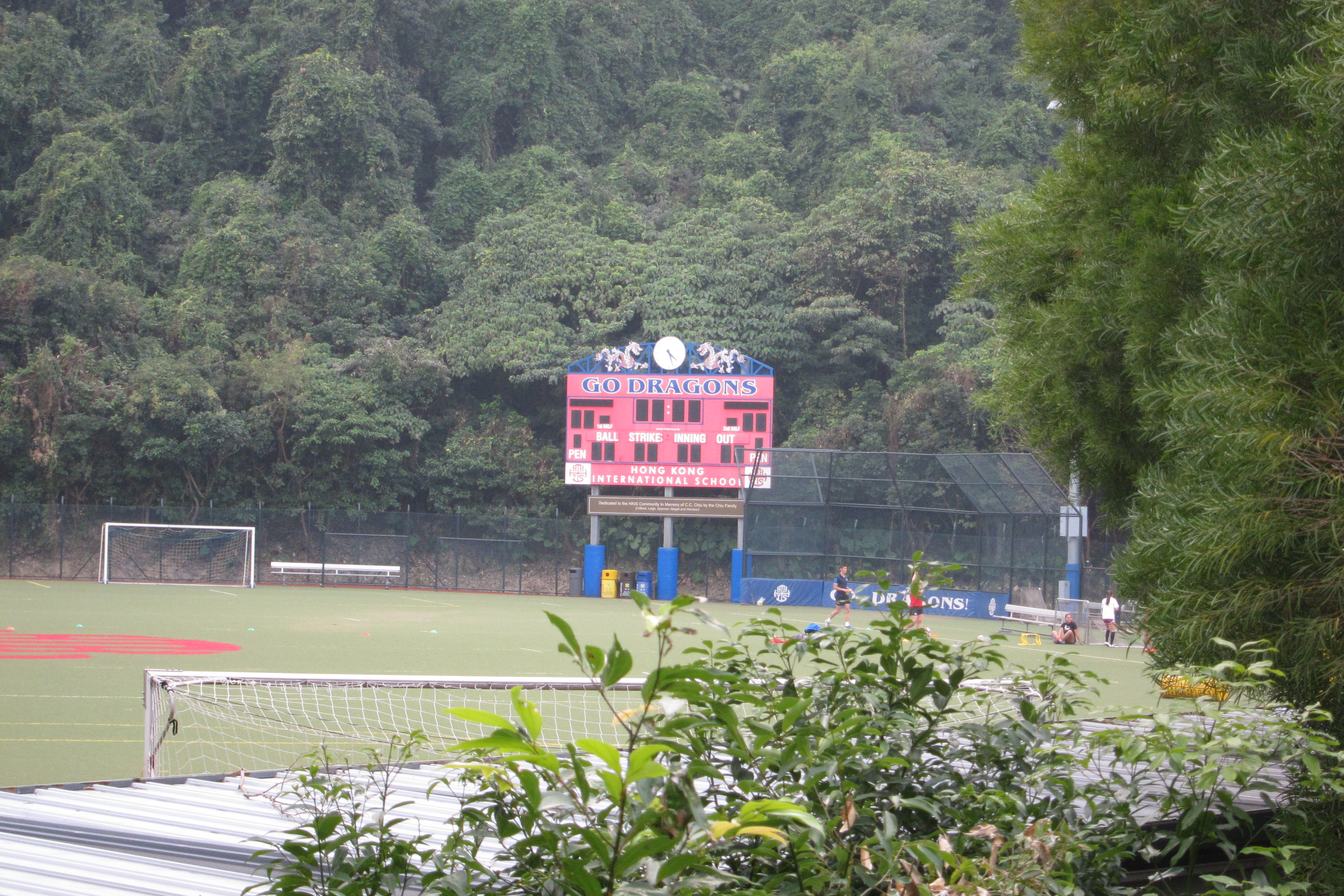
Here on the South China Sea is HKIS middle school and high school. The kids had many good years here. It’s effectively an American school, and a very good one. All three kids played soccer here at one point.

2015-01-20 081

The scoreboard is new. Go Dragons!

For Liz and Chris: The campus has expanded to add a primary school section by building upward.

2015-01-20 067

The new primary school.

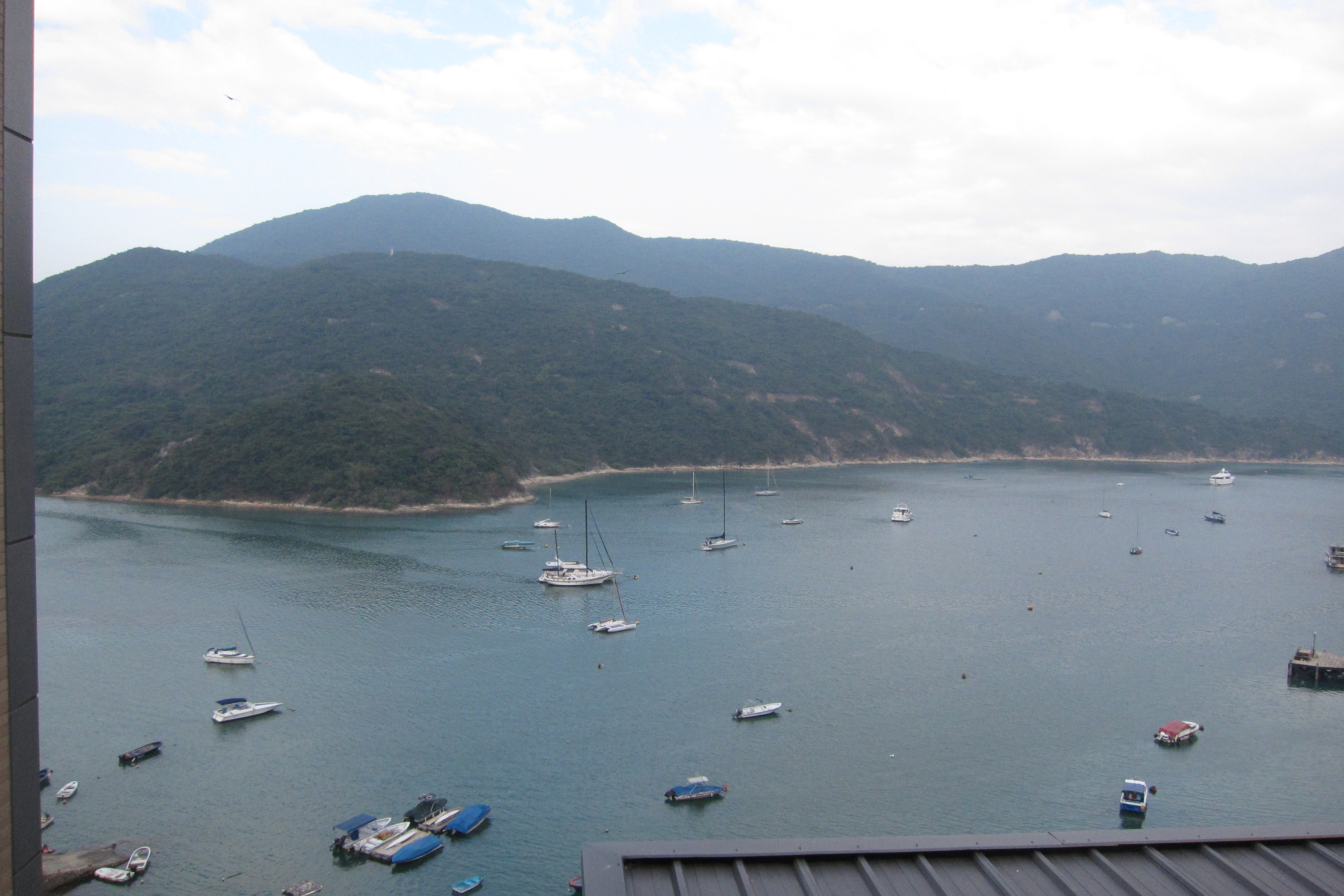
The lucky kids in this building have some of the best views of Hong Kong.

2015-01-20 074

I’d love having this as my office view. The primary school kids probably don’t appreciate it.

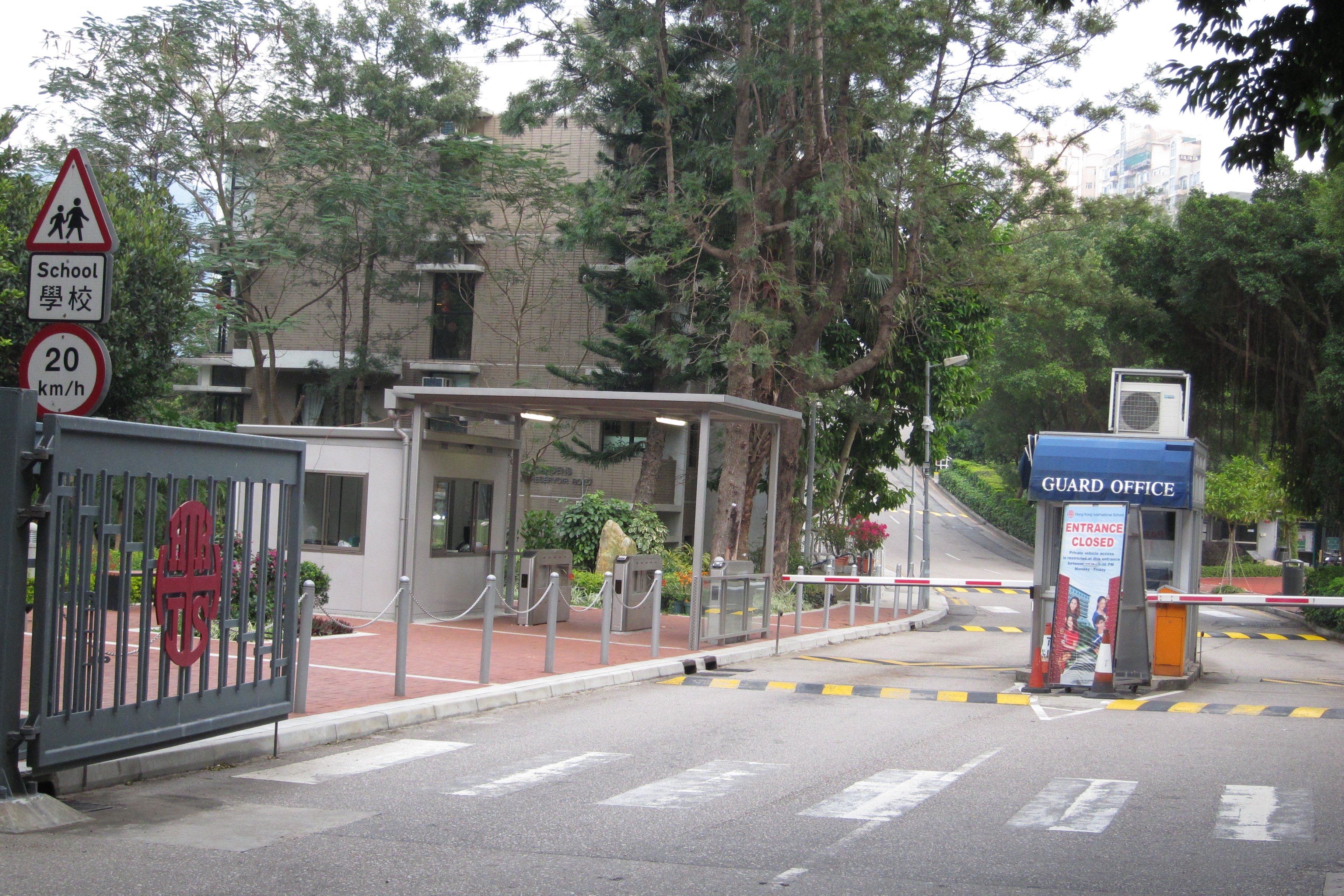
After school shootings in the US and the 9/11 attacks, even HKIS on the other side of the world implemented security measures to keep kids on campus and keep terrorists off. (I claimed I was a parent and they let me in with a pass.)

2015-01-20 086

When we lived here, access was wide open.

We spent many happy and privileged days on this spot while the kids attended HKIS. It was good to be back.

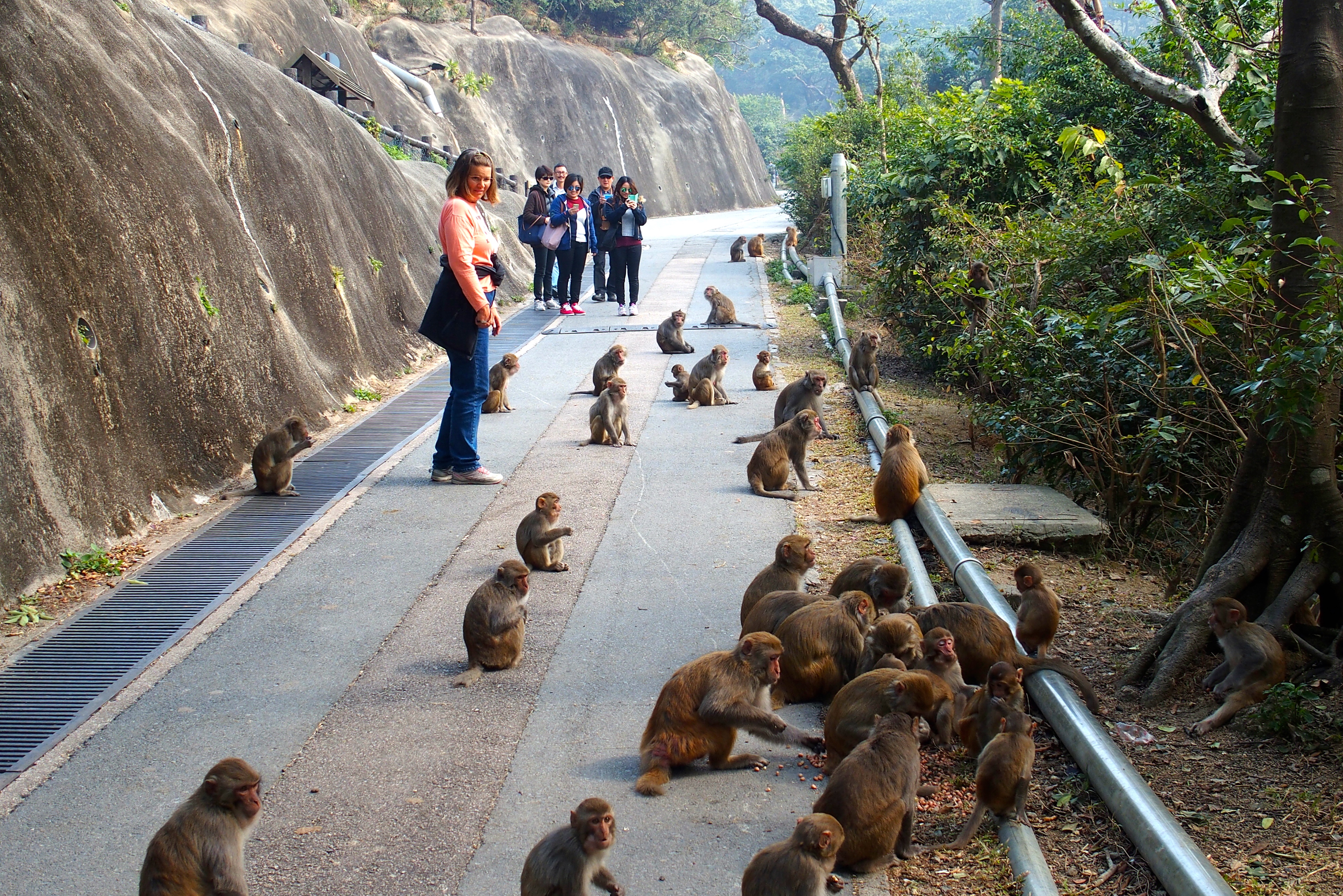
On the opposite side of Hong Kong, at the country park in Tai Po, we revisited some old friends. We called this place Monkey Mountain. It’s a just a jungle, but as soon as people show up with food, or even plastic bags, monkeys come out of the woodwork.

OLYMPUS DIGITAL CAMERA

Someone (not us) brought food to attract these guys.

One time years ago Nancy was taking photos and felt Pat tugging at her pant leg. She looked down and realized it wasn’t Pat; it was a mother monkey, politely asking for food.

OLYMPUS DIGITAL CAMERA

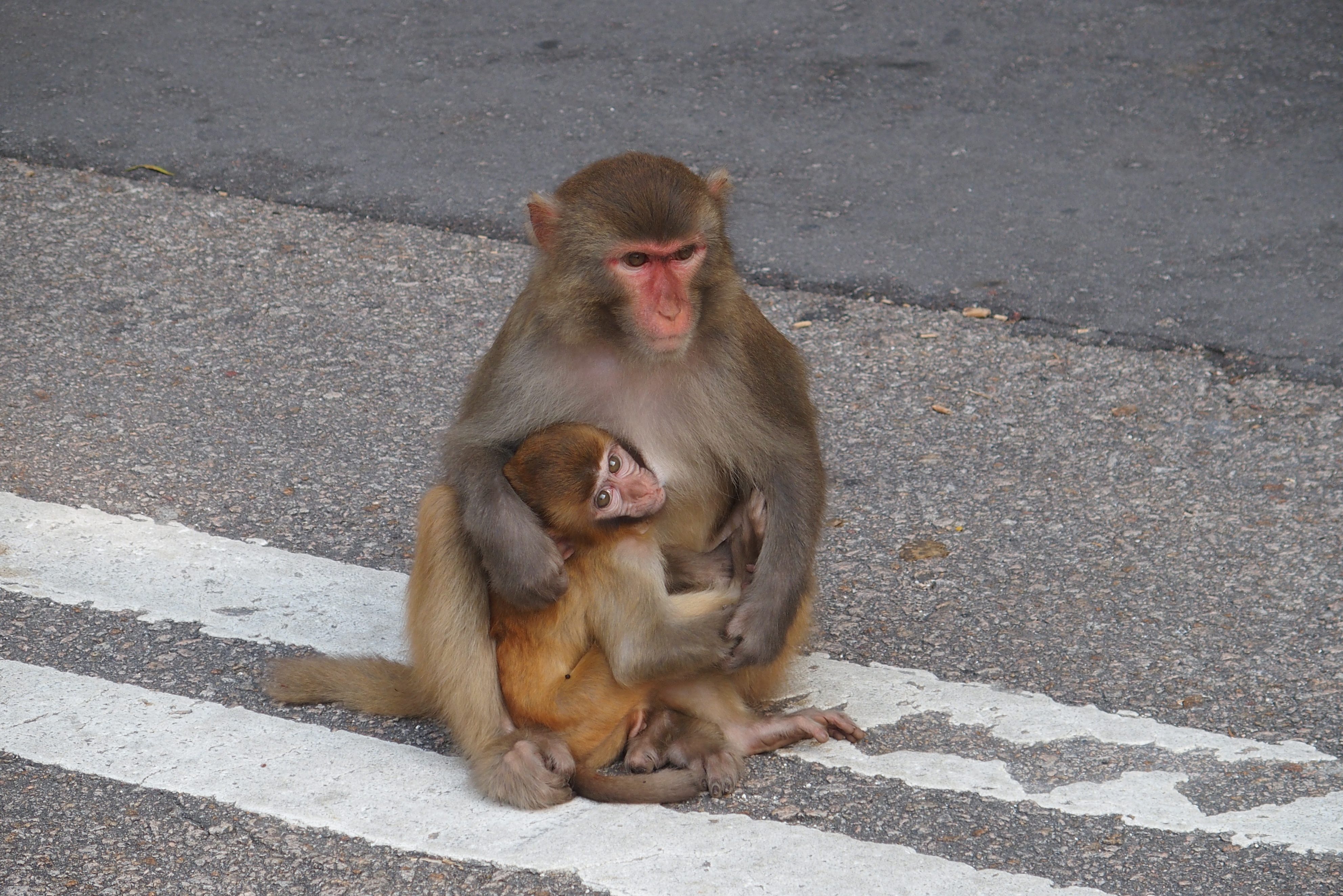
Mother and baby observing the visitors looking at them.

IMG_4823

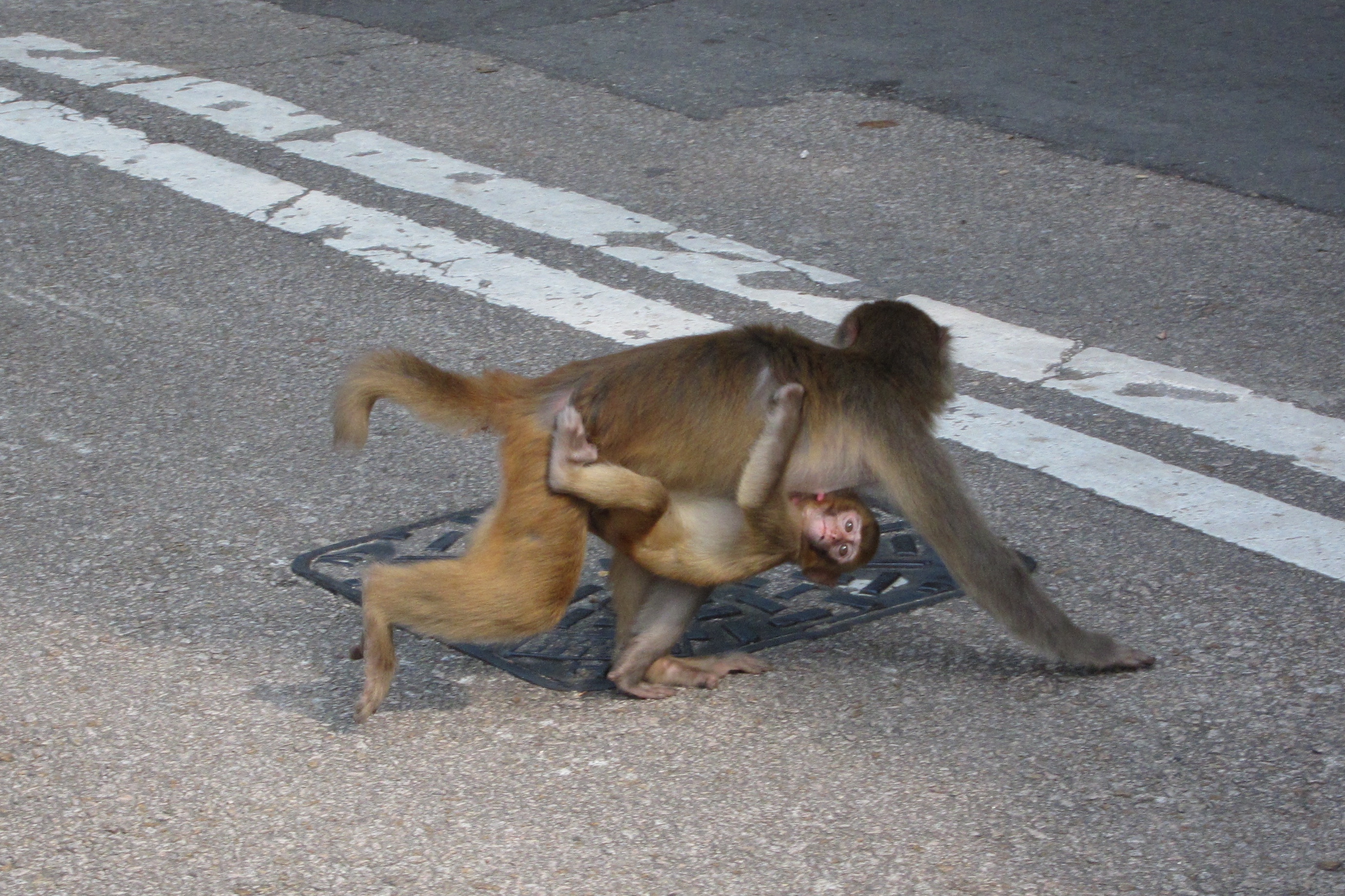
Nancy can empathize with this mom, after giving Pat piggyback rides across Hong Kong 20 years ago.

OLYMPUS DIGITAL CAMERA

They’re just so cute, you DO want to feed them.

After the monkey visit, we took a ferry to Lamma Island for fresh fish, so fresh you select it while it’s swimming in a small aquarium. Nice end of the day.

IMG_3413

We had a steamed garoupa with ginger and spring onions. And Tsing Tao beer, of course.


Posted in Smell the Roses | Tagged , , , | 3 Comments

Hong Kong Transportation – January 2015

We didn’t rent a car in Hong Kong. The city is very walkable. There are also great choices for public transportation.

It all starts with the Airport Express, a fast train from Hong Kong International Airport on Chek Lap Kok Island, across the Tsing Ma Bridge, and through a tunnel under the harbor to Central. Much of this infrastructure was brand new when we lived here in the late 90s. Starting in 1997, Standard Chartered bank sponsored races which coincided with the openings of these structures. We ran a 10K on the bridge in the late 90s. It was raining so hard that fountains of water shot up from our sneakers with every step we took. Nancy ran a 10K at the airport in 1998. This run was unique in that the whole platoon of racers was visible from start to finish going back and forth along the runways with zero elevation gain.  The 10K through the new tunnel was interesting. Thousands of black-haired, Cantonese-speaking runners chatted and shouted on the downhill entrance to the tunnel. Then it was dead-silent on the strenuous uphill. Finally those thousands of runners cheered in Cantonese when they reached the light at the end of the tunnel. Not speaking Cantonese, we didn’t know what to say.

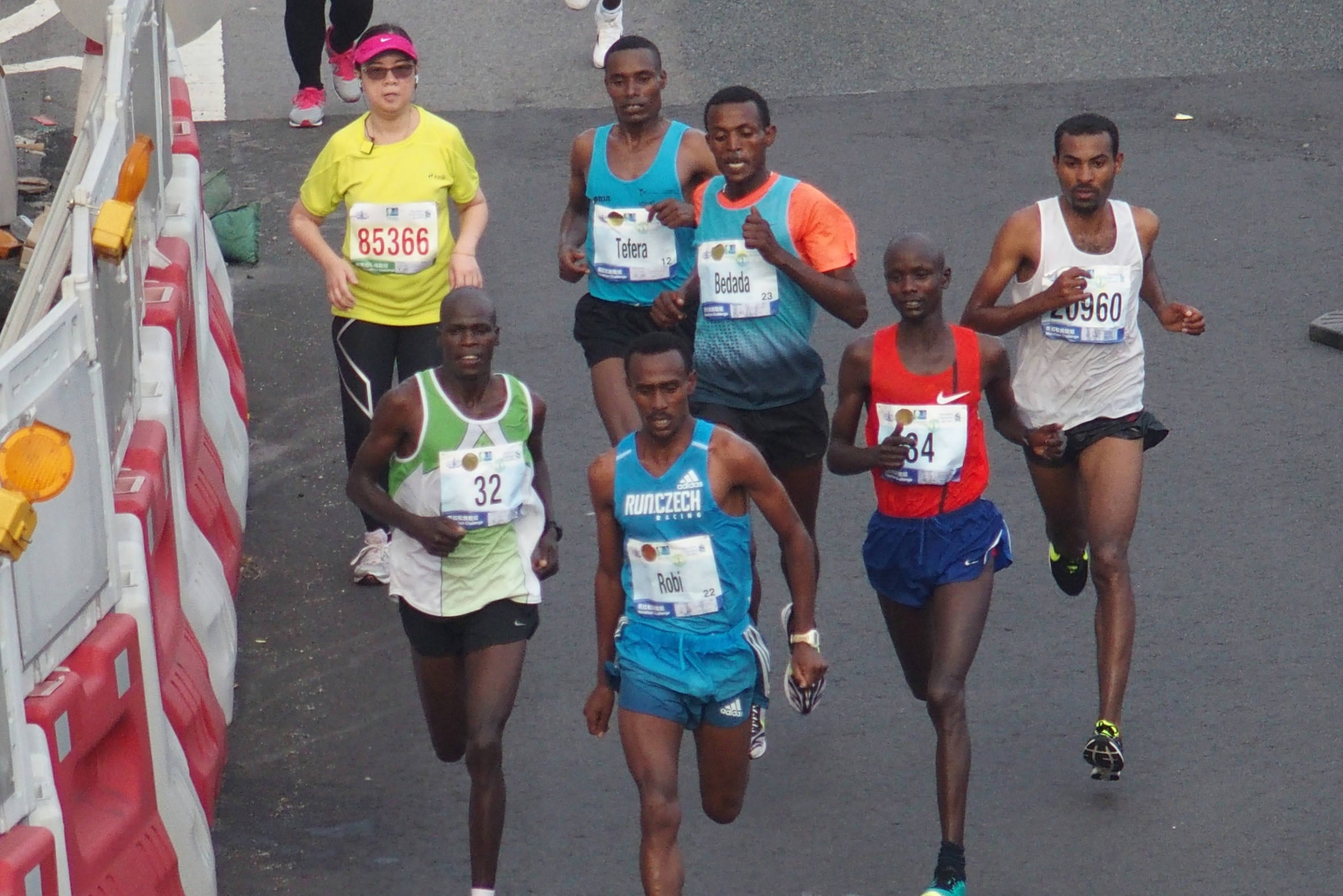
The 2015 marathon/10K was held the last day of our visit to Hong Kong with over 70,000 runners; we could have lodged another run if we had planned ahead. (They have nice medals.) Jeff, the husband of our friend Catherina Fung, was running his 16th marathon/10K! Way to go!

OLYMPUS DIGITAL CAMERA

The man on the far right was the marathon winner in 2015. (The guy in yellow on the left was a half-marathon runner who started several hours before the marathon group.)

When we lived here as ex-pats, we drove our personal car. That meant the driver sat on the right side and we drove on the left side of the road. It really wasn’t too hard to get used to, but with Hong Kong’s narrow streets and multi-level in-city highways going in all directions, it was sometimes confusing. It was also crowded. One of our then colleagues described Hong Kong as being “six cars short of total gridlock.” Now it might be four cars.

2015-01-18 014

One of the worst problems is that every vehicle uses the same lanes.

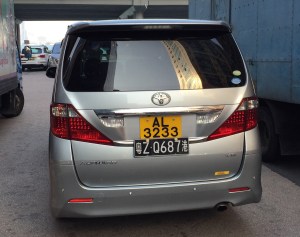
We also sometimes used a driver. Then it was a luxury car, maybe a Mercedes. Now the luxury vehicle of choice seems to be an Alphard from Toyota or similar models from Honda and Hyundai. We haven’t seen anything like this in the US. The boxy rear is generally set up with a plush interior and privacy curtains. We didn’t get inside one.

IMG_3339_2

Has anyone seen an Alphard anywhere else?

Of course, some folks drive even more expensive cares. The McClaren dealer on Queens Road is new since we left (right across from our favorite non-Chinese restaurant, Relais d’Entrecote, also new to Hong Kong). Only 140 of these cars have been sold in Hong Kong, at a price of $6,000,000 HK ($750,000 US). Anyone want us to order one for you?

IMG_3293

We weren’t allowed inside this car either.

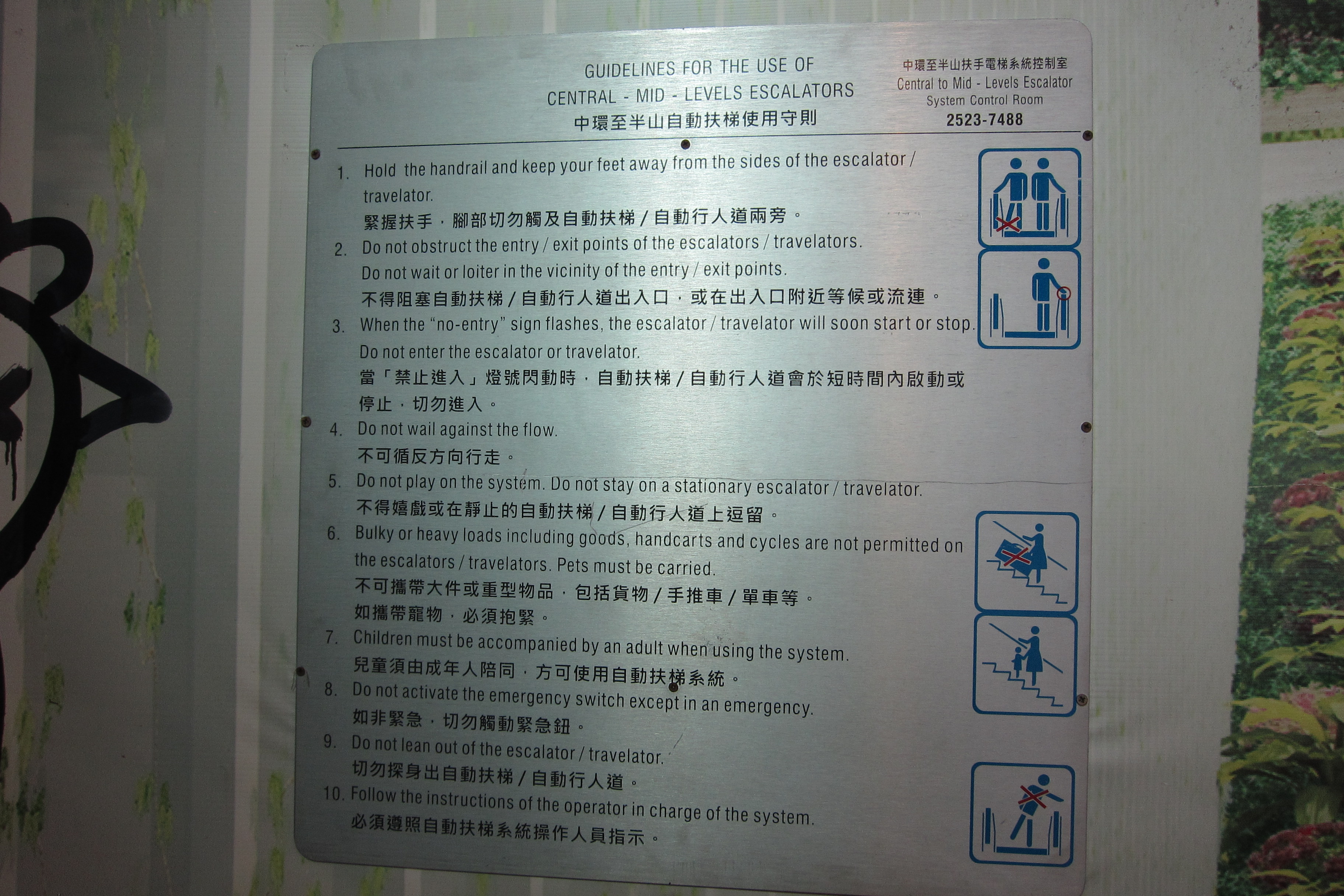
We used the “travelator” a lot on this trip since we stayed in Midlevels. This is a one-way system that is part moving-walkway and part escalator. It extends from the commercial areas of Central up, up, up to the residential high-rises (and bars). It runs downhill until 10a.m. and then after a 20-minute changeover it runs uphill. This was great for us to use to get to our apartment at the end of a long day.

IMG_3198

Morning commute down.

The only problem for some people was that the travelator runs in only one direction at time. Apparently there have been issues with this system. Read rule number 4 carefully.

2015-01-17 002

You must not wail against the flow. (The Chinese actually says “walk,” not “wail.” Makes you wonder what the characters on your Chinese tattoo really mean.)

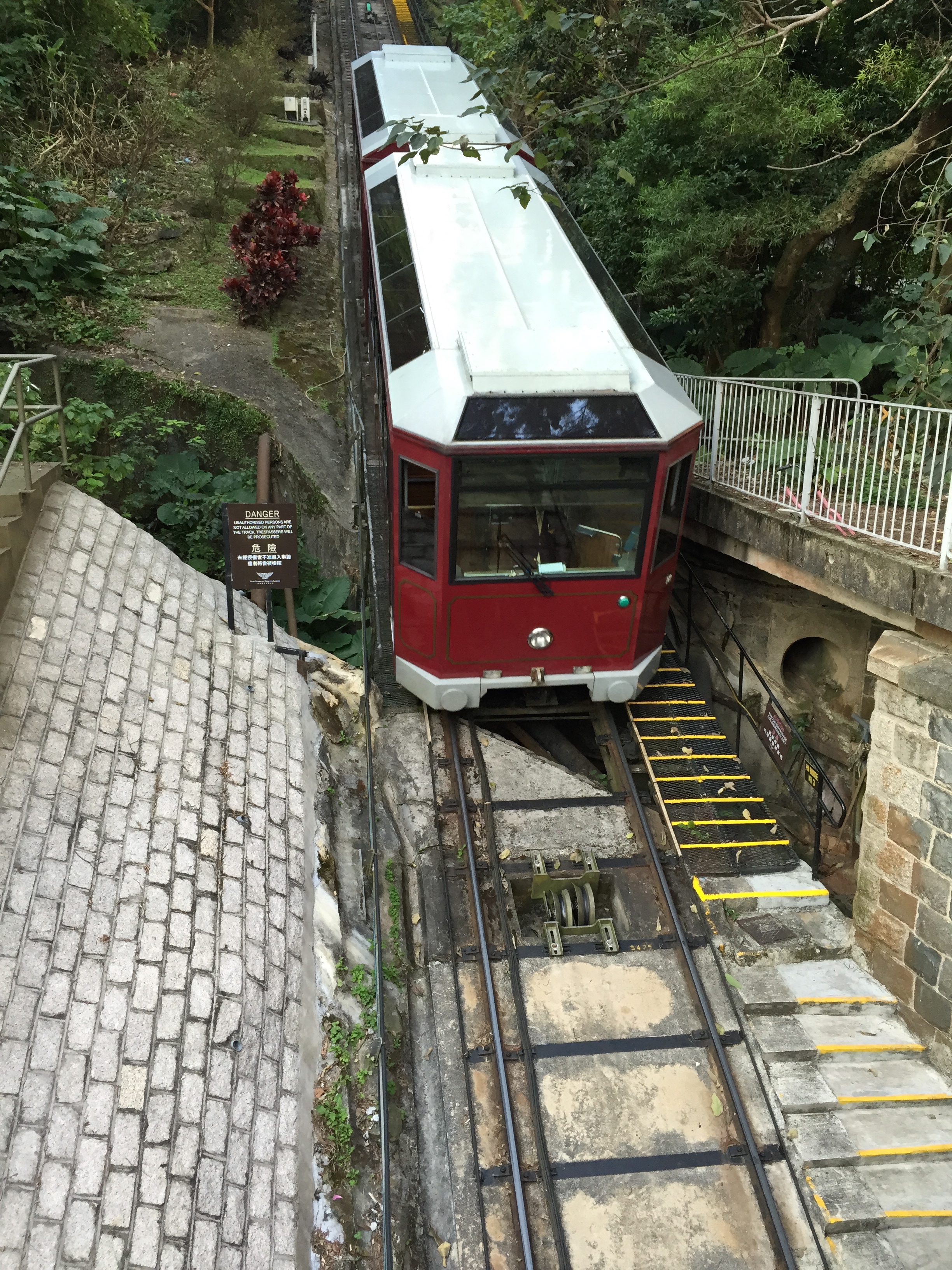
For up/down travels, there is also the Peak Tram, a funicular train with just one route, up and down between Central and Victoria Peak. It has an incline of about 45 degrees. When we faced a crowd of a thousand or more at the Peak waiting for the 150-seat-capacity ride down, we walked the zig-zag Old Peak Road down instead. Even with all its traverses, it would probably still have been a blue (intermediate) ski run, pretty steep and very narrow.

IMG_3192

Not just for tourists, the Peak Tram has stops along the way for commuters.

The red taxis are ubiquitous, very handy and pretty affordable.

2015-01-18 010

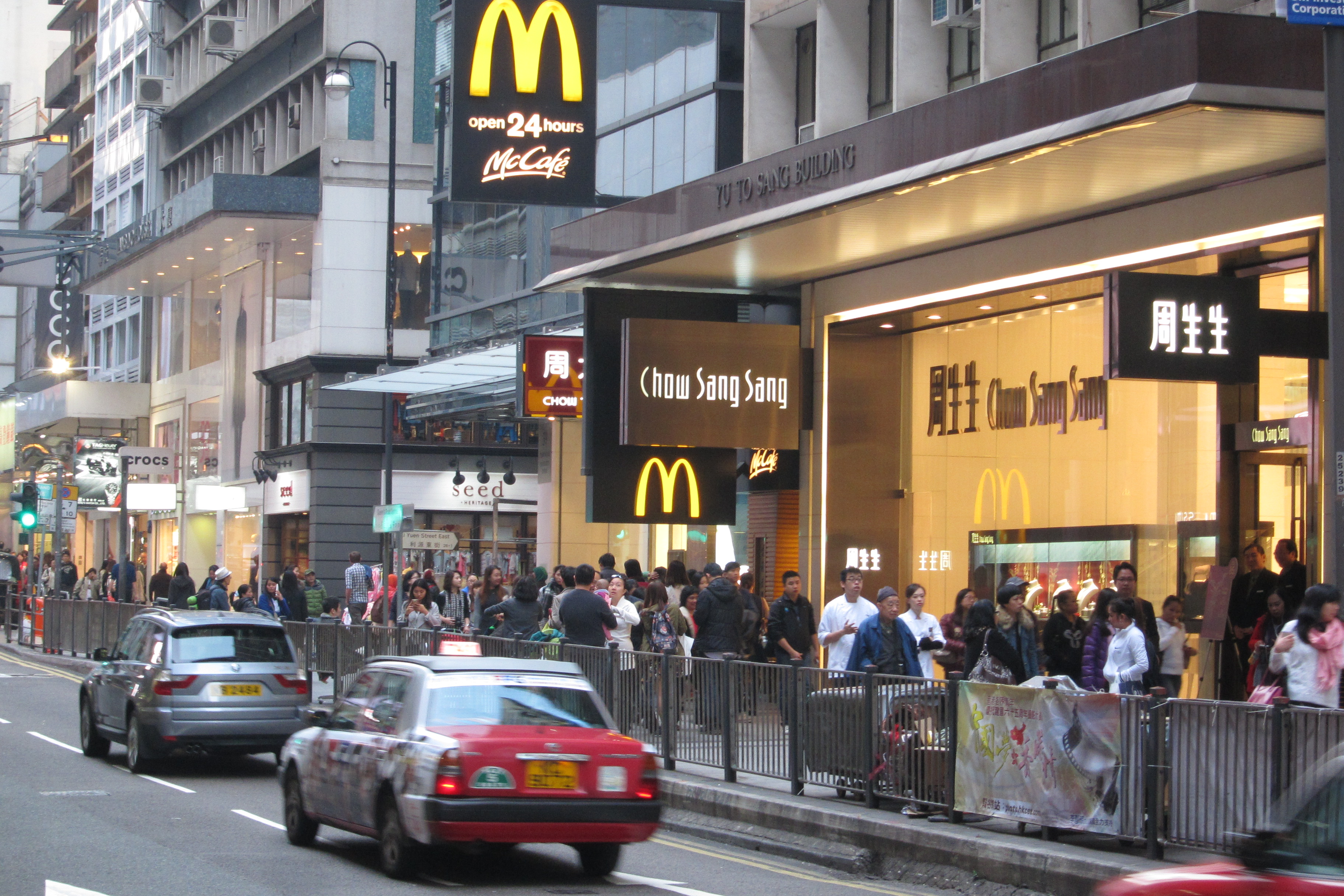
Before we moved here in 1995, a British colleague said about Hong Kong: “You probably won’t get shot and if all else fails, there’s a McDonald’s on every corner.” There are no guns in Hong Kong and Mickey D’s are everywhere.

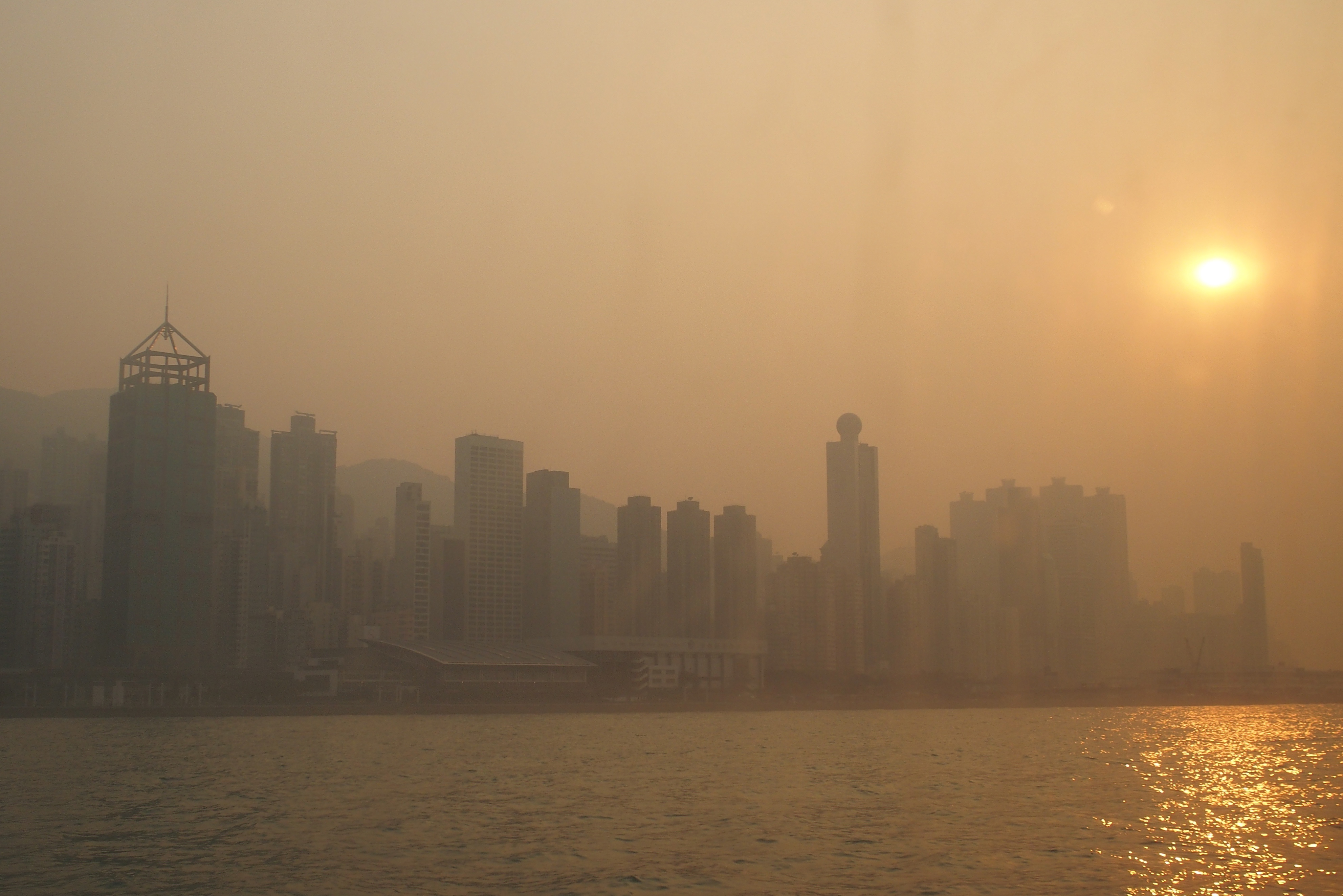
Historically taxis used diesel fuel and contributed heavily to the air pollution situation in the city. Now nearly 100% have been converted to LPG, a much cleaner fuel. Unfortunately, air pollution in Hong Kong has gotten worse, primarily from increased manufacturing in Shenzhen, Dongguan, and other areas in southern China. Monitoring stations throughout the city track and report levels daily.

IMG_3466

On one day of our visit, the air pollution was classified as “very high. Limit time outdoors.” We didn’t realize how bad it was and did about 10 miles of hiking and walking in and around the city…

OLYMPUS DIGITAL CAMERA

Not the bright blue skies we remembered.

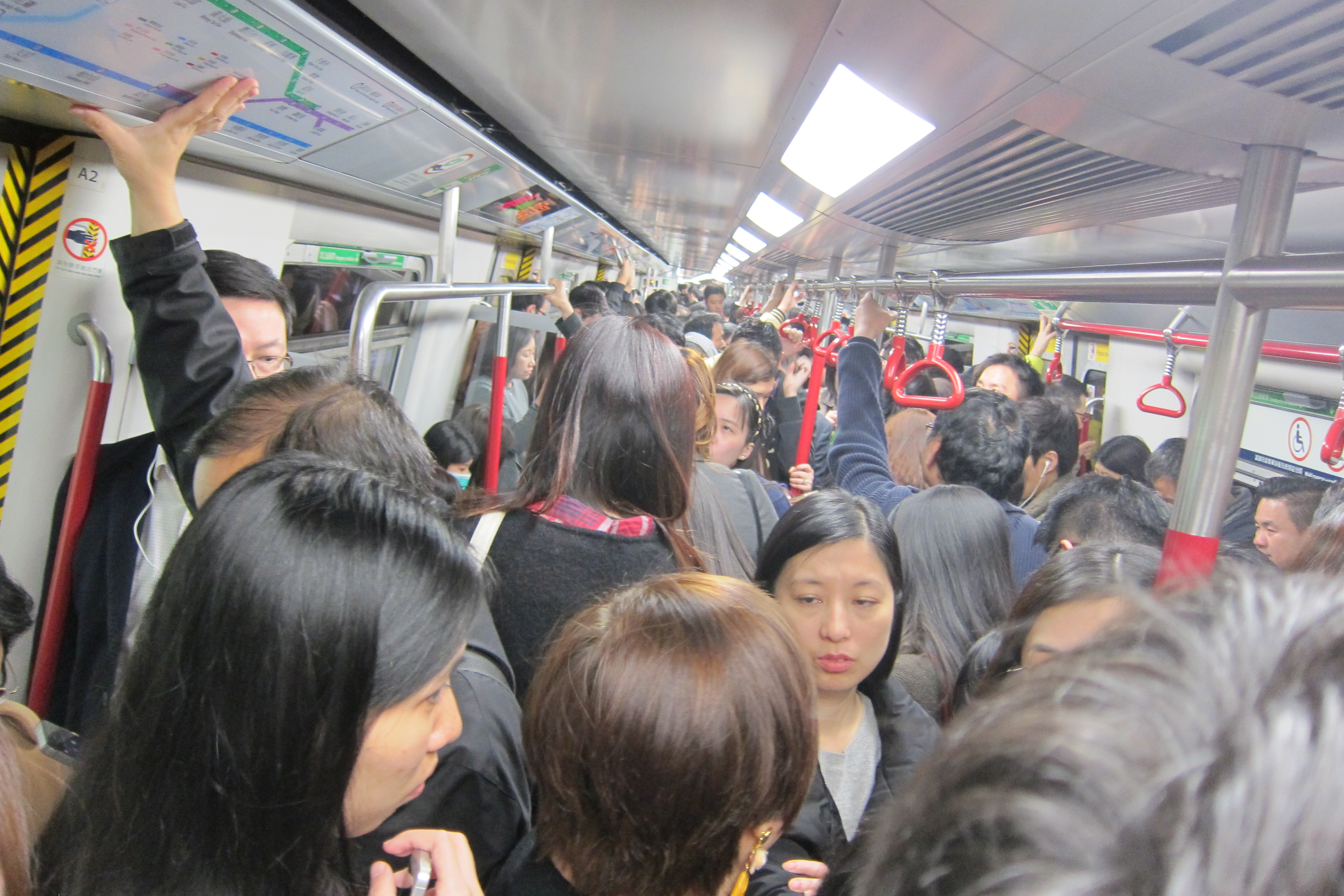
The MTR (subway) provides great service along the northern part of Hong Kong Island and up into Kowloon. It has expanded lines since we lived in HK and provides enclosures protecting people from being pushed off the platforms at each station. During rush hour it’s a sea of people, mostly black-haired.

2015-01-23 029

Not many foreigners here.

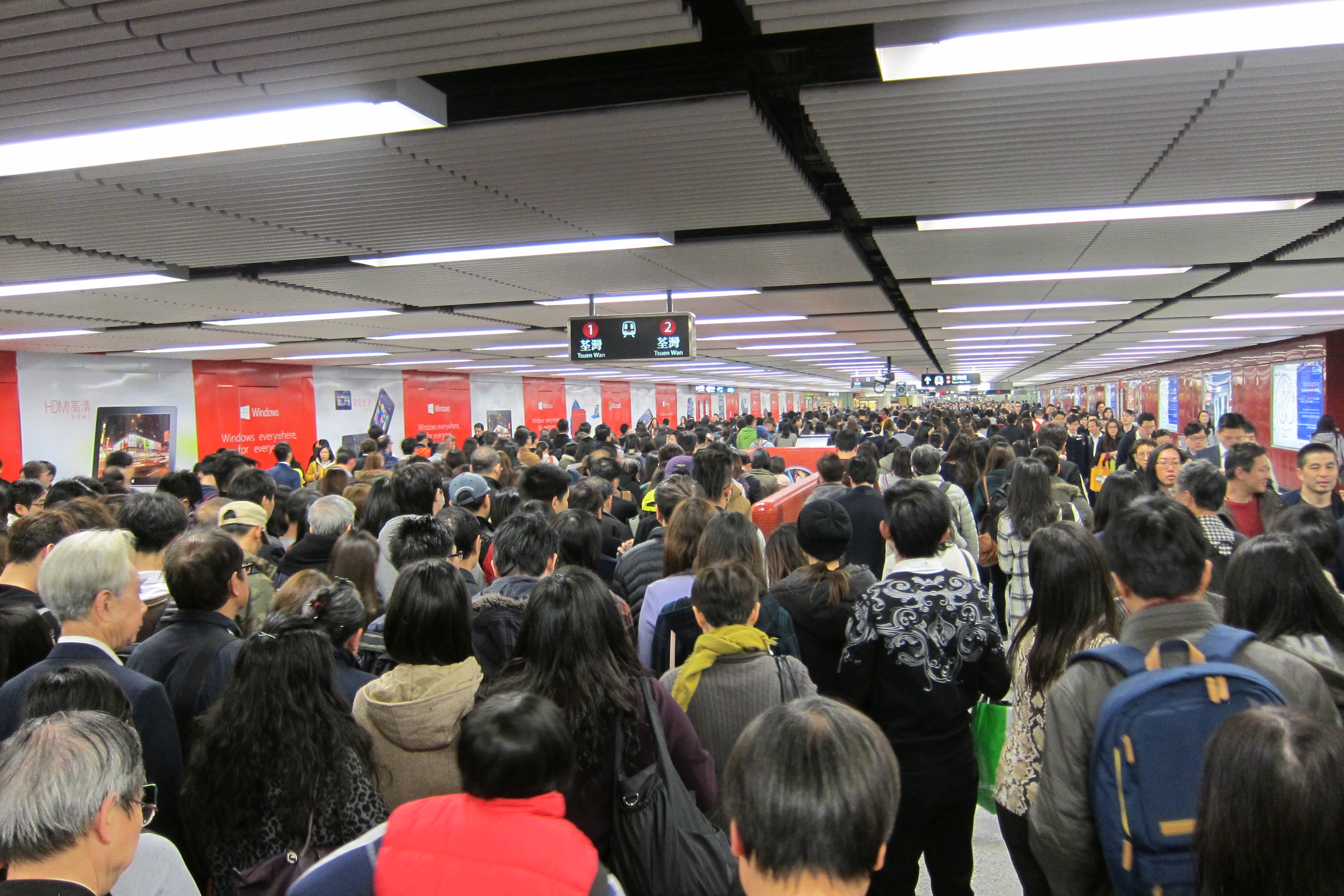
One thing that hasn’t changed is the mass of humanity switching lines at rush hour.

2015-01-23 026

Ideally, you know where you’re going, or you might end up getting pushed along with the crowd.

The Star Ferry travels between Hong Kong Island and Kowloon. The trip is very short now, since the harbor has been filled in, pushing the Central pier ever closer to the northern side of the harbor…and farther from Central. Business has fallen off dramatically now that it’s not a convenient commuter choice.

2015-01-16 072

We always liked finding the plaque indicating which of a dozen or so ferries we were on.

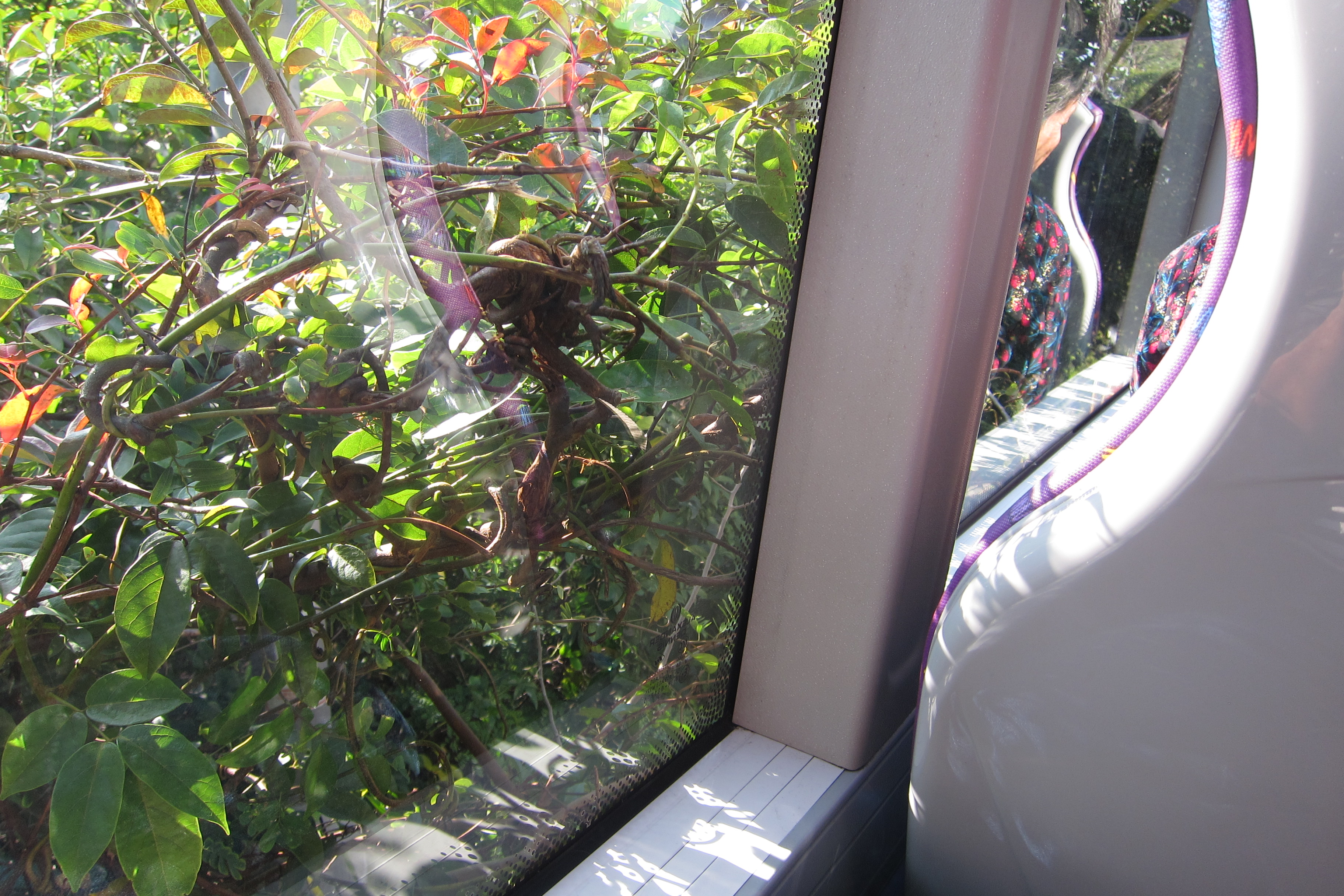
We still love the double decker buses, especially the #6 that goes back and forth between Central and Stanley.  Sitting on the front of the upper deck is a treat as the bus goes around the twists and turns giving amazing views the South China Sea. Occasionally there’s a tight squeeze at the top when two buses meet on a turn. The bus does double duty with both transportation and landscaping. You have to blink occasionally when the bus hits foliage 30 feet over the street.

2015-01-16 004

Looking out the upper deck window directly into foliage. No need for workers to trim the trees; the buses do it.

The second cheapest way to get around the island of Hong Kong is the tram, only $2.30 HK (about 30 cents US!). It travels east-west along the northern part of the island. Parts of this were once the shoreline along the harbor before land reclamation moved the shore out into the harbor…multiple times. Click on the video to take a short ride on the upper deck of a tram.
The fare for all these bits of transportation can be paid with a single card, the Octopus. This card can also be used at numerous restaurants around the city, very handy.

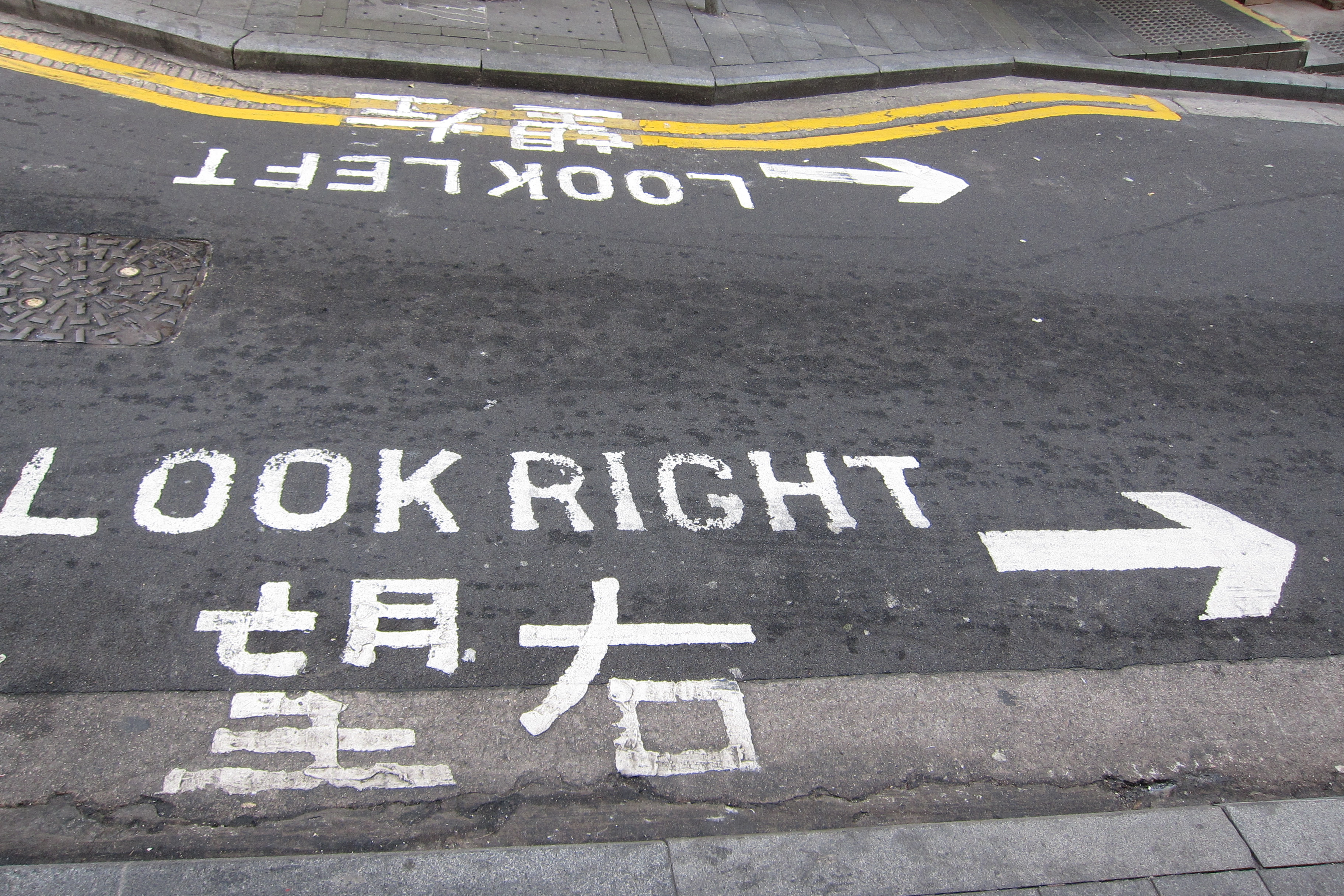
For the very cheapest transportation around the city, Hong Kong is very walkable…as long as you remember to look for cars driving on the “wrong” side of the road…

2015-01-16 039

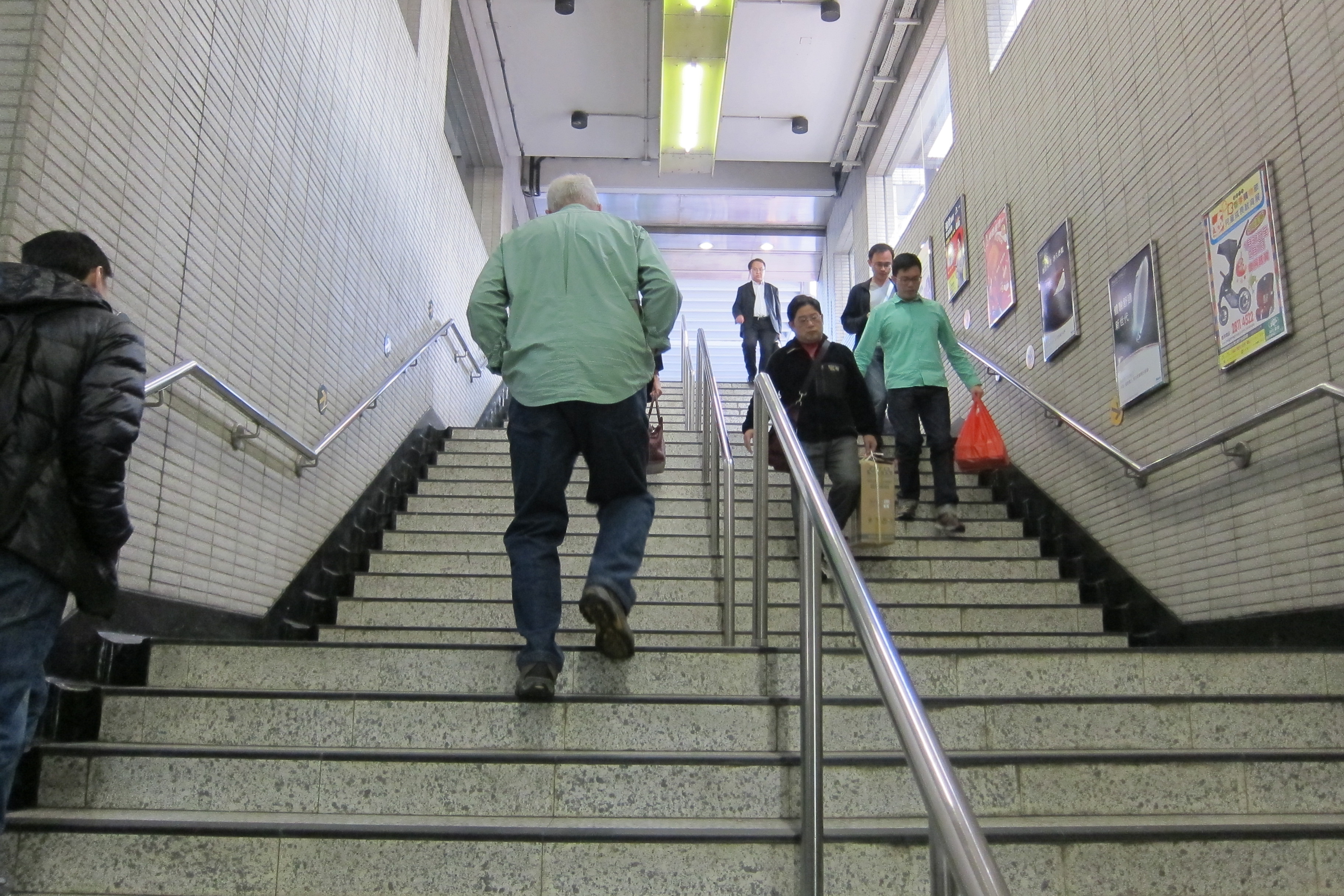
and you don’t mind stairs.

2015-01-22 053

You have to CLIMB stairs both in AND out of the MTR.

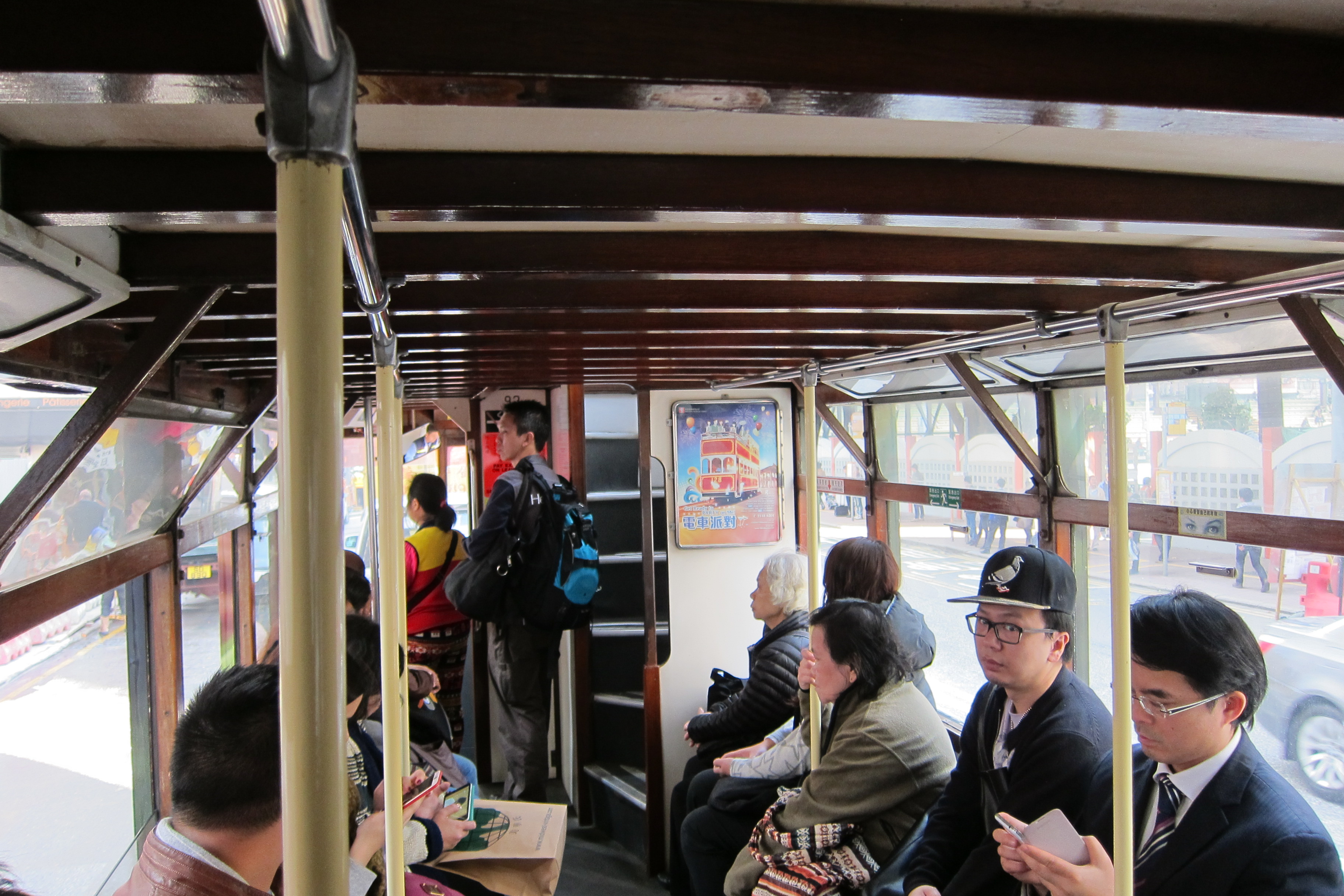
2015-01-23 002

Navigating these winding stairs when the tram is lurching isn’t easy.

2015-01-23 016

A long climb back to our Midlevels apartment when we weren’t near the travelator.

We did get a lot of good exercise! Eight days, about 80 miles. By now we should have lost half a dozen pounds, except we’re eating too well!

Posted in Smell the Roses, Travel Journal | Tagged , , , | Leave a comment

Men at Work, Hong Kong Style – January 2015

Hong Kong thrives as an international financial center, a major Asian commerce hub, and a popular tourist destination.

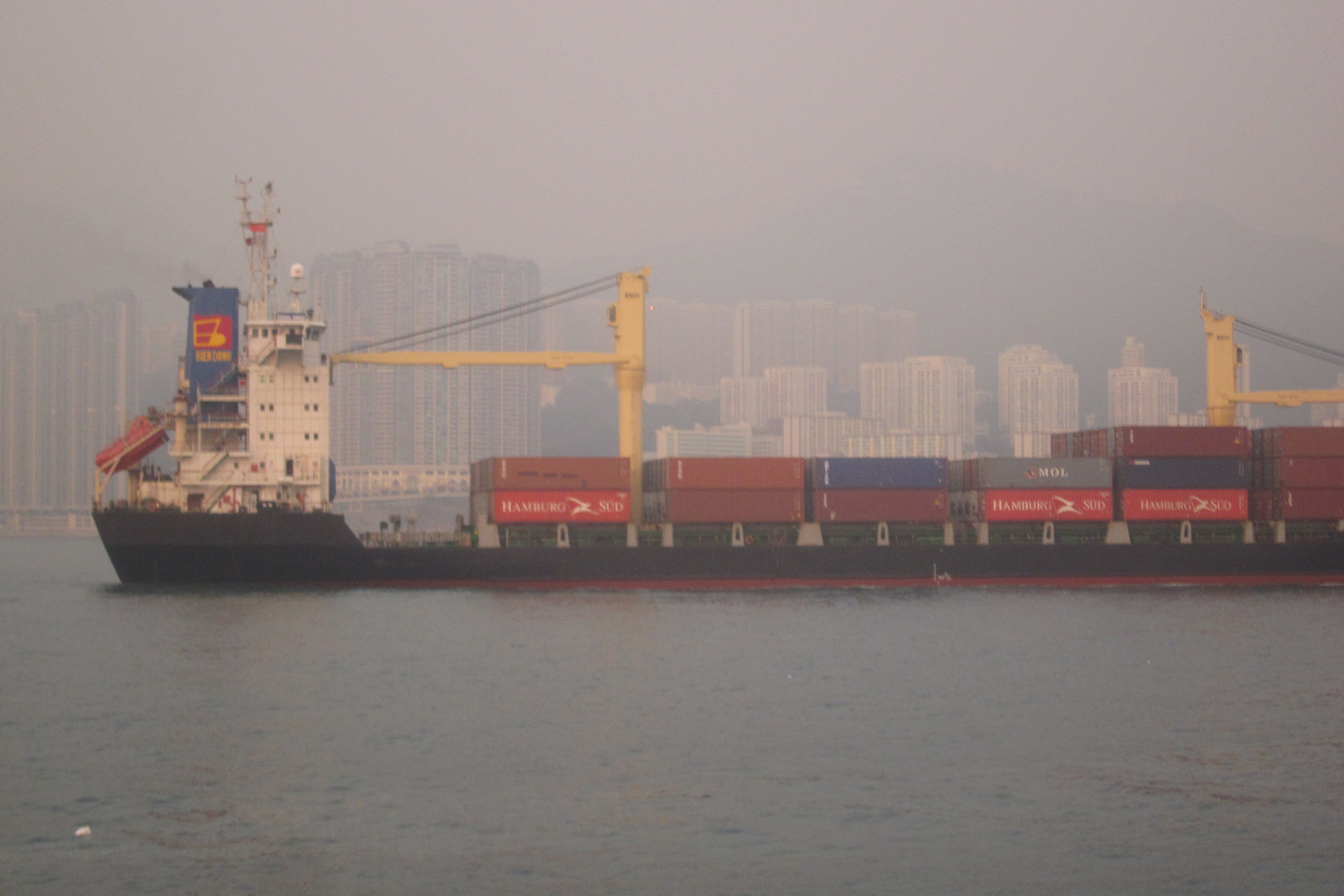
2015-01-21 014

Kowloon has one of the biggest container terminals in the world. This is the way our home furnishings came and went in 1997 and 2001. More importantly, this is how all those cheap goods from Asia start their way across the world. (Note the air pollution, a particularly bad day.)
There is plenty of high-end shopping in Hong Kong. This again is the new Elements shopping center in Kowloon.
2015-01-24 001

One interesting bit of trivia. The diamond-shaped wallcovering in Swarovski shops is actually made by OMNOVA in Monroe, North Carolina (where Nancy did a bit of consulting). Small world.

But the very foundation of Hong Kong’s business success is its entrepreneurial spirit. People here “do” things and they do them quickly, creatively, and effectively, finding ways of achieving success despite barriers. If you walk around the city you can find entrepreneurs on every corner.

Our favorite tailor is Fletcher Jones Custom Tailor on Nathan Road in Kowloon. We met some of the sewing team in the upper levels of Mirador Mansion years ago. Tommy Wong, the entrepreneurial proprietor, made many shirts, sport coats, and a tux for Michael and he made Liz and Meghan matching leopard skirts in one day when Marcia, Kathy, and the California kids visited. We still get Christmas cards from him. He will take measurements over email and send you bespoke clothing if you’re interested.

2015-01-16 073

Tommy Wong, a great tailor. Look to the left of his shoulder and you’ll see that Michael’s and Nancy’s Kodak business cards (with photos) are still tacked up.

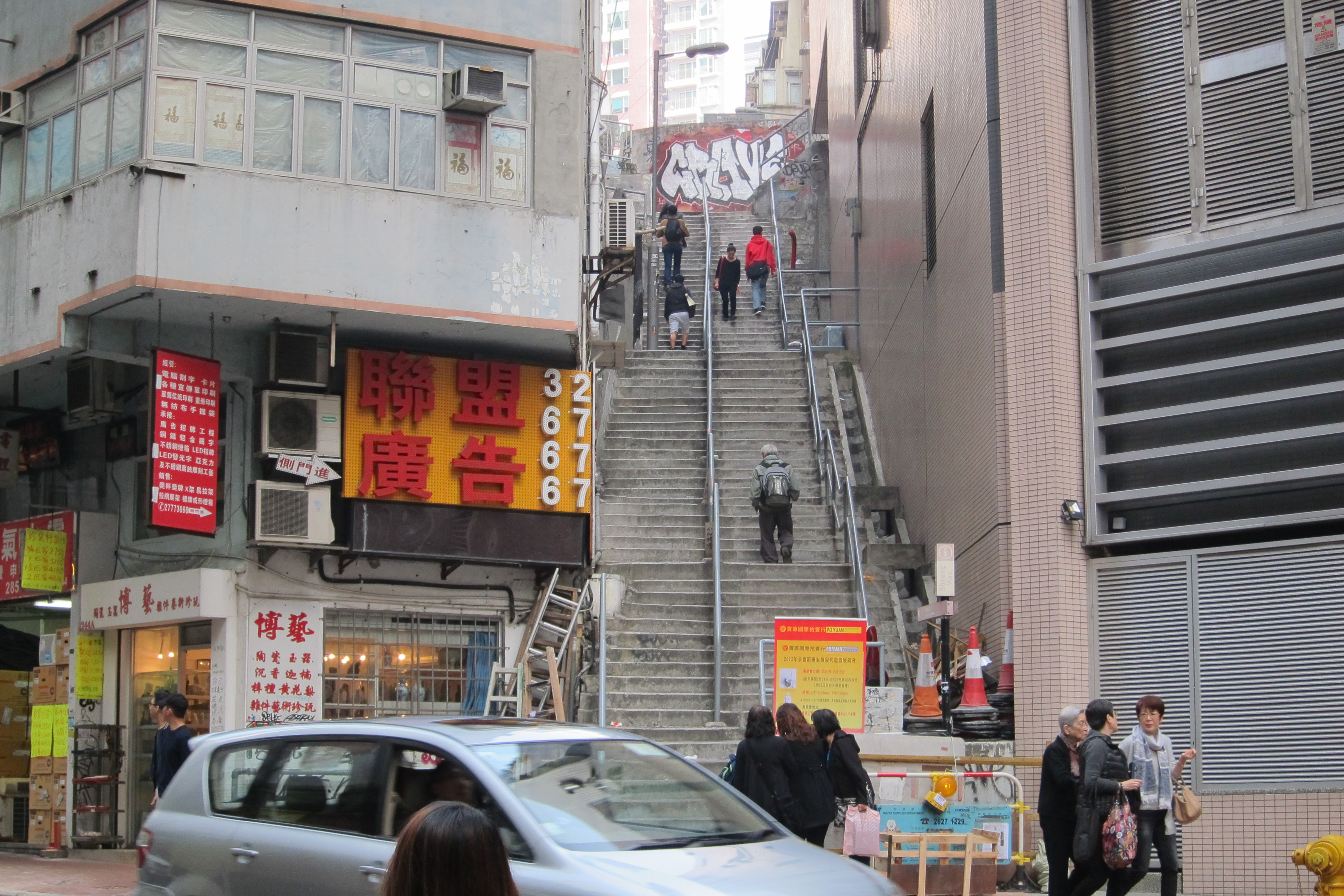
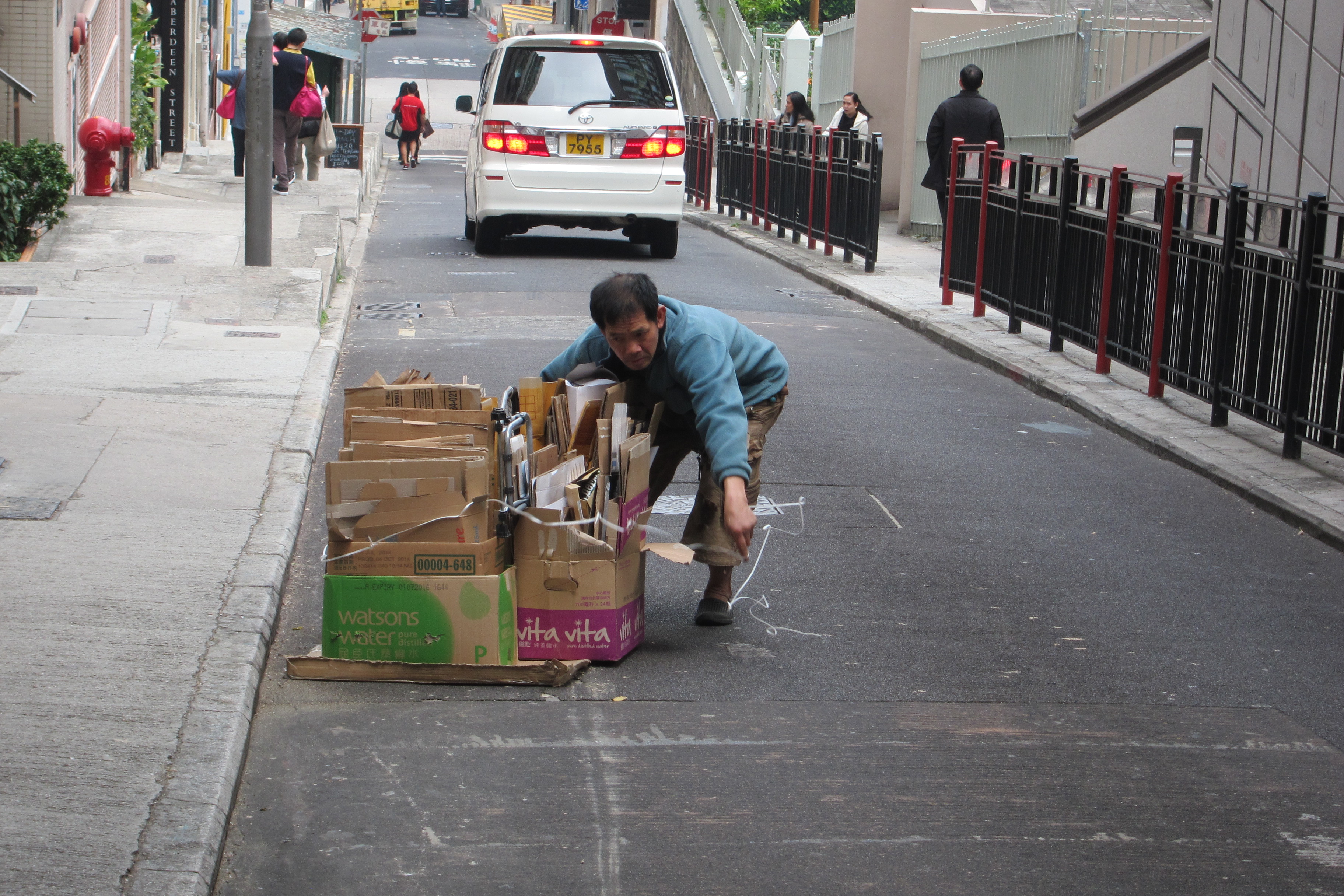
Just up the street (literally up, a 20% incline!) from our Mid-levels apartment on this trip, is some kind of recycling center.

2015-01-23 066

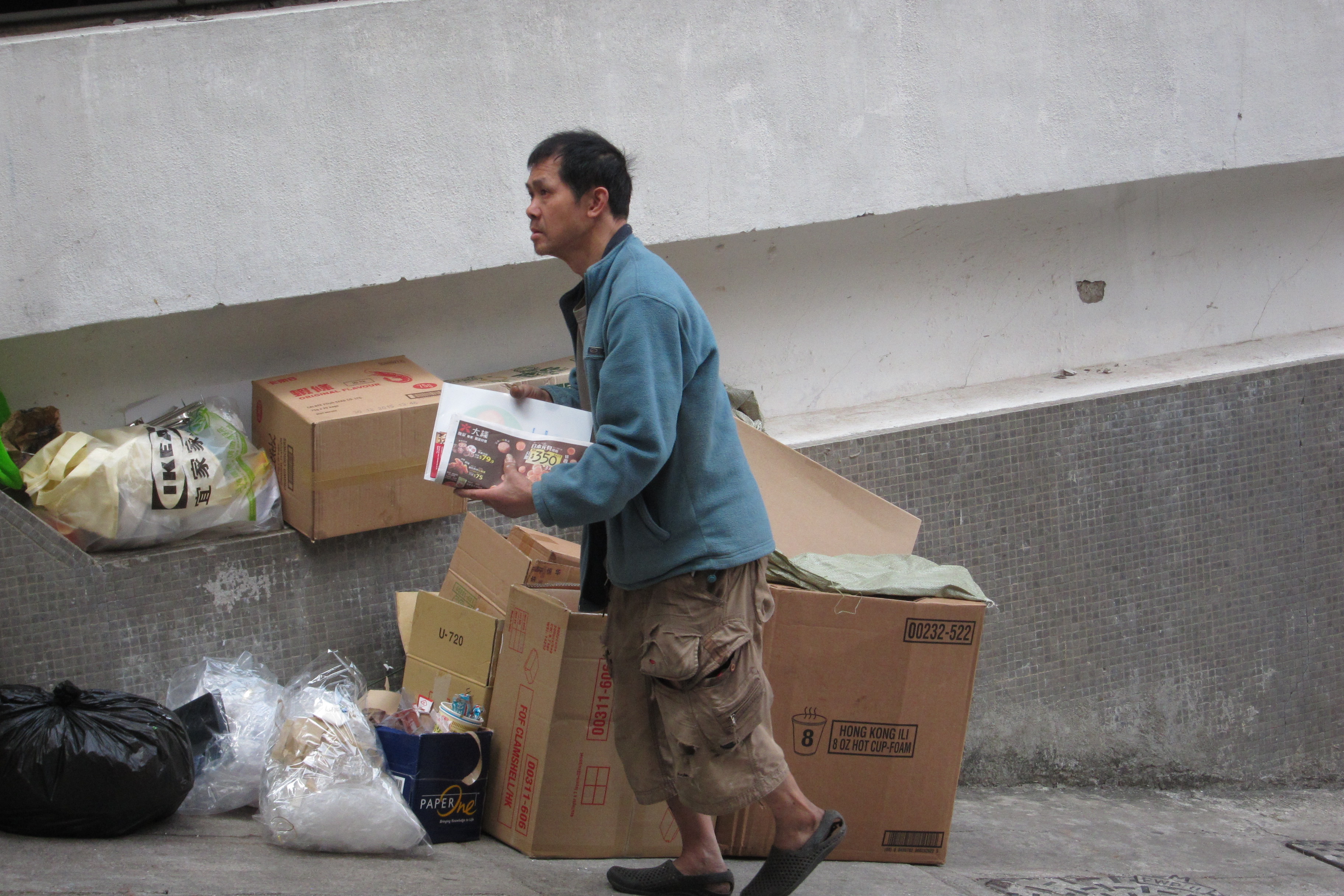
People dropped off neatly tied cardboard and just plain junk. This guy sorted through it all.

We’re not sure exactly how this works since the pile seemed to get larger every day, but we also saw cardboard and paper being taken away.

2015-01-24 037

Later in the day, our hardworking neighbor pulled a pile of cardboard down the street.

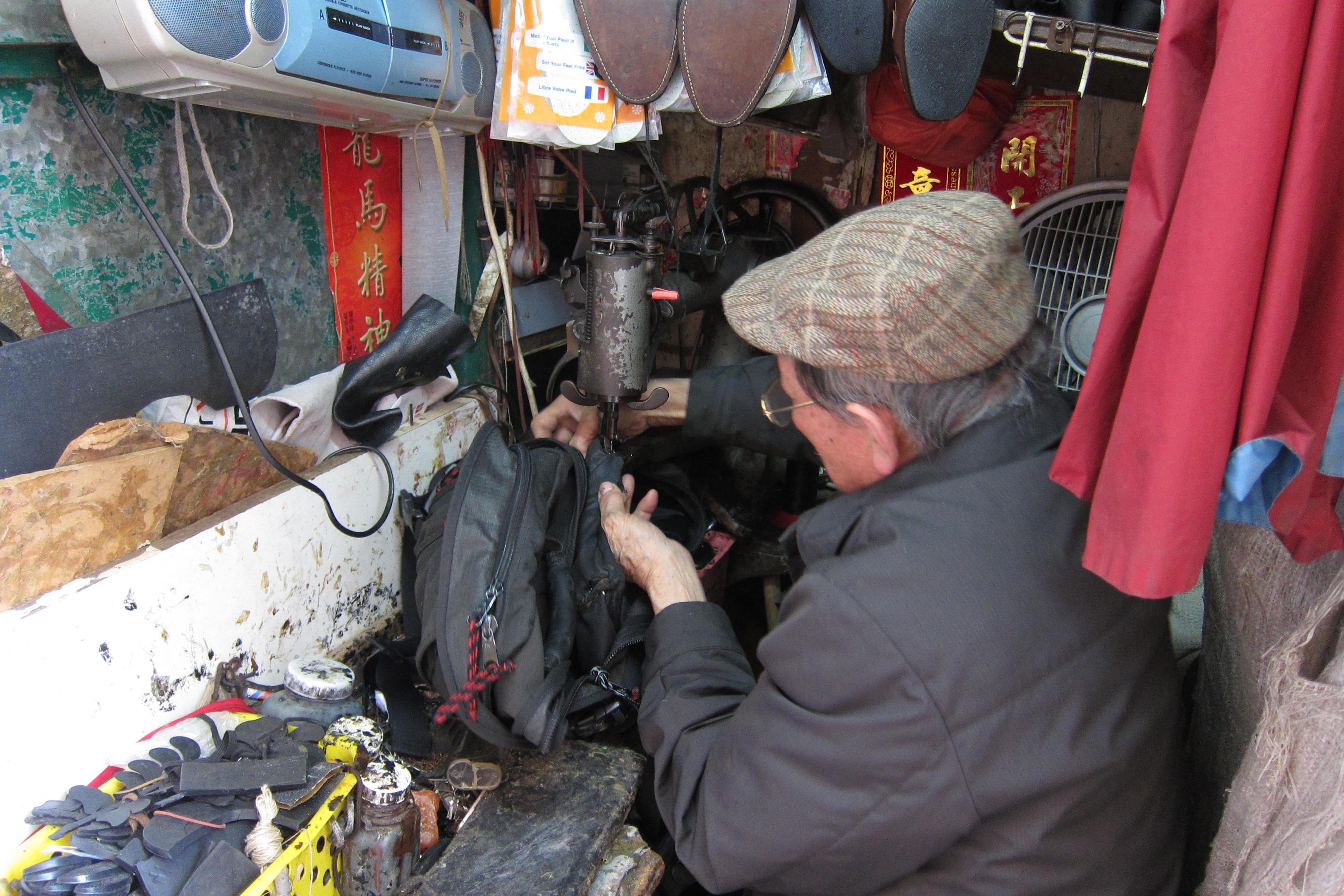
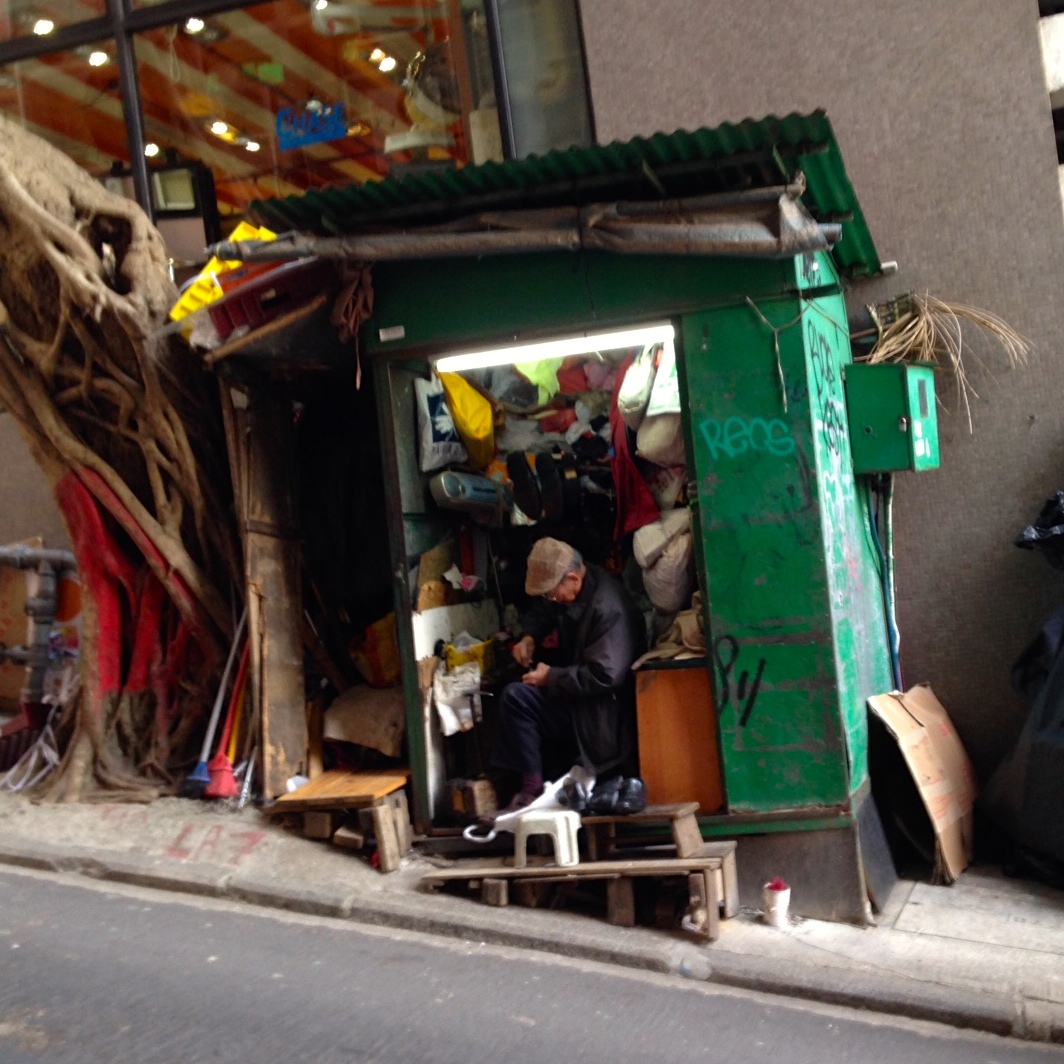
Next to the recycle pile is a small cobbler shop. More accurately it is a cobbler who has built a lean-to against a tree and awaits passersby needing repairs. We needed a repair to a hole in our backpack. Just $20HK (about $2.50 US) and a few minutes later, it was whole.

2015-01-23 065

Not exactly an OSHA-approved workspace, but he got the job done.

IMG_1113

A better view of the shop. He’s a cobbler in a tree.

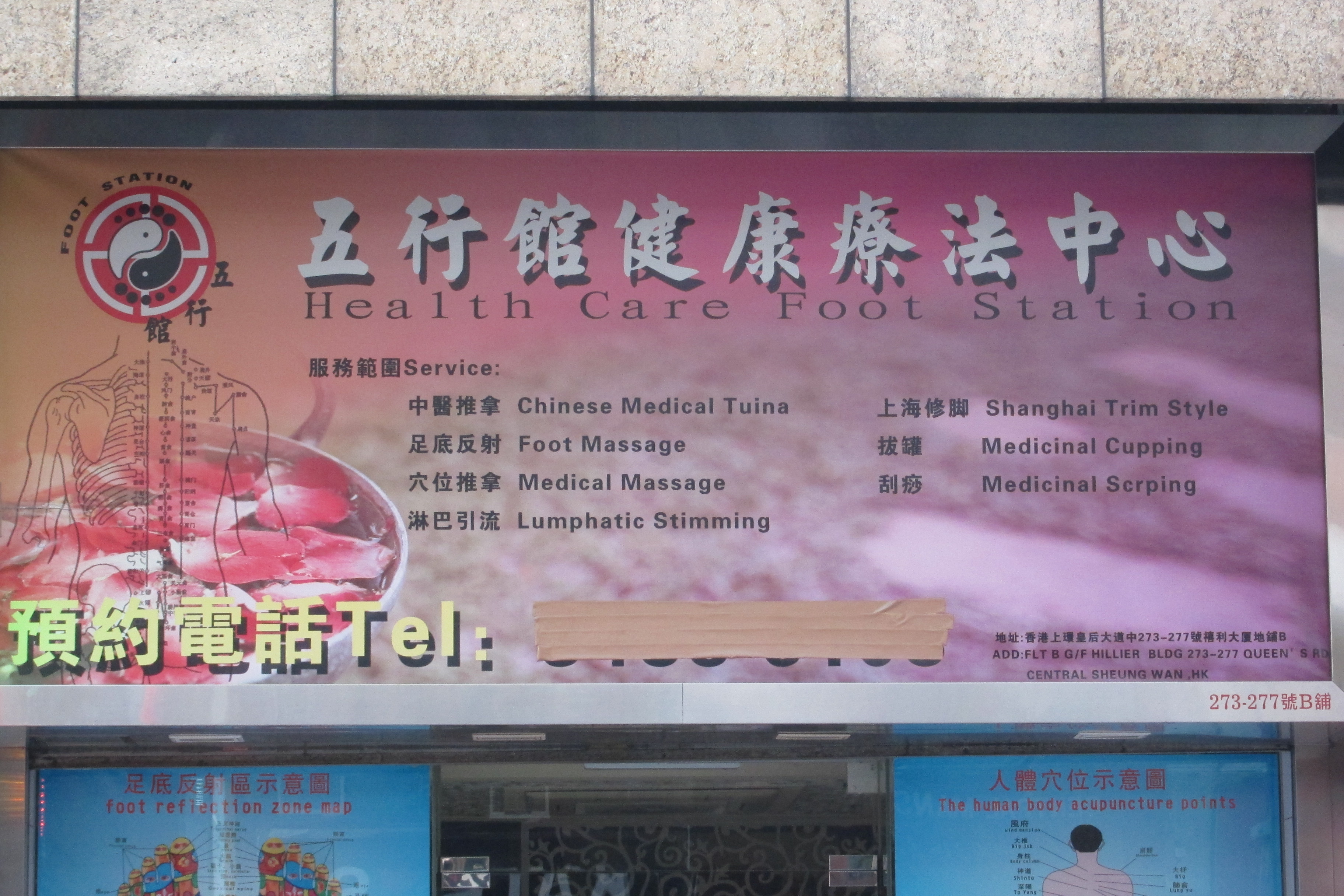
After all the walking up and down the hills, averaging 10 miles a day, we were happy to take advantage of the massage services offered literally everywhere throughout the city.

2015-01-22 047

Not sure what medicinal scrping is, but the foot massage sounded pretty good. During six years of living in HK, we never took advantage of this service.

IMG_1130

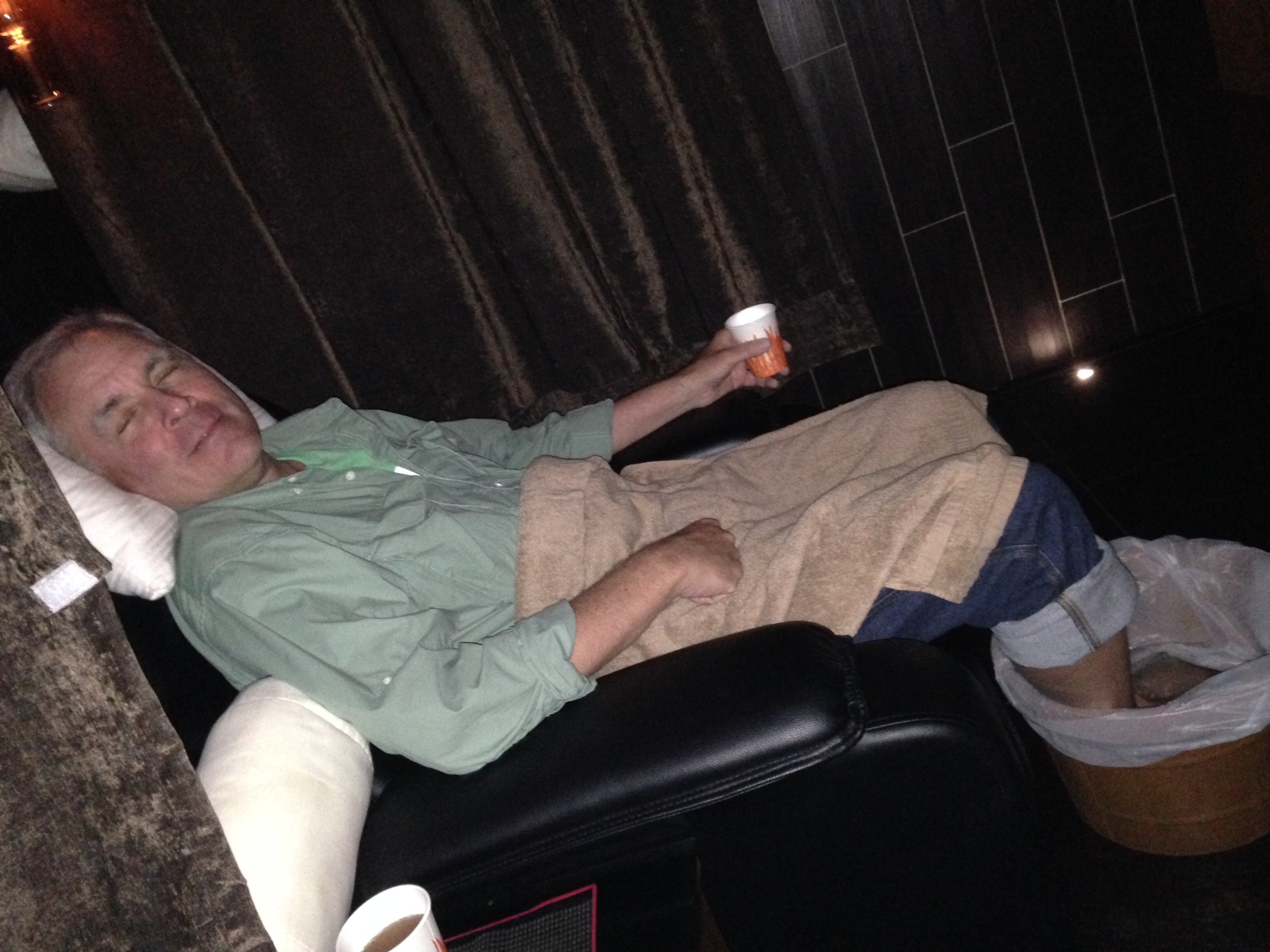
Michael is most definitely NOT at work here. A couple men arrived and cleaned and massaged our feet for 25 minutes in a dim room with light scent and relaxing music. Such a treat.

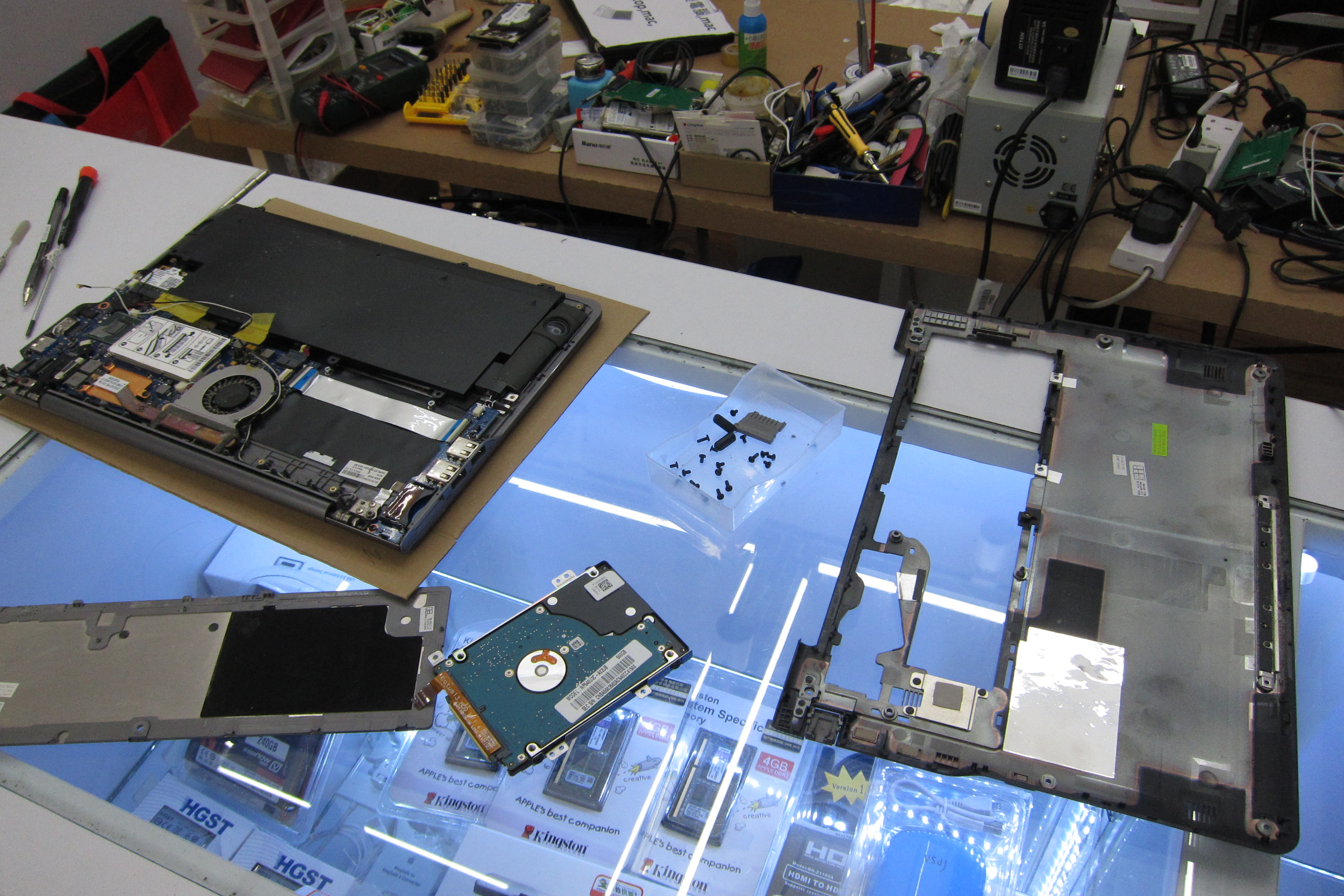
We were able to deal with the ongoing situation of the swollen battery in Nancy’s Samsung laptop. When we took it to Best Buy in Reno, the Geek Squad (geeks in name only) said they had never heard of this kind of problem (although a Google search shows it’s very common…AND replacement is covered by the Geek Squad Protection Plan we purchased!)

2015-01-19 007

My poor computer, soon to be all better, thanks to Jason from Hong Kong (not from Best Buy!)

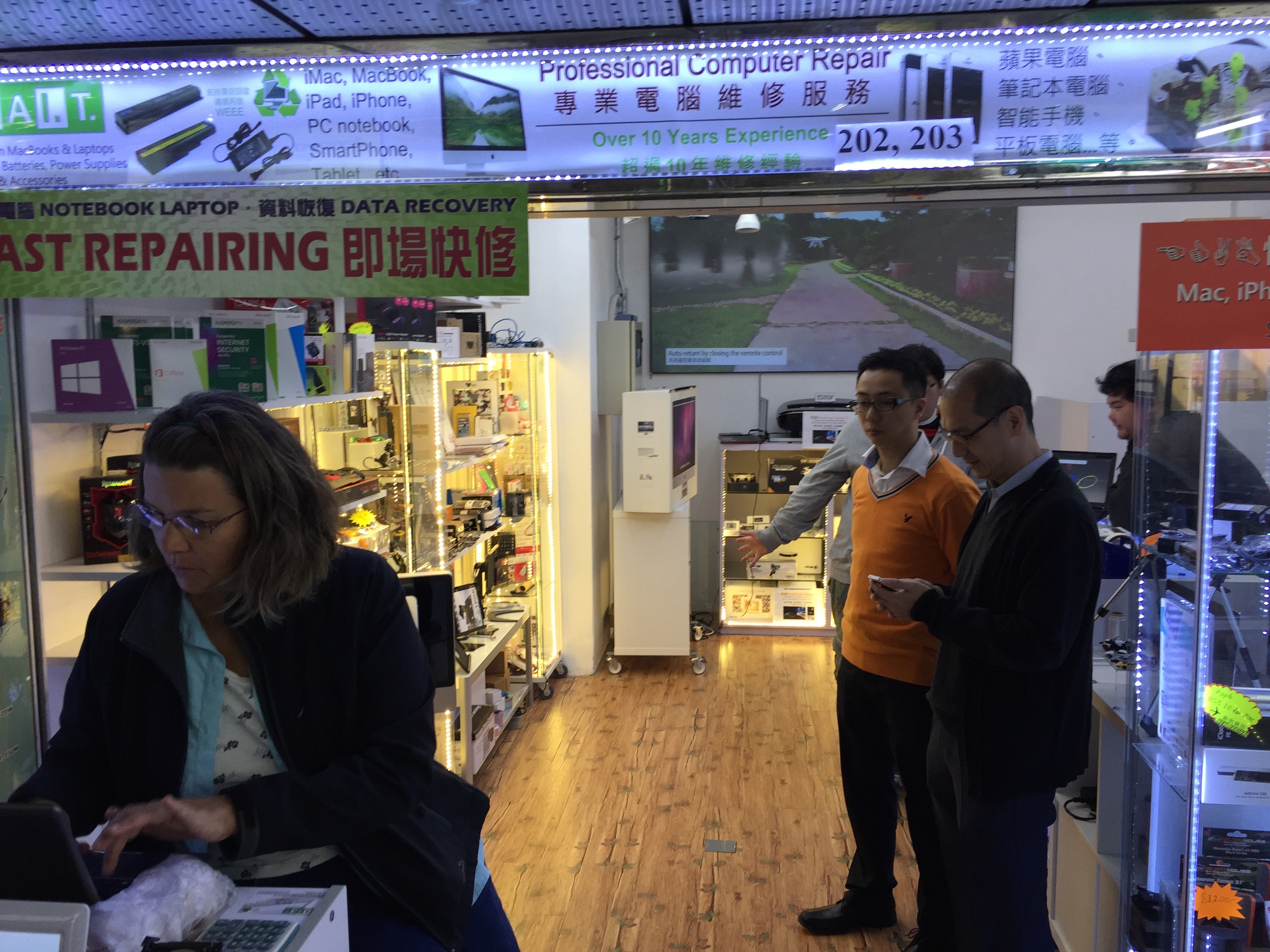
Best Buy offered to send the computer out and might be able to repair it for $350 in three or four weeks, but they weren’t sure it could be done. Here in Hong Kong we visited one of our favorite spots, the Hennessey Road Computer Centre. Jason Cheung, a self-taught computer repairperson, was able to put in a replacement battery for just over $100 US and had it back in two days.

IMG_3461

The computer center on Hennessey Road is a rabbit warren of little shops selling anything and everything digital. I bought a phone case and Michael bought a camera case too while we had the computer repaired. (That’s Jason in the orange.)

Outside the computer center an analog repairperson was even faster. We had a watch battery replaced for $20 HK (seems to be the going rate for streetside work) in less than a minute, too quick to get a photo! Just purchasing the battery would have been more than this in the US.

2015-01-23 021

Some folks are working with old equipment, but making it hum, like this ancient printing press…right on the sidewalk in case you need fifty flyers.

Each sector of the city has a major wet market with meats, fish, plenty of vegetables. But many an entrepreneur recognizes that people may not want to walk more than a few blocks away to get fruit. These hawkers are on almost every corner. This was our go-to lady for mangoes.

IMG_3443

The Philippine mangoes are the best. Here they were sold for $8HK with some black spots, $10HK with just a few spots, and $12HK ($1.50 US) with no spots. Delicious.

2015-01-23 032

Other folks are selling must-have goods like these little figurines. (We bought a whole series of monster characters and ballerinas when our kids were young.)

2015-01-24 018

Thriving market by day, packed away like this by night.

Hong Kong is always under construction, whether it’s major rebuilding…

2015-01-20 098

Talk about unbuildable lots! But they get it done.

IMG_3287

Bamboo scaffolding is still used on most construction, even the high-rises.

building repairs…

2015-01-23 091

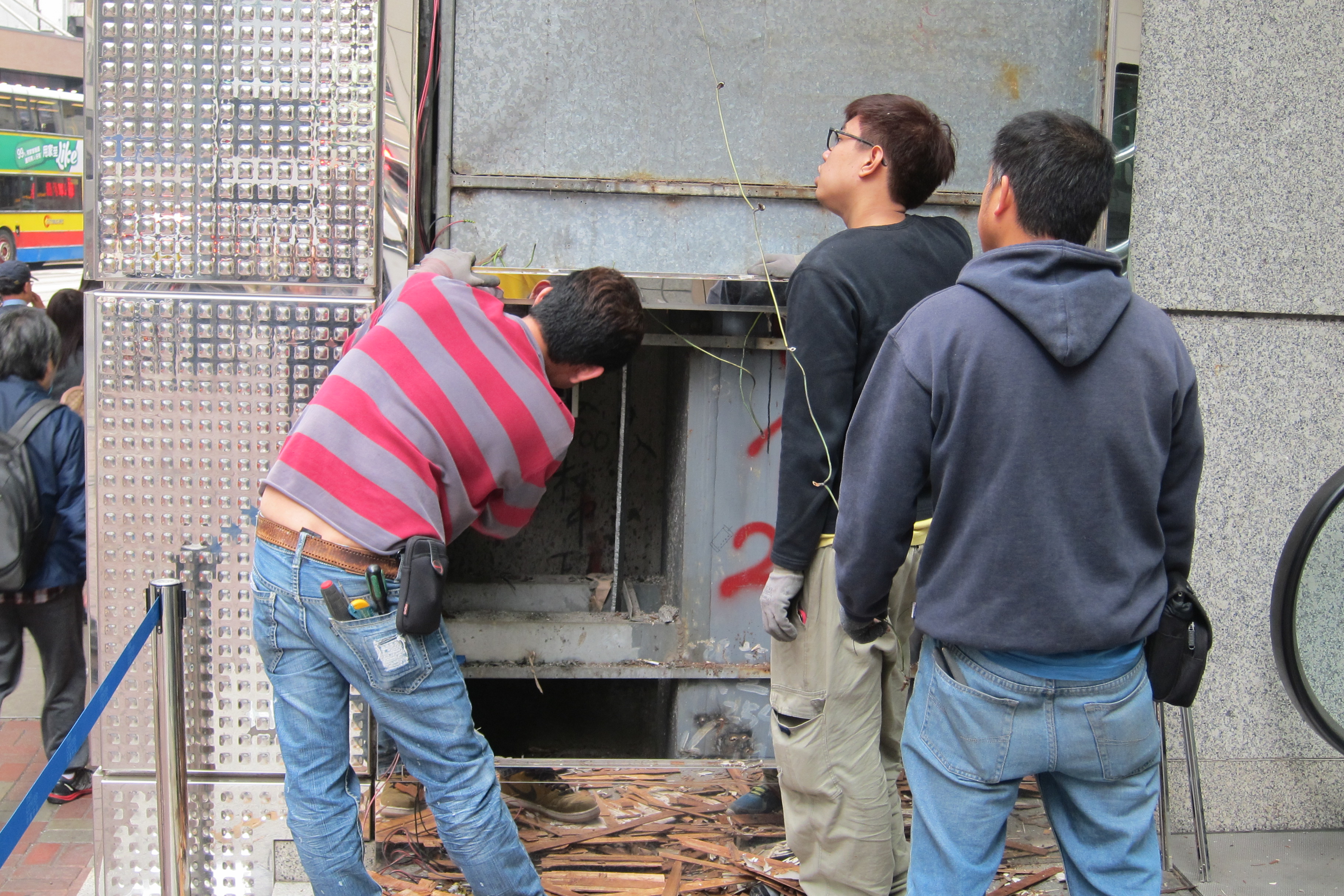
Much of the difficulty of doing the work is figuring out the puzzle of working within huge structures with people walking all over the “construction” area.

minor streetwork…

2015-01-22 043

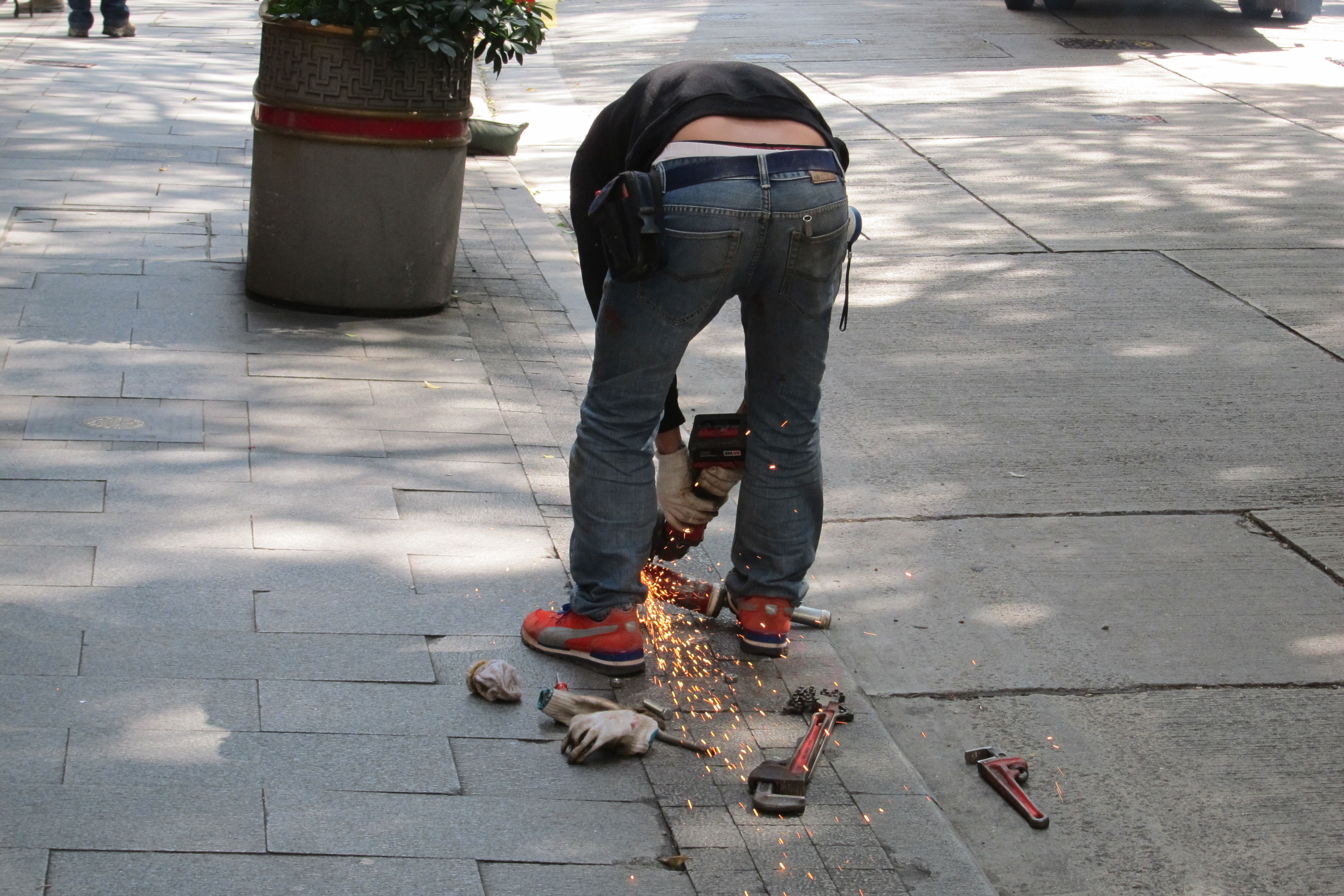
No safety glasses here.

or repairing or preventing landslips.

2015-01-17 012

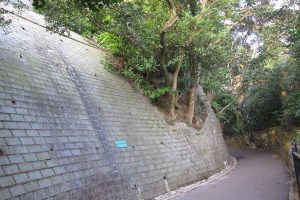
Nearly every hillside has some amount of slope control, sometimes brick or wire, most often sprayed-on concrete so it looks almost like rock. An upgrade from when we lived here in the late 90s: All the slopes have numbered identification. After a hurricane workers can be sent to exactly the right spot to make repairs.

Even if everything else dried up, there will always be job security in window-washing.

2015-01-23 088

This guy is doing low-rise cleaning.

The skyline of Hong Kong has plenty of windows and they all need to be cleaned on a regular basis.

OLYMPUS DIGITAL CAMERA

Windows, windows everywhere. And they do get cleaned. (from Victoria Peak, looking toward Kowloon)

IMG_3240

Last but not least, our old pal Jeeves in the lobby of Parkview Suites (where we lived 20 years ago) is still hard at work. It looks like he’s serving the same glass of cognac that he had in 1995.


Posted in Smell the Roses | Tagged , , , , | 4 Comments

Colorful Hong Kong (January 2015)

On our first couple days in Hong Kong we rushed around to some of our favorite spots: Stanley (via the #6 bus), the Flower Market, the Bird Market, Bowen Road (for running).

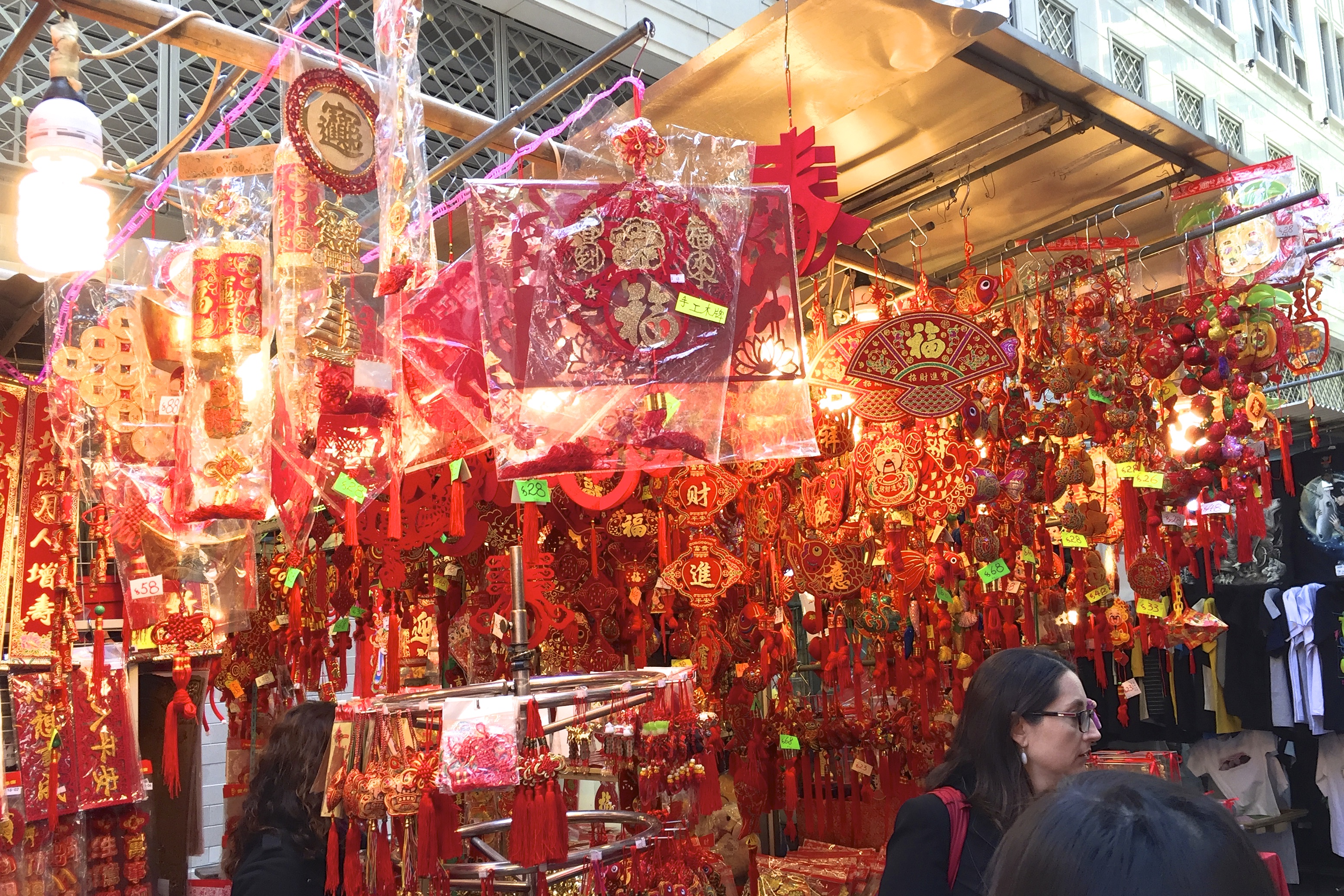
We arrived in Hong Kong about a month before Chinese New Year (CNY), but festivities are already being planned.

IMG_3303

Lanterns and banners will soon be appearing everywhere. Buy your red “lai see” packets now for gifts of good luck money for the kids and your servants and subordinates.

This is the year of the Goat (or Sheep or Ram), specifically, the wooden goat. If you were born in 1929, 1931, 1943, 1955, 1967, 1979, 1991 (both Pats), or 2003, this is your year. Sheep people are tender, clever, kind-hearted, and economical. They generally have symmetrical features, a good thing! All that sounds just like our Pats. (For any readers who are not O’Connells, the story is that we had a kid named Pat on the East Coast, not realizing that Kathy and Stephen on the West Coast had already reserved the name. Nine months later West Coast Pat was born. They have no resentment; they’re great friends. Because we’re a bit lazy, we call them “the Pats” when plural.)

IMG_3472

This sheep is in Elements, a very upscale shopping mall built in Kowloon after we left Hong Kong. Although it’s a high-end mall, it still has an ice rink, with ice time for hockey. Chris and Michael both played hockey in three malls when we lived here. Chris also played in the multi-story parking lot of Aberdeen Marina Club. It had a ceiling support 2/3 of the way across the icy. Tricky skating.

2015-01-16 075

Not a goat. Maybe they pull this very large CNY figure out every year, regardless of animal year.

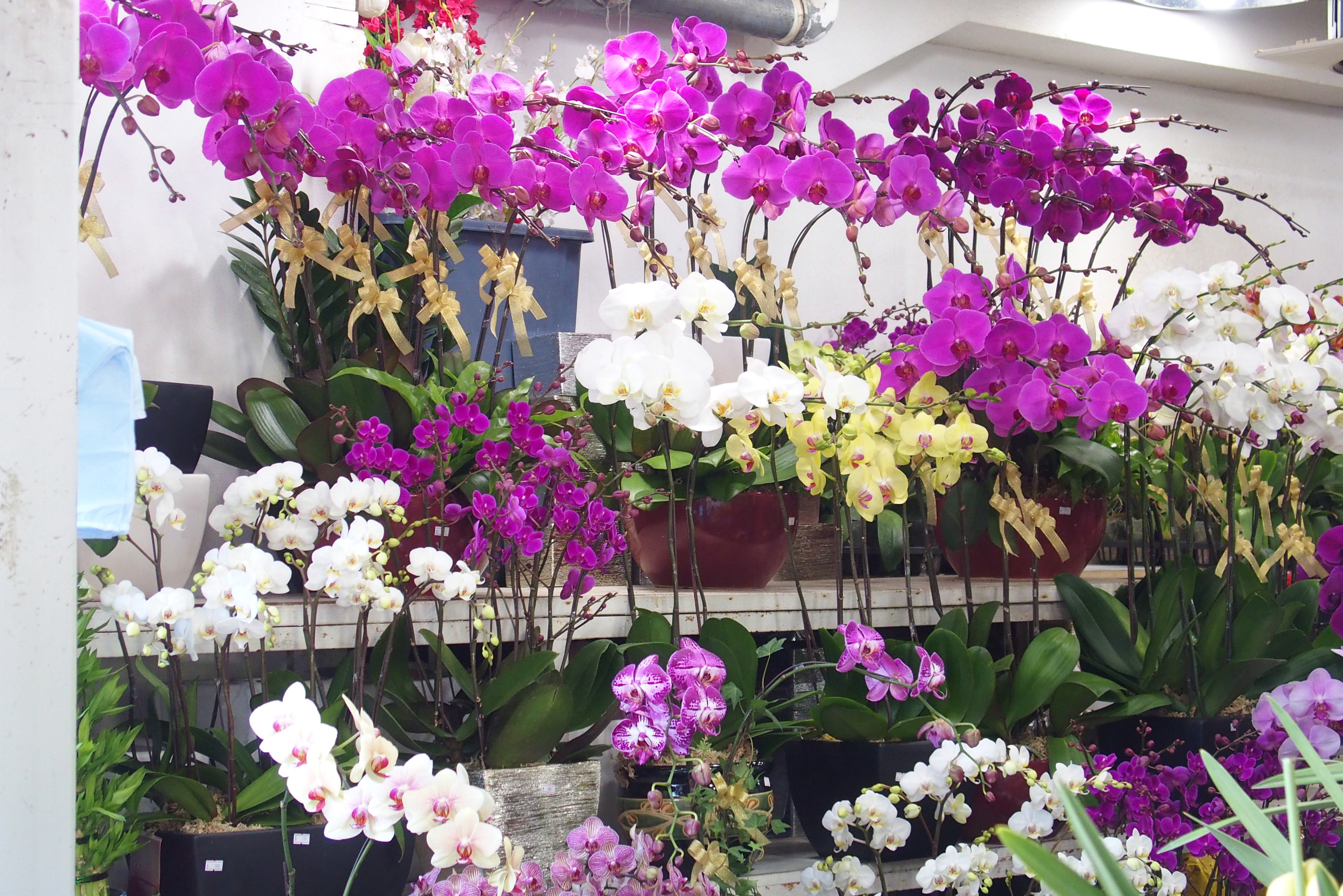
We went to the flower market on Kowloon side and saw many flowers like we had seen in Hawaii.

OLYMPUS DIGITAL CAMERA

Single orchids suit Hong Kong homes because they take up little space, but brighten a whole room.

OLYMPUS DIGITAL CAMERA

These colorful bouquets were about $10 (US).

OLYMPUS DIGITAL CAMERA

Lots of exotic blossoms too.

2015-01-16 104

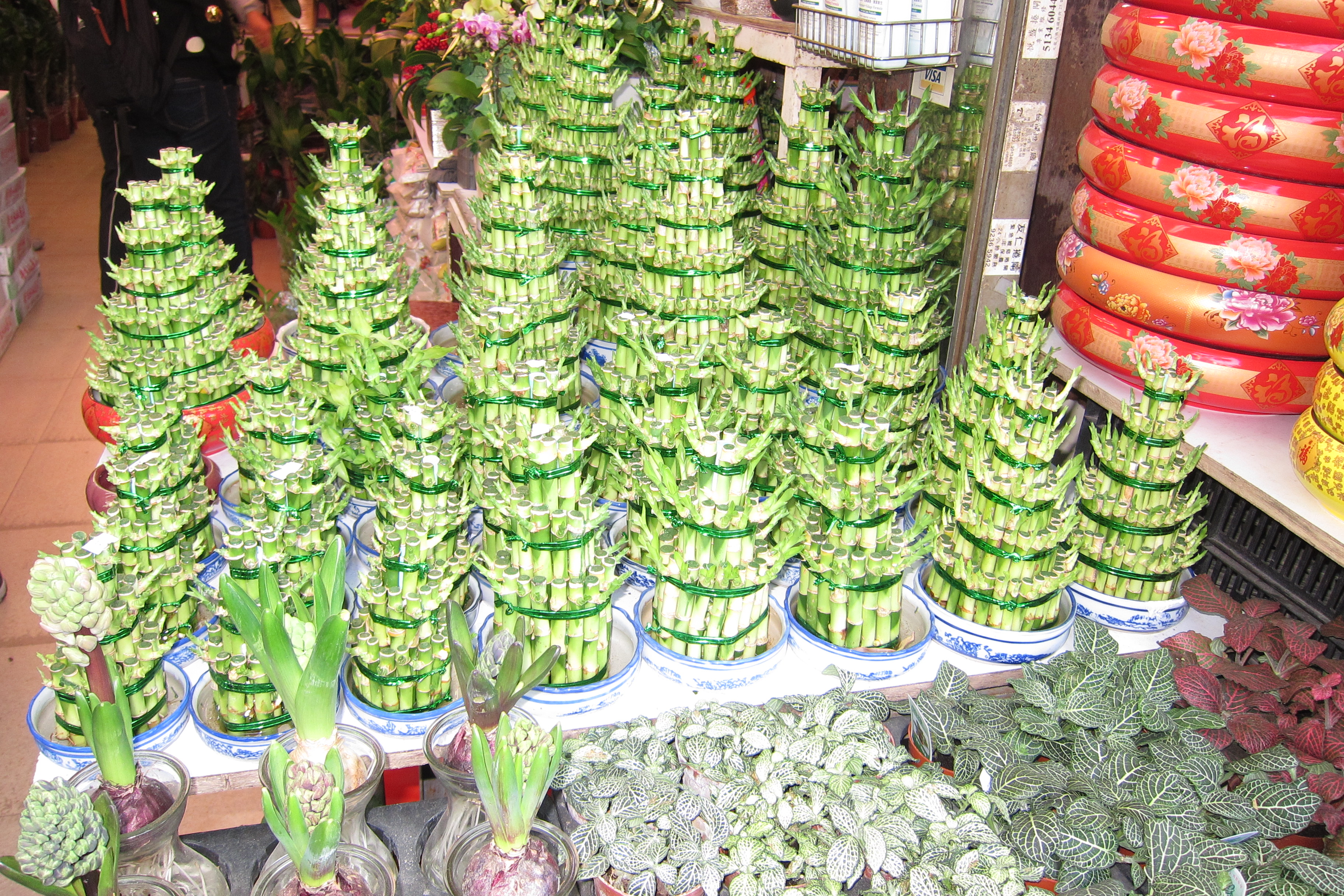
Of course, bamboo is here in all shapes and sizes. Good feng shui (lucky for you) as long as you keep it alive and don’t buy a group of four.

OLYMPUS DIGITAL CAMERA

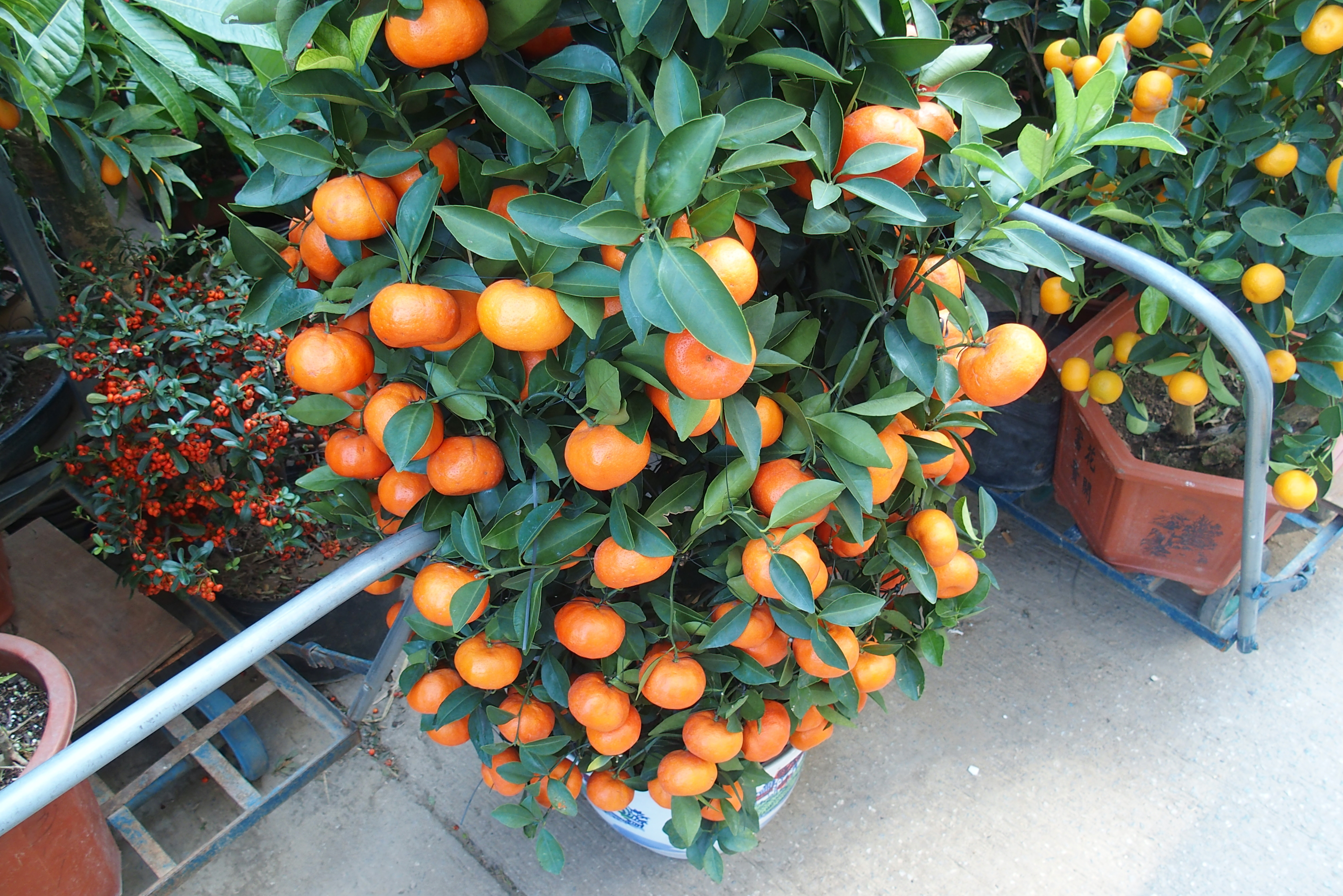
We had a satsuma tree on our balcony one year for CNY. The very small fruit is deliciously sweet and fragrant.

OLYMPUS DIGITAL CAMERA

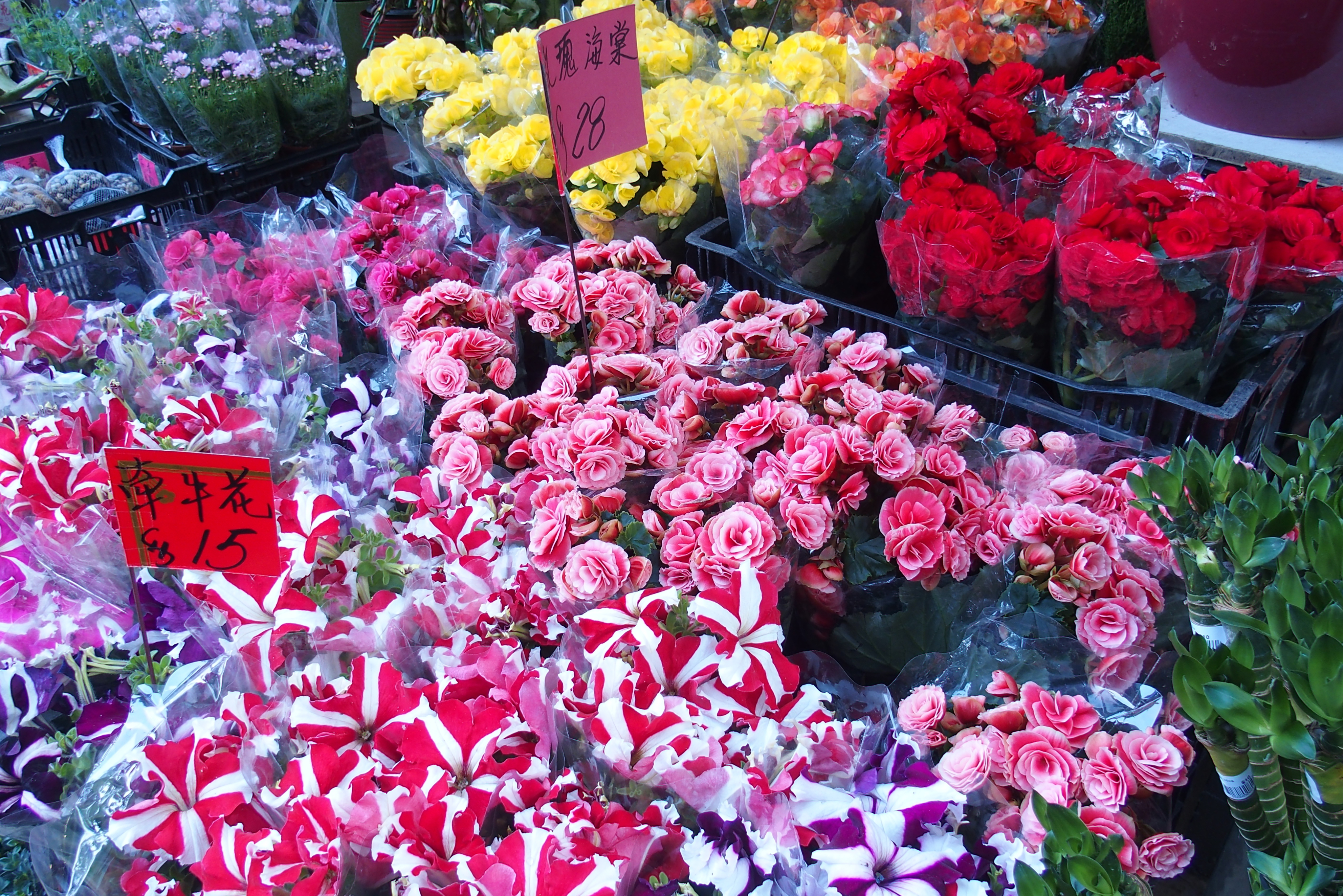
Even petunias look particularly festive with Hong Kong-style presentation. $15HK is just under $2 US.

OLYMPUS DIGITAL CAMERA

Endless color

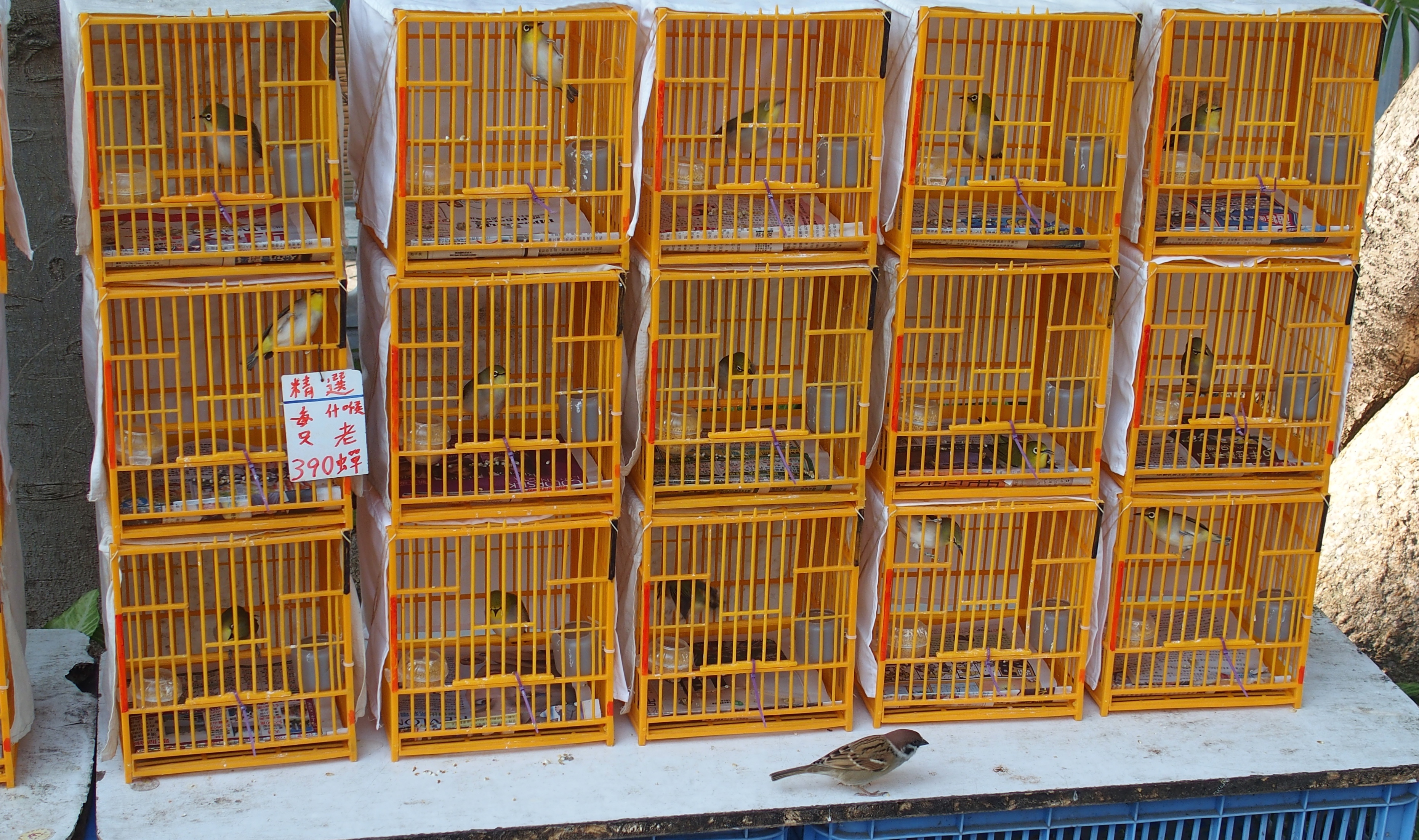
Nearby is the bird market filled with birds and their food for sale. Some of these are sparrows, noted for their songs. In 1958 when China faced agricultural challenges, Mao Tse Tung classified sparrows as pests (along with mosquitoes, flies, and rats) and set about to eradicate the Four Pests. Villagers shot at them with rifles and slingshots and made noise so that they could not land in trees. Many birds simply fell from the sky from exhaustion. Experts estimate that hundreds of millions of birds died.

OLYMPUS DIGITAL CAMERA

This little bird misses his friends “in the pen.” Apparently he’s never heard of high-density agriculture.

By eliminating sparrows, the government expected to save enough grain to feed 60,000 people. However, they forgot that birds eat insects.

2015-01-16 085

Maggots and crickets and grasshoppers, oh my! Living food you can buy for your pet birds.

Within two years, with China’s locust population expanding dynamically and the insects eating far more grain than the birds once did, Mao removed birds from the pest category and replaced them with bed bugs as the fourth pest. (Imagine the work that Sunny and Sherlock could have had!) Too late. The sparrow was nearly extinct in China.

2015-01-16 095

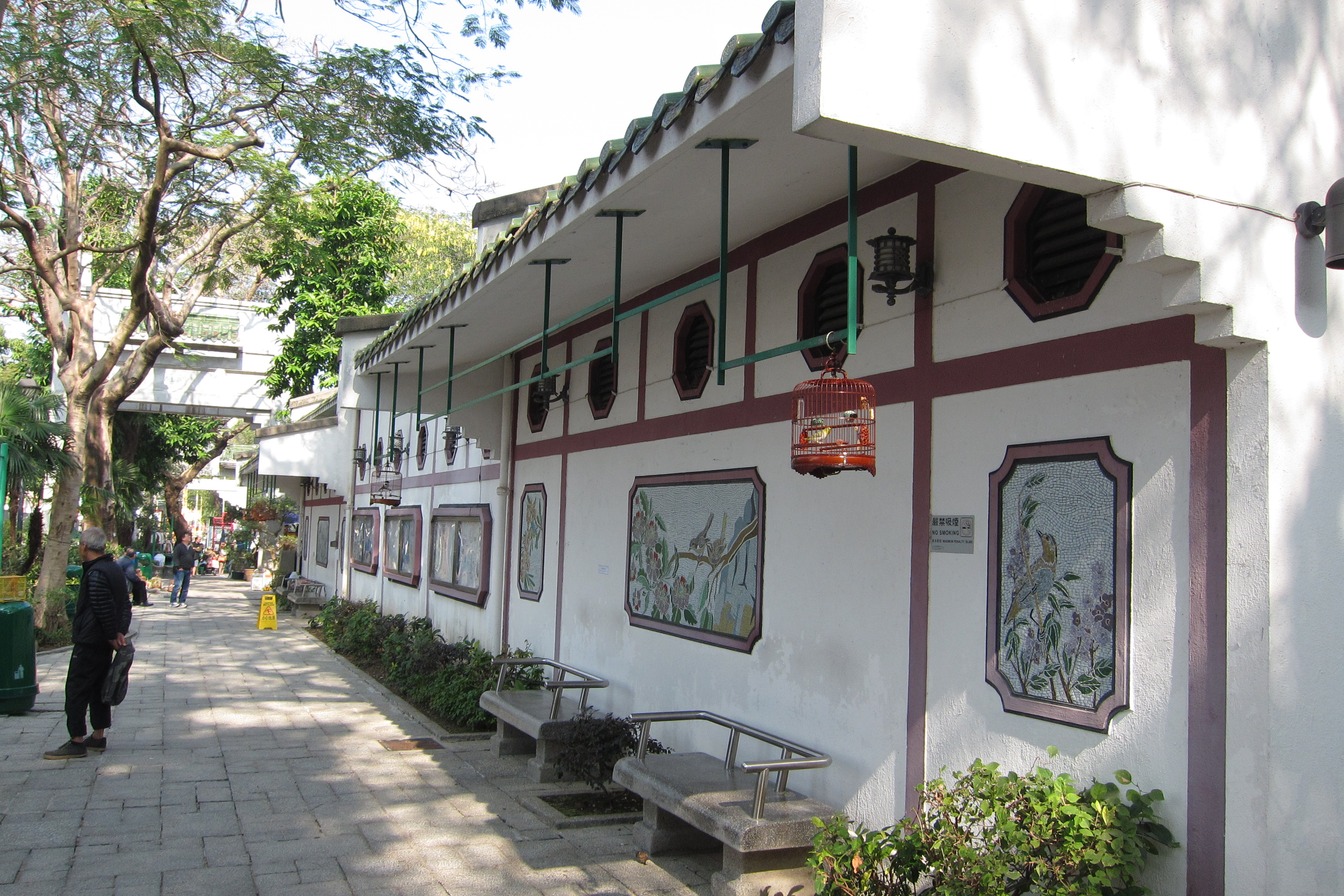
Song birds (as a hobby) might be going away in Hong Kong too. These rungs should be full of birds just visiting, not for sale. The old folks with birds who used to bring them here to see their friends are dying off and young people don’t seem to be taking up the hobby.

We didn’t buy a bird, but we picked up a few flowers to decorate our 300-square-foot apartment. (Yes, that’s cozy!)

2015-01-17 008

A live hyacinth for good luck and a nice smell. Some dyed orchids for extra color and long life. Our favorite fruits: satsuma and Philippine mangoes (well bananas too).

Although we’re not at the height of the Christmas or CNY season for colorful light shows on the buildings, we did still have some good viewings.

OLYMPUS DIGITAL CAMERA

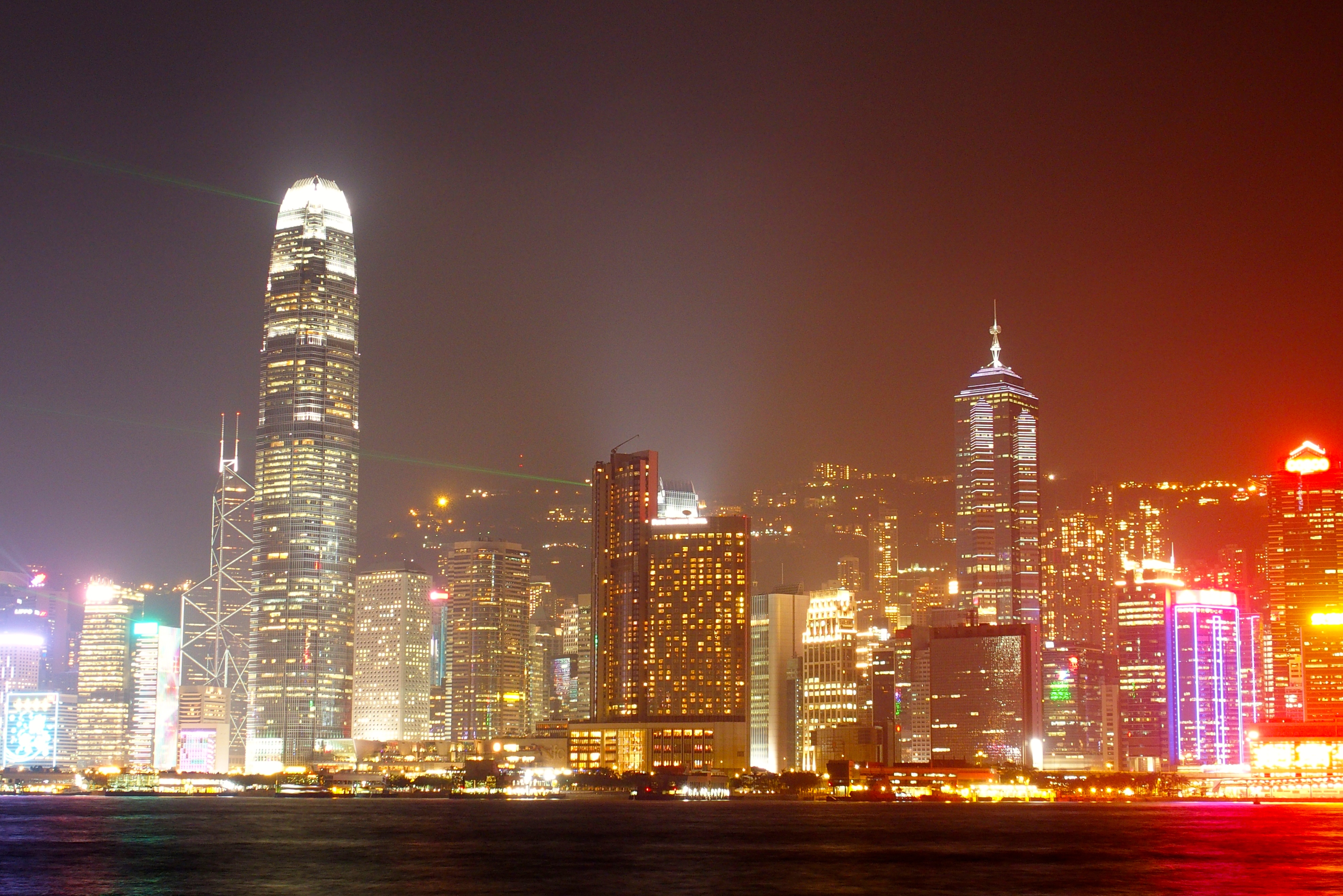
Looking from Kowloon side to Hong Kong. The very tall phallic building is the IMF Center. The next tallest building is The Center, with lights that ululate in different colors all evening.

More Hong Kong adventures coming up…


Posted in Smell the Roses, Travel Journal | Tagged , , , , , , , | 3 Comments