Two Australian Zoos – March 2015

Lone Pine Koala Sanctuary

Our old Hong Kong friend Cindy Hamilton recommended the Lone Pine Koala Sanctuary in Brisbane. We hadn’t seen a koala yet, so we said sure, even though we aren’t usually zoo people.
IMG_4615

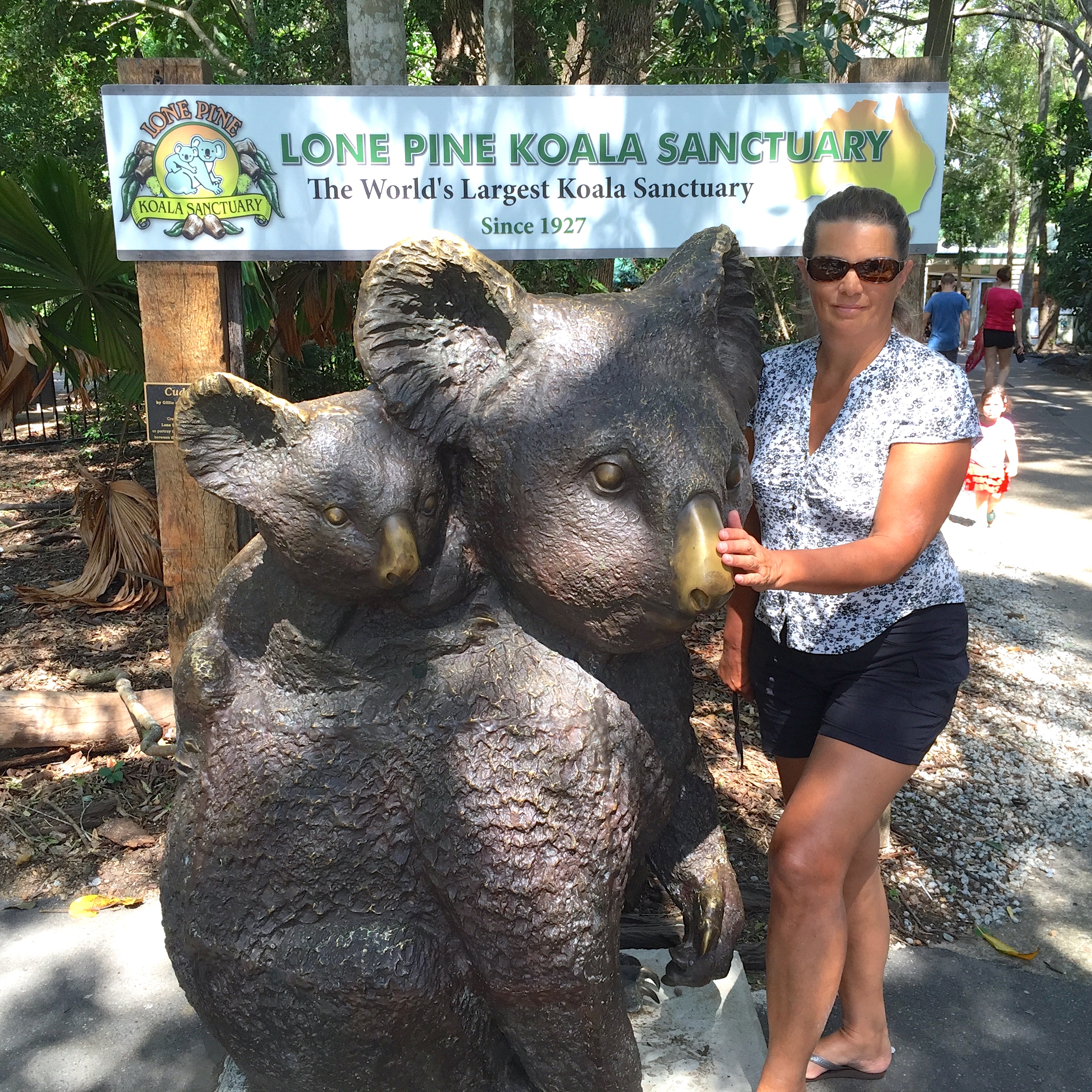
First contact with a koala!

What a great recommendation! We spent the whole day, seeing koalas and so much more.
OLYMPUS DIGITAL CAMERA

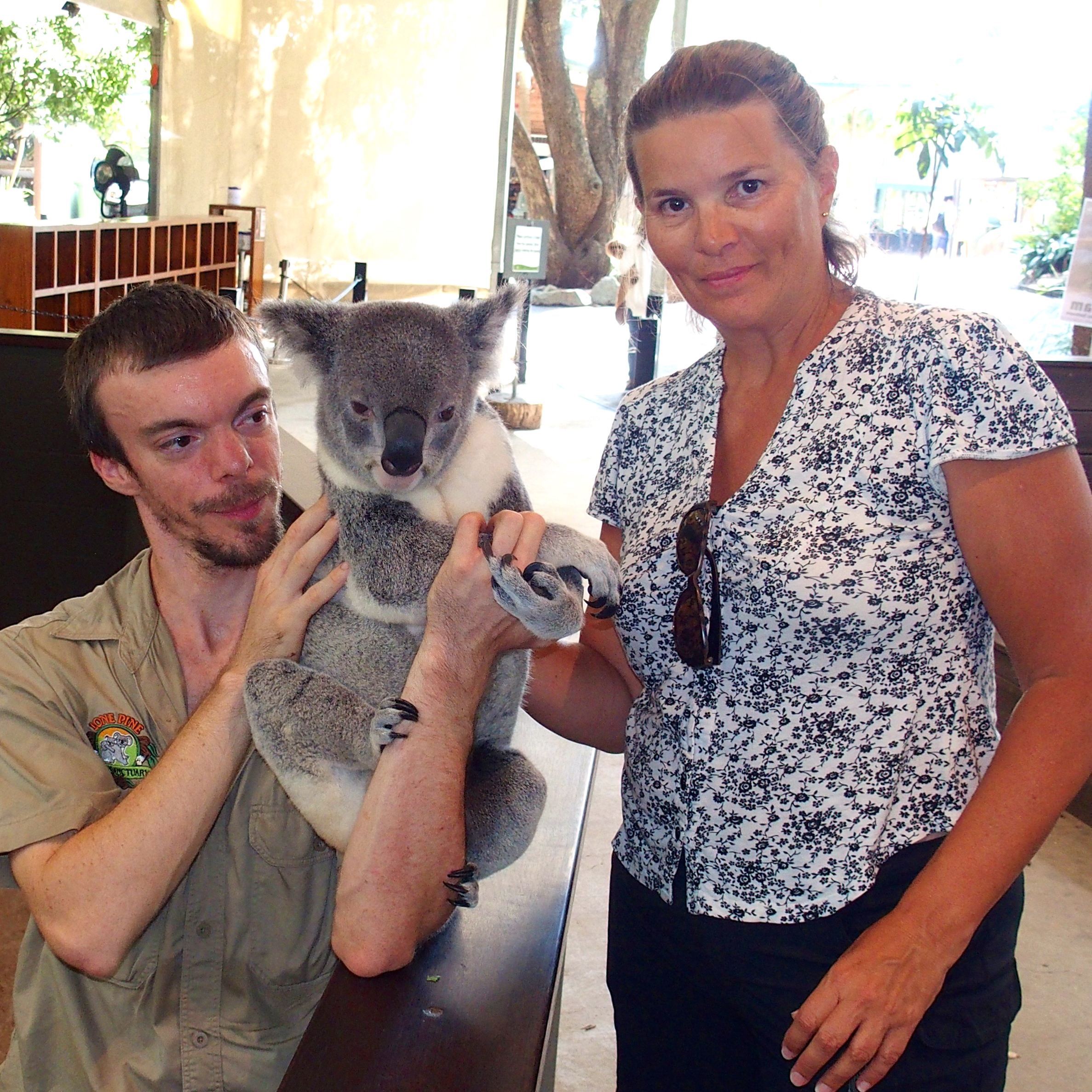
This poor koala was petted by 50 people before me. Several put their cheeks right next to him. Note how the handler has a strong grip on his hands with sharp claws.

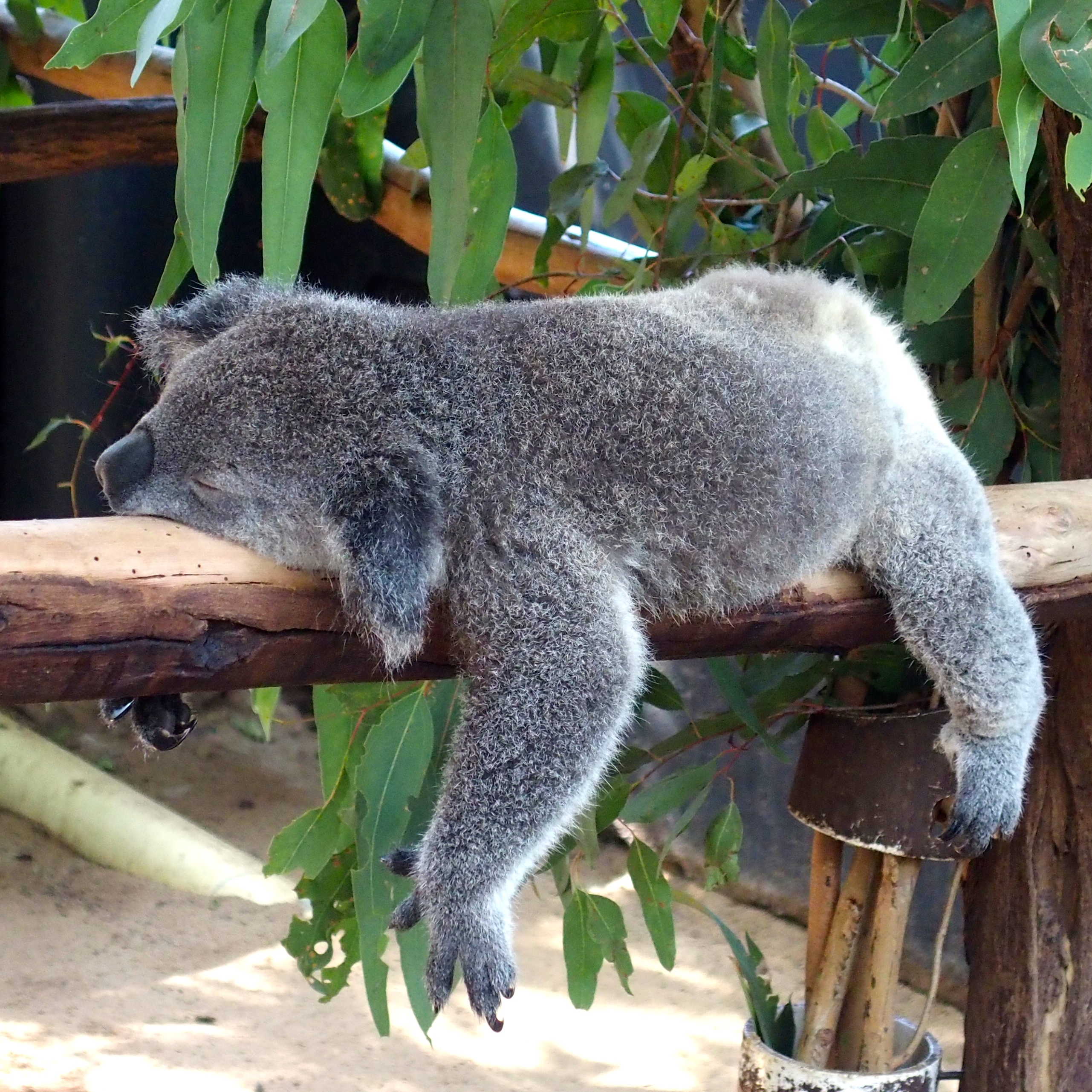
The common thinking about koalas is that they’re cute and cuddly and lazy. They are cute. Not too cuddly, with their sharp claws. They’re sleepy, but definitely not because they’re lazy.
OLYMPUS DIGITAL CAMERA

This reminds me of the football hold for colicky infants.

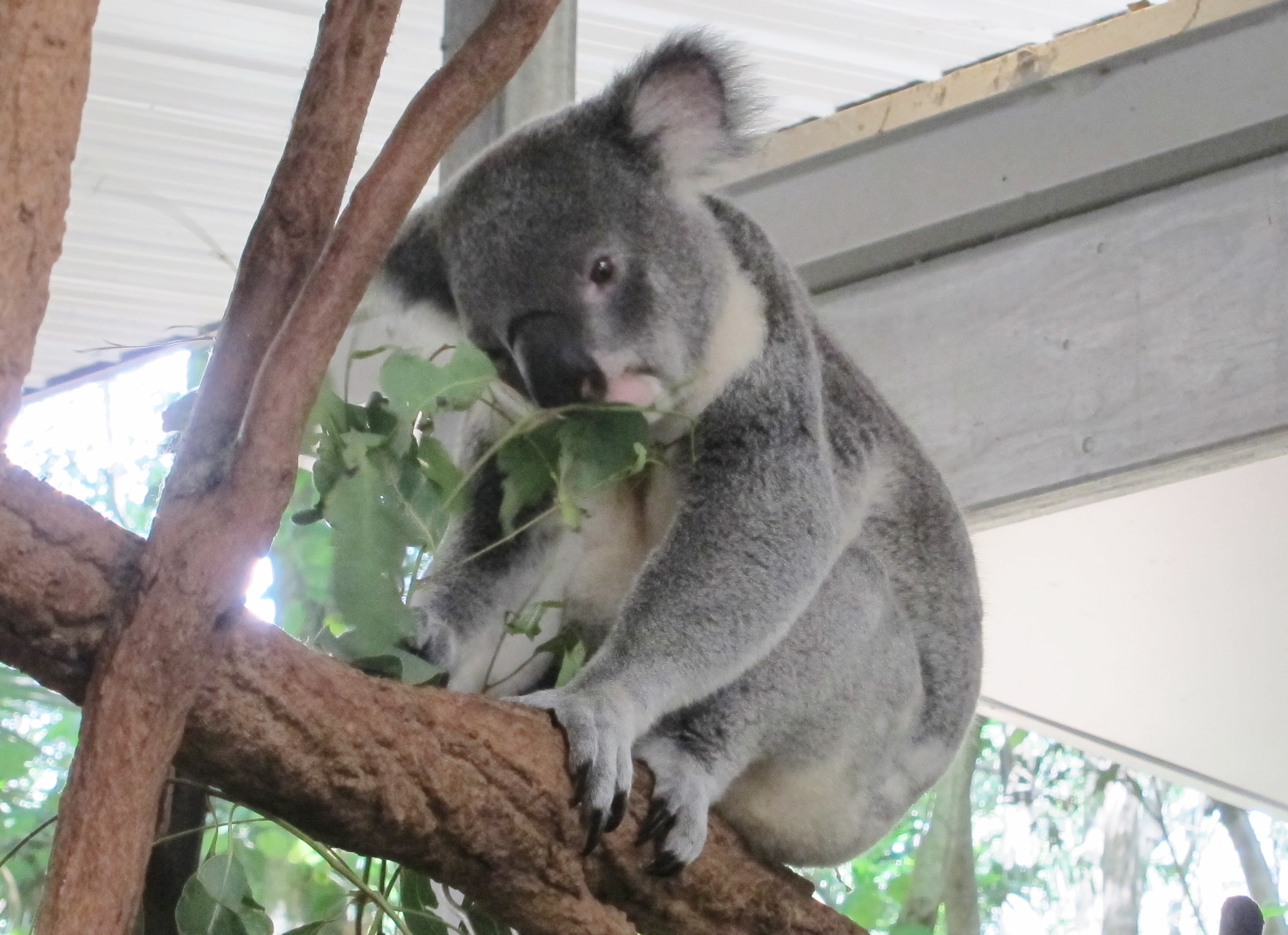
We learned that koalas sleep for up to 20 hours a day, not from laziness, but because of chemistry. When they’re awake they seem to be constantly eating. They eat eucalyptus leaves.
2015-03-07 013

Koala lunch time

However, the leaves they eat are only 5% sugar so the energy content is extremely low. They simply don’t have the caloric intake to let them run around like animals.
2015-03-07 014

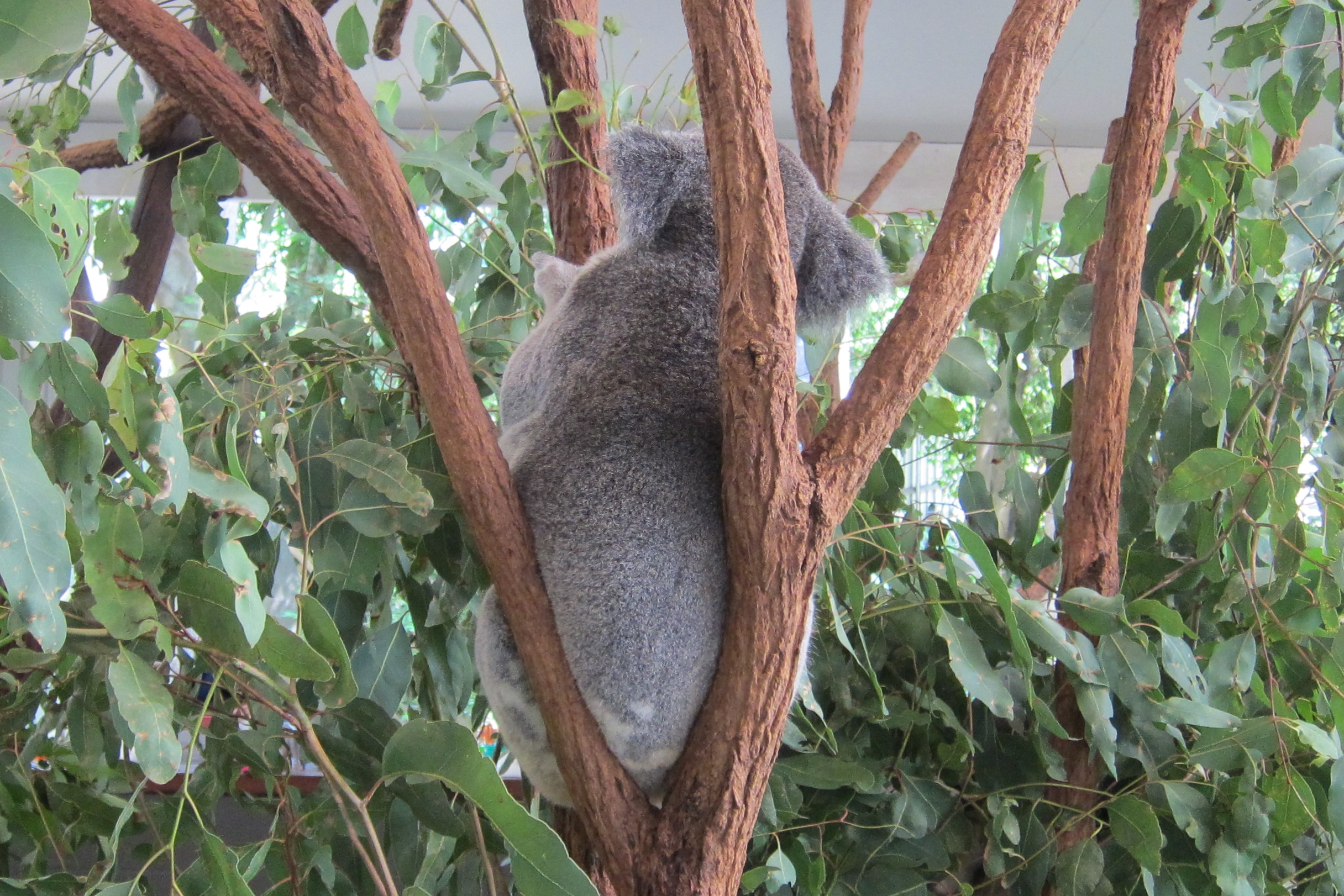
They can sleep just about anywhere.

In this part of Australia, southern Queensland, the koala is a protected animal. Human settlement, including lots of pet dogs, has driven the little marsupials out of the region. We were told that they were being culled in northern Queensland, however, presumably because they are such “pists.”
OLYMPUS DIGITAL CAMERA

One or both of these koalas will probably fall asleep before this turns into a duel.

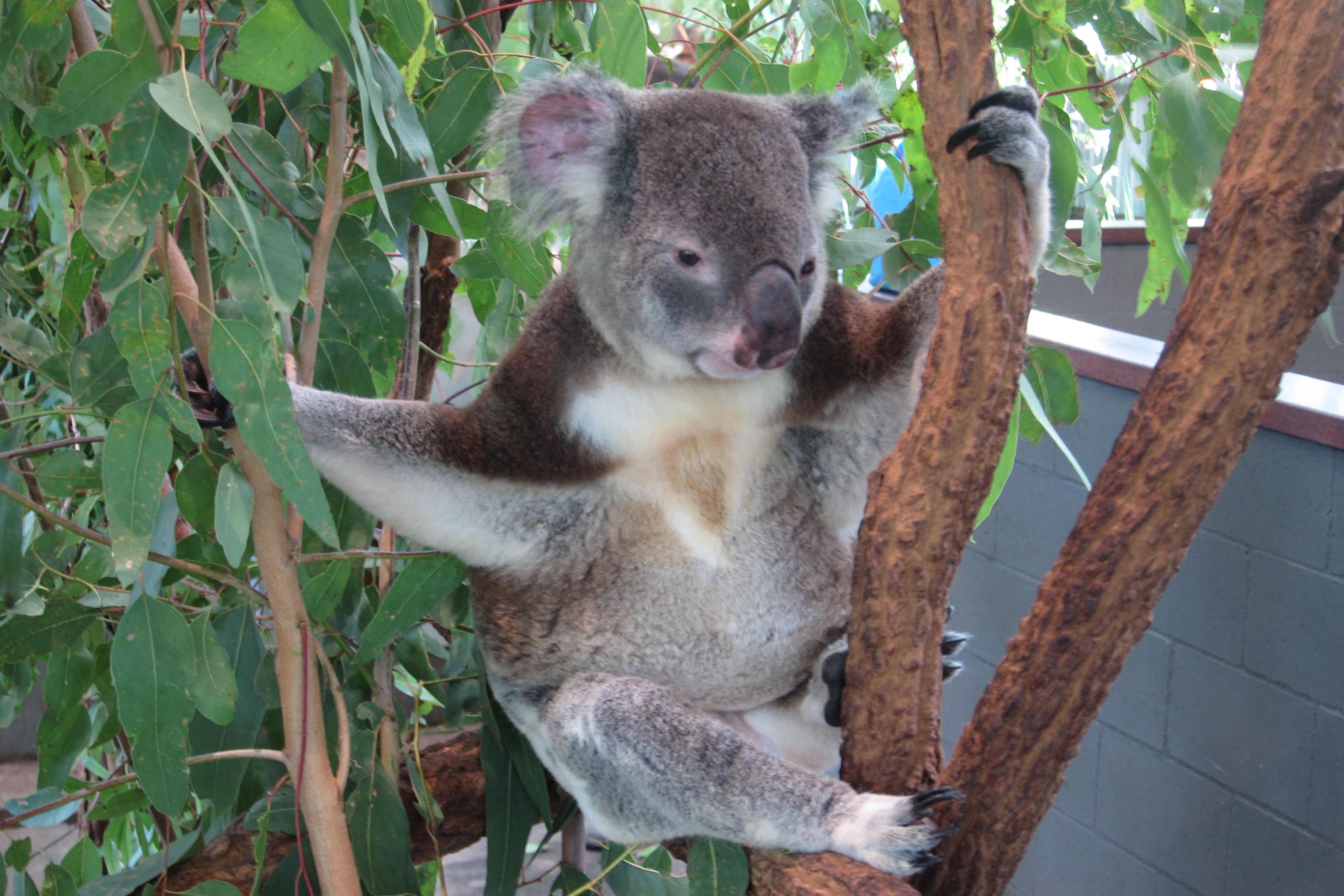
Anyway, they are still cute.
2015-03-07 024

Huggable. BTW Koala fur feels like the fur on a stuffed koala toy.

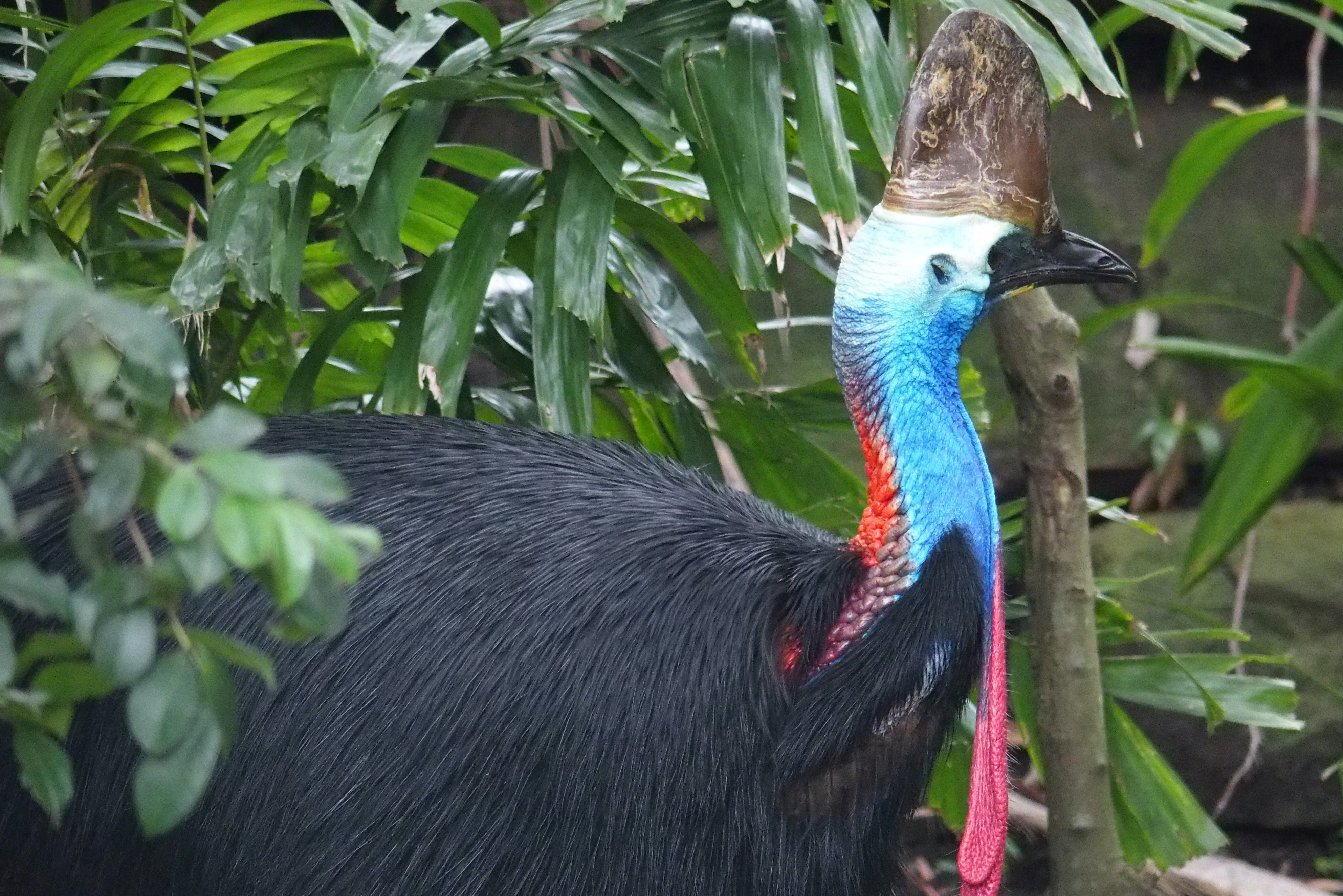
Another endangered animal is the cassowary, the world’s second-largest bird (after the ostrich). The distinctive blue neck and crested head give it a very interesting look. If encountered in the wild, it will use its strong legs and sharp claws to make an offensive attack. It can’t fly.
OLYMPUS DIGITAL CAMERA

Pretty bird, pretty deadly!

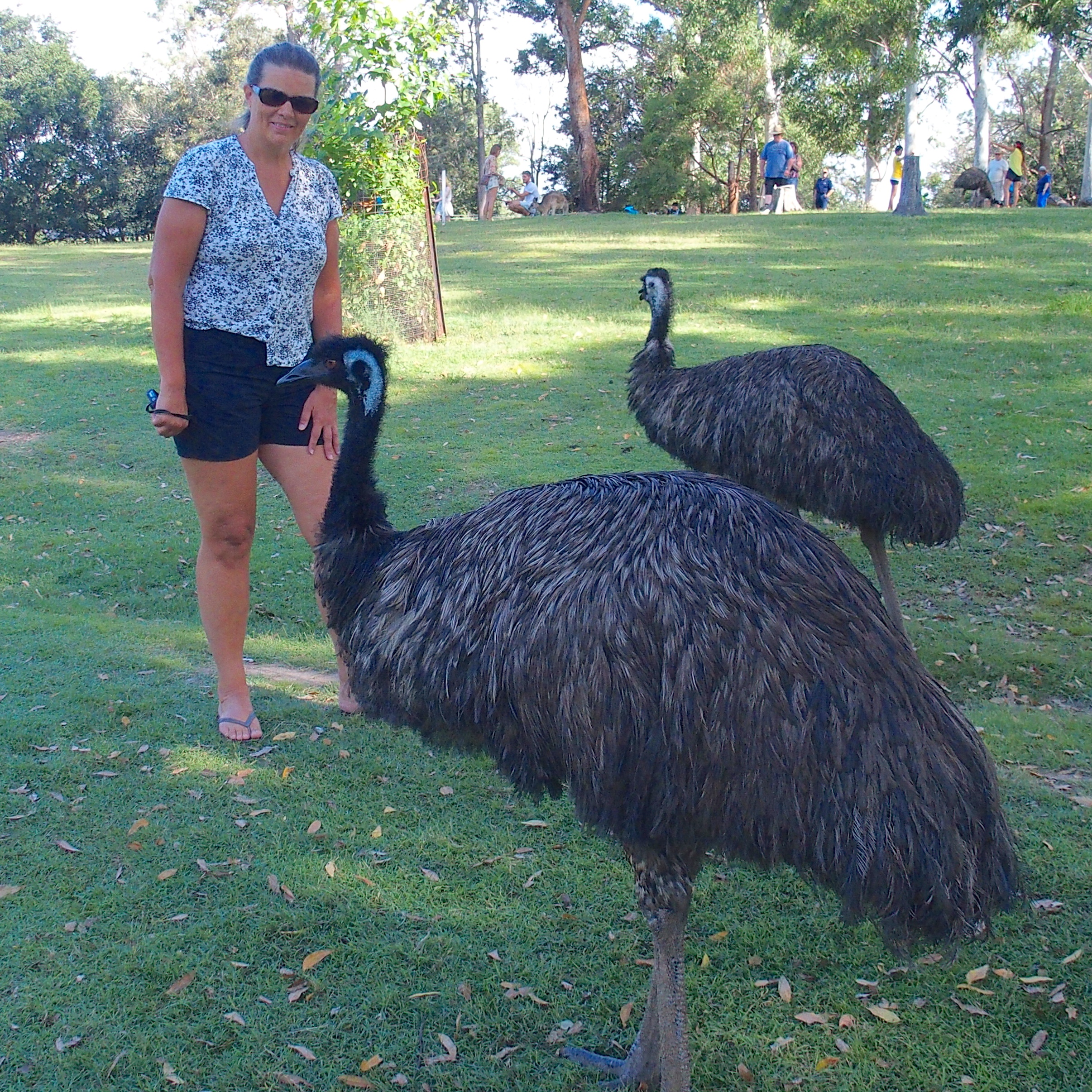
Far more approachable, at least in the koala sanctuary, are the emus. Here we inched our way closer and closer to these large flightless birds, hoping to get a photo before they ran away.
OLYMPUS DIGITAL CAMERA

These emu were quite relaxed and docile.

They actually seemed interested in the camera. This bird would probably be one of the first in the animal word to take up selfies.

OLYMPUS DIGITAL CAMERA

The emu giving us his best side.

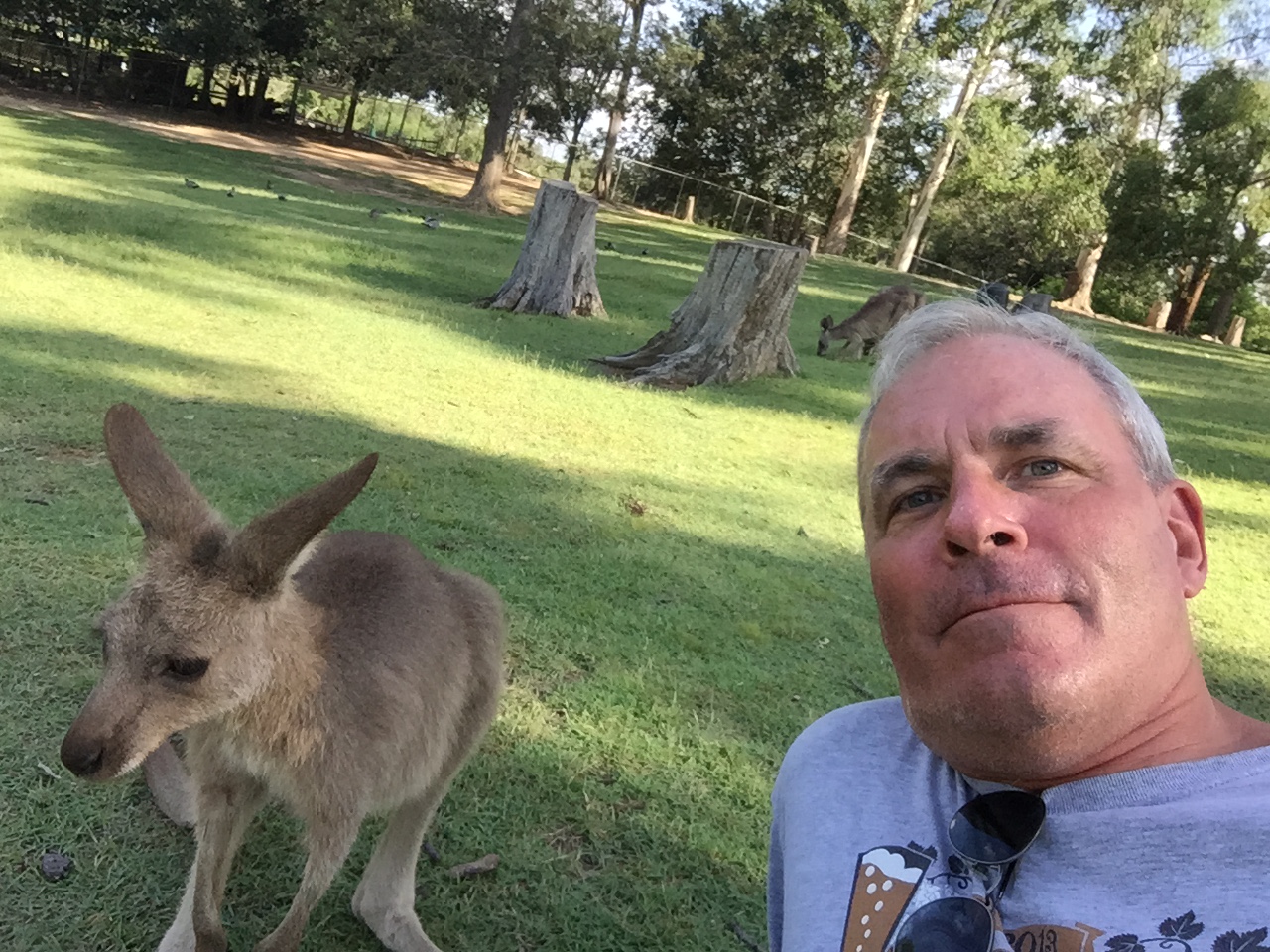
In this same enclosure were junior kangaroos. If there is such a thing as a tame kangaroo, these are they. After the warning we had from our Southern Rocks friend of the extreme danger in getting close to kangaroos, we tut-tutted the other tourists who were petting them, kissing them, and lying next to them for selfies. Eventually we did the same, except not the lying down part because of all the kangaroo fewmets. Well, eventually we did that too, but not the kissing part.
IMG_4633

Here is Michael with his kangaroo buddy.

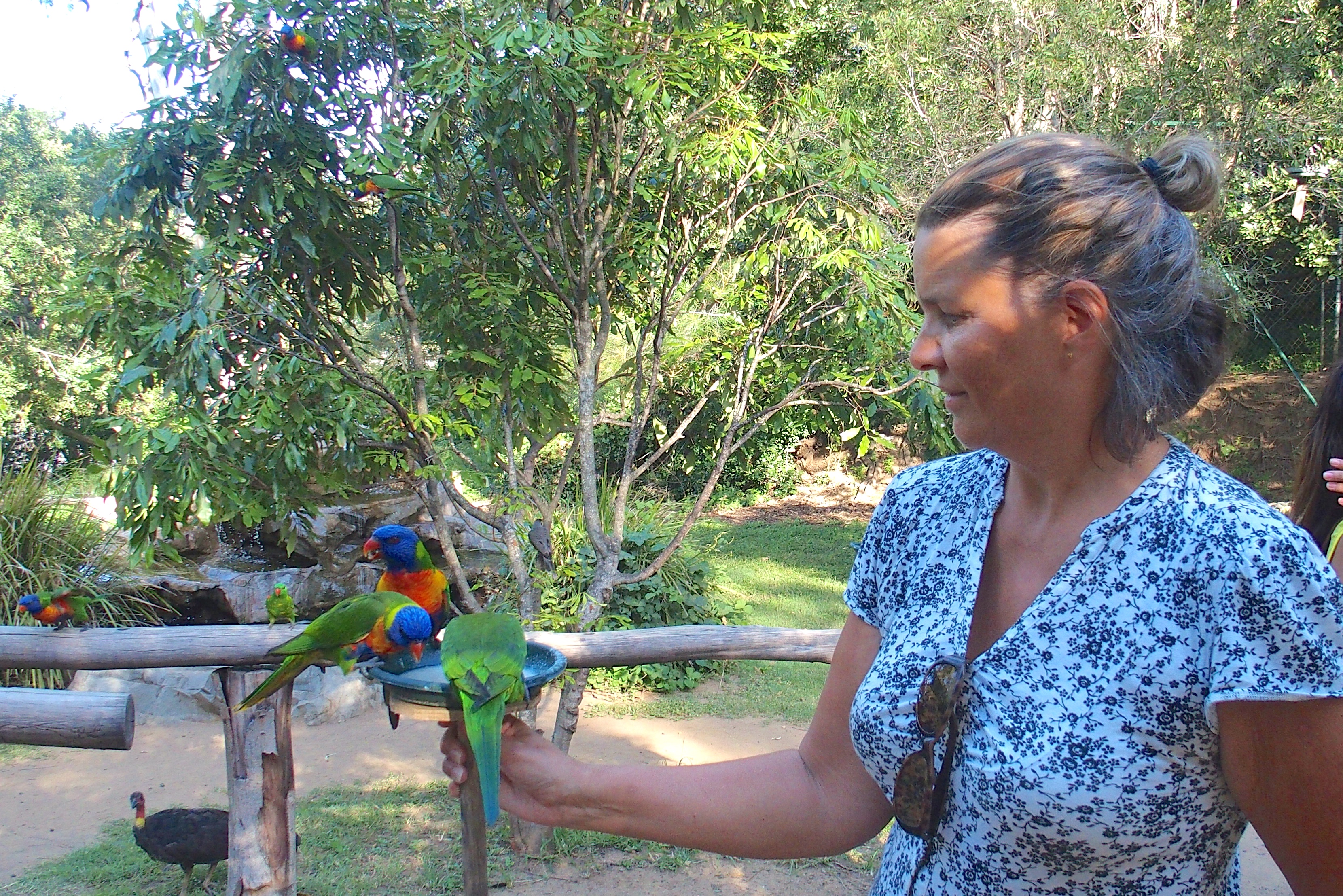
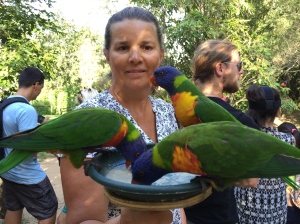
As we headed out, we ran into feeding time for the rainbow lorikeets. At 4PM no birds were  visible in the trees near the feeding station. When the ranger approached with the food, one or two birds seemed to be acting as scouts. She filled about a dozen small handheld trays with oatmeal-looking gruel. Within a minute or so,  dozens of colorful birds flocked to the feeders.
OLYMPUS DIGITAL CAMERA

The closest I’ve ever been to a bird.
IMG_4674

Rainbow lorikeets love their gruel.

OLYMPUS DIGITAL CAMERA

Close-up of a rainbow lorikeet.

It’s amazing how much time we spent at the Koala Sanctuary, even without any kids along. Later we visited Sydney’s Taronga Zoo and stayed seven hours until we were kicked out. Here’s why…

Taronga Zoo
IMG_4759

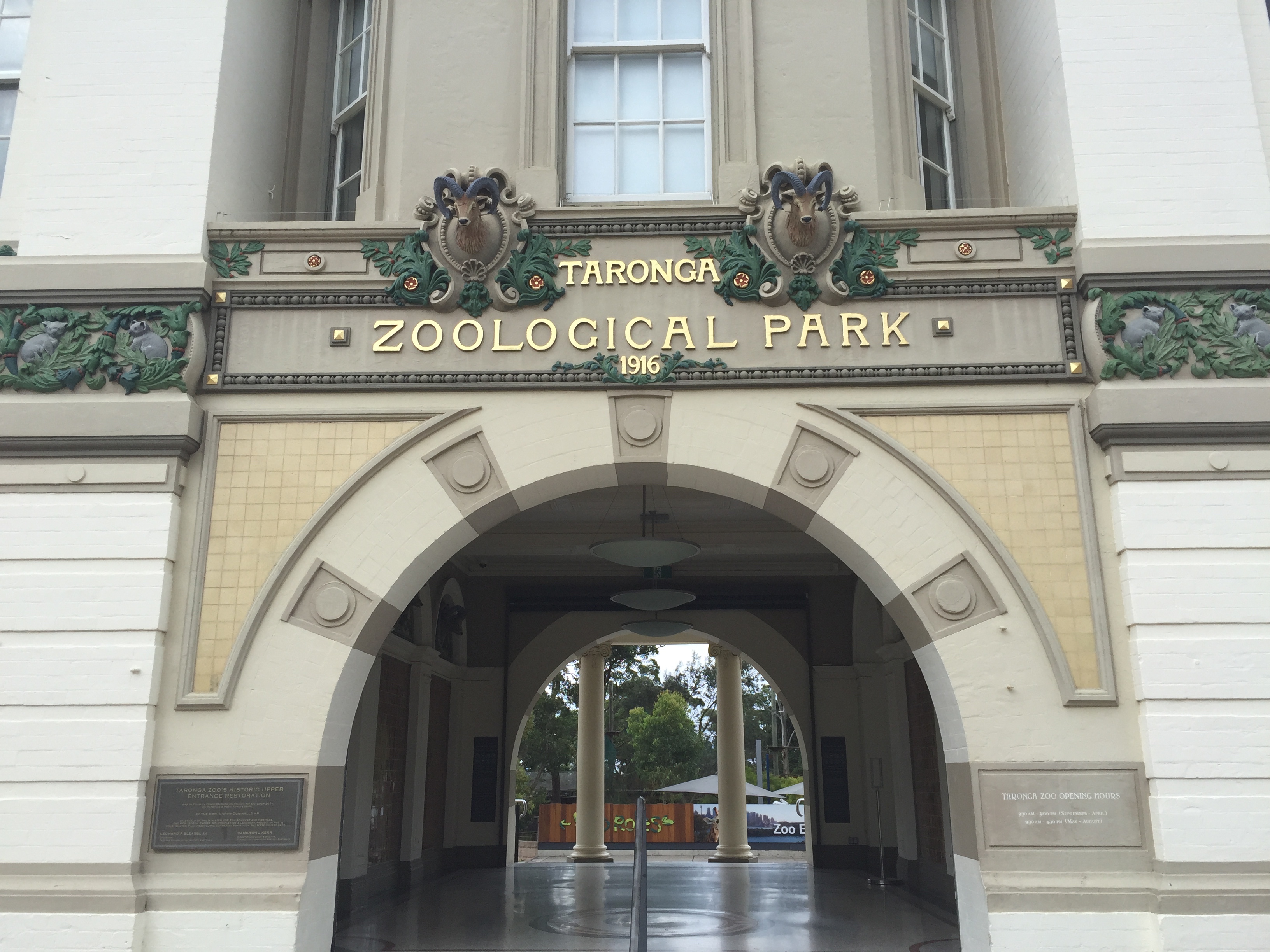
Taronga Zoo, opened in October 1916

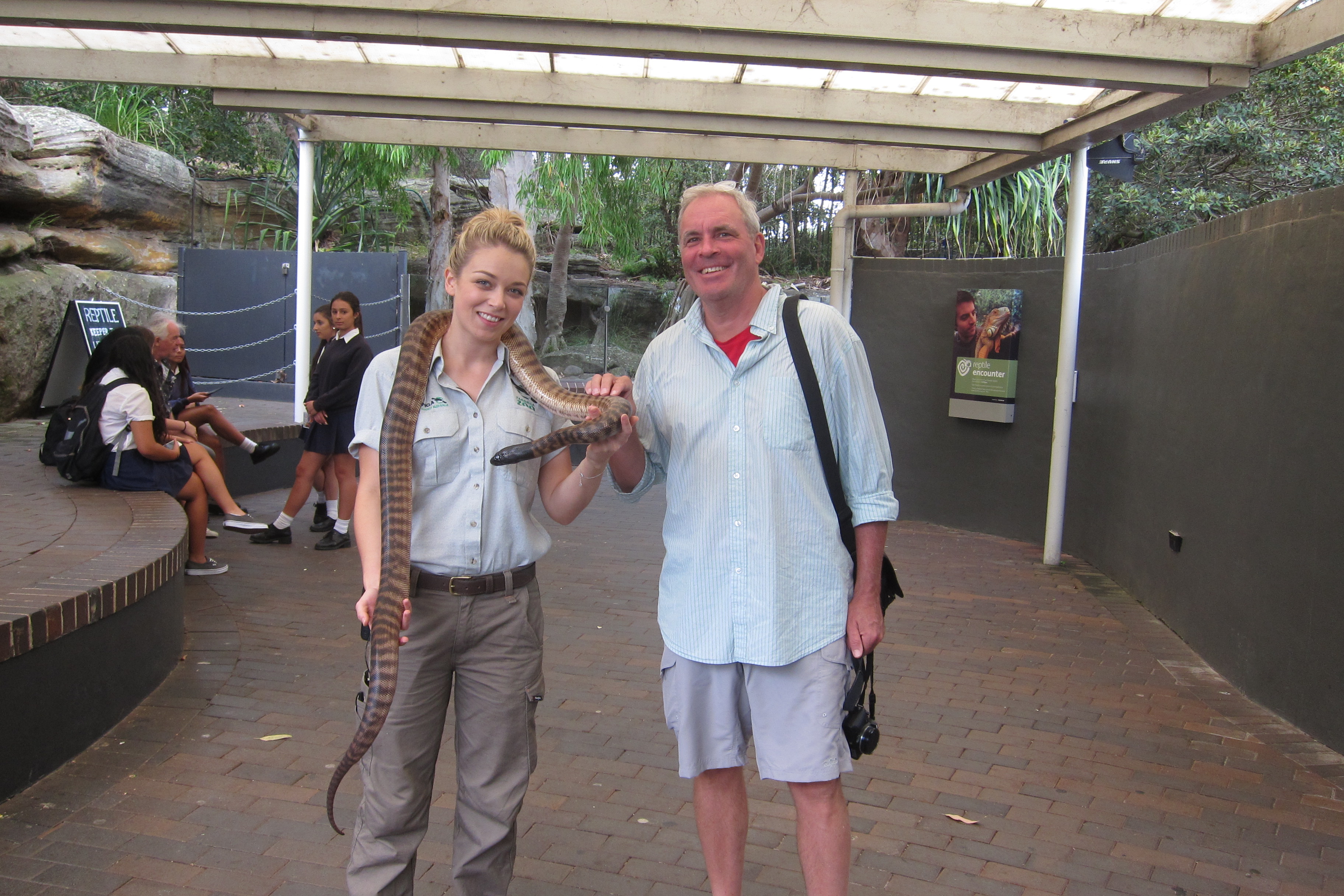
Throughout the day, the Taronga Zoo offers visitors animal talks and opportunities to interact with the animals. As soon as we entered, Michael had his first close encounter.
2015-03-12 002

This snake is not venomous. It will just squeeze you till you die.

The zoo has lots of reptiles and amphibians.

OLYMPUS DIGITAL CAMERA

The croc was being fed whole fish. Rangers stood behind a fence just slightly thicker than these wires.

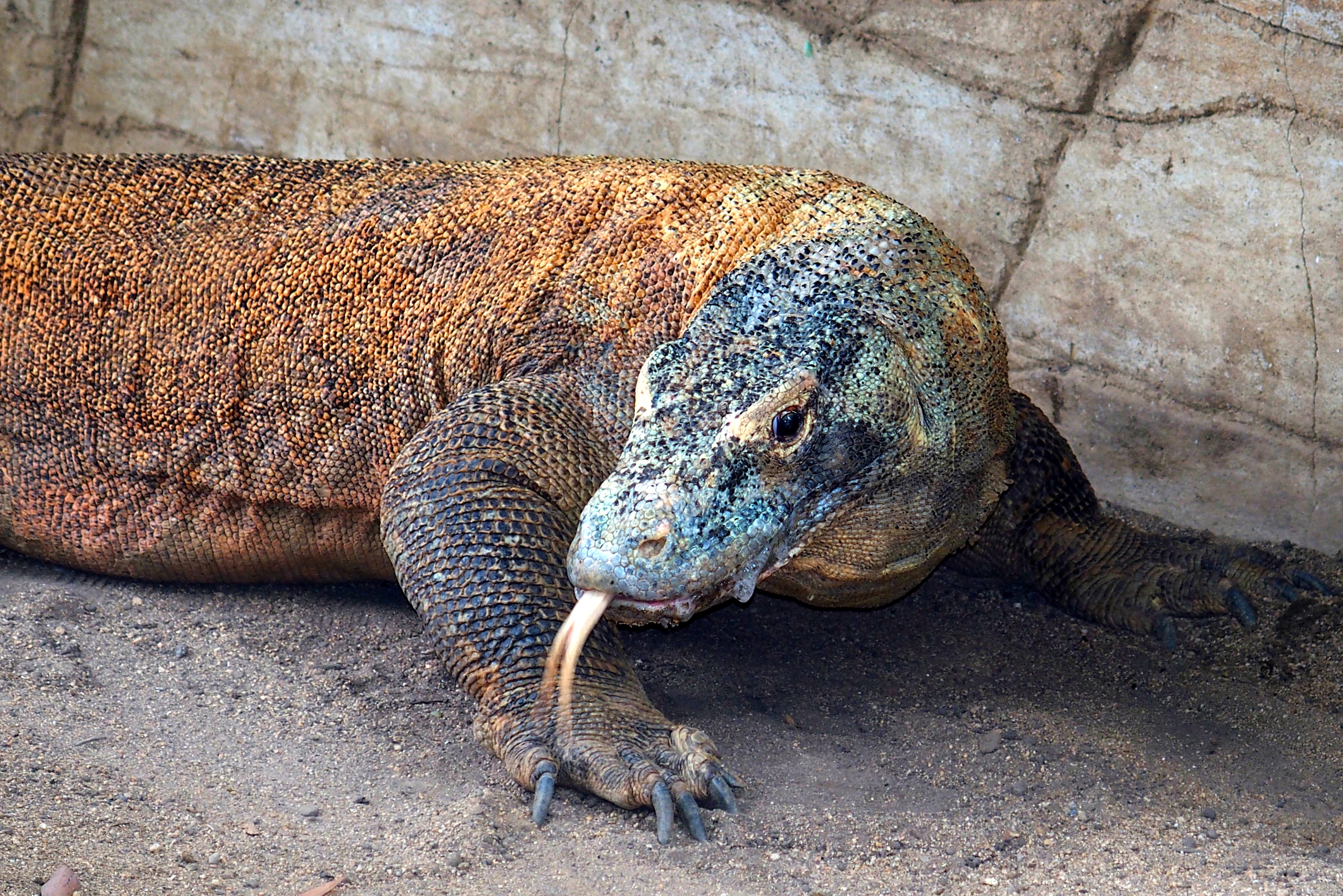
Komodo Dragons can grow to 8 feet long, and weigh 80 kilos (176 pounds). They’re carnivores and can eat up to 80% of their weight in one sitting. So if you weigh 140 or less, you’re a goner.
OLYMPUS DIGITAL CAMERA

Unlike the goanna, this one I would not stand next to in the forest.
OLYMPUS DIGITAL CAMERA

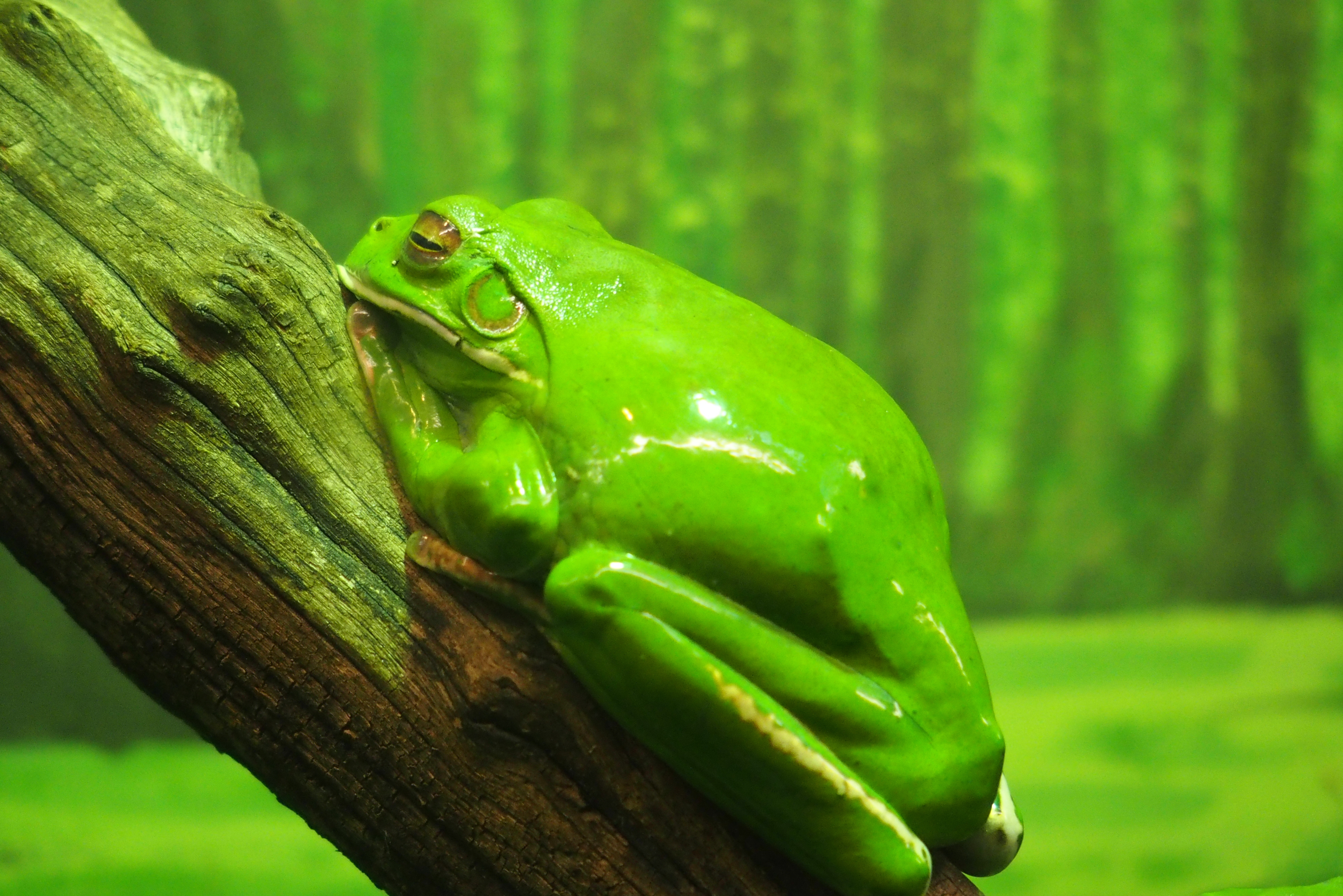
He makes it look like it’s easy being green.
OLYMPUS DIGITAL CAMERA

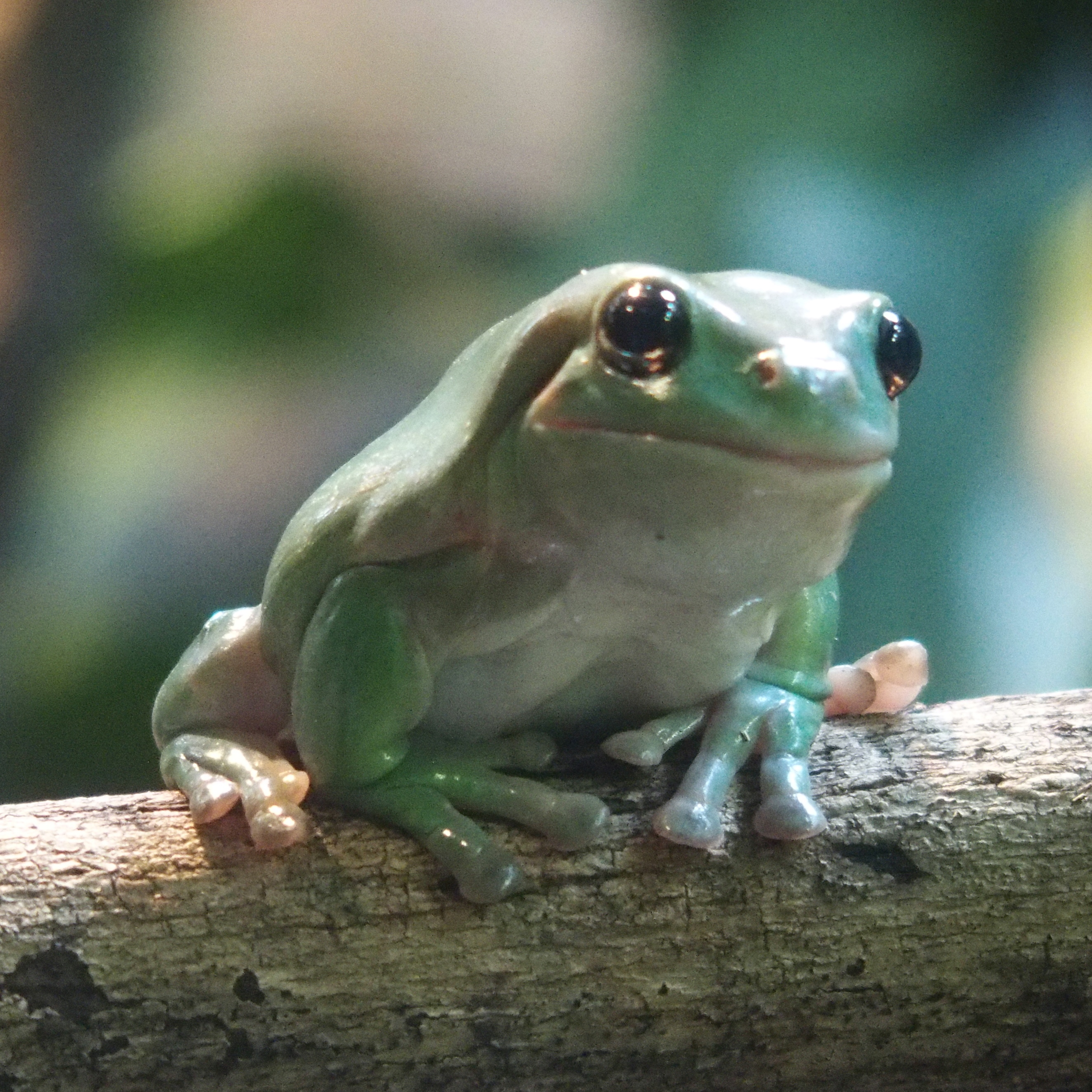
The Australian green tree frog is known simply as the green tree frog here. He’s as  lovable as Kermit.
OLYMPUS DIGITAL CAMERA

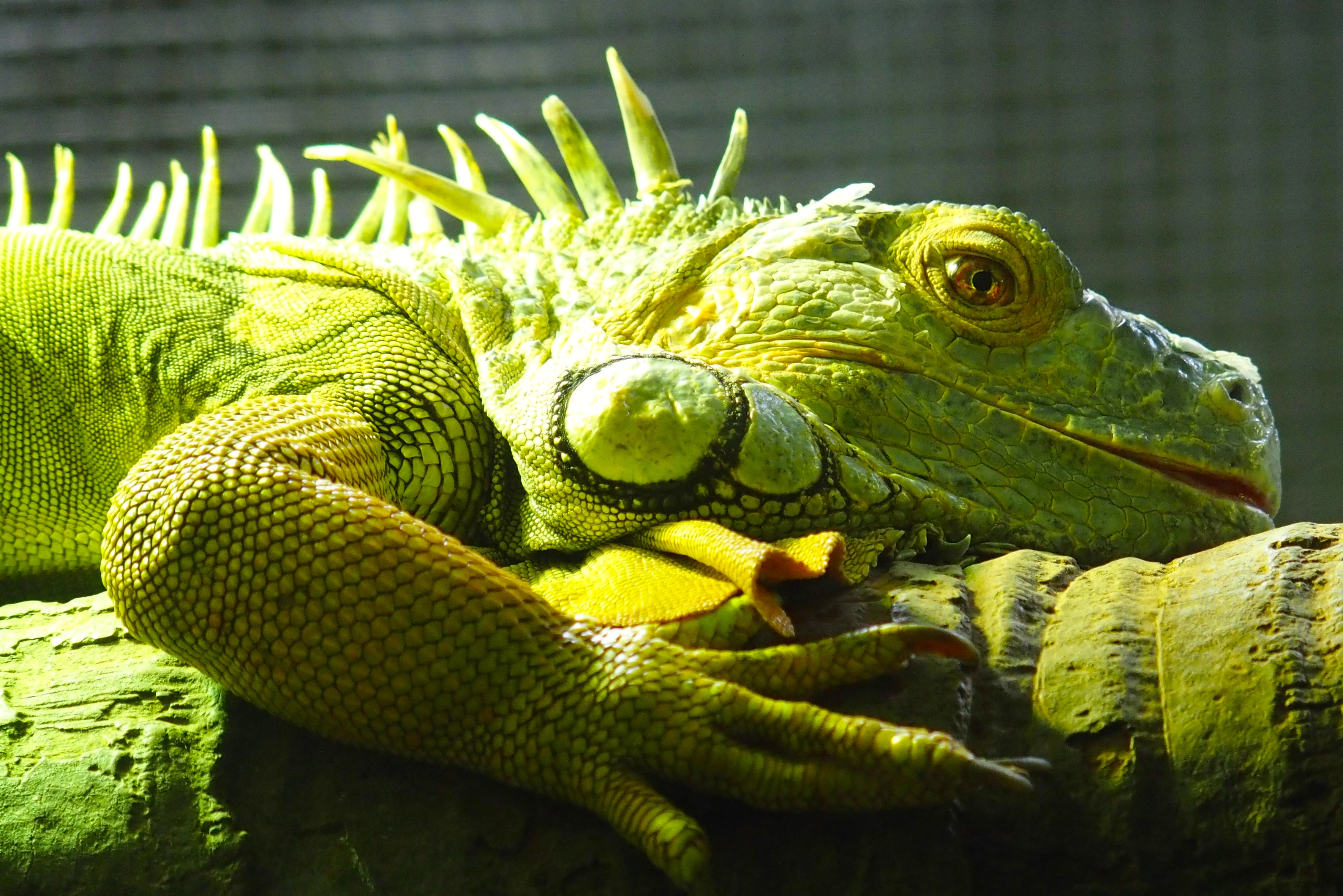
In the forest we saw a goanna. Here we have an iguana.
OLYMPUS DIGITAL CAMERA

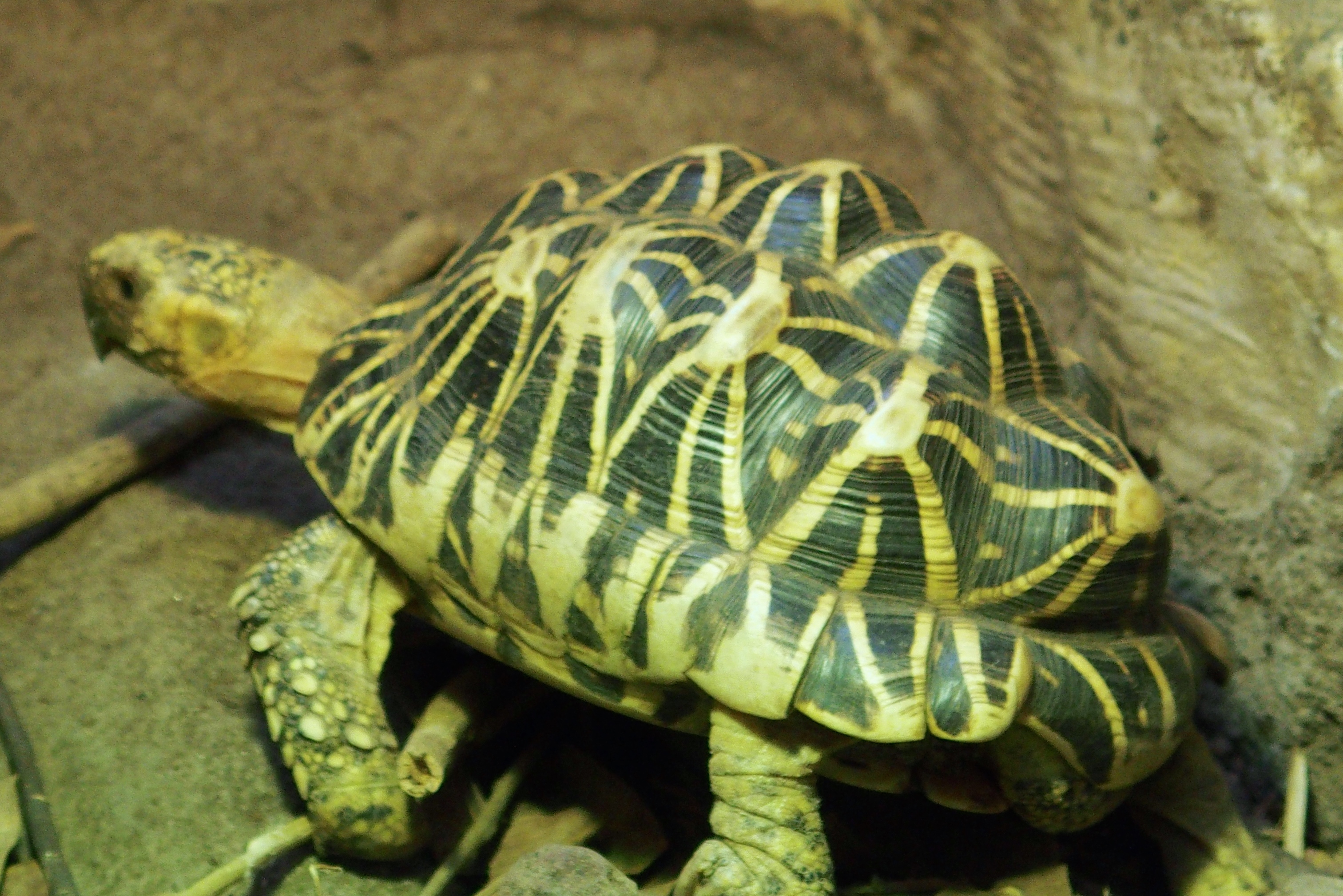
Turtle or tortoise?

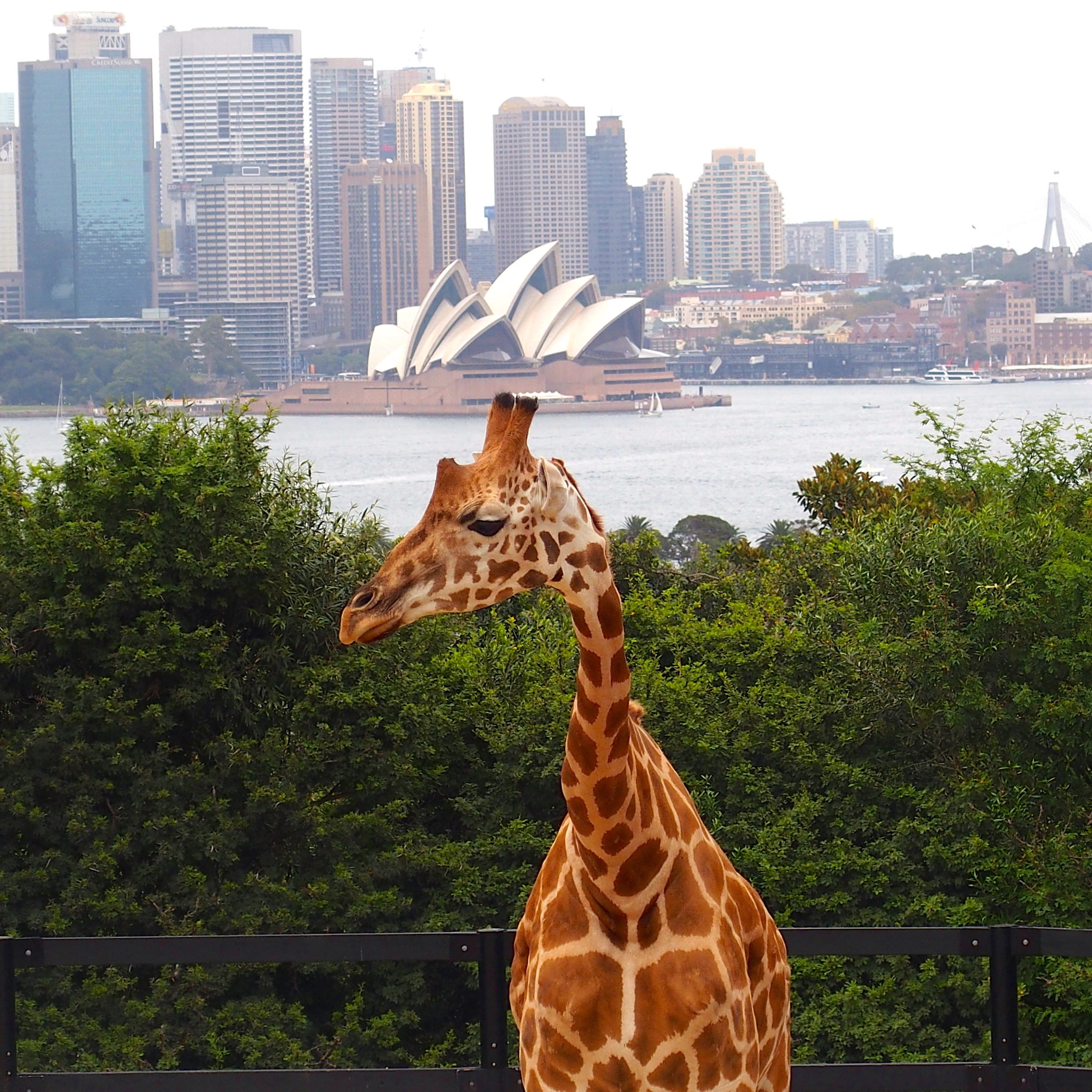
And then we saw giraffes. Of course, we know giraffes have long necks, but it’s one thing to read that or see a photo and another to stand near a living, moving giraffe.
OLYMPUS DIGITAL CAMERA

The giraffes have some of the best views of  the Sydney Opera House. Psst: You’re looking the wrong way.
OLYMPUS DIGITAL CAMERA

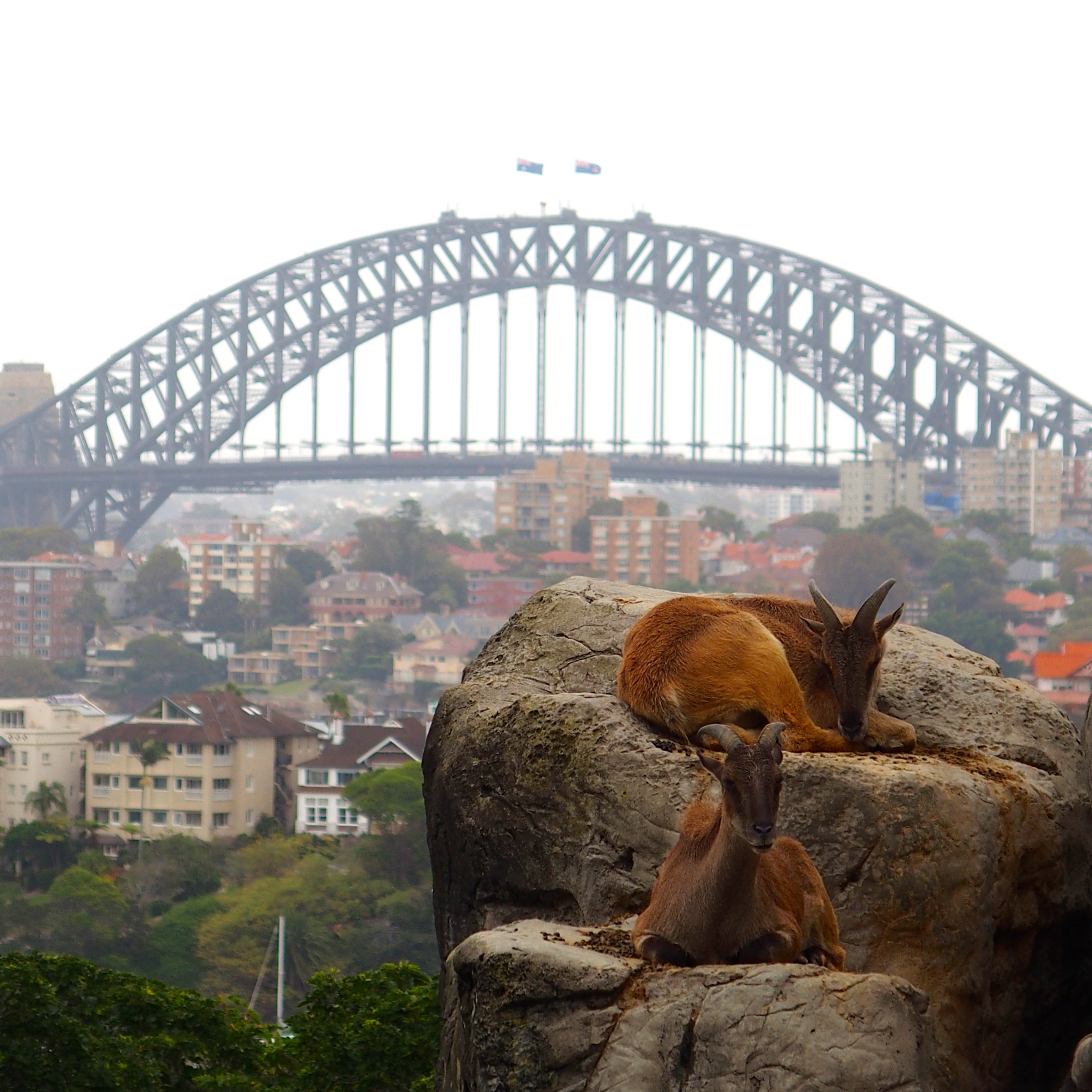
The mountain goats, too, seem unimpressed by their view.
OLYMPUS DIGITAL CAMERA

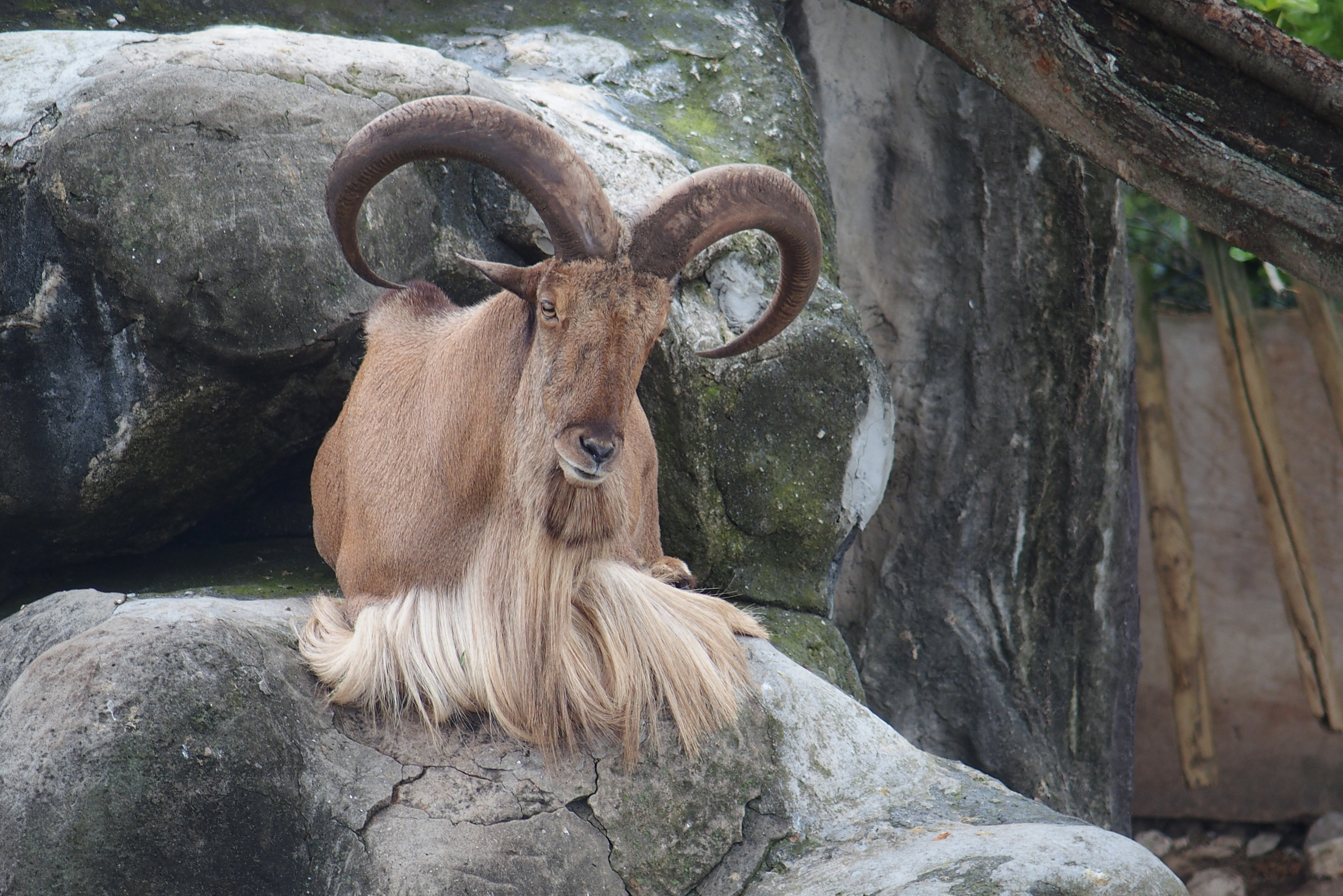
Another inch of horns and this guy would be poking himself in the back.

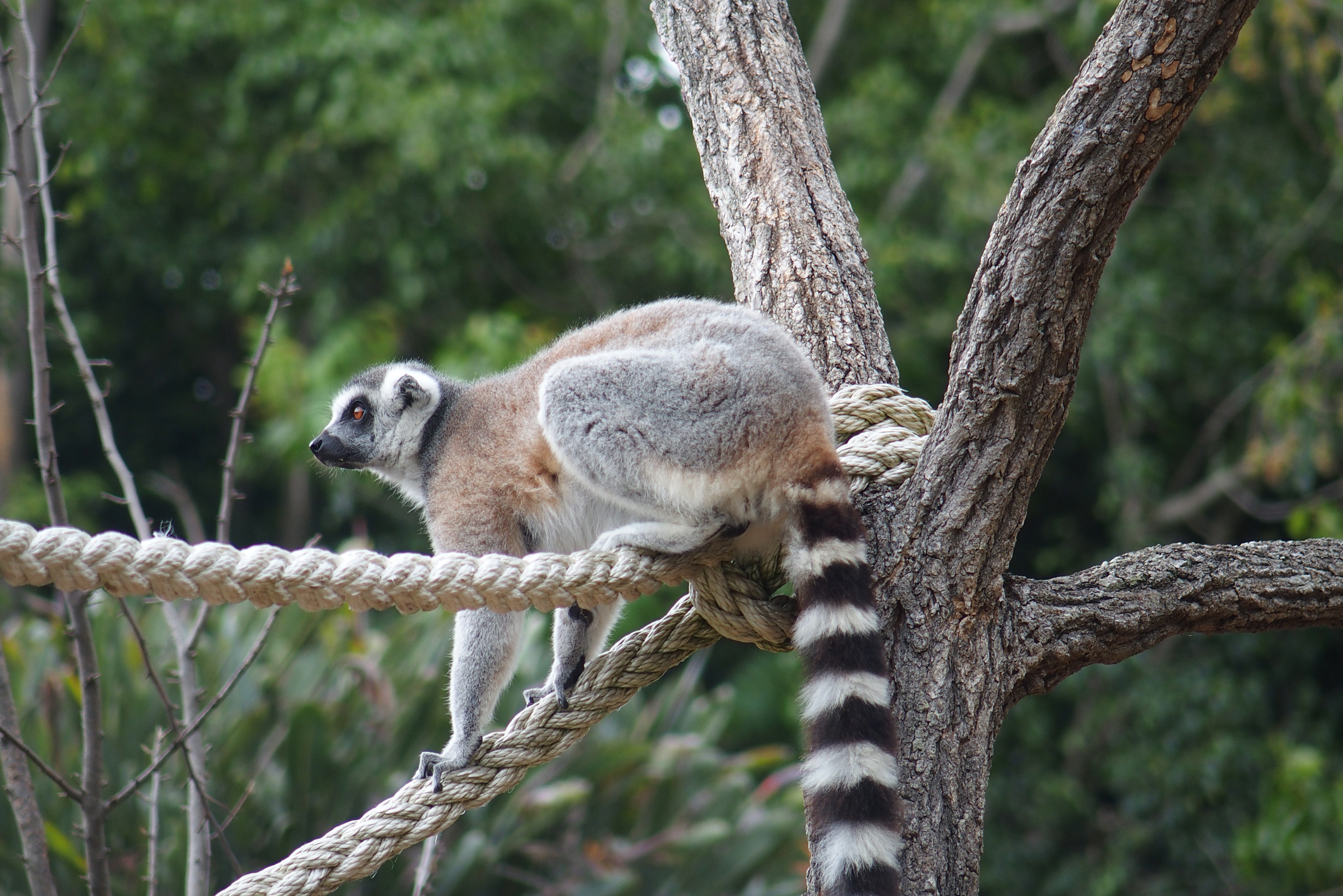
The lemur appears to have been built by committee. What is the purpose of this long and decorative tail?
OLYMPUS DIGITAL CAMERA

The lemur’s tail is down when perched in a tree, but straight up in the air when it scampers over the ground.

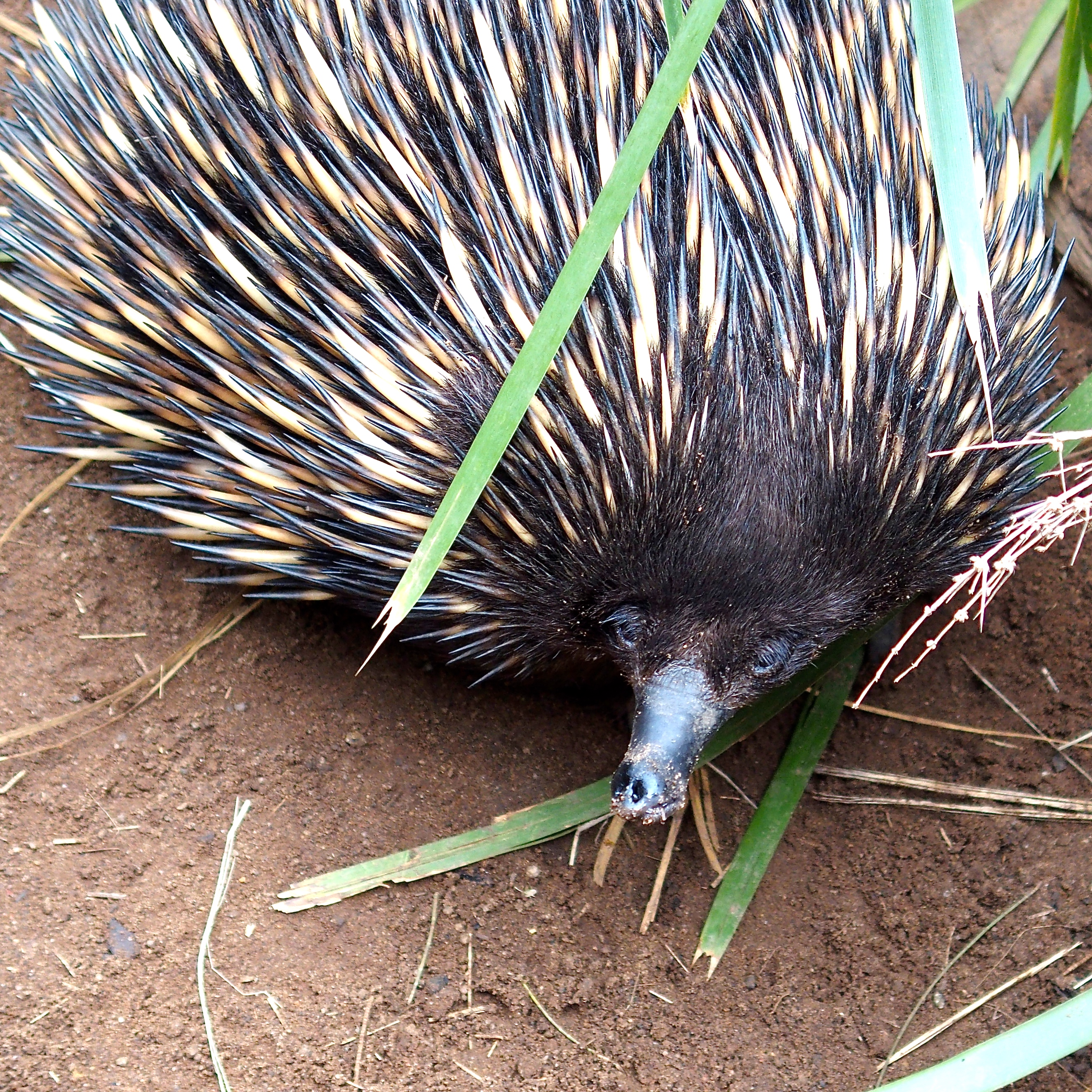
When we visited Australia in 1999, we picked up small stuffed animals for the kids: koala, kangaroo, emu, platypus, and echidna. These were all very soft and fluffy. The echidna is anything but fluffy. This is an echidna in real life:
OLYMPUS DIGITAL CAMERA

Pettable? Or a walking pincushion?


It has sharp bristles like a porcupine, but doesn’t throw them off when threatened. Instead it rolls into a ball, so any animal trying to attack it simply can’t find a spot to touch it without hitting the barbs. Isn’t nature clever?

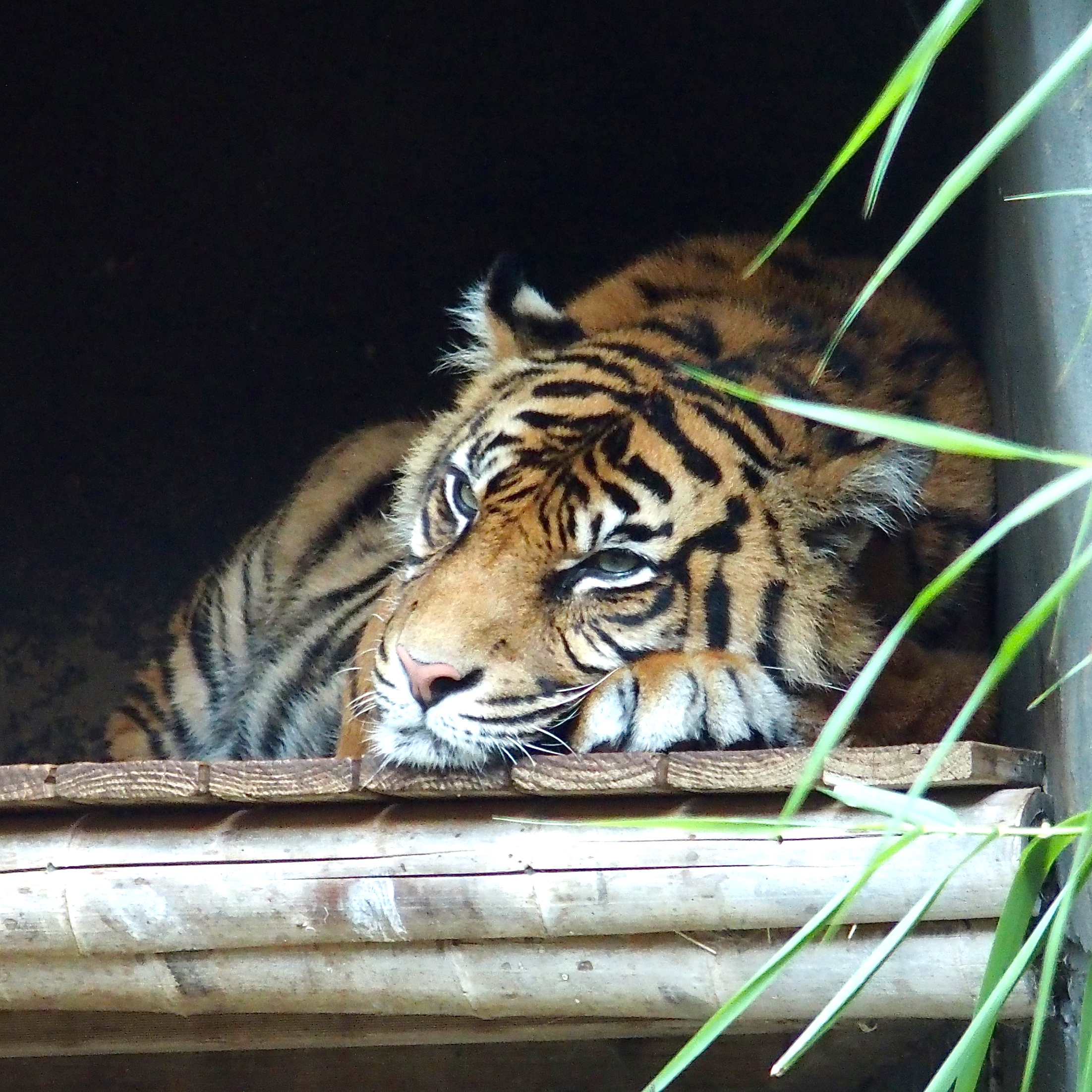
For Patrick, we had to look for tigers. When we played 20 questions when he was a kid, we were able to guess his animal, vegetable, or mineral with just one question: Is it a tiger? Often it was a Siberian white tiger.
OLYMPUS DIGITAL CAMERA

We waited a long time for this tiger to open his eyes.

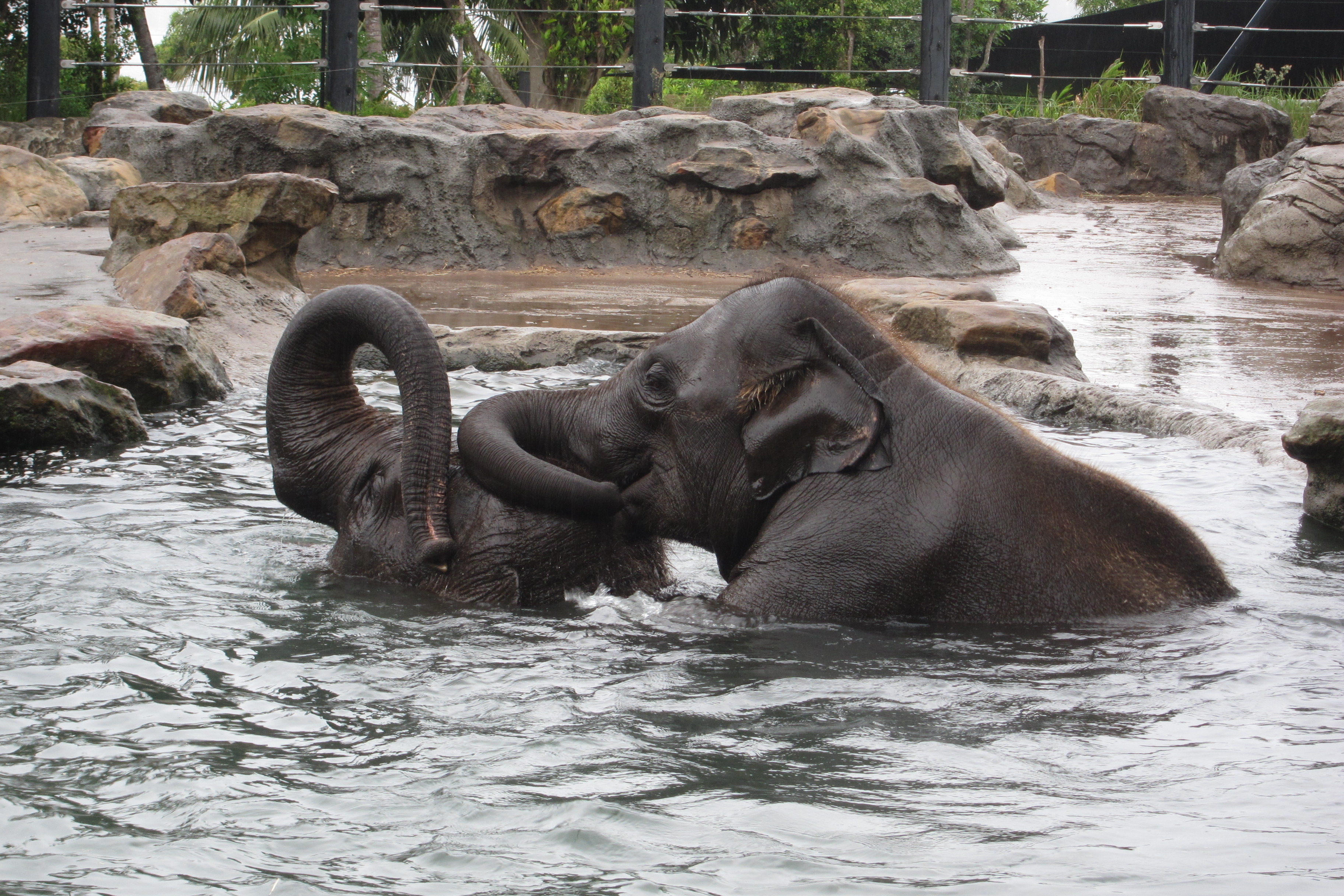
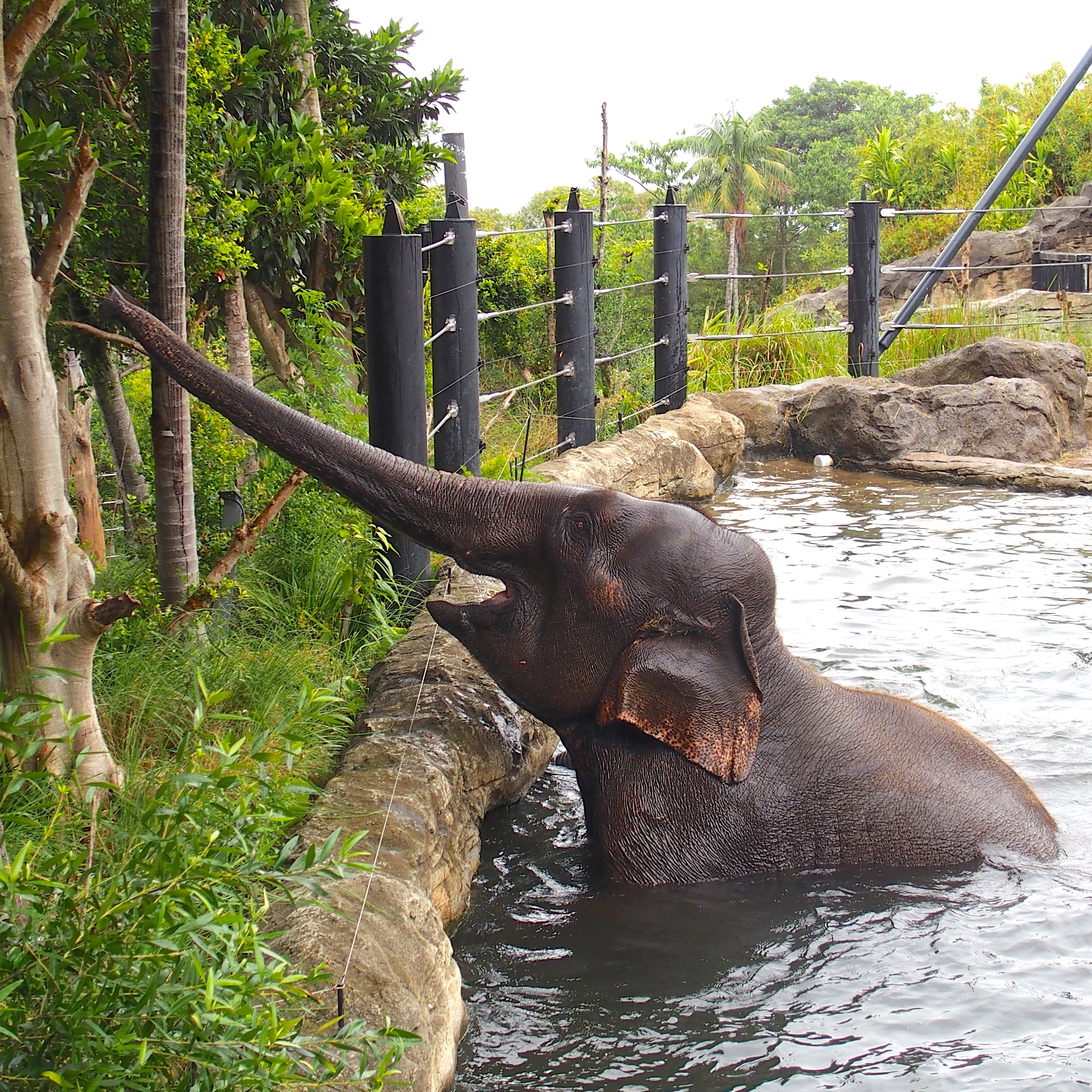
The zoo has four elephants.  The male elephant is off by himself and the three females are in an enclosure with a lovely spot for them to freshen up. We watched them take a bath and dry off.
2015-03-12 046

You probably don’t want to be the bottom elephant in a game of piggyback, especially under water.
OLYMPUS DIGITAL CAMERA

Reaching for an after-swim snack.

After getting clean in this nice bath, the elephants dried themselves off…by throwing sand on their backs.

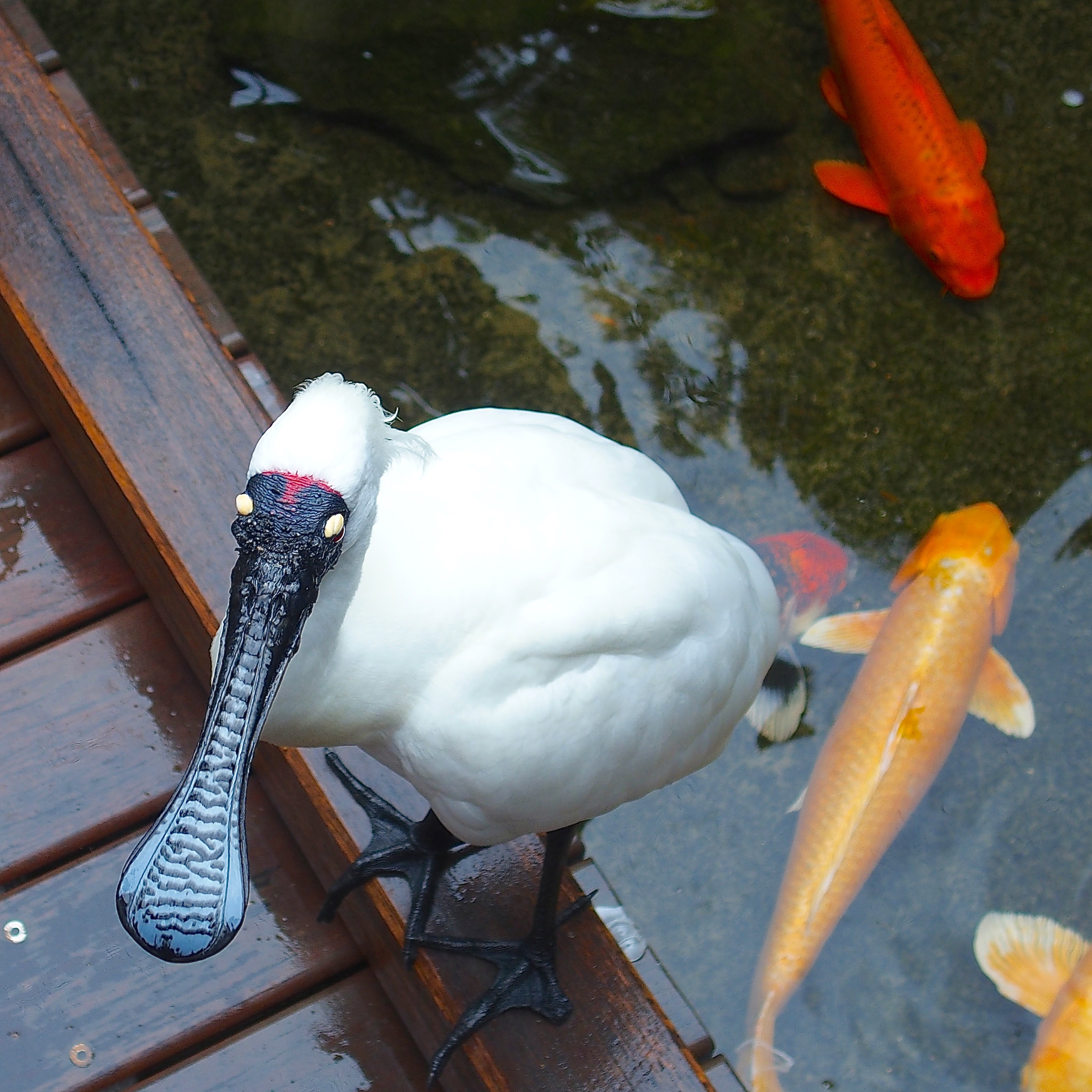
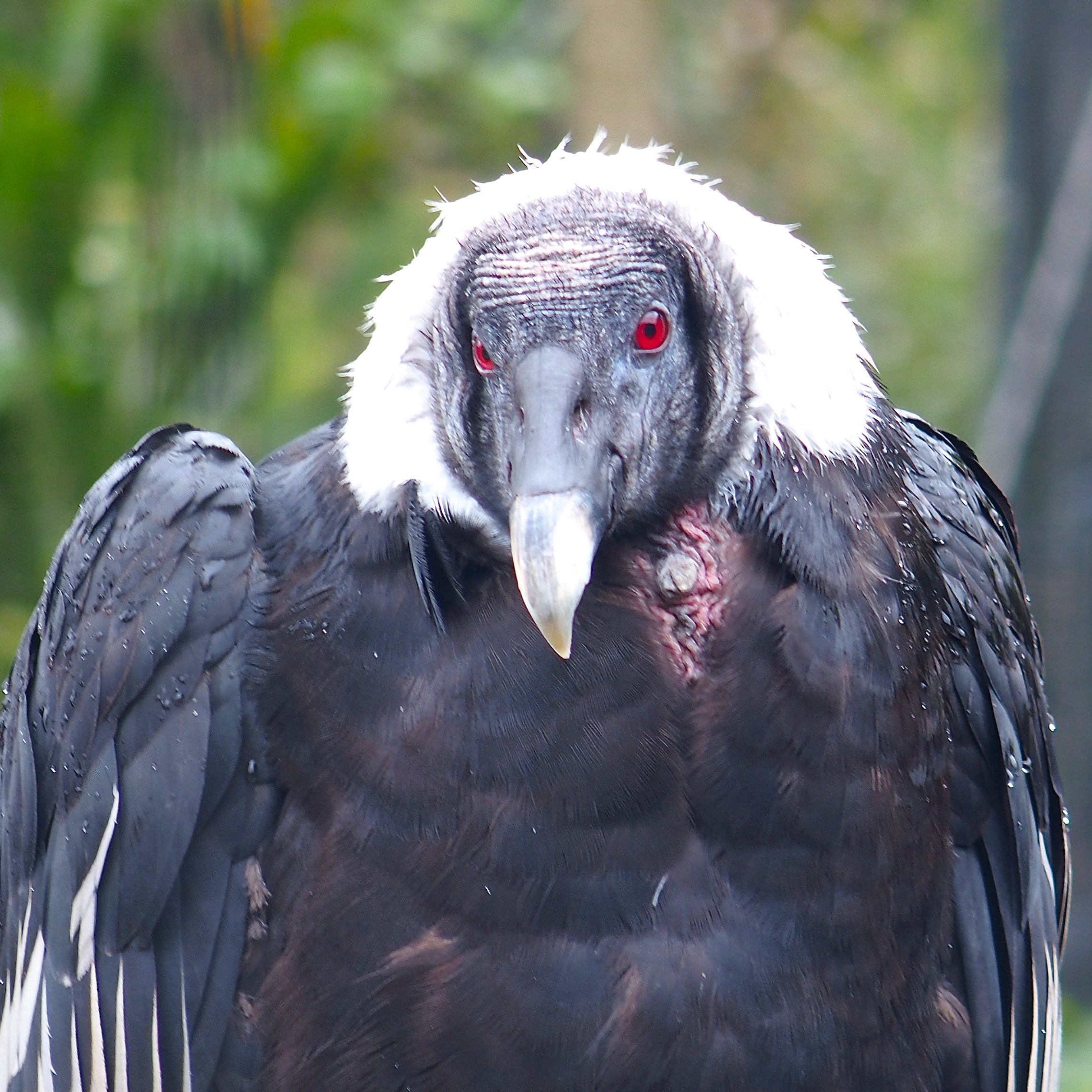
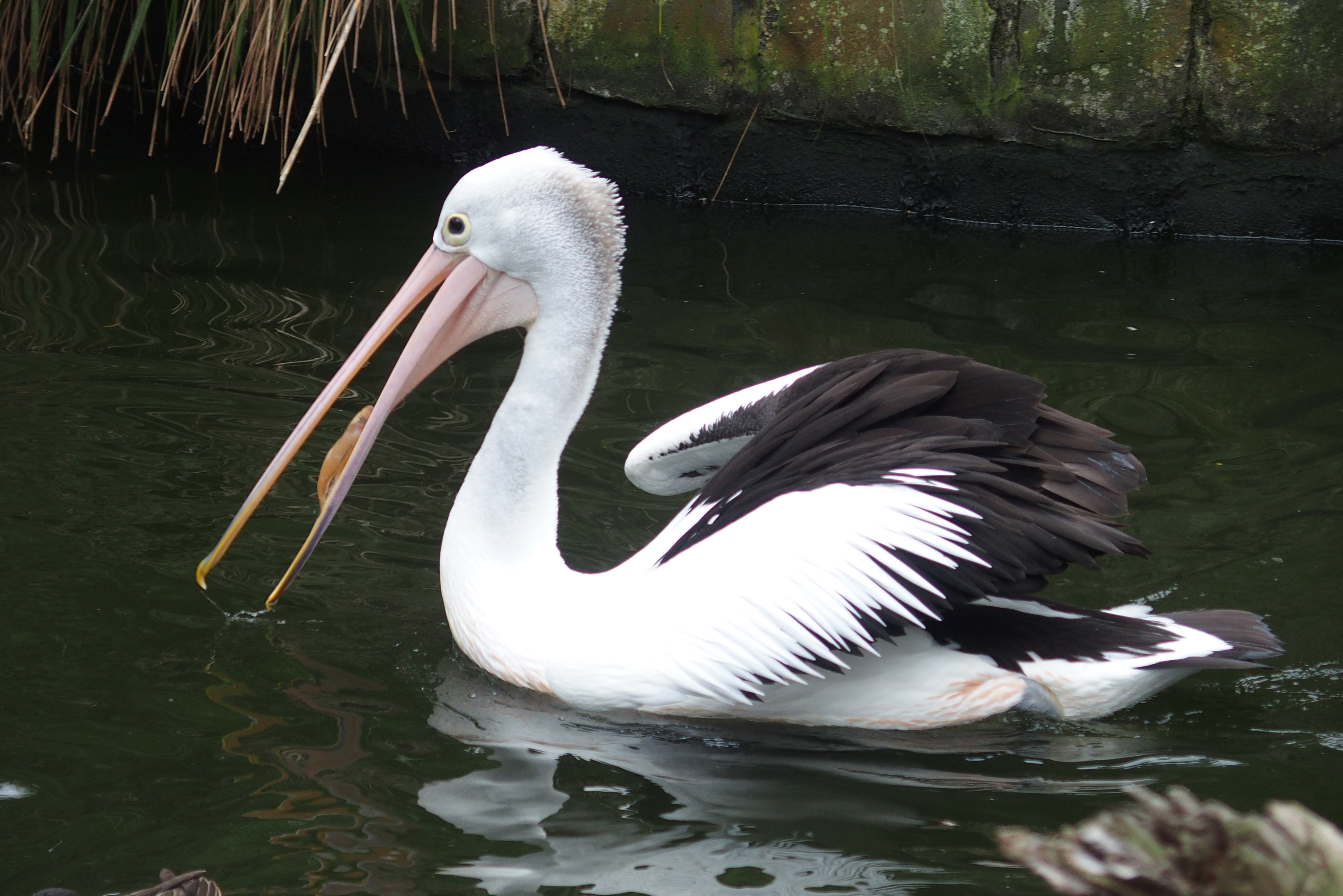
In our quest for more birds we found several nice examples.
OLYMPUS DIGITAL CAMERA

The royal spoonbill (socializing with the colorful carp)
OLYMPUS DIGITAL CAMERA

A condor, possibly waiting for a bit of roadkill. It’s not going to happen here.
OLYMPUS DIGITAL CAMERA

This pelican actually scooped up one of the colorful carp.

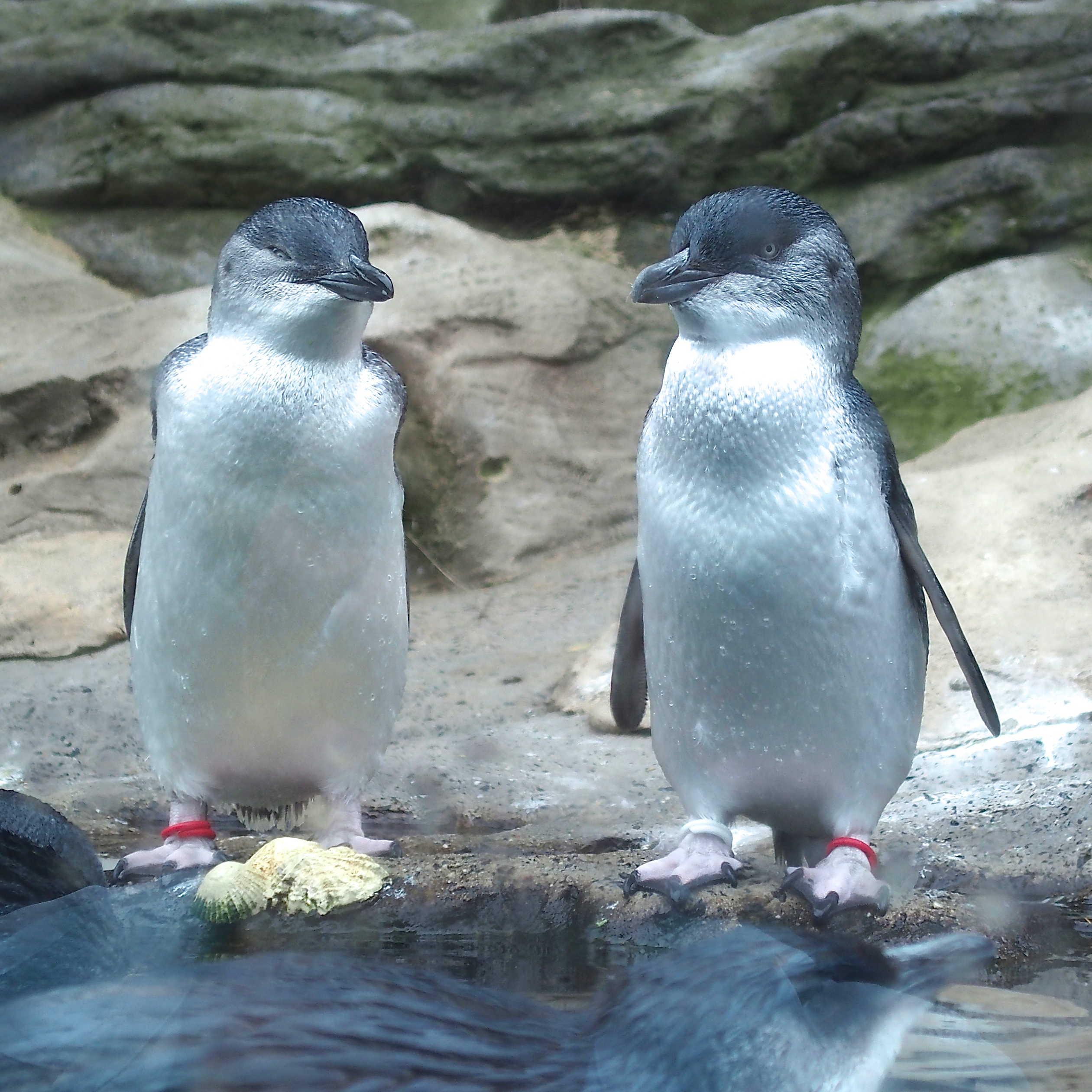
The grand finale was the penguins. They seem a bit awkward on land, but they can swim like fish.
OLYMPUS DIGITAL CAMERA

These are actually local penguins, known as Little Blue Penguins, common in New South Wales (but less common in recent years. Maybe only 35 or so in the Sydney Harbor area, all located at Manly).
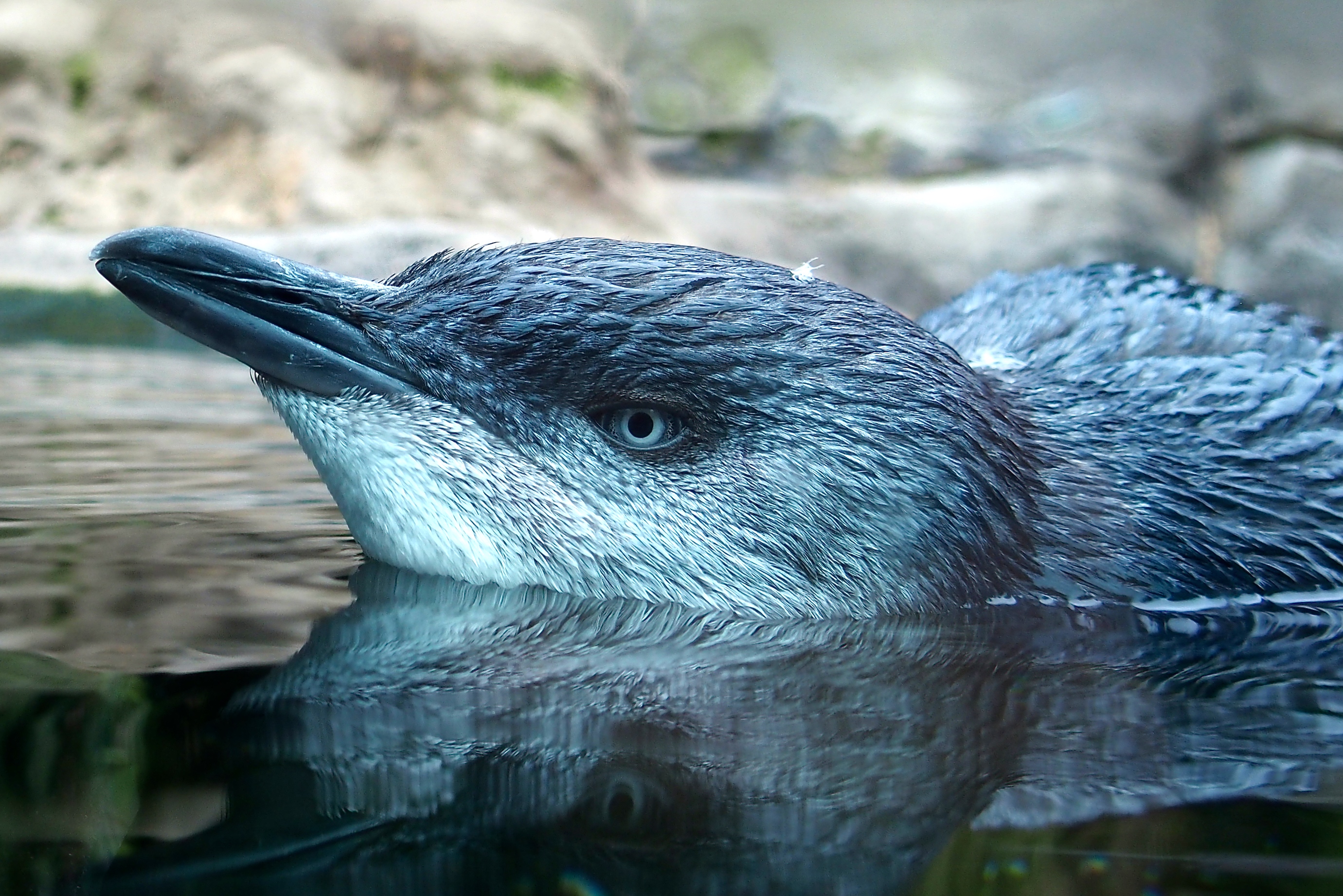
OLYMPUS DIGITAL CAMERA

Though it swims and can’t fly, a penguin is a bird, not a fish. It looks very bird-like here, doesn’t it?

All these animals, and we didn’t even visit the Australia Zoo, founded by the late Steve Irwin, Crocodile Hunter. We’ll just have to come back again…
Posted in Travel Journal | Tagged , , , , , , | 2 Comments

Banksia

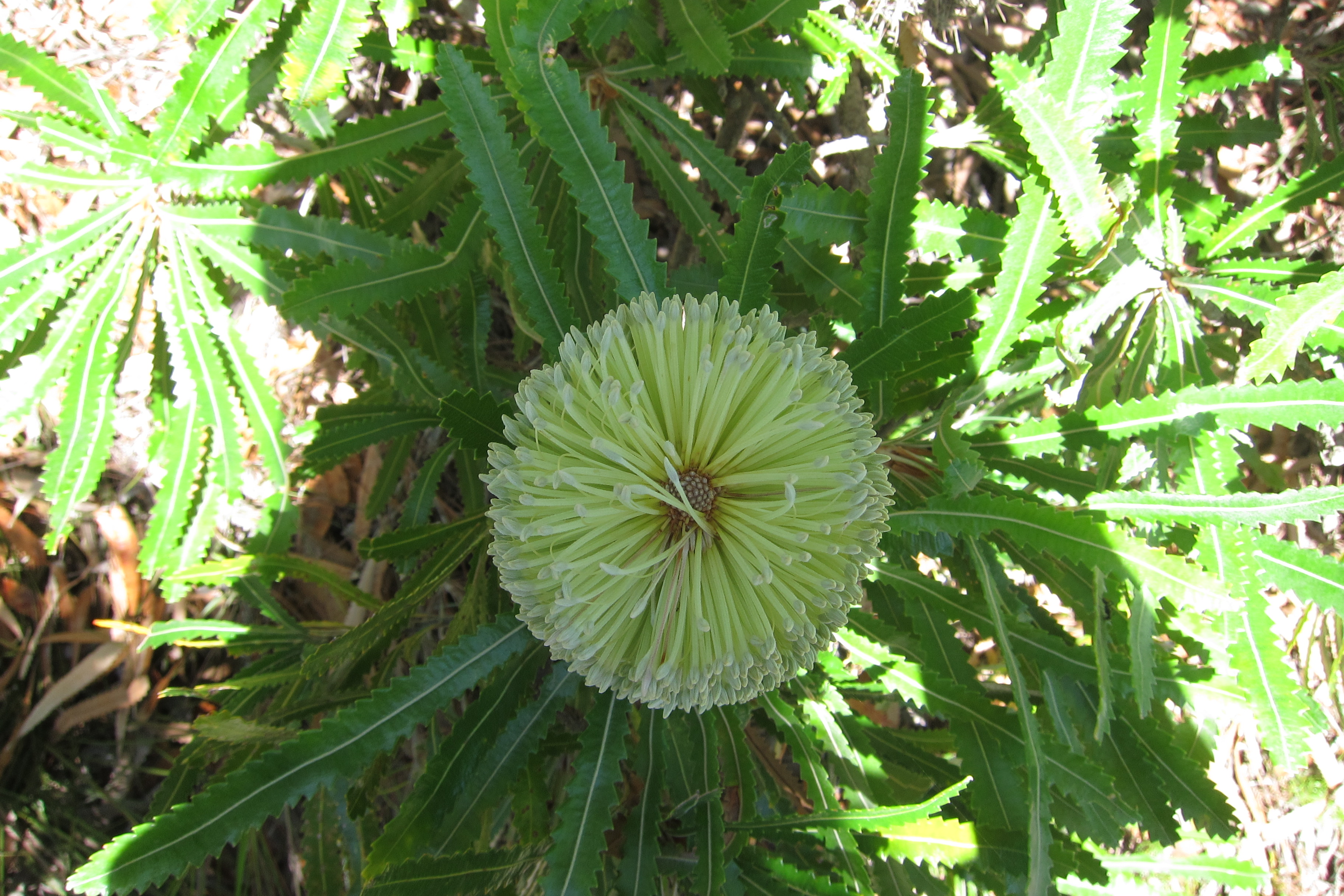
Australia has been full of beautiful flowers. One in particular was something we’ve never seen before, but very common along the woodland coast, in fact everywhere we went in New South Wales and Queensland. It’s the banksia.

2015-03-03 025

From the top it looks a bit like a dahlia or chrysanthemum.

Not a flower in a garden; it’s actually growing on a tree and has a very elongated flower.

2015-03-03 023

From the side it looks like a toilet bowl brush.

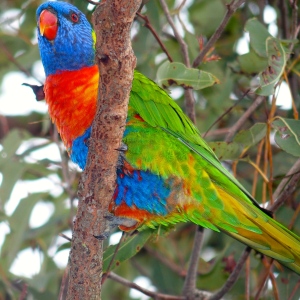
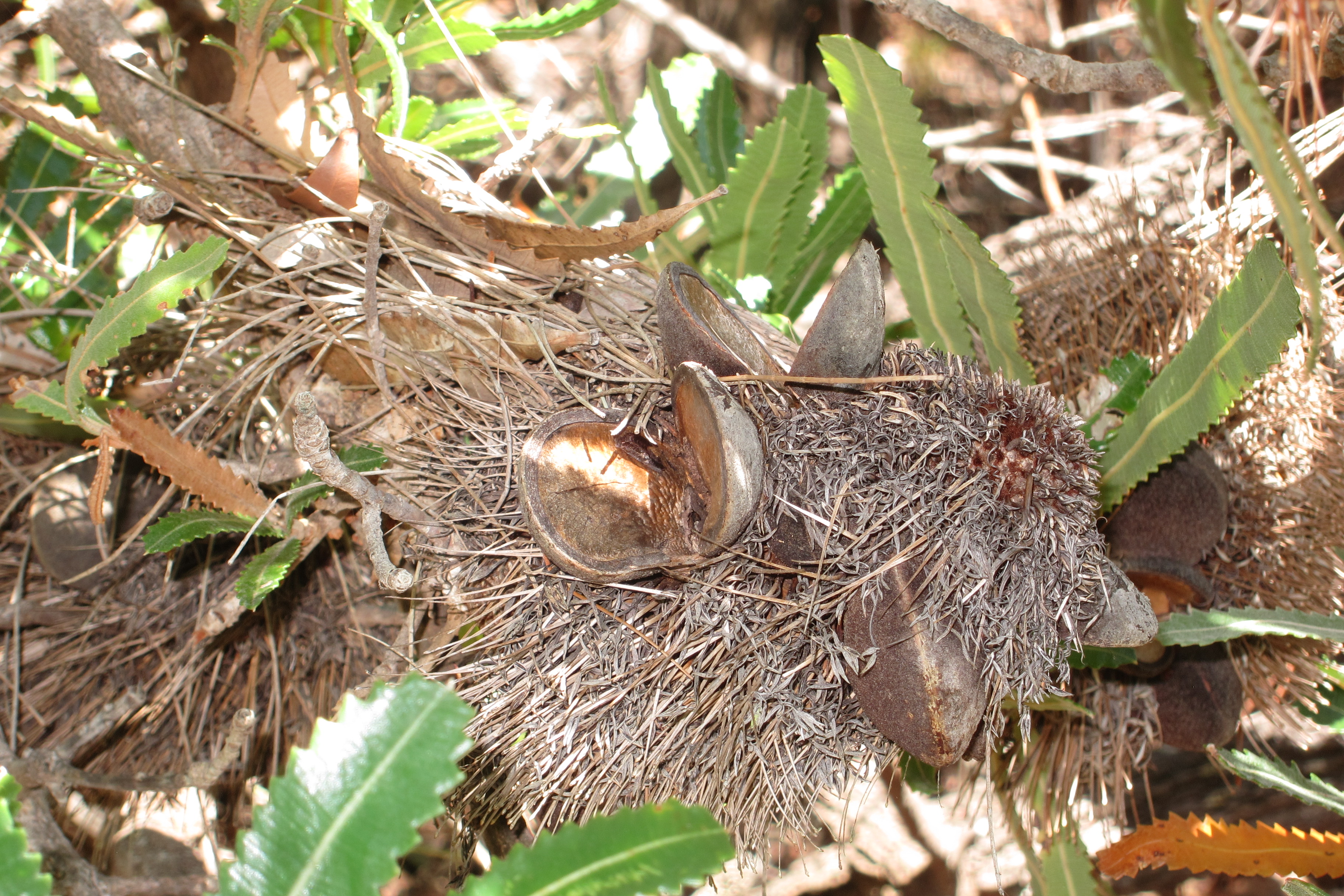
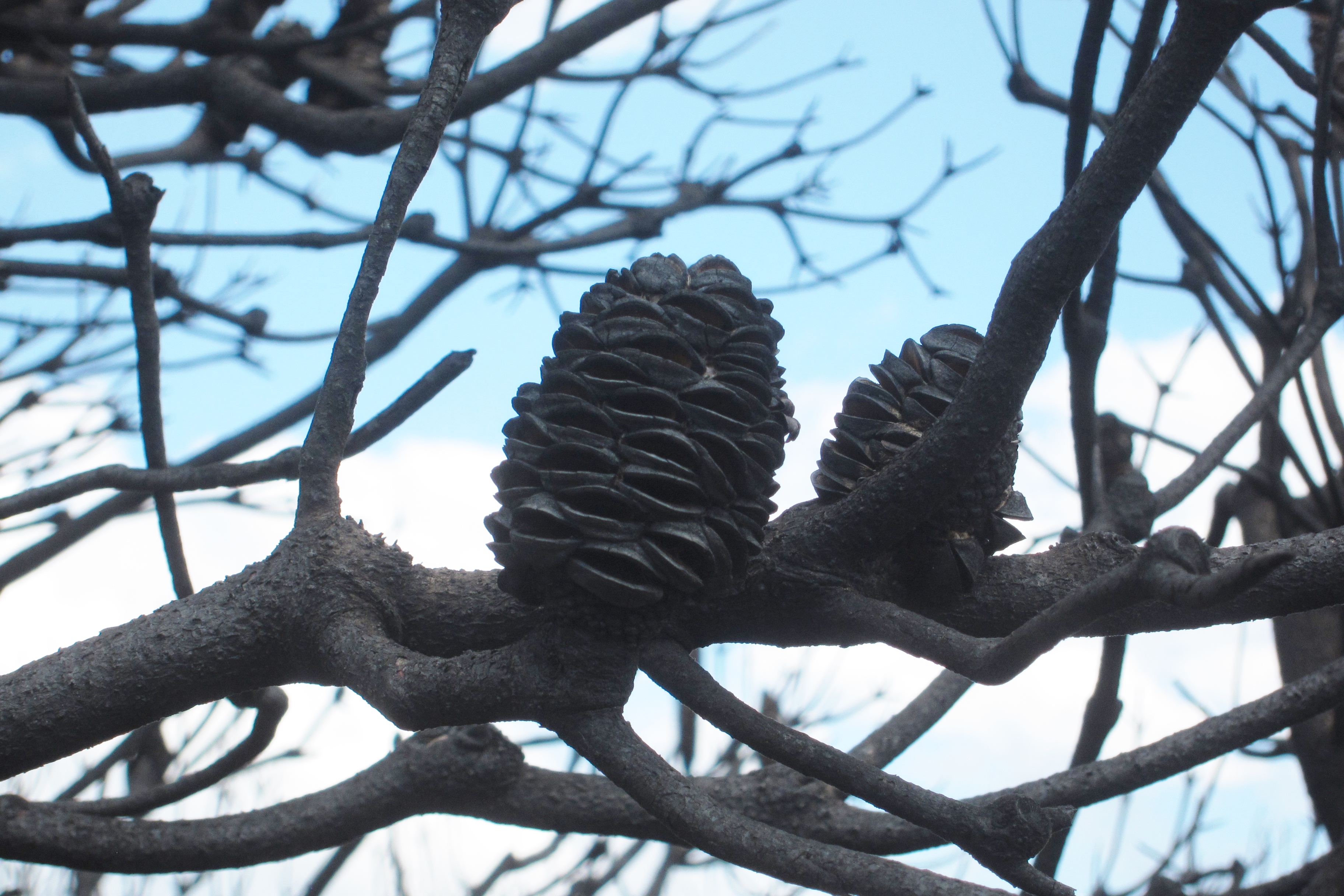
Rainbow lorikeets like to roost on its branches. After the flowering season, the blossoms become odd-looking masses of rough growth with hard seedpods. The pods open and drop seeds to the ground. The propagation must be successful; these trees are everywhere.

2015-03-03 027

Such a contrast to the pretty yellow flower.

This is what is ultimately left in the tree, an odd-looking piece of wood.

2015-03-11 052

Banksia seed pod, deseeded.

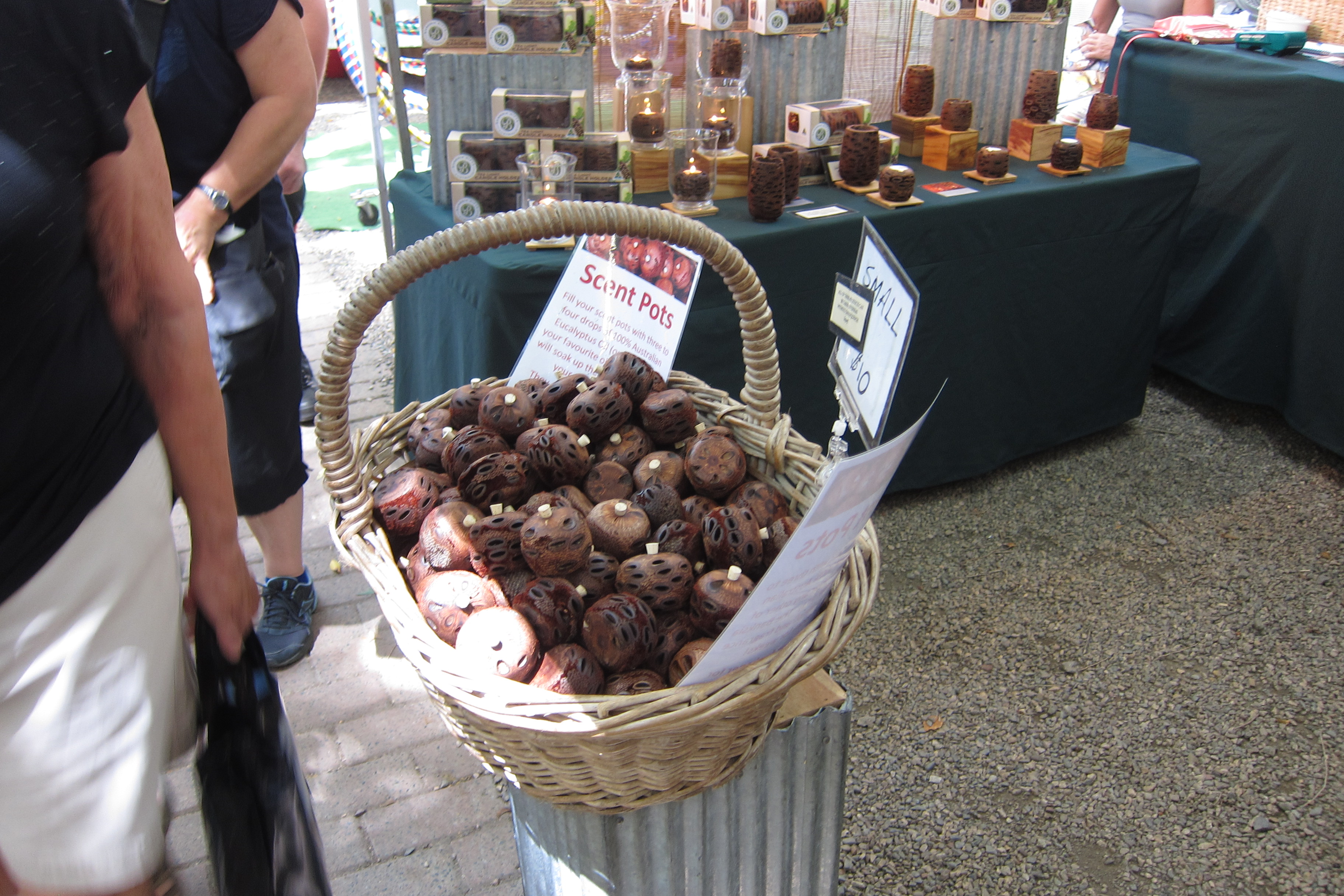
Do they have a usefulness? Yes! The wood is very porous. You can buy banksia scent pots, candle holders, and coasters made from the seed pods.

2015-03-06 019

Banksia scent pots in the Eumundi market

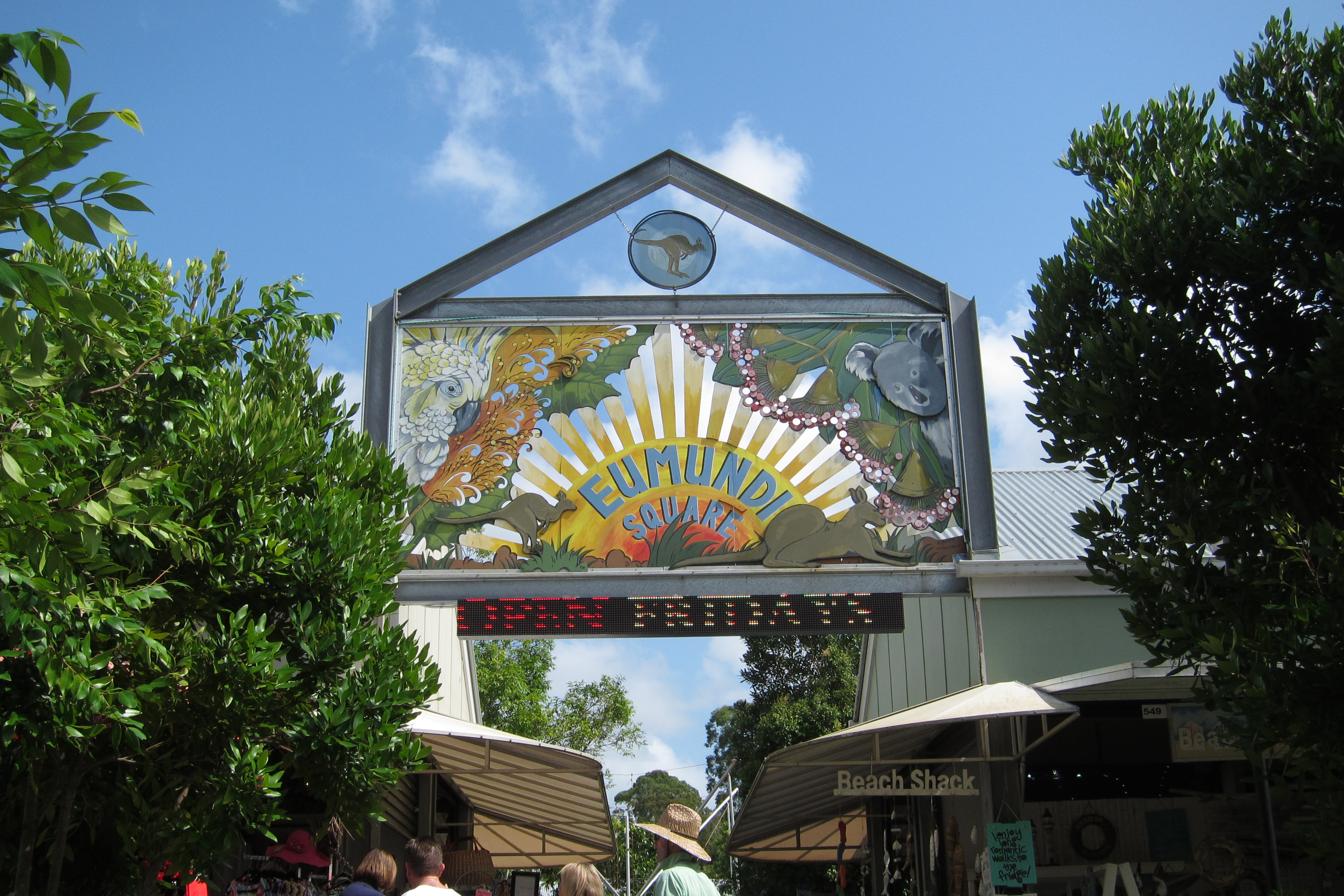
We enjoyed the Eumundi market, like the Windmill in Penn Yan with numerous artisans and eating spots, but MUCH bigger.

2015-03-06 001

Eumundi Market, in the hinterlands of Queensland

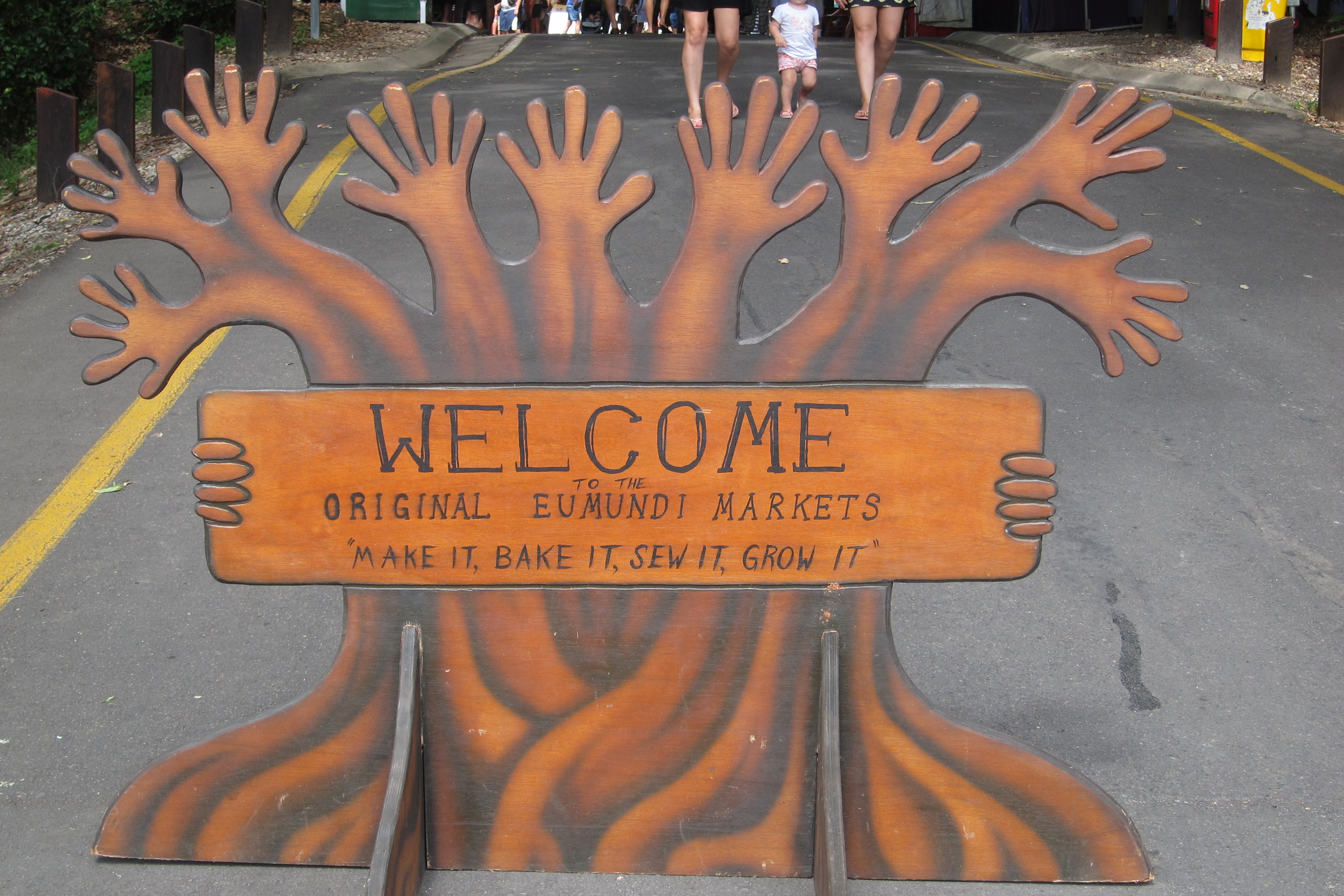
Saying goodbye to the Noosa area. (Goodbye was on the other side of the sign.)

2015-03-06 004

A good slogan for an artisans’ market.


Posted in Smell the Roses | Tagged , , , | Leave a comment

Australia Animalia Part 2

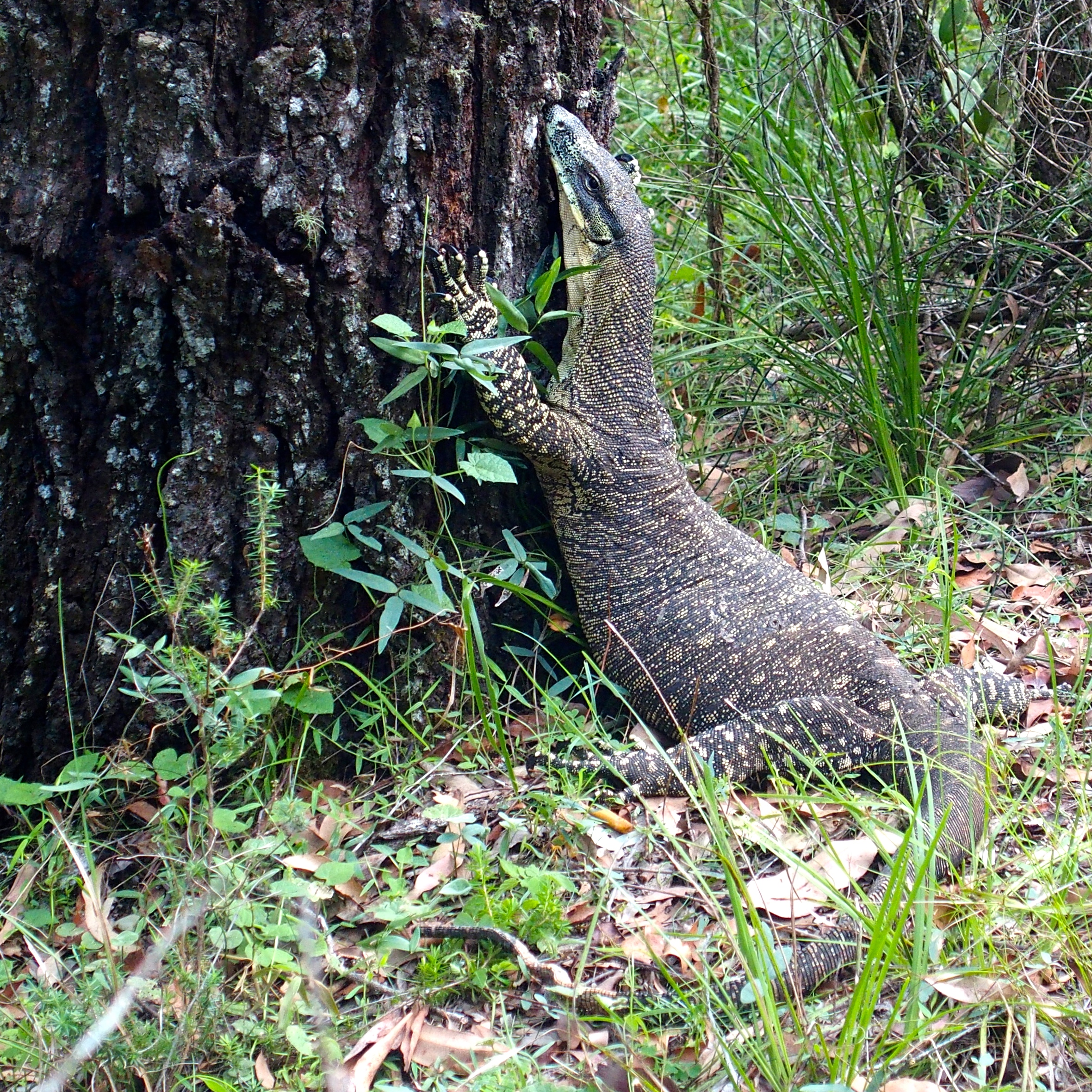
In Noosa National Park, a fellow hiker alerted us to the existence of the goanna. We thought he said iguana, very similar sounding. We found out they are somewhat similar looking too. At least a goanna is also a big lizard, specifically a monitor lizard. Some grow to 8 feet. Ours (the ones we saw) were only 3 to 4 feet, nose to tail.

OLYMPUS DIGITAL CAMERA

It’s a little disconcerting to come upon this large lizard along the hiking trail.

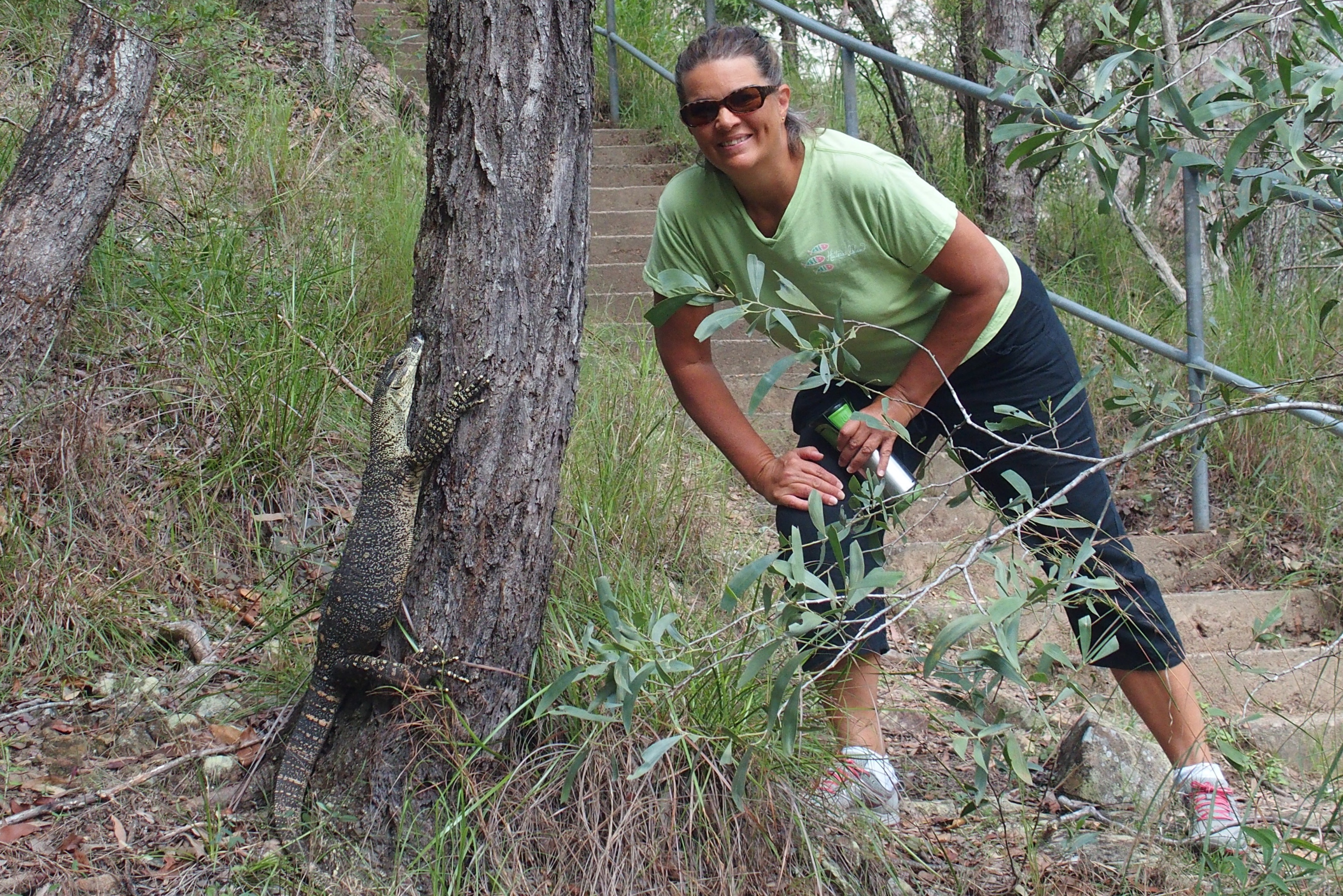
“Alarmed goannas can mistake standing humans for trees and attempt to climb off the ground to safety, which is understandably painful, as well as distressing for both man and beast.” This is according to Wikipedia (citation needed).

OLYMPUS DIGITAL CAMERA

Please do not get alarmed, Mr. Goanna. Note the stance, ready to jump away before the goanna starts to climb something other than a tree!

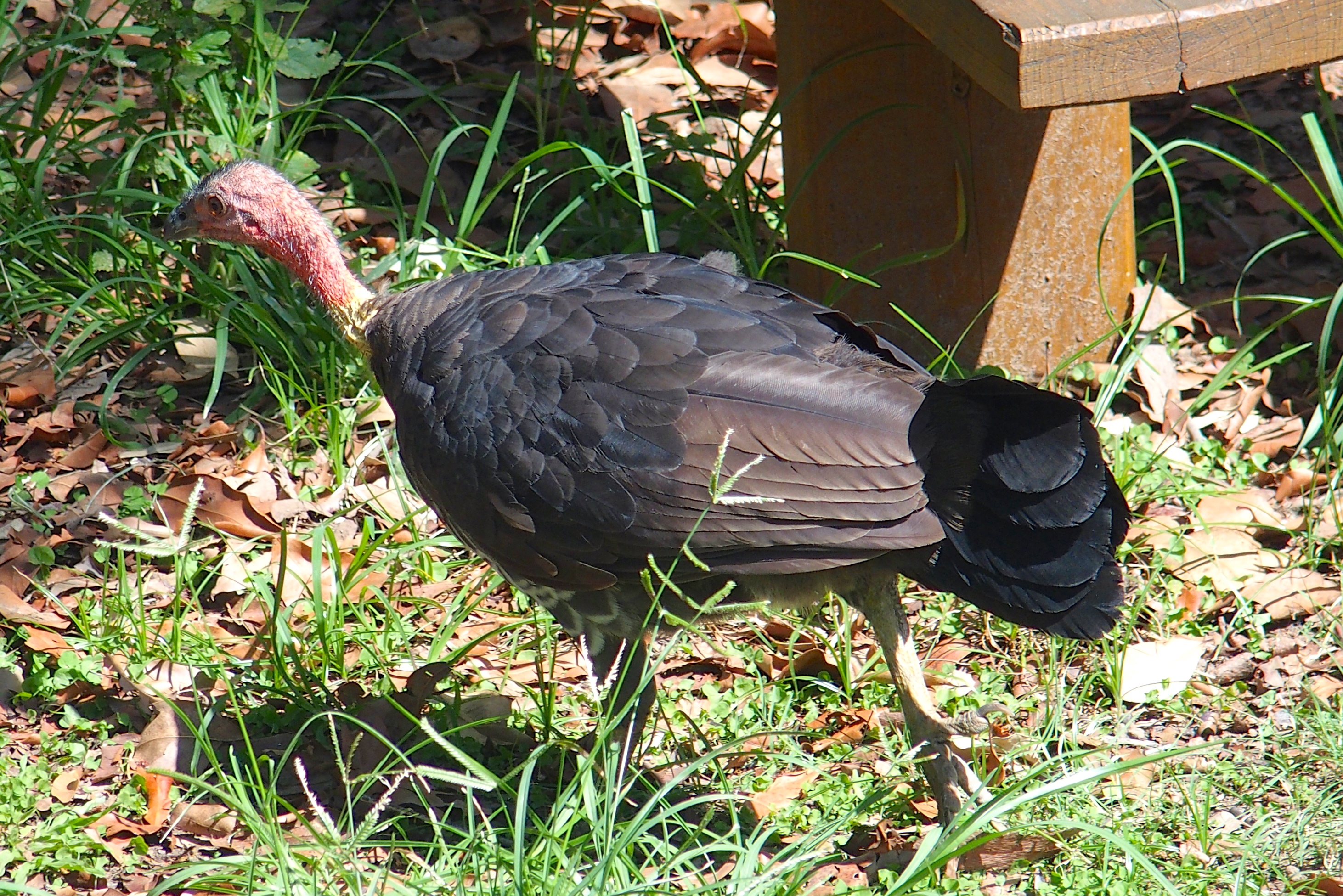
We also saw these brush-turkeys walking everywhere, even at the restaurants in downtown Noosa Heads (a posh area).

OLYMPUS DIGITAL CAMERA

Brushturkeys, more common than pigeons.

We learned that the male turkey builds a very large nest of leaves and invites several females to lay eggs in it. Then the natural heat of decomposition of the leaves serves to incubate the eggs. The turkey can actually control the incubation temperature by adding or removing leaves and this will impact the sex of the baby. We saw large piles of leaves but didn’t realize we were looking at brushturkey nests until we caught a rooster turkey in the act of building. (watch the video)

Now the rest of the story: After all the effort of building the nest, laying the eggs, checking the temperature (by sticking a beak in the leaves), and adjusting the HVAC for the nest, there is one big hurdle before the eggs can hatch. Goannas love eating brushturkey eggs!

Actually we saw lots of brushturkeys around Noosa and no goannas. Farther south on our way to the Blue Mountains, we saw several goannas, half a dozen brushturkey nests, but just one brushturkey. It was like watching population control in action.

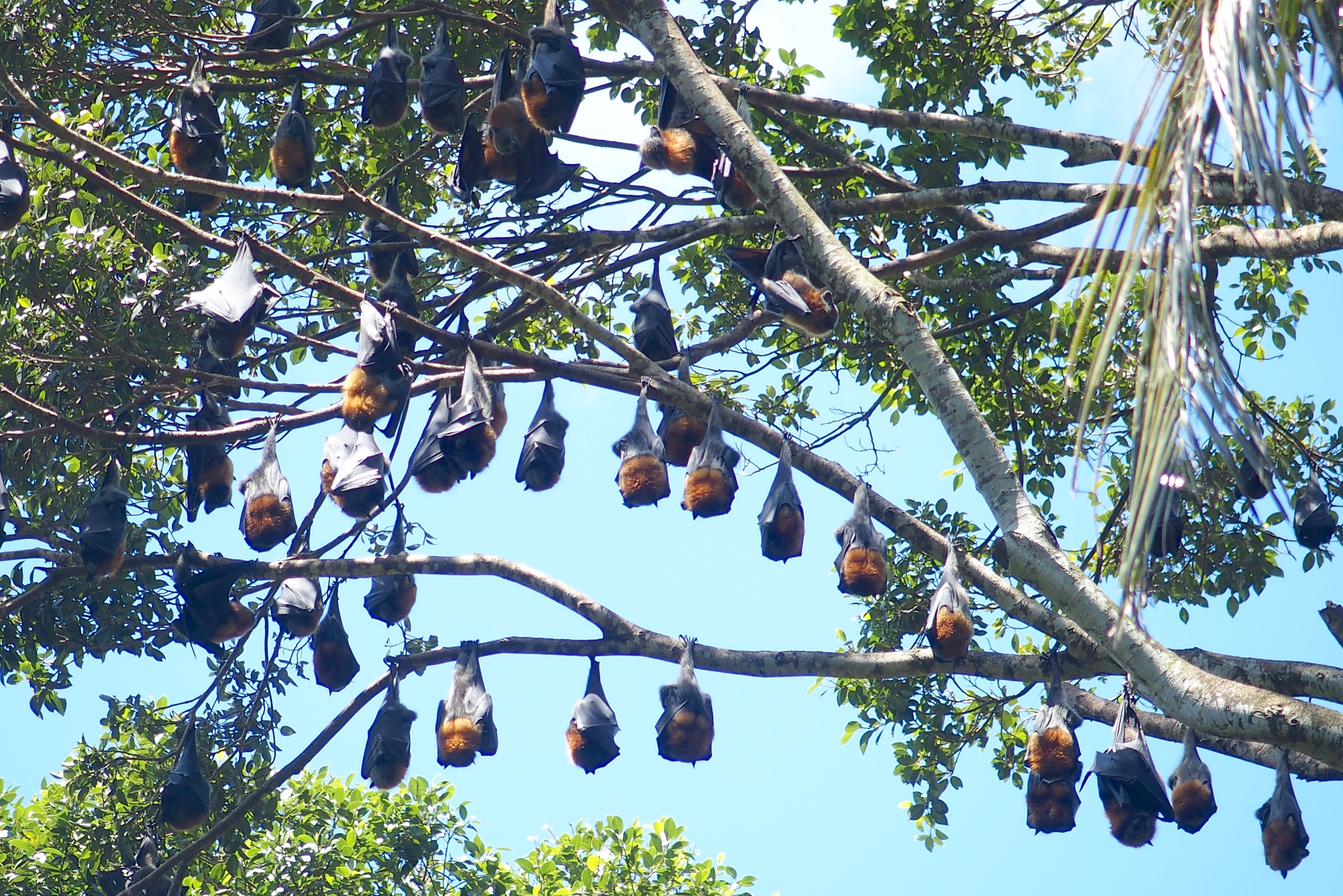
In the same spot where we saw the goannas, we met up again with flying foxes. This time we saw their daytime hangouts (pun intended!)

OLYMPUS DIGITAL CAMERA

Flying fox sounds less unappealing than megabat, don’t you think?


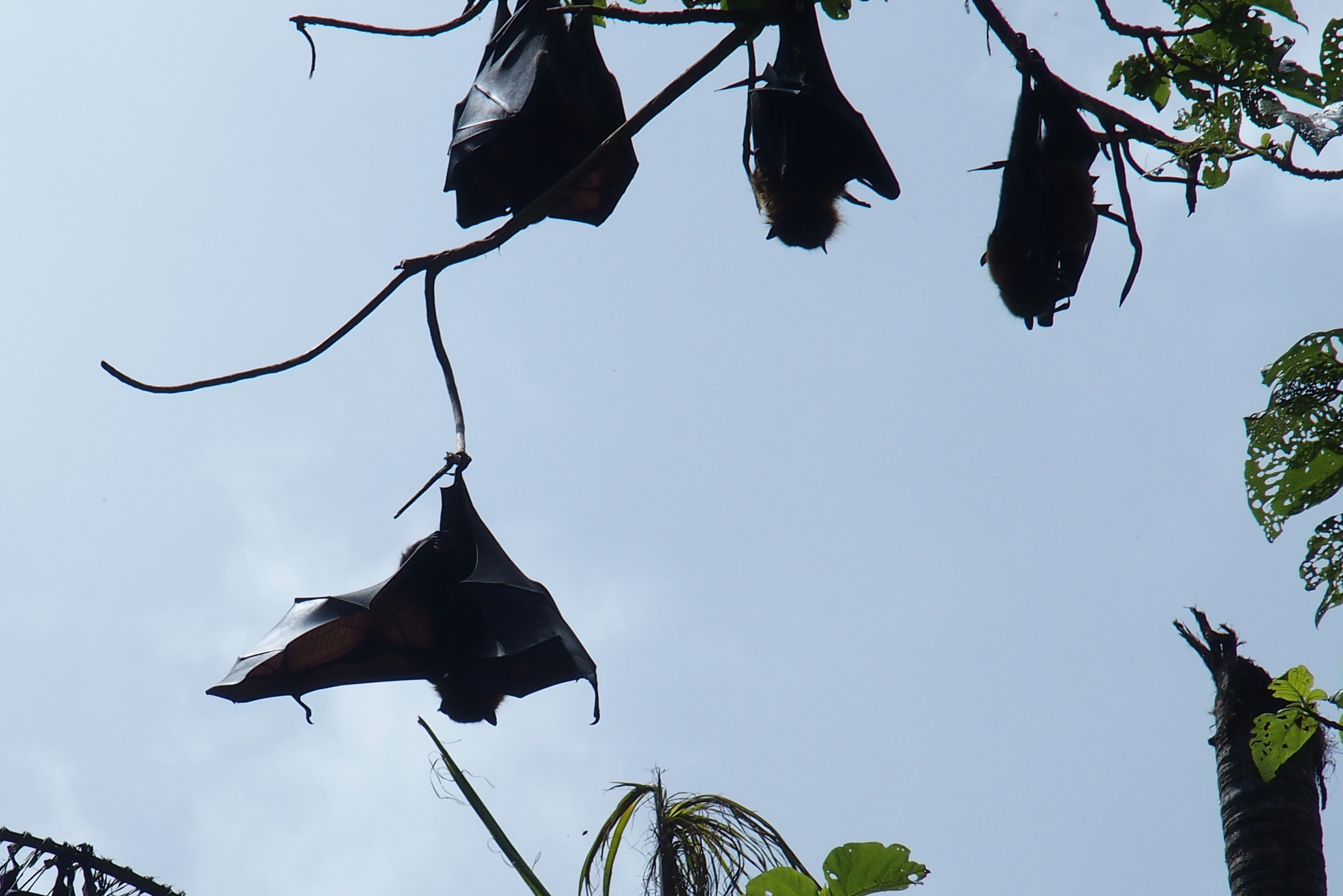
OLYMPUS DIGITAL CAMERA

They were supposed to be sleeping, but they were making a racket and doing a lot of flapping around and quarreling with each other.

Still no koalas in the wild. We will have to go to a zoo to see them.

2015-03-08 001

The sign probably used to say “Next 10 km” but now the koalas in the wild are too few.


Posted in Smell the Roses | Tagged , , | Leave a comment

Surfing, Australian Style – February 2015

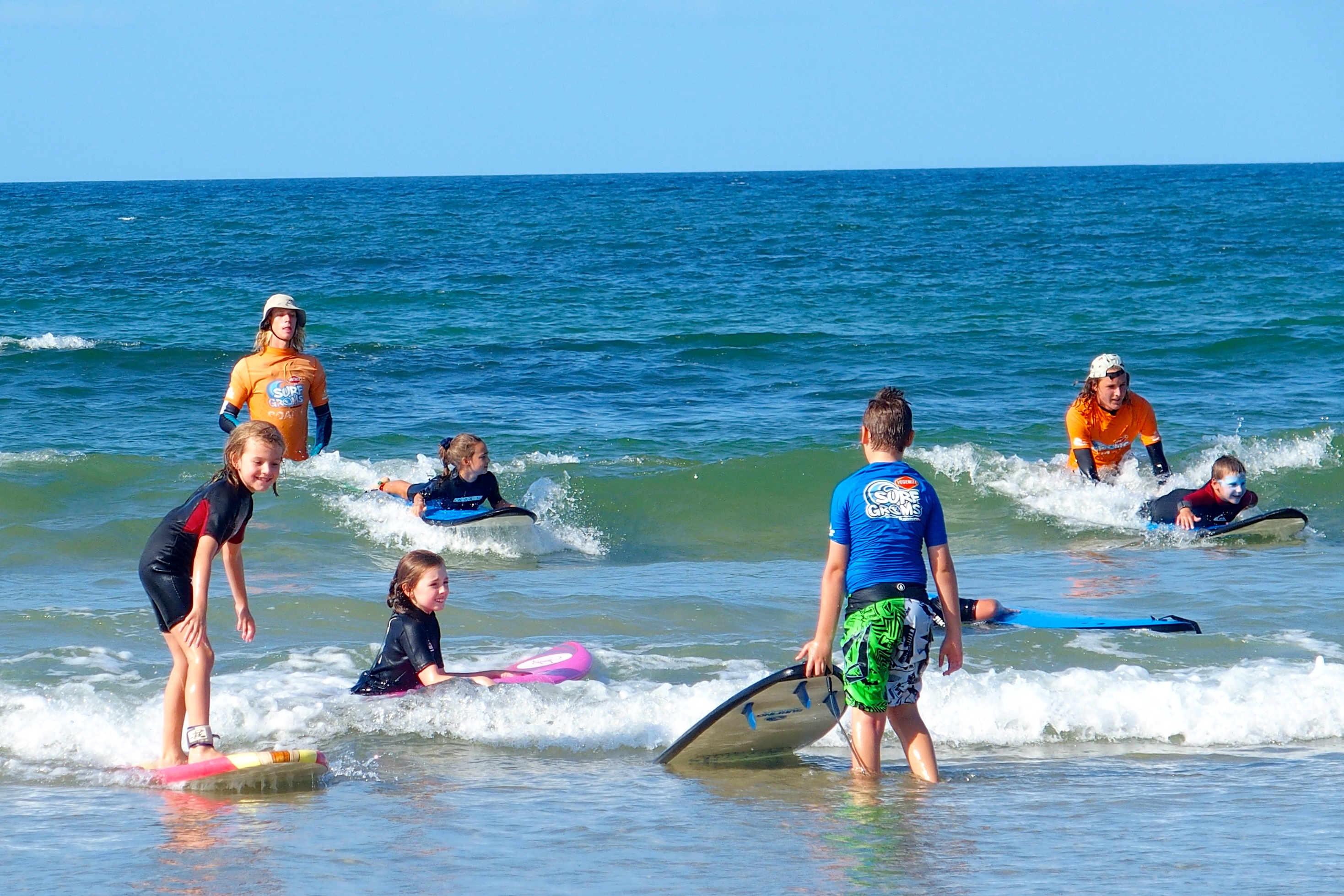
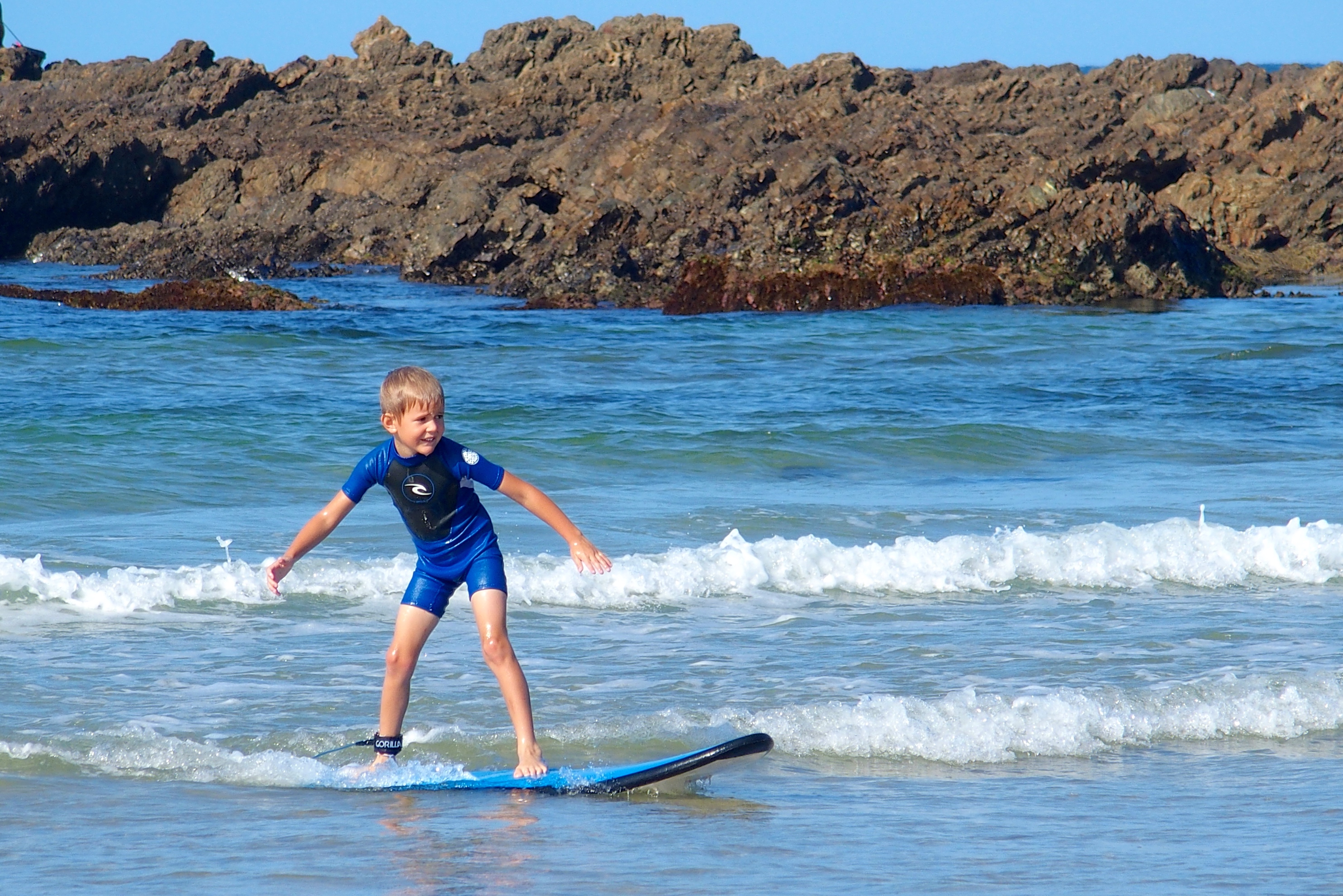
We found out Australian schools have four sessions a year with long breaks between them, but no three-month summer vacation as in the US. So in the summer months of February and March in New South Wales and Queensland, beaches are filled with groups of schoolkids. They’re here for PE class to learn surfing.

It starts when the kids are very young. We saw some that looked about three or four years old. It must be like learning to ride a bike or speak a language. Start early for lifelong proficiency.

OLYMPUS DIGITAL CAMERA

The two adults in orange are pullers and pushers, helping the kids paddle out through the surf and catch a wave back to shore in a foot or so of water.

OLYMPUS DIGITAL CAMERA

Success! He’s got the form down.

Another group of high school kids showed up in a bus. They spent about 45 minutes on the waves and then their teacher whistled them in. They probably had to go back for geometry class.

At some point the kids are able to master the waves on their own. Then they throw their boards on top of their trucks and drive along the shore looking for the best spot for an hour or two of after-school fun.

OLYMPUS DIGITAL CAMERA

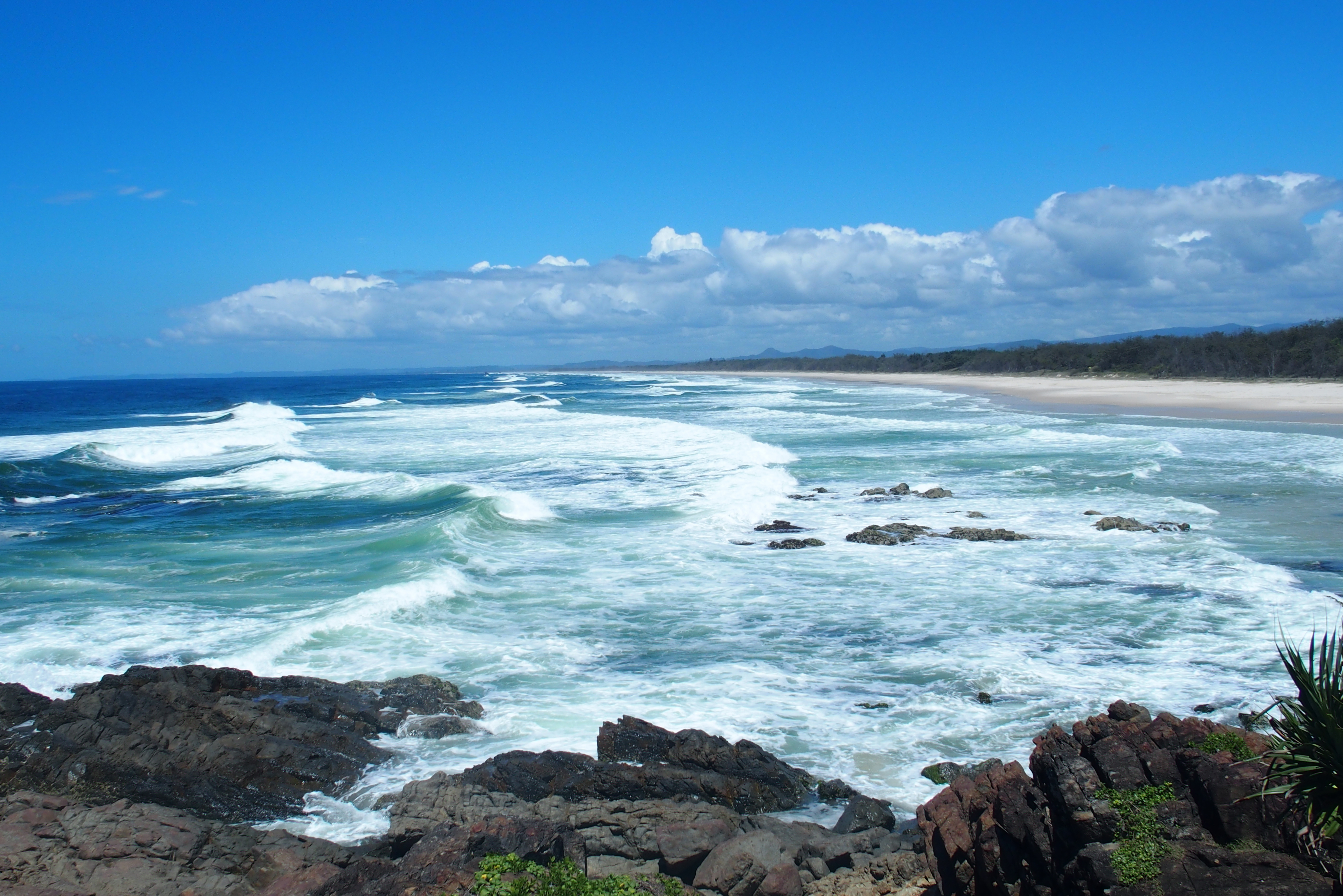
Eastern Australia has thousands of miles of shore with breaking waves. So hard to choose where to put your board in.

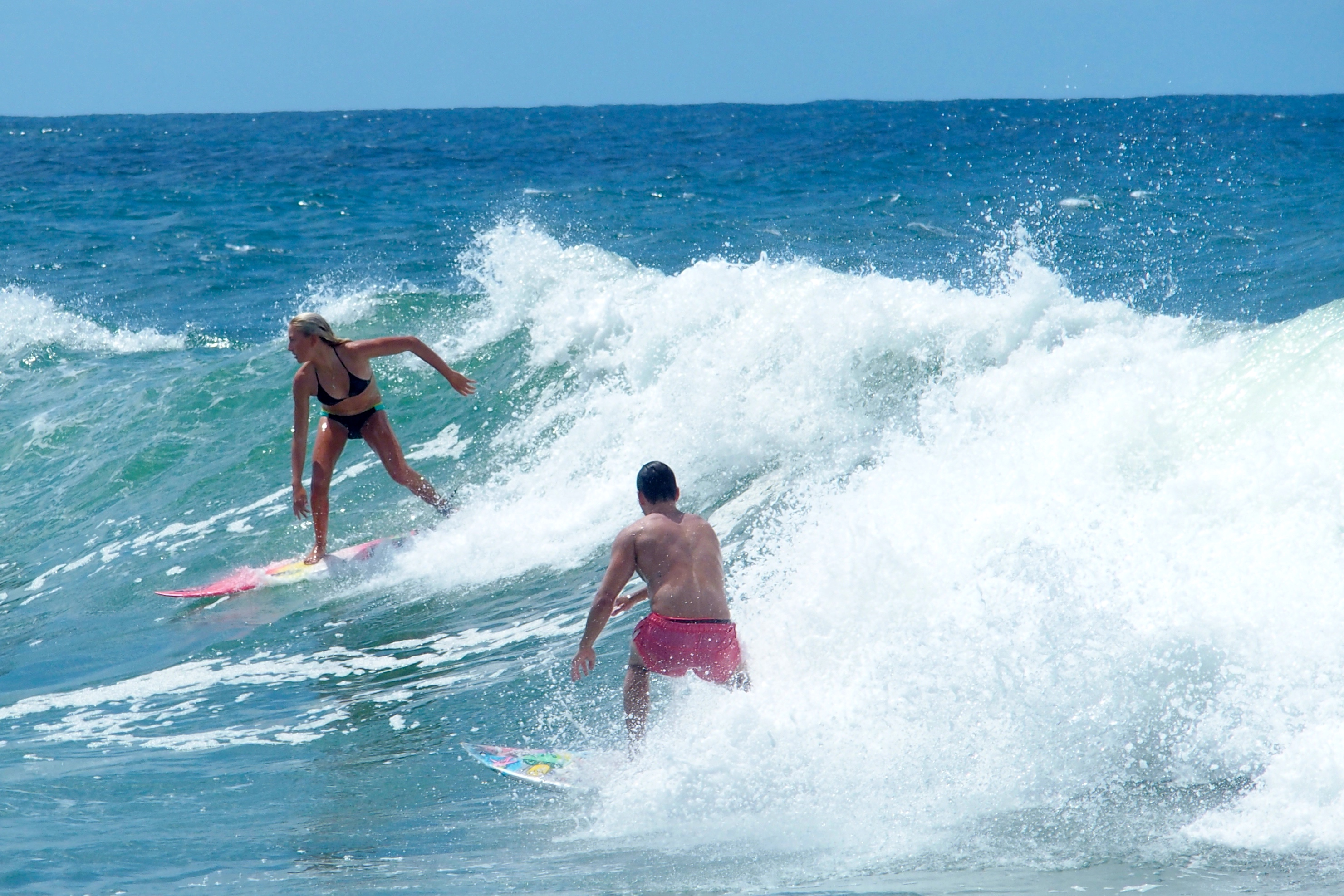
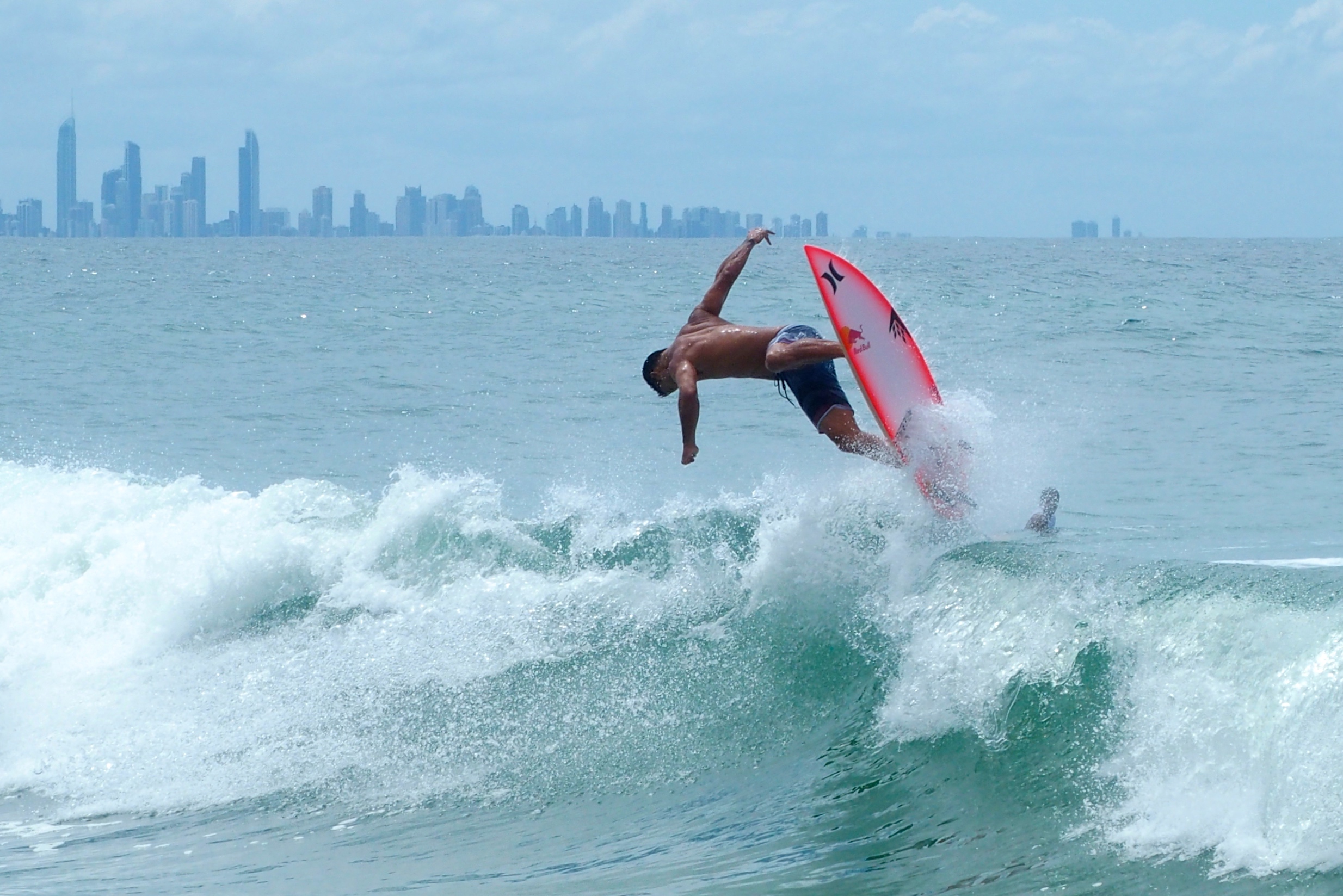
We arrived at Snapper Rocks a few days before the Quiksilver and Roxy Pro Surfing competition. Local amateurs were enjoying the great waves and some of the pros were getting in some practice. Kelly Slater was out on the waves the day we watched.

OLYMPUS DIGITAL CAMERA

A little crowded? Probably more than 40 surfers in this cove. Who has right of way?

OLYMPUS DIGITAL CAMERA

Coming off a 360.

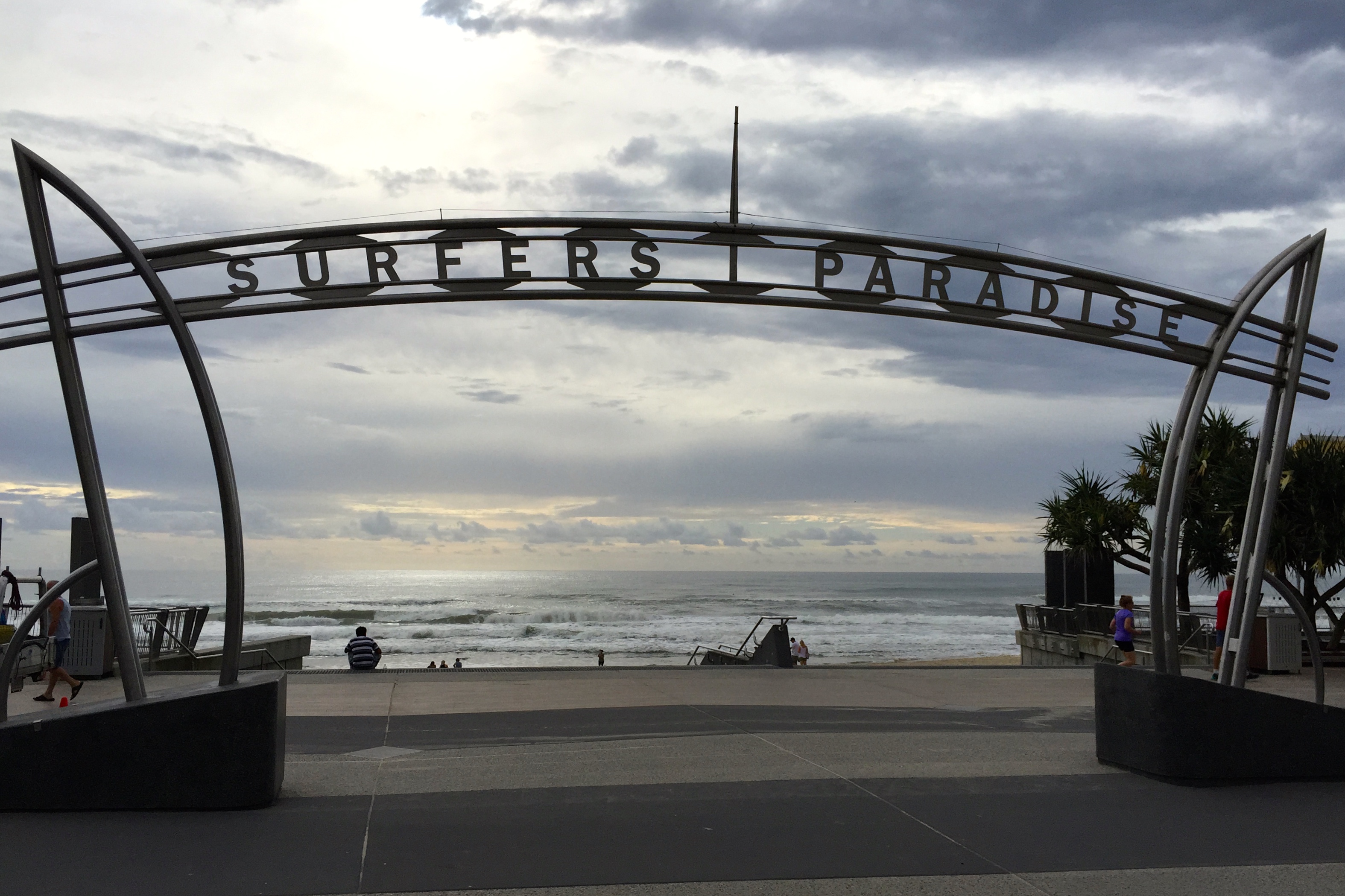
This is the southern end of the Gold Coast, famous for surfing. Some might call this a surfer’s paradise. In fact, the skyline in the back of the photo above is a town named Surfers Paradise.

IMG_4469

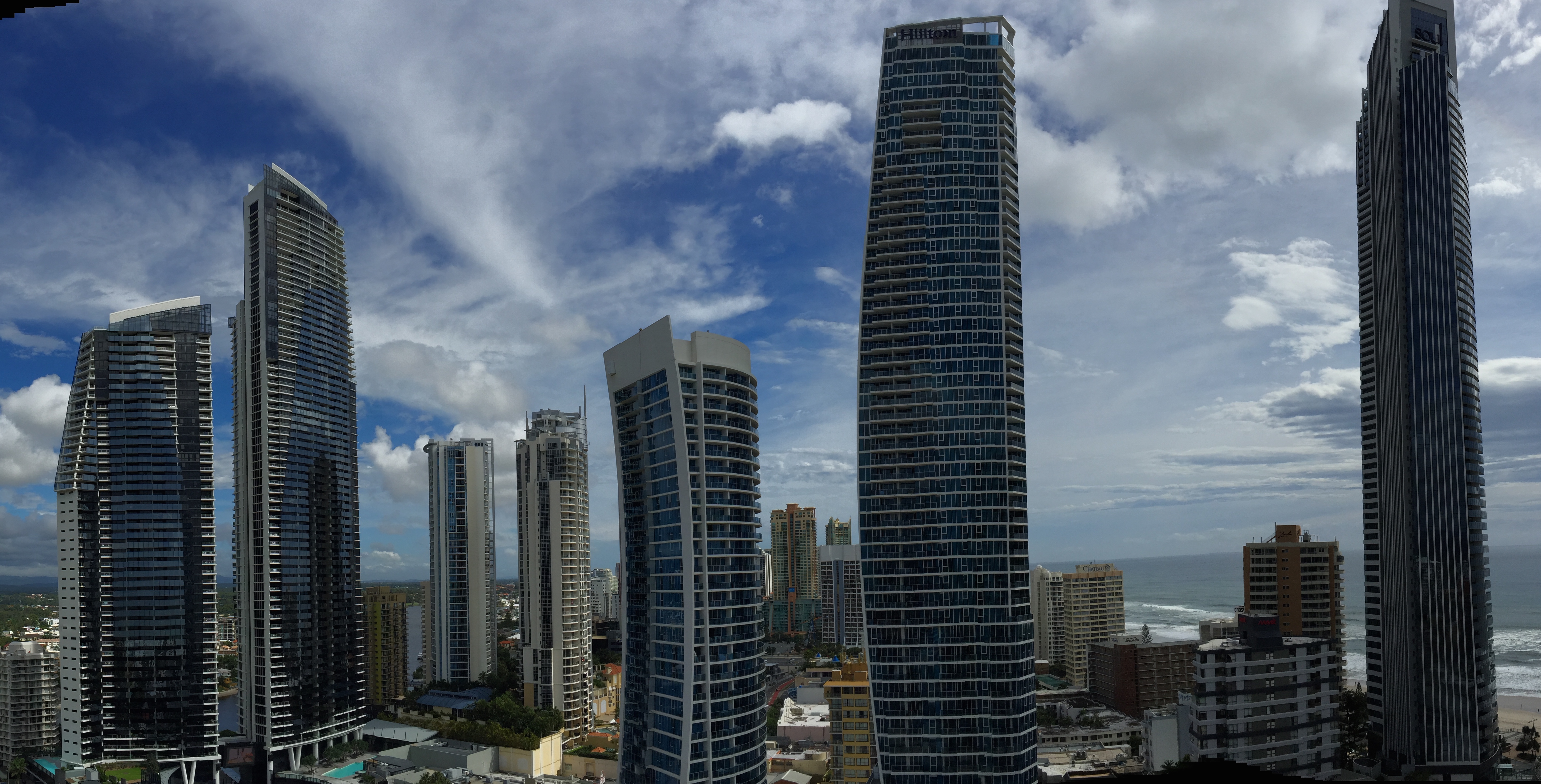
The town was originally named Elston, not exactly inspiring. In 1925, Surfer’s Paradise Hotel was built. That was such a good name that the city followed suit and officially changed its name as well. Good marketing! The rest is history. High-rises have sprung up and the city now looks like Miami.

IMG_4478

We imagine a lot of Chinese investors are gobbling up apartments here.

IMG_4471

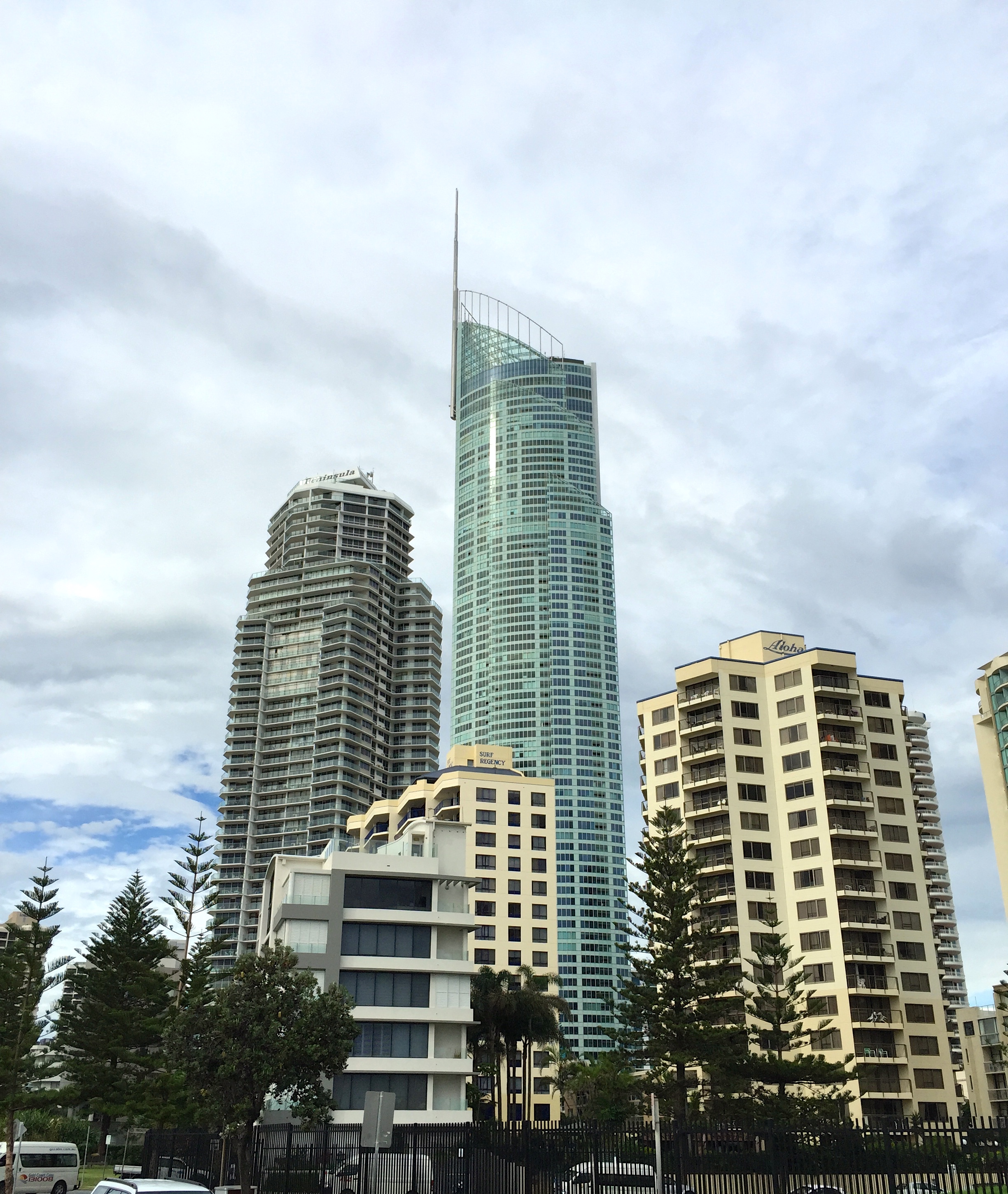
Q1, the tallest building in Australia, has plenty of room for surfers on its 78 floors.


Posted in Smell the Roses, Travel Journal | Tagged , , , | Leave a comment

Sydney to Brisbane – February 2015

The Pacific Coast drive from Sydney to Brisbane is legen–wait for it–dary. Beaches, national parks, and woodlands are outstanding. We also stopped at non-beach points of interest.

The Australian shoreline is of course beautiful, but also treacherous. Interestingly, the lighthouses here seem to be slightly short and squatty (not a bad thing) compared to those in the US. They still get the job done, providing navigation support over the decades to keep ships from coming aground.

IMG_4291

Newcastle lighthouse by day.

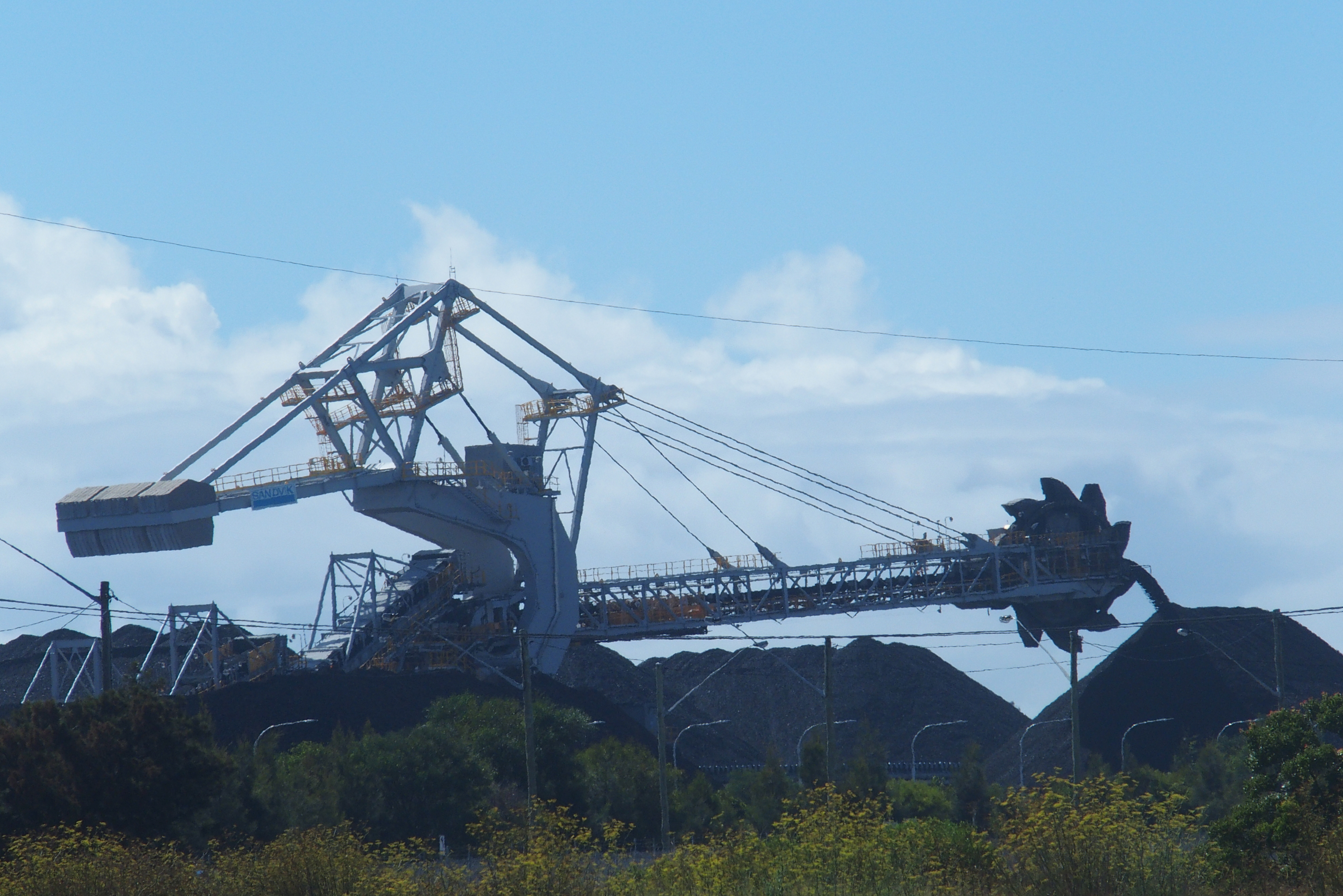
First up the coast is Newcastle, not touted as a Pacific Coast beauty spot, but interesting. We had heard the expression “bringing coals to Newcastle,” referring to the abundance of coal in Newcastle, ENGLAND. Apparently, Newcastle, Australia is rich in coal too. In fact, it’s one of the largest coal exporting ports in the world.

OLYMPUS DIGITAL CAMERA

Lots of these coal conveyors and massive coal piles in Newcastle.

North of Newcastle are, you guessed it, beaches!

OLYMPUS DIGITAL CAMERA

The protected swimming area at Newcastle Beach. Lovely! No sharks or jelly fish.

OLYMPUS DIGITAL CAMERA

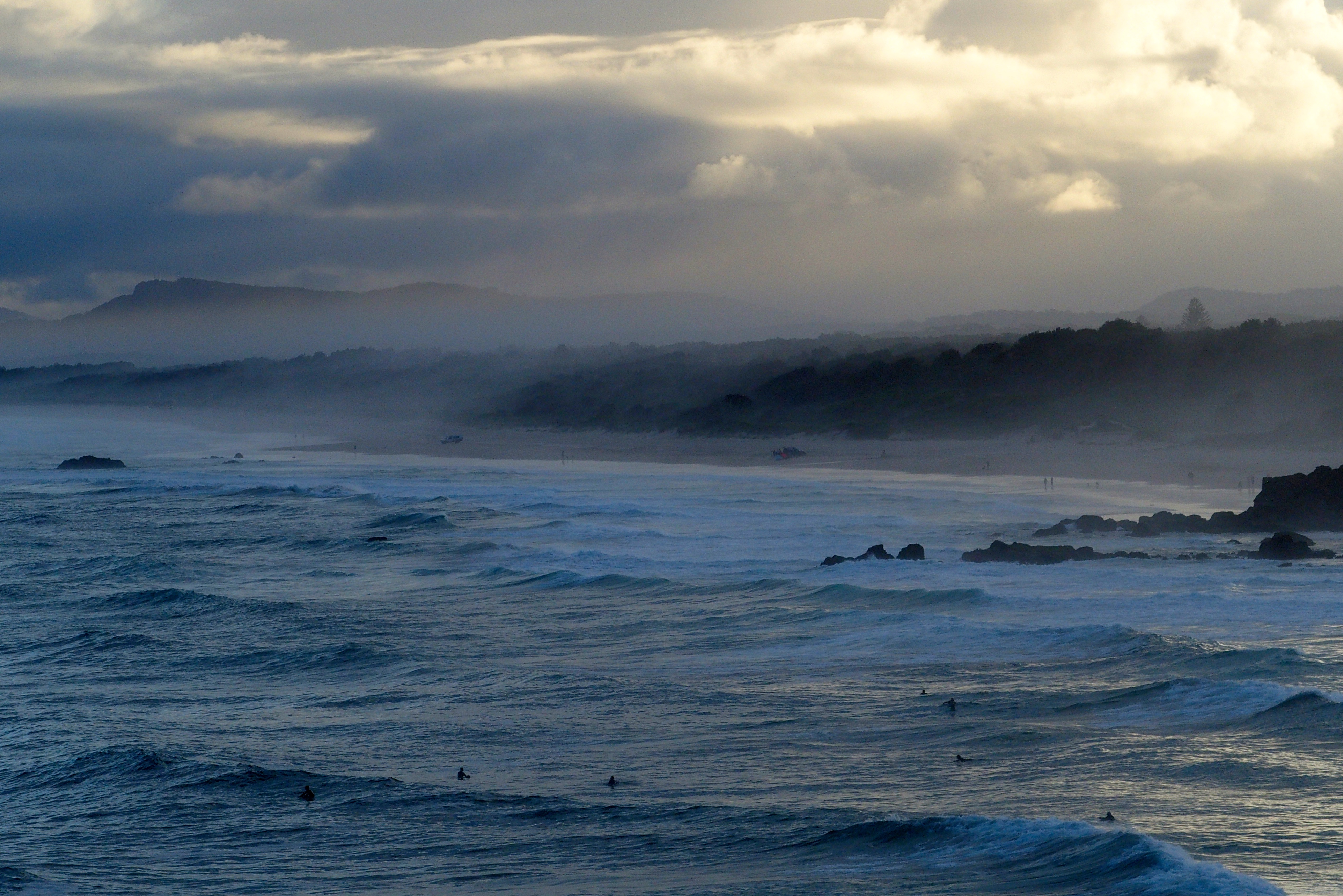
Just south of Port Macquarie, looking south.

OLYMPUS DIGITAL CAMERA

South of Port Macquarie looking north.

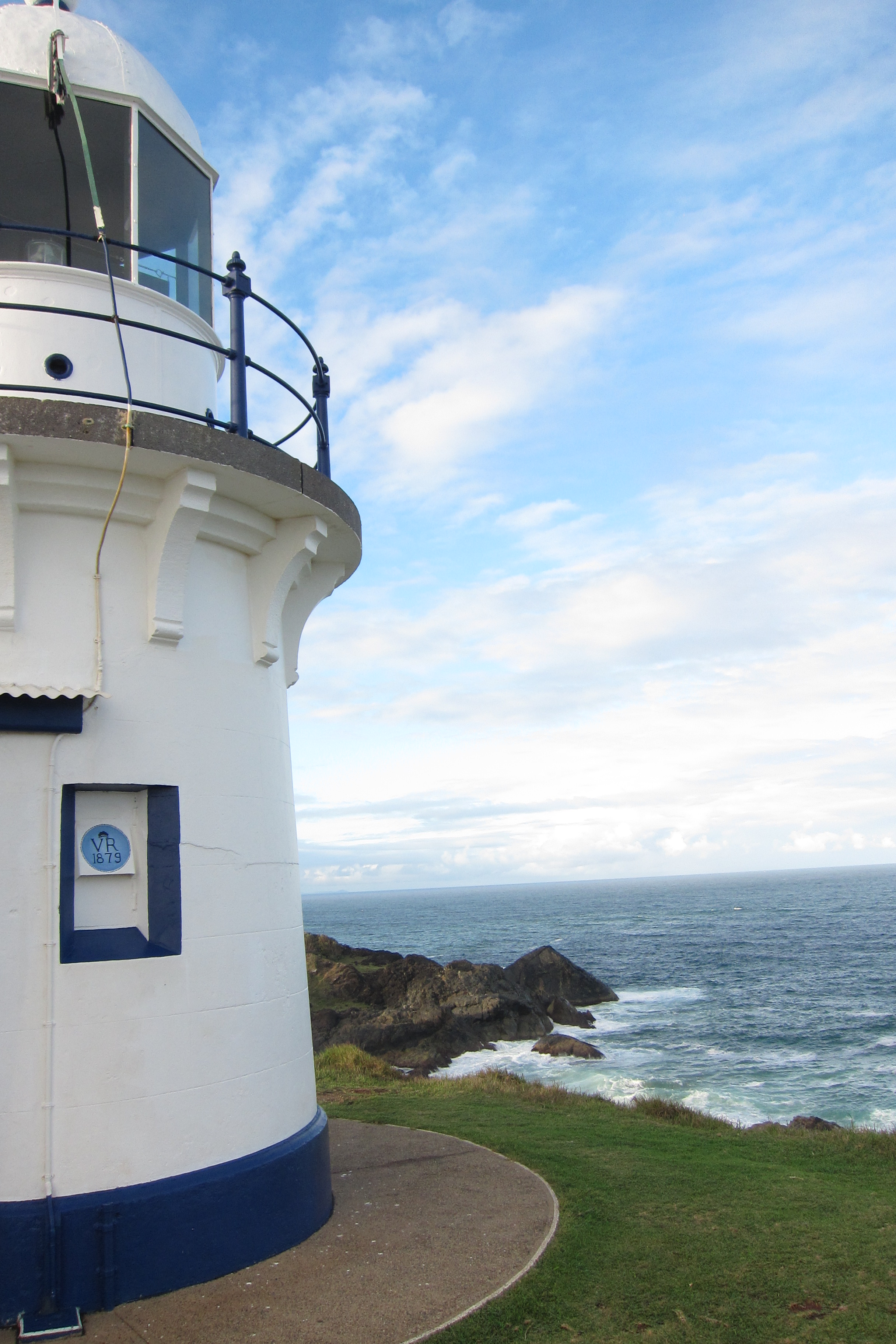
The point south of Port Macquarie had another lighthouse, one of five built in the 1800s after a number of shipwrecks on the rocks.

2015-02-23 017

Tacking Point light, one of the oldest in Australia, built in 1879.

With rough surf and clouds limiting visibility, it’s easy to see why ships need the lighthouses to avoid crashing into the rocky shoreline.

OLYMPUS DIGITAL CAMERA

Looking from Tacking Point lighthouse back to the beach in the photos above. “Weather” moving in.

It grew overcast so we made a stop to do some gardening with U-pick strawberries.

IMG_4350

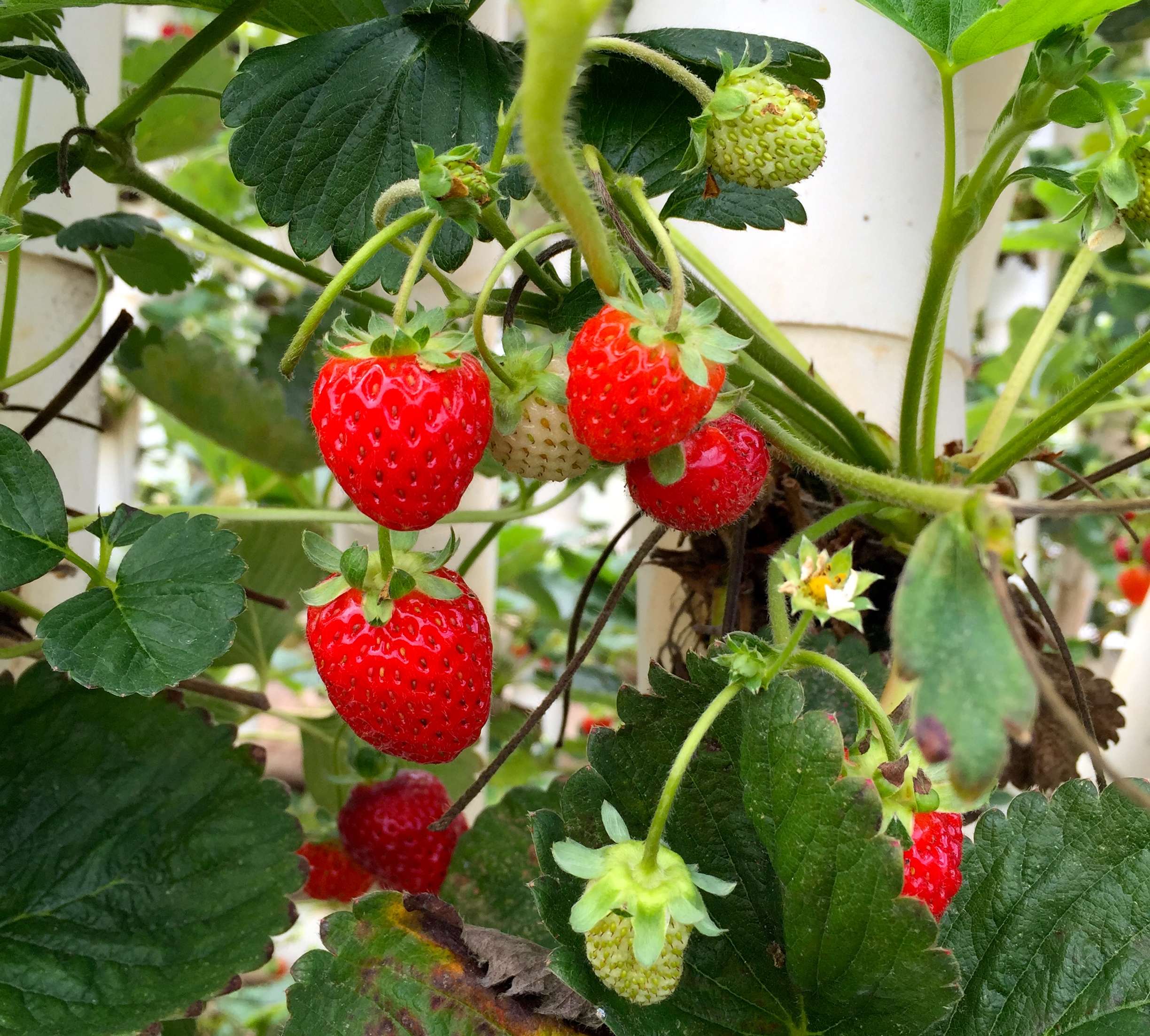
This is like picking strawberries in August. Such a treat! Great flavor.

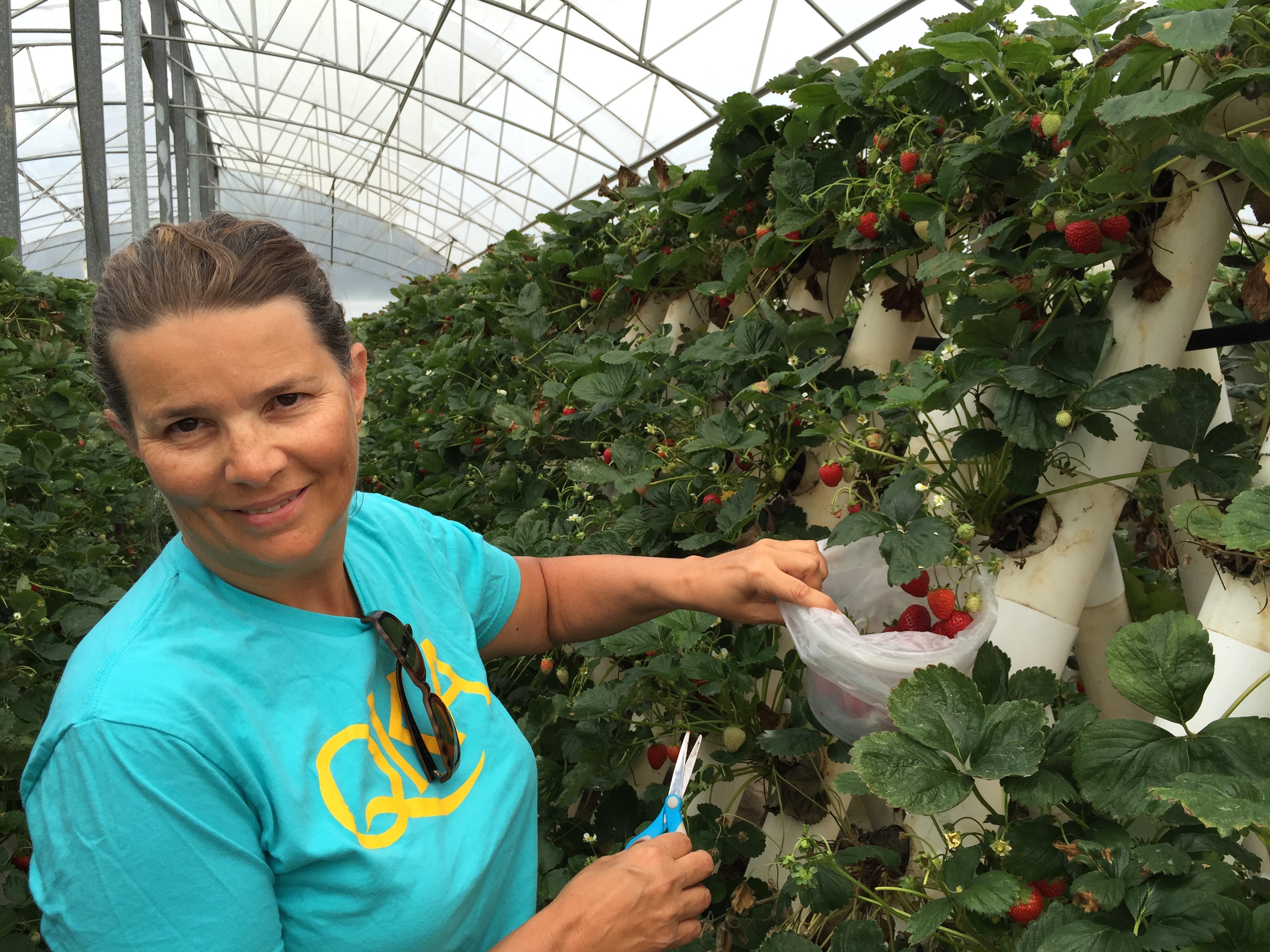
These are from a huge hydroponic farm, Ricardoes, just north of Port Macquarie. Why aren’t there more of these in the US (or just one near Keuka Lake)? It sure beats getting on your knees to pick strawberries from the ground. Lettuce too. And tomatoes.

IMG_4365

So easy to pick a bucketful.

IMG_4366

$1.50 a head. Couldn’t be fresher!

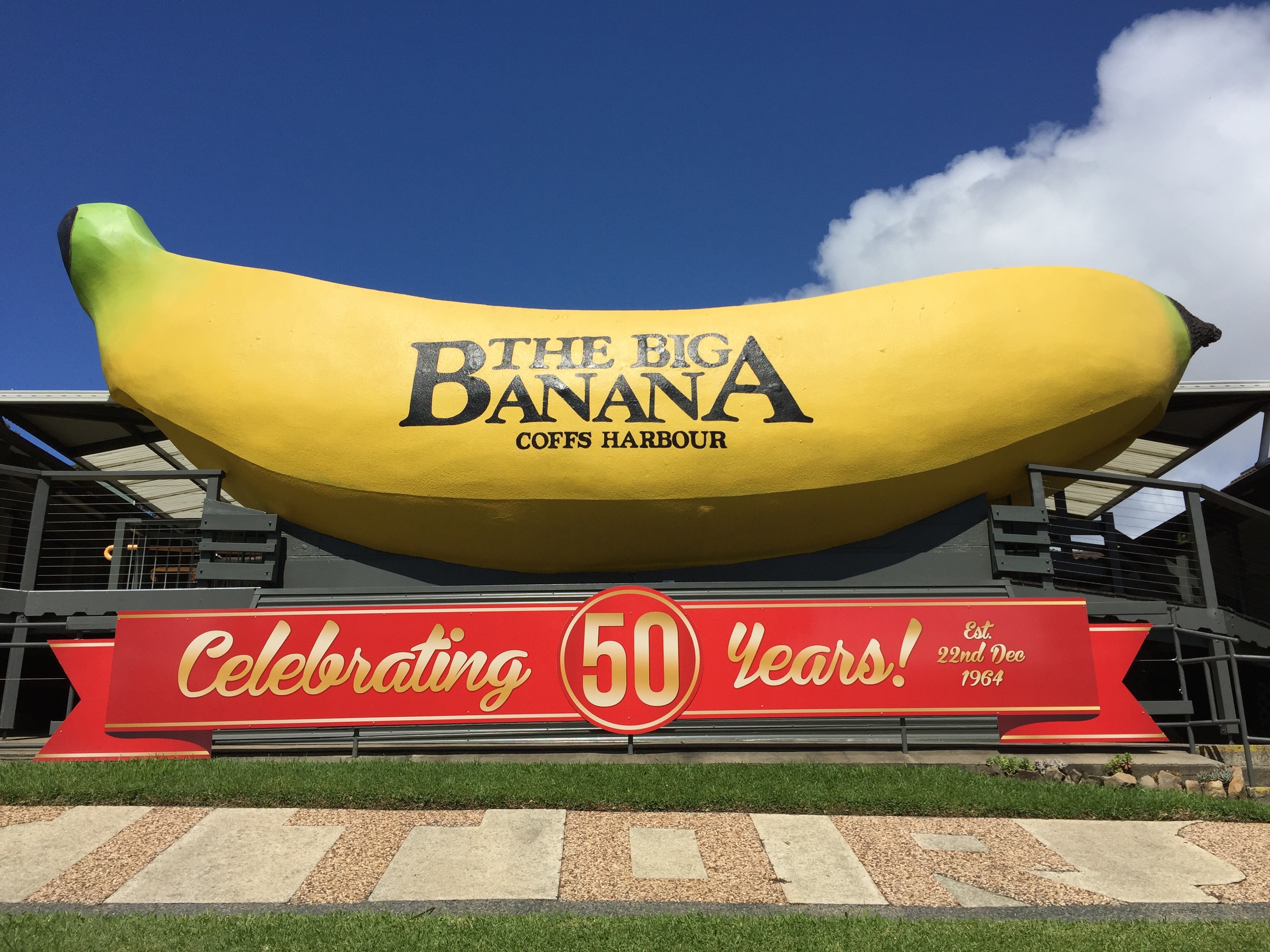
The Big Banana is a roadside icon, located in Coffs Harbour.

IMG_4417

One of the first biggies.

The banana farmer, John Landi, put it up in 1964 to promote his banana business and people loved it. Now it’s a huge draw complete with water park, ice skating, toboggan run, 36-hole mini-golf course, and banana cafe. It’s one of the 150+ “Big Things” that Australians are so proud of. There is even a book about these. Craig Scutt and Scott Forbes traveled across the country to photograph these items. Tough job, but someone had to do it.

2015-02-24 006

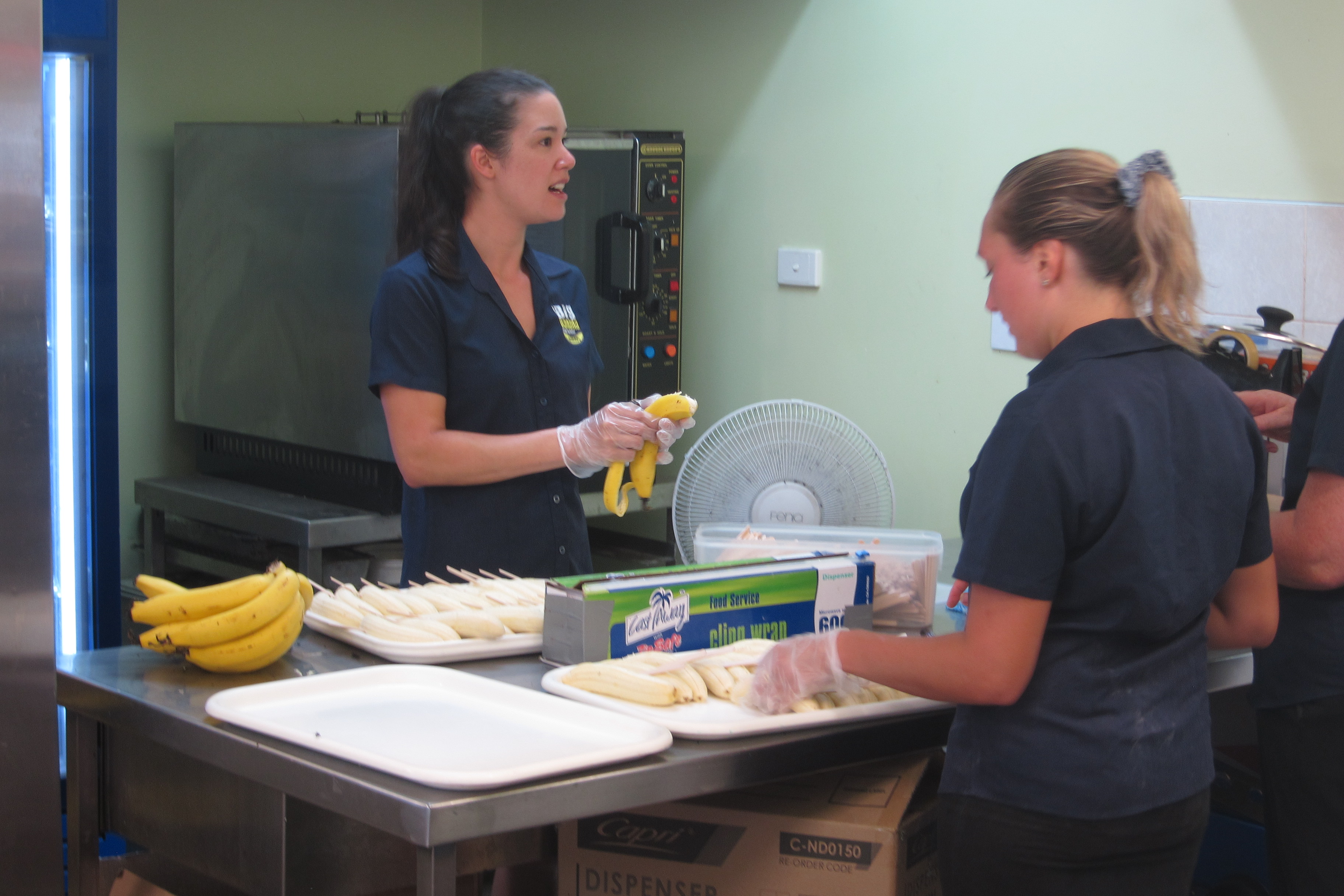
Cafe workers prepping Big Banana frozen banana treats. Imagine doing this for hours a day.

2015-02-24 007

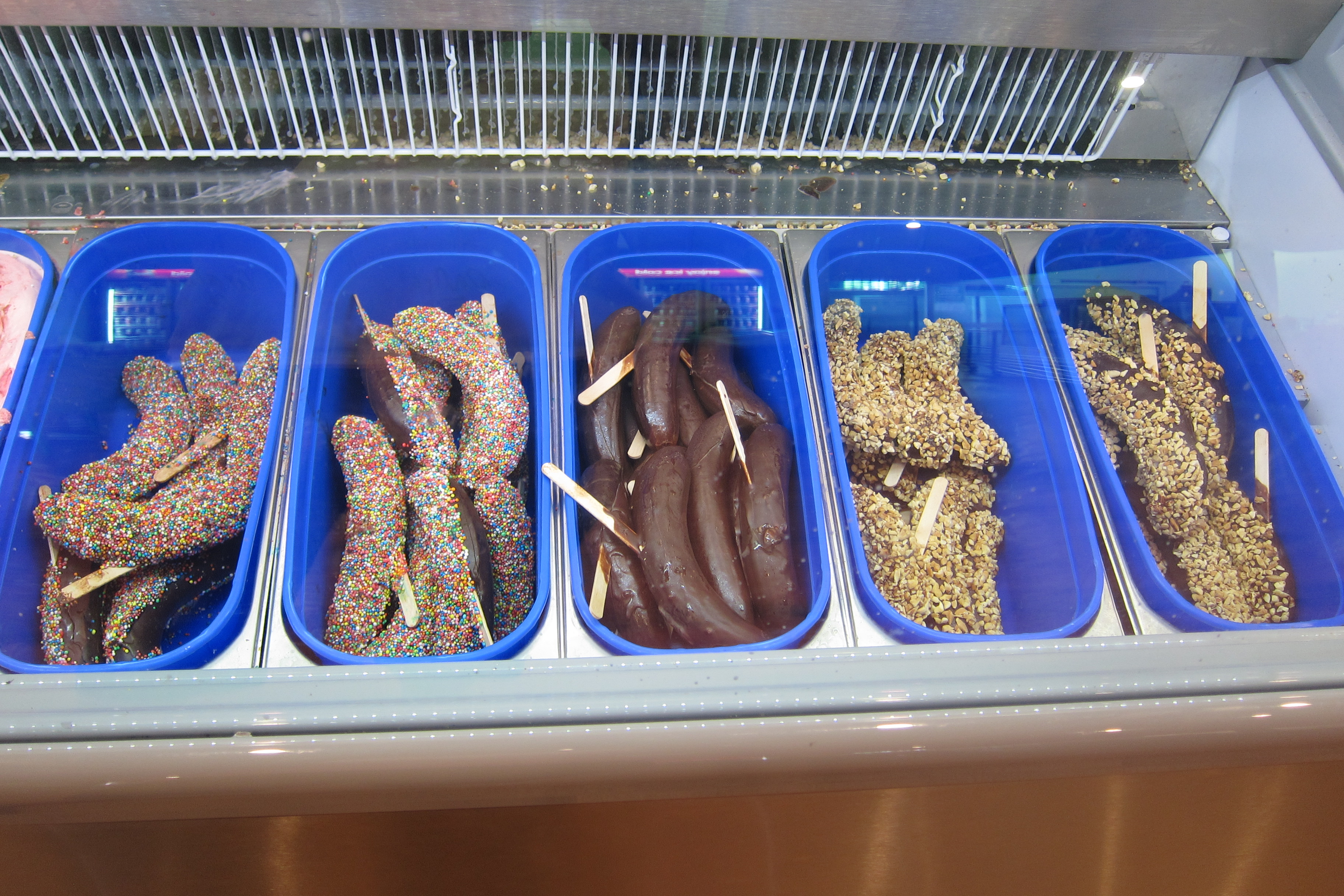
Plain chocolate coated, with sprinkles, with nuts. (We could make these at home.)

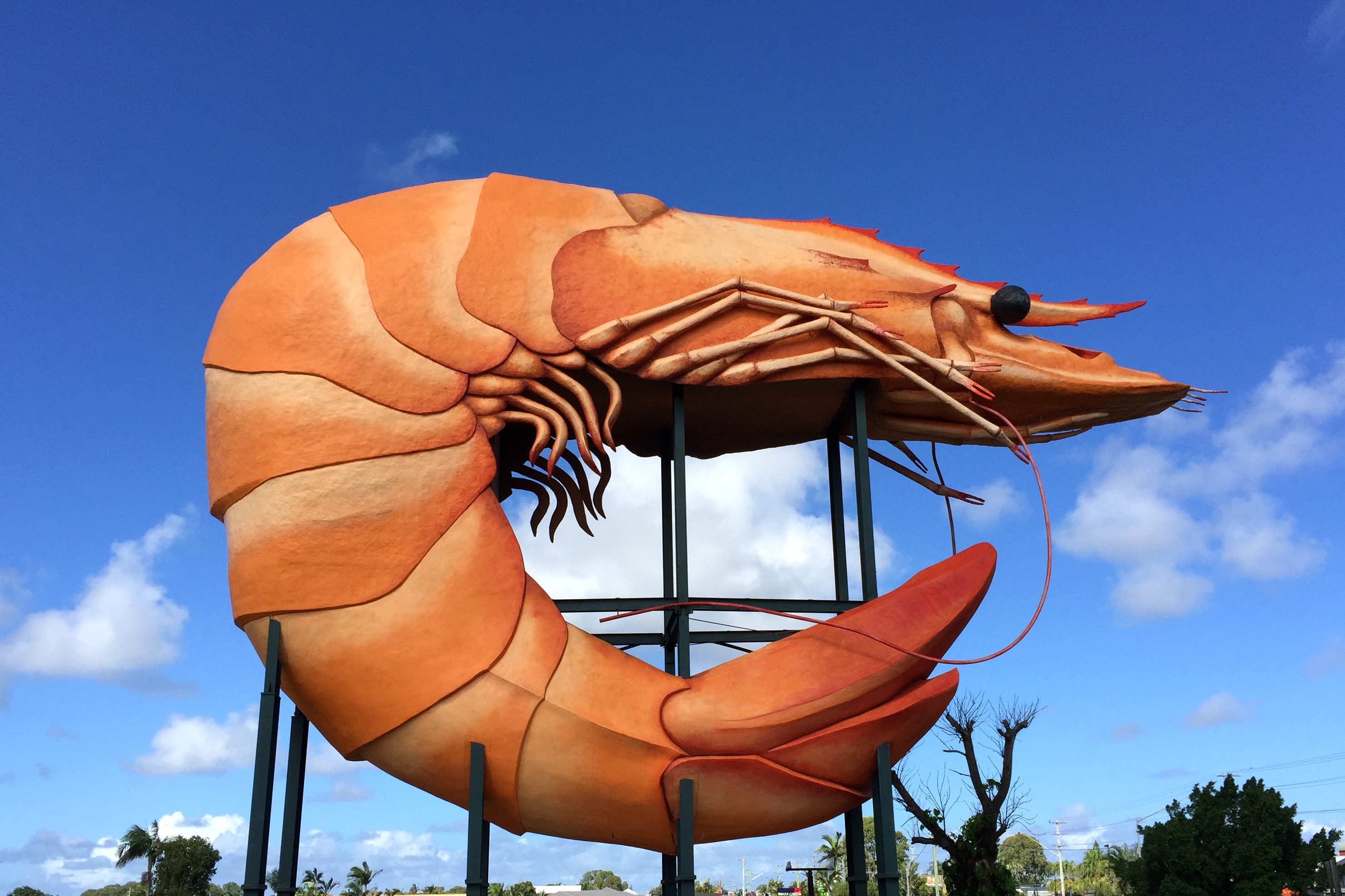
Later we saw the Big Prawn outside Bunnings  Warehouse in Ballina. It was scheduled for demolition in 2009, but Bunnings paid $400,000 to move and renovate it. (Only $300K USD)

IMG_4425

The Big Prawn weighs 38 tons.

Back to the beaches…
OLYMPUS DIGITAL CAMERA

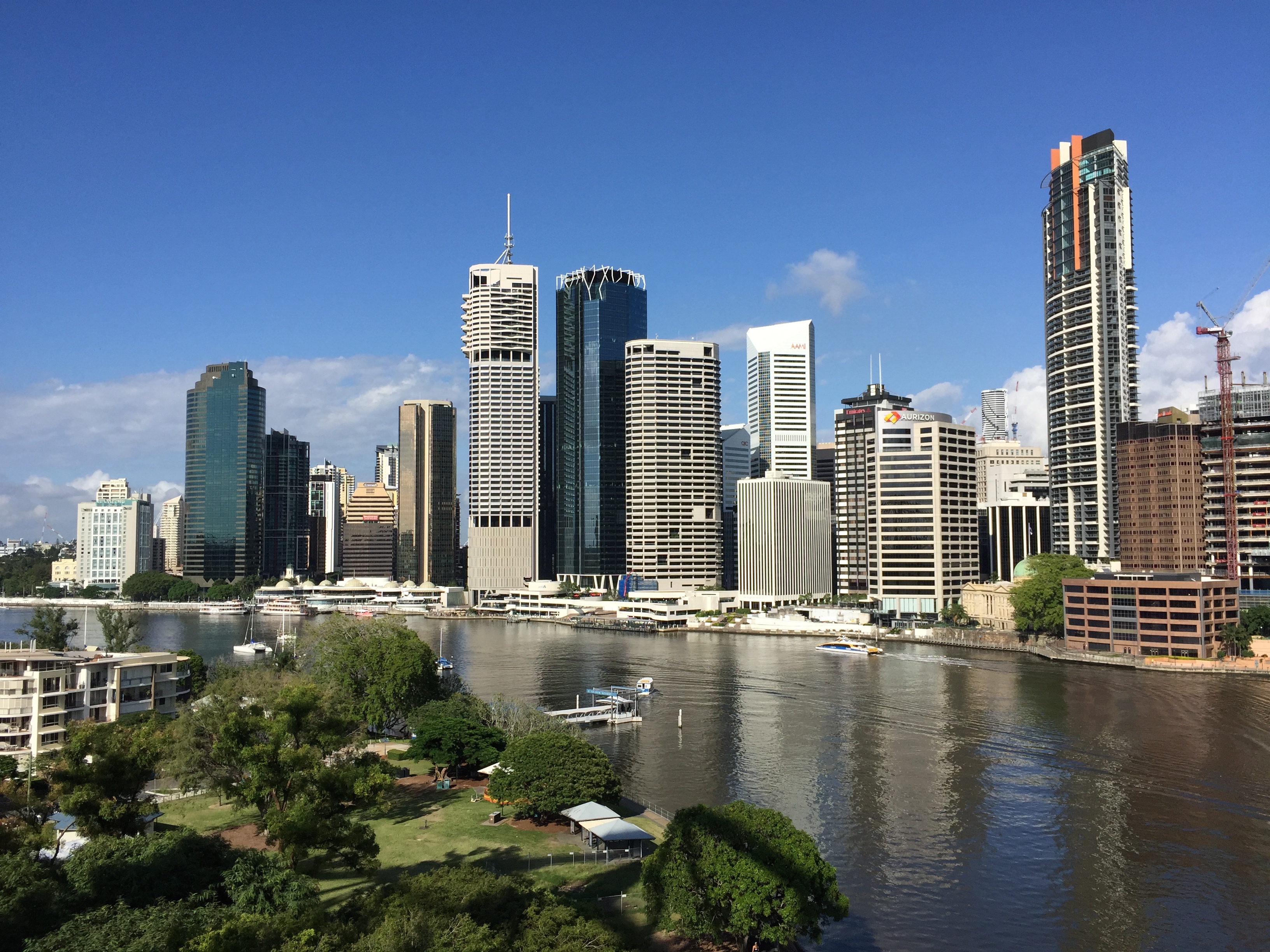
Byron Bay, with water temperature in the high 60s.

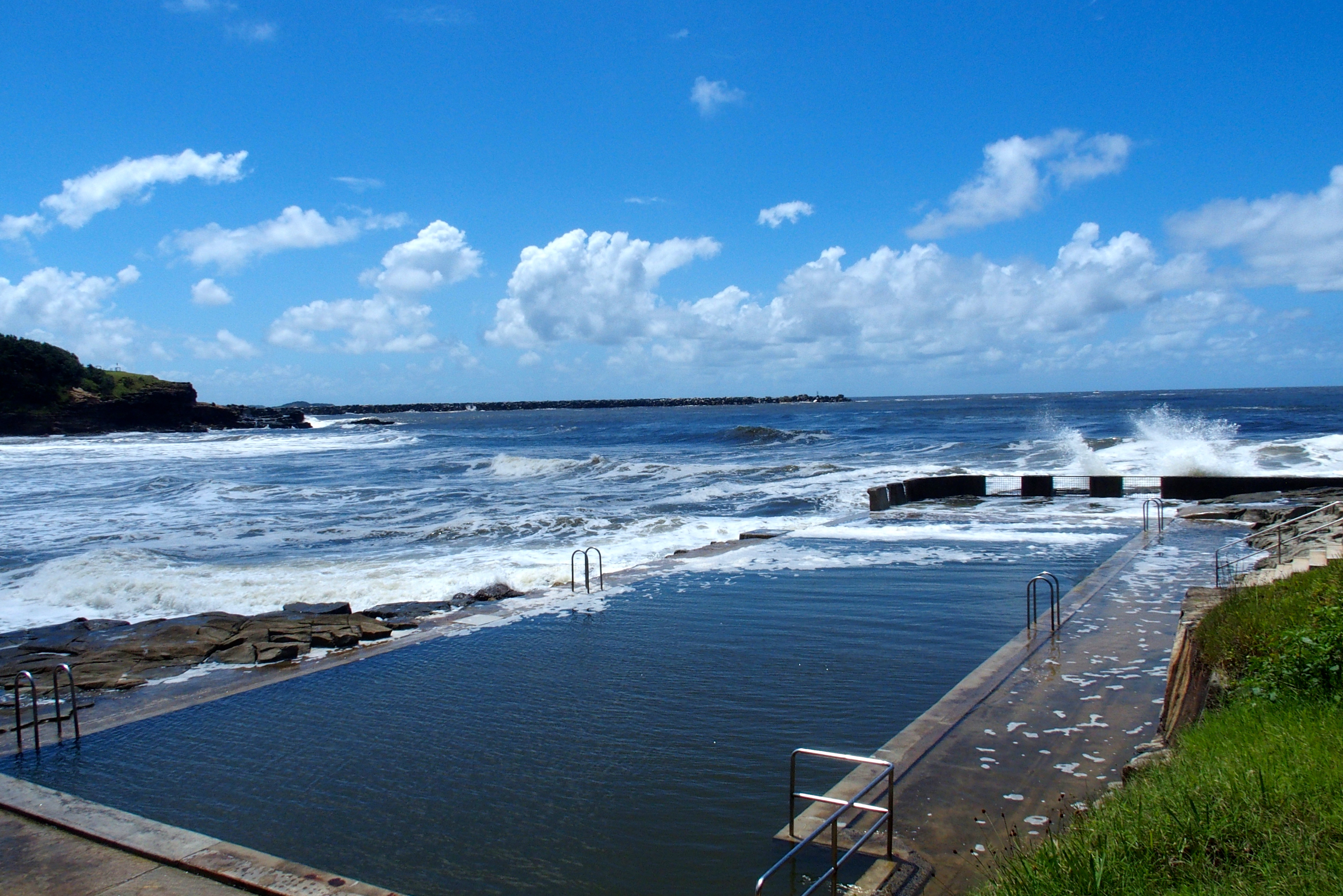
And another one of the oceanside pools we’ve come to love.

OLYMPUS DIGITAL CAMERA

Yamba. Doesn’t it look inviting?

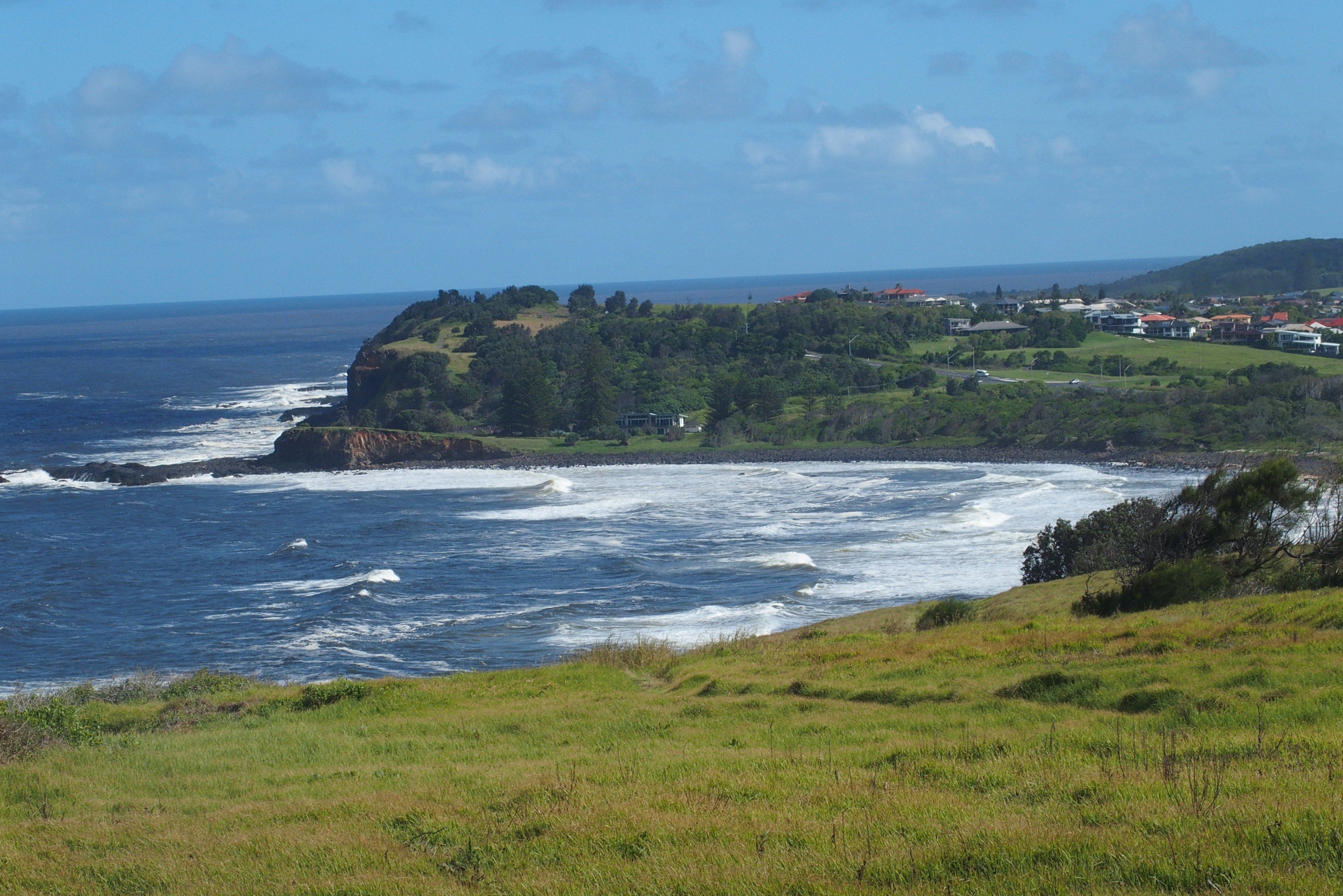
To be honest, we’ve seen so many beaches, it’s hard to keep track of them by name. Our best clue to the location is the timestamp order on the photos.

OLYMPUS DIGITAL CAMERA

Another striking head north of Yamba

On to Surfers Paradise. Yes, there really is a town with that name!


Posted in Travel Journal | Tagged , , , , , | Leave a comment

Brisbane (Visiting my boss!) – February 2015

We were looking forward to seeing Brisbane for several reasons. We’ve been to eastern Australia’s top and bottom before, but never the middle. It’s a glorious city built on the Brisbane River, with bridge crossings providing access to parks and shopping areas.

IMG_4506

Brisbane skyline next to the slow-moving Brisbane River, South Bank Parklands in the foreground.

Brisbane in the Australian state of Queensland uses daylight savings time, so it is one hour behind Sydney in New South Wales. Interestingly, several people told us variations on this: Queensland is one hour…and one hundred years…behind New South Wales. (Sometimes just ten years.) We wondered just what we would see in this “backward” location. Guess what. It’s not backward at all!

IMG_4500

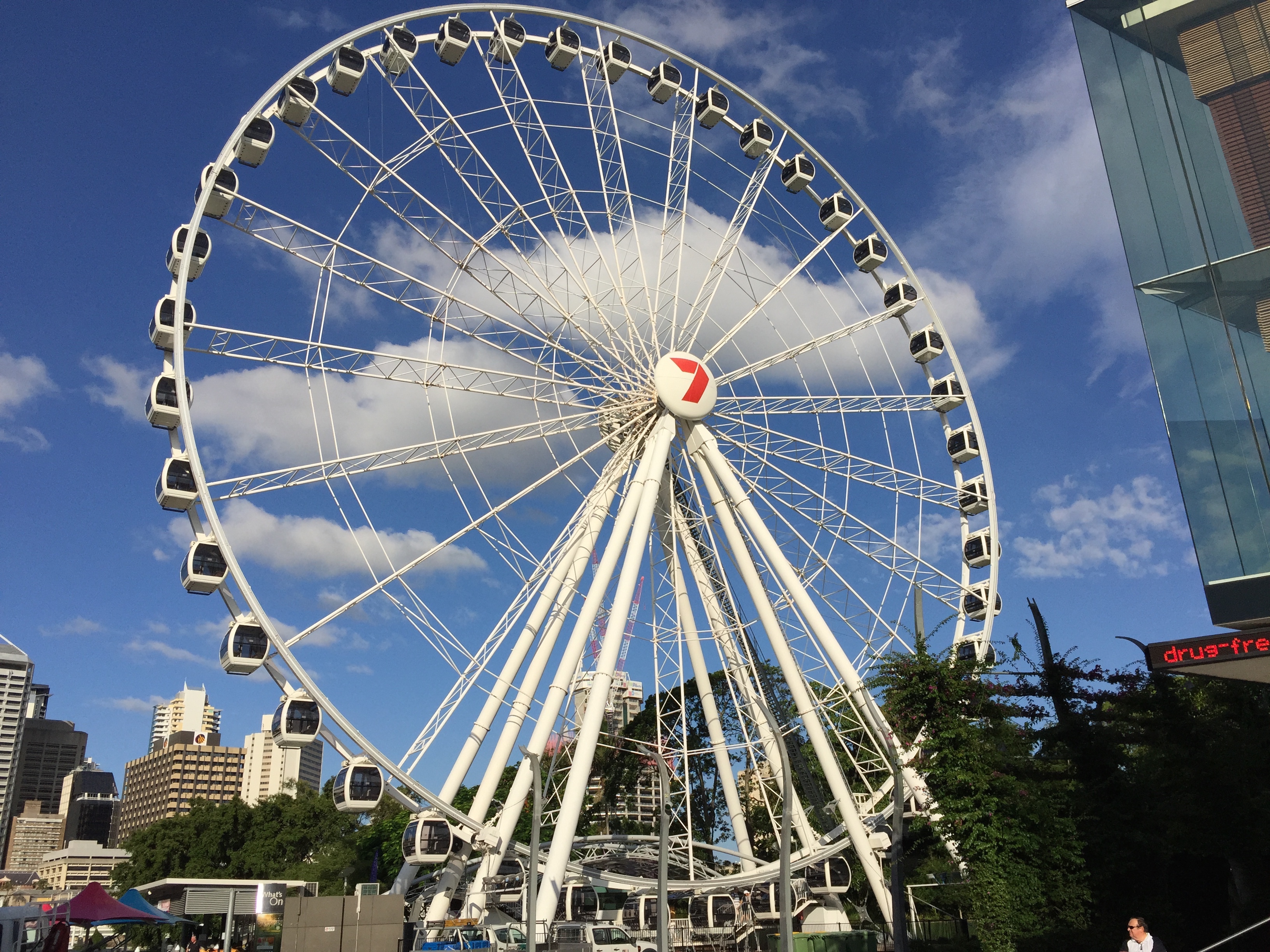
The Wheel of Brisbane, a new highlight along the river, is almost 200 feet tall.

We visited the City Botanic Gardens on the northeast side of the river and then walked across a pedestrian bridge to the South Bank Parklands and back across another bridge to the Queen Street Mall pedestrianized shopping area.  The city is very walkable. It was like visiting one continuous city park, with beautiful trees and flowers, peaceful walks and nice river views.

IMG_4484

Great color on and great shade under this colvillea tree in Brisbane’s City Botanic Gardens.

This Botanic Gardens was planted by convicts in 1825 with food crops to feed the prisoners. No prisoners any more. (Brisbane has another Botanic Gardens farther out of the city.) This part of the city is about a half-hour drive from the ocean, but South Bank has Streets Beach, a huge man-made chlorinated lagoon with sandy beaches.  It’s quite large and warmer than the ocean, with no riptides. Wish we had brought our suits!

IMG_4486

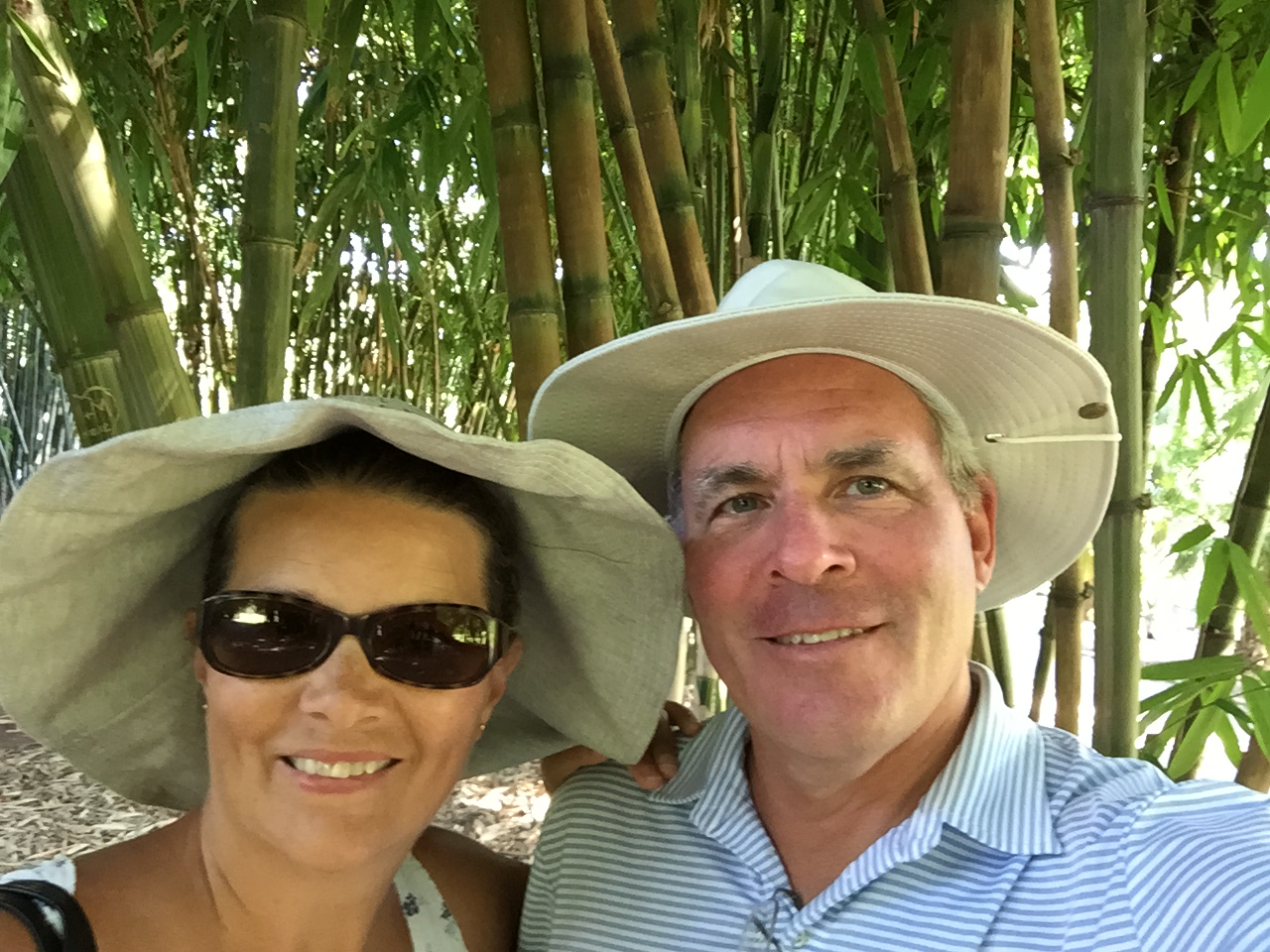
Are we looking like Aussies yet in our wide-brimmed hats in front of the gardens’ bamboo?

We spent just one day in Brisbane on our way north to Noosa and will return later to visit one of the city’s main attractions, the Lone Pine Koala Sanctuary. Spoiler alert: It has much more than koalas.

One of the big activities we were excited about in Brisbane was visiting the folks at Toursim Media, one of Nancy’s Elance employers. For those who haven’t yet heard my enthusiastic proselytizing about doing freelance work, here it is in brief: Two years ago I was hired through Elance by Matt, someone I’d never met or spoken with, to edit travel materials from around the world, often places I haven’t yet been. Over time I started writing some of the articles too. Now I have contributed in one way or another to nearly 1,000 articles about places across the globe. Now I just need to visit all these places!

Working with the Tourism Media people “on the other side of the world” is a blast! They’re fantastic people, although we’ve never met. We hadn’t even shared photos, so I wondered what my online friends and coworkers would be like in person. I found out…
OLYMPUS DIGITAL CAMERA

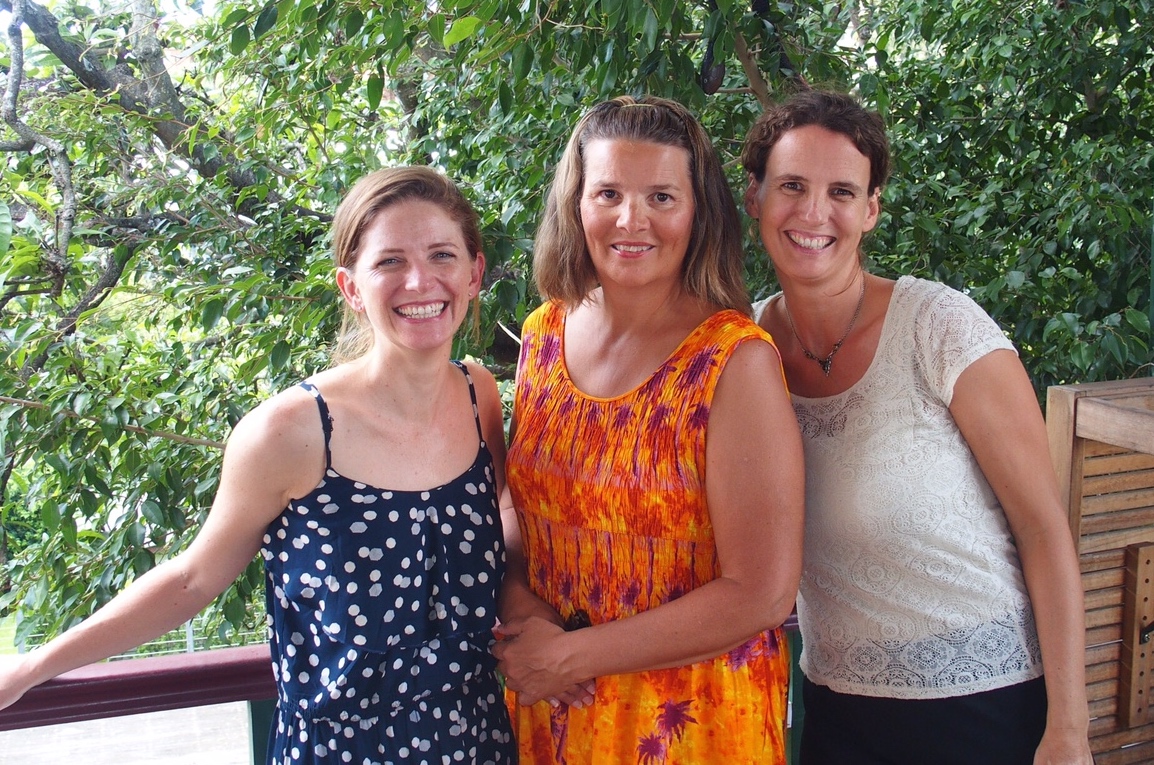
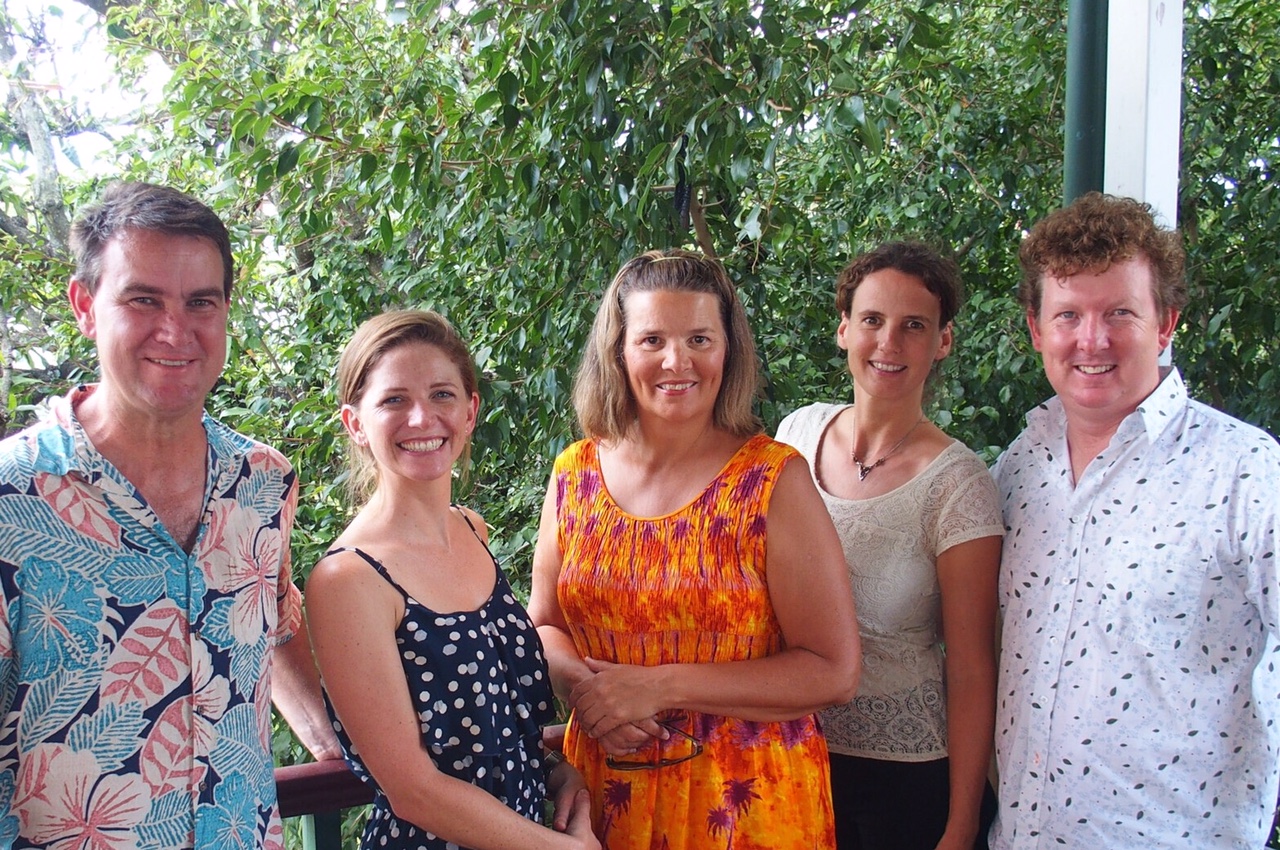
Francene, Nancy, and Barb – a chunk of the writing team, face to face

The folks at Tourism Media create beautiful travel materials for popular destinations. Among other things, they create video travel guides for Expedia. Search for “youtube city name” and it’s highly likely one of Tourism Media’s 100+ Expedia travel videos will be the first item in your search. For example, look at their Sydney Travel Guide to get a better sense of what we experienced during our visit.

The written travel guides are the area Nancy contributes to. My Noosaville travel guide will be available shortly, as soon as Francene approves it. This is one that I finally wrote “on location”! I was able to incorporate insider information to look for kookaburras in a specific gum tree.

OLYMPUS DIGITAL CAMERA

Jamie, our airbnb host, said we’d find a kookaburra at Laguna Lookout in Noosaville, and we did. More on this later.


The Tourism Media team was kind enough to invite us to join them for their regular Friday cookout. (They also do Monday and Wednesday cookouts. Nice!) We had a tour of their topnotch multimedia facilities and met the whole team, that is, the part of the team located in Brisbane. More folks like me are scattered around the world contributing to the global efforts. Michael even got in the act here in the write-up that Kathy created for the  Tourism Media blog using some of the photos from our Finger Lakes to Lavender Fields blog.

A great time was had by all. As Kathy notes, we loved the mango and macadamia nut salad. (Recipe is on the TM blog link above and soon to appear as a regular menu item at Keuka Lake.) It was truly fantastic to finally match friendly faces with the names I see “at work” every day.

OLYMPUS DIGITAL CAMERA

Nick (left) and Matt (right) created Tourism Media about 20 years ago and maintain the small-company culture in their business, now a leading global force in the travel publication field.

By the way, Nick met us at the door barefoot. That’s our kind of job!

With technology expertise, global integration, and appreciation for a happy workforce, it  sounds like at least this group of Queenslanders may be ahead of the rest of us in their innovative thinking! (Take that, New South Wales people!)

Posted in Smell the Roses, Travel Journal | Tagged , , , , | 1 Comment

What’s hopping? 1950 to 2015

Here in Australia it’s the kangaroos and wallabies that are hopping, also tiny little feathertail possums that are less than 3 inches long but can hop or glide up to 75 feet. They were too fast for photos, but we did get our first wallaby image.

2015-03-12 032

A wallaby, not a kangaroo. They’re both marsupial macropods.

The hopping we’re talking about, however, relates to the hops plant rather than any animal.  Earlier in our travels, we ran across a huge hops industry in Yakima Washington (75% of U.S. crop, and U.S. is close to being the highest hops producer in the world). By the time we arrived in October, the vines were already down and the hop flowers harvested. They were drying in the oest house before being shipped out to make all that hoppy craft beer that everyone loves.

IMG_4523

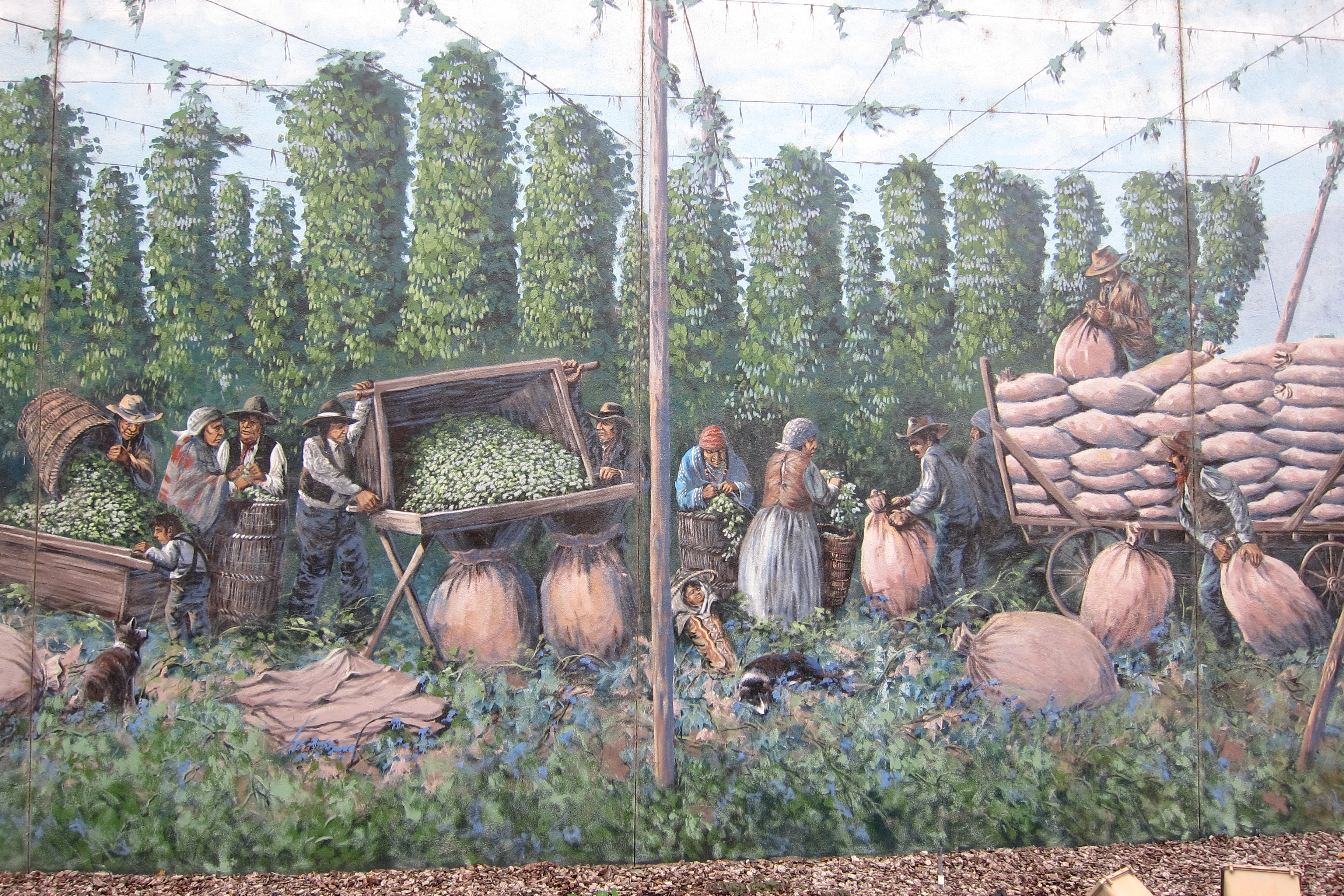
The hops harvest in a mural from Toppenish Washington

When we arrived in New Zealand in late January, we were in the middle of summer. (It’s the Southern Hemisphere, so everything is upside down, right?) And now we found hops still on the vine, or rather bine, as the growth up the long wire is known.

OLYMPUS DIGITAL CAMERA

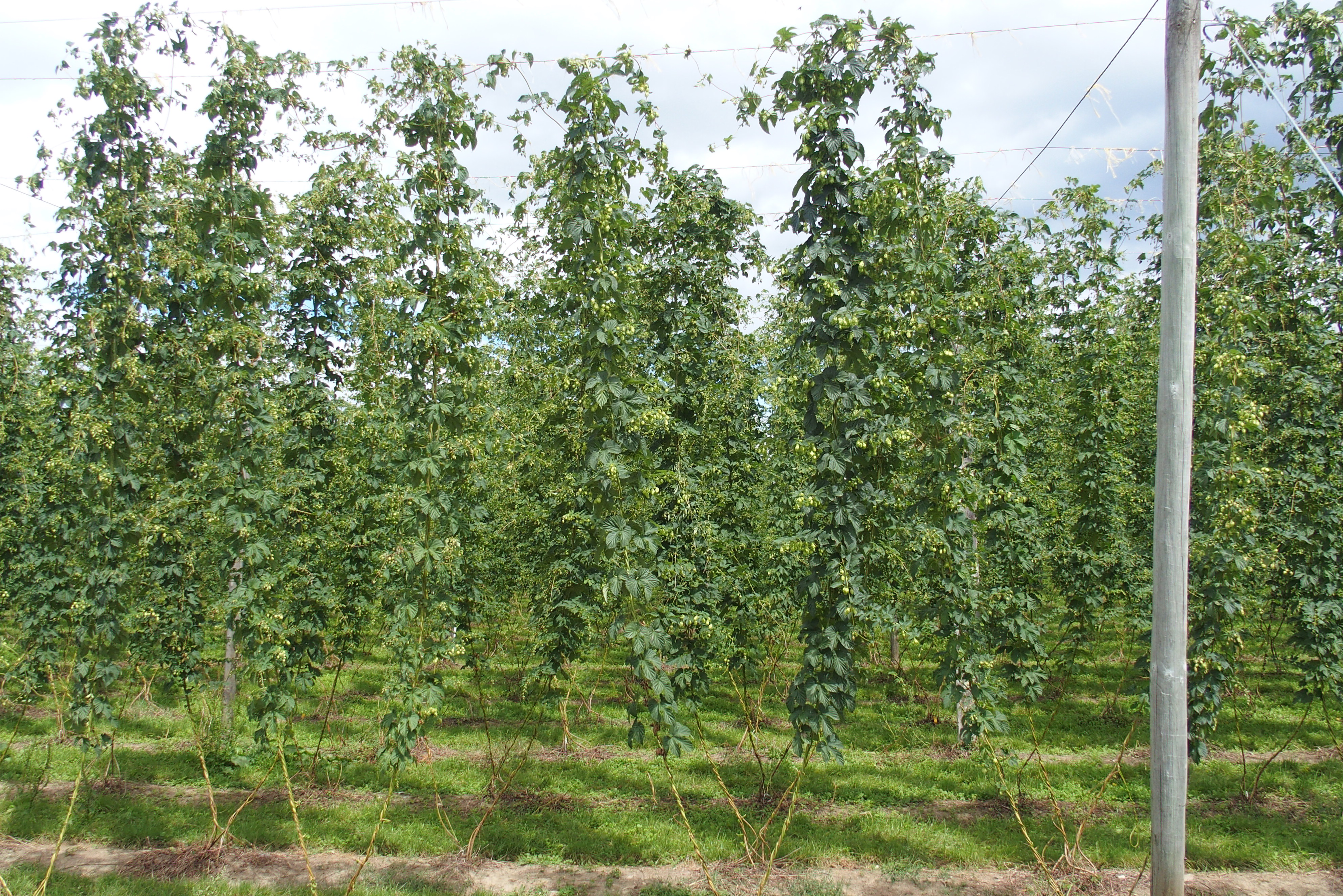
Hops on the 20-foot-tall bine in the western part of New Zealand’s South Island.

Harvesting hops involves removing the small flowers, the only usable part of the plant. They’re taken to a hop house to dry before being ready for shipment or processing.

OLYMPUS DIGITAL CAMERA

Only the female plants, which produce these hop flowers, are retained. The flowers or cones are used to give beer the rich (bitter!) hoppy flavor.

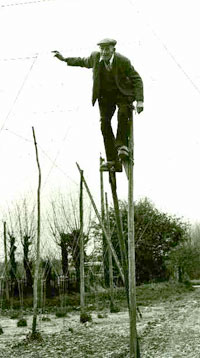
Modern hops are generally harvested with machines. But it wasn’t always that way. Even though a hops separator was invented in the early 1900s, hand harvesting continued for many years. In fact, in the 1940s and 1950s, some work was done by men on stilts reaching out at great heights to string the wires to support the bines.

man-on-stilts

Hopping from heights.

How do we know this? Jamie Baker told us so. He was in a hopping family in the 1950s. His family lived in London at the time and his mother and siblings made an annual working holiday trip to Kent to harvest hops. Many of his neighbors did the same. This was partly to get out of London, which was very dirty at the time, primarily from burning coal. They also made the trip to earn a little extra money.

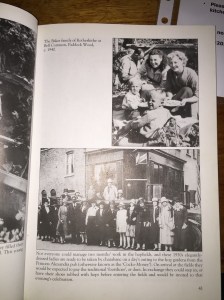
IMG_4608

Jamie is the small blond boy on the left in the middle of the top photo. ~1953

They often lived in temporary huts and worked the full day in the fields. Then the moms would have to attend to household (huthold?) chores in the evening. Earnings were based on number of baskets harvested and the baskets were inspected to see that no rocks or other plant material was hidden under the hop cones at the top. Even though the work could be tedious and the days were often hot and long, the families so enjoyed these summer holidays that they returned year after year. It was a great opportunity to socialize and enjoy fresh country air. For kids, it was picking a little and playing a great deal.

The book above captures photos of smiling families on their hops “vacations” to Kent, about 40 miles southeast of London. W. Somerset Maugham described hopping holidays in Of Human Bondage:

“The sojourn in the fields gave them a new strength; it was like a magic ceremony by which they renewed their youth and the power of their limbs and the sweetness of their spirit.”

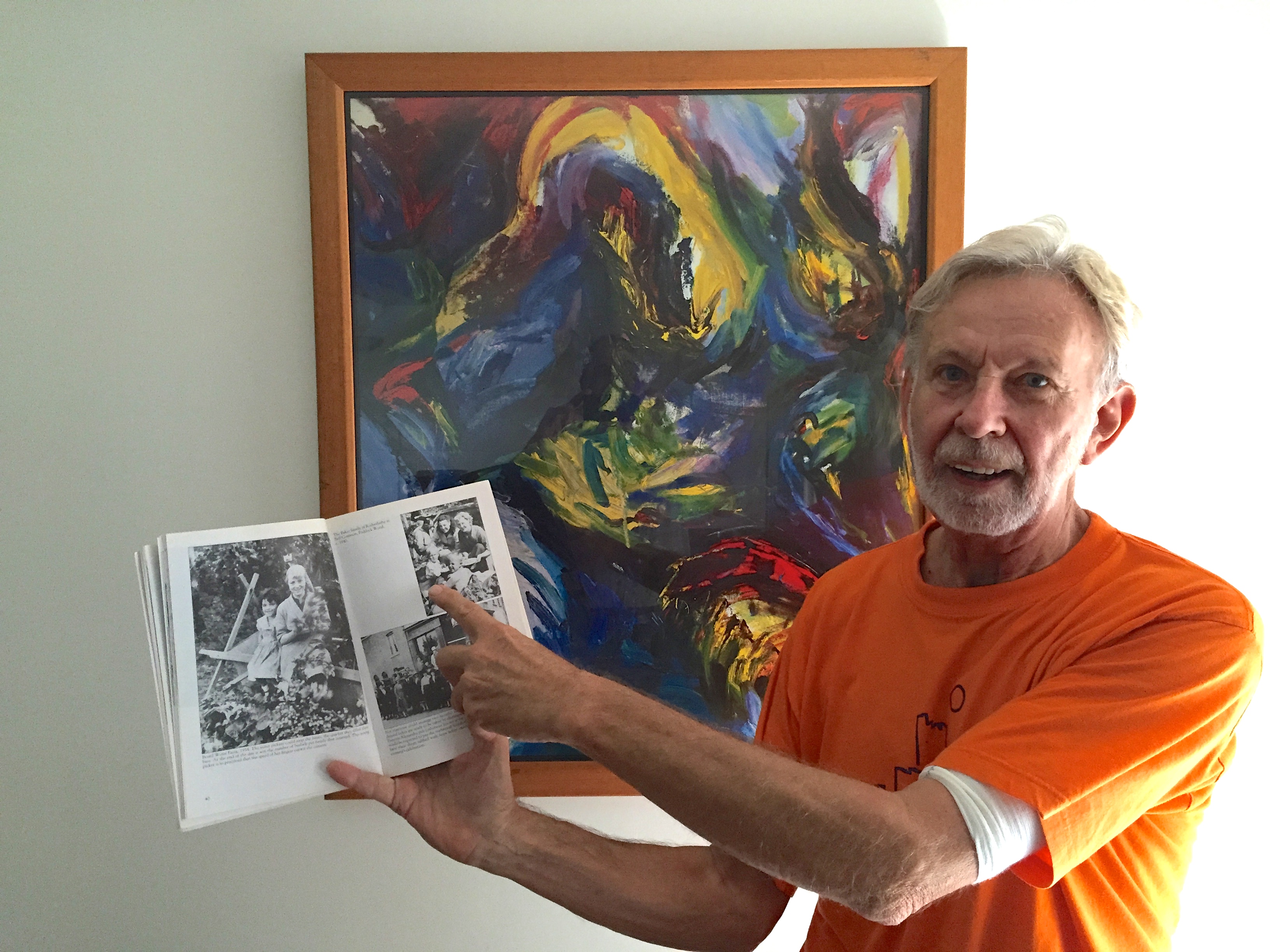
IMG_4610

This is Jamie now. He remembers that the hops earnings often went to new boots. Without the hops, no new boots.

So after seeing samples of hops in Washington and around the world in New Zealand, and after tasting lots of the resulting product along the way, we’re in Noosaville, Australia meeting a former Londoner with first-hand hops experience. Jamie and Judie were our hosts at a delightful airbnb in Noosaville. We thoroughly enjoyed our time and appreciate their hospitality.

IMG_4612

Jamie and Judie, with renewed youth and sweetness of spirit.

And of course, hopping into their pool was a lovey added bonus.

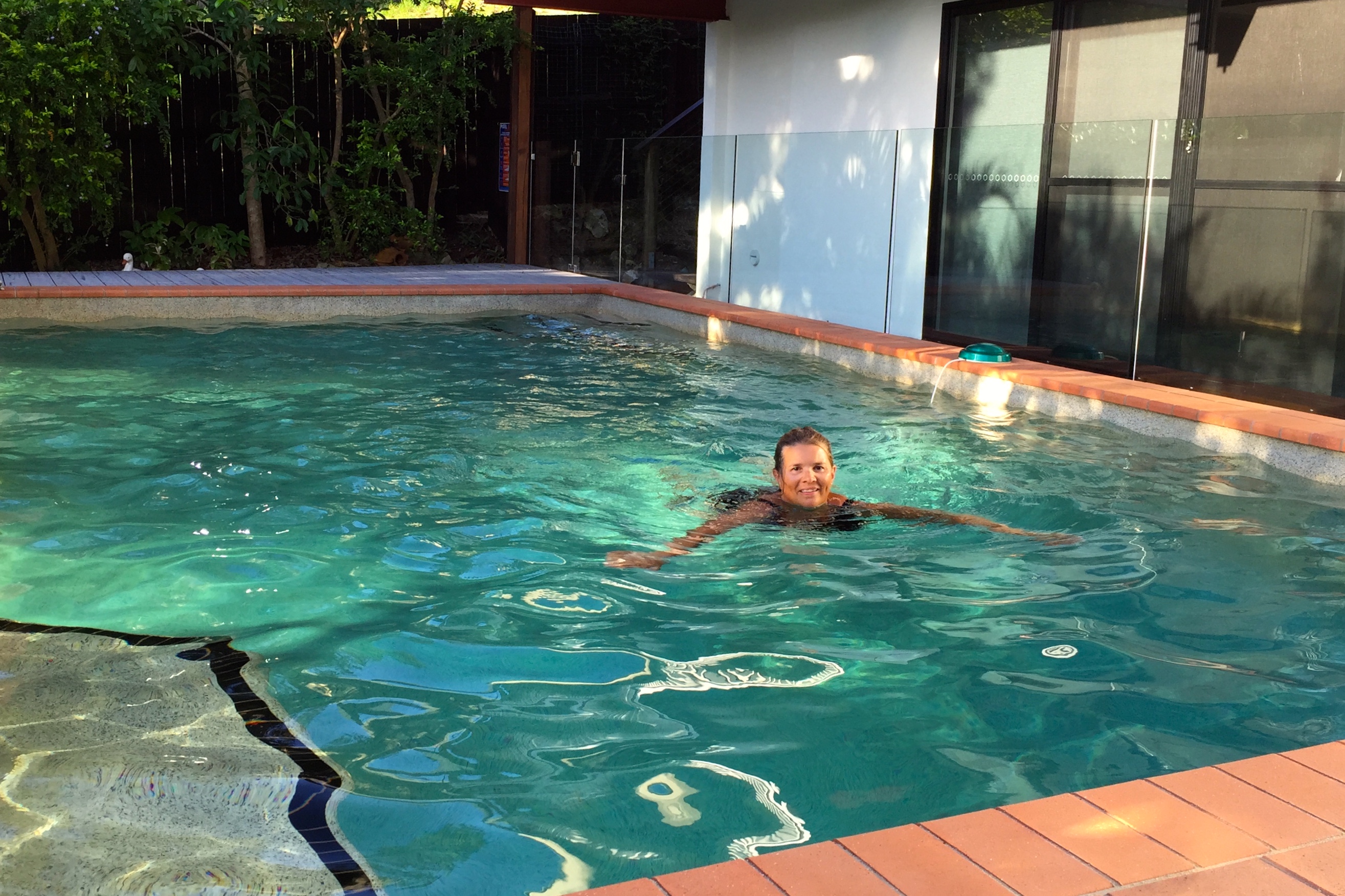
IMG_4559

Triathlon training. 94 laps, each one heavenly.


P.S. After reading the post, Jamie gave me info on the guy on stilts (I’ve corrected above) and sent some interesting additional information:

As children we all looked forward to going down there, it was a lot of fun. Sure we also picked plenty of hops from the bines, but before lunch and also before dinner (or tea time) it was our job to go and find enough ‘faggots’ (twigs and small branches) to get the fire going in order to cook and boil a large kettle (large old saucepan with lid and hanging type handle.) Our grandfather used to drive us down there in his Standard Vanguard, (he would trade it in for a new one every two years, always the same type of car,) then come to bring us back when the season was over. The two women in that photo with my cousin Ronnie and I, were his youngest sisters, both actually great aunts to me, the one on the left is still alive and still very much in possession of all her faculties at 95 years old. The other was Ron’s mother she passed away in the late sixties of ‘yellow fever’, I never did find out what that was, Ronnie now lives in the SW of France. By the way to my knowledge the fellas on stilts never picked the hops from the top, their main job was to firstly attach the cords the top of the frame and get them down at the end of the season, they also used to cover a lot of the bines with netting before the advent of bad weather.

Posted in Smell the Roses | Tagged , , , , , , , | Leave a comment

Australia Animalia – February 2015

Our first Australian animal sighting was a bird, an ibis. Since this one was new to us after seeing scarlet ibises in the US, we chased the birds through Sydney’s Royal Botanic Park to get pictures. Meanwhile, when we asked the locals what they were, one lady said, “Oh, they’re just pists” (rhymes with fists). It took a minute to realize she was saying they were “pests.” We should have remembered that earlier a waitress had said, “Have this one; it’s bitter.” Of course she was saying it was “better.” The Australian accent is such a treat.

OLYMPUS DIGITAL CAMERA

We watched an ibis standing on top of a full trash can and reaching to pull a French fry out with his long beak. He was surrounded by seagulls. Before he could eat the fry, the gulls would swoop in and take it away.

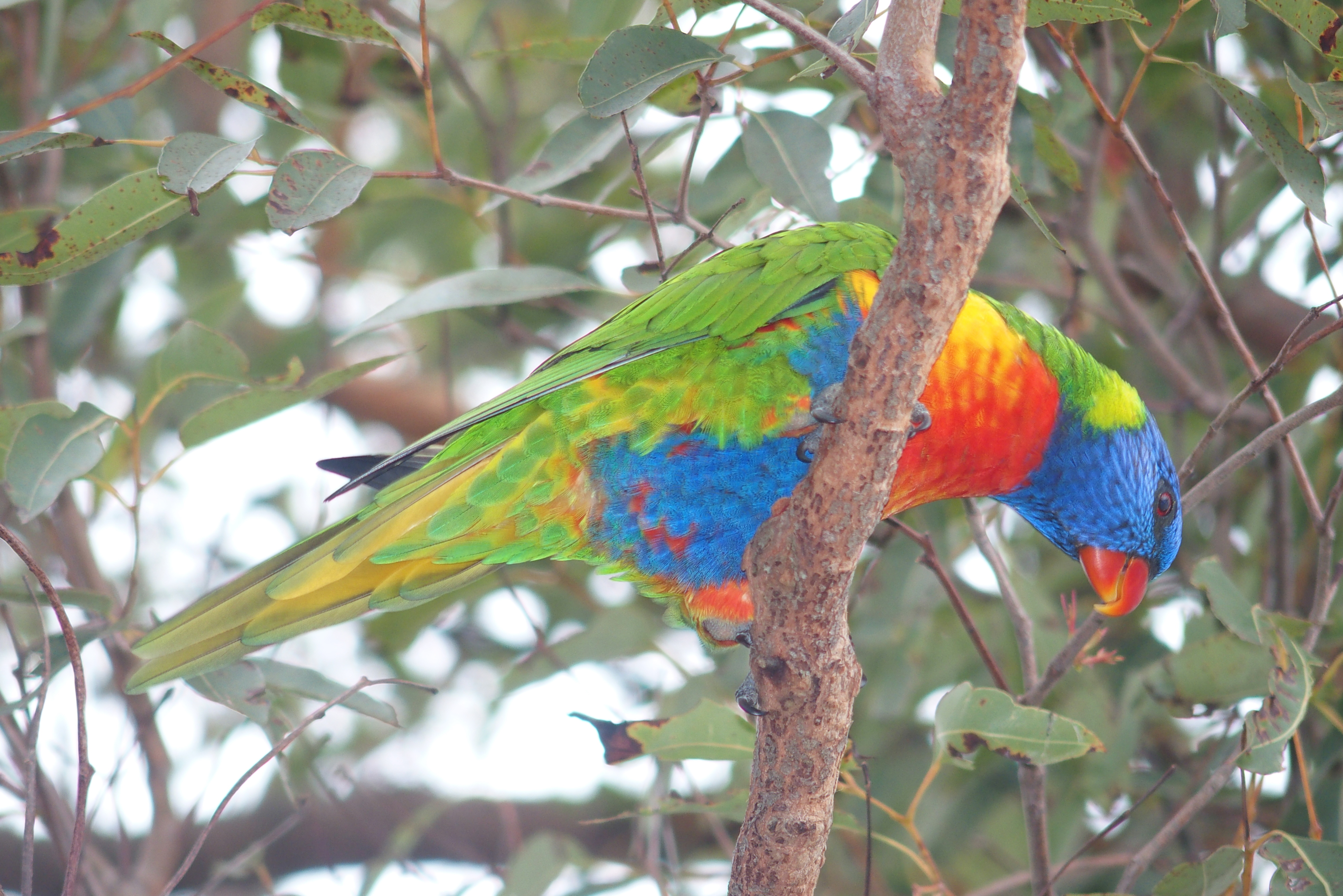
Up in a tree in the Rocks area of Sydney we saw a colorful bird  that we thought was a lone escaped parrot. He grabbed a sugar packet from a tabletop and took it to a tree branch to eat it. When he finished, he flew back for another one. We found out it’s a rainbow lorikeet, very common in this part of Australia.

OLYMPUS DIGITAL CAMERA

One evening hundreds of these lorikeets roosted in a single tree next to the Noosa River.

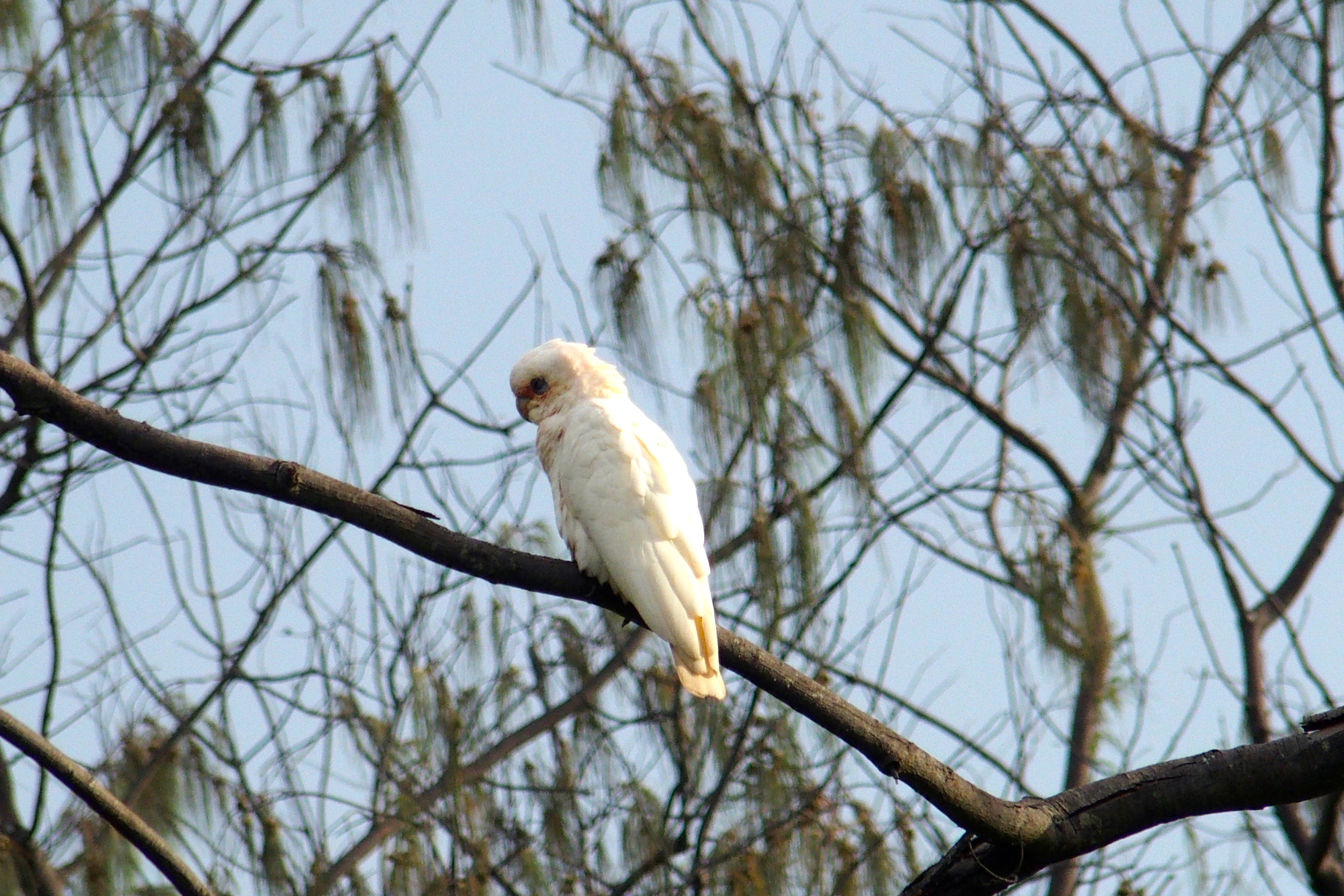
Not as colorful, but much louder, are the screeching, swooping little corellas. They look a lot like sulphur-crested cockatoos, but don’t have the yellow crown.

OLYMPUS DIGITAL CAMERA

It looks so peaceful here, but this little corella is a screamer!

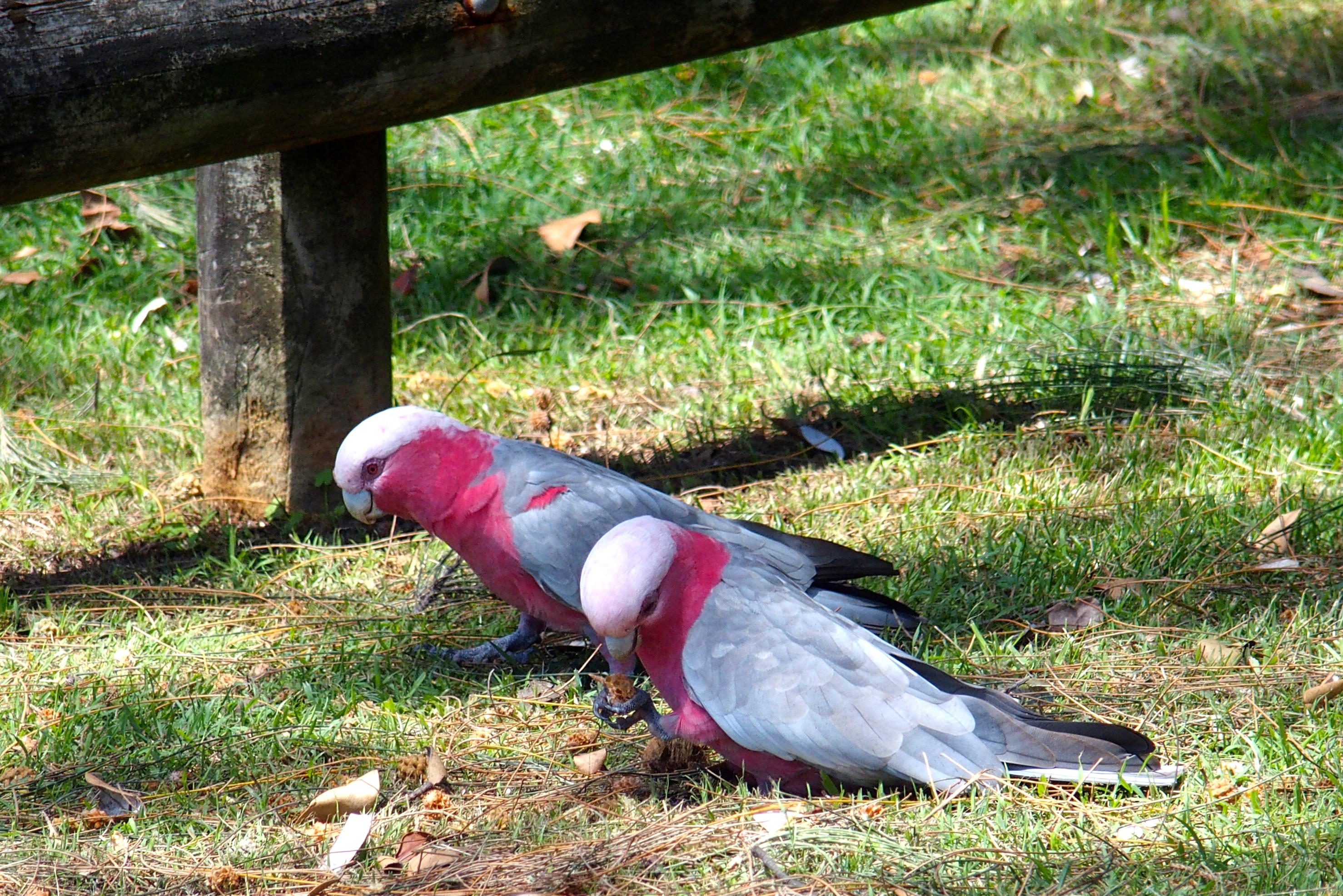
And another parrot variety, a galah or rose-crested cockatoo showed up in several spots. These were much quieter than the white corellas.

OLYMPUS DIGITAL CAMERA

Nice looking birds. But don’t call an Australian a galah; it is a slang word for “idiot.”

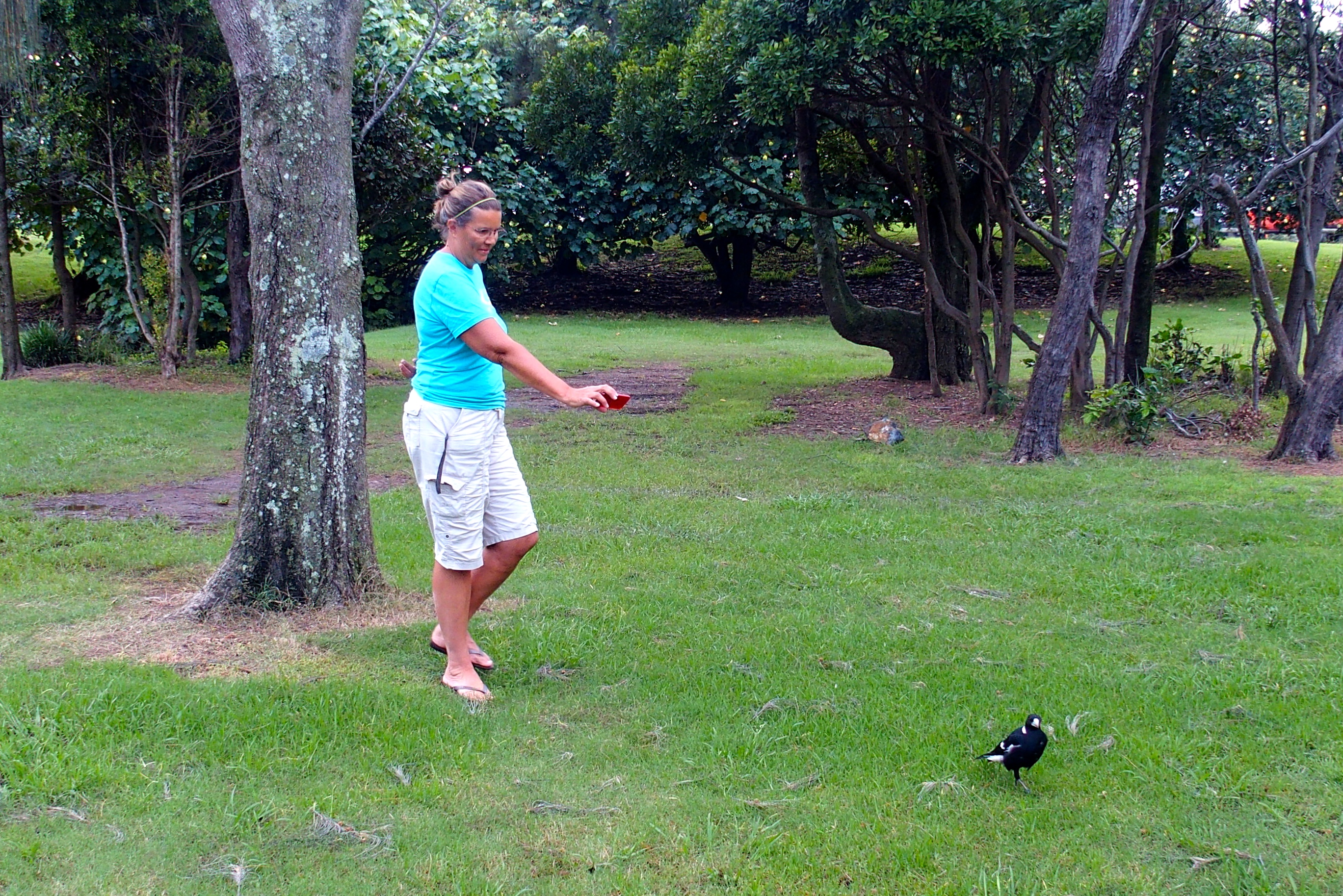
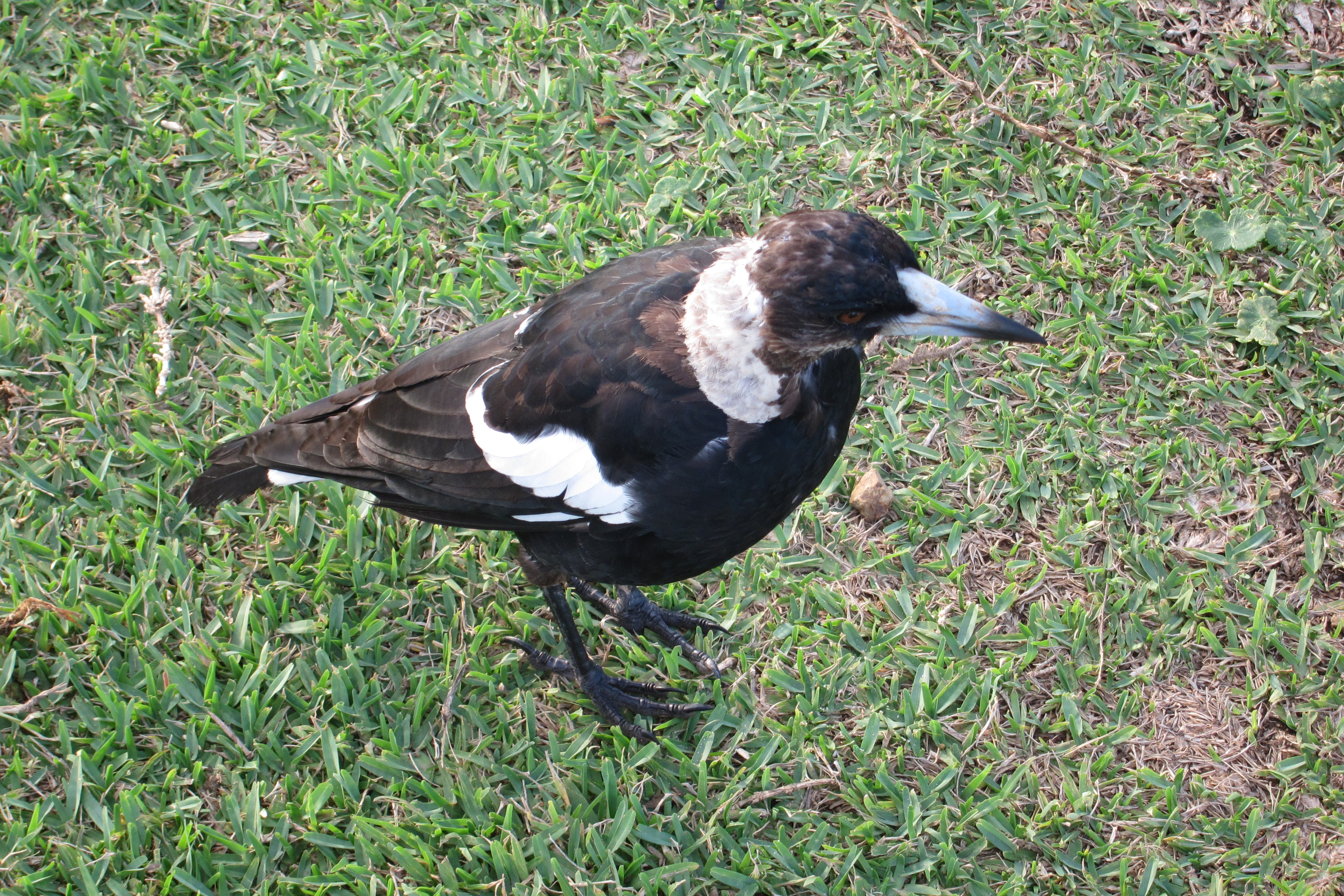
The magpies we see in Australia are very similar to those in New Zealand.

OLYMPUS DIGITAL CAMERA

Nancy was still on a quest to photograph a magpie up close.

2015-02-23 033

Success! Is this Heckle or Jeckle?

Australian pelicans are quite large, with wingspan of up to eight feet. Their bills are the longest of any living birds. Although they primarily eat fish, they may also eat birds. (Thanks, wikipedia!)

OLYMPUS DIGITAL CAMERA

Are these pelicans considering some seagull tapas?

Pelican is also Aussie slang for idiot. In fact, you can probably call someone a birdbrain with any bird name. That’s true in the US, too: loon, turkey.  Speaking of turkeys, Noosa is overrun with Australian brush-turkeys. They are protected here and walk up and down the main residential streets. They build large mounds to incubate their eggs.

OLYMPUS DIGITAL CAMERA

Australian brush-turkeys look like the “birds” on Grandpa Bach’s farm in Michigan, but apparently are not related.

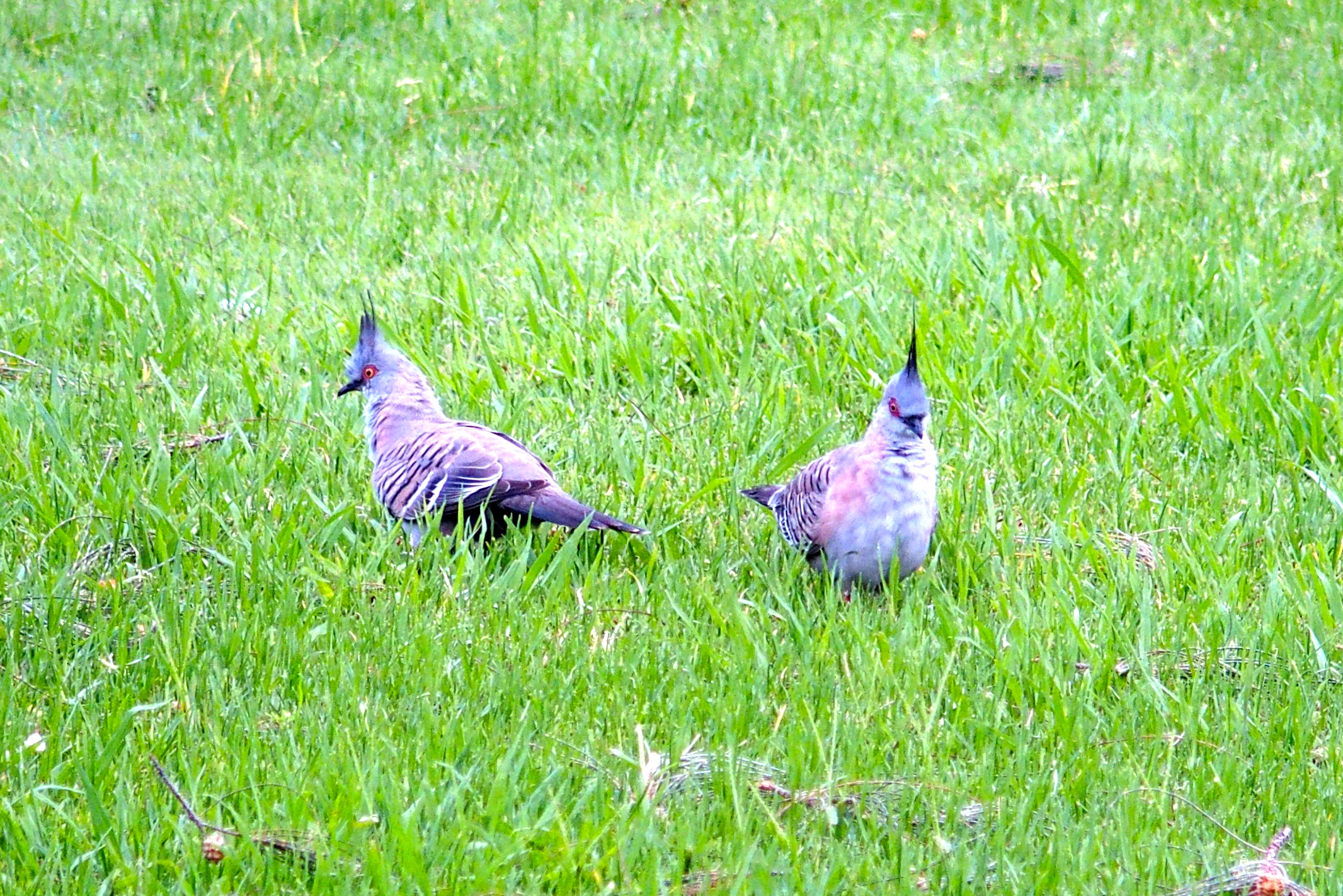
We wouldn’t normally take photos of pigeons; they’re rather plain. But here in Australia they’re special.

OLYMPUS DIGITAL CAMERA

Crested pigeons have pretty blue “hats.”

Did you see the Jack Black/Owen Wilson/Steve Martin movie, The Big Year? We’re on our own quest for sightings of hundreds of bird species. (We, meaning anyone reading too. You’re stuck with it.)

OLYMPUS DIGITAL CAMERA

A masked lapwing

2015-02-26 005

Bush stone-curlew in the Brisbane Botanic Garden. A bit like a roadrunner.

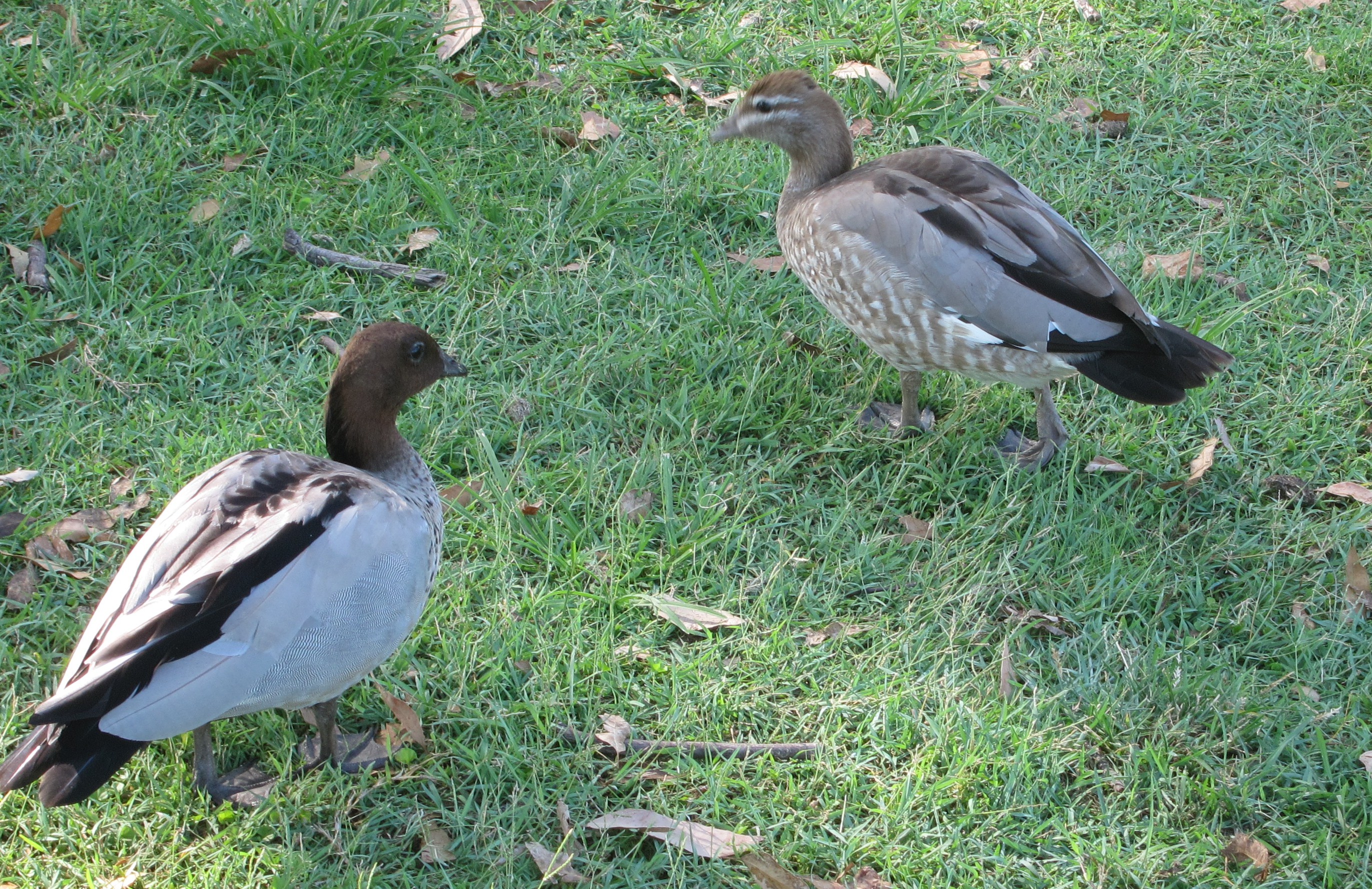
2015-03-07 073

This one is a paradox. Get it? A pair of ducks, not sure what kind.

Another bird, sort of. It’s a flying fox, an Australian megabat (actually a mammal). We watched hundreds of these swoop in to feed on a single tree in Noosaville very close to the lorikeet tree. Listen to the cicadas in the background.

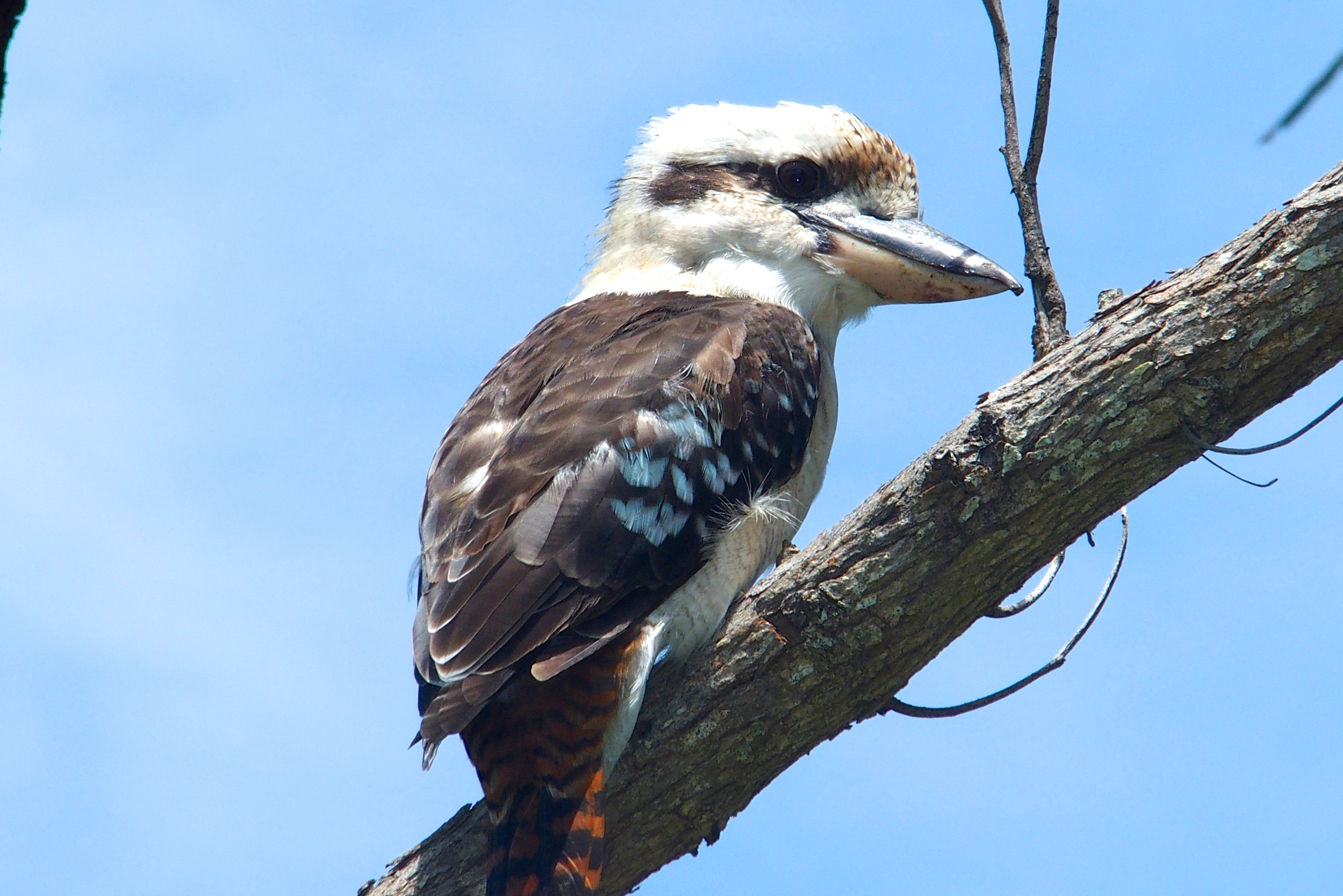
Little Bay near Southwest Rocks was a virtual zoo. First we saw—and heard—kookaburras. Their heads are so big! That must help them achieve their unusually loud laughing birdsong. A local woman explained that one young bird with a less melodious call was just learning to laugh. She came to the bay every day to hear his progress.

OLYMPUS DIGITAL CAMERA

The laughing kookaburra, not laughing at the moment.

Do you remember this song? Click the title for the melody.

The Kookaburra Song (written by Marion Sinclair, 1932)

Kookaburra sits on the old gum tree,
Merry merry king of the bush is he.
Laugh, Kookaburra, laugh, Kookaburra,
Gay your life must be!

OLYMPUS DIGITAL CAMERA

Here are two kooks in a gum (eucalyptus) tree. The bark strips off, leaving the white underbody on the tree. Some call it a ghost gum.

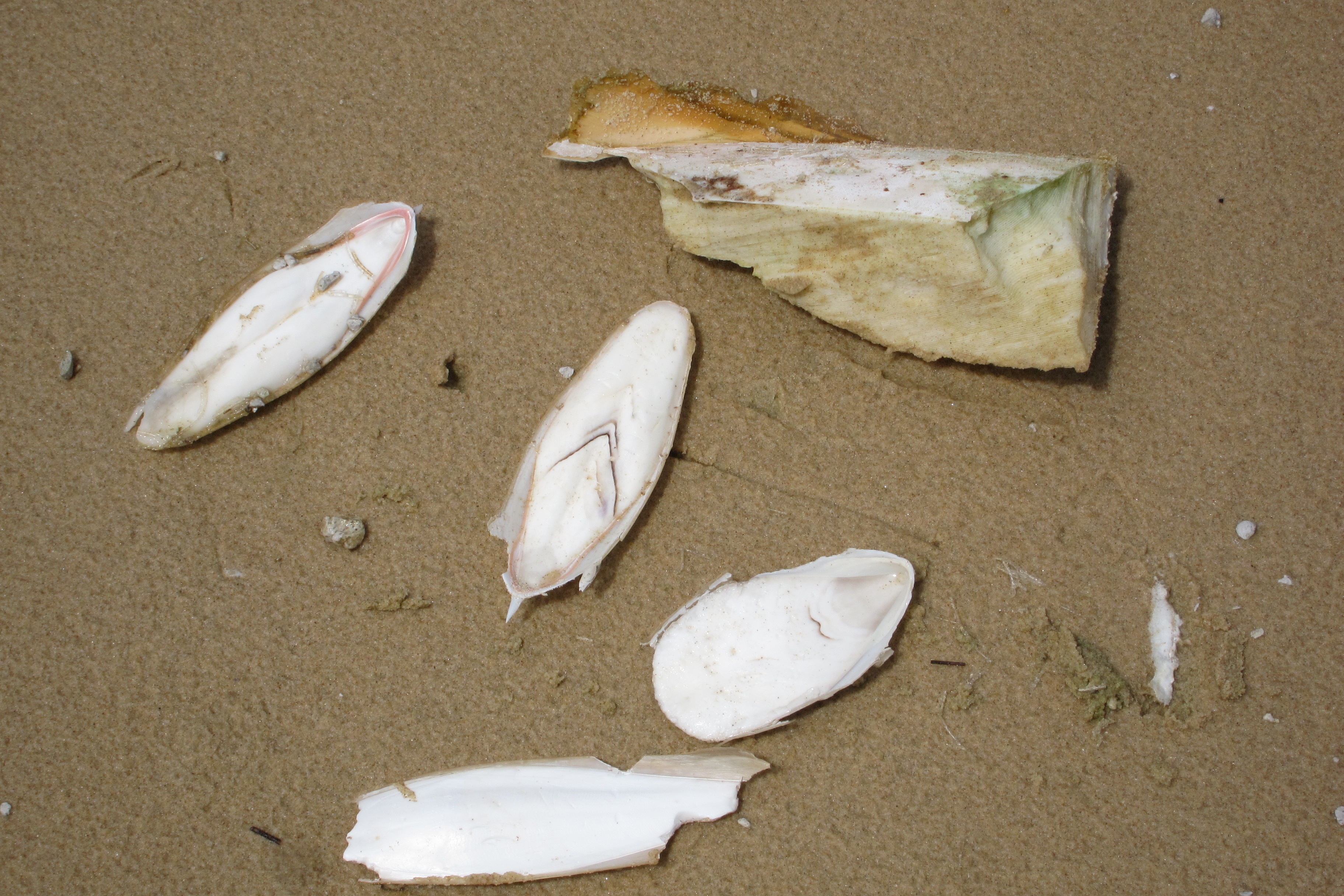
At the shore were many pieces of flotsam and jetsam, things that looked like Styrofoam, maybe pieces of a damaged boat. They even felt like heavy foam when we pushed a thumbnail into them. Our local kookaburra lady explained that they were, in fact, cuttlefish (like squid).

2015-02-23 096

How do you chew this? No wonder I don’t like calamari.

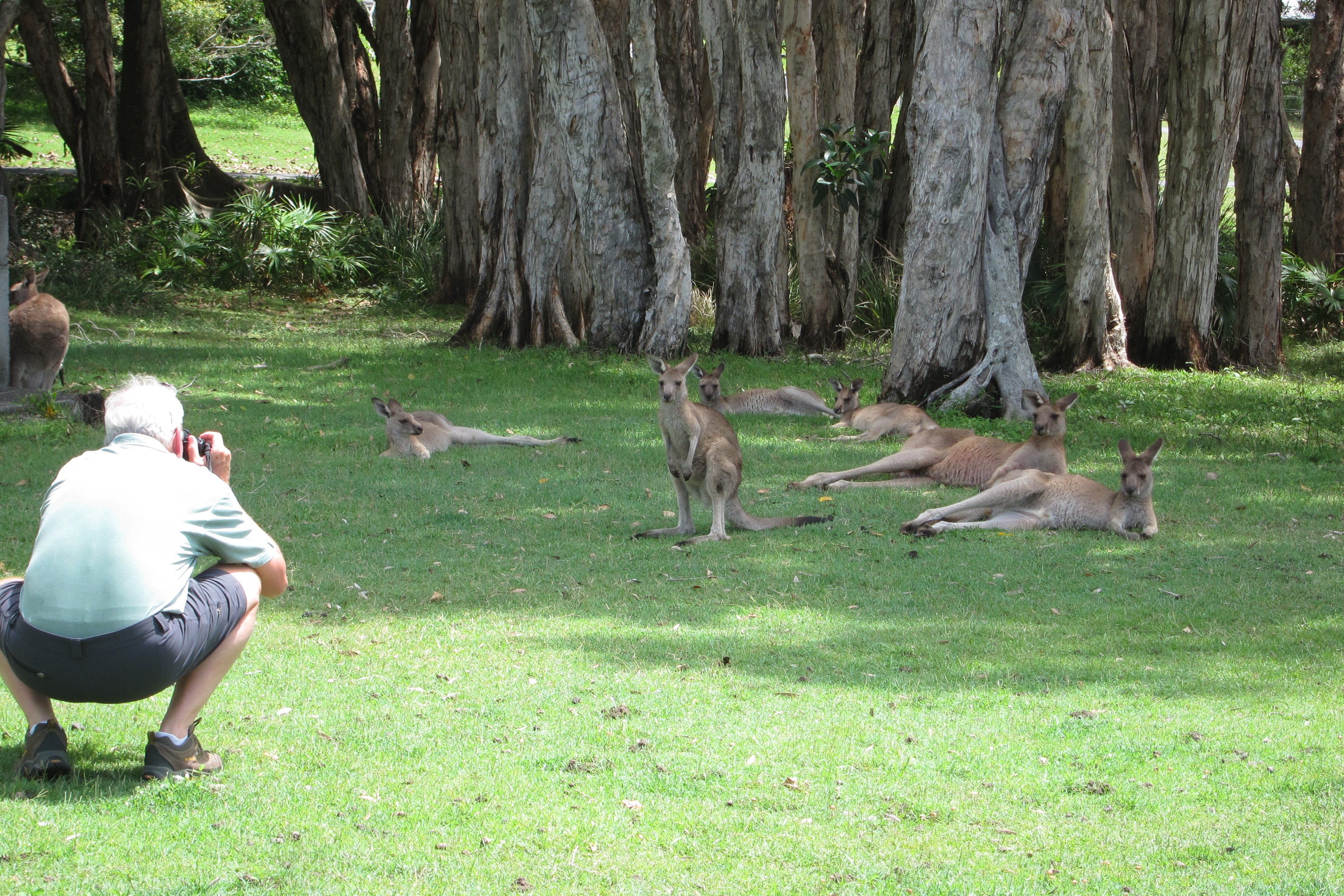
We almost left the area without seeing the other wildlife resting in the shade. They had deer-like heads, but weren’t deer! We were seeing kangaroos in the wild.

2015-02-23 083

Michael, photographing a mob of kangaroos. (That’s what a group is called and a kid is a joey.)

As we got closer and closer to the roos, our local nature lady approached us to provide some helpful advice. It turns out that kangaroos will attack when they think they’re threatened and Michael was getting too close for comfort. The kangaroos have short, skinny front legs—not too dangerous-looking—in fact, they look like atrophied limbs. But their hind legs are powerful, thick, strong, and sharp-clawed. The amazing thing is that when fighting, the kangaroos can lean back on its heavy tail and use its hind legs to strike out. With the strong limbs and sharp nails, they can maul attackers or pseudo-attackers, sometimes with fatal outcomes. OK, we’ll back off.

OLYMPUS DIGITAL CAMERA

They’re just so cute.

Did you know: A kangaroo is pregnant for only three to six weeks, but the baby is born and stays inside the pouch for up to 450 days. The mom can give birth to up to four babies at a time. Not sure how that works! One looks like too many.

2015-02-23 095

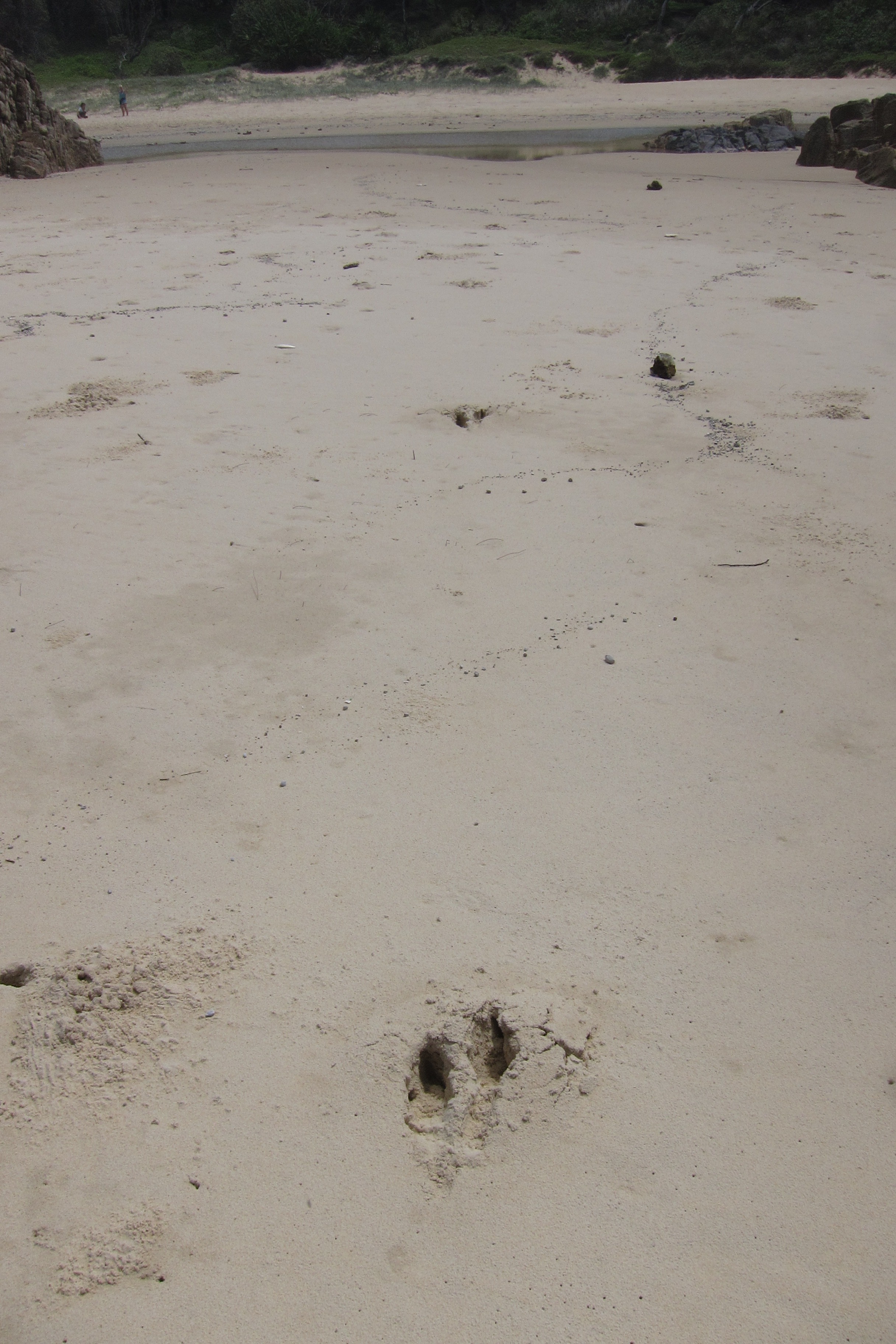
Kangaroo tracks in the sand? Pretty long stride.

Later at Tewantin Golf Course in Noosa, Michael saw an interesting reaction to his presence.

OLYMPUS DIGITAL CAMERA

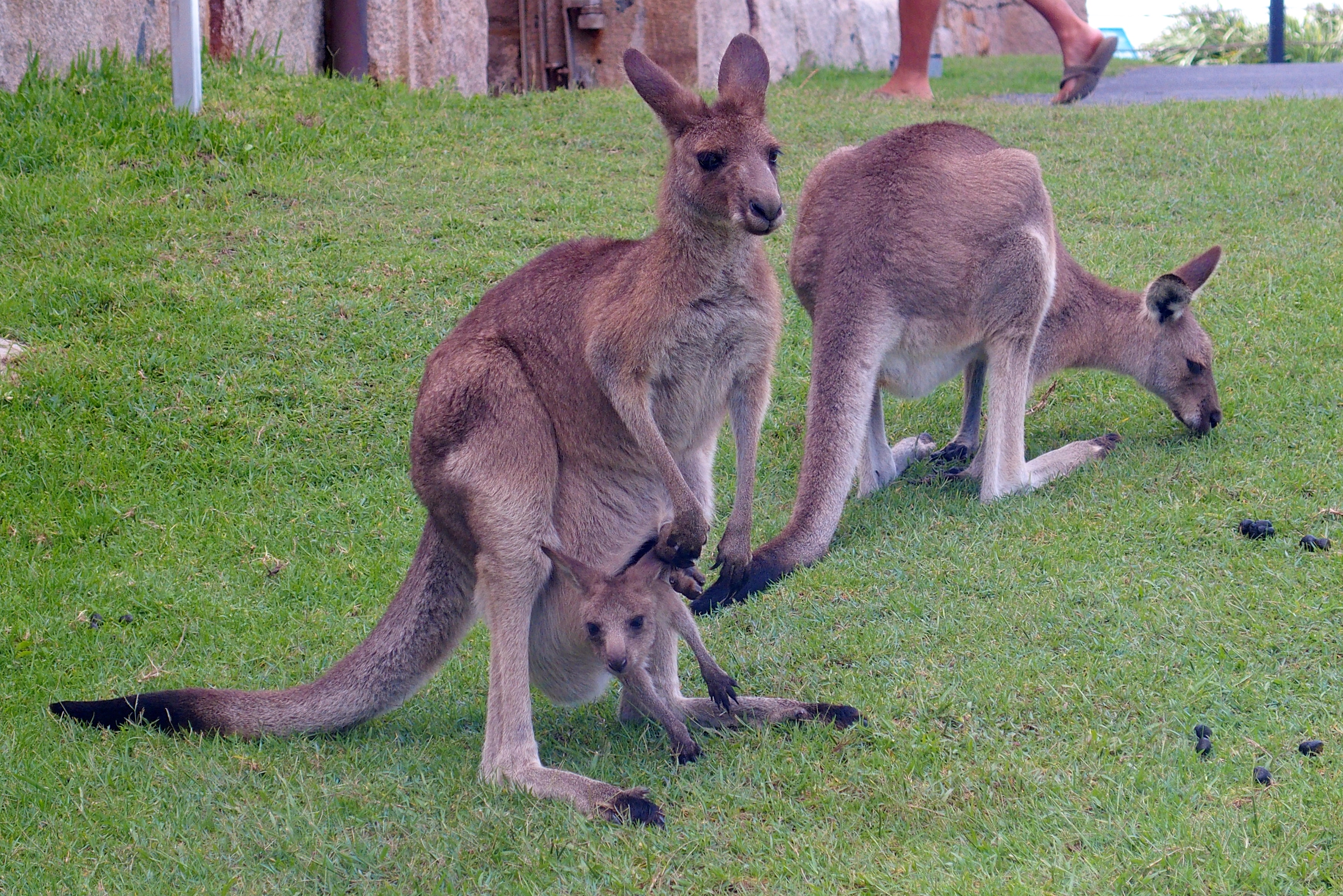
Here’s a mom and a pretty large baby.

Oh-oh! Michael is a threat.

OLYMPUS DIGITAL CAMERA

Baby Joey is running for cover in the nearest pouch.

It’s like childbirth in reverse, getting worse every day as the baby roo gets bigger.

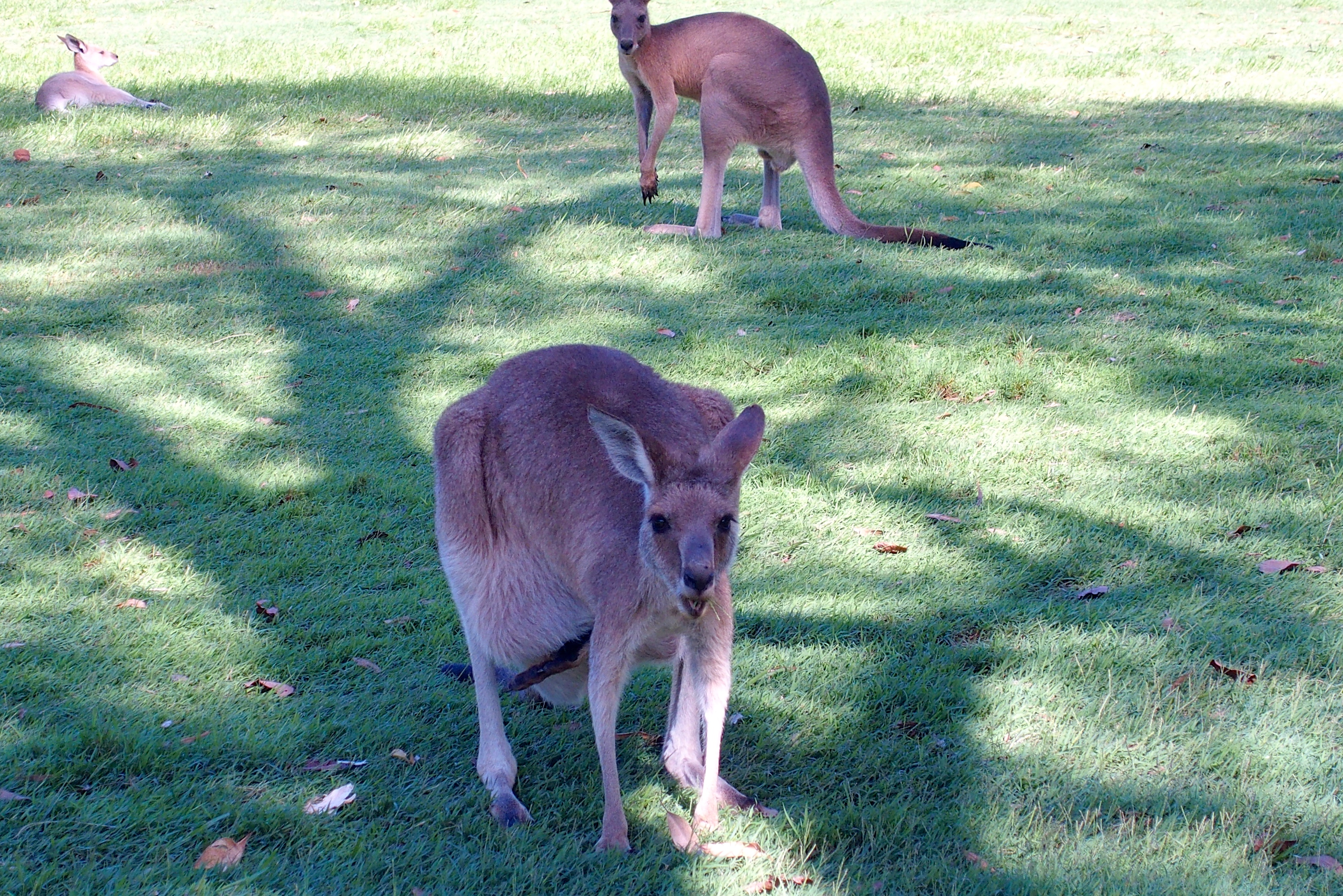
OLYMPUS DIGITAL CAMERA

At some point, enough is enough.

Mama Roo is not happy. Note the bared teeth. Is it because Michael is a threat or because her pouch is stretched beyond pain?

OLYMPUS DIGITAL CAMERA

How does all that animal fit in such a small space? The poor mom!

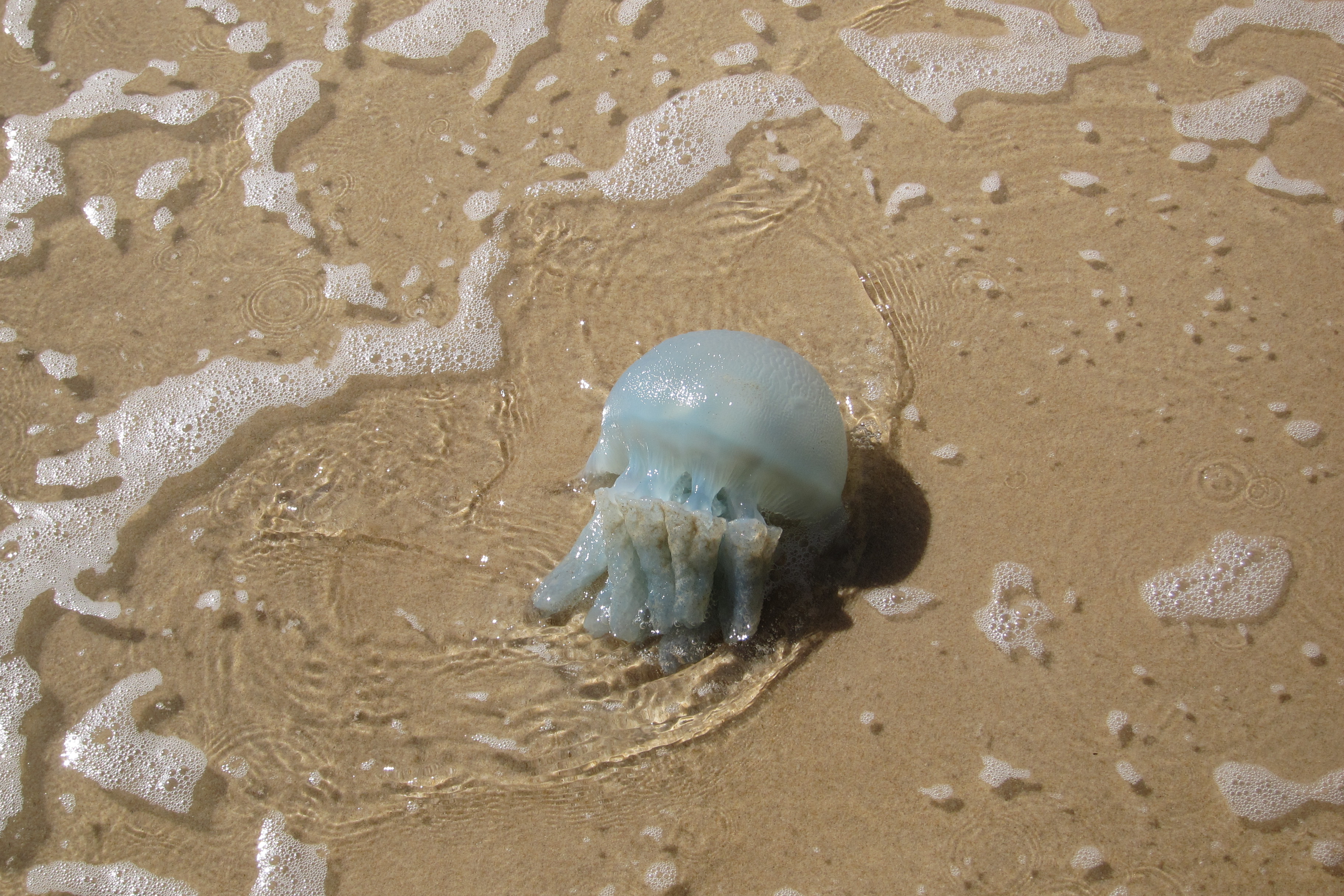
Australia has some of the most poisonous creatures on the planet. Here on the beach of Alexandria Bay we saw two naked men and two naked ladies (not that they’re poisonous, just distracting) and two large jellyfish. This one is six inches in diameter, not as dangerous as the bluebottles we saw earlier. Check out this video of a giant swarm of jellyfish on the Gold Coast earlier this year.

2015-03-03 005

It’s a jelly blubber. Sounds like a kind of candy, doesn’t it?

We had very large spiders just outside our airbnb. We didn’t bother them to ask how poisonous they were, so they didn’t bite us.

OLYMPUS DIGITAL CAMERA

An Australian golden orb weaver. Note the small male just above the fecund female.

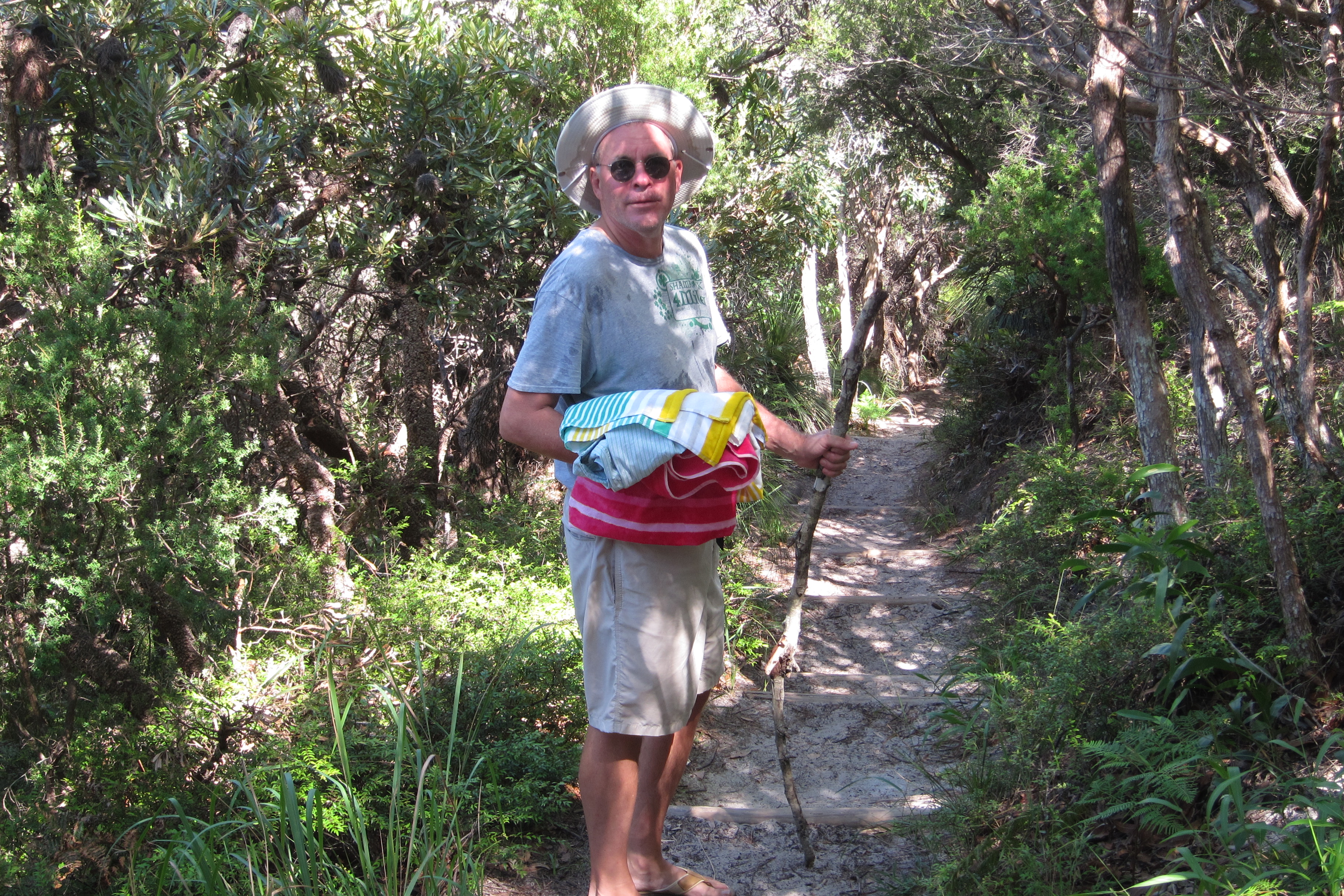
While walking along one trail from the beach we met a man with a stick who was inspecting the sand. He saw a trail he thought was from a goanna, a monitor lizard that can grow up to eight feet long! We didn’t notice anything like that on our way to the beach. He explained that the stick was for snakes—on the ground, along the trail, in the trees, probably flying through the air. Australians seem proud to say that of the 10 most poisonous snakes on the planet, they have eight. We didn’t see any snakes, but Michael found his own snake stick just in case.

2015-03-03 015

That will keep the snakes away. (The hat, not the stick.)

No goannas, but we did see this water dragon on the Brisbane rainforest walk.

2015-02-26 018

Behind a fence, not too threatening.

2015-02-25 036

This water dragon was at the entrance to a littoral (coastal) rainforest. We found many practically underfoot.

And a poor little gecko missing his front foot.

2015-03-04 013

He was climbing on the menu at a smoothie shop. Fortunately, he didnt fall into the Vitamix, although he could have made it a protein shake.

We haven’t yet seen a koala, but there are koala signs all over. You’d think that car/koala collisions were as common in Australia as car/deer collisions in the US.

2015-03-08 001

We read this as a guarantee of a sighting. Nope.

We saw plenty of painted koalas in Port Macquarie. For “Hello Koalas,” local artists painted koala statues just like the cows in Chicago, horses in Rochester, and deer in Canandaigua.

IMG_4347

Carramar, at the Port Macquarie foreshore, sponsored by Focus magazine.

We have stiff necks from looking up in the trees for gray balls of fluff, but no luck. We found out that many native Australians have never spotted a koala in the wild.

So it’s on to the Lone Pine Koala Sanctuary in Brisbane where we are assured to have a koala sighting.


Posted in Smell the Roses | Tagged , , , , , | 4 Comments

What’s north of Sydney? Wine! – February 2015

We’ve been to the northern and southern parts of eastern Australia before, but everything in between is vast unexplored territory for us.

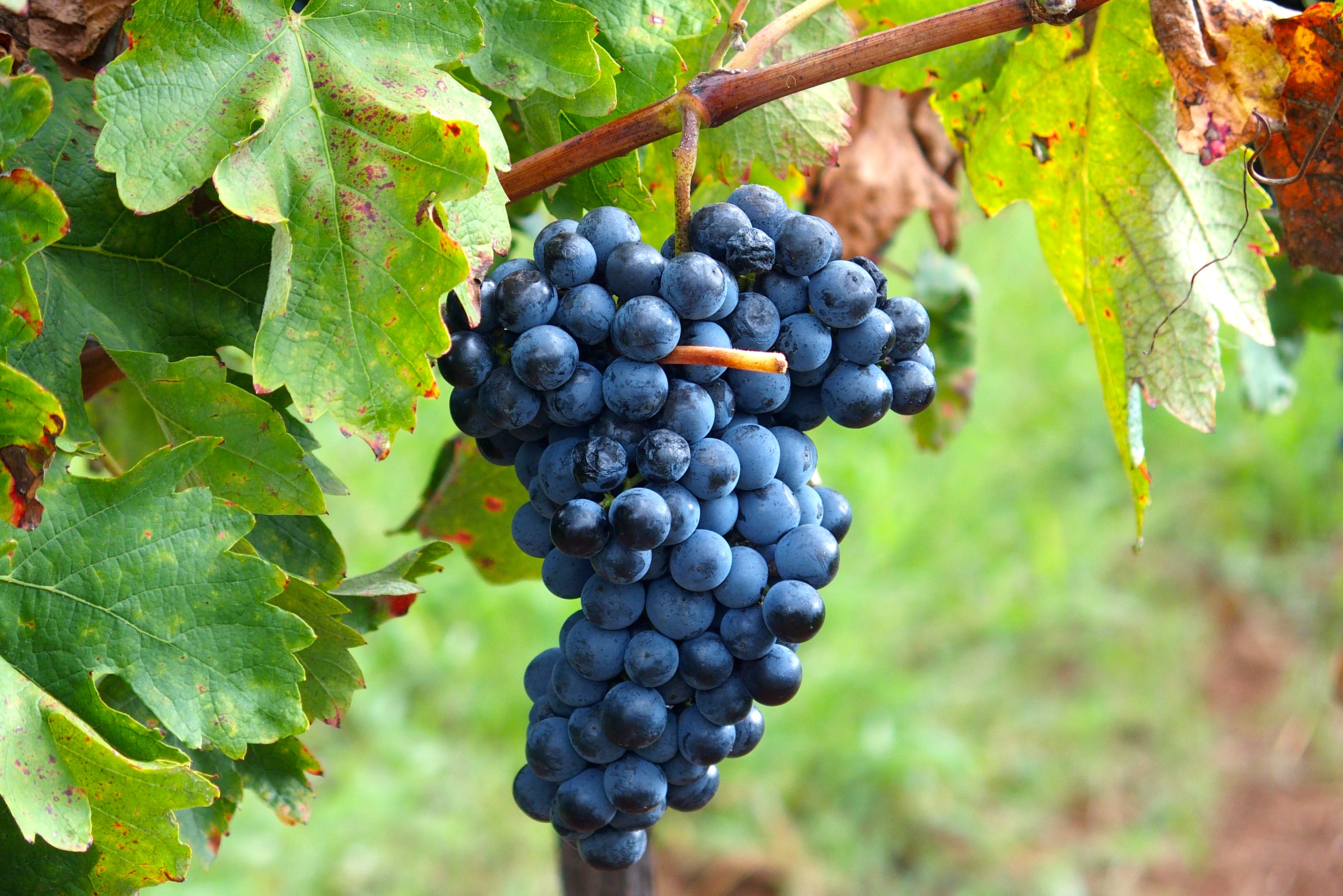
Our first stop is wine country, of course. The Hunter Valley in New South Wales is renowned for the semillon, a white varietal we don’t see often in upstate New York or California either. Shiraz is big here too. With more than 150 wineries and cellar doors in the valley, we had a tough time deciding where to go.

OLYMPUS DIGITAL CAMERA

We were in the midst of the harvest season. Don’t these grapes look luscious!

Another great feature of these wineries is that the tastings are free (unlike our $20 per person charges in Oregon).  And each winery has more than a dozen wines to select from. We had a nice Tyrrell’s chardonnay for lunch, light with a very soft oak.

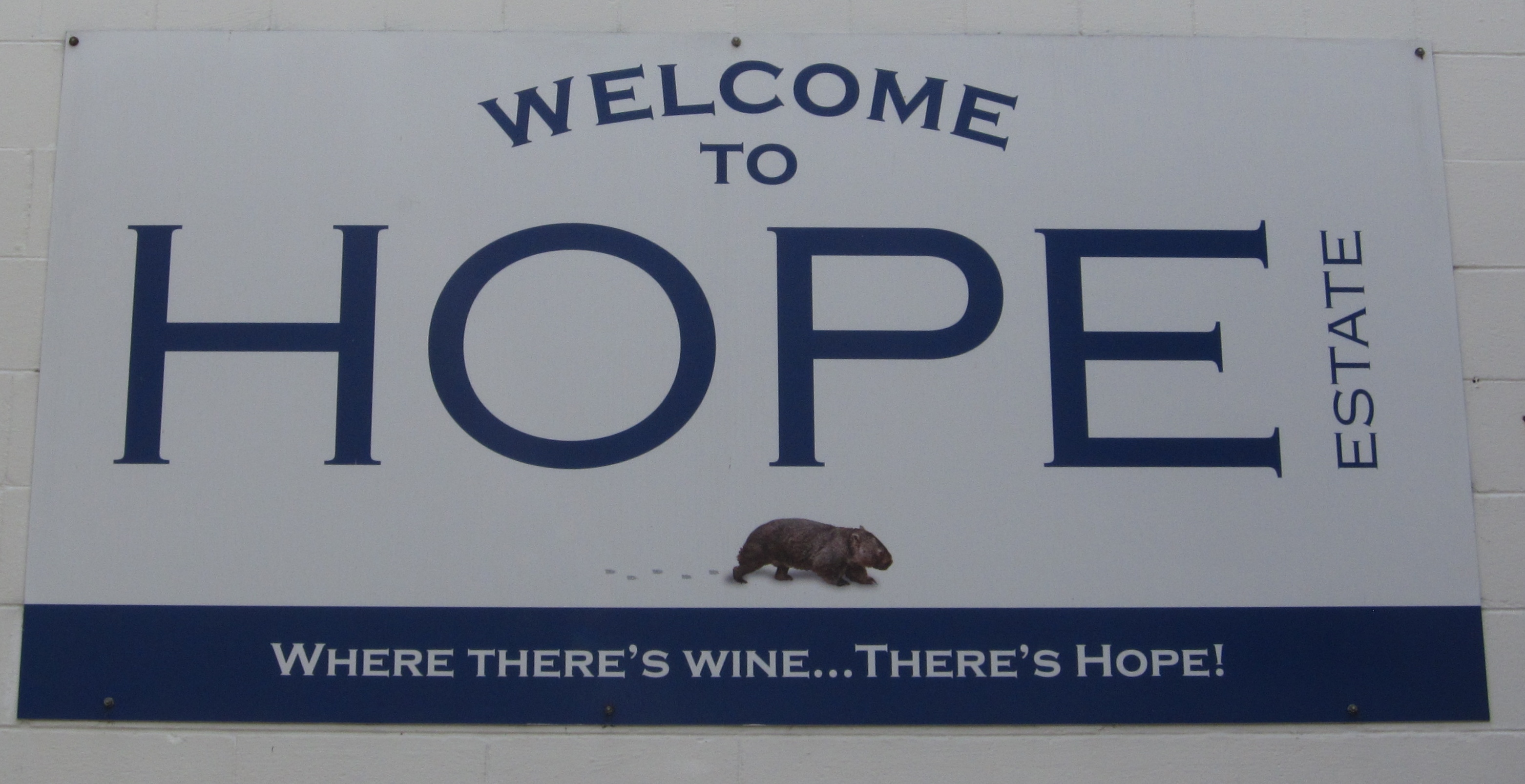
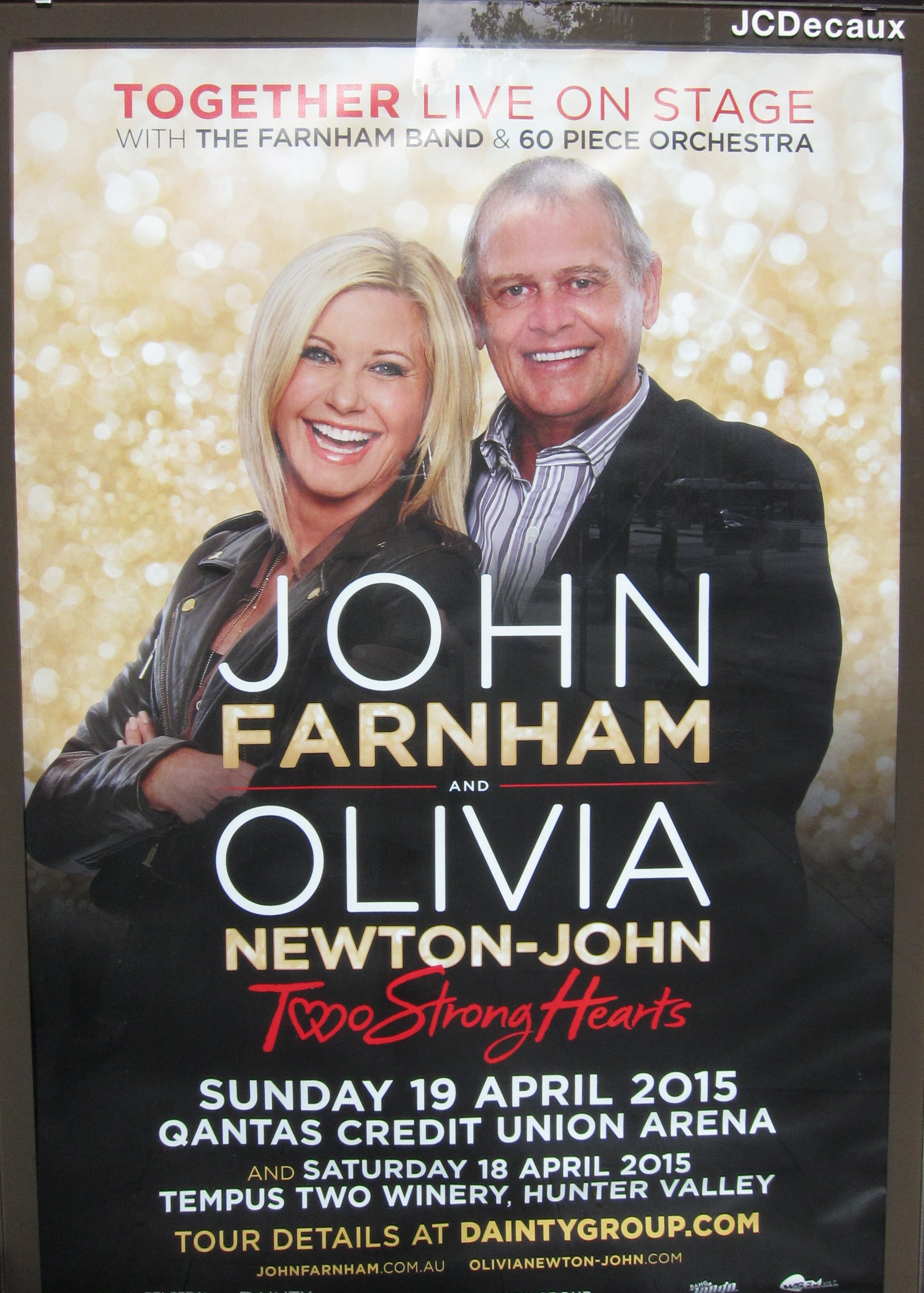
We stopped at the giant Hope Vineyards, but didn’t stay. They have a major concert space, with Rod Stewart next on the event calendar. Nearby Tempus Two is hosting Olivia Newton-John shortly. We don’t see much of this vineyard/concert combination in the US.

2015-02-21 007

We don’t know how the wine is, but the slogan is inspiring for all us wine-drinkers.

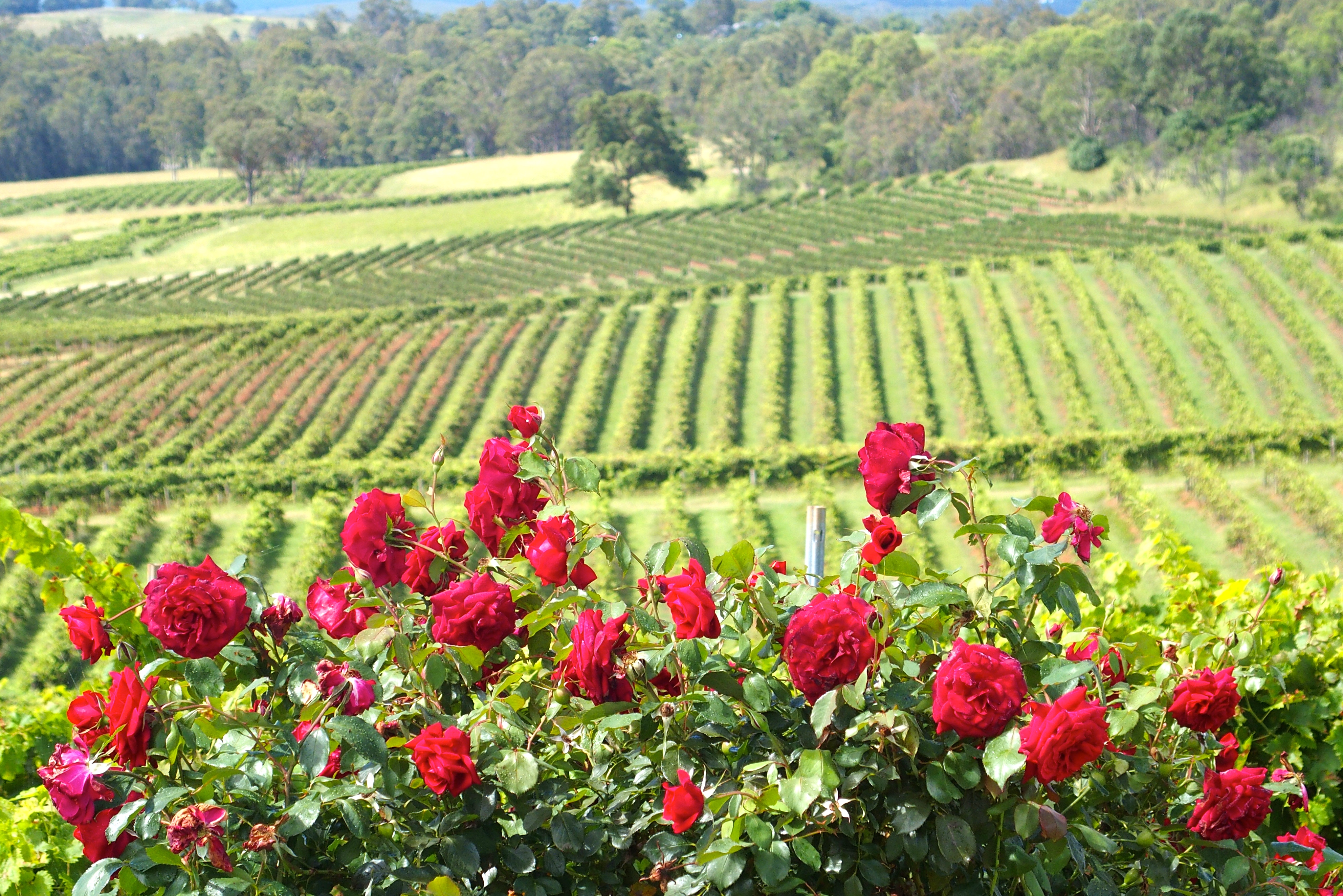
Another feature we liked at Australia and New Zealand wineries is the planting of rose bushes at the street-facing ends of the rows. It probably doesn’t do anything for the taste of the wine, but it’s quite pretty.

OLYMPUS DIGITAL CAMERA

Roses would be a lovely addition to the Finger Lakes vineyards. Would they grow?


We ended up visiting Audrey Wilkinson (a vineyard, not a lady) and Pepper Tree. This one is a boutique winery founded in 1991, but getting great recognition.

OLYMPUS DIGITAL CAMERA

Pepper Tree in Pokolbin, someplace we had not heard of before.


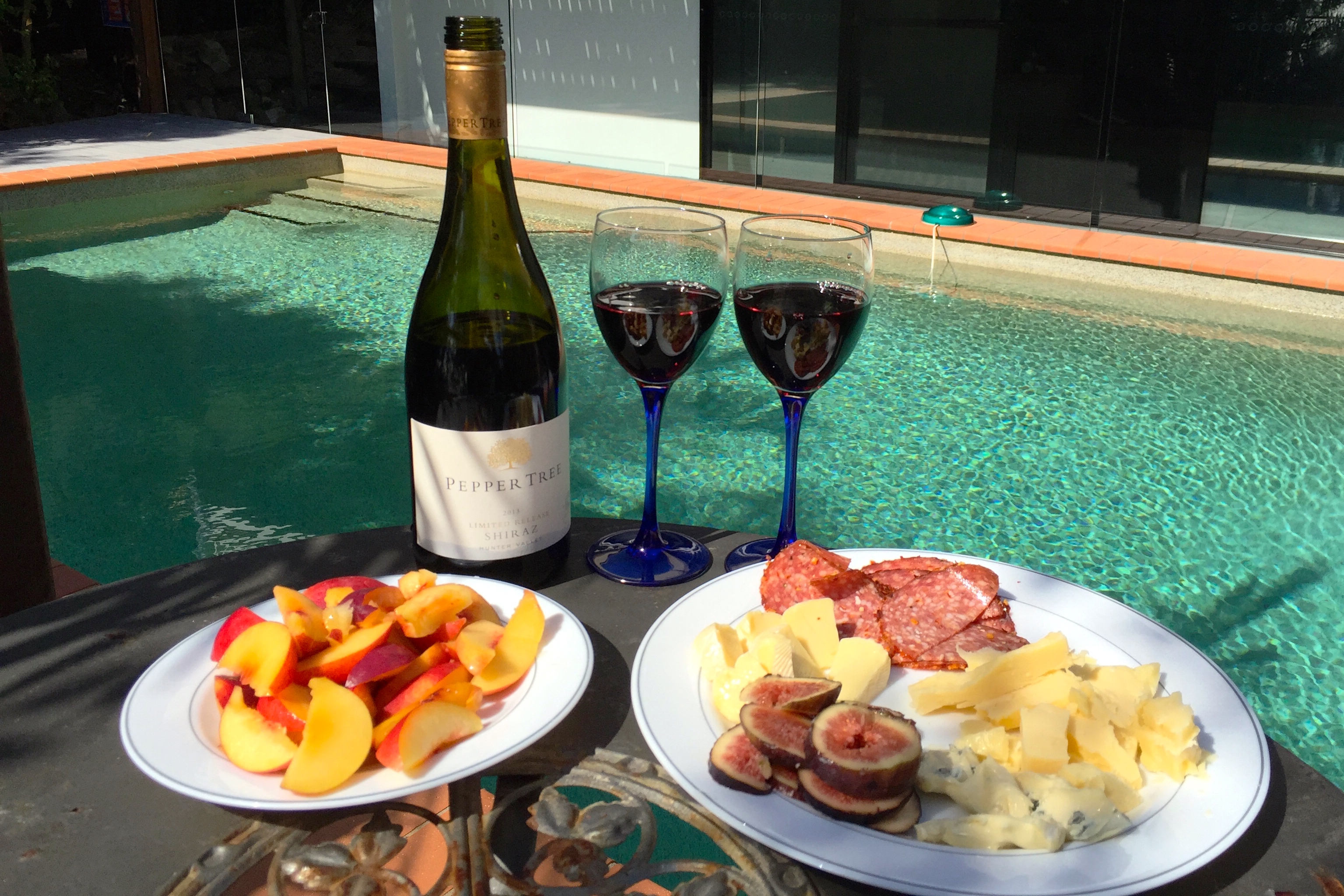
The Shiraz was good enough to pick up a bottle, even though we’re not really big red drinkers. Later it ended up pairing nicely, if somewhat unconventionally with Australian cheese and crackers and fruit alongside the pool at our airbnb in Noosa. We pity you working people.

IMG_4604

Aah!!

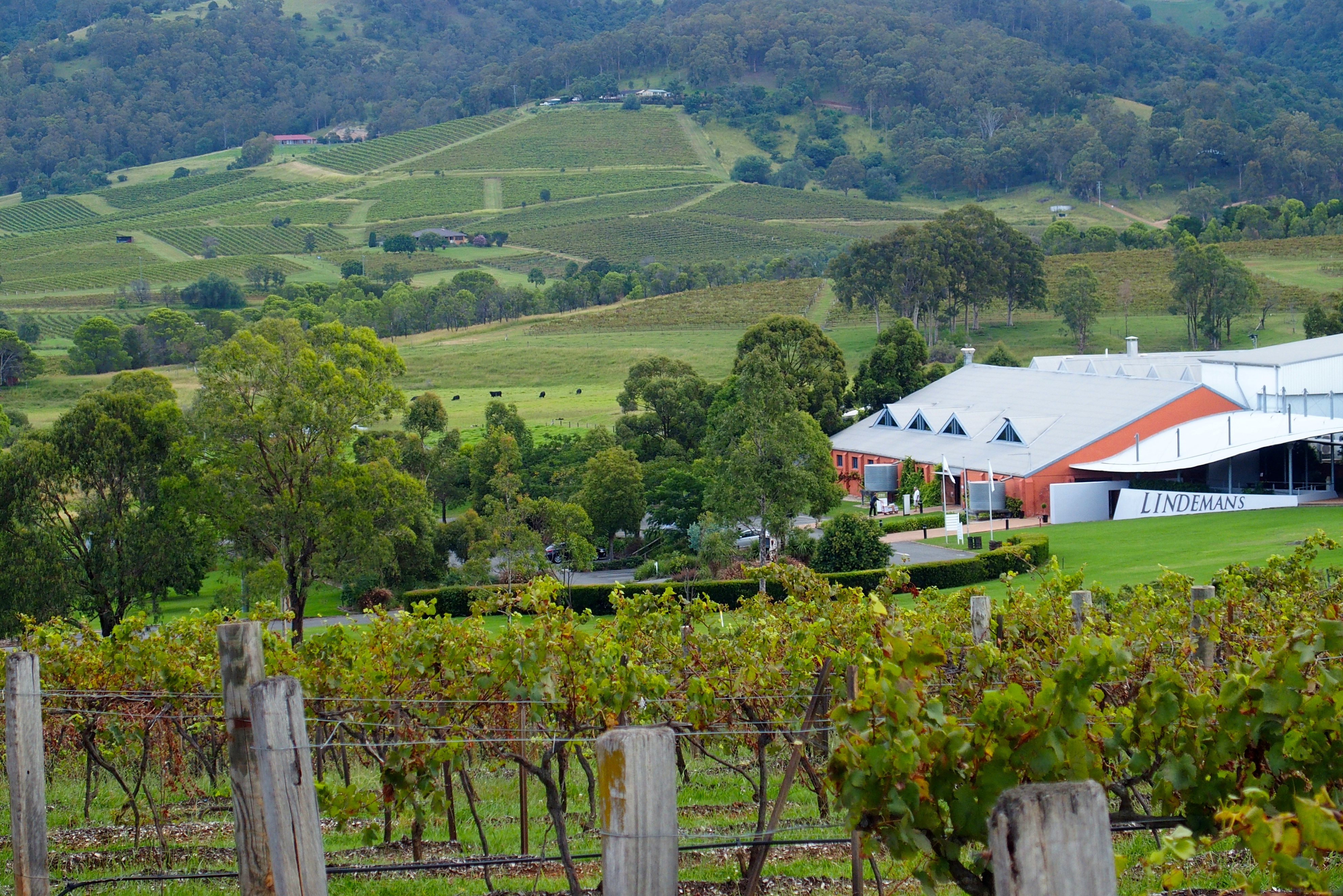
Finally we stopped at Lindeman’s, established in 1843 in the Hunter Valley by Dr. Henry Lindeman (sounds a little like Dr. Konstantin Frank’s story). Now the Ben Ean cellar door tasting room remains in Hunter Valley, but much of the sourcing moved to the Barossa Valley, Coonawarra, and elsewhere. Lindeman’s was the wine sponsors for the Canadian and British Olympic teams at the 2000 Sydney Olympics. (Why not the Australian team?)

When we lived in Hong Kong, Lindeman’s Bin 65 was our go-to everyday (cheap) Chardonnay. The winery has nicknamed it “Sunshine in a Bottle,” with 1,000 hours of sunshine in every drop. It sells for $5 at Australia bottle shops; that’s under $4 US so it’s pretty close to Two-Buck Chuck at Trader Joes. They don’t even serve it at the tasting room, but do have numerous better-quality wines, all quite tasty. One burgundy is said to age to 100 years. Buy one now for your great-grandkids to enjoy.

OLYMPUS DIGITAL CAMERA

Vineyard view at Lindeman’s Ben Ean location in the Hunger Valley.


Plenty of wine for one day! Next day, on to the beaches.


Posted in Travel Journal | Tagged , , , , | Leave a comment

Sydney and its Harbour – February 2015

Welcome to Port Jackson. That’s the actual name of Sydney Harbour. Who knew? It was given the name around 1770 by Captain Cook, the same navigator who explored Hawaii and New Zealand.

Welcoming us to Sydney was none other than Olivia Newton-John. The Aussies remain “hopelessly devoted” to her.

2015-02-20 013

Can you believe she was born in 1948?

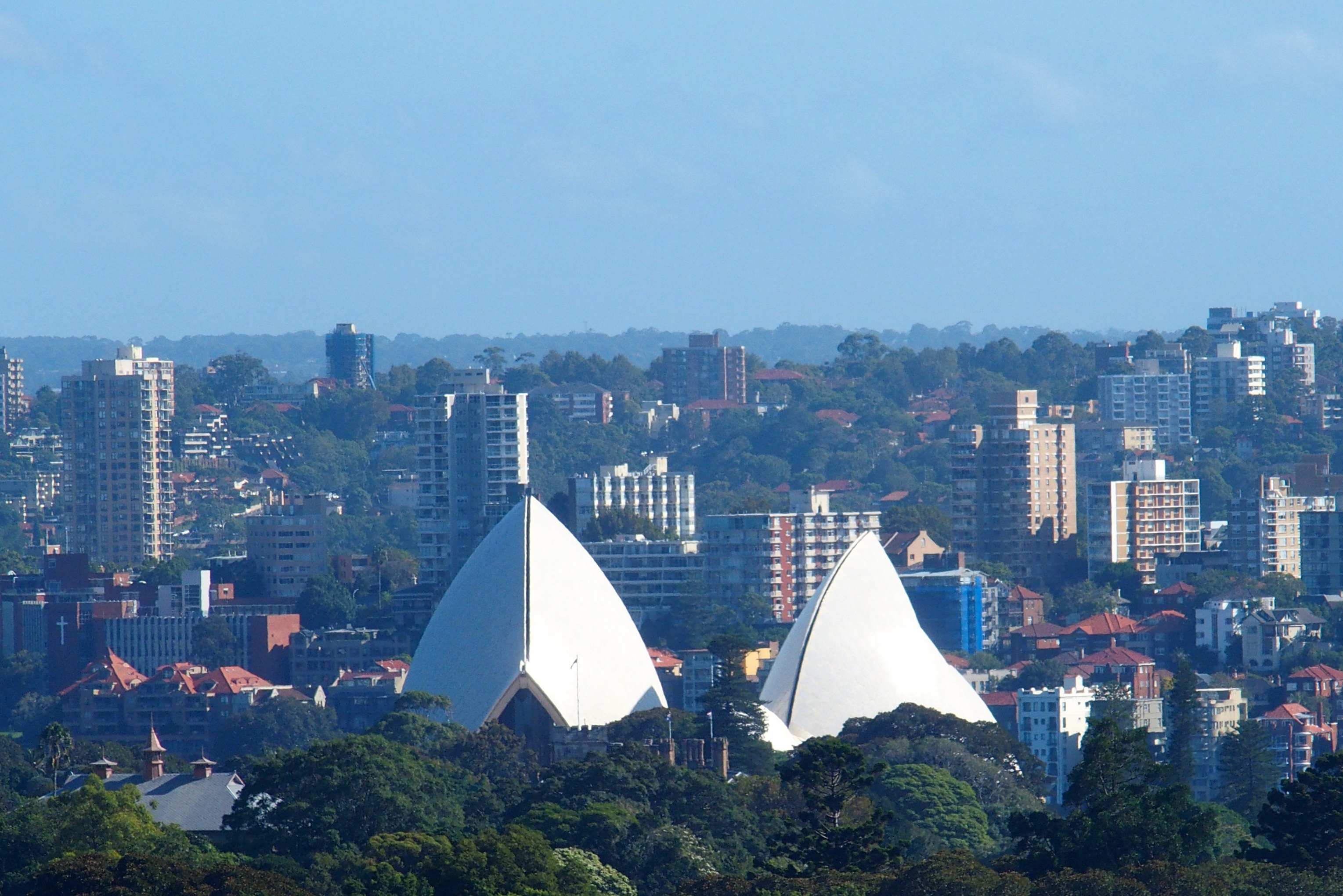
Our airbnb in Sydney was just off Oxford Street, about two miles south of Sydney Harbour, so we had great views of the most famous parts of Sydney from our 16th-floor balcony. On several nights we could watch the fireworks over the Opera House roofs.

OLYMPUS DIGITAL CAMERA

Not a bad view! It’s unique to get this perspective from the back overlooking the Opera House.

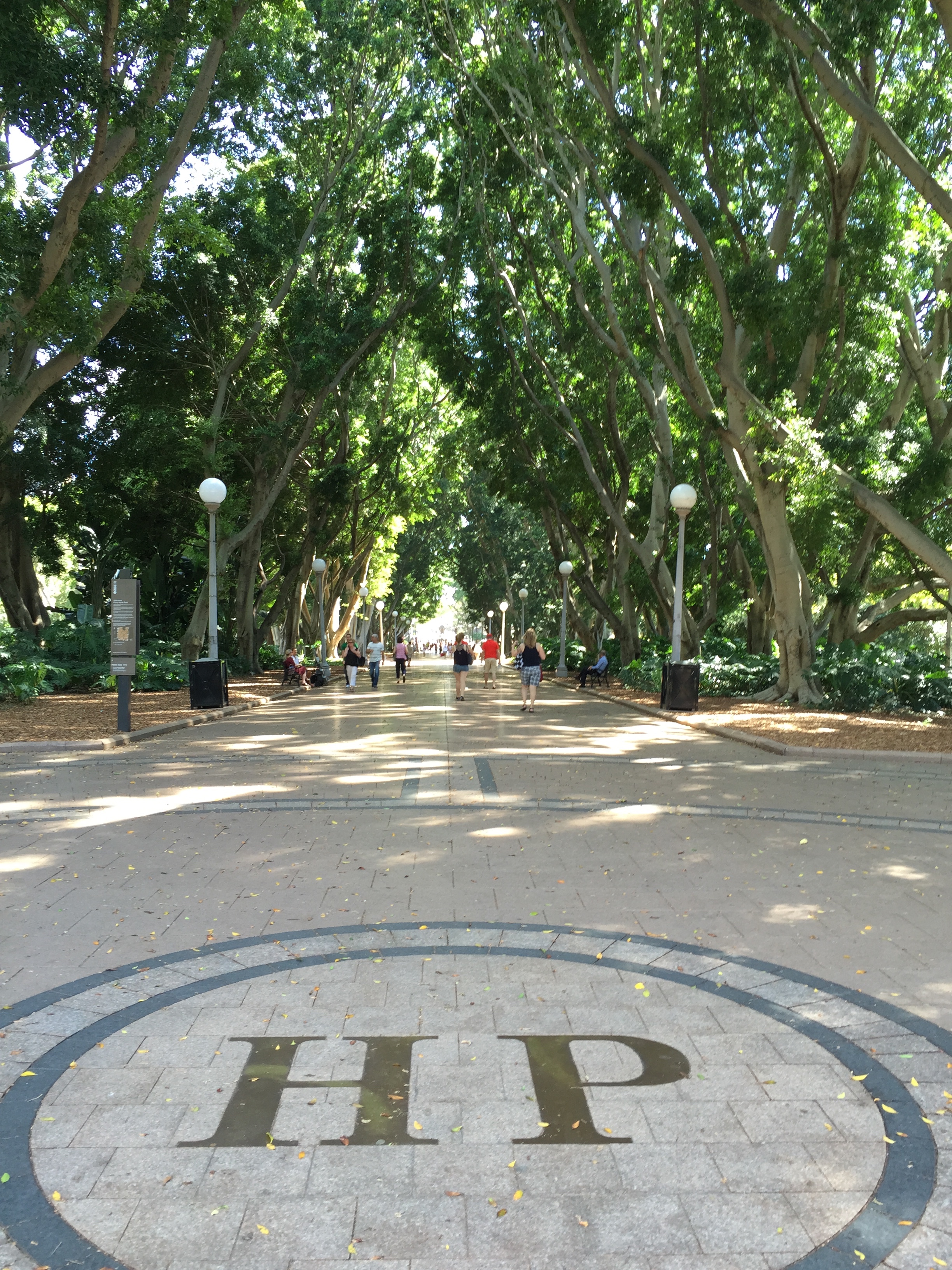
The walk to the harbor wasn’t bad either. Part of it was through Hyde Park, named after Hyde Park in London.

IMG_4083

The shade from the canopy of green fig trees made the walk pleasant despite the heat.

IMG_4086

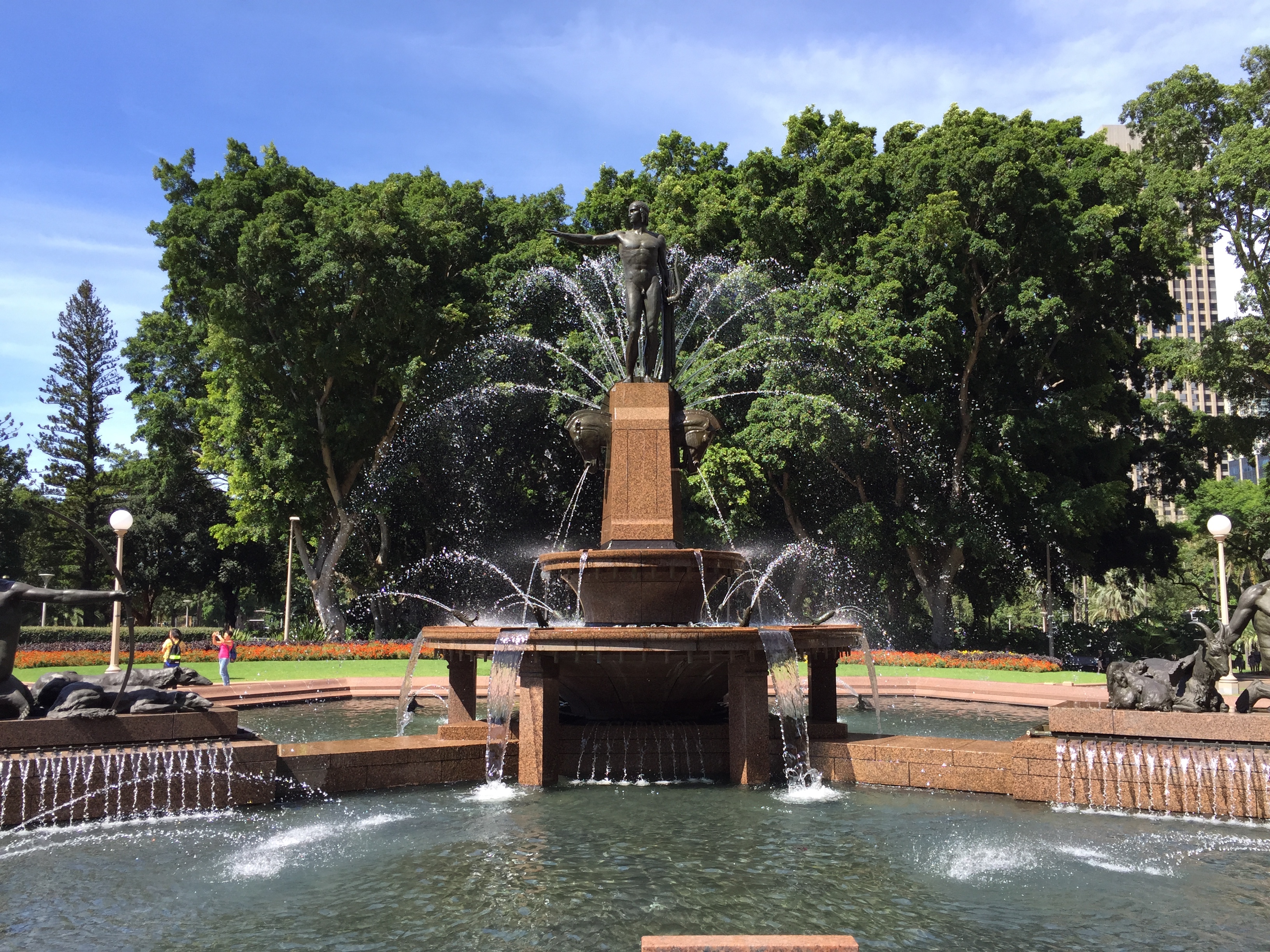
Unveiled in 1932, Archibald Fountain is a beautiful centerpiece to the park.

2015-02-19 021

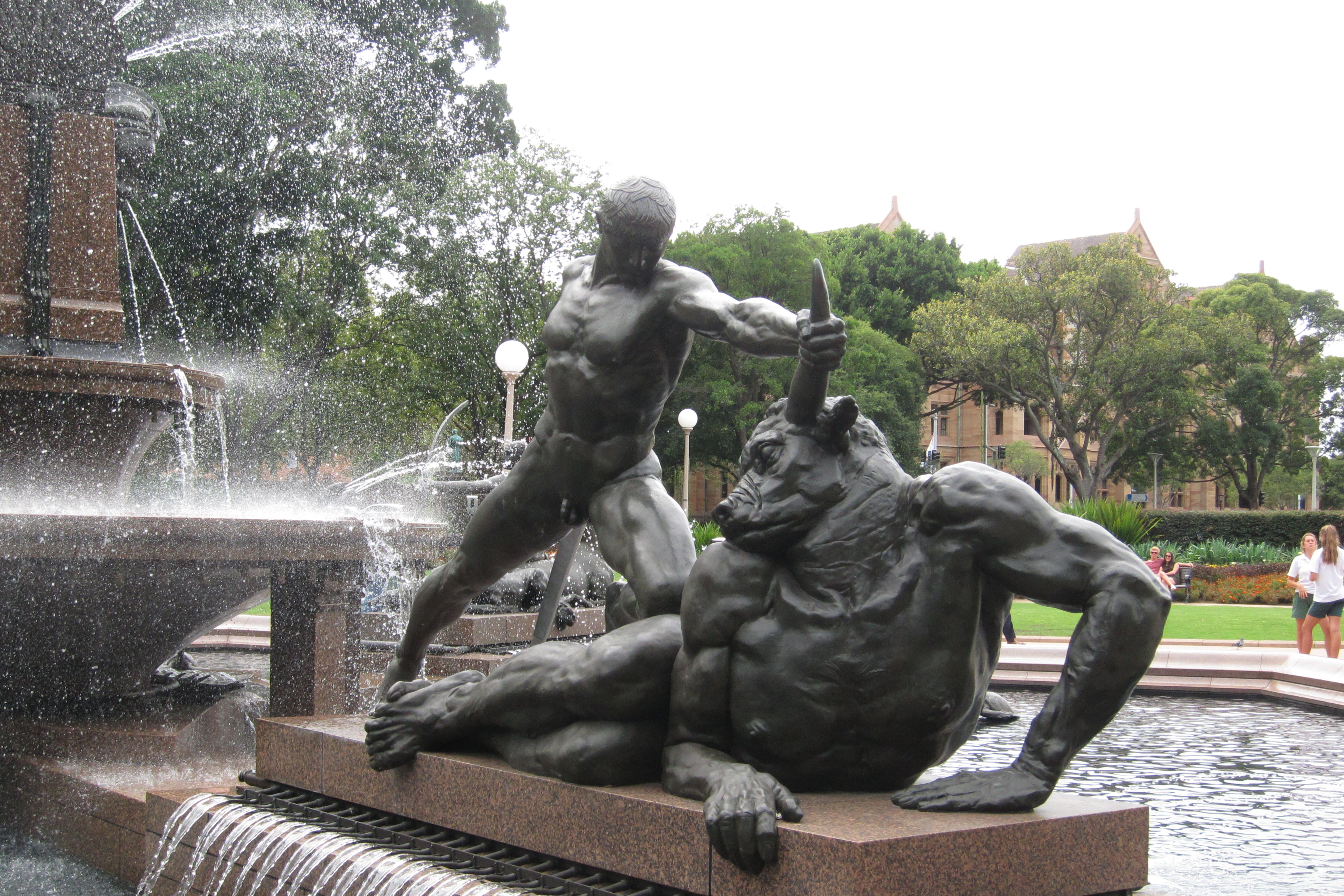
Theseus slays the Minotaur, day and night.

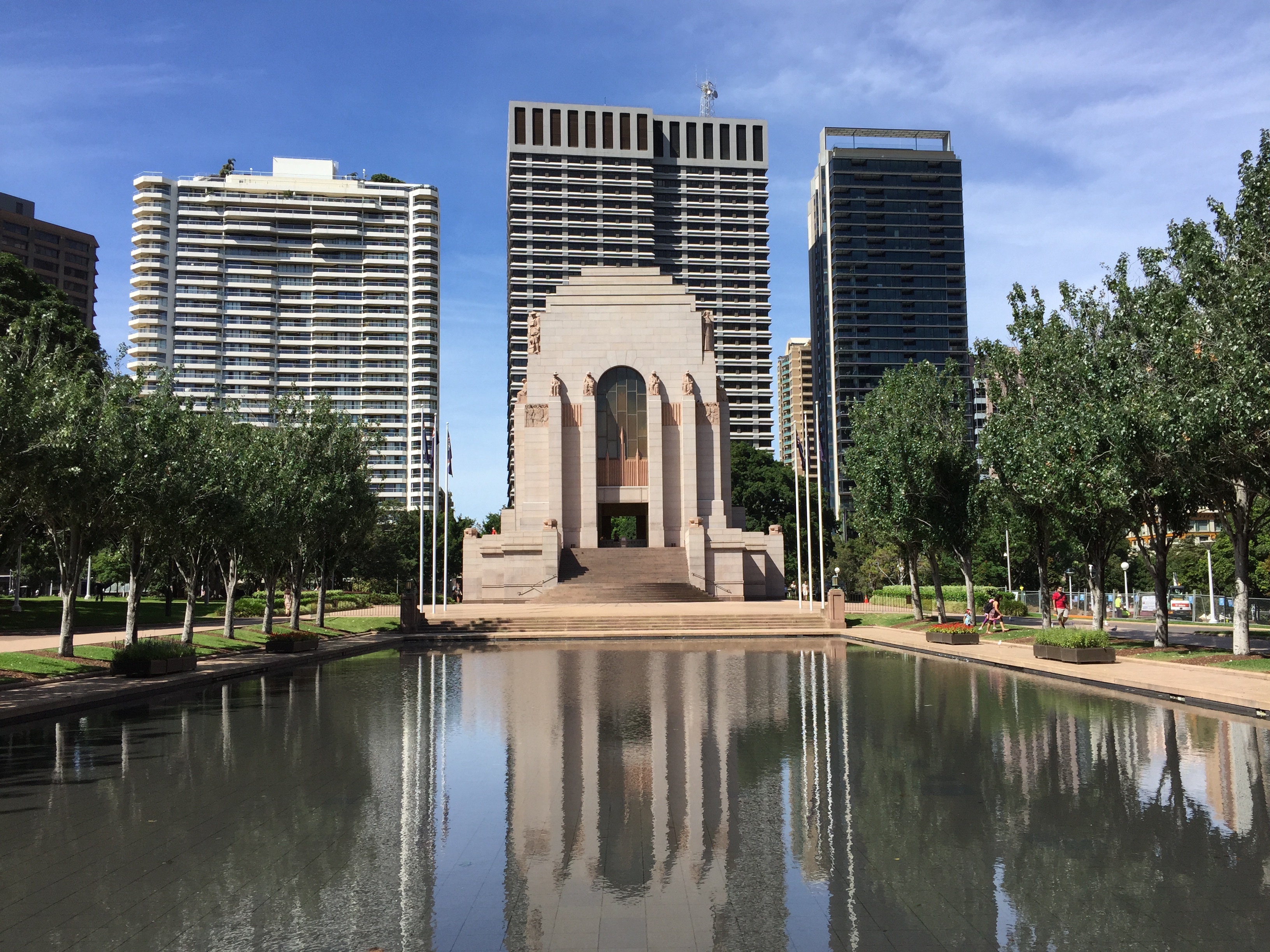
Just two years after the fountain was erected, the ANZAC Memorial was completed, honoring the efforts of the First Australian Imperial Force during World War I and the Australia and New Zealand Army Corps.

IMG_4079

The ANZAC Memorial with its reflecting pool.

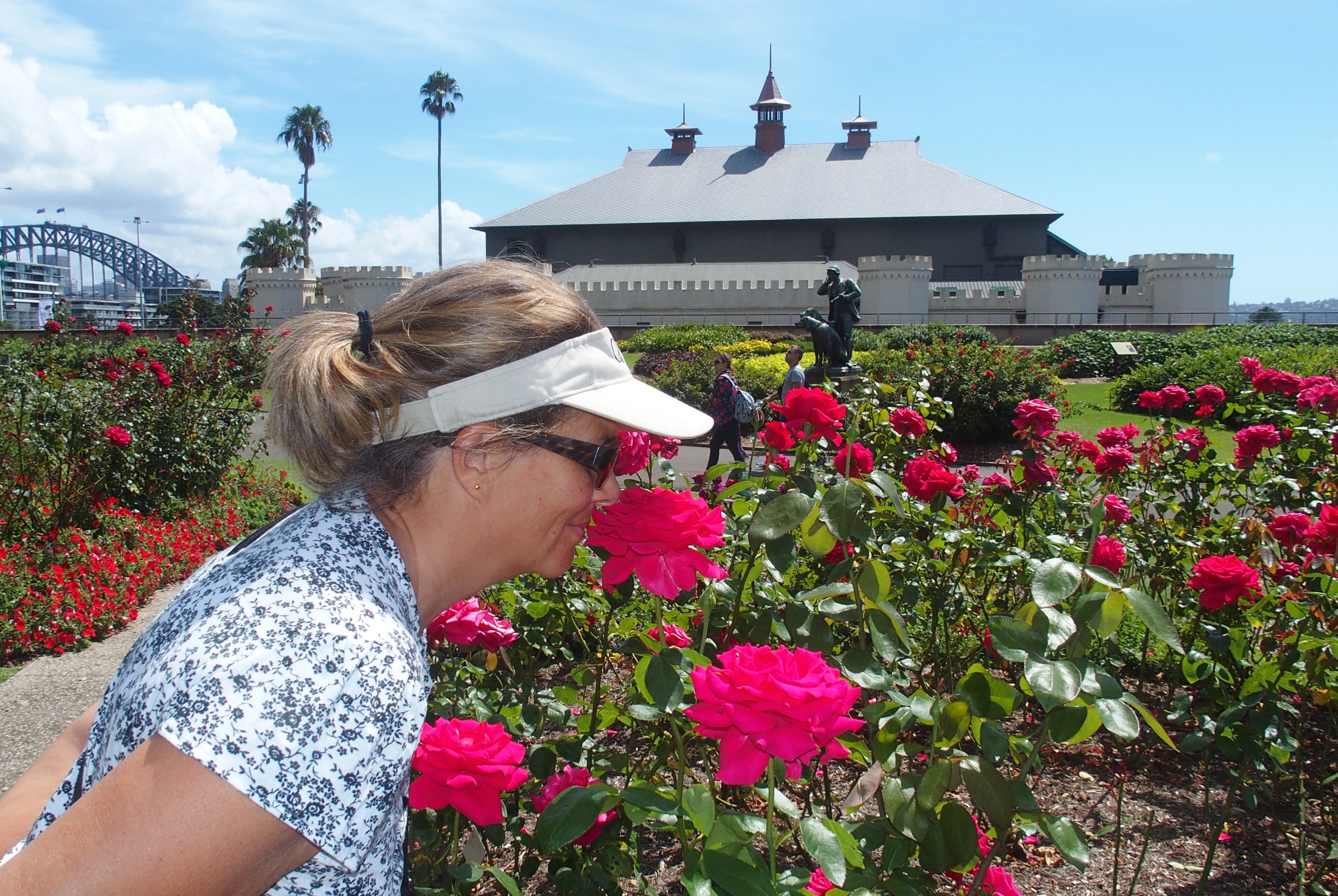
The walk to the harbor continues through the Royal Botanical Gardens.

OLYMPUS DIGITAL CAMERA

Always time to smell the roses. See the Sydney Harbour Bridge in the background?

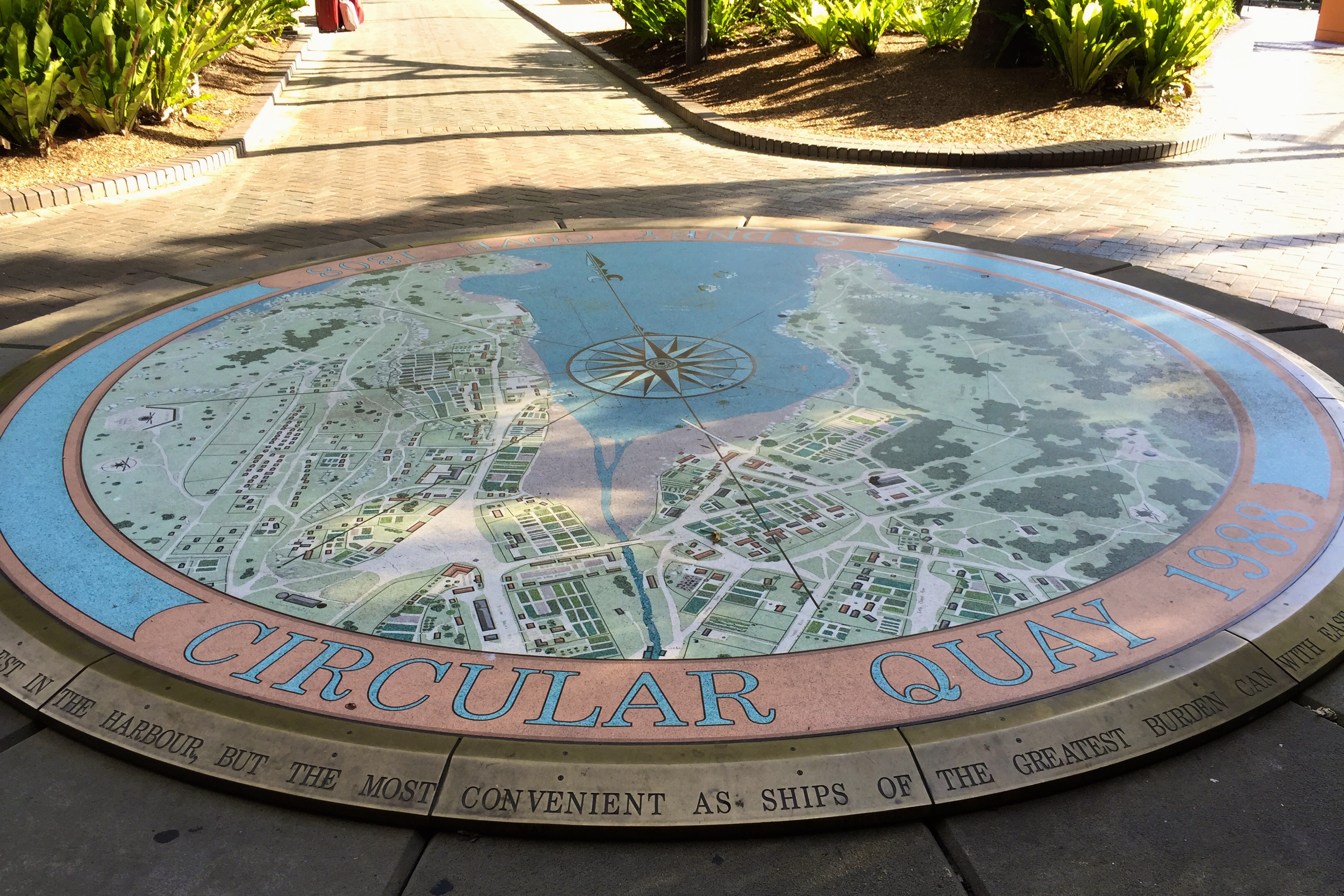
The harbor is busy! Several huge cruise boats were in port during our stay. The ferries all leave from Circular Quay. The train and buses stop here too.

IMG_4100

Sydney Cove on which the town of Sydney was to be built (January 26, 1788): “It is one of the smallest in the harbour but the most convenient, as ships of the greatest burden can of ease go into it and heave out close to the shore.”

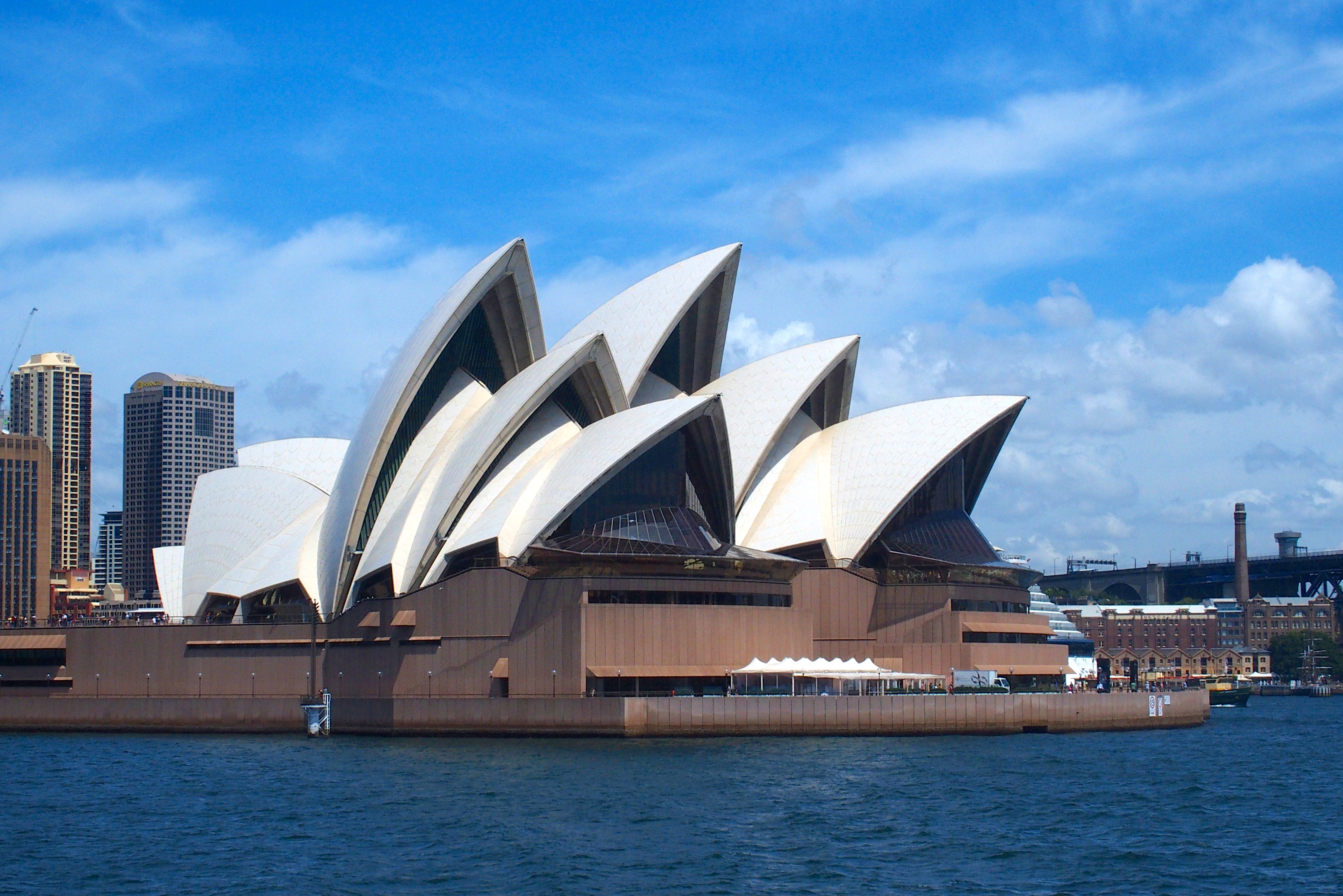
At last, the Sydney Opera House…

IMG_4065

This view looks west from the Botanic Gardens toward the Opera House with a small glimpse of the Sydney Harbour Bridge in the background.

Although the Opera House is now a recognized and much-loved icon worldwide, it’s just over 40 years old.  Construction took 16 years, with completion in 1973. The architect was inspired by the cliffs along Sydney Harbour to create the granite platform and used sections of a sphere to model the “sails.” Now yachts in the harbor repeat the sail pattern.

OLYMPUS DIGITAL CAMERA

Imagine the skepticism Danish architect Jørn Utzon must have met when he described his unique design. “You want to do what?”

OLYMPUS DIGITAL CAMERA

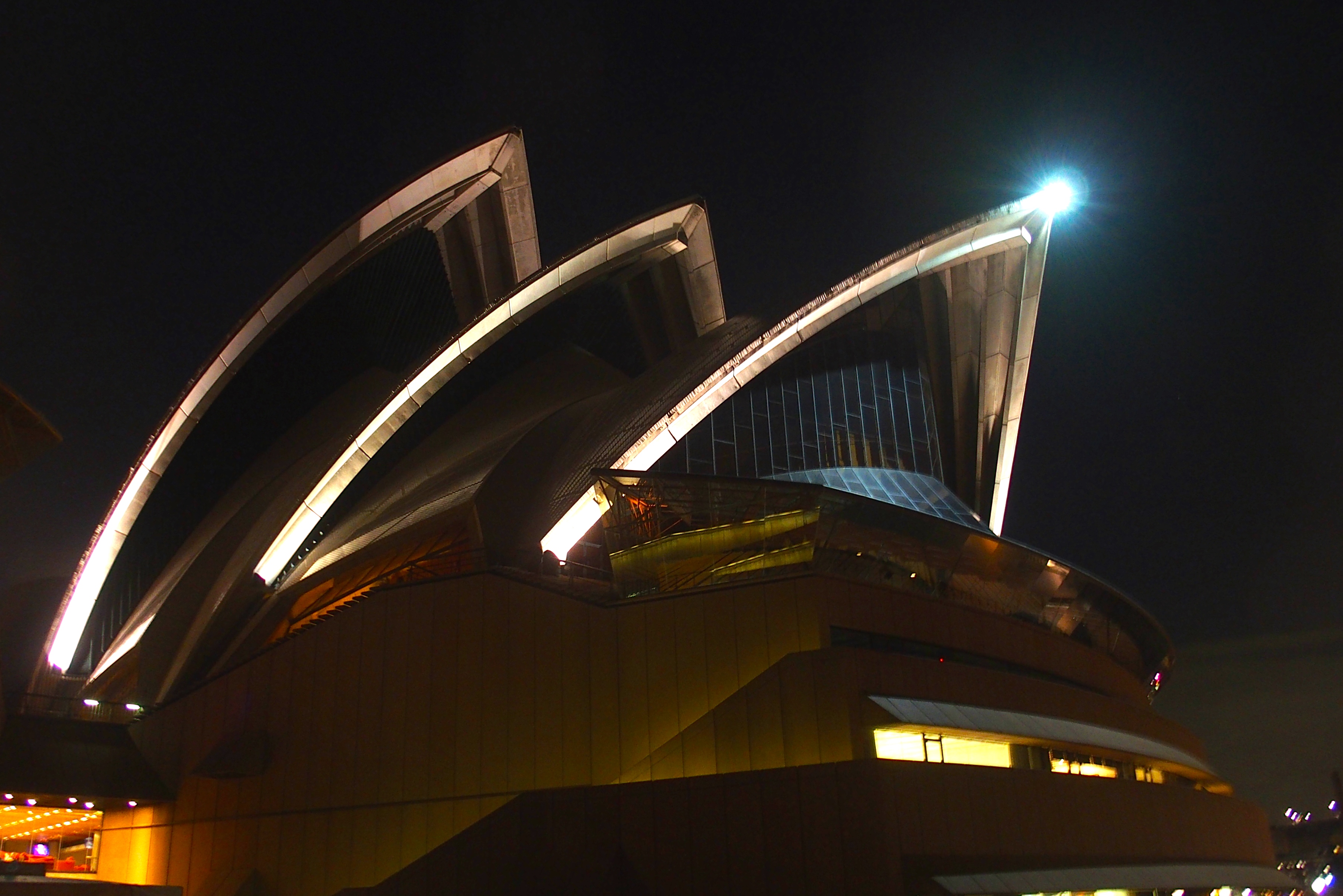
The structure’s outline is striking even at night.

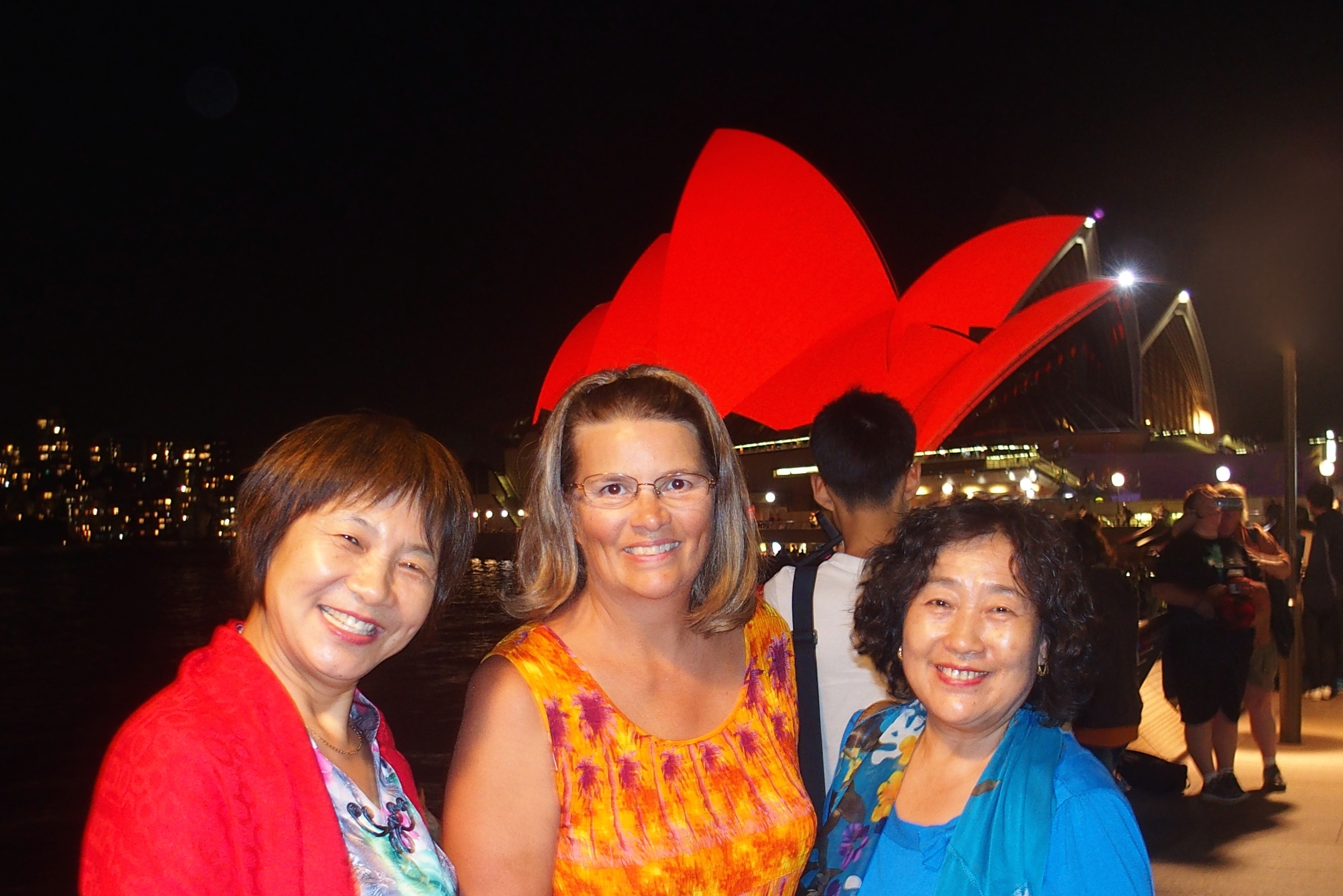
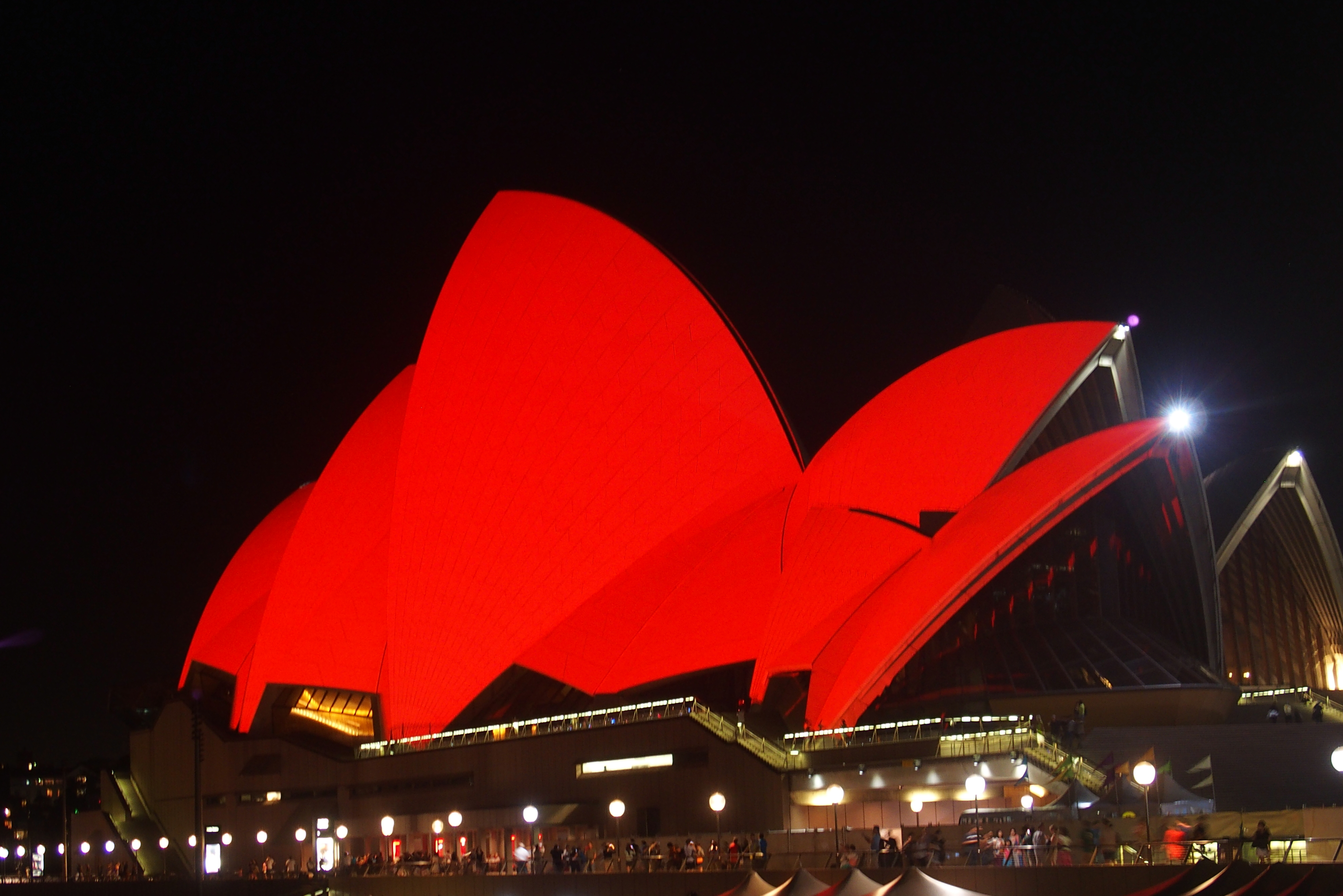
The roof is made of white ceramic tiles. The intent was to provide a contrast to the buildings of dark red and brown brick around the harbor. Serendipitously, this white surface is great for multi-colored light shows. Our visit coincided with Chinese New Year. While we walked around the harbor one night we were amazed to see a totally different look to the opera house.

OLYMPUS DIGITAL CAMERA

In China, red is a very lucky color, visible everywhere for Chinese New Year. So this is now the Sydney Chinese Opera House.

OLYMPUS DIGITAL CAMERA

We met a couple Chinese visitors who were just as impressed as we were by the colorful display.

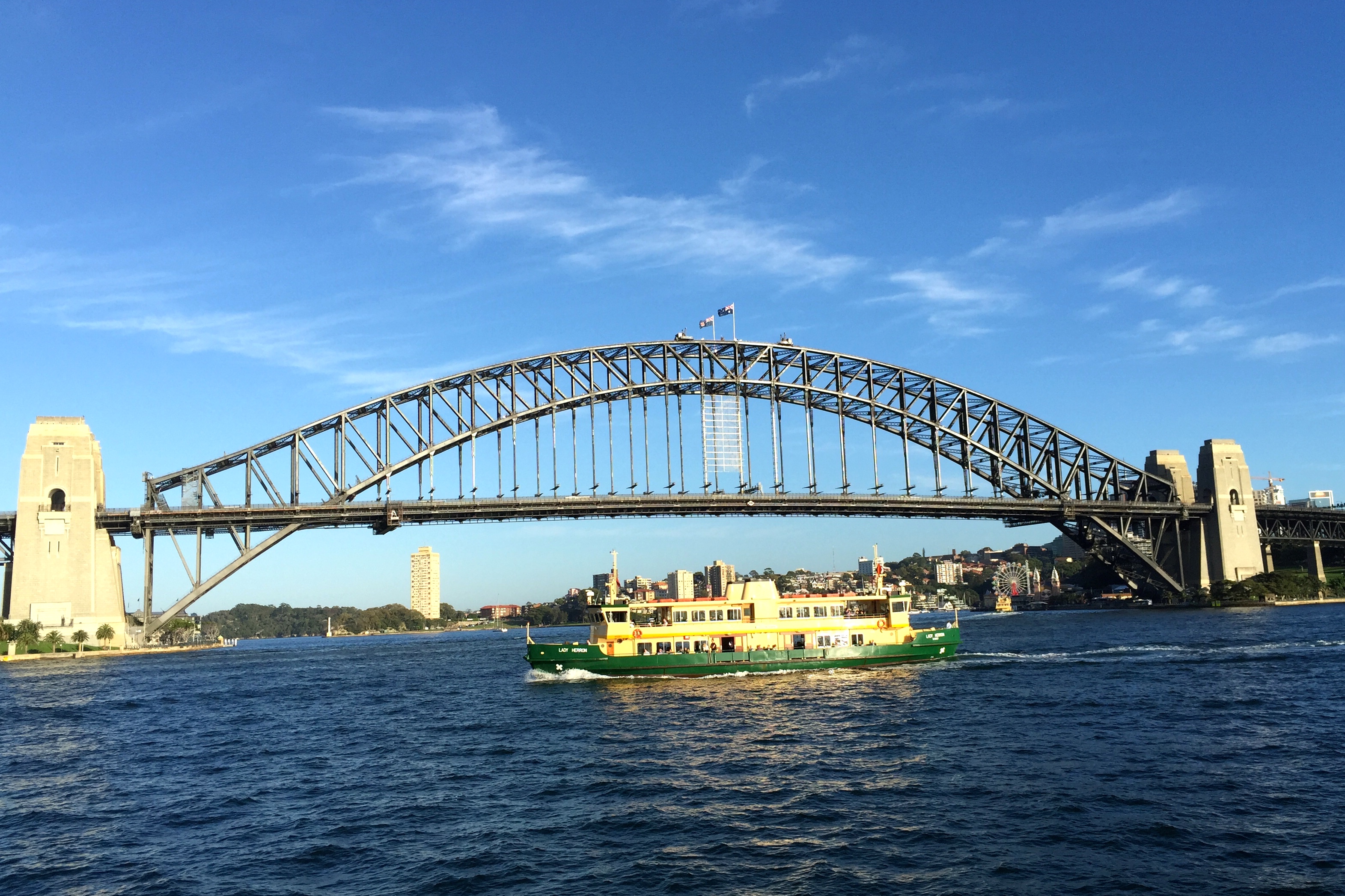
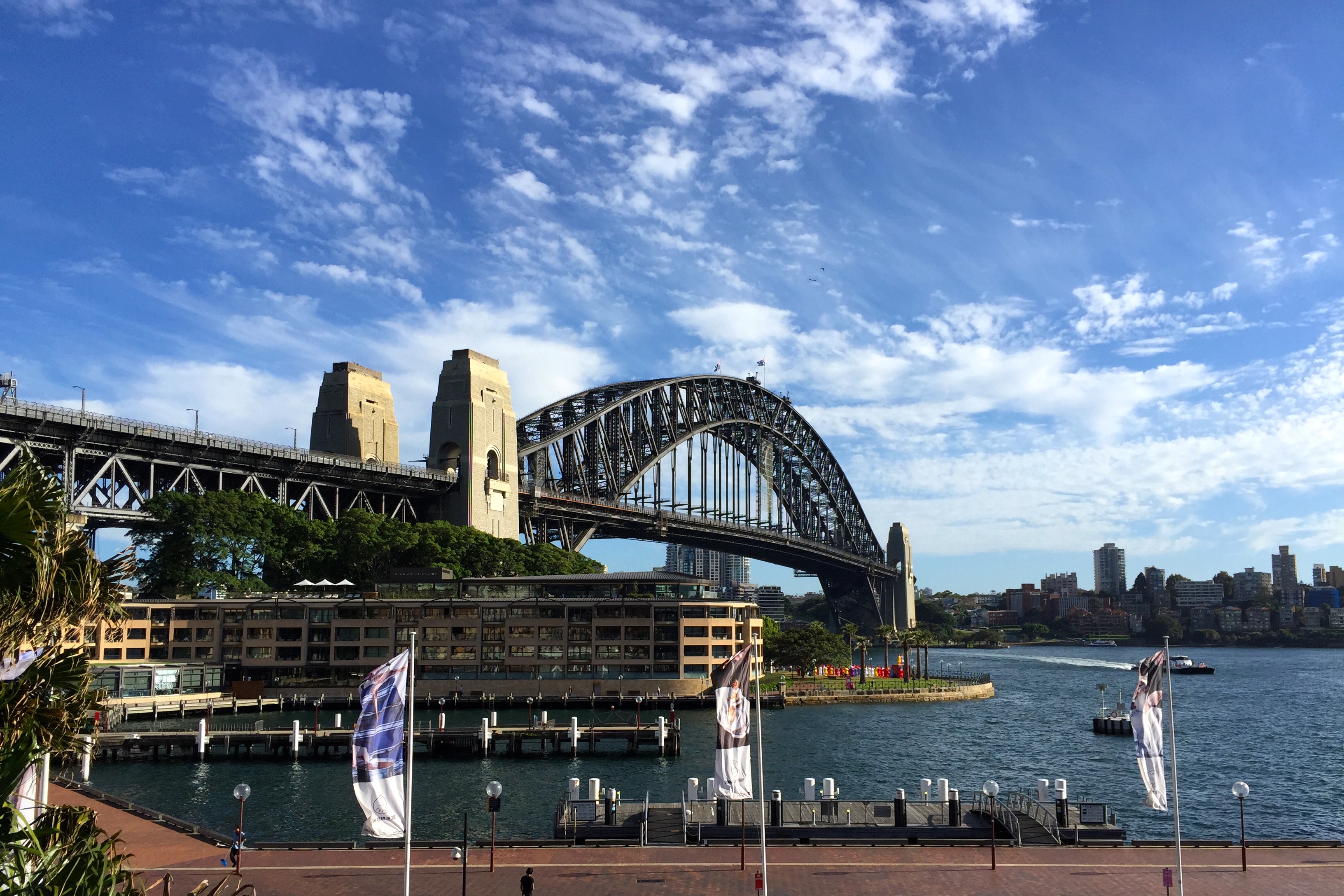
The Opera House isn’t the only impressive sight in the harbor. The Sydney Harbour Bridge is iconic as well. It is apparently affectionately called the Coathanger. It was completed in 1932. Imagine the harbor and bridge without the opera house at the time.

IMG_4077

One of the most famous views in the world.

Sixteen people died building the bridge. Paul Hogan (who said, “Throw another shrimp on the barbie”) was a rigger on the bridge at one time.

IMG_4055

Ferries like this leave from the Circular Quay to beaches all along the harbor. Lovely ride.

IMG_4103

Another view…

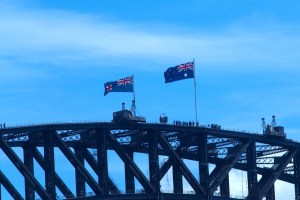
A very popular activity in Sydney is the Sydney Harbour Bridge Climb, now with several choices: climbing to the top, climbing halfway (why?), and climbing up the bridge pylon. The summit is 134 meters above sea level, not for anyone with acrophobia. A sign of the times: There is now a special Bridge Climb Mandarin! On this trip we just walked along the regular sidewalk.

2015-02-19 013

Don’t look down!

IMG_4098

This photo shows climbers atop the bridge with Australian flags heralding great national pride!

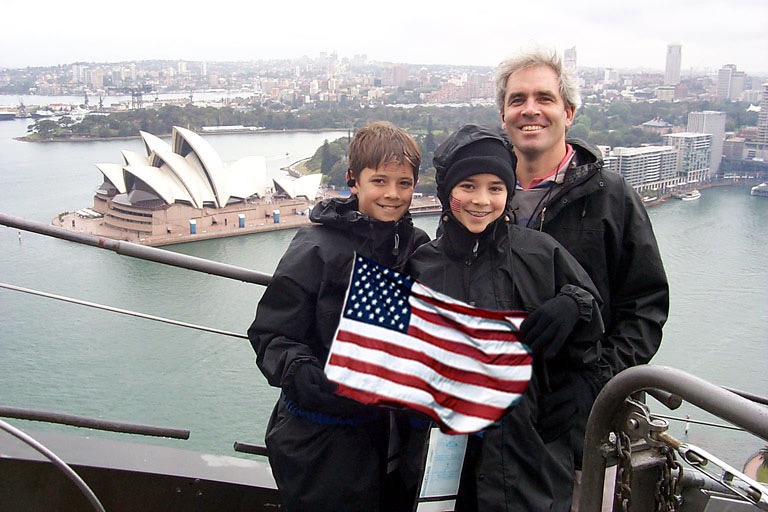
Michael, Liz, and Chris did the bridge climb in 2000 when they went to the Sydney Olympics.

IMG_4097

Michael, Liz, and Chris showed their own national pride.

The photo above has quite a story. Since bridge climbers are walking over pedestrian and auto traffic, the organizer is very concerned that nothing is dropped during the climb. “For safety reasons, you can’t carry anything with you on the Bridge.” Walkers leave personal items behind and wear jumpsuits. A company photographer takes a souvenir photo at the top. Somehow Liz snuck an American flag into her jumpsuit and pulled it out for the family photo. “Great!” said the guy at the top. “Not acceptable,” said the guy back on the ground. Our threesome left without a photo since they broke the rules. After extensive negotiating and some help from our Kodak Australia colleagues, we finally got a copy of the photo with the flag digitally removed. Through the miracles of technology, the flag has been restored to its (un)rightful place.

IMG_4112

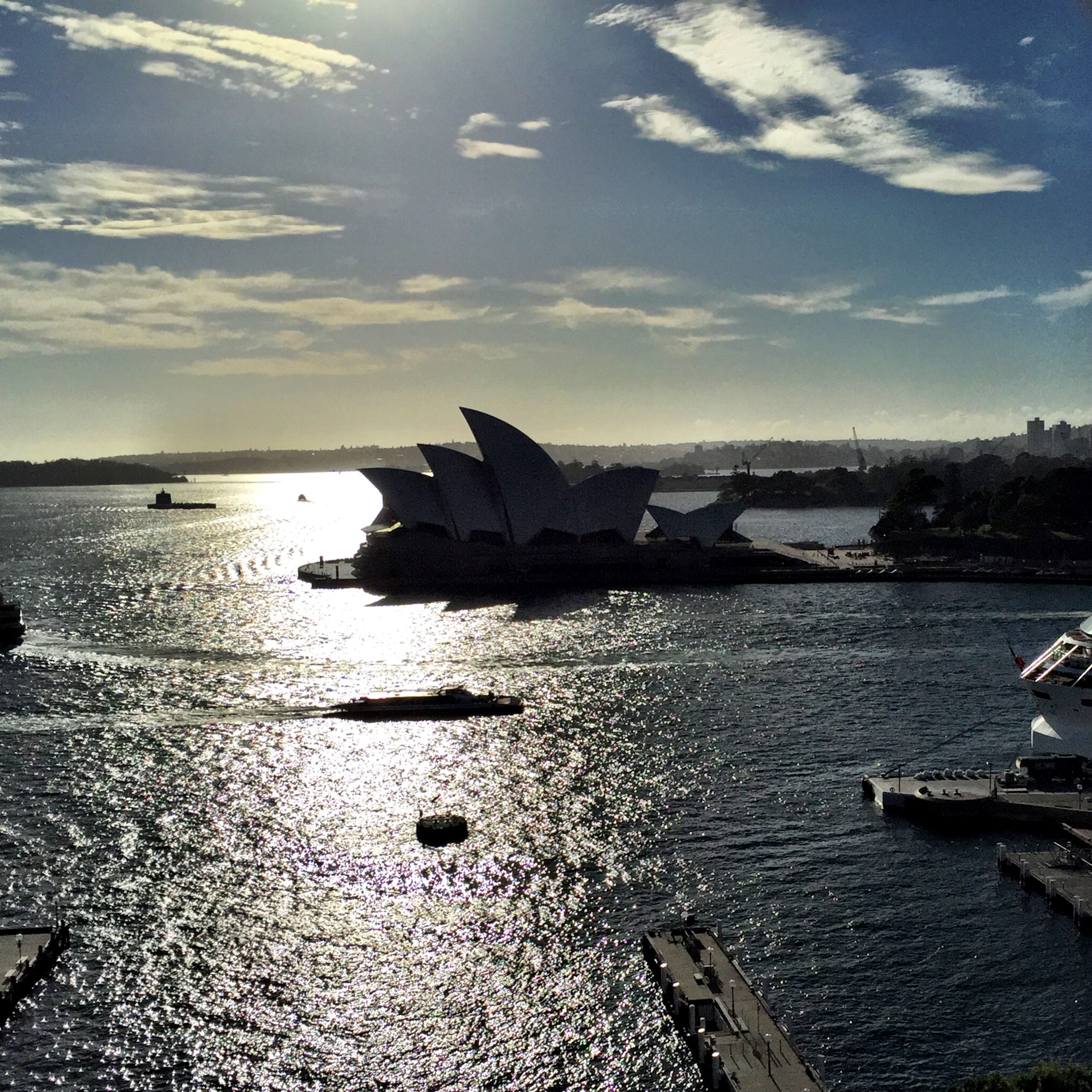
Early morning view of the Opera House from the pedestrian (non-climbing) level of the bridge.

Back to the present, these are our last views of the bridge…for now, at least.

2015-02-21 003

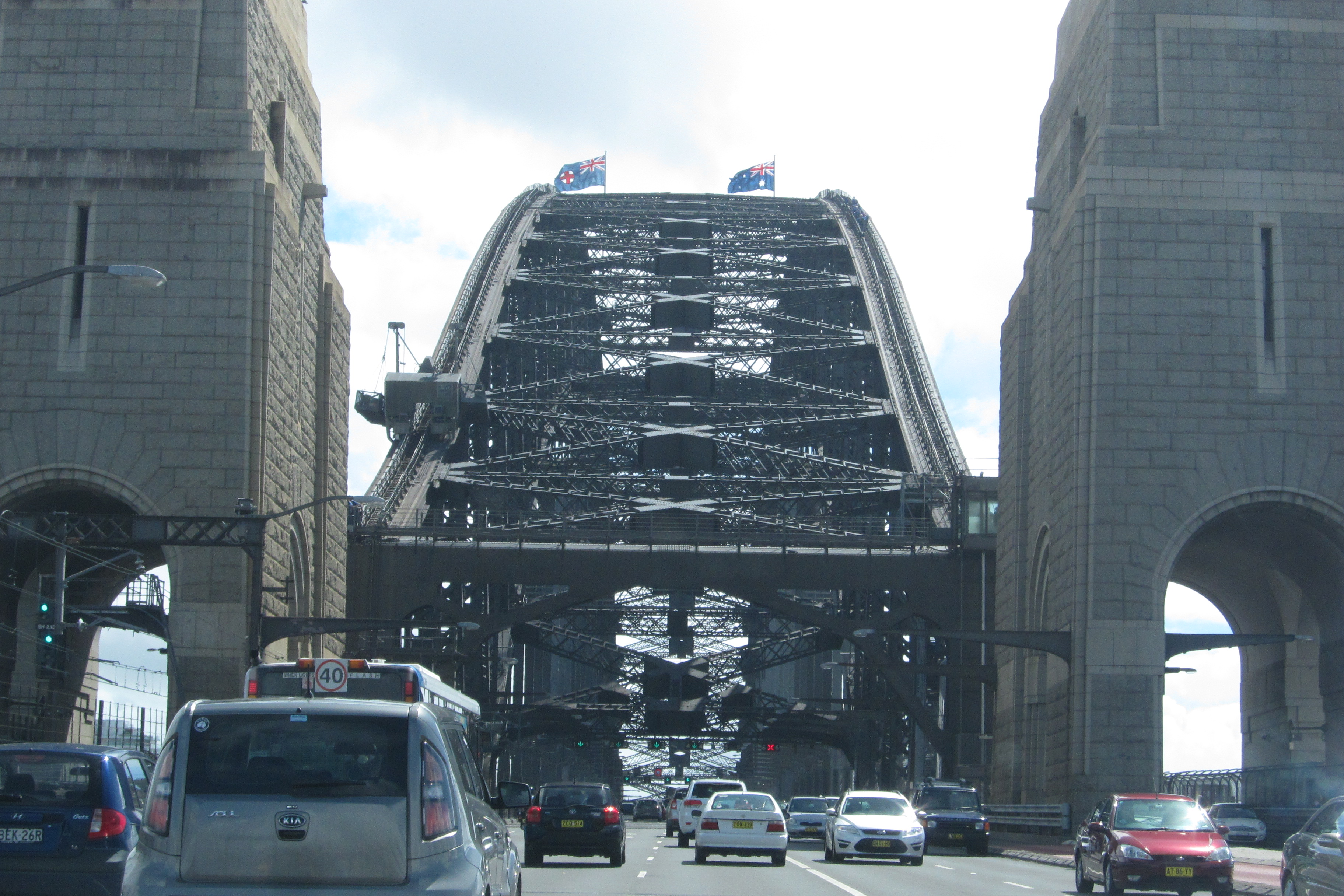
We’re driving on the left of course. At the top of the bridge on the right are some climbers.

2015-02-21 004

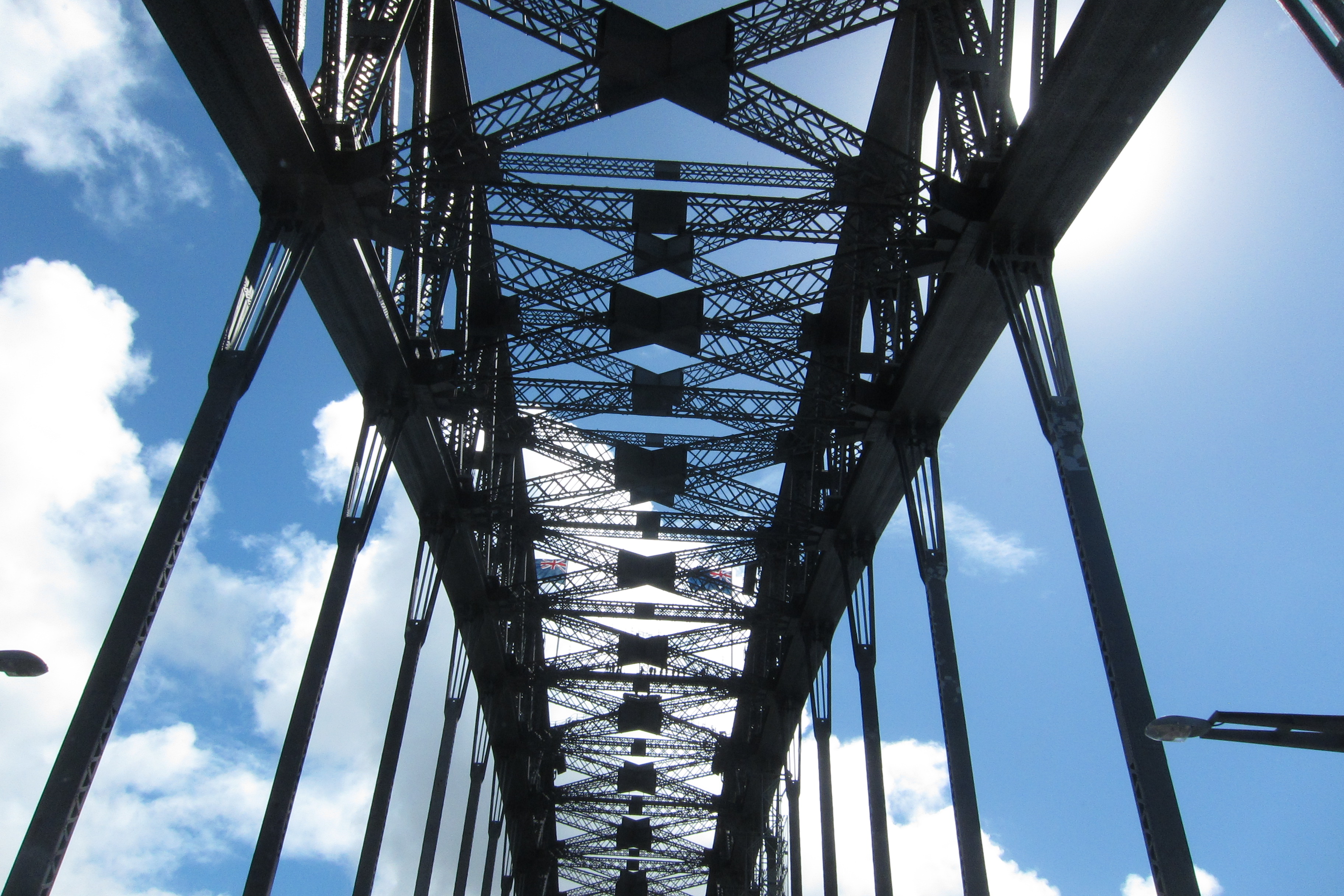
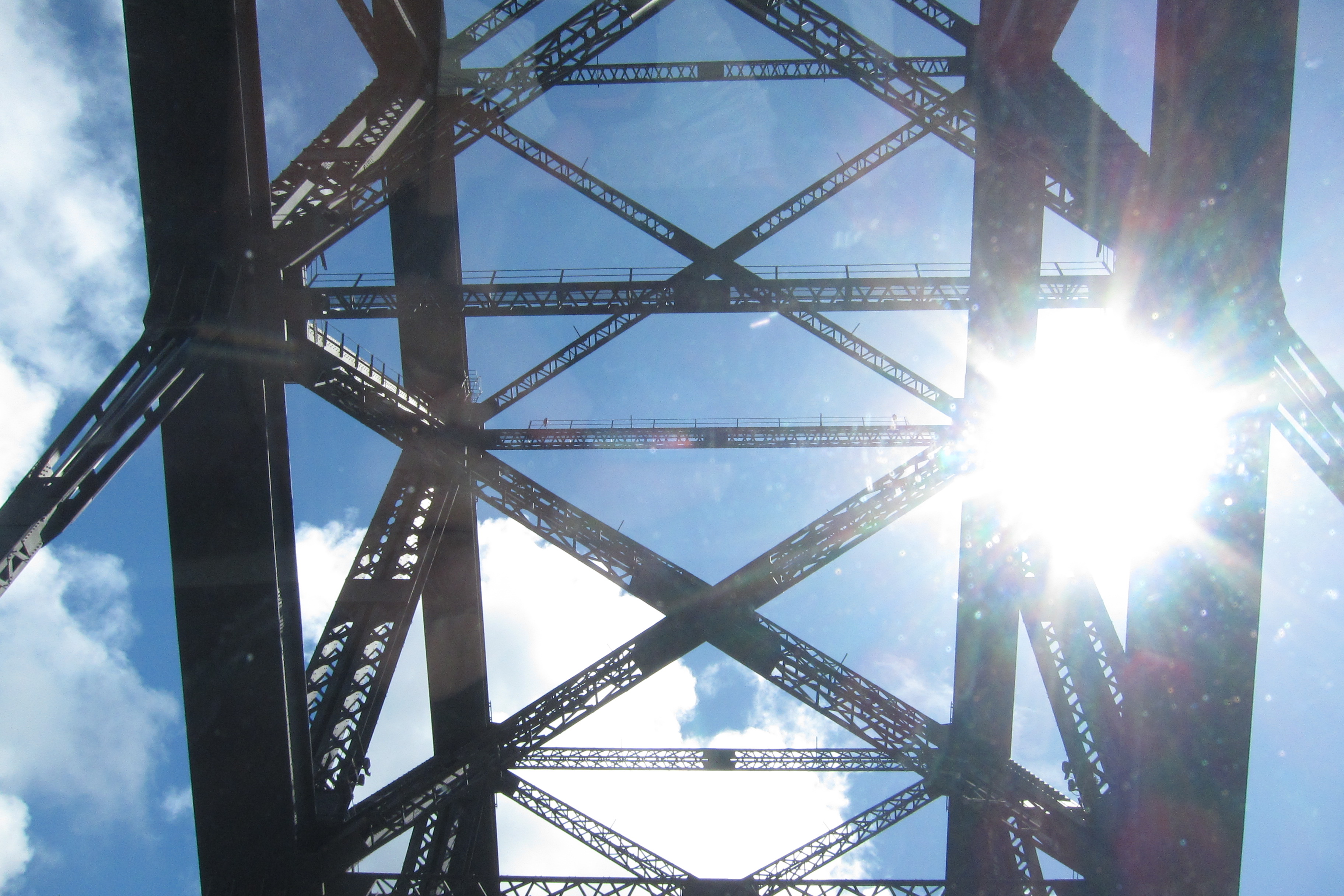
Looking up! (NOTE: Michael did not take this photo.)

2015-02-21 006

Leaving Sydney for another glorious day in Australia.

Next, we’re headed up the coast toward Brisbane, unexplored territory for us.

Posted in Smell the Roses, Travel Journal | Tagged , , , , , , | 1 Comment